
No products in the cart.
AI SEO Competitor Backlinks: The Complete Guide to Automated Link Gap Analysis
10
Aug
Aug
In the rapidly evolving landscape of search engine optimization, the term AI SEO Competitor Backlinks has emerged as a critical concept for digital marketers aiming to outperform their rivals. The days of manually sifting through thousands of backlink profiles are fading, replaced by intelligent algorithms that can analyze, predict, and recommend link-building strategies in a fraction of the time. This comprehensive guide explores how artificial intelligence is transforming the way we discover, evaluate, and acquire backlinks from competitors, providing a tactical roadmap for dominating search rankings through data-driven link acquisition.
Understanding AI SEO Competitor Backlinks
AI SEO competitor backlinks refer to the process of using artificial intelligence tools and machine learning algorithms to analyze the backlink profiles of competing websites. This analysis goes beyond simple list generation, incorporating predictive analytics, natural language processing, and pattern recognition to identify link opportunities that would be impossible to find manually. The core objective is to uncover the exact link-building strategies that are driving competitor rankings and replicate them with greater efficiency.
Traditional backlink analysis tools provided raw data about referring domains, anchor text, and domain authority. AI-powered systems take this a step further by interpreting the context of each link, predicting its value based on historical ranking data, and prioritizing opportunities based on the likelihood of successful acquisition. This shift from descriptive analytics to prescriptive recommendations represents a fundamental change in how SEO professionals approach link building.
The Evolution of Backlink Analysis: From Manual to AI-Driven
To fully appreciate the power of AI in competitor backlink analysis, it is essential to understand the evolution of this practice. In the early days of SEO, backlink analysis involved manually reviewing competitor websites, identifying directories, and submitting links to the same sources. This process was time-consuming, error-prone, and limited in scope. The introduction of tools like Ahrefs and Majestic automated the data collection process, but the analysis still required significant human interpretation.
The current generation of AI-powered tools represents a paradigm shift. These systems can process millions of backlinks in seconds, identify patterns in link acquisition velocity, and even predict which links are likely to be acquired by competitors in the near future. Machine learning models are trained on vast datasets of successful link-building campaigns, enabling them to recognize the characteristics of high-value links that contribute most significantly to search rankings.
Key Differences Between Traditional and AI-Powered Analysis
| Feature | Traditional Backlink Analysis | AI-Powered Backlink Analysis |
|---|---|---|
| Data Processing Speed | Hours to days for large datasets | Seconds to minutes |
| Link Quality Assessment | Based on static metrics like DA/PA | Predictive models incorporating multiple signals |
| Opportunity Prioritization | Manual sorting and filtering | Automated scoring based on acquisition probability |
| Pattern Recognition | Limited to visible trends | Identifies hidden correlations and anomalies |
| Scalability | Limited by human capacity | Unlimited, can analyze entire niches |
How AI Identifies High-Value Competitor Backlinks
The process of identifying high-value competitor backlinks through AI involves several sophisticated layers of analysis. First, the system crawls and indexes the backlink profiles of all major competitors within a specific niche. This includes not just direct competitors but also adjacent websites that rank for similar keywords. The AI then applies machine learning algorithms to categorize these links based on various attributes including source authority, content relevance, anchor text diversity, and placement context.
One of the most powerful capabilities of AI in this context is its ability to assess link quality beyond surface-level metrics. For instance, an AI system can analyze the semantic relationship between the linking page content and the target website, determining whether the link is contextually relevant or merely a random placement. This semantic analysis helps identify links that are likely to pass significant authority and relevance signals to the target site.
The Role of Predictive Analytics in Link Building
Predictive analytics represents the cutting edge of AI SEO competitor backlinks. By analyzing historical data on link acquisition patterns, AI systems can forecast which websites are likely to become valuable link sources in the future. This forward-looking approach gives SEO professionals a significant competitive advantage, allowing them to establish relationships with emerging authoritative sites before their competitors do.
These predictive models consider factors such as website growth trajectory, content quality trends, and social signals to estimate future authority. A website that is currently small but rapidly gaining traction in a niche may be flagged as a high-potential link source, even if its current metrics are modest. This capability transforms link building from a reactive to a proactive strategy.
Practical Applications of AI Competitor Backlink Analysis
The practical applications of AI-driven competitor backlink analysis extend across multiple aspects of SEO strategy. For content teams, this analysis reveals the types of content that are successfully attracting links, informing the creation of link-worthy assets. For outreach specialists, it provides a prioritized list of targets based on the likelihood of successful link acquisition, saving countless hours of prospecting.
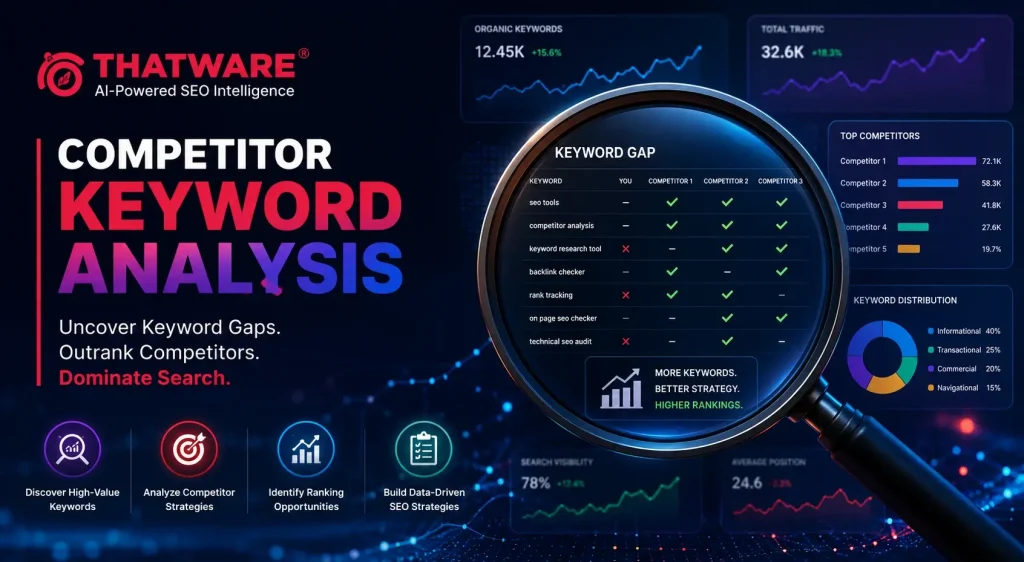
One of the most valuable applications is in identifying link gaps. By comparing the backlink profiles of multiple competitors, AI can identify links that several competitors share but that are missing from your own profile. These shared links represent the foundational link sources that are essential for ranking in a particular niche. Acquiring these links should be the highest priority in any link-building campaign.
Building a Competitor Link Gap Analysis Workflow
Implementing an effective AI-driven link gap analysis requires a structured workflow. Begin by selecting a set of 5-10 competitors that consistently outrank you for target keywords. Input these domains into an AI-powered backlink analysis tool and generate comprehensive reports of their link profiles. The AI system will automatically identify overlapping links, categorize them by source type, and score them based on potential value.
Next, filter the results to focus on links that are both high-value and realistically attainable. The AI can assess factors such as the linking site’s content guidelines, the presence of existing relationships, and the likelihood of acceptance for guest posts or resource inclusion. This filtering process ensures that outreach efforts are concentrated on opportunities with the highest probability of success.
Benefits of Using AI for Competitor Backlink Research
The benefits of incorporating AI into competitor backlink research are substantial and measurable. The most immediate benefit is time efficiency. Tasks that previously required weeks of manual analysis can now be completed in hours, freeing up resources for actual link acquisition activities. This efficiency gain translates directly into faster results and a more agile SEO strategy.
Accuracy is another significant advantage. AI systems eliminate the human bias and error that can plague manual analysis. They consistently apply the same criteria across all data points, ensuring that no valuable opportunities are overlooked and no low-quality links are mistakenly prioritized. This consistency leads to more reliable decision-making and better allocation of SEO resources.
Cost-Effectiveness and ROI Considerations
While AI-powered tools require an investment, the return on investment is typically substantial. Consider the cost of manual link research: the hours spent by SEO specialists, the opportunity cost of delayed campaigns, and the potential revenue lost from missed opportunities. AI tools dramatically reduce these costs while simultaneously improving the quality of link acquisition efforts.
Furthermore, the insights gained from AI analysis often reveal link-building strategies that would not have been discovered through manual research. These novel opportunities can provide a significant competitive edge, leading to faster ranking improvements and increased organic traffic. The long-term value of these insights far exceeds the cost of the tools used to generate them.
Limitations and Challenges of AI Backlink Analysis
Despite its many advantages, AI-powered competitor backlink analysis is not without limitations. One of the primary challenges is the quality of the underlying data. If the backlink index used by the AI tool is incomplete or outdated, the analysis will be flawed regardless of the sophistication of the algorithms. It is essential to use tools with comprehensive and frequently updated backlink databases.
Another challenge is the potential for over-reliance on AI recommendations. While AI can identify opportunities and predict outcomes, it cannot replace the human judgment required for relationship building and outreach. The best results are achieved when AI insights are combined with human expertise in communication and negotiation.
Data Privacy and Ethical Considerations
As with any AI application, there are ethical considerations surrounding the use of AI for competitor analysis. While analyzing publicly available backlink data is generally acceptable, it is important to avoid any practices that could be considered deceptive or manipulative. The goal should be to replicate successful strategies, not to engage in negative SEO tactics against competitors.
Additionally, SEO professionals must be mindful of search engine guidelines regarding link schemes. Even if AI identifies a particular link-building tactic as effective, it is essential to ensure that the tactic complies with Google’s Webmaster Guidelines. Building links that violate these guidelines can result in penalties that far outweigh any short-term ranking benefits.
Common Mistakes in AI Competitor Backlink Analysis
Several common mistakes can undermine the effectiveness of AI-driven competitor backlink analysis. The most prevalent mistake is focusing exclusively on high-authority links while ignoring the value of niche-relevant links from smaller sites. AI tools can help identify the right balance, but only if the user properly configures the analysis parameters.
Another frequent error is failing to consider the context of competitor links. A link that is valuable for a competitor may not be valuable for your site if your content, audience, or positioning differs significantly. AI analysis should always be interpreted through the lens of your specific business context and goals.
Ignoring Link Velocity and Historical Patterns
Many SEO professionals make the mistake of analyzing competitor backlinks as a static snapshot rather than examining the historical patterns of link acquisition. AI tools can reveal when competitors acquired their most valuable links, providing insights into the timing and cadence of successful link-building campaigns. Ignoring this temporal dimension can lead to missed opportunities and suboptimal strategies.
Understanding link velocity is particularly important for new websites or pages. If competitors acquired a significant number of links rapidly after publishing a piece of content, this suggests that the content itself was link-worthy and that similar content could generate similar results. AI analysis can identify these patterns and inform content creation strategies accordingly.
Important Notes for Successful Implementation
Successful implementation of AI competitor backlink strategies requires a holistic approach. First, ensure that your AI tools are properly integrated with your other SEO software and workflows. Data silos can undermine the effectiveness of even the most advanced AI systems. Seamless integration allows for the free flow of insights across all aspects of your SEO strategy.
Second, commit to continuous learning and adaptation. The algorithms used by AI tools are constantly evolving, and the search landscape is always changing. Regularly review your AI analysis processes and outcomes, and be willing to adjust your strategies based on new insights and changing conditions.
Third, maintain a human-centered approach to link building. AI can identify opportunities, but the actual acquisition of links requires genuine relationship building, compelling content, and effective communication. The most successful SEO professionals use AI as a tool to enhance their human capabilities, not replace them.
Frequently Asked Questions
What are AI SEO competitor backlinks?
AI SEO competitor backlinks are links pointing to competitor websites that are identified and analyzed using artificial intelligence tools. These tools use machine learning algorithms to process large volumes of backlink data, identify patterns, and prioritize link-building opportunities based on predictive models of link value and acquisition probability.
How do AI tools analyze competitor backlinks?
AI tools analyze competitor backlinks by crawling and indexing the link profiles of competing websites, then applying machine learning algorithms to categorize links by source authority, content relevance, anchor text, and placement context. These systems also use predictive analytics to forecast the future value of potential link sources and identify patterns in successful link-building campaigns.
What is the best AI tool for competitor backlink analysis?
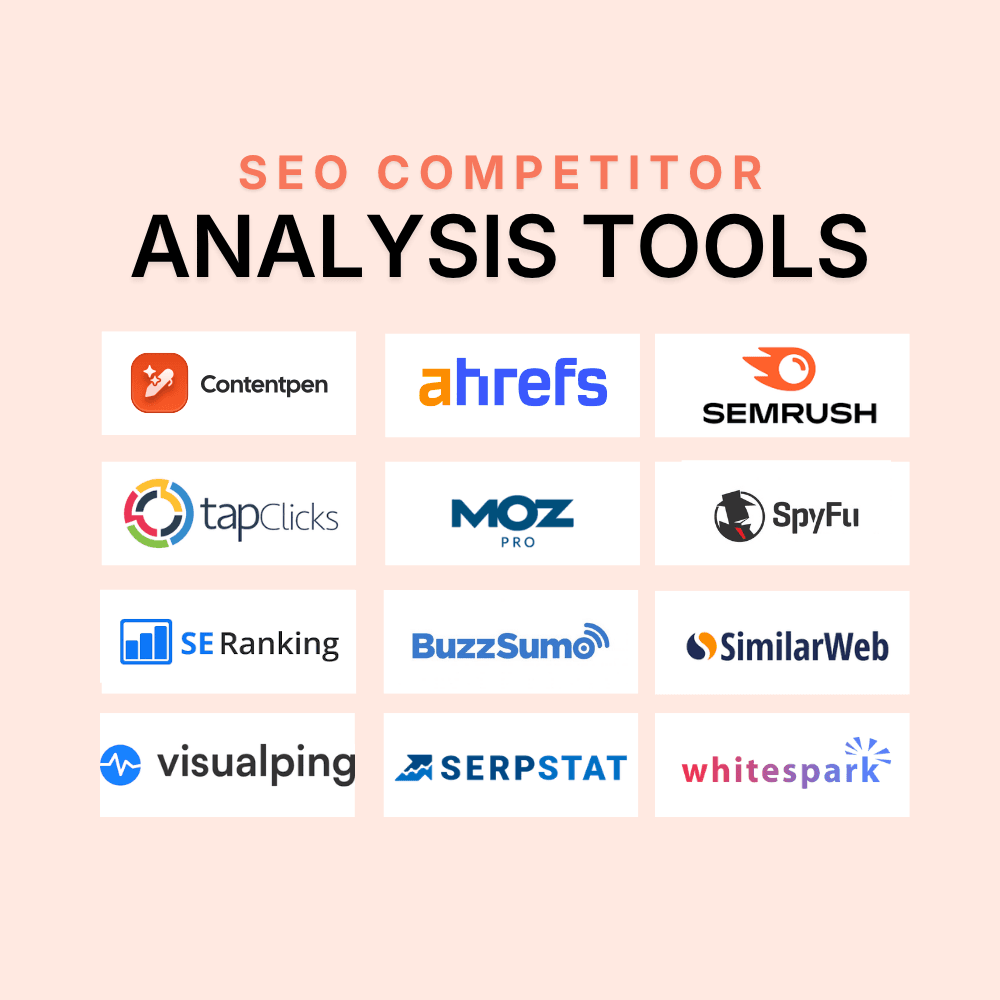
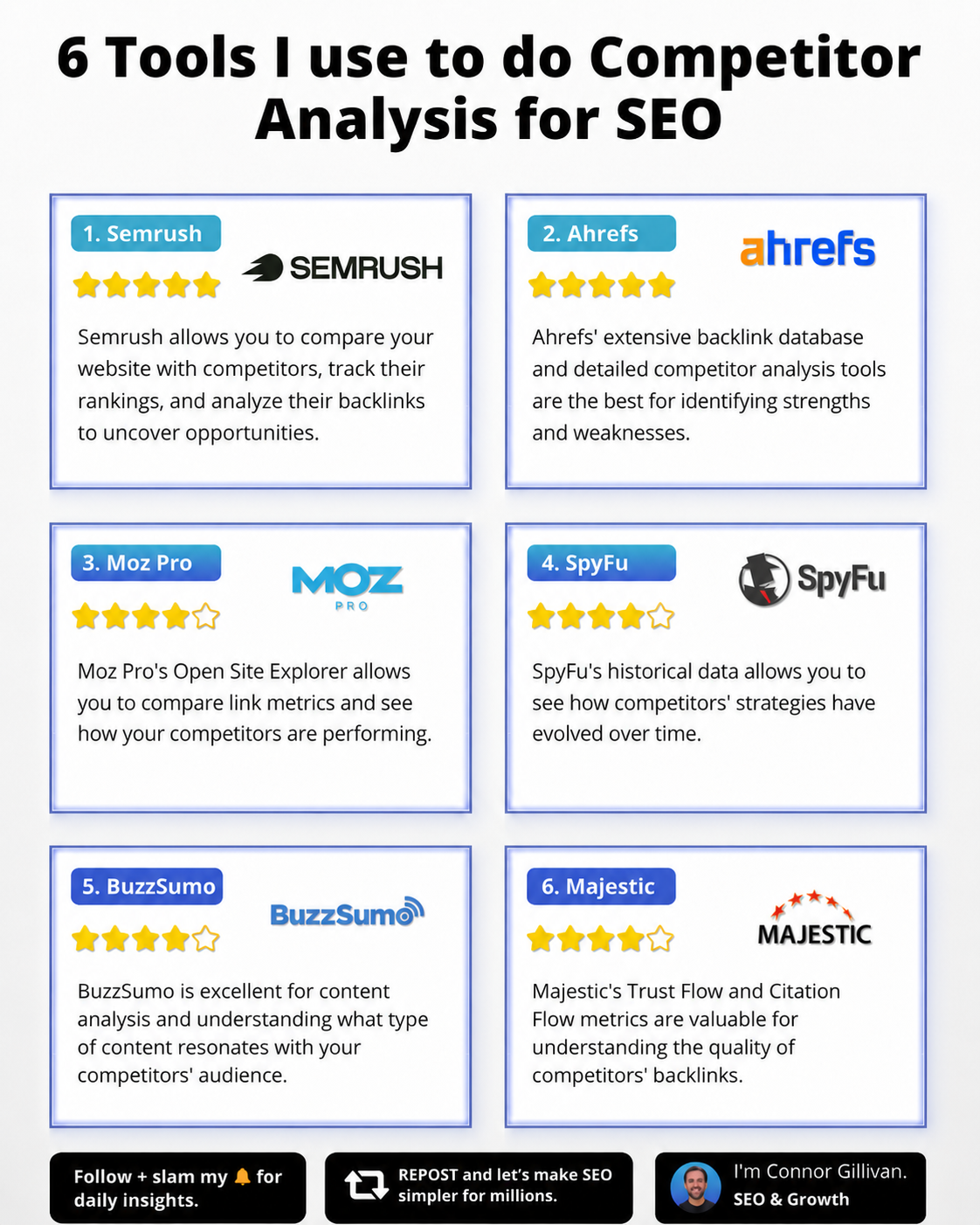
The best AI tool for competitor backlink analysis depends on specific needs and budget. Leading options include Ahrefs with its AI-powered features, Semrush with its Link Building Tool, and specialized AI tools like LinkResearchTools. Each offers unique capabilities in terms of data coverage, predictive analytics, and integration with other SEO functions.
How long does it take to see results from AI-driven link building?
Results from AI-driven link building typically become visible within 2-4 months, depending on the competitiveness of the niche and the quality of links acquired. AI analysis accelerates the process by identifying high-value opportunities faster, but the actual ranking improvements depend on the successful acquisition of those links and the overall quality of your SEO strategy.
Can AI replace human SEO professionals for backlink analysis?
AI cannot fully replace human SEO professionals for backlink analysis. While AI excels at data processing, pattern recognition, and prioritization, human judgment is essential for interpreting insights in context, building relationships with website owners, and making strategic decisions that align with broader business goals. The most effective approach combines AI capabilities with human expertise.
Conclusion
AI SEO competitor backlinks represent a transformative approach to link building that combines the power of machine learning with the strategic goals of search engine optimization. By leveraging AI for competitor analysis, SEO professionals can identify high-value link opportunities with unprecedented speed and accuracy, predict future trends, and allocate resources more effectively. The benefits of this approach are clear: faster results, improved efficiency, and a significant competitive advantage in the race for search rankings.
However, successful implementation requires a balanced approach that recognizes both the capabilities and limitations of AI. The most effective strategies combine AI-driven insights with human expertise in relationship building, content creation, and strategic planning. By embracing this hybrid approach, businesses can build robust backlink profiles that drive sustainable organic growth and establish lasting authority in their respective niches.
The future of SEO is undeniably intertwined with artificial intelligence, and competitor backlink analysis is at the forefront of this evolution. Those who adopt these technologies early and integrate them effectively into their workflows will be well-positioned to dominate search results and achieve their digital marketing objectives. The time to embrace AI-powered competitor backlink analysis is now, and the potential rewards are substantial for those who do.
Xem thêm:
- AI SEO AI Search Strategy: The Complete Guide to Dominating Generative Search
- AI SEO Vector Search: The Complete Guide to Semantic Search Optimization
- AI SEO GEO Strategy: The Complete Guide to Generative Engine Optimization in 2025
- AI SEO Workflow Automation: Streamline Your Search Strategy with Intelligent Automation
- AI SEO Breadcrumbs: The Complete Guide to Smarter Navigation in 2025
Bài viết cùng chủ đề:

AI SEO SEO Automation with Make: The Complete Workflow Guide

AI SEO SEO Automation with Zapier: The Complete Workflow Guide

AI SEO SEO Automation with n8n: The Complete Workflow Guide
AI SEO SEO Automation with Gemini: The Complete Guide to Scaling Organic Growth

AI SEO SEO Automation with Claude: The Complete Guide to Scaling Content in 2025

AI SEO SEO Automation with ChatGPT: The Complete Playbook for 2025

AI SEO & SEO Automation for Affiliate Sites: The 2025 Playbook for Passive Income Growth
AI SEO & SEO Automation for Bloggers: The Complete Guide to Scaling Your Content

AI SEO & SEO Automation for Agencies: The Complete 2025 Playbook

AI SEO and SEO Automation for Ecommerce: The Complete Playbook for 2025

AI SEO & SEO Automation for WordPress: The Complete Playbook for 2025
AI SEO SEO Automation Strategy: The Complete Playbook for 2025

Mastering the AI SEO SEO Automation Process: A Complete Guide to Scaling Organic Growth
AI SEO SEO Automation System: The Complete Guide to Scaling Organic Growth in 2025
AI SEO SEO Automation Platform: The Complete Guide to Scaling Organic Growth in 2025
AI SEO SEO Automation Software: The Complete Guide to Scaling Organic Growth in 2025















