
No products in the cart.
AI SEO Content Hierarchy: The Complete Blueprint for 2025 Rankings
10
Aug
Aug
The digital landscape has shifted dramatically. Search engines now process billions of queries through machine learning algorithms that understand context, intent, and semantic relationships. For content creators and SEO professionals, this means one thing: the old approach of writing isolated articles and hoping for rankings no longer works. The AI SEO Content Hierarchy has emerged as the definitive framework for organizing, creating, and optimizing content in an era where artificial intelligence governs search results. This comprehensive guide breaks down every layer of this hierarchy, showing you exactly how to structure your content strategy to align with how AI-driven search engines actually evaluate and rank web pages.
Understanding the AI SEO Content Hierarchy
The AI SEO Content Hierarchy refers to the structured, multi-level approach to content creation and optimization that accounts for how artificial intelligence systems process information. Unlike traditional SEO that focused primarily on keywords and backlinks, this hierarchy prioritizes semantic depth, entity relationships, and user intent fulfillment.
Search engines like Google now use neural matching, natural language processing (NLP), and transformer-based models like BERT and MUM to understand content. These systems don’t just look for exact keyword matches; they analyze the entire context of a page, its relationship to other pages on your site, and how well it satisfies the searcher’s underlying need. The hierarchy provides a framework for meeting these sophisticated requirements systematically.
The Core Principle: Topical Authority Through Structured Depth
At its foundation, the AI SEO Content Hierarchy operates on the principle that search engines reward websites that demonstrate comprehensive knowledge of a subject. This isn’t about writing longer articles; it’s about creating a structured ecosystem of content where each piece serves a specific purpose and connects logically to others. AI algorithms can detect when a website has genuine expertise versus when it’s simply publishing thin, keyword-stuffed pages.
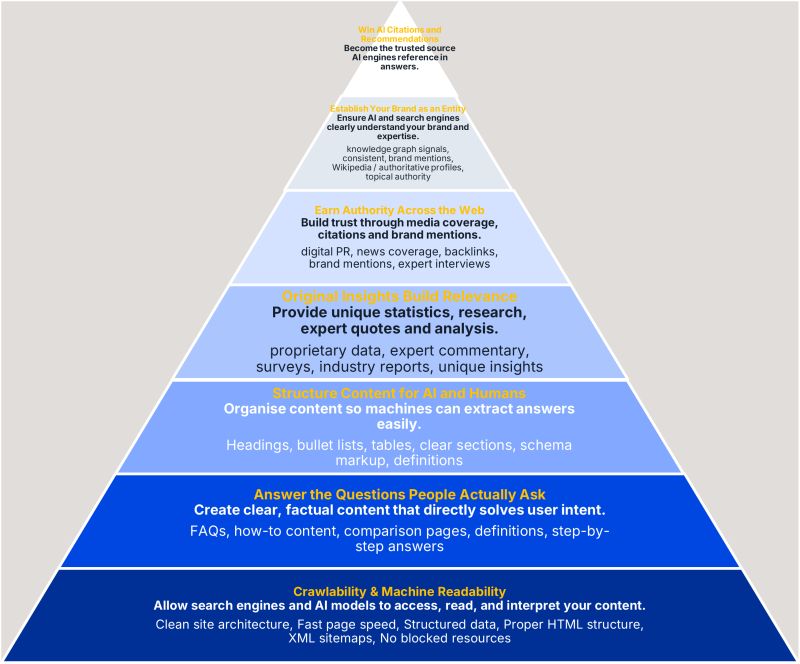
The hierarchy typically consists of five distinct levels: pillar pages, cluster content, supporting assets, structured data, and continuous optimization signals. Each level builds upon the previous one, creating a pyramid of relevance that AI systems can easily crawl, understand, and rank.
Level 1: Pillar Pages as the Foundation
Pillar pages sit at the top of the AI SEO Content Hierarchy. These are comprehensive, authoritative guides that cover a broad topic in exhaustive detail. A pillar page for “digital marketing” might cover strategy, channels, metrics, tools, and trends all in one place. These pages typically range from 3,000 to 10,000 words and serve as the primary destination for your most important target keywords.
AI search engines treat pillar pages as the definitive resource for a topic. They look for signals like comprehensive coverage, logical subheadings, internal links to related content, and clear answers to common questions. When your pillar page satisfies these criteria, it earns the right to rank for competitive head terms.
How to Structure a High-Performing Pillar Page
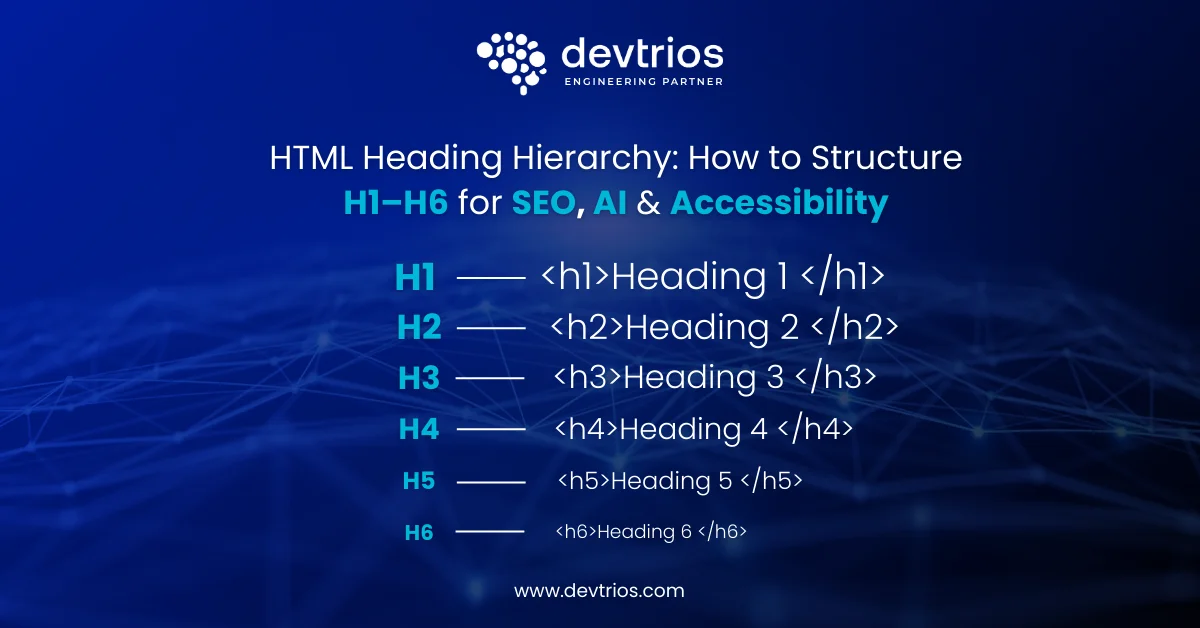
Start with a clear, descriptive H1 that includes your primary keyword. Follow with an introduction that immediately addresses the user’s intent. Then, organize your content into logical H2 sections that each cover a major subtopic. Use H3s for deeper dives within those sections. Include tables, lists, and examples to break up text and provide multiple ways for AI to extract meaning.
Internal linking is critical at this level. Every cluster article you create should link back to the pillar page, and the pillar page should link out to those cluster pieces. This creates a web of interconnected content that AI crawlers can navigate effortlessly, passing authority throughout your site.
Level 2: Cluster Content for Semantic Depth
The second level of the AI SEO Content Hierarchy involves creating cluster content—individual articles that target specific long-tail keywords and subtopics related to your pillar page. If your pillar covers “content marketing,” your clusters might include “content calendar templates,” “how to measure content ROI,” “blog post writing tips,” and “content distribution strategies.”
Each cluster article should be substantial, typically 1,500 to 2,500 words, and provide genuine value on its specific subtopic. AI algorithms use these pieces to understand the breadth of your knowledge. When a user searches for a specific long-tail query, the cluster article can rank for that query while simultaneously reinforcing the authority of your pillar page.
Selecting the Right Cluster Topics
Use keyword research tools to identify related queries, but don’t stop there. Analyze search engine results pages (SERPs) to see what types of content currently rank for your target terms. Look at the “People Also Ask” boxes and related searches to uncover additional subtopics. The goal is to create clusters that fill genuine gaps in your content ecosystem, not just pages that target similar keywords with slightly different phrasing.
Each cluster piece should have a unique angle, provide actionable information, and include internal links to both the pillar page and other relevant cluster articles. This interlinking strategy helps AI understand the relationships between your content pieces, creating a semantic map of your expertise.
Level 3: Supporting Assets and Multimedia
Modern AI search algorithms don’t just read text; they analyze images, videos, infographics, and interactive elements. The third level of the AI SEO Content Hierarchy involves creating supporting assets that enhance your text-based content and provide additional signals of quality and relevance.
Include original images with descriptive alt text that includes relevant keywords. Create custom charts or graphs that visualize data from your articles. Embed videos that explain complex concepts. These elements not only improve user engagement but also give AI systems more data points to understand your content’s subject matter.
Optimizing Multimedia for AI Understanding
Every image should have a descriptive filename, proper alt text, and be compressed for fast loading. Videos should have transcripts and descriptive titles. Infographics should be accompanied by text that explains the key takeaways. AI systems can now perform visual recognition, so ensure your visual content is relevant and high-quality.
Structured data markup, such as Schema.org vocabulary, is also part of this level. Implementing JSON-LD for articles, FAQs, how-tos, and breadcrumbs helps AI systems understand exactly what your content is about and how it should be displayed in search results. This technical layer significantly enhances your content’s visibility in rich results.
Level 4: User Experience and Engagement Signals
AI algorithms pay close attention to how users interact with your content. The fourth level of the hierarchy focuses on optimizing user experience to generate positive engagement signals. Metrics like dwell time, bounce rate, pages per session, and return visits all factor into how AI evaluates your content’s quality.
Create content that is easy to scan with clear headings, short paragraphs, and bullet points. Ensure your pages load quickly on all devices. Make navigation intuitive so users can easily find related content. When users spend more time on your site and explore multiple pages, AI interprets this as a signal that your content is valuable and relevant.
Designing for Readability and Retention
Use a clean, distraction-free layout with ample white space. Choose fonts that are easy to read on mobile devices. Break up long sections with relevant images or pull quotes. Include a table of contents for longer articles so users can jump to the sections they need. These design choices directly impact how long users stay on your page and how deeply they engage with your content.
Interactive elements like quizzes, calculators, or polls can significantly increase engagement. When users interact with your content, they send strong positive signals to AI algorithms. However, ensure these elements are genuinely useful and not just gimmicks that detract from the core information.
Level 5: Continuous Optimization and Freshness
The top of the AI SEO Content Hierarchy is not a static destination but an ongoing process. AI algorithms favor content that is regularly updated, expanded, and improved. This level involves continuously monitoring your content’s performance and making data-driven updates to maintain or improve rankings.
Set a regular schedule for reviewing your pillar pages and cluster content. Update statistics, add new examples, incorporate recent industry developments, and refine your internal linking as you publish new content. AI systems detect these updates and may recrawl your pages more frequently, giving you more opportunities to rank.
Using Analytics to Guide Updates
Monitor your search console data to identify pages that are losing rankings or impressions. Analyze user behavior metrics to see where users drop off. Use heat mapping tools to understand how users interact with your pages. This data tells you exactly what needs improvement, whether it’s outdated information, poor formatting, or missing answers to common questions.
Pay attention to search query trends. When new related questions emerge in your niche, create content that addresses them or update existing content to include the answers. This proactive approach keeps your content ecosystem aligned with evolving search behavior.
Benefits of Implementing the AI SEO Content Hierarchy
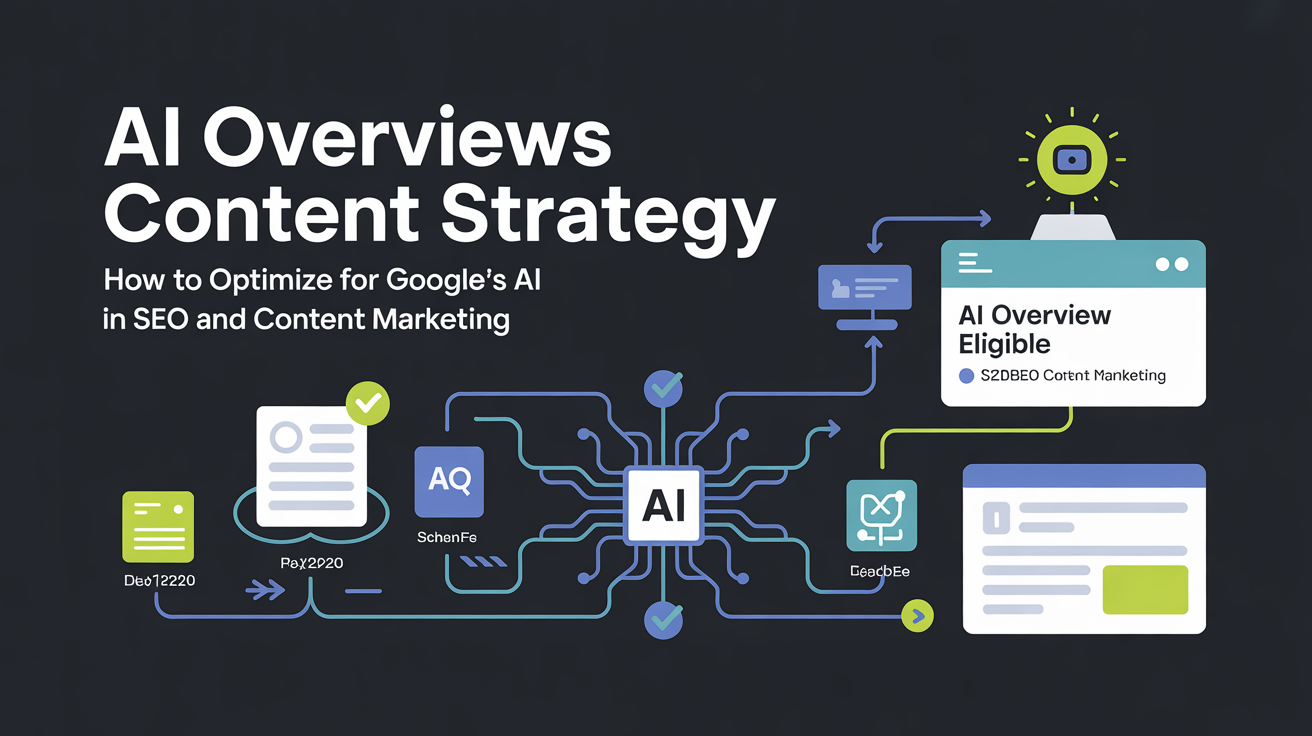
Adopting this structured approach offers numerous advantages that go beyond simple keyword rankings. Websites that implement a proper AI SEO Content Hierarchy typically see improvements in organic traffic, search visibility, and brand authority.
- Improved topical authority: Search engines recognize your site as a comprehensive resource, boosting rankings across all your content.
- Higher click-through rates: Well-structured content with clear headings and rich snippets attracts more clicks from search results.
- Better user engagement: Users find exactly what they need, leading to longer sessions and more conversions.
- Faster indexing: Clear internal linking helps AI crawlers discover and index your content more efficiently.
- Resilience to algorithm updates: A solid content hierarchy provides stability even when search algorithms change.
- Enhanced brand credibility: Comprehensive, well-organized content positions your brand as a thought leader.
- Audit your existing content: Identify your strongest pages and the topics they cover. Look for gaps and opportunities.
- Define your pillar topics: Choose 3-5 broad topics that are central to your business and have significant search volume.
- Conduct thorough keyword research: For each pillar topic, identify 10-20 long-tail keywords and related questions.
- Create your pillar pages first: Write comprehensive guides that cover each broad topic exhaustively.
- Develop cluster content systematically: Publish cluster articles one at a time, ensuring each is high-quality and properly linked.
- Add supporting assets: Create custom images, videos, and infographics for your key pages.
- Implement structured data: Add Schema markup to help AI understand your content.
- Monitor and iterate: Track your rankings and user behavior, then make data-driven updates.
Common Mistakes in Building a Content Hierarchy
Even with a clear framework, many websites make critical errors when trying to implement the AI SEO Content Hierarchy. Recognizing these pitfalls can save you from wasted effort and missed opportunities.
Creating Thin Cluster Content
One of the most frequent mistakes is creating short, superficial cluster articles just to have more pages. AI algorithms are sophisticated enough to detect thin content that provides little value. Each cluster piece must offer genuine, actionable information that stands on its own merit, not just a few paragraphs that barely scratch the surface.
Ignoring Internal Linking Structure
Some websites create pillar and cluster content but fail to link them properly. Without a clear internal linking structure, AI systems cannot understand the relationships between your pages. Every cluster article should link to the pillar page, and the pillar page should link to every cluster. Additionally, related clusters should link to each other when contextually appropriate.
Keyword Cannibalization
When multiple pages target the same or very similar keywords, they compete against each other in search results. This confuses AI algorithms and dilutes your authority. Ensure each piece of content targets a unique primary keyword and distinct search intent. Use your keyword research to map out which terms belong to which pages.
Neglecting Content Updates
Creating a content hierarchy is not a one-time project. Websites that fail to update their content eventually see declining rankings as newer, fresher content from competitors takes over. Regular updates signal to AI that your content is current and relevant.
Practical Implementation Guide
Implementing the AI SEO Content Hierarchy requires a systematic approach.
Measuring the Success of Your Content Hierarchy
To determine whether your AI SEO Content Hierarchy is working, track specific metrics that reflect both search performance and user engagement.
| Metric | What It Measures | Target Trend |
|---|---|---|
| Organic traffic | Total visits from search engines | Steady increase over time |
| Keyword rankings | Position of your pages for target terms | Movement toward top 3 positions |
| Dwell time | How long users stay on your pages | Average above 3 minutes |
| Pages per session | How many pages users visit | Increasing trend |
| Bounce rate | Percentage of single-page sessions | Decreasing trend |
| Indexed pages | Number of your pages in search index | Growing as you publish |
Review these metrics monthly to identify what’s working and what needs adjustment. Pay particular attention to pages that rank on page two of search results; these are often close to breaking through and may just need minor optimization.
Important Notes for Long-Term Success
The AI SEO Content Hierarchy is not a quick fix but a long-term strategy. Building genuine topical authority takes time and consistent effort. Avoid shortcuts like mass-producing low-quality AI-generated content without human oversight. Search engines are increasingly adept at detecting content that lacks real expertise and experience.
Focus on creating content that genuinely helps your target audience. When you prioritize user value, the SEO benefits naturally follow. AI algorithms are designed to reward content that satisfies user intent, so aligning your content strategy with user needs is always the safest bet.
Stay informed about updates to search algorithms and AI technologies. The field evolves rapidly, and what works today may need adjustment tomorrow. Follow reputable SEO publications, participate in industry communities, and continuously test new approaches.
Frequently Asked Questions
What is the difference between a pillar page and a cluster article?
A pillar page is a comprehensive, long-form guide that covers a broad topic in its entirety. It targets high-volume, competitive keywords and serves as the central hub for a topic. A cluster article is a more focused piece that covers a specific subtopic within the broader theme. It targets long-tail keywords and links back to the pillar page, creating a network of related content that demonstrates topical authority.
How many cluster articles should I create for each pillar page?
T The exact number depends on the breadth of your topic and the volume of relevant long-tail keywords available. Focus on quality over quantity; it is better to have 10 excellent cluster articles than 30 mediocre ones.
Can I implement the AI SEO Content Hierarchy on a small website?
Yes, the framework scales to any size. A small website can start with one pillar page and a few cluster articles, then expand over time. The key is to maintain the structural integrity of the hierarchy—proper internal linking, comprehensive coverage, and consistent quality—regardless of the total number of pages.
How long does it take to see results from a content hierarchy?
Typically, it takes 3 to 6 months to see significant improvements in rankings and organic traffic. This timeline depends on factors like the competitiveness of your niche, the quality of your content, and the authority of your domain. Consistency is crucial; publishing regularly and updating existing content accelerates results.
Is AI-generated content suitable for building a content hierarchy?
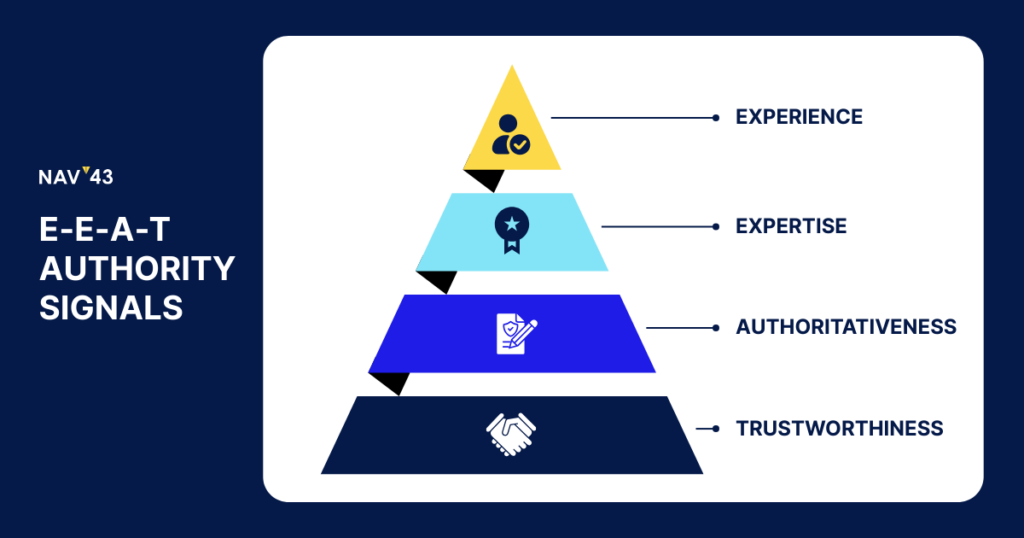
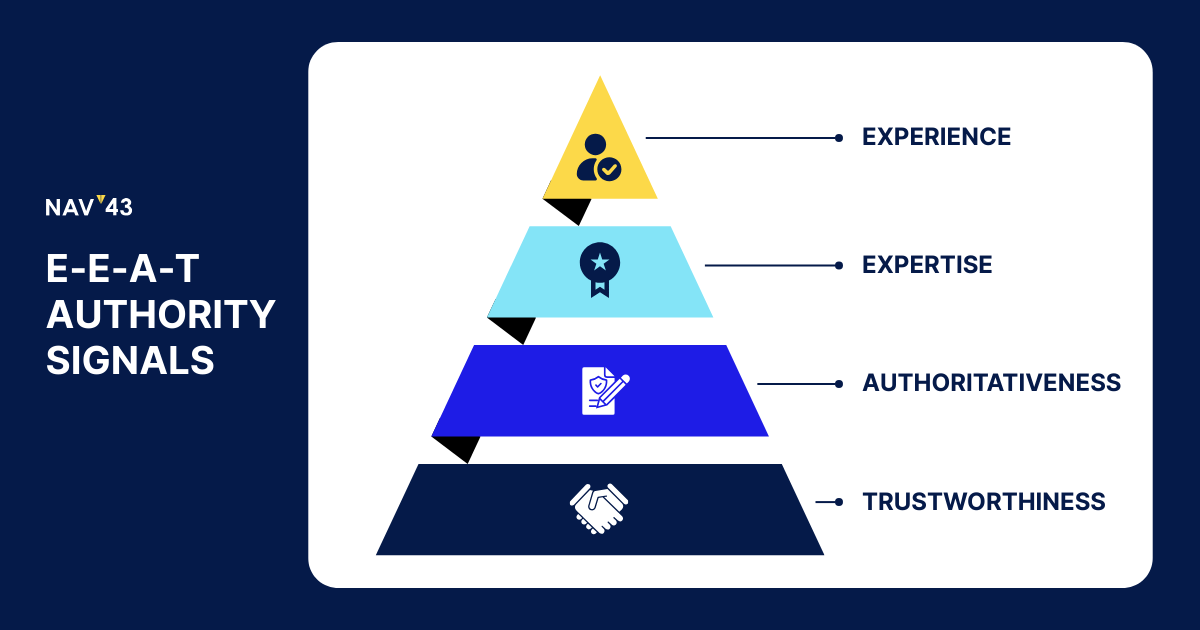
AI-generated content can be useful as a starting point, but it requires substantial human editing and enhancement. Search engines prioritize content that demonstrates experience, expertise, authoritativeness, and trustworthiness (E-E-A-T). Content that is purely AI-generated without human oversight often lacks the depth, nuance, and originality needed to rank well. Use AI tools to assist with research and drafting, but always add your own insights and expertise.
Conclusion
The AI SEO Content Hierarchy represents the modern approach to search engine optimization in an era defined by artificial intelligence. By structuring your content into pillar pages, cluster articles, supporting assets, and continuous optimization efforts, you align your website with how AI algorithms evaluate and rank content. This framework not only improves your search visibility but also enhances user experience and establishes your brand as a trusted authority in your niche.
Implementing this hierarchy requires planning, effort, and ongoing commitment. Start by auditing your existing content, defining your pillar topics, and building out your cluster articles systematically. Monitor your performance, make data-driven updates, and always prioritize genuine value for your readers. The websites that thrive in AI-driven search are those that treat content creation as a strategic, structured, and user-centric endeavor. The time to build your content hierarchy is now.
Xem thêm:
- AI Content Marketing: Transform Your Strategy Without Losing the Human Touch
- Search Generative Experience SEO: How to Optimize for AI-Powered Search and Protect Your Rankings
- Small Business AI SEO: The Complete Guide to Dominating Search in 2025
- AI SEO for Enterprises: The Complete Guide to Scaling Organic Growth in 2025
- AI SEO Semantic Search Optimization: The Complete Guide to Ranking in the Age of Machine Learning
Bài viết cùng chủ đề:

AI SEO SEO Automation with Make: The Complete Workflow Guide

AI SEO SEO Automation with Zapier: The Complete Workflow Guide

AI SEO SEO Automation with n8n: The Complete Workflow Guide
AI SEO SEO Automation with Gemini: The Complete Guide to Scaling Organic Growth

AI SEO SEO Automation with Claude: The Complete Guide to Scaling Content in 2025

AI SEO SEO Automation with ChatGPT: The Complete Playbook for 2025

AI SEO & SEO Automation for Affiliate Sites: The 2025 Playbook for Passive Income Growth
AI SEO & SEO Automation for Bloggers: The Complete Guide to Scaling Your Content

AI SEO & SEO Automation for Agencies: The Complete 2025 Playbook

AI SEO and SEO Automation for Ecommerce: The Complete Playbook for 2025

AI SEO & SEO Automation for WordPress: The Complete Playbook for 2025
AI SEO SEO Automation Strategy: The Complete Playbook for 2025

Mastering the AI SEO SEO Automation Process: A Complete Guide to Scaling Organic Growth
AI SEO SEO Automation System: The Complete Guide to Scaling Organic Growth in 2025
AI SEO SEO Automation Platform: The Complete Guide to Scaling Organic Growth in 2025
AI SEO SEO Automation Software: The Complete Guide to Scaling Organic Growth in 2025















