
No products in the cart.
AI SEO Semantic Search Optimization: The Complete Guide to Ranking in the Age of Machine Learning
10
Aug
Aug
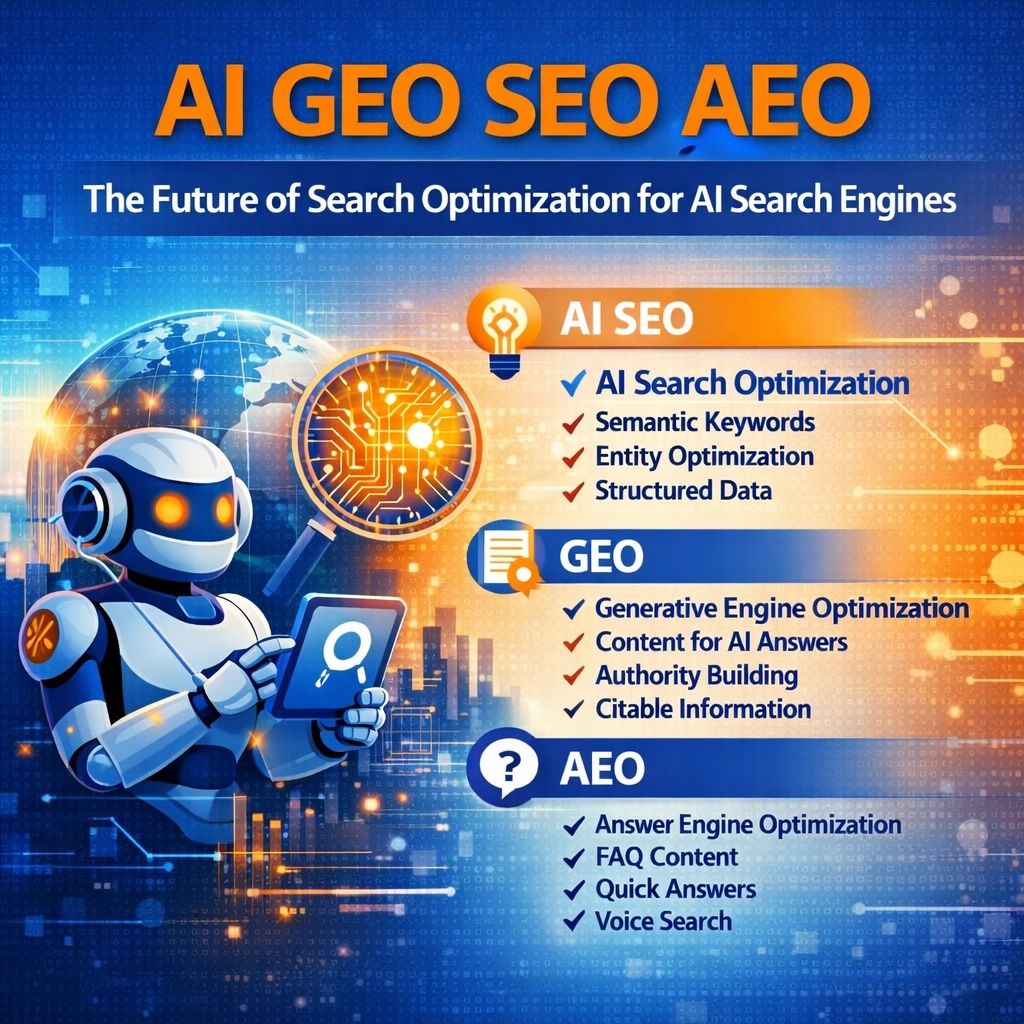
The digital landscape has shifted dramatically. Gone are the days when stuffing a page with exact-match keywords guaranteed a top spot on Google. Today, search engines understand language the way humans do, thanks to natural language processing and machine learning. This transformation is where AI SEO Semantic Search Optimization becomes the cornerstone of any successful organic growth strategy. It moves beyond simple keywords to focus on the meaning, intent, and contextual relationships between words. This guide provides a deep dive into how semantic search works, why AI is accelerating this shift, and how you can optimize your content to win in this new era.
Understanding the Core of Semantic Search
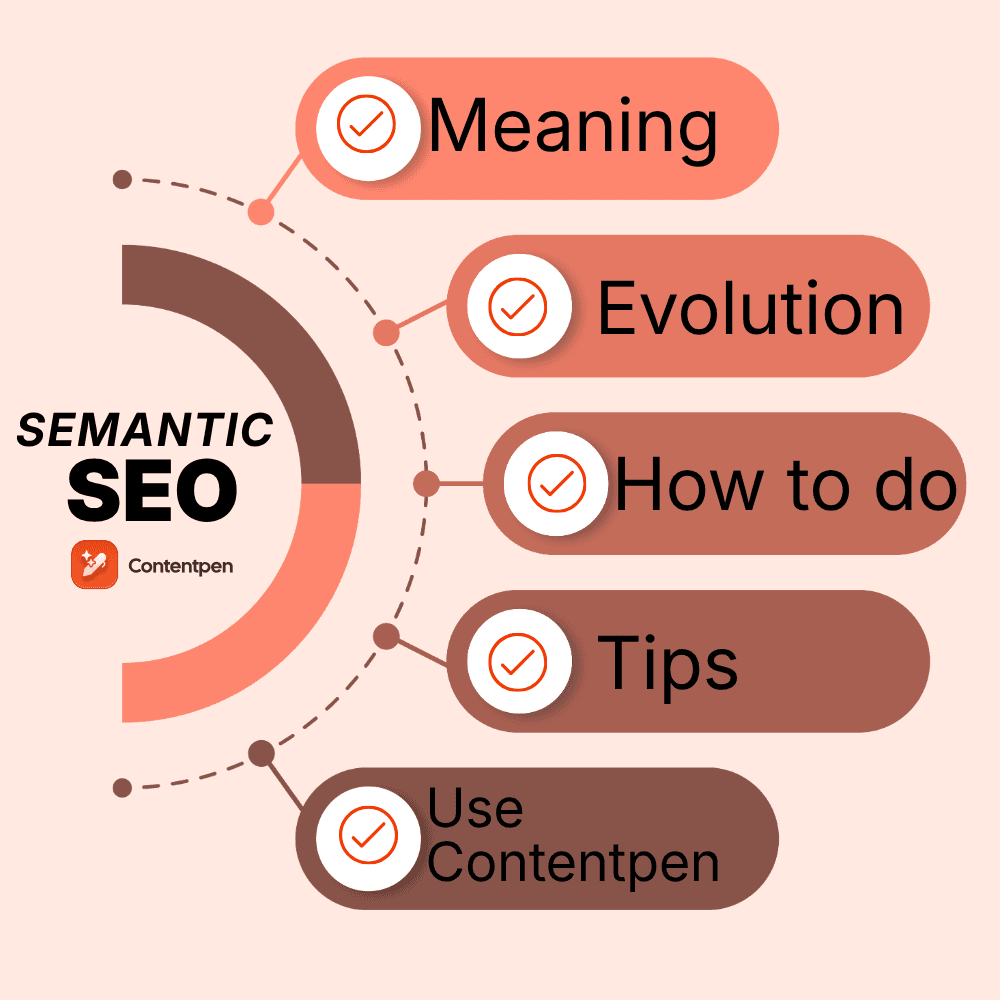
Semantic search is the method search engines use to interpret the intent and contextual meaning behind a user’s query. Instead of relying solely on literal word matches, it analyzes the relationship between words, the searcher’s location, search history, and the broader concept of the query. The goal is to deliver results that satisfy the user’s underlying need, not just the typed characters.
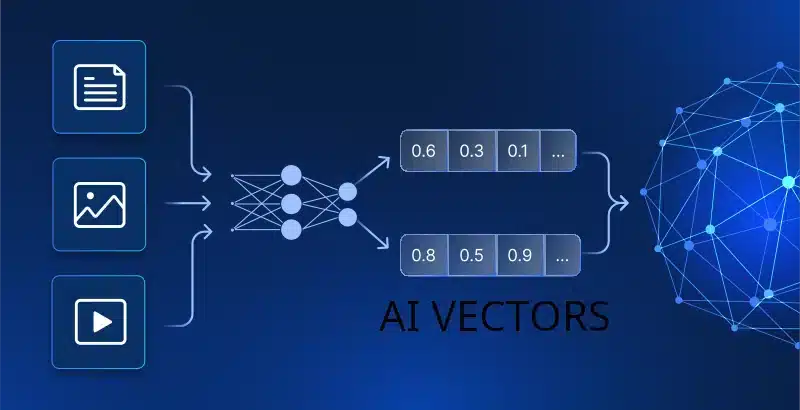
For example, if a user searches for “best way to remove red wine stain,” a semantic engine understands the user needs a cleaning solution, not a wine review. It recognizes entities like “red wine” and “stain” and connects them to concepts like “fabric” and “cleaning agents.” This understanding is powered by knowledge graphs and vector embeddings, which map out how concepts relate to one another.
The Role of AI in Semantic Search
Artificial intelligence is the engine that powers modern semantic search. Algorithms like Google’s RankBrain and BERT (Bidirectional Encoder Representations from Transformers) process queries in a way that mimics human comprehension. BERT, for instance, reads words in relation to all the other words in a sentence, rather than one by one. This allows the engine to grasp nuances, prepositions, and modifiers that change the meaning entirely.
AI also enables search engines to learn from user behavior. If a result is clicked but quickly abandoned, the algorithm learns it likely didn’t match the intent. Over time, these machine learning models refine their understanding of what content satisfies a query, making the search experience more intuitive and accurate. This is why AI SEO Semantic Search Optimization is not a one-time task but a continuous process of aligning with evolving algorithms.
Why Traditional SEO Fails in a Semantic World
Traditional SEO focused on specific keywords and backlinks. While those elements still hold value, they are no longer sufficient. Keyword density is largely irrelevant now. Instead, search engines look for topical authority and comprehensive coverage. If you write a 500-word article targeting “best running shoes,” you are competing against 3,000-word guides that cover cushioning, pronation, trail vs. road, and user reviews.
Furthermore, traditional methods often ignore user intent. A page optimized for “buy cheap laptops” might rank for that term, but if the content is a listicle of specs without pricing or purchase links, the user will bounce. Semantic search penalizes this mismatch. It prioritizes pages that answer the question thoroughly, regardless of whether they use the exact phrase “cheap laptops” ten times or just twice.
Core Components of AI SEO Semantic Search Optimization
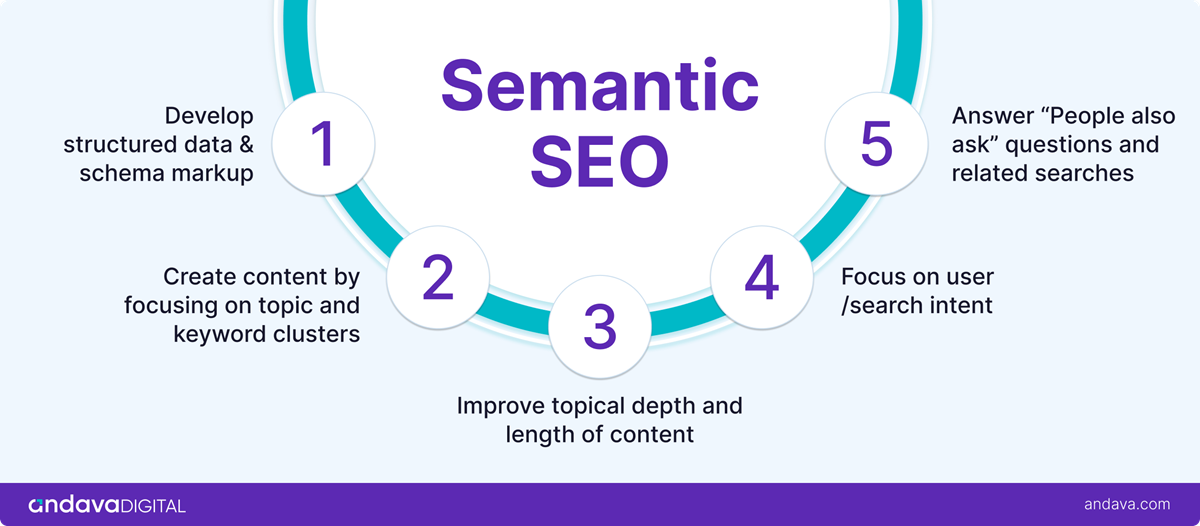
To effectively implement AI SEO Semantic Search Optimization, you must focus on several interconnected components. These elements work together to signal relevance and authority to search engines.
Entity Optimization
An entity is a distinct object, concept, or person. Google builds a knowledge graph of entities and their relationships. For example, “Apple” is an entity, and it has relationships with “iPhone,” “Tim Cook,” and “Cupertino.” To optimize for entities, your content must clearly define who or what you are talking about. Use structured data (Schema.org markup) to tell Google exactly what your content represents. This includes marking up your business type, author, product details, and FAQs.
Topical Authority and Clusters
Search engines favor websites that demonstrate expertise on a broad topic. Instead of writing one article about “content marketing,” you should create a pillar page that covers the entire subject and then link out to cluster pages that dive into specific subtopics like “email marketing,” “SEO copywriting,” and “social media strategy.” This interlinking structure helps search engines crawl your site and understand that you are a comprehensive resource. It also distributes link equity and improves the user journey.
Natural Language Processing (NLP) Alignment
NLP is the technology that allows computers to understand human text. To align with NLP, your writing must be natural, conversational, and grammatically correct. Avoid robotic phrasing and keyword stuffing. Use synonyms and related terms naturally. If you are writing about “car insurance,” you should also mention “auto coverage,” “premiums,” “deductibles,” and “liability.” This helps the algorithm understand the context and match your page to a wider range of queries.
How to Conduct Semantic Keyword Research
Keyword research in the age of AI is about finding topics, not just words. You need to identify the questions your audience is asking and the concepts they care about. This requires a shift in tools and mindset.
Using AI-Powered Tools
Tools like Clearscope, Surfer SEO, and MarketMuse use AI to analyze top-ranking pages and suggest related terms and concepts. They do not just give you keywords; they give you a content brief. For example, if you input “semantic search,” the tool might suggest including sections on “vector search,” “knowledge graphs,” and “BERT.” These tools analyze the top 20 results and extract the entities and phrases they have in common.
Analyzing Search Intent (Transactional, Informational, Navigational)
Every query has an intent. Informational queries seek knowledge (“what is semantic search”). Navigational queries seek a specific site (“Google Search Central blog”). Transactional queries seek to buy (“buy SEO tool”). Your content must match the intent. If you write a transactional product page for an informational query, you will fail. Map your keywords to the correct stage of the buyer’s journey and create content that serves that specific need.
Practical Steps to Implement Semantic Optimization
Knowing the theory is one thing; applying it is another.
Step 1: Build a Semantic Content Brief
Before writing, create a brief that includes the primary keyword, related entities, and subtopics. Use AI tools to generate a list of “People Also Ask” questions and related searches. Your brief should outline the main sections of the article, the target word count, and the specific entities you need to mention. This ensures your writer covers the topic comprehensively without missing critical context.
Step 2: Write for Humans, Structure for Bots
Write in a clear, engaging style that answers the user’s question immediately. Use short paragraphs and bullet points to improve readability. However, structure your HTML to help bots understand the hierarchy. Use one H1 tag, logical H2s, and H3s for subtopics. Ensure your URL is descriptive and contains the primary keyword. Use image alt text that describes the image using natural language, not just a keyword.
Step 3: Implement Structured Data
Schema markup is a code that you put on your website to help search engines return more informative results for users. For semantic optimization, focus on the following types:
- Article: Helps Google understand the headline, author, and publication date.
- FAQ: Allows your questions and answers to appear in rich snippets.
- Product: Provides price, availability, and review ratings.
- BreadcrumbList: Helps search engines understand the site hierarchy.
- Higher Click-Through Rates (CTR): When your content matches intent, users are more likely to click and stay, signaling quality to search engines.
- Voice Search Readiness: Voice searches are conversational and long-tail. Semantic content naturally aligns with these queries.
- Future-Proofing: As AI becomes more sophisticated, semantic alignment will become even more critical. You are building a foundation that will withstand algorithm updates.
- Improved User Experience: Content that covers a topic in depth is more useful, leading to more shares, backlinks, and return visits.
Step 4: Internal Linking with Anchor Text
Use descriptive anchor text for your internal links. Instead of “click here,” use “learn more about semantic SEO techniques.” This tells the search engine what the linked page is about, reinforcing the semantic relationship between the two pages. This is a critical part of AI SEO Semantic Search Optimization because it helps build the knowledge graph of your own site.
Benefits of Semantic Search Optimization
Investing in semantic optimization yields long-term benefits that go beyond simple rankings.
Limitations and Challenges
While the benefits are clear, there are challenges to this approach. It requires more time and resources to create comprehensive content. You cannot simply spin a 500-word article and expect to rank. Additionally, measuring the direct impact of semantic optimization is difficult. You may see rankings improve for keywords you did not explicitly target, which makes attribution tricky. Finally, the technology is constantly evolving, so you must commit to continuous learning and adaptation.
Comparison: Traditional SEO vs. AI Semantic SEO
To clarify the shift,
| Aspect | Traditional SEO | AI Semantic SEO |
|---|---|---|
| Focus | Exact-match keywords | Topics and entities |
| Content Length | Short, often 300-500 words | Comprehensive, 1500+ words |
| Keyword Usage | High density, exact phrases | Natural, with synonyms and related terms |
| User Intent | Often ignored | Primary driver of content creation |
| Measurement | Rankings for specific terms | Topical authority and organic traffic growth |
| Technology | Manual analysis | AI tools and machine learning insights |
Common Mistakes and How to Avoid Them
Many marketers attempt semantic optimization but fail due to common pitfalls.
Mistake 1: Keyword Cannibalization
Creating multiple pages that target the same intent confuses search engines. Instead of ranking all of them, they may rank none. Consolidate similar articles into one comprehensive guide or use canonical tags to point to the primary page.
Mistake 2: Ignoring User Experience (UX)
Semantic search considers user engagement signals like dwell time and bounce rate. If your page is slow, cluttered with ads, or hard to read, users will leave, and your rankings will suffer. Prioritize page speed, mobile responsiveness, and clean design.
Mistake 3: Over-Optimizing with AI Tools
Using AI to generate content can lead to generic, repetitive text. While AI tools are great for research and outlines, the final draft needs a human touch. Add personal experience, unique data, and specific examples that a machine cannot generate.
Mistake 4: Forgetting to Update Content
Semantic search favors fresh, accurate information. An article about “AI trends” from 2020 is outdated. Set a schedule to review and update your pillar pages with new statistics, examples, and insights. This signals to Google that your site is active and authoritative.
Important Notes for Long-Term Success
To truly master AI SEO Semantic Search Optimization, keep these principles in mind. First, always prioritize the user. If you answer the question better than anyone else, you will win. Second, build a brand. Search engines use brand signals to determine trustworthiness. Mentions of your brand on reputable sites, social media engagement, and positive reviews all contribute to your semantic profile. Third, diversify your content formats. Videos, infographics, and podcasts can all be indexed and understood semantically. A YouTube video transcript can rank for the same queries as a blog post, providing double visibility.
Frequently Asked Questions (FAQ)
What is the difference between semantic search and keyword search?
Keyword search matches the literal words in a query to words on a page. Semantic search understands the meaning behind the query, including user intent and the relationship between concepts. For example, a keyword search for “apple” might return fruit sellers, while a semantic search understands if the user meant the tech company based on other context clues.
How does BERT affect SEO?
BERT (Bidirectional Encoder Representations from Transformers) helps Google understand the context of words in a sentence. It is particularly useful for long-tail, conversational queries. For SEO, this means you should write naturally and focus on answering the full question, rather than optimizing for individual words.
Is structured data necessary for semantic SEO?
While not strictly required, structured data is highly recommended. It removes ambiguity and helps search engines understand exactly what your content is about. It also enables rich snippets, which can improve your click-through rate significantly.
How long does it take to see results from semantic optimization?
It is a long-term strategy. Unlike quick keyword wins, building topical authority takes time. You may see improvements in 3-6 months, but significant gains often take a year or more. The key is consistency and continuous improvement.
Can small websites compete with big brands using semantic SEO?
Yes. Semantic SEO levels the playing field because it rewards depth and quality over domain authority. A small niche site with a comprehensive guide on a specific topic can outrank a large publication with a shallow article. Focus on a specific niche and become the definitive resource for that topic.
Conclusion
The era of manipulating search engines with keyword tricks is over. The future belongs to those who understand the power of AI SEO Semantic Search Optimization. By focusing on entities, user intent, and comprehensive topical coverage, you align your content with the very algorithms that decide what users see. This approach requires more effort, but the rewards are substantial: sustainable rankings, higher engagement, and a brand that is recognized as a true authority in its field. Start by auditing your existing content, identifying gaps in your topical coverage, and committing to a strategy that prioritizes meaning over mere matches. The algorithms are listening; make sure your content speaks their language.
Xem thêm:
- Next-Generation AI SEO Workflow for Enterprises: A Blueprint for Scalable Organic Growth
- AI SEO AI Overview Sources: The Complete Guide to Earning Visibility in Google’s AI Search
- AI SEO Generative Engine Optimization Tools: The Complete Guide to Ranking in the Age of Answer Engines
- AI SEO Email Outreach: The Complete Guide to Automating Link Building in 2025
- AI SEO AlsoAsked: The Complete Guide to Smarter Content Research in 2025
Bài viết cùng chủ đề:

AI SEO SEO Automation with Make: The Complete Workflow Guide

AI SEO SEO Automation with Zapier: The Complete Workflow Guide

AI SEO SEO Automation with n8n: The Complete Workflow Guide
AI SEO SEO Automation with Gemini: The Complete Guide to Scaling Organic Growth

AI SEO SEO Automation with Claude: The Complete Guide to Scaling Content in 2025

AI SEO SEO Automation with ChatGPT: The Complete Playbook for 2025

AI SEO & SEO Automation for Affiliate Sites: The 2025 Playbook for Passive Income Growth
AI SEO & SEO Automation for Bloggers: The Complete Guide to Scaling Your Content

AI SEO & SEO Automation for Agencies: The Complete 2025 Playbook

AI SEO and SEO Automation for Ecommerce: The Complete Playbook for 2025

AI SEO & SEO Automation for WordPress: The Complete Playbook for 2025
AI SEO SEO Automation Strategy: The Complete Playbook for 2025

Mastering the AI SEO SEO Automation Process: A Complete Guide to Scaling Organic Growth
AI SEO SEO Automation System: The Complete Guide to Scaling Organic Growth in 2025
AI SEO SEO Automation Platform: The Complete Guide to Scaling Organic Growth in 2025
AI SEO SEO Automation Software: The Complete Guide to Scaling Organic Growth in 2025















