
No products in the cart.
AI SEO Tools Comparison: Finding the Platform That Actually Moves the Needle
29
Jul
Jul
The SEO landscape has shifted dramatically. Google now processes billions of searches daily with algorithms that interpret context, intent, and content depth like never before. To keep pace, modern search professionals turn to AI-powered solutions. A careful AI SEO tools comparison reveals that not all platforms offer the same value—some excel at content optimization, others at keyword discovery, and a few promise end-to-end automation. Sorting through the options is essential if you want to protect your rankings and budget. This analysis breaks down the leading AI-driven SEO platforms, examines their capabilities side by side, and helps you pick the right tool for your exact workflow.
What AI SEO Tools Actually Do (and What They Don’t)
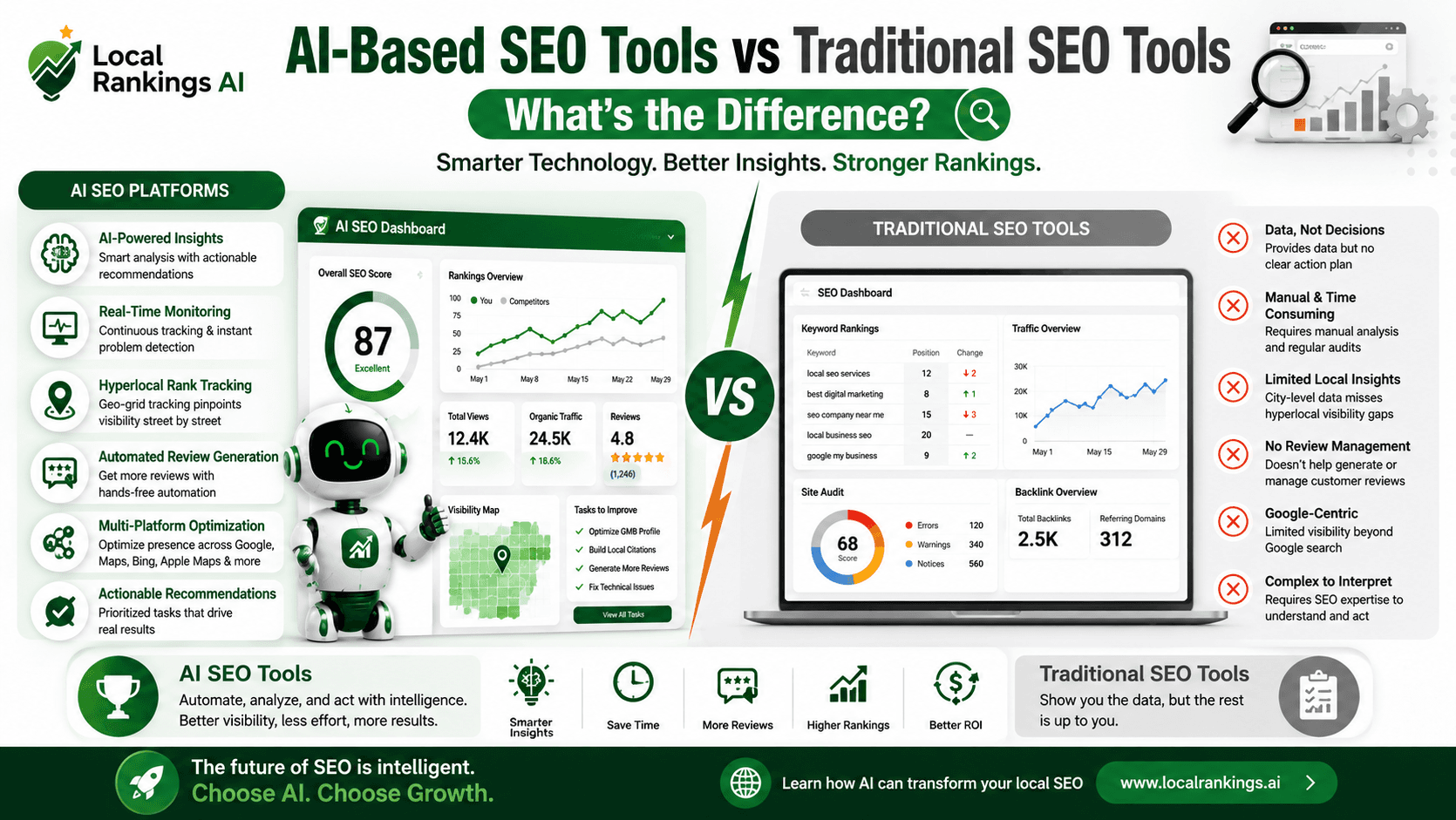
Before diving into specific names, it helps to understand the category. AI SEO tools harness machine learning, natural language processing, and predictive analytics to handle tasks that once consumed hours of manual work. They analyze search engine results pages, evaluate top-ranking content, and recommend exactly which terms, headings, and entities your page needs to compete. Some generate full drafts, others just provide content briefs. But no tool replaces strategic judgment. They are accelerators, not autopilots.
The core promise of these platforms is speed and precision. Instead of guessing whether a target keyword fits, an AI model can calculate topical coverage scores, suggest semantically related phrases, and even predict how competitive a keyword really is. The best tools pull data from search consoles, SERP features, and competitive analysis to show you what Google rewards right now. The risk, however, lies in over-reliance. Fluent content still requires human editing, fact-checking, and brand voice alignment.
How the AI SEO Tools Comparison Landscape Is Organized
Not every tool under the “AI SEO” umbrella does the same job. Breaking the market into categories makes the comparison practical. You can group the solutions into five main buckets:
- Content optimization and scoring platforms: These analyze top-performing pages for a query and give you a target word count, recommended keywords, topic cluster suggestions, and a content score. Examples include Surfer SEO, Clearscope, and NeuronWriter.
- AI writing assistants with SEO features: Tools that generate long-form text while embedding keywords and following a brief. Jasper, Copy.ai (with SEO modes), and Rytr fit here, though their native optimization depth varies.
- SEO research and topic discovery models: Platforms that use AI to uncover content gaps, trending questions, and cluster opportunities. Frase and MarketMuse blend research with drafting, while AlsoAsked and AnswerThePublic use NLP to map intent.
- Technical SEO crawlers with AI layers: Traditional crawlers like Screaming Frog now incorporate machine learning for duplicate content detection and page quality scores. Sitebulb uses AI-driven hints for prioritization.
- All-in-one AI SEO suites: Tools that claim to handle everything from rank tracking to content briefs to automated internal linking. Semrush’s AI features and Alli AI fall into this space.
- Time compression: What once took four hours of manual SERP analysis now takes minutes. Content briefs that required deep competitor reading are generated automatically with accurate heading suggestions and keyword lists.
- Data-backed decisions: AI tools remove gut-feel guesswork. You know exactly which entities top pages use, how they structure headings, and where content gaps exist.
- Scalability: A single editor can manage and optimize dozens of pieces per week when an AI platform pre-scores drafts and suggests improvements. This is indispensable for content-heavy sites.
- Improved topical coverage: By flagging missing subtopics, these tools help you build pages that genuinely answer all facets of a query, increasing dwell time and topical authority signals.
- Risk of homogenized content: When every writer follows the exact same keyword density scores, the web begins to look identical. Differentiation still depends on original insight, examples, and storytelling.
- Hallucinated facts and stats: AI writers often invent convincing-sounding data. Without rigorous fact-checking, you risk publishing inaccurate claims that erode trust.
- Over-optimization traps: Obsessing over green scores and cramming every recommended term can produce unnatural copy that search engines may penalize or users find mechanical.
- Cost barriers for small teams: Enterprise-grade tools like MarketMuse can strain a startup’s budget, forcing tough trade-offs between quality and cost.
- Topic selection and brief creation: Use a research-centric tool like Frase or the Surfer Domain Planner to identify a keyword with manageable difficulty and high intent. Generate a content brief that lists target word count, primary keyword, and top 10 NLP terms.
- Draft creation: Some teams let AI write a first draft (Surfer AI, Frase AI Writer) but then heavily rework it for originality. Others draft from scratch inside the optimization editor. For brand-critical pages, human drafting with factual research remains safest.
- Optimization loop: Paste the draft into your chosen content scorer—Clearscope or Surfer. Address critical missing terms and structure gaps. Aim for the 70–80 score range, not perfection, to keep the text natural.
- Human edit for E-E-A-T: Review the piece for expert quotes, first-hand experience, and credible citation. Add unique visuals, original data, or case studies. These signals matter more than any NLP score.
- Internal linking and publishing: Use the tool’s internal link suggestions (NeuronWriter or Surfer’s Audit) to connect the new page to existing cluster content.
- Chasing the perfect score: A 98/100 content score often means forced language. Top-ranking pages occasionally score lower than the tool demands because Google values clarity and trustworthiness over term density. Prioritize readability.
- Ignoring search intent updates: An AI tool may recommend keywords based on old SERP snapshots. Validate intent manually by checking the current first page—has the content style changed from listicles to guides or vice versa?
- Neglecting E-E-A-T signals: No amount of NLP optimization substitutes for author credentials, transparent sourcing, and demonstrable experience. Always add an author bio and link to authoritative references.
- Using AI text without vetting claims: Every number, case study, and technical fact generated by an AI writer needs verification. Publish only what you can stand behind.
- Failing to monitor tool changes: Pricing tiers, algorithmic models, and features shift. What worked for six months may become outdated overnight. Revisit your AI SEO tools comparison quarterly.
Your specific needs dictate which category deserves attention. A small agency might want an all-in-one writing and optimization tool. An enterprise content team likely needs a dedicated topical authority platform backed by robust NLP. The right AI SEO tools comparison filters options by readiness for production use, not just feature count.
Key Players in the AI SEO Tools Comparison
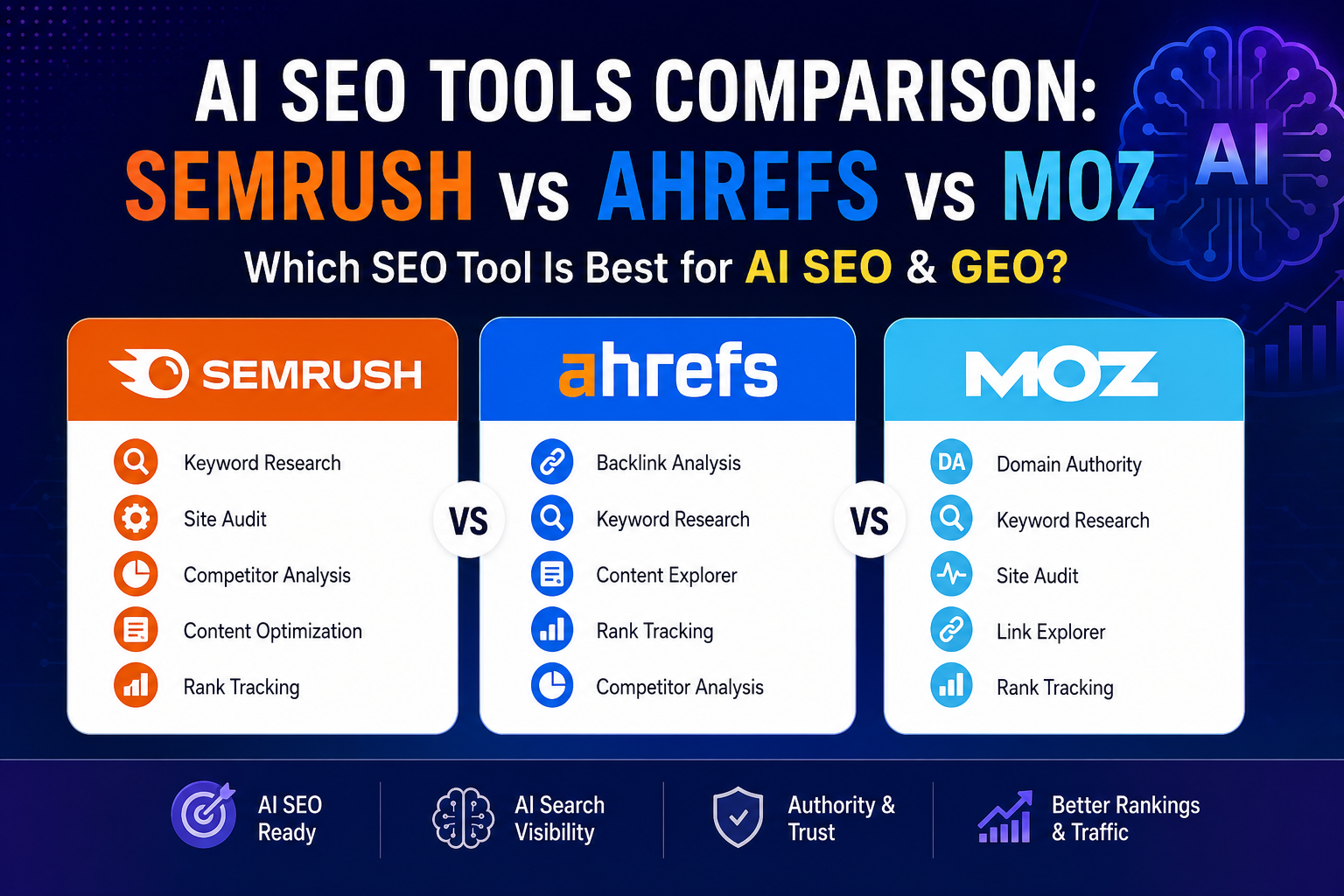
Direct hands-on experience with several platforms reveals genuine differences in approach, accuracy, and output quality. Below is a detailed look at the tools that consistently appear in professional workflows. Each profile highlights strengths, limitations, and ideal use cases.
Surfer SEO
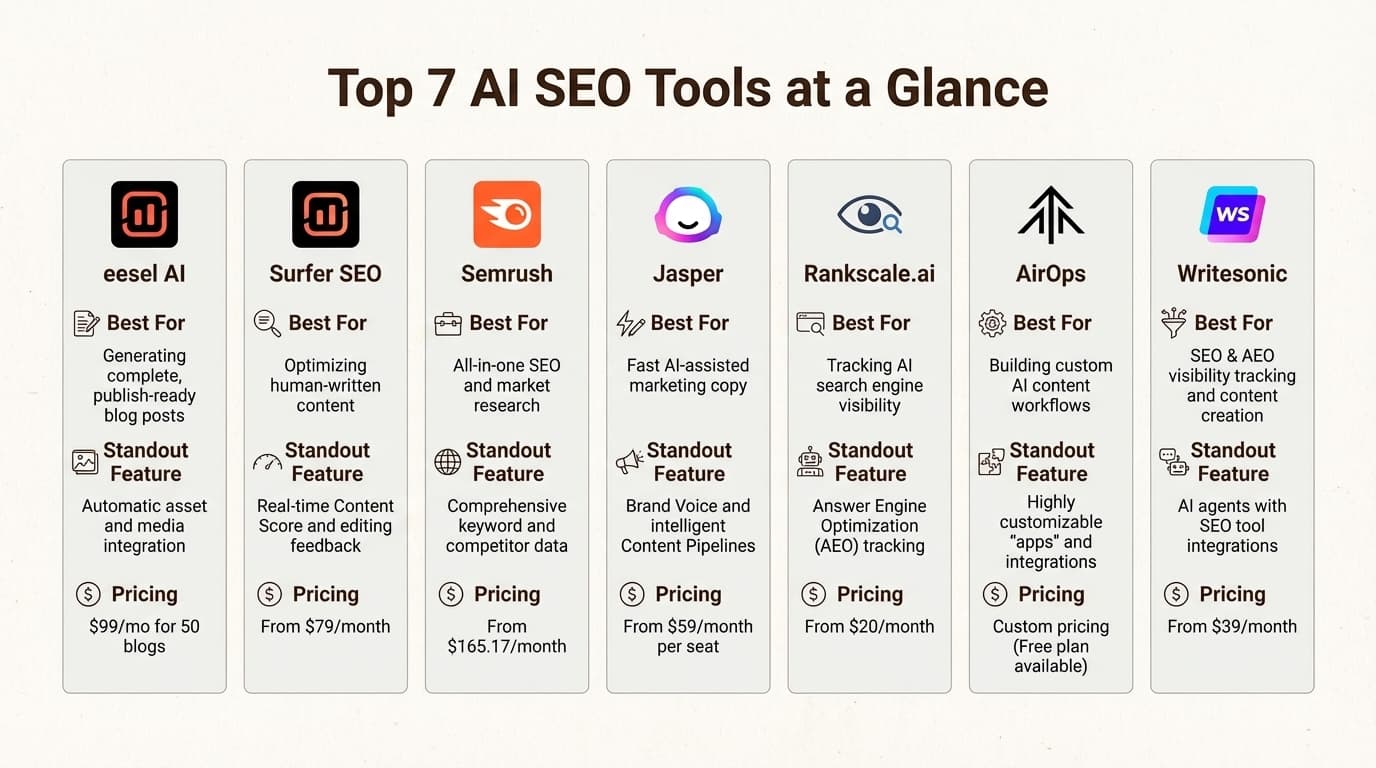
Surfer SEO has become nearly synonymous with content optimization. Its Content Editor analyzes SERPs in real time, pulling in competitive data about word count, NLP entities, image usage, and heading structure. The platform then generates a content score and a detailed brief. The newer AI writing feature, Surfer AI, can produce a full article inside the editor, though most experienced SEOs prefer to edit heavily. Surfer integrates with Google Docs and WordPress, and it offers a keyword research module, an audit tool, and a domain planner for topical clusters.
Strengths: Highly accurate SERP data, intuitive visual editor, strong entity recognition, seamless integration into existing workflows. The platform receives frequent updates and provides data transparency.
Limitations: Pricing can escalate quickly for larger content teams. The AI-generated text, while structurally sound, often requires substantial editorial polishing to achieve a natural, trustworthy tone. Its keyword research module is functional but not as deep as dedicated tools.
Frase
Frase started by answering questions using AI, and it evolved into a research-to-writing platform. Its standout feature is the ability to scrape and analyze competitor content, then generate a content brief in minutes. The AI Writer creates sections based on headers from top-ranking pages. Frase emphasizes the research stage: it shows you what questions your audience asks, what definitions competitors use, and even suggests a checklist of subtopics. The content scoring is good, though not as granular as Surfer’s on some queries.
Strengths: Excellent for topic research and outline creation. The question finder helps target featured snippets. Frase’s UI feels fast and uncluttered. A generous document limit on the basic plan adds value.
Limitations: AI writing quality can be uneven, with occasional inaccuracies in stats or claims. The optimization score focuses heavily on term frequency, which sometimes encourages keyword stuffing if followed blindly. SERP data updates are slightly less frequent than some competitors.
MarketMuse
MarketMuse takes a data-heavy approach to topical authority. Rather than simply telling you what words to include, it builds a knowledge graph of a topic and shows you the underlying structure and missing subtopics. The platform analyzes your existing content library, identifies weak spots, and recommends prioritization. Its Content Brief and Optimize modules help writers understand how deeply they need to cover a subject. MarketMuse is favored by large publishers and enterprises that treat content as a long-term asset.
Strengths: Unmatched depth for topic modeling and inventory analysis. Expertly guides content clusters and pillar page strategy. The personalized difficulty score factors in your own site’s authority. Excellent for teams needing to scale high-quality, in-depth content.
Limitations: Steep learning curve and higher cost. No built-in writing environment with real-time scoring like Surfer. Speed of brief generation can be slower. Best suited for organizations with dedicated content strategists.
Clearscope
Clearscope integrates deeply with Google Docs and WordPress, making it a favorite for editors who want a clean, distraction-free working environment. It grades content based on comprehensiveness and shows a list of recommended terms and their importance. The tool performs well for straightforward blog posts and product pages where search intent is clear. Its Keyword Discovery module uses AI to surface relevant long-tail keywords based on search volume and difficulty.
Strengths: Polished, simple interface. Easy adoption by freelance writers and agencies. Reliable term suggestions that directly map to what competitors use. Consistent performance across languages.
Limitations: Lacks advanced topic research and question-mapping features found in Frase. No AI text generation inside the editor—you bring your own draft. Reporting capabilities are limited compared to Surfer or MarketMuse.
NeuronWriter
NeuronWriter combines NLP-based content scoring with an AI writer and a draft generator. It extracts terms from competitors, assigns a competitive content score, and offers AI templates for paragraphs, headings, and FAQs. The tool supports internal link suggestions and has a content management module to track draft status. NeuronWriter often appeals to users who find Surfer’s pricing high but want similar core functionality.
Strengths: Competitive pricing, lifetime deal availability, broad feature set that includes an AI writer, internal linking, and task management. Handles multiple languages well.
Limitations: SERP analysis can lag slightly behind Surfer in freshness. The AI writer sometimes over-promises and under-delivers on factual precision. A smaller user community means fewer third-party tutorials and support resources.
AI SEO Tools Comparison: Feature-by-Feature Breakdown
The quickest way to see how these tools stack up is a direct table comparison across the criteria that matter most for daily SEO work. This AI SEO tools comparison table focuses on core functionality, output quality, and pricing range.
| Tool | Content Scoring & NLP Entities | AI Draft Generation | Topic Research & Clusters | Ease of Use | Starting Price (Approximate) | Best For |
|---|---|---|---|---|---|---|
| Surfer SEO | Deep, real-time SERP analysis; strong entity extraction | Yes, Surfer AI for full articles | Domain planner for clusters, but research is manual | Intuitive with a slight learning curve for audits | $89/month | Content teams needing precise on-page guidance |
| Frase | Good, based on term frequency and competitor imports | Yes, AI Writer from outlines | Excellent question and concept research | Very fast, clean interface | $14.99/month | Freelancers and small agencies focused on research |
| MarketMuse | Advanced topic modeling, personalized difficulty | No, only brief generation and content inventory | Superior for topic clusters and gap analysis | Moderate; benefits from training | Custom/enterprise (self-serve from $149/month) | Large publishers and in-house content strategy teams |
| Clearscope | Reliable comprehensiveness grade, term importance list | No, draft must be pasted in | Keyword discovery, but limited research depth | Excellent, minimal clicks | $199/month (Essentials) | Editors and agencies wanting no-fuss scoring |
| NeuronWriter | Competitive content score, competitor term extraction | Yes, AI writer and draft templates | Basic SERP-based insights, not deep cluster planning | Good, with multi-tab workflow | $23/month | Budget-conscious users wanting a Surfer alternative |
Pricing and feature availability shift regularly, so treat this AI SEO tools comparison as a snapshot. Always consult current vendor pages for precise costs and updates.
Benefits and Limitations of Using AI-Driven SEO Platforms
Clear Benefits
Important Limitations
Practical Application: Integrating AI SEO Tools Into a Real Workflow
This AI SEO tools comparison matters most when you translate selection into daily process. A proven sequence looks like this:
Measure the outcome not just by tool scores but by actual ranking improvements, organic click-through rates, and time on page. If a highly optimized article fails to rank after 90 days, reassess whether the tool’s recommendations missed deeper user intent.
Common Mistakes and How to Avoid Them
Even seasoned SEOs stumble when AI tools become crutches rather than aids. Recognizing the pitfalls ahead of time protects your site’s performance.
Important Notes for a Successful AI SEO Tools Comparison Strategy
A tool is only as effective as the strategy behind it. Keep these principles in mind. First, blend insights from multiple platforms instead of locking into one ecosystem. A combination of Clearscope for optimization, Frase for research, and Semrush for rank tracking often outperforms a single all-in-one tool. Second, treat AI recommendations as hypotheses, not absolutes. Your own experience with your audience should override generic NLP advice when they conflict. Third, invest in team training. The power of these platforms multiplies when writers understand why a term is suggested, not just that they must include it. Finally, maintain a healthy skepticism of any tool that promises to “write SEO content automatically.” True organic growth comes from serving readers, not manipulating a word count dashboard.
Frequently Asked Questions
What is the best AI tool for SEO?
No single tool fits every need. For content optimization and real-time SERP data, Surfer SEO often leads. For research and content brief generation, Frase excels. Enterprises concerned with topical authority choose MarketMuse. The best choice depends on your team size, budget, and content workflow. A careful AI SEO tools comparison based on your primary bottleneck—research, writing, or scoring—will reveal the right fit.
Are AI SEO tools worth the investment for small businesses?
Absolutely, provided you match the tool to your content output. A freelancer publishing two posts per week gains significant value from an affordable platform like Frase or NeuronWriter. The time saved on manual research and the ranking improvements from better topical coverage often deliver a positive ROI within a quarter. Avoid overspending on enterprise features you won’t use.
Can AI SEO tools replace human writers?
No. AI can structure a draft and insert keywords, but it cannot replicate genuine expertise, original storytelling, or nuanced brand voice. Google’s emphasis on experience and trustworthiness means that purely AI-generated content without human oversight risks poor engagement and potential devaluation. Use these tools as powerful assistants, not replacements.
How do AI SEO tools handle semantic search and entities?
They use natural language processing to analyze top-ranking pages and extract salient entities—people, places, concepts—that Google expects in a comprehensive article. The tools then recommend those entities as keywords to include. This helps you match the semantic graph and improve topical depth, which is central to modern ranking signals.
Is there a free AI SEO tool that actually works?
Limited free tiers exist but typically restrict the number of documents or hide advanced features. Some platforms offer trial periods. For those with zero budget, combining free keyword tools with manual SERP analysis remains a viable, albeit time-consuming, approach. The genuine value comes from paid plans that unlock full optimization and scoring capabilities.
How often should I re-evaluate my choice of AI SEO tool?
The SEO tools market evolves rapidly. Revisit your AI SEO tools comparison every three to six months. New entrants may offer better pricing or features that your current tool lacks. Changes in your own content volume, team structure, or keyword strategy could also warrant a switch. Continuous evaluation prevents you from overpaying for stagnating value.
Conclusion
A thorough AI SEO tools comparison cuts through marketing noise and focuses on what drives measurable organic performance. Surfer SEO brings unmatched real-time SERP insights. Frase streamlines research and outline building. MarketMuse provides depth for enterprises serious about topical authority. Clearscope and NeuronWriter each carve out niches with simplicity and affordability. No tool will be a silver bullet. The most successful SEO practitioners couple platform data with human judgment, authentic experience, and a commitment to serving real searcher intent. Use the comparison table and selection criteria here to pick the tool that aligns with your content operation, then refine your process relentlessly. Rankings follow the work that tools enable, not the tools themselves.
Xem thêm:
- How to Improve EEAT with AI: A Strategic Roadmap for Lasting Search Visibility
- AI SEO Digital PR Strategy: The Complete Guide to Dominating Search in 2025
- AI SEO AI Referral Traffic: The Complete Guide to Winning Algorithmic Referrals in 2025
- AI SEO Campaigns: The Blueprint for Data-Driven Organic Growth
- AI SEO Automated Keyword Clustering: The Complete Guide to Smarter Content Architecture
Bài viết cùng chủ đề:

AI SEO SEO Automation with Make: The Complete Workflow Guide

AI SEO SEO Automation with Zapier: The Complete Workflow Guide

AI SEO SEO Automation with n8n: The Complete Workflow Guide
AI SEO SEO Automation with Gemini: The Complete Guide to Scaling Organic Growth

AI SEO SEO Automation with Claude: The Complete Guide to Scaling Content in 2025

AI SEO SEO Automation with ChatGPT: The Complete Playbook for 2025

AI SEO & SEO Automation for Affiliate Sites: The 2025 Playbook for Passive Income Growth
AI SEO & SEO Automation for Bloggers: The Complete Guide to Scaling Your Content

AI SEO & SEO Automation for Agencies: The Complete 2025 Playbook

AI SEO and SEO Automation for Ecommerce: The Complete Playbook for 2025

AI SEO & SEO Automation for WordPress: The Complete Playbook for 2025
AI SEO SEO Automation Strategy: The Complete Playbook for 2025

Mastering the AI SEO SEO Automation Process: A Complete Guide to Scaling Organic Growth
AI SEO SEO Automation System: The Complete Guide to Scaling Organic Growth in 2025
AI SEO SEO Automation Platform: The Complete Guide to Scaling Organic Growth in 2025
AI SEO SEO Automation Software: The Complete Guide to Scaling Organic Growth in 2025















