
No products in the cart.
AI SEO Link Relevance: The Complete Guide to Modern Link Building

10
Aug
Aug
AI SEO Link Relevance has transformed how search engines evaluate backlinks and how digital marketers approach link building strategies. In the current landscape of search algorithms, the connection between artificial intelligence and link relevance determines whether your website climbs the rankings or gets buried in obscurity. Search engines like Google now use machine learning models to assess the contextual relationship between linking pages, anchor text, and the overall topical authority of your domain. Understanding this dynamic is essential for anyone serious about organic search performance.
Understanding AI SEO Link Relevance
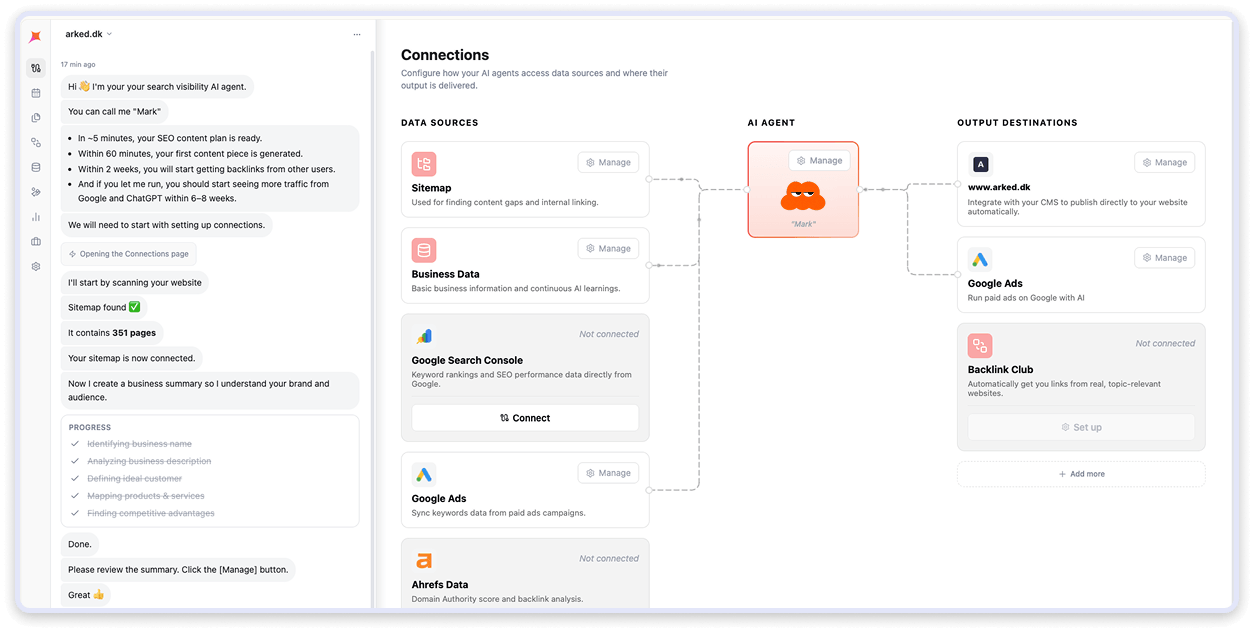
AI SEO Link Relevance refers to the degree to which artificial intelligence systems, particularly those powering search engine algorithms, determine that a backlink is contextually appropriate and valuable for a given webpage. Traditional link building focused on quantity and domain authority scores. Modern AI-driven systems analyze semantic relationships, user behavior signals, and content depth to evaluate whether a link genuinely serves the reader’s intent.
The core principle revolves around topical alignment. When a high-authority website about digital marketing links to your article about SEO tools, the AI recognizes a strong semantic connection. Conversely, a link from a random blog about cooking to your financial services page triggers relevance flags that diminish its value. Search engines now employ natural language processing (NLP) and entity recognition to map out these relationships across the entire web graph.
How Artificial Intelligence Evaluates Link Relevance
Search engines have moved far beyond simple keyword matching. The AI systems that assess link relevance operate on multiple layers of analysis simultaneously. Understanding these layers helps you craft a link building strategy that aligns with how modern algorithms think.
Semantic Context and Entity Recognition
AI models like Google’s BERT and MUM analyze the full context of both the linking page and the target page. They identify entities, which are specific people, places, concepts, or brands, and then map the relationships between those entities. A link from a page discussing “artificial intelligence in marketing” to your page about “predictive analytics tools” creates a clear entity relationship. The AI understands that both pages belong to the broader marketing technology ecosystem.
Content Depth and Topical Authority
AI evaluates whether the linking page provides substantial coverage of the topic. A page that merely mentions your keyword in passing carries less relevance weight than a comprehensive guide that explores multiple facets of the subject. The algorithm assesses word count, heading structure, internal linking patterns, and the presence of related semantic terms to determine topical depth.
User Engagement Metrics
Artificial intelligence systems incorporate user behavior data to refine link relevance assessments. When users click a link and spend significant time on the destination page, the AI interprets this as a positive relevance signal. High bounce rates and quick returns to the search results suggest a mismatch between the link context and the content delivered.
The Evolution from Traditional Link Metrics to AI-Driven Relevance
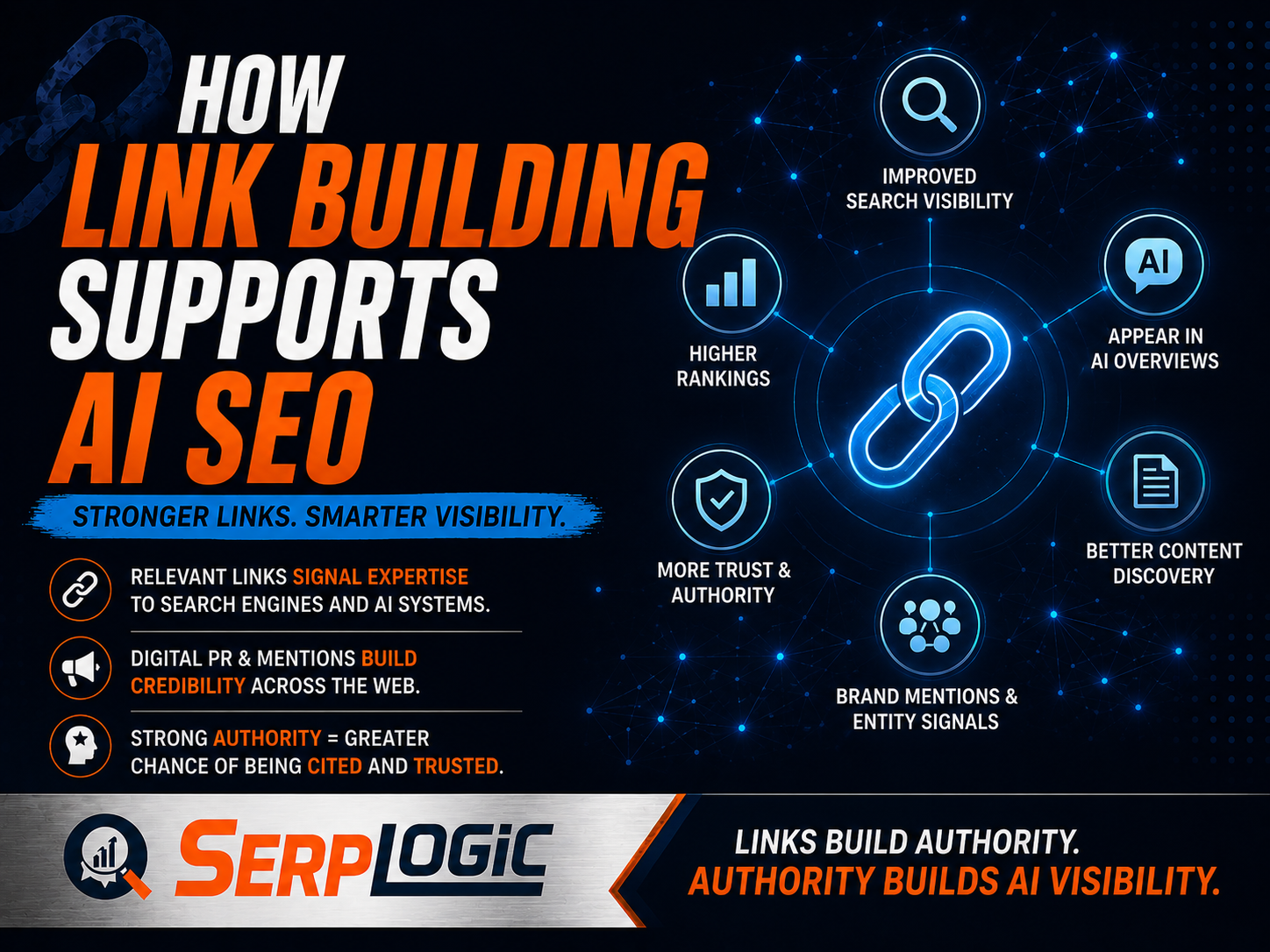
The shift toward AI SEO Link Relevance marks a departure from older metrics that dominated the industry for years. Understanding this evolution provides clarity on why certain link building tactics no longer work and which strategies align with current algorithmic thinking.
| Traditional Metric | AI-Driven Replacement | Key Difference |
|---|---|---|
| Domain Authority (DA) | Topical Authority Score | Focus on subject-matter expertise rather than overall site metrics |
| Page Authority (PA) | Semantic Relevance Score | Contextual fit between linking and target pages |
| Anchor Text Match | Entity Relationship Mapping | Understanding the meaning behind the anchor, not just exact keywords |
| Link Quantity | Link Quality Velocity | Rate of acquiring high-relevance links from diverse sources |
| Exact Match Keywords | Natural Language Patterns | Contextual phrasing that mirrors human writing |
This evolution means that a link from a smaller, niche-specific blog with deep content on your topic often outperforms a link from a massive general news site with no topical connection. The AI recognizes that the niche blog’s audience genuinely cares about your subject matter, making the referral more valuable.
Core Components of AI SEO Link Relevance
Several distinct components contribute to how artificial intelligence evaluates link relevance. Each component plays a specific role in the overall assessment, and optimizing across all of them produces the strongest results.
Source Page Context
The content surrounding your link on the source page matters significantly. AI examines the paragraphs immediately before and after your link, the overall article theme, and the site’s broader content categories. A link embedded within a detailed case study carries more relevance weight than one placed in a generic resource roundup.
Destination Page Alignment
Your target page must deliver on the promise implied by the link context. If the linking page discusses “advanced link building techniques,” your destination page should provide comprehensive coverage of that exact topic. Mismatched expectations create negative user signals that erode relevance scores.
Anchor Text Naturalness
Modern AI systems penalize over-optimized anchor text that repeats exact match keywords across multiple links. Natural anchor text varies between branded terms, partial matches, generic phrases like “click here,” and full URLs. The AI evaluates the distribution pattern and flags unnatural clustering.
Link Placement and Proximity
Links placed within the main body of an article carry more relevance weight than those in sidebars, footers, or author bios. Additionally, the position within the content matters. Links appearing in the first half of an article, where readers are most engaged, receive stronger relevance signals than those buried at the bottom.
Practical Strategies to Improve AI SEO Link Relevance
Applying the principles of AI-driven relevance requires a systematic approach to content creation, outreach, and relationship building. These strategies translate the technical concepts into actionable steps.
Develop Topical Clusters
Create comprehensive content hubs around your core business topics. Each hub should contain a pillar page covering the broad subject and multiple cluster pages addressing specific subtopics. When you acquire backlinks, direct them to the most relevant cluster page rather than always pointing to your homepage. This creates a web of semantically related pages that AI recognizes as authoritative.
Conduct Competitor Gap Analysis
Identify which websites link to your competitors but not to you. Analyze the context of those links to understand what type of content attracts them. Then create superior resources on those exact topics and reach out to the same linking domains with a personalized pitch highlighting your unique value proposition.
Leverage Digital PR for Contextual Links
Digital PR campaigns that generate coverage from industry publications naturally produce high-relevance links. When you provide expert commentary, original data, or unique insights, the resulting articles place your link within a context that AI recognizes as authoritative. The key is targeting publications that cover your specific industry niche rather than chasing broad consumer media.
Reclaim Unlinked Brand Mentions
Monitor the web for mentions of your brand, products, or key team members that do not include a link. These mentions represent opportunities to acquire relevant links. Reach out to the site owners and politely request that they add a link to your site, pointing to the most relevant page on your domain.
Build Resource Pages and Curated Lists
Many websites maintain resource pages that list helpful tools, guides, and articles for their audience. These pages are prime targets for relevant links. Identify resource pages in your niche, evaluate their existing link profiles, and pitch your content as a valuable addition that fills a gap in their current list.
Benefits of Prioritizing AI SEO Link Relevance
Focusing on relevance rather than raw metrics delivers measurable benefits that extend beyond simple ranking improvements. These advantages compound over time and create a sustainable competitive edge.
- Higher Ranking Stability: Links that pass AI relevance checks are less likely to be devalued during algorithm updates, providing consistent search performance.
- Improved Referral Traffic: Relevant links send visitors who are genuinely interested in your content, leading to lower bounce rates and higher conversion potential.
- Enhanced Brand Authority: Being linked from contextually appropriate sources reinforces your position as a thought leader in your industry.
- Faster Indexation: Search engines crawl and index pages with high-relevance links more quickly, accelerating your content’s visibility.
- Natural Link Growth: When your content genuinely serves the audience, other sites link to it organically, creating a self-sustaining cycle of relevance.
Limitations and Challenges of AI-Driven Link Relevance

While the AI-driven approach to link relevance represents a significant improvement, it comes with certain limitations that marketers must navigate carefully.
Algorithm Opacity: Search engines do not disclose the exact parameters their AI systems use to evaluate relevance. This creates a degree of uncertainty and requires continuous testing and adaptation.
Subjectivity in Interpretation: AI models can sometimes misinterpret nuanced topics or emerging industries where established semantic relationships do not yet exist. This can lead to undervaluation of legitimate, high-quality links.
Resource Intensity: Building genuinely relevant links requires substantial investment in content creation, relationship building, and ongoing outreach. This approach demands more time and effort than older, more mechanical link building methods.
Difficulty in Scaling: The personalized, context-driven nature of AI-relevant link building makes it challenging to scale across large websites with many different topic areas.
Common Mistakes That Destroy Link Relevance
Many websites inadvertently undermine their link relevance through practices that trigger negative AI signals. Recognizing these mistakes helps you avoid costly penalties and wasted effort.
Purchasing Links from Irrelevant Sources
Buying links from directories, link farms, or unrelated websites creates a pattern that AI systems easily detect. These links lack contextual alignment and often come from sites with poor content quality, triggering spam flags.
Overusing Exact Match Anchor Text
When a large percentage of your backlinks use the same exact match anchor text, AI interprets this as manipulative. Vary your anchor text naturally, mixing branded terms, partial matches, and generic phrases.
Ignoring the Linking Page’s Content Quality
Securing a link from a page with thin, low-quality content provides minimal relevance value. The AI evaluates the entire page, not just the link itself. A link surrounded by poorly written, keyword-stuffed content reflects negatively on your site.
Building Links Too Quickly
A sudden spike in backlinks, even from relevant sources, triggers velocity alerts. The AI expects natural, gradual link acquisition that mirrors genuine content promotion and organic sharing.
Neglecting Internal Link Relevance
Internal links also undergo AI relevance evaluation. Using generic anchor text like “click here” for internal links or linking between unrelated pages confuses the AI’s understanding of your site’s topical structure.
Important Notes for Long-Term Success
Maintaining high AI SEO Link Relevance requires ongoing attention and adaptation. Several key principles guide sustainable success in this evolving landscape.
First, prioritize content quality above all else. The foundation of relevant links is content that genuinely helps users. When your pages provide unique insights, actionable data, or comprehensive coverage, other sites naturally reference them in relevant contexts.
Second, diversify your link sources across different domains, content types, and placement contexts. A natural link profile includes mentions in blog posts, guest articles, industry roundups, podcast show notes, and video descriptions.
Third, monitor your link profile regularly using tools that assess contextual relevance. Identify links that may have lost relevance over time due to content changes on the linking page or shifts in your own site’s focus.
Fourth, build genuine relationships with editors, bloggers, and industry influencers. These relationships produce organic links that AI systems recognize as authentic endorsements rather than manufactured placements.
Frequently Asked Questions
What is AI SEO Link Relevance?
AI SEO Link Relevance is the measure of how well a backlink aligns contextually with the content on both the linking page and the destination page, as evaluated by artificial intelligence systems in search engine algorithms. It assesses semantic relationships, topical authority, and user engagement signals to determine the value of a link.
How does Google use AI to evaluate link relevance?
Google uses machine learning models like BERT and MUM to analyze the full context of web pages. These models process natural language, identify entities, and map relationships between topics. The AI evaluates whether a link appears in a context that genuinely supports the destination page’s subject matter.
Why is link relevance more important than domain authority?
Link relevance directly impacts user experience, which search engines prioritize. A relevant link from a smaller niche site sends engaged visitors who find value in your content. Domain authority alone does not guarantee that a link will benefit your rankings if the context does not match your topic.
How can I check the relevance of my existing backlinks?
Review the pages that link to your site and assess whether their content aligns with your target keywords and topics. Look at the surrounding text, the overall article theme, and the site’s broader content categories. Tools like Ahrefs and Semrush provide context analysis features that help identify potentially irrelevant links.
What anchor text strategy works best for AI link relevance?
Use a natural mix of branded anchors, partial match phrases, generic terms, and occasional exact match keywords. The distribution should mirror how real users naturally link to websites. Avoid repeating the same anchor text across multiple links, as this pattern triggers manipulation flags.
Can irrelevant links hurt my rankings?
Yes, a significant number of irrelevant links can trigger algorithmic penalties or manual actions. Even if they do not cause immediate penalties, they dilute the relevance signals of your overall link profile and reduce the impact of your high-quality links.
How long does it take to see results from improved link relevance?
Results typically appear within 4 to 12 weeks after acquiring high-relevance links, depending on the authority of the linking sites and the competitiveness of your target keywords. Consistent effort over several months produces the most significant ranking improvements.
Conclusion
AI SEO Link Relevance represents the new standard for evaluating backlink quality in modern search algorithms. The days of chasing high domain authority scores and mass link quantity are over. Search engines now employ sophisticated artificial intelligence that understands context, semantics, and user intent at a granular level. Websites that adapt their link building strategies to prioritize genuine topical alignment will reap substantial rewards in rankings, traffic, and brand authority.
The path forward requires a commitment to creating exceptional content that naturally attracts relevant links, building authentic relationships within your industry, and continuously monitoring your link profile for relevance signals. By embracing these principles, you position your website to thrive in an AI-driven search landscape where quality and context reign supreme.
Xem thêm:
- The Ultimate Guide to AI Comparison Articles That Actually Help Readers Decide
- AI SEO Duplicate Pages: The Complete Guide to Detection, Prevention, and Fixes
- The Ultimate AI SEO Checklist for WordPress: Boost Your Rankings with Smart Automation
- AI Canonical Tags: The Future of Automated SEO Canonicalization
- AI SEO for Enterprises: The Complete Guide to Scaling Organic Growth in 2025
Bài viết cùng chủ đề:

AI SEO SEO Automation with Make: The Complete Workflow Guide

AI SEO SEO Automation with Zapier: The Complete Workflow Guide

AI SEO SEO Automation with n8n: The Complete Workflow Guide
AI SEO SEO Automation with Gemini: The Complete Guide to Scaling Organic Growth

AI SEO SEO Automation with Claude: The Complete Guide to Scaling Content in 2025

AI SEO SEO Automation with ChatGPT: The Complete Playbook for 2025

AI SEO & SEO Automation for Affiliate Sites: The 2025 Playbook for Passive Income Growth
AI SEO & SEO Automation for Bloggers: The Complete Guide to Scaling Your Content

AI SEO & SEO Automation for Agencies: The Complete 2025 Playbook

AI SEO and SEO Automation for Ecommerce: The Complete Playbook for 2025

AI SEO & SEO Automation for WordPress: The Complete Playbook for 2025
AI SEO SEO Automation Strategy: The Complete Playbook for 2025

Mastering the AI SEO SEO Automation Process: A Complete Guide to Scaling Organic Growth
AI SEO SEO Automation System: The Complete Guide to Scaling Organic Growth in 2025
AI SEO SEO Automation Platform: The Complete Guide to Scaling Organic Growth in 2025
AI SEO SEO Automation Software: The Complete Guide to Scaling Organic Growth in 2025















