
No products in the cart.
AI SEO Content Intelligence: The Complete Guide to Data-Driven Content That Ranks
31
Jul
Jul
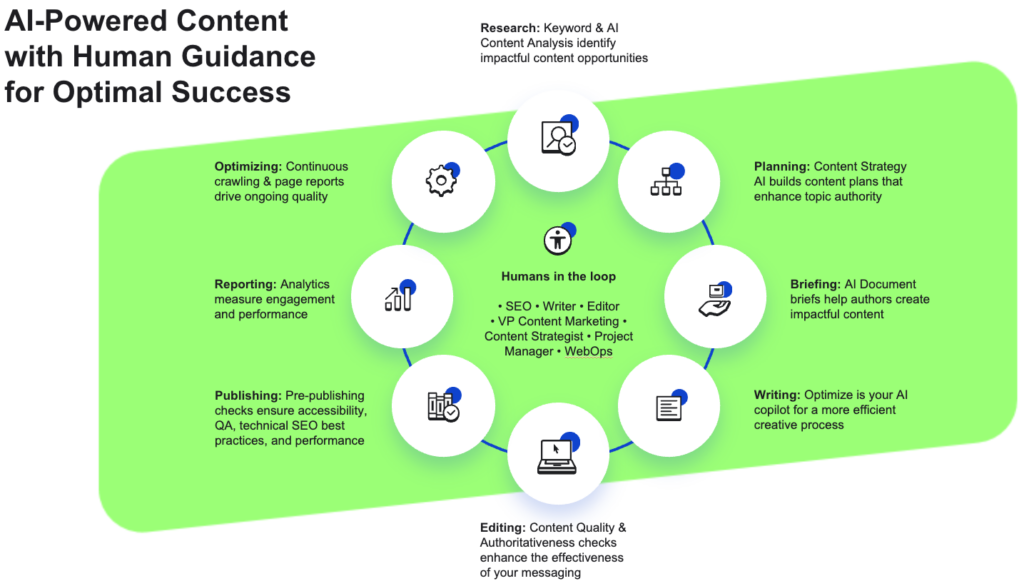
AI SEO Content Intelligence is transforming how brands research, create, and optimize digital content. This approach combines machine learning, natural language processing, and real-time search data to uncover what audiences truly need. Instead of guessing keywords, modern marketers use AI to analyze competitor gaps, user intent, and content performance at scale. This guide explains how AI SEO Content Intelligence works, why it matters, and how to implement it for measurable organic growth.
What Is AI SEO Content Intelligence?

AI SEO Content Intelligence refers to the use of artificial intelligence algorithms to analyze search engine data, user behavior, and content performance. It goes beyond basic keyword density checks. The technology evaluates semantic relevance, topical authority, entity relationships, and engagement signals. It answers questions like: What topics should you cover? What format works best? Where are the content gaps in your niche?
Traditional SEO relied on manual audits and historical keyword volumes. AI SEO Content Intelligence processes millions of data points in seconds. It identifies patterns that humans miss, such as emerging subtopics, question-based queries, and shifting user preferences. The output is a strategic roadmap for creating content that satisfies both search engines and human readers.
How AI SEO Content Intelligence Works
AI systems for content intelligence use several core technologies. Natural Language Processing (NLP) reads and understands text like a human. Machine learning models train on billions of web pages to recognize what ranks well. Predictive analytics forecast which topics will gain traction. Together, these tools provide a 360-degree view of your content ecosystem.
Core Components of AI Content Intelligence Platforms
- Semantic Analysis: Maps related concepts, synonyms, and entities to build topical depth.
- Intent Classification: Distinguishes between informational, transactional, and navigational queries.
- Competitor Gap Detection: Identifies keywords and subtopics your rivals cover but you do not.
- Content Scoring: Rates your draft against top-ranking pages for readability, relevance, and structure.
- Performance Prediction: Estimates traffic potential based on search volume, difficulty, and click-through rates.
- Entity Recognition: Identifies people, places, brands, and products that add authority to your content.
- Combine AI with Human Expertise: AI provides data, but your industry knowledge provides context. Use both for the best results.
- Focus on Topical Authority: Instead of targeting random keywords, build comprehensive resource hubs around core topics. AI helps map out all the subtopics you need to cover.
- Prioritize User Experience: Ensure your content is easy to read on mobile, has clear headings, and loads quickly. AI can optimize for search, but UX determines if users stay.
- Stay Updated on Algorithm Changes: AI tools adapt to search engine updates, but you should also follow industry news to understand the reasoning behind ranking shifts.
- Use AI for Content Repurposing: Turn a high-performing blog post into a video script, infographic, or podcast outline. AI can help identify the key points to reuse.
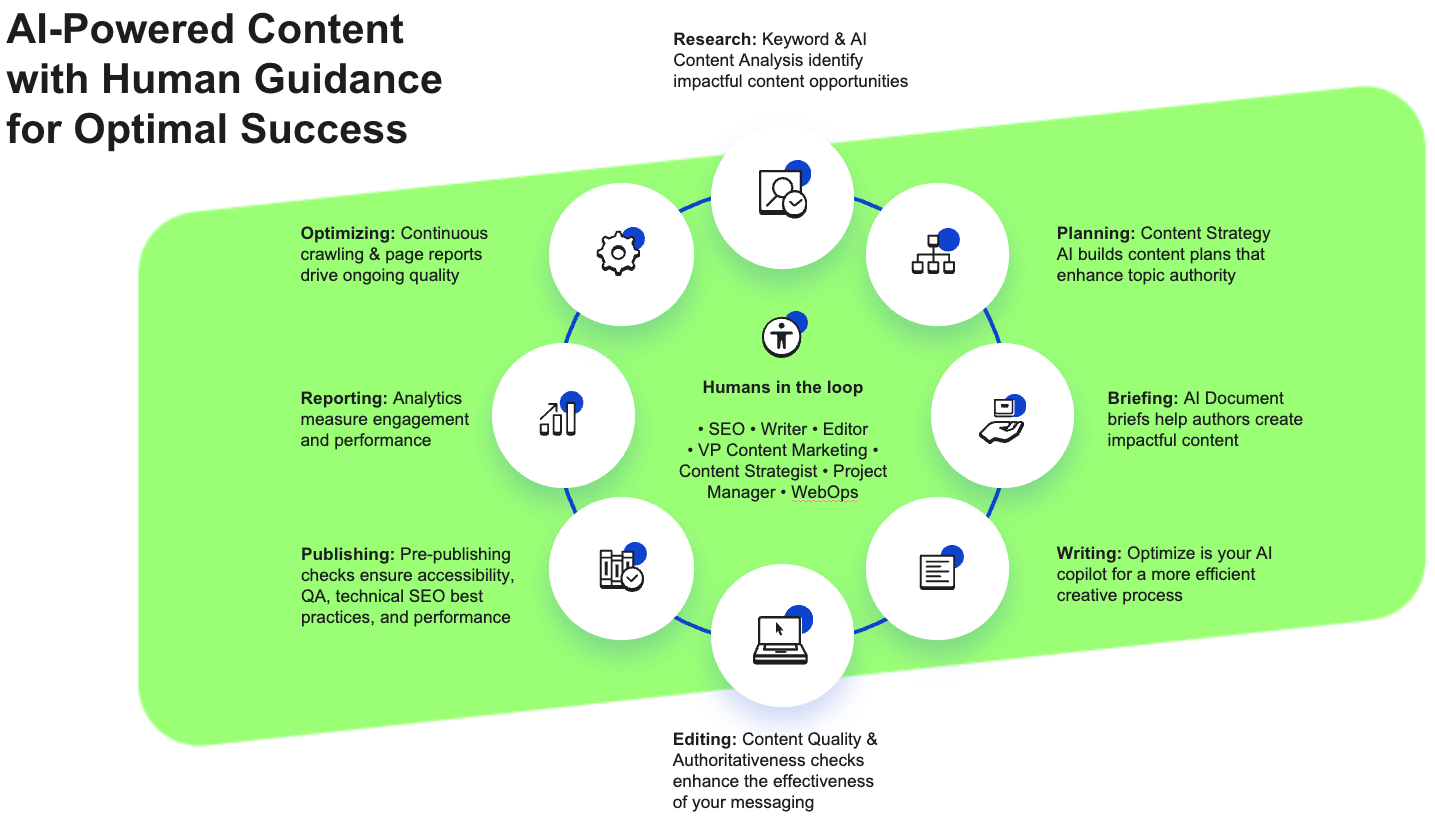
These components work together to create a feedback loop. You publish content, the AI tracks its performance, and then it recommends refinements. This continuous cycle ensures your strategy adapts to algorithm updates and market changes.
Why AI SEO Content Intelligence Matters in 2025
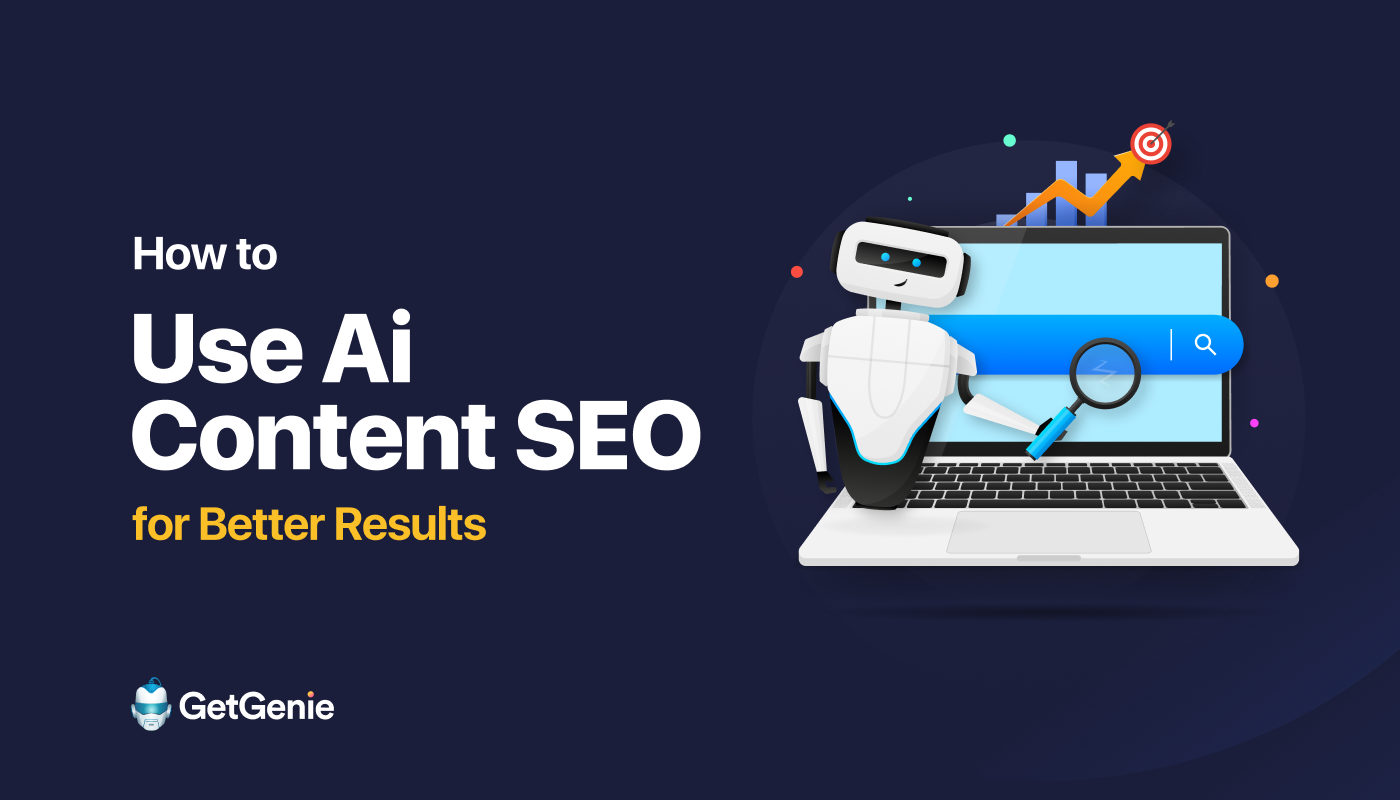
Search engines now prioritize user experience and semantic relevance over exact-match keywords. Google’s algorithms, including BERT and MUM, understand context and conversational language. This shift makes AI SEO Content Intelligence essential. You cannot manually analyze the billions of search queries and content pieces that exist today.
Data from industry reports shows that companies using AI for content optimization see up to 30% more organic traffic within six months. The technology reduces research time by 50% and improves content accuracy. It also helps teams scale production without sacrificing quality. For businesses competing in saturated niches, this intelligence provides a critical edge.
Key Benefits of AI SEO Content Intelligence
Adopting AI for content strategy delivers tangible advantages across the entire content lifecycle.
1. Enhanced Keyword and Topic Discovery
AI tools uncover long-tail keywords and related questions that manual research misses. They analyze search engine result pages (SERPs) to identify featured snippet opportunities and “People Also Ask” queries. This leads to content that targets high-intent users with specific needs.
2. Improved Content Relevance and Depth
Instead of thin articles, AI guides you to create comprehensive resources. It suggests subtopics, statistics, examples, and FAQs that top-ranking pages include. This depth signals expertise to search engines and keeps readers engaged longer.
3. Faster Content Production Cycles
AI generates outlines, briefs, and even first drafts. Writers spend less time on research and more time on adding unique insights and brand voice. This efficiency allows marketing teams to publish more frequently without burnout.
4. Data-Backed Optimization Decisions
You stop guessing which headlines or meta descriptions work. AI analyzes CTR patterns and suggests improvements. It also monitors dwell time and bounce rates to recommend structural changes.
5. Scalable Content Audits
Auditing hundreds of pages manually is impractical. AI crawls your entire site, flags outdated information, identifies cannibalization issues, and prioritizes updates based on traffic loss or ranking drops.
Limitations and Challenges to Consider
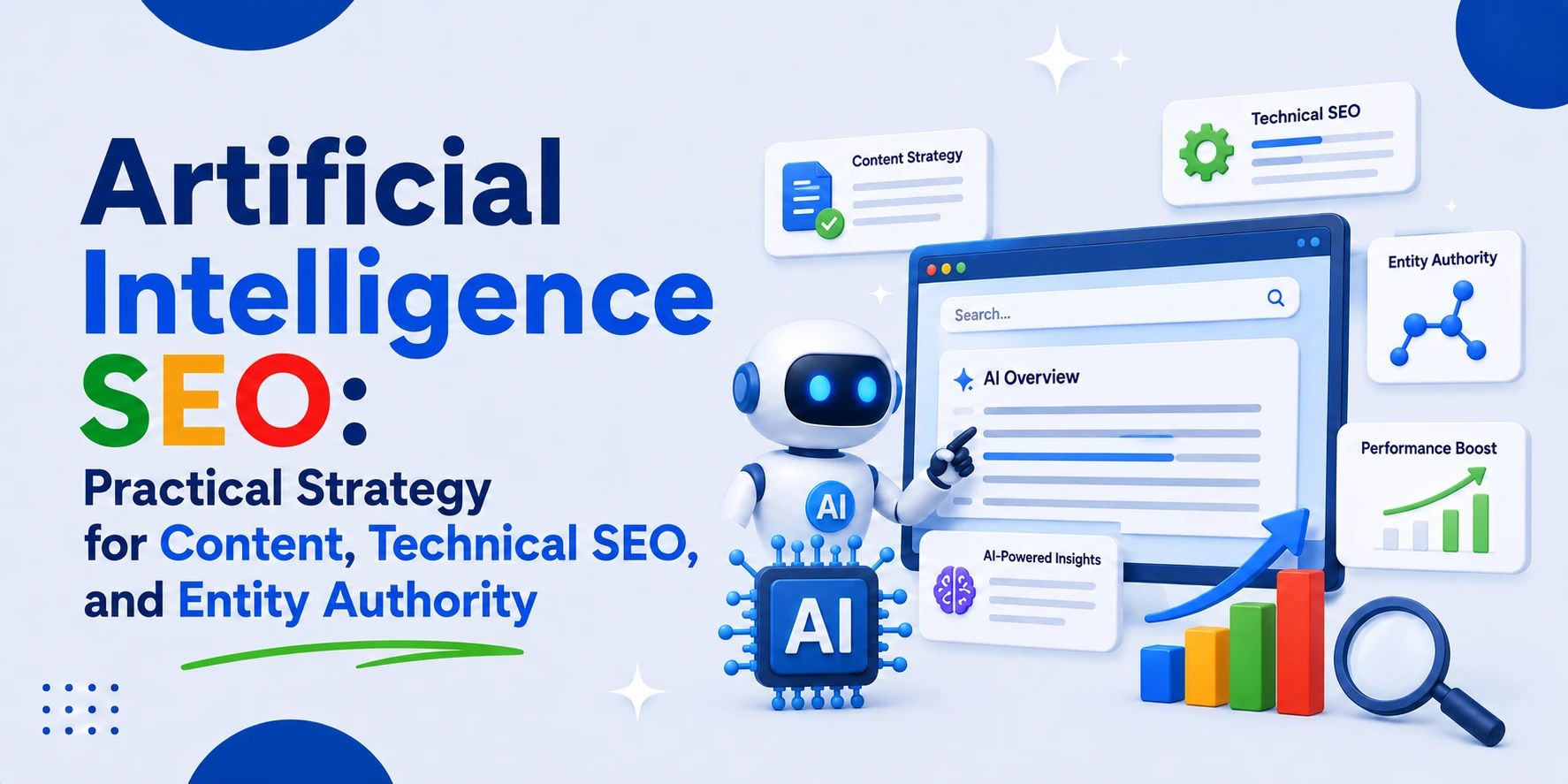
AI SEO Content Intelligence is powerful but not perfect. Understanding its limits prevents over-reliance and costly mistakes.
| Challenge | Description | Mitigation Strategy |
|---|---|---|
| Data Quality Dependency | AI models are only as good as the data they train on. Outdated or biased data leads to poor recommendations. | Use platforms that update their indexes regularly and cross-reference with your own analytics. |
| Lack of Human Creativity | AI can structure information but cannot replicate original storytelling, humor, or emotional resonance. | Use AI for research and outlines, but always have human writers craft the final narrative. |
| Over-Optimization Risk | Following AI suggestions blindly can lead to keyword stuffing or unnatural phrasing. | Set strict guidelines for natural language and prioritize readability scores. |
| Cost of Advanced Tools | Enterprise-level AI content platforms can be expensive for small businesses. | Start with freemium tools or focus on specific features like keyword gap analysis. |
AI SEO Content Intelligence vs. Traditional SEO Tools
Traditional tools like Google Keyword Planner or basic rank trackers provide raw data. They show search volume and keyword difficulty but do not interpret the data. AI SEO Content Intelligence adds a layer of analysis and recommendation. It tells you not just what keywords exist, but how to structure a page to win those keywords.
For example, a traditional tool might show that “best running shoes” has high volume. An AI intelligence platform will analyze the top 10 results, identify that they all include comparison tables, expert reviews, and sizing guides. It then recommends your content include those elements to compete effectively. This shift from data reporting to strategic guidance is the core difference.
Practical Implementation: How to Use AI SEO Content Intelligence
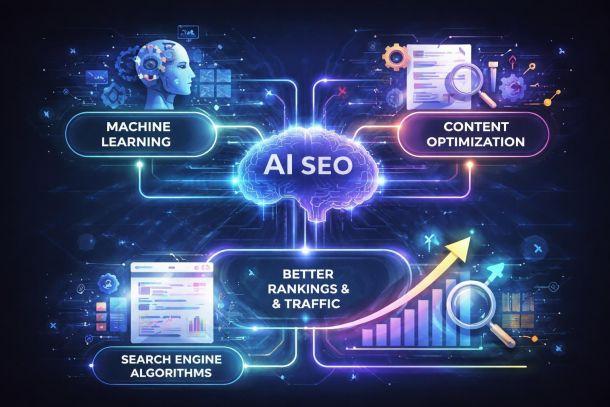
Implementing this technology requires a structured approach. Follow these steps to integrate AI into your content workflow.
Step 1: Choose the Right Platform
Evaluate tools like Surfer SEO, Clearscope, MarketMuse, or Frase. Look for features like content brief generation, SERP analysis, and integration with your CMS. Start with a trial period to test accuracy and ease of use.
Step 2: Conduct an AI-Powered Content Audit
Run your existing pages through the tool. Identify pages with low relevance scores or high bounce rates. Prioritize updates for pages that have lost rankings or target high-value commercial keywords.
Step 3: Generate Data-Driven Content Briefs
Input your target keyword into the AI tool. It will generate a brief containing recommended headings, word count, related terms, and questions to answer. Share this brief with your writers to ensure alignment with search intent.
Step 4: Optimize Drafts in Real-Time
As your writer produces content, use the AI editor to check keyword usage, semantic relevance, and readability. Adjust headings and add missing entities before publishing. This real-time feedback reduces the need for extensive revisions later.
Step 5: Monitor and Iterate
After publishing, track your rankings and traffic. Use AI analytics to identify which sections of your content drive engagement. Update underperforming sections with new data or examples. This continuous improvement cycle is where the real ROI appears.
Real-World Examples of AI Content Intelligence in Action
Consider a B2B software company targeting the keyword “project management tools.” Using AI SEO Content Intelligence, they discover that top-ranking pages include pricing comparisons, user reviews, and integration guides. The AI suggests creating a dedicated comparison table and a section on remote work features. The resulting article ranks on page one within three months.
Another example is an e-commerce fashion brand. AI analysis reveals that searches for “summer dresses” increasingly include fabric sustainability and size inclusivity. The brand updates its category pages to highlight eco-friendly materials and extended size ranges. Organic traffic increases by 25% as a result.
Common Mistakes to Avoid with AI SEO Content Intelligence
Many teams adopt AI tools but fail to see results due to common pitfalls.
Mistake 1: Ignoring Search Intent
AI tools suggest keywords, but you must verify the intent behind them. A keyword like “coffee” could mean recipes, beans, or cafes. Publishing a recipe when users want to buy beans will fail. Always review the SERP to understand what format and angle users expect.
Mistake 2: Over-Reliance on AI Scores
Some marketers obsess over achieving a 100% content score. This leads to robotic, keyword-dense writing that readers hate. Use AI scores as a guideline, not a strict rule. Prioritize clarity and value over hitting a perfect number.
Mistake 3: Neglecting Human Editing
AI-generated drafts often contain factual errors or awkward phrasing. Always have a subject matter expert review the content. This ensures accuracy and adds the unique perspective that AI cannot replicate.
Mistake 4: Focusing Only on New Content
Creating new articles is exciting, but updating existing high-performing pages often yields faster results. Use AI to identify pages that are close to ranking on page one and give them a refresh.
Mistake 5: Not Tracking Performance
AI intelligence is useless if you do not measure outcomes. Set up tracking for keyword rankings, organic sessions, and conversion rates. Review this data monthly to refine your strategy.
Important Notes for Maximizing AI SEO Content Intelligence
To get the most from this technology, keep these principles in mind.
Frequently Asked Questions
What is the difference between AI content generation and AI SEO Content Intelligence?
AI content generation focuses on producing text, such as articles or product descriptions. AI SEO Content Intelligence focuses on analyzing data to inform strategy. It tells you what to write, how to structure it, and which topics to target. Generation is a subset of the broader intelligence process.
Can AI SEO Content Intelligence replace human SEO experts?
No. AI tools handle data processing and pattern recognition, but human experts provide strategic judgment, creative thinking, and relationship building. The best results come from a collaboration where AI handles the heavy lifting and humans make final decisions.
How much does AI SEO Content Intelligence cost?
Pricing varies widely. Basic tools start around $50 per month for limited queries. Advanced platforms like MarketMuse or Clearscope can cost $200 to $500 per month for small teams. Enterprise solutions with API access can exceed $1,000 per month. Many tools offer free trials to test their value.
Is AI SEO Content Intelligence suitable for small businesses?
Yes. Small businesses can benefit from free or low-cost tools like Google’s Natural Language API or the free tier of Surfer SEO. The key is to focus on specific use cases, such as optimizing product pages or writing blog posts, rather than trying to automate everything at once.
How quickly will I see results from using AI SEO Content Intelligence?
Results depend on your niche, competition, and content quality. Some businesses see improvements in two to four weeks for low-competition keywords. For competitive terms, it may take three to six months of consistent publishing and optimization. Patience and consistent application are essential.
Does AI SEO Content Intelligence work for voice search optimization?
Yes. AI tools analyze conversational language patterns and question-based queries. They help you create content that answers natural language questions, which is exactly what voice assistants like Siri and Alexa use. This improves your chances of appearing in voice search results.
Conclusion
AI SEO Content Intelligence is no longer a futuristic concept. It is a practical, essential tool for any serious content marketer. The technology provides clarity in a sea of data, enabling you to create content that resonates with both algorithms and humans. By understanding its components, benefits, and limitations, you can implement it effectively.
The key is to use AI as a strategic partner, not a replacement for human judgment. Combine data-driven insights with authentic storytelling and genuine expertise. Audit your current content, generate smarter briefs, and continuously refine your approach. The brands that embrace this intelligence today will dominate search rankings tomorrow. Start small, measure your results, and scale what works.
Xem thêm:
- The Ultimate AI Content Brief: How to Write Smarter, Rank Faster, and Outperform Every Competitor
- AI SEO Keyword Intent: The Complete Guide to Search Intent Optimization in 2025
- AI SEO AI Content Audit Tool: The Complete Guide to Automated Content Optimization
- AI SEO & SEO Automation for Agencies: The Complete 2025 Playbook
- AI SEO Content Generator: Elevate Your Rankings with Smart Automation
Bài viết cùng chủ đề:

AI SEO SEO Automation with Make: The Complete Workflow Guide

AI SEO SEO Automation with Zapier: The Complete Workflow Guide

AI SEO SEO Automation with n8n: The Complete Workflow Guide
AI SEO SEO Automation with Gemini: The Complete Guide to Scaling Organic Growth

AI SEO SEO Automation with Claude: The Complete Guide to Scaling Content in 2025

AI SEO SEO Automation with ChatGPT: The Complete Playbook for 2025

AI SEO & SEO Automation for Affiliate Sites: The 2025 Playbook for Passive Income Growth
AI SEO & SEO Automation for Bloggers: The Complete Guide to Scaling Your Content

AI SEO & SEO Automation for Agencies: The Complete 2025 Playbook

AI SEO and SEO Automation for Ecommerce: The Complete Playbook for 2025

AI SEO & SEO Automation for WordPress: The Complete Playbook for 2025
AI SEO SEO Automation Strategy: The Complete Playbook for 2025

Mastering the AI SEO SEO Automation Process: A Complete Guide to Scaling Organic Growth
AI SEO SEO Automation System: The Complete Guide to Scaling Organic Growth in 2025
AI SEO SEO Automation Platform: The Complete Guide to Scaling Organic Growth in 2025
AI SEO SEO Automation Software: The Complete Guide to Scaling Organic Growth in 2025















