
No products in the cart.
AI SEO Content Quality: The Complete Guide to Publishing Content That Ranks in 2025

10
Aug
Aug
AI SEO content quality has become the defining factor between websites that thrive and those that disappear into page three of search results. As artificial intelligence tools produce millions of articles daily, Google’s algorithms have evolved to distinguish between generic machine output and genuinely valuable information. The challenge for content creators, marketers, and business owners is no longer about generating text but about engineering quality that satisfies both search engines and human readers. This comprehensive guide breaks down exactly what constitutes high-quality AI-assisted content, how to evaluate it, and the proven strategies to produce articles that rank consistently.
What Defines AI SEO Content Quality in the Modern Search Landscape
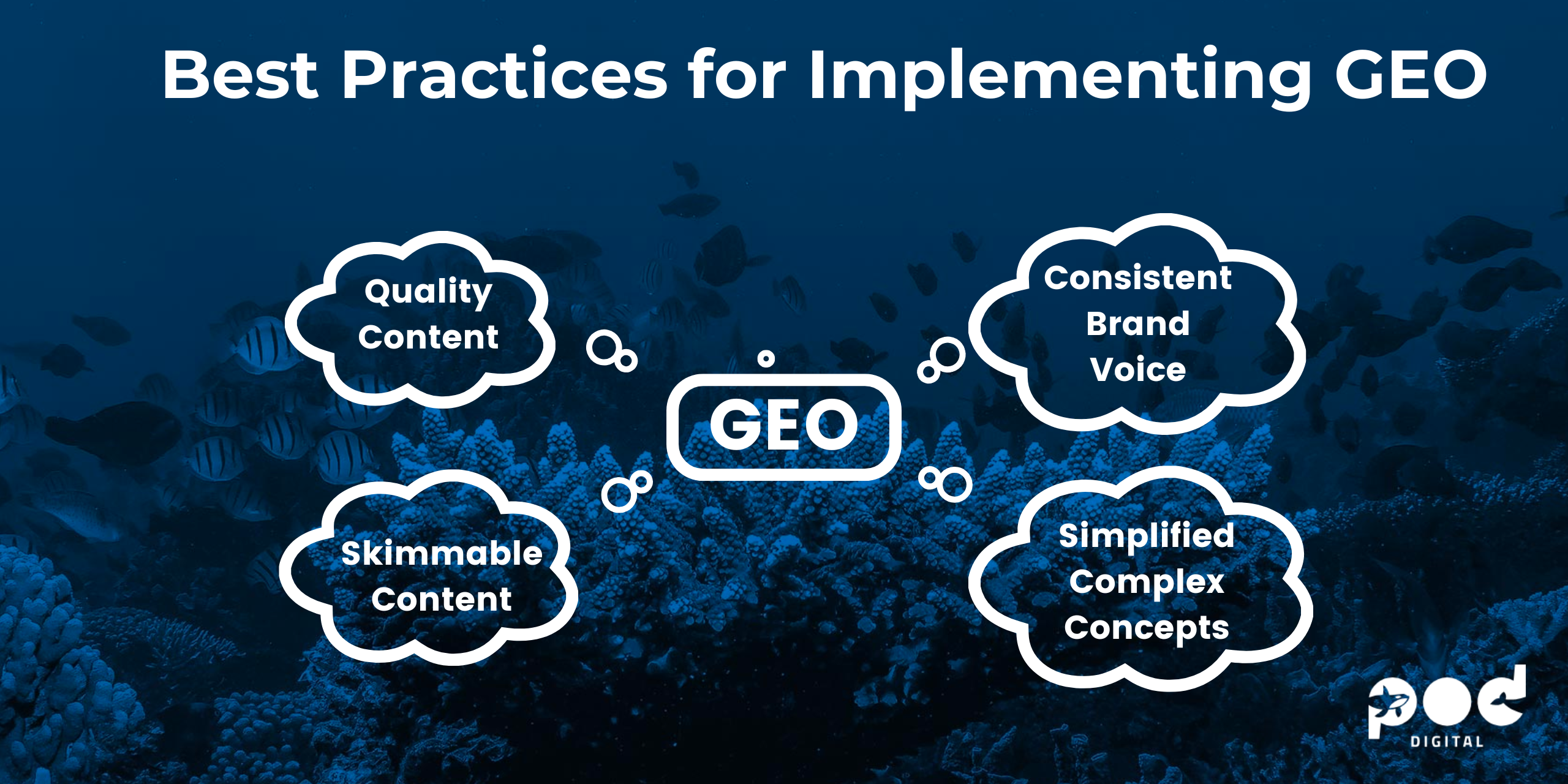
AI SEO content quality refers to the measurable standard of articles, blog posts, and web pages that are created with artificial intelligence assistance while meeting Google’s E-E-A-T (Experience, Expertise, Authoritativeness, Trustworthiness) guidelines. The term encompasses not just grammatical correctness but also factual accuracy, originality, user intent satisfaction, and the ability to provide comprehensive answers that outperform competing content.
Search engines have become remarkably sophisticated at detecting content that lacks substance. The old approach of generating keyword-stuffed paragraphs with AI tools no longer works. Google’s helpful content system specifically targets content that offers little value, regardless of whether a human or machine wrote it. This means AI-generated content must undergo rigorous quality control to pass algorithmic scrutiny.
The Evolution of Search Engine Algorithms and AI Content Detection
Google’s March 2024 core update and subsequent refinements have placed unprecedented emphasis on content usefulness. The spam policies explicitly address scaled content abuse, targeting websites that mass-produce low-value AI articles. However, Google does not ban AI content outright. The official stance is clear: AI-generated content that demonstrates quality, expertise, and originality can rank well.
The key differentiator lies in the production process. Content that uses AI as a drafting tool, followed by human expertise, fact-checking, and editorial refinement, consistently outperforms fully automated output. Search quality raters evaluate pages based on whether they fulfill the promise of their titles and provide satisfying answers to user queries.
Core Components of High-Quality AI-Assisted Content
Understanding the anatomy of excellent AI SEO content quality requires examining several interconnected elements. Each component contributes to the overall perception of value by both algorithms and readers.
Factual Accuracy and Information Freshness
AI models trained on historical data may produce outdated or incorrect information. High-quality AI content undergoes verification against current sources, statistics, and industry developments. For example, an article about digital marketing trends must reflect the latest platform updates, algorithm changes, and consumer behavior data from the current year.
Factual errors damage credibility instantly. Readers who spot inaccuracies lose trust, and search engines track behavioral signals like bounce rate and time on page. Regular content audits that update statistics, refresh examples, and remove obsolete information maintain long-term quality standards.
Originality and Unique Perspectives
AI tools generate text based on patterns from existing content, which creates a risk of producing generic, derivative articles. High-quality AI SEO content quality demands a unique angle, proprietary data, personal experience, or original research. Content that simply rephrases what already ranks on page one offers no competitive advantage.
Adding expert commentary, case studies, survey results, or unique frameworks transforms AI drafts into distinctive resources. The most successful content strategies combine AI efficiency with human creativity to produce perspectives that cannot be found elsewhere.
Comprehensive Coverage and Semantic Depth
Top-ranking content typically covers a topic more thoroughly than competing pages. This includes addressing related subtopics, answering follow-up questions, and providing practical examples. Semantic search means Google understands concepts and relationships, not just keywords. Content that demonstrates topical authority through comprehensive coverage signals quality.
For instance, an article about AI SEO content quality should discuss not only writing techniques but also measurement metrics, tool comparisons, workflow optimization, and common pitfalls. Each subtopic adds depth that satisfies both user intent and algorithmic requirements.
Measuring AI SEO Content Quality: Key Metrics and Evaluation Frameworks
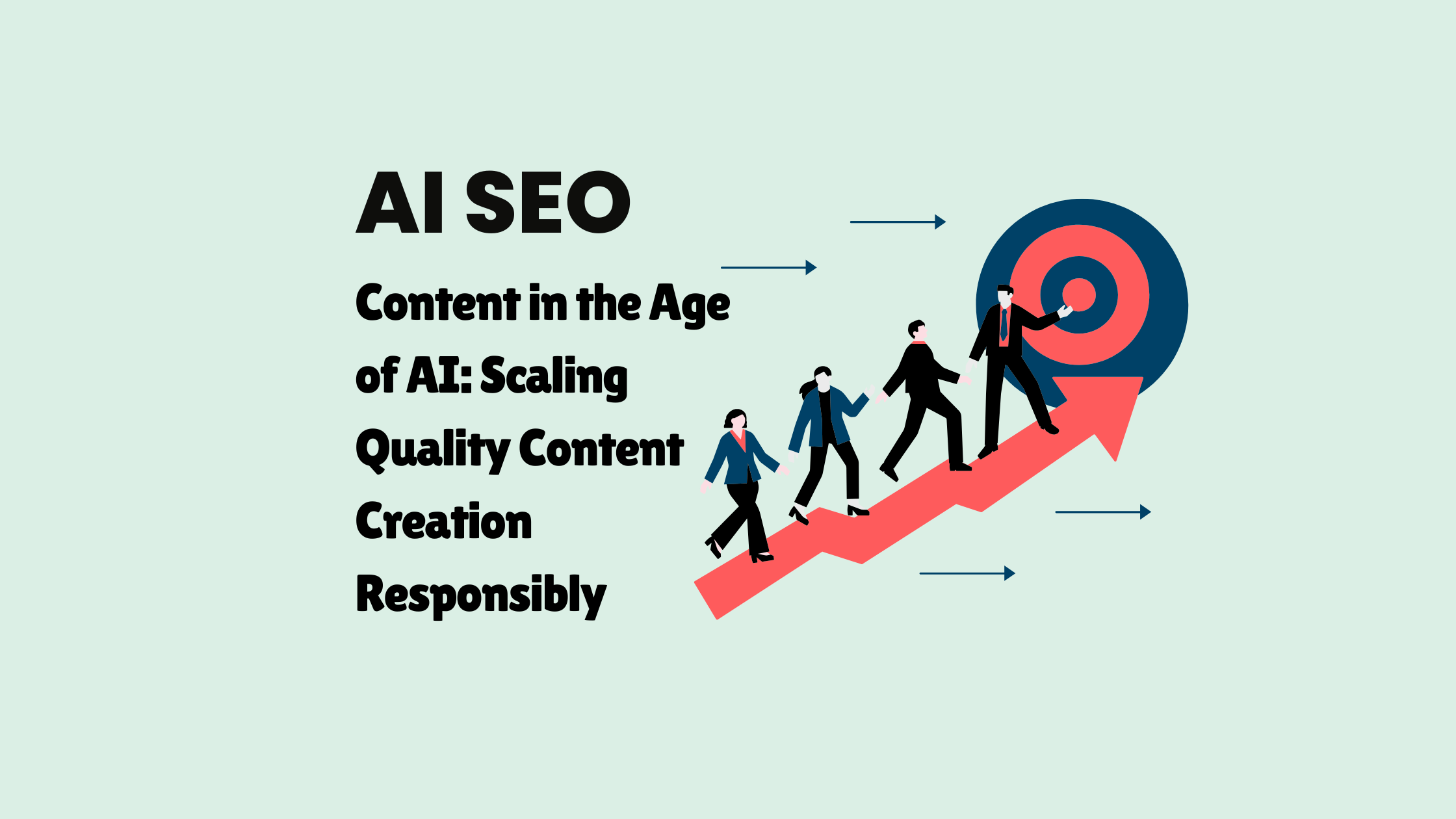
Quantifying content quality requires a combination of technical metrics, user engagement signals, and qualitative assessment. Professional SEO teams use multiple data points to evaluate whether their AI-assisted content meets quality thresholds.
Technical SEO Metrics for Content Evaluation
Several measurable indicators provide insight into content performance. These metrics help identify strengths and weaknesses in the content strategy.
| Metric | Definition | Quality Benchmark |
|---|---|---|
| Word Count | Total length of the article | 1,500-2,500 words for competitive topics |
| Readability Score | Grade level required to understand text | 8th-9th grade level for general audiences |
| Keyword Density | Percentage of target keyword occurrences | 1-2% natural distribution |
| Internal Links | Links to other pages on the same domain | 3-5 relevant links per article |
| External Links | Links to authoritative sources | 2-4 credible references |
| Page Speed | Load time of the content page | Under 2.5 seconds on mobile |
User Engagement Signals That Reflect Content Quality
Search engines interpret user behavior as a proxy for content satisfaction. High-quality AI SEO content quality produces positive engagement patterns that reinforce rankings.
- Dwell time: The duration a visitor spends reading the page before returning to search results. Longer dwell times indicate content that holds attention.
- Bounce rate: The percentage of visitors who leave without interacting. High bounce rates suggest content fails to meet expectations.
- Scroll depth: How far down the page users scroll. Deep scrolling indicates engagement with the full article.
- Return visits: Users who come back to the page indicate lasting value and bookmark-worthy content.
- Social shares: Distribution across social platforms signals perceived value by readers.
Benefits and Limitations of AI-Generated Content for SEO
Understanding the advantages and constraints of AI tools helps content teams develop realistic expectations and effective workflows. The benefits are substantial, but so are the potential pitfalls.
Key Benefits of Using AI for Content Production
AI tools offer significant efficiency gains that allow teams to scale their content operations without proportionally increasing costs. The speed of generation enables rapid coverage of multiple topics, faster response to trending subjects, and the ability to maintain consistent publishing schedules.
AI also assists with research by summarizing large volumes of information, identifying patterns, and suggesting related topics. For non-native English speakers, AI tools improve grammar and style consistency. Additionally, AI can generate multiple variations of headlines, meta descriptions, and content structures for A/B testing.
Critical Limitations That Compromise Content Quality
The most significant limitation of AI content is the lack of genuine experience and first-hand knowledge. AI cannot conduct interviews, visit locations, test products, or draw on personal professional history. This absence of lived experience is precisely what Google’s E-E-A-T framework evaluates.
AI also struggles with nuance, cultural context, and emotional intelligence. Sarcasm, humor, and subtle persuasion techniques often sound flat or awkward in AI-generated text. Furthermore, AI models can hallucinate facts, invent statistics, or cite non-existent sources, requiring thorough fact-checking.
Another limitation is the tendency toward generic phrasing and repetitive sentence structures. Without human editing, AI content often reads as bland and formulaic, failing to differentiate from thousands of similar articles.
Practical Guide: How to Produce High-Quality AI SEO Content
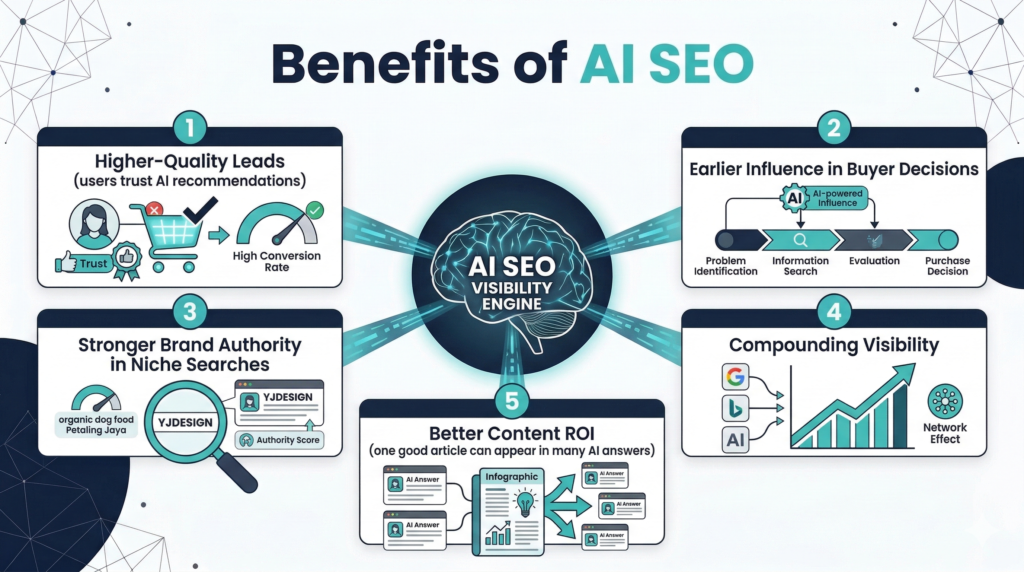
Implementing a rigorous production workflow transforms raw AI output into polished, ranking content. The following step-by-step process represents industry best practices for maximizing AI SEO content quality.
Step 1: Strategic Keyword and Topic Research
Begin with comprehensive keyword research that identifies not only primary keywords but also long-tail variations, question-based queries, and related semantic terms. Tools like Ahrefs, SEMrush, and Google Keyword Planner provide search volume data and difficulty scores.
Analyze the current top-ranking pages for your target keyword. Identify content gaps, unanswered questions, and opportunities to provide more comprehensive information. This competitive analysis informs your content outline and ensures your article offers something better than existing results.
Step 2: Creating Detailed Content Briefs
High-quality AI output depends on high-quality input. A detailed content brief provides the AI with clear instructions about topic scope, target audience, tone, required sections, and specific points to cover. Include examples of desired style and structure.
The brief should specify word count, target keywords, internal linking requirements, and the primary search intent (informational, transactional, or navigational). The more specific the brief, the more relevant the AI-generated draft.
Step 3: AI Draft Generation and Expansion
Use AI tools like ChatGPT, Claude, or Jasper to generate an initial draft based on your brief. Generate multiple variations and select the strongest sections from each. Ask the AI to expand on thin sections, provide additional examples, or rephrase complex concepts for clarity.
Request the AI to include specific data points, statistics, or quotes that you have verified. Instruct it to write in an active voice, use transition sentences, and maintain a consistent reading level appropriate for your audience.
Step 4: Human Editing and Expertise Integration
This step is non-negotiable for achieving high AI SEO content quality. A subject matter expert must review the draft for accuracy, add personal insights, correct errors, and inject authentic experience. The editor should rewrite sections that sound generic or robotic.
Add original examples from your own experience, case studies from your clients, or proprietary research data. These unique elements cannot be replicated by competitors and significantly boost the perceived value of the content.
Step 5: On-Page SEO Optimization
Optimize the final content for search engines without compromising readability. Place the target keyword in the title tag, meta description, first paragraph, and at least one H2 heading. Use descriptive alt text for images and ensure proper header hierarchy.
Include internal links to related articles on your site and external links to authoritative sources. Optimize page speed by compressing images and minimizing code. Ensure the page is mobile-responsive and passes Core Web Vitals assessments.
Step 6: Quality Assurance and Fact-Checking
Before publishing, run the content through plagiarism checkers to ensure originality. Verify all statistics and claims against reliable sources. Check for outdated information and update any references to current data.
Review the content for readability using tools like Hemingway Editor or Grammarly. Ensure the article flows logically from introduction to conclusion, with clear transitions between sections. Confirm that the content fully answers the user’s search intent.
Common Mistakes That Destroy AI SEO Content Quality
Many content teams make avoidable errors that undermine their AI content strategies. Recognizing these pitfalls helps prevent wasted effort and poor rankings.
Publishing Unedited AI Output
The most common and damaging mistake is publishing AI-generated text without human review. This produces content that is often factually incorrect, stylistically flat, and lacking in genuine expertise. Search engines quickly identify and devalue such content.
Always treat AI output as a first draft, not a finished product. The human editing process is what elevates content from generic to exceptional. Allocate sufficient time and resources for thorough editorial review.
Keyword Stuffing and Over-Optimization
Some content creators force the target keyword into every paragraph, creating unnatural, awkward text. This practice harms readability and triggers search engine spam filters. Modern SEO prioritizes semantic relevance over exact-match keyword density.
Use variations of the keyword naturally throughout the content. Focus on covering related concepts and answering user questions rather than repeating the same phrase. The content should read as if written for humans first, with search engines as a secondary consideration.
Ignoring Search Intent
Creating content that does not match what users actually want when they search for a keyword results in high bounce rates and poor rankings. For example, a user searching “best running shoes” wants product recommendations, not a history of footwear manufacturing.
Analyze the search engine results page for your target keyword to understand the dominant content type. Match your format, depth, and angle to what users expect. If the results show listicles, create a listicle. If they show in-depth guides, create a comprehensive guide.
Neglecting Content Updates and Maintenance
Content quality degrades over time as information becomes outdated. Statistics change, tools evolve, and best practices shift. Articles that were excellent in 2023 may be obsolete in 2025. Regular content refreshes are essential for maintaining rankings.
Implement a content audit schedule that reviews each article at least annually. Update statistics, replace outdated examples, add new sections, and improve internal linking. Google rewards fresh, accurate content with better visibility.
Important Notes for Sustainable AI Content Strategies
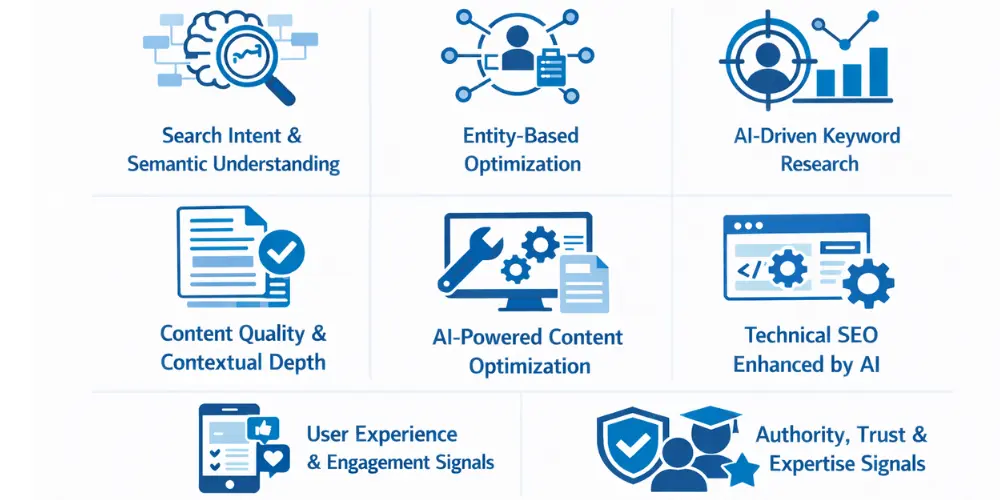
Building a long-term content strategy around AI requires attention to several critical considerations beyond individual article quality.
Maintaining Brand Voice and Consistency
AI tools tend to produce a generic, neutral tone that may not align with your brand personality. Establish clear brand guidelines that define your voice, vocabulary, and stylistic preferences. Provide these guidelines to your AI tools and enforce them during editing.
Consistency across all published content builds brand recognition and trust. Readers should be able to identify your content style even without seeing the logo. This consistency also signals professionalism to search engines.
Balancing AI Efficiency with Human Creativity
The most effective approach combines the speed of AI with the creativity and judgment of human writers. Use AI for research, outlining, and drafting repetitive sections. Reserve human effort for strategic thinking, unique insights, and creative expression.
This hybrid approach maximizes productivity while maintaining the quality bar that distinguishes excellent content from mediocre content. It also ensures that your content reflects genuine expertise rather than just pattern recognition.
Monitoring Performance and Iterating
Track the performance of your AI-assisted content using analytics tools. Monitor rankings, organic traffic, engagement metrics, and conversion rates. Identify which topics and formats perform best and double down on those strategies.
Use performance data to refine your content briefs, improve your editing processes, and better target user intent. Continuous iteration based on real-world results is the key to sustained SEO success.
Frequently Asked Questions About AI SEO Content Quality
Does Google penalize AI-generated content?
Google does not penalize AI content simply because it is AI-generated. The search engine evaluates content based on quality, usefulness, and adherence to E-E-A-T guidelines. AI content that is accurate, original, and helpful can rank well. However, mass-produced, low-value AI content that attempts to manipulate search rankings violates Google’s spam policies and may be penalized.
How can I make AI content sound more human?
To make AI content sound more human, incorporate personal experiences, use varied sentence structures, add conversational transitions, and include specific examples. Edit the text to remove repetitive phrasing and inject your unique perspective. Reading the content aloud helps identify awkward or robotic sections that need rewriting.
What is the ideal word count for AI SEO content?
T Generally, content that ranks on page one for competitive keywords tends to be comprehensive, often exceeding 1,500 words. Focus on covering the topic thoroughly rather than hitting a specific word count target. Quality and completeness matter more than length.
Can AI tools replace human content writers?
AI tools cannot fully replace human writers because they lack genuine experience, creativity, and critical thinking. AI excels at generating drafts, summarizing information, and improving efficiency. However, human writers are essential for adding unique insights, ensuring factual accuracy, and creating content that resonates emotionally with readers. The best results come from collaboration between humans and AI.
How often should I update my AI-generated content?
Content should be reviewed and updated at least annually, though more frequent updates may be necessary for rapidly changing industries. Monitor your content performance and prioritize updates for pages that are losing rankings or traffic. Update statistics, refresh examples, add new information, and improve readability during each audit.
What tools are best for checking AI content quality?
Several tools help evaluate content quality, including Grammarly for grammar and style, Hemingway Editor for readability, Copyscape for plagiarism detection, and Originality.ai for detecting AI-generated text. For SEO-specific analysis, tools like Surfer SEO and Clearscope compare your content against top-ranking pages and provide optimization recommendations.
Conclusion: Achieving Excellence in AI SEO Content Quality

AI SEO content quality is not about choosing between artificial intelligence and human expertise but about integrating both effectively. The search landscape rewards content that demonstrates genuine value, accurate information, and unique perspectives. AI tools provide unprecedented efficiency in content production, yet they require human oversight to reach the quality standards that earn top rankings.
The successful content strategy of 2025 and beyond treats AI as an accelerator, not a replacement. Detailed briefs, rigorous editing, fact-checking, and continuous optimization transform raw AI output into authoritative resources that satisfy both users and search engines. By understanding the metrics that define quality, avoiding common pitfalls, and implementing proven workflows, content teams can consistently produce articles that rank, engage, and convert.
The future belongs to those who master this balance, leveraging technology to scale while preserving the human elements that build trust and authority. Every piece of content published is an opportunity to demonstrate expertise and provide value. With the right approach, AI becomes a powerful ally in the pursuit of search visibility and audience growth.
Xem thêm:
- AI SEO AI Content Audit: The Complete Guide to Automated Content Optimization
- AI SEO AI Search Optimization Strategy: The 2025 Playbook for Dominating Generative Engines
- AI SEO Product Descriptions: The Complete Guide to Higher Rankings and More Sales
- AI SEO Outreach Templates: The Complete Guide to Higher Response Rates in 2025
- AI SEO DNS Optimization: The Complete Guide to Boosting Search Rankings in 2025
Bài viết cùng chủ đề:

AI SEO SEO Automation with Make: The Complete Workflow Guide

AI SEO SEO Automation with Zapier: The Complete Workflow Guide

AI SEO SEO Automation with n8n: The Complete Workflow Guide
AI SEO SEO Automation with Gemini: The Complete Guide to Scaling Organic Growth

AI SEO SEO Automation with Claude: The Complete Guide to Scaling Content in 2025

AI SEO SEO Automation with ChatGPT: The Complete Playbook for 2025

AI SEO & SEO Automation for Affiliate Sites: The 2025 Playbook for Passive Income Growth
AI SEO & SEO Automation for Bloggers: The Complete Guide to Scaling Your Content

AI SEO & SEO Automation for Agencies: The Complete 2025 Playbook

AI SEO and SEO Automation for Ecommerce: The Complete Playbook for 2025

AI SEO & SEO Automation for WordPress: The Complete Playbook for 2025
AI SEO SEO Automation Strategy: The Complete Playbook for 2025

Mastering the AI SEO SEO Automation Process: A Complete Guide to Scaling Organic Growth
AI SEO SEO Automation System: The Complete Guide to Scaling Organic Growth in 2025
AI SEO SEO Automation Platform: The Complete Guide to Scaling Organic Growth in 2025
AI SEO SEO Automation Software: The Complete Guide to Scaling Organic Growth in 2025















