
No products in the cart.
AI SEO Content Promotion: The Complete Guide to Scaling Your Reach in 2025
10
Aug
Aug
AI SEO content promotion has transformed how brands distribute, amplify, and measure their digital assets. In the modern marketing landscape, creating high-quality content is only half the battle; the other half involves ensuring that content reaches the right audience at the right time. This guide explores the intersection of artificial intelligence and content distribution, offering a roadmap for marketers who want to leverage machine learning to maximize organic visibility and engagement. By understanding these advanced tactics, you can move beyond guesswork and build a promotion engine that works while you sleep.
Understanding AI SEO Content Promotion
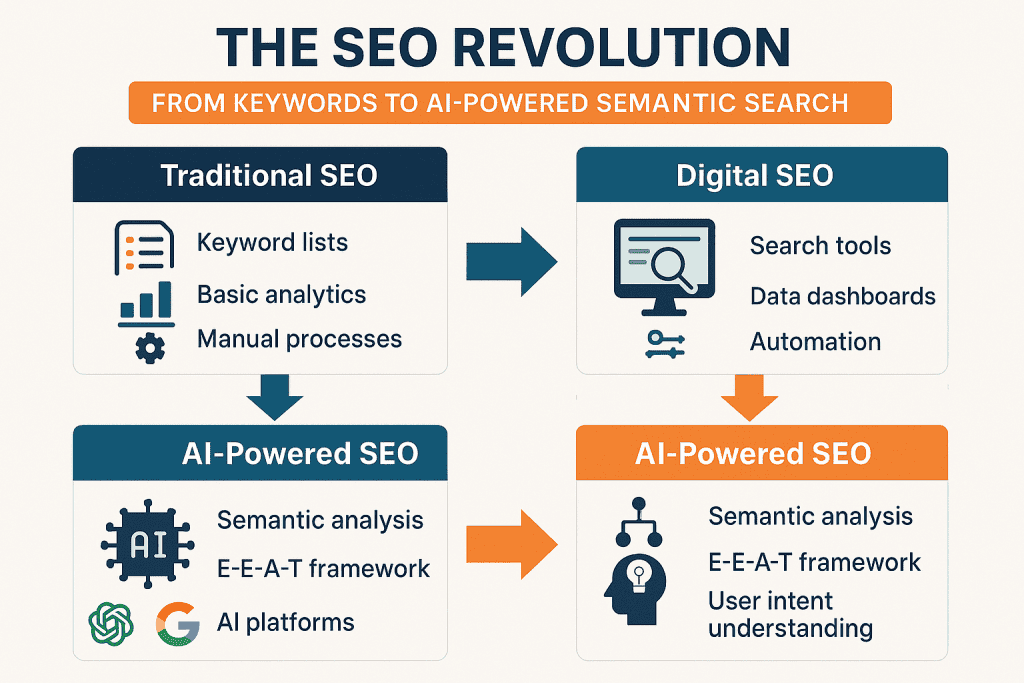
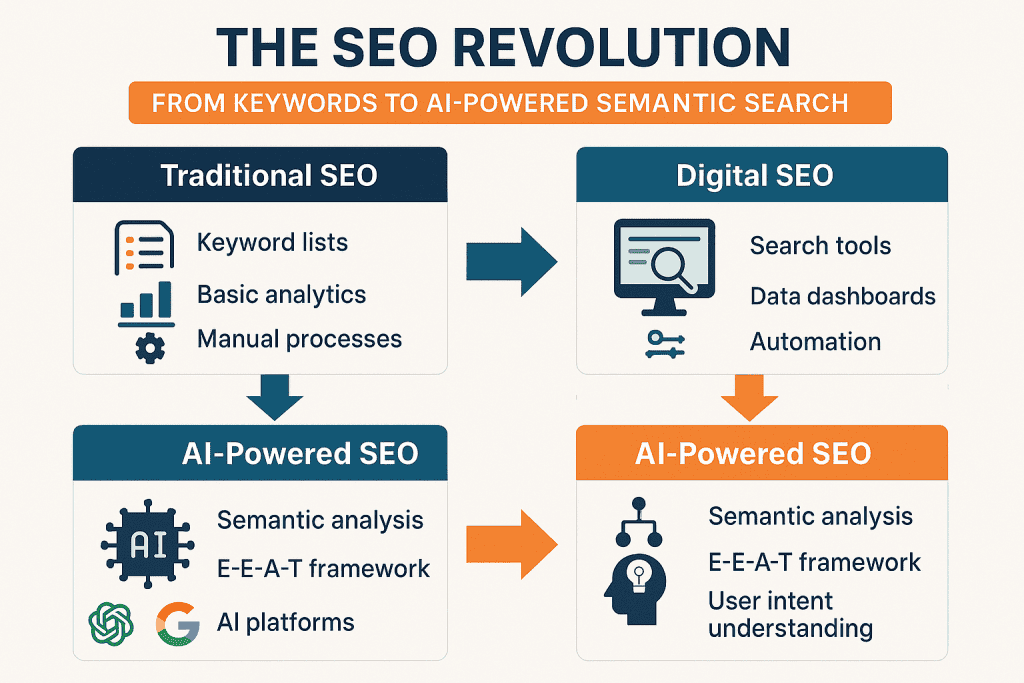
AI SEO content promotion refers to the strategic use of artificial intelligence tools to distribute, optimize, and repurpose content across multiple channels to improve search rankings and drive targeted traffic. Unlike traditional promotion, which relies heavily on manual outreach and manual scheduling, AI-driven systems analyze vast datasets to determine the best times to post, the most effective platforms for specific content types, and the exact keywords that will trigger user engagement.
The core value proposition lies in efficiency and precision. AI algorithms can process search engine results pages (SERPs), social media trends, and user behavior patterns simultaneously. This allows marketers to identify content gaps and promotion opportunities that would be impossible to spot manually. The result is a data-backed approach that reduces wasted effort and increases return on investment (ROI) for every piece of content produced.
The Evolution from Manual to Automated Promotion
Five years ago, content promotion involved manually sharing links on social media, sending emails to subscribers, and hoping for backlinks. Today, AI SEO content promotion platforms can automatically generate social media posts, personalize email campaigns for different segments, and even predict which headlines will perform best before a single click. This shift represents a fundamental change in workflow, moving marketers from reactive schedulers to proactive strategists.
Machine learning models continuously learn from performance data. If a particular type of infographic performs well on LinkedIn but poorly on Twitter, the system adjusts its distribution strategy accordingly. This dynamic optimization ensures that your content is always placed in front of the audience most likely to convert, without requiring constant manual intervention.
Core Components of an AI-Driven Promotion Strategy
To build a successful AI SEO content promotion framework, you must understand its key pillars. These components work together to create a self-sustaining ecosystem where content is not just published but actively pushed to the right channels with the right messaging.
Predictive Keyword and Topic Clustering
AI tools analyze search intent beyond simple keyword volume. They cluster related terms and concepts, allowing you to create content hubs that cover a topic comprehensively. For promotion, this means you can identify which subtopics are gaining traction and adjust your distribution strategy to target those specific queries. Tools like Clearscope and MarketMuse provide content briefs that include related questions and semantic terms, which are then used to optimize the content for both search engines and social media algorithms.
Automated Content Repurposing
One piece of content should not live on only one channel. AI SEO content promotion involves automatically transforming a blog post into a video script, a podcast outline, a series of tweets, and an email newsletter. Platforms like Jasper and Copy.ai can generate these variations in seconds, maintaining brand voice while adapting to the format requirements of each platform. This repurposing strategy multiplies your reach without multiplying your workload.
Smart Scheduling and Distribution
Timing is critical for engagement. AI algorithms analyze historical engagement data to determine the optimal posting times for each platform and audience segment. Tools like Buffer and Hootsuite now integrate AI to suggest the best times to publish, but advanced systems go further by automatically adjusting the schedule based on real-time trends. If a topic starts trending at 2 PM, the system can push your related content immediately to capitalize on the surge in interest.
Benefits of Using AI for Content Promotion
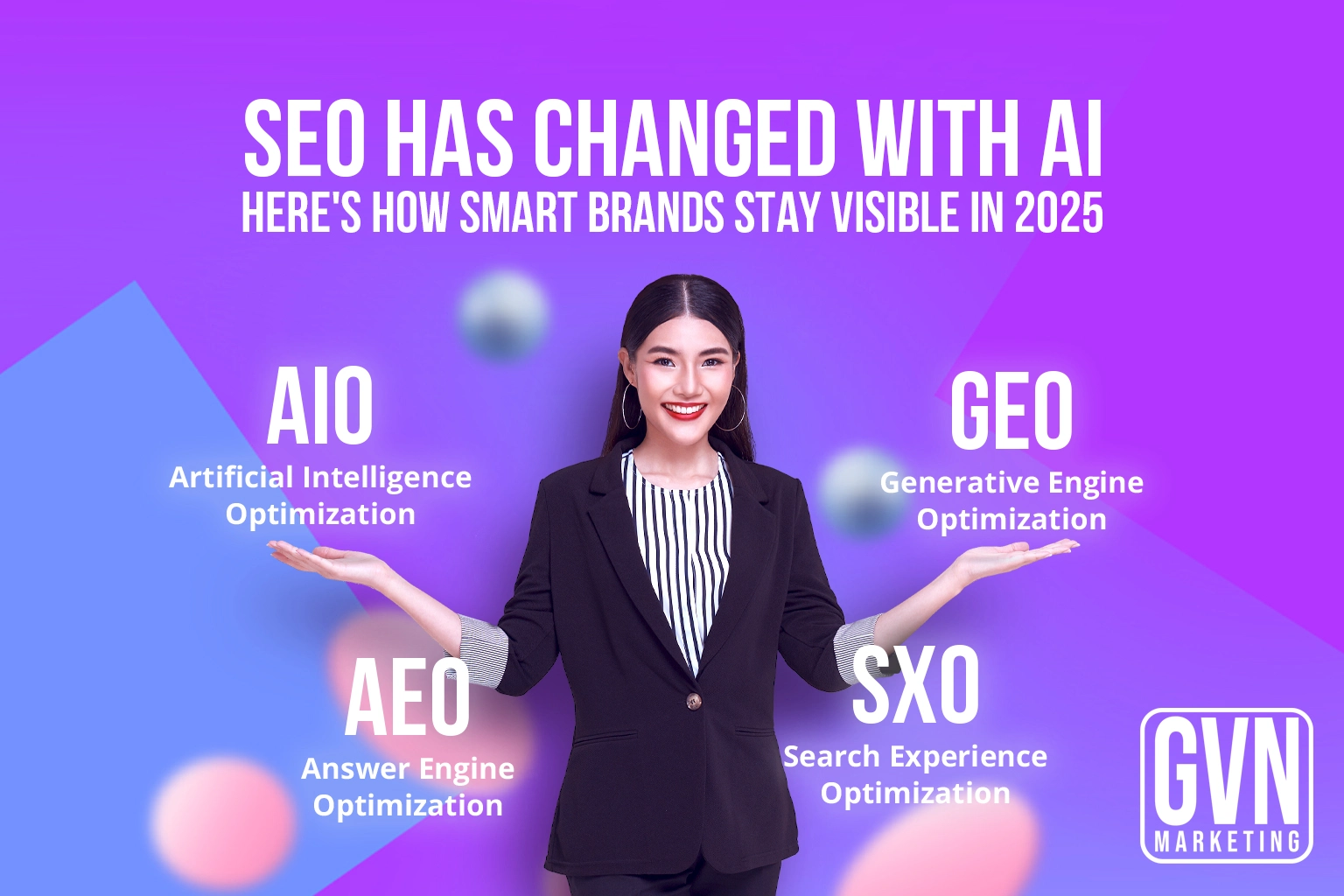
The advantages of integrating AI into your promotion strategy are substantial and measurable. Marketers who adopt these tools report significant improvements in efficiency and outcomes.
- Time Savings: Automating repetitive tasks like social media posting and email scheduling frees up hours each week for strategic planning.
- Improved Targeting: AI segments audiences based on behavior, ensuring that content reaches users who are actively searching for related information.
- Higher Engagement Rates: Personalized messaging and optimal timing lead to better click-through rates and lower bounce rates.
- Scalability: AI systems can manage promotion for hundreds of content pieces simultaneously, a task that would require a large team to handle manually.
- Data-Driven Decisions: Every promotion action is backed by analytics, allowing for continuous improvement based on what actually works.
- Ignoring Content Quality: AI cannot fix bad content. If the underlying article is thin or unhelpful, no amount of promotion will generate sustainable traffic.
- Over-Reliance on Automation: Automated posts can feel spammy if not monitored. Always add a human review layer for high-stakes campaigns.
- Neglecting Search Intent: Promoting content that does not match user intent will result in high bounce rates and poor rankings.
- Failing to Update Old Content: AI promotion works best when applied to refreshed, up-to-date content. Stale information will not perform well regardless of distribution.
- Ignoring Off-Page Signals: Social shares and backlinks still matter. AI can help identify outreach targets, but you still need to build relationships manually.
Limitations and Challenges to Consider
While the benefits are compelling, AI SEO content promotion is not without its challenges. Understanding these limitations helps set realistic expectations and avoid common pitfalls.
First, AI tools require high-quality input data. If your initial content is poorly researched or your target audience is not well-defined, the A Second, t Finally, the cost of premium AI tools can be prohibitive for small businesses, although many affordable options exist for basic needs.
AI SEO Content Promotion vs. Traditional Methods
To fully appreciate the value of AI, it helps to compare it directly with traditional promotion techniques. The table below highlights the key differences in approach and outcome.
| Aspect | Traditional Promotion | AI SEO Content Promotion |
|---|---|---|
| Keyword Research | Manual analysis of search volume and competition | Real-time analysis of semantic relevance and intent |
| Content Distribution | Manual posting on each platform | Automated multi-channel distribution with format adaptation |
| Audience Targeting | Broad demographics and basic interests | Behavioral targeting based on micro-segments and browsing history |
| Performance Analysis | Weekly or monthly reports | Real-time dashboards with predictive insights |
| Adaptation Speed | Slow, requires manual review | Instant, based on live data streams |
The table clearly shows that AI offers a more dynamic and responsive approach. Traditional methods are not obsolete, but they are no longer sufficient for brands that want to stay competitive in saturated markets.
Practical Guide: Implementing AI SEO Content Promotion
Implementing an AI-driven promotion strategy requires a structured approach. Follow these steps to build a system that delivers measurable results.
Step 1: Audit Your Current Content Inventory
Before deploying AI tools, you need to know what assets you have. Use a tool like Google Analytics and Search Console to identify your top-performing pages and those that have high potential but low visibility. This audit will serve as the foundation for your promotion strategy, highlighting which content deserves immediate attention.
Step 2: Select the Right AI Tools
Choose tools that integrate with your existing stack. For content optimization, consider Surfer SEO or Frase. For distribution, look at platforms like Publer or Lately, which use AI to generate social posts from long-form content. For email marketing, tools like Seventh Sense use AI to determine the best send times for each subscriber.
Step 3: Set Up Automated Workflows
Connect your content management system (CMS) to your promotion tools. When a new blog post is published, the system should automatically trigger a series of actions: generate social media posts, send an email to subscribers, and update your internal linking structure. This automation ensures consistency and speed.
Step 4: Monitor and Refine
AI is not a set-and-forget solution. Review your analytics weekly to see which channels are driving the most traffic and conversions. Use this data to refine your audience segments and adjust your messaging. The A
Common Mistakes in AI SEO Content Promotion
Many marketers fail to see results because they make avoidable errors. Being aware of these mistakes can save you time and resources.
Important Notes for Maximizing ROI
To get the most out of your AI SEO content promotion efforts, keep these best practices in mind. First, always maintain a human oversight role. AI provides recommendations, but your expertise guides the final decisions. Second, focus on building a content ecosystem where each piece supports the others through internal linking. This improves crawlability and distributes authority across your site.
Third, prioritize E-E-A-T (Experience, Expertise, Authoritativeness, Trustworthiness). AI can help you identify gaps in your content that fail to demonstrate these qualities. Ensure that your promoted content includes author bios, citations, and original research to build trust with both users and search engines. Finally, track your results against clear KPIs such as organic traffic, keyword rankings, and conversion rates. Without measurement, you cannot know what is working.
Frequently Asked Questions
What is the difference between AI content creation and AI content promotion?
AI content creation focuses on generating text, images, or videos. AI content promotion focuses on distributing that content to the right audiences through the right channels. Creation is about producing the asset, while promotion is about amplifying its reach and impact.
Can AI SEO content promotion work for small businesses?
Yes, small businesses can benefit significantly from AI promotion tools. Many affordable options exist that automate social media scheduling and basic email campaigns. The key is to start with a small budget and scale up as you see positive returns.
How long does it take to see results from AI-driven promotion?
Results vary based on your niche, content quality, and competition. Some businesses see improvements in engagement within a few weeks, while organic search ranking improvements typically take 2-3 months. Consistency and continuous optimization are essential for long-term success.
Is it necessary to use multiple AI tools for promotion?
Not necessarily. Many comprehensive platforms offer multiple features in one package. However, using specialized tools for specific tasks like email personalization and social media scheduling can yield better results. Evaluate your needs and budget before subscribing to multiple services.
Will AI replace the need for a human marketing team?
A Instead of spending time on repetitive tasks, marketers will focus on strategy, creative direction, and relationship building. The human element remains crucial for understanding nuance and building brand loyalty.
Conclusion
AI SEO content promotion represents a significant leap forward in how we distribute and amplify digital content. By leveraging machine learning for keyword research, audience targeting, and automated distribution, marketers can achieve levels of efficiency and precision that were previously impossible. The key to success lies in balancing automation with human insight, ensuring that your content remains authentic and valuable while reaching the widest possible audience.
As search algorithms become more sophisticated, the brands that thrive will be those that embrace these intelligent tools. Start by auditing your current processes, selecting the right AI solutions, and committing to a data-driven culture. The future of content marketing belongs to those who can promote smarter, not just harder. By implementing the strategies outlined in this guide, you will be well-positioned to dominate your niche and achieve sustainable growth in the competitive digital landscape.
Xem thêm:
- AI SEO Content Brief Generator: The Complete Guide to Streamlining Your Content Workflow
- AI SEO Meta Title Generator: The Complete Guide to Higher Click-Through Rates
- AI SEO AI Overview Traffic: The Complete Guide to Winning Google’s AI Search Results
- DeepSeek SEO: The Ultimate Guide to AI-Powered Search Optimization in 2025
- WP Trove Keyword Research: The Complete Guide to Finding High-Value WordPress Niche Keywords
Bài viết cùng chủ đề:

AI SEO SEO Automation with Make: The Complete Workflow Guide

AI SEO SEO Automation with Zapier: The Complete Workflow Guide

AI SEO SEO Automation with n8n: The Complete Workflow Guide
AI SEO SEO Automation with Gemini: The Complete Guide to Scaling Organic Growth

AI SEO SEO Automation with Claude: The Complete Guide to Scaling Content in 2025

AI SEO SEO Automation with ChatGPT: The Complete Playbook for 2025

AI SEO & SEO Automation for Affiliate Sites: The 2025 Playbook for Passive Income Growth
AI SEO & SEO Automation for Bloggers: The Complete Guide to Scaling Your Content

AI SEO & SEO Automation for Agencies: The Complete 2025 Playbook

AI SEO and SEO Automation for Ecommerce: The Complete Playbook for 2025

AI SEO & SEO Automation for WordPress: The Complete Playbook for 2025
AI SEO SEO Automation Strategy: The Complete Playbook for 2025

Mastering the AI SEO SEO Automation Process: A Complete Guide to Scaling Organic Growth
AI SEO SEO Automation System: The Complete Guide to Scaling Organic Growth in 2025
AI SEO SEO Automation Platform: The Complete Guide to Scaling Organic Growth in 2025
AI SEO SEO Automation Software: The Complete Guide to Scaling Organic Growth in 2025















