
No products in the cart.
AI SEO Content Repurposing Tool: The Complete Guide to Scaling Your Content Strategy
10
Aug
Aug
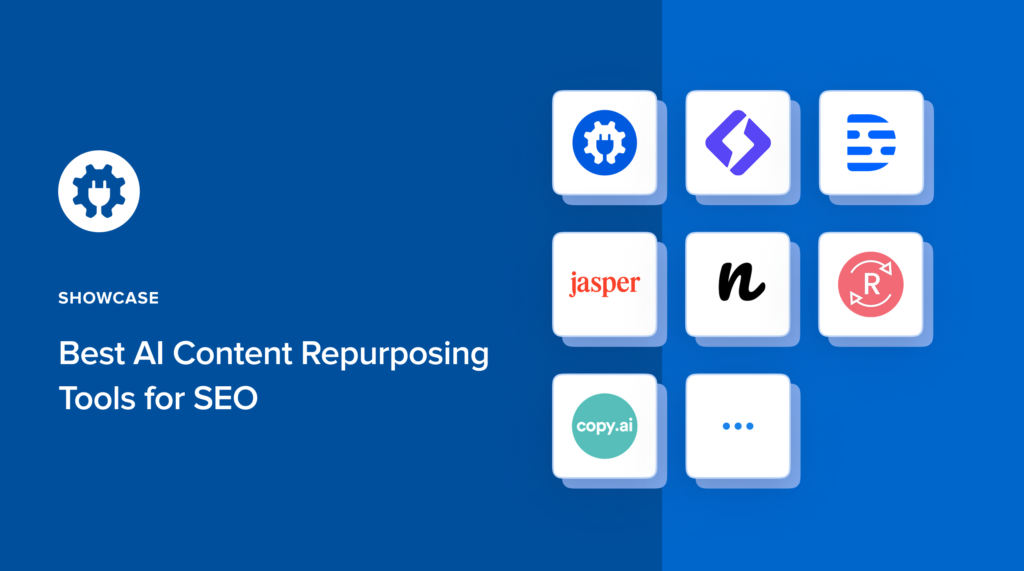
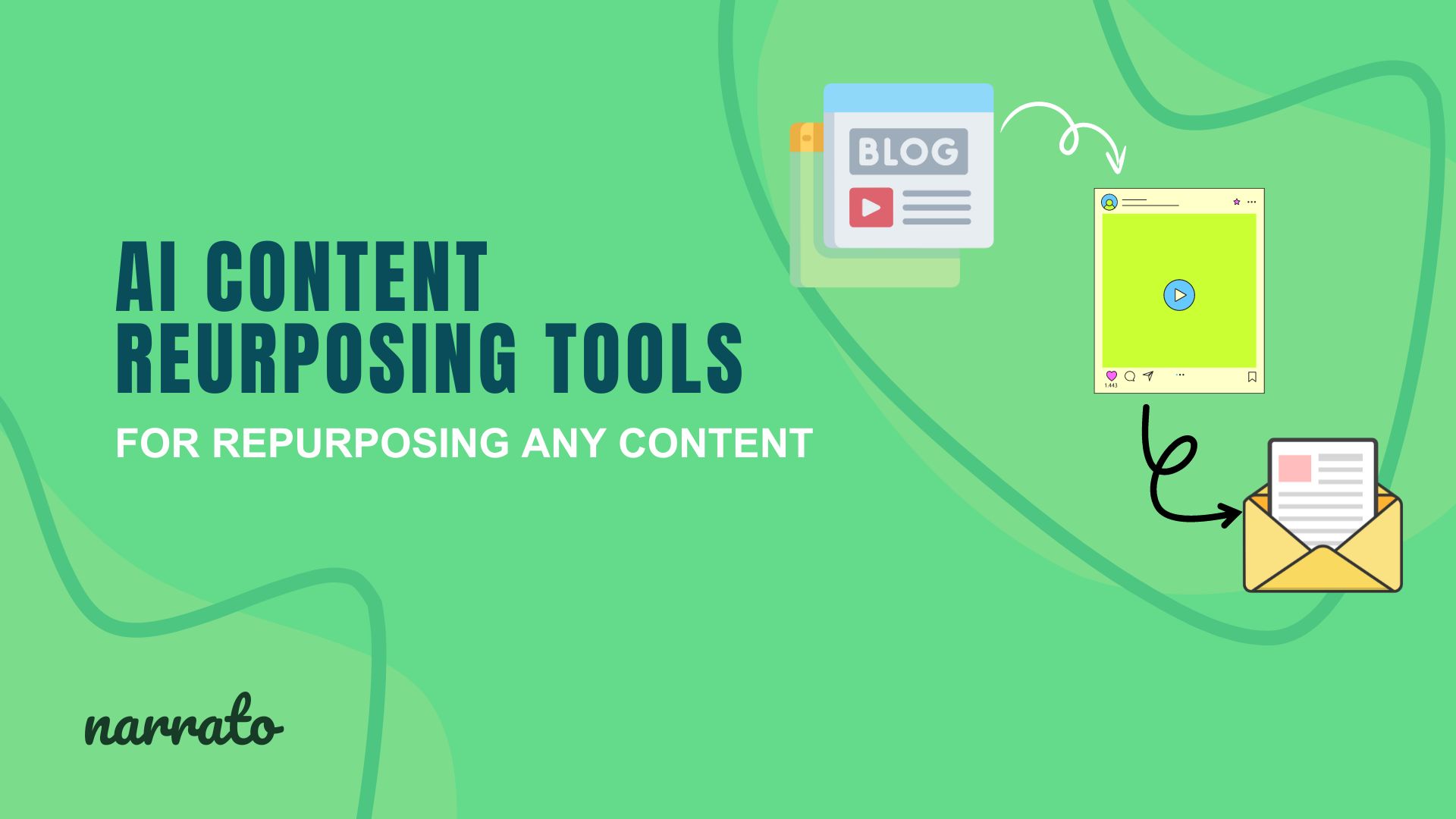
An AI SEO Content Repurposing Tool has become an essential asset for digital marketing teams looking to maximize the return on every piece of content they produce. These platforms use artificial intelligence to transform a single blog post, video, or podcast into dozens of formats, including social media updates, email newsletters, infographics, and slide decks. By automating the adaptation process, these tools help brands maintain a consistent publishing schedule across multiple channels without exhausting their creative resources. This guide explores how these tools work, their benefits, and how to integrate them into a winning SEO strategy.
What Is an AI SEO Content Repurposing Tool?
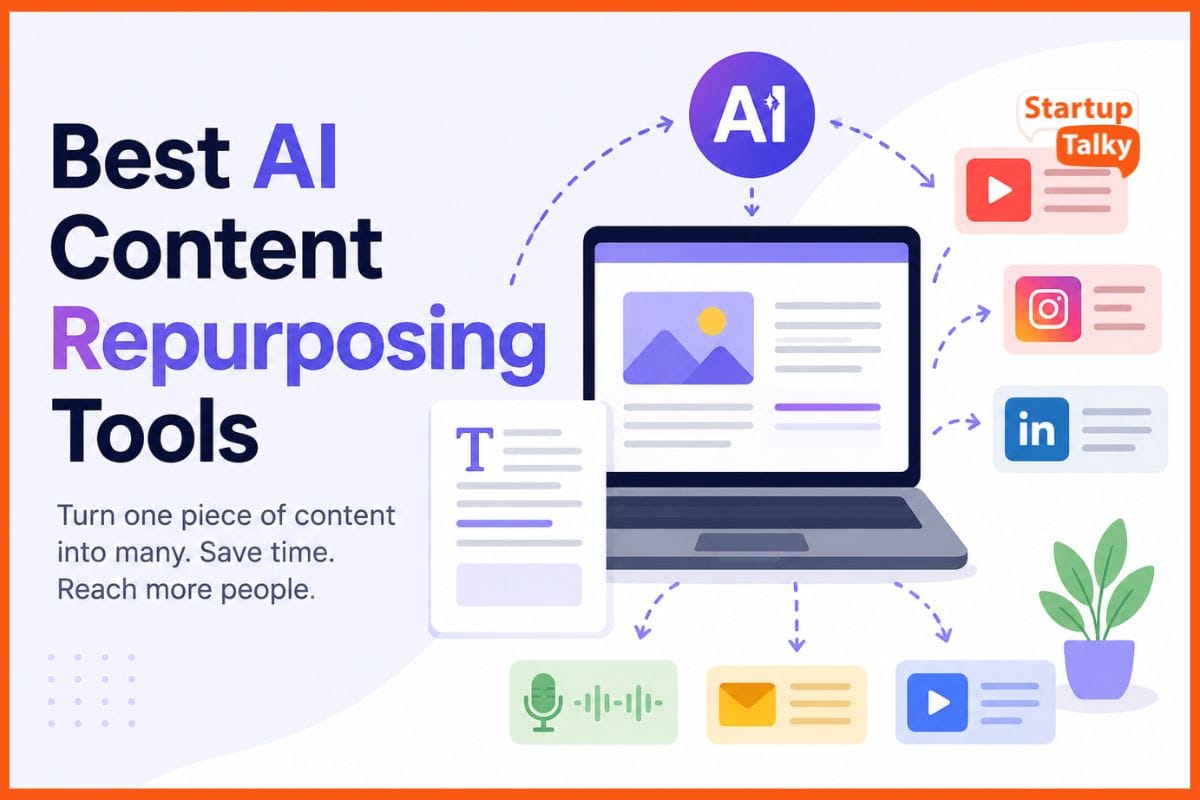
An AI SEO Content Repurposing Tool is a software solution that leverages natural language processing (NLP) and machine learning algorithms to convert existing content into new formats optimized for search engines and social platforms. Unlike simple paraphrasing tools, these platforms understand context, maintain brand voice, and structure output for specific channels. For example, a 2,000-word pillar article can be broken down into a series of LinkedIn posts, a YouTube video script, and a set of FAQ snippets for Google’s People Also Ask boxes.
The core function revolves around analyzing the source material, identifying key themes and data points, and then rewriting or restructuring that information. The output is designed to be unique enough to avoid duplicate content penalties while retaining the semantic value that helps with search rankings. This process allows marketers to target a wider range of keywords without creating every asset from scratch.
How Does an AI Content Repurposing Tool Work?
Understanding the mechanics behind these tools helps in setting realistic expectations and using them effectively. The process typically involves three main stages:
1. Content Ingestion and Analysis
The tool first ingests your source material, whether it is a URL, a PDF, or a raw text file. The AI then performs a deep semantic analysis to map out the main topics, subtopics, and entities mentioned. It identifies the primary keyword clusters and the overall sentiment of the piece. This step is crucial because it ensures the repurposed content remains aligned with the original intent.
2. Format Selection and Structuring
Next, you select the target output format. The AI uses templates and learned patterns to restructure the information. For a Twitter thread, it will break the content into short, punchy statements. For a newsletter, it will create a compelling subject line and a narrative flow. The tool decides which parts of the source are most relevant for the chosen platform.
3. Generation and SEO Optimization
Finally, the AI generates the new content. It rewrites sentences to fit the character limits or tone of the destination platform. Crucially, it also injects relevant internal links and suggests meta descriptions or alt text. The best tools allow you to set parameters for tone, length, and keyword density to ensure the output aligns with your SEO goals.
Key Benefits of Using an AI SEO Content Repurposing Tool
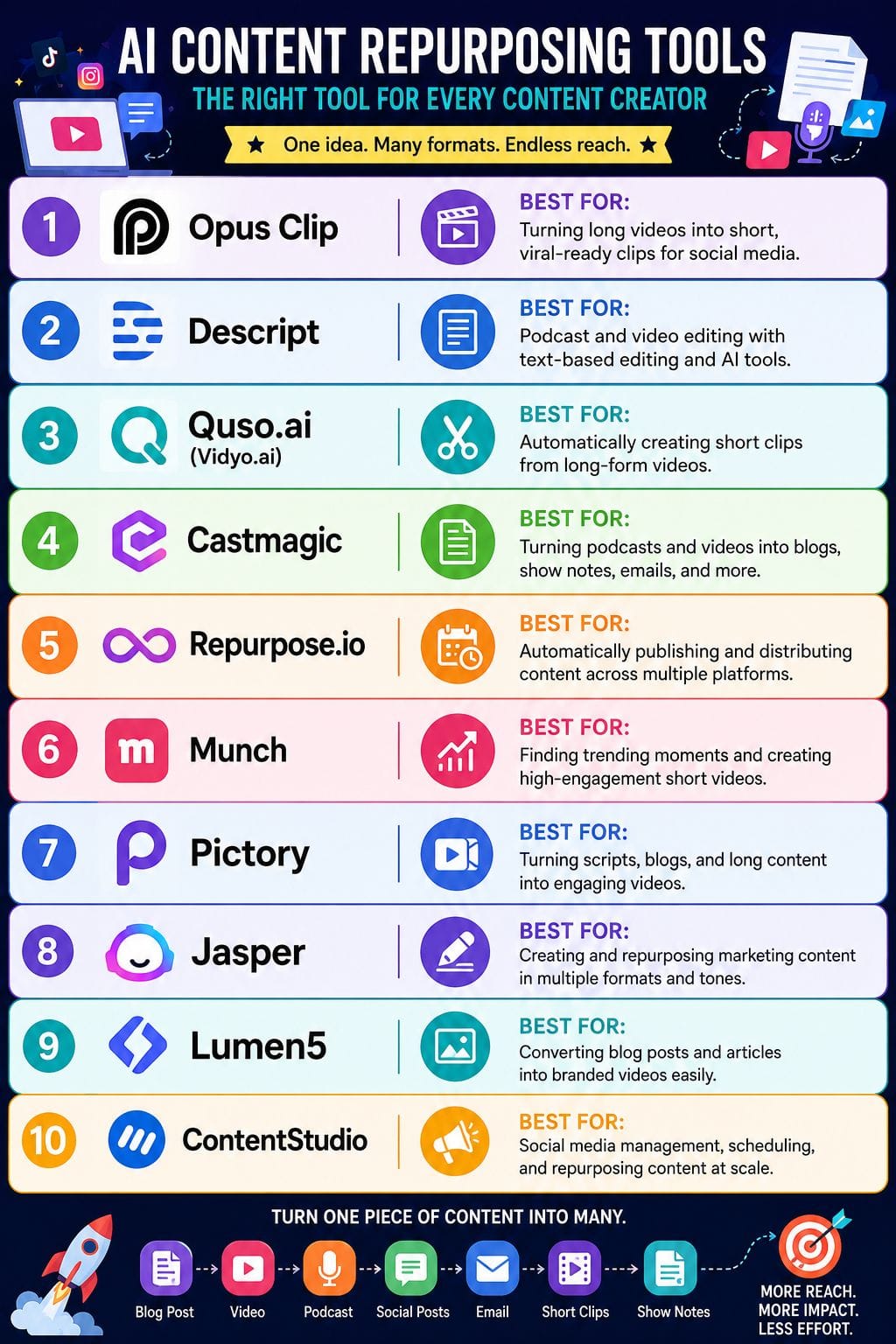
Adopting this technology offers tangible advantages that go beyond simple time savings. Here are the primary benefits for a modern content team:
- Massive Scalability: You can turn one flagship piece into 20+ assets in a single afternoon, allowing you to dominate search results for long-tail keywords.
- Consistent Brand Voice: The AI is trained on your guidelines, ensuring that every piece of output sounds like it came from the same team, even across different channels.
- Improved Internal Linking: Many tools automatically suggest relevant internal links to your other cornerstone content, which boosts domain authority and crawlability.
- Cost Efficiency: Reducing the need to hire freelance writers for every social post or email campaign significantly lowers your content production budget.
- Faster Time-to-Market: You can react to trending topics quickly by repurposing your existing evergreen content to fit the current conversation.
- Duplicate Content Issues: Simply spinning the article with synonyms is not enough. Ensure the AI tool rewrites the structure and adds new value, or Google may ignore the repurposed pages.
- Ignoring Platform Context: A LinkedIn post should not look like a Twitter post. Tailor the format to the platform’s culture. Use hashtags on Instagram, but keep them minimal on LinkedIn.
- Skipping the Human Touch: AI lacks real-world experience. Adding your own data, screenshots, or case studies makes the content unique and more trustworthy.
- Not Updating Internal Links: When you create a new asset, ensure it links back to the original source. This passes link equity and helps users find the full guide.
- Repurposing Thin Content: Only repurpose substantial, in-depth articles. A 300-word blog post does not have enough substance to be broken down into multiple valuable assets.
Top Use Cases for Content Repurposing in SEO
The application of these tools is broad, but certain use cases deliver a higher return on investment than others. Focusing on these areas will yield the best results for your organic traffic.
Turning Blog Posts into Video Scripts
Video content is highly favored by search engines. An AI tool can convert a step-by-step guide into a conversational video script. This script can then be used for YouTube, where the description can be optimized with the target keyword, driving traffic back to the original article.
Creating LinkedIn Carousels and Slide Decks
Professional audiences engage well with visual, bite-sized content. The AI can extract the top 10 statistics or tips from a report and format them into a slide deck. This asset can be uploaded to SlideShare, which often ranks on the first page of Google for specific queries.
Generating Email Newsletters
Instead of writing a newsletter from scratch, the tool can summarize your latest blog post into a 200-word teaser. It can also generate multiple subject line variations for A/B testing, helping to improve your open rates and drive repeat visits to your site.
Building FAQ Schema Blocks
Search engines love structured data. The AI can analyze your content to extract common questions and provide concise answers. These can be formatted as FAQ schema, which makes your listing eligible for rich snippets and increases your click-through rate.
Comparison: AI Repurposing Tools vs. Manual Rewriting
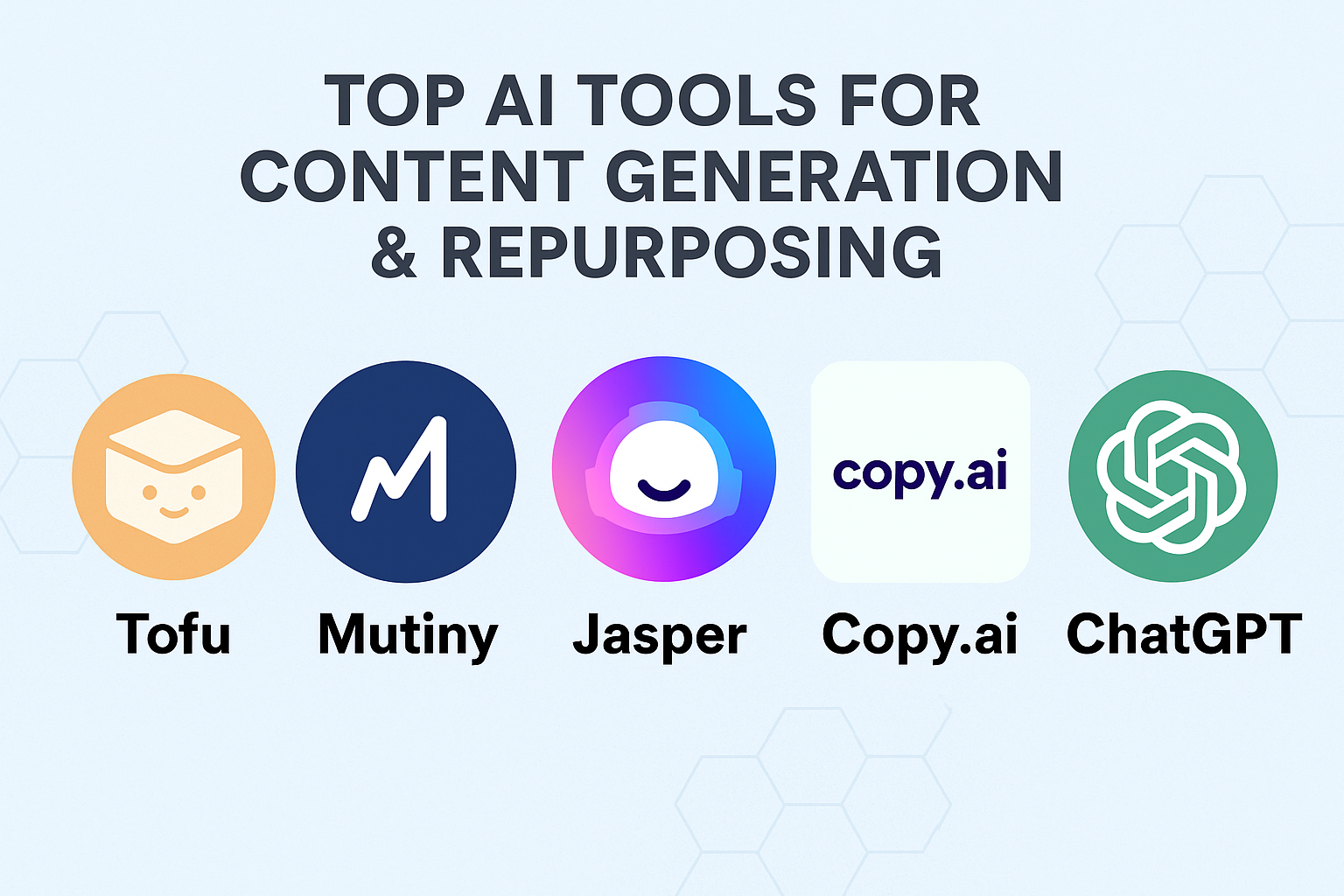
To understand the value proposition, it helps to compare the AI approach with the traditional manual method. The table below highlights the key differences in a practical context.
| Feature | AI Repurposing Tool | Manual Rewriting |
|---|---|---|
| Speed | Minutes per asset | Hours per asset |
| Cost | Subscription fee (fixed) | Per-word or per-hour fees |
| Scalability | Unlimited variations | Limited by team bandwidth |
| Consistency | High (follows strict rules) | Variable (depends on writer) |
| SEO Optimization | Built-in keyword suggestions | Requires manual research |
| Creativity | Good (data-driven) | Excellent (human intuition) |
While manual rewriting offers a higher degree of creative nuance, the AI tool wins on efficiency and consistency. The best strategy often involves using AI for the heavy lifting and having a human editor add personal anecdotes or expert quotes to the final output.
Practical Guide: How to Use an AI SEO Content Repurposing Tool
Implementing this workflow requires a structured approach. Follow these steps to get the most out of your chosen platform.
Step 1: Audit Your High-Performing Content
Start by identifying your top 10 blog posts based on traffic and engagement. These are your “cornerstone” assets. They have already proven their value to the audience, so they are the safest candidates for repurposing. Look for posts that have evergreen potential and are not tied to a specific date.
Step 2: Define Your Distribution Channels
Decide where you want to expand your presence. Are you trying to grow on LinkedIn, YouTube, or Instagram? Each platform requires a different content format. Set clear goals for each channel. For instance, you might want to gain 500 new followers on LinkedIn from a specific post.
Step 3: Input Source and Set Parameters
Upload your chosen article into the tool. Set the target tone (professional, casual, authoritative) and the output length. Most tools allow you to specify the primary keyword for SEO. Ensure you input the exact keyword you want to rank for in the new asset, as this will guide the AI’s sentence structure.
Step 4: Review and Edit the Output
Never publish AI output without human review. Check for factual accuracy, brand voice alignment, and flow. Add a personal quote or a specific example to make the content feel less robotic. This step is critical for maintaining E-E-A-T (Experience, Expertise, Authoritativeness, Trustworthiness).
Step 5: Schedule and Track Performance
Publish the repurposed content and monitor its performance. Use UTM parameters to track which channel drives the most traffic back to the original pillar post. Use this data to refine your strategy for the next batch of content.
Common Mistakes to Avoid When Repurposing Content
Even with powerful AI tools, there are pitfalls that can harm your SEO efforts. Being aware of these mistakes will save you from wasting time and resources.
Important Notes on Quality and Originality
Search engines are sophisticated enough to detect low-value AI content. To ensure your repurposed assets rank well, you must prioritize originality. The AI should be used to generate a first draft, not the final product. Always run the output through a plagiarism checker to ensure it is unique.
Furthermore, focus on the user’s search intent. If you are repurposing a “How-to” guide into a video, make sure the video actually shows the steps visually. If you are making a podcast, ensure the script has a conversational flow that works for audio. The format must match the medium to provide real value to the user.
Frequently Asked Questions (FAQ)
Is an AI SEO Content Repurposing Tool worth the investment?
Yes, for teams that produce a high volume of content, the return on investment is significant. The tool reduces the cost per asset and increases the speed of production. It allows a small team to compete with larger enterprises by maximizing the reach of every piece of content they create.
Will Google penalize me for using AI to repurpose content?
Google does not penalize AI content outright. It penalizes spammy, low-quality content that provides no value to users. If you use AI to create genuinely useful, well-structured content that answers user queries, you will not be penalized. Always add human oversight to ensure quality.
Can the tool help with non-English content?
Many advanced tools support multiple languages. However, the quality of the output depends on the training data of the AI. It is advisable to test the tool with a small piece of content in your target language before committing to a full-scale rollout.
What is the difference between a repurposing tool and a paraphrasing tool?
A paraphrasing tool simply rewrites sentences to avoid plagiarism. A repurposing tool changes the format entirely. For example, it turns a list into a visual infographic outline or a narrative into a dialogue script. Repurposing tools are far more complex and useful for SEO.
How often should I repurpose my content?
T For older content, review your analytics quarterly and repurpose any posts that are still driving consistent traffic. This keeps your strategy fresh without overwhelming your team.
Conclusion
An AI SEO Content Repurposing Tool is no longer a luxury; it is a necessity for brands that want to maintain a competitive edge in search rankings. By automating the adaptation of your best work, you can expand your digital footprint, target new keywords, and engage audiences on the platforms they prefer. The key to success lies in using the technology as a starting point, not a final destination. Combine the efficiency of AI with the strategic oversight of your human team to create a content ecosystem that is both scalable and authentic. Start by repurposing your top-performing article today and measure the impact on your overall organic visibility.
Xem thêm:
- AI SEO Plugins: Automate Your Search Rankings Without Losing the Human Touch
- AI SEO AI Search Visibility: The Complete Guide to Ranking in the Age of Generative Engines
- AI SEO Generative Search Content: The Complete Playbook for Ranking in the Age of SGE
- AI SEO Accessibility: The Complete Guide to Inclusive Search Optimization
- AI SEO Resource Page Links: The Complete Guide to Building High-Quality Backlinks in 2025
Bài viết cùng chủ đề:

AI SEO SEO Automation with Make: The Complete Workflow Guide

AI SEO SEO Automation with Zapier: The Complete Workflow Guide

AI SEO SEO Automation with n8n: The Complete Workflow Guide
AI SEO SEO Automation with Gemini: The Complete Guide to Scaling Organic Growth

AI SEO SEO Automation with Claude: The Complete Guide to Scaling Content in 2025

AI SEO SEO Automation with ChatGPT: The Complete Playbook for 2025

AI SEO & SEO Automation for Affiliate Sites: The 2025 Playbook for Passive Income Growth
AI SEO & SEO Automation for Bloggers: The Complete Guide to Scaling Your Content

AI SEO & SEO Automation for Agencies: The Complete 2025 Playbook

AI SEO and SEO Automation for Ecommerce: The Complete Playbook for 2025

AI SEO & SEO Automation for WordPress: The Complete Playbook for 2025
AI SEO SEO Automation Strategy: The Complete Playbook for 2025

Mastering the AI SEO SEO Automation Process: A Complete Guide to Scaling Organic Growth
AI SEO SEO Automation System: The Complete Guide to Scaling Organic Growth in 2025
AI SEO SEO Automation Platform: The Complete Guide to Scaling Organic Growth in 2025
AI SEO SEO Automation Software: The Complete Guide to Scaling Organic Growth in 2025















