
No products in the cart.
AI SEO Content Scoring: The Complete Guide to Data-Driven Content Optimization
10
Aug
Aug
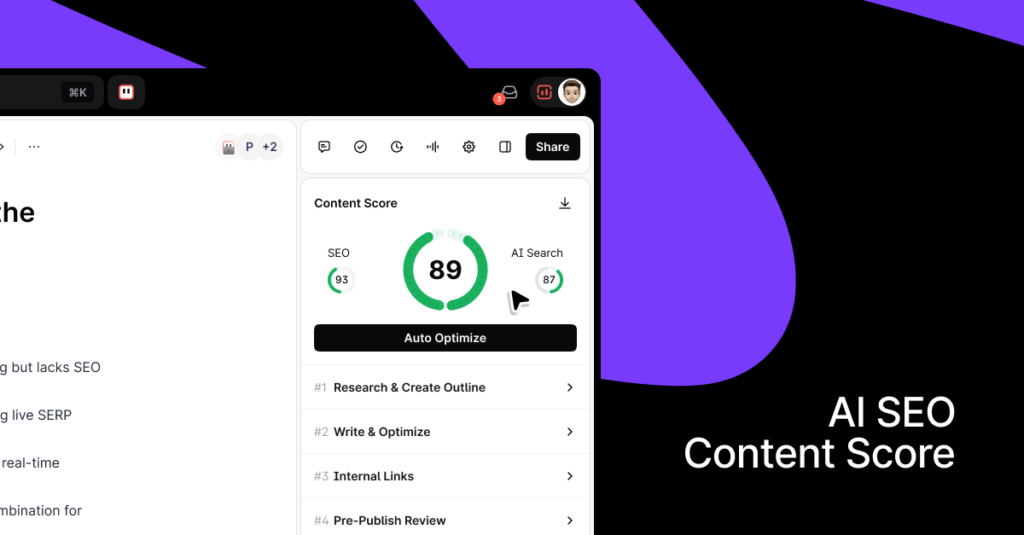
AI SEO content scoring has transformed how digital marketers evaluate and refine their written material. This technology uses machine learning algorithms to analyze content against hundreds of ranking factors, providing a numerical score that predicts search engine performance. Modern SEO professionals rely on these scores to make data-backed decisions about their content strategies, moving beyond guesswork and subjective opinions. This comprehensive guide explores how AI content scoring works, its practical applications, and how to leverage it for measurable improvements in organic visibility.
What Is AI SEO Content Scoring?
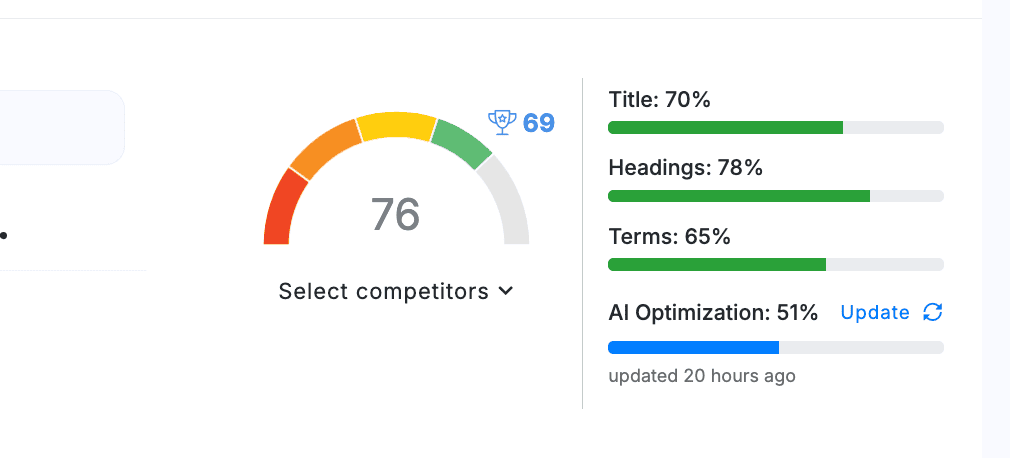
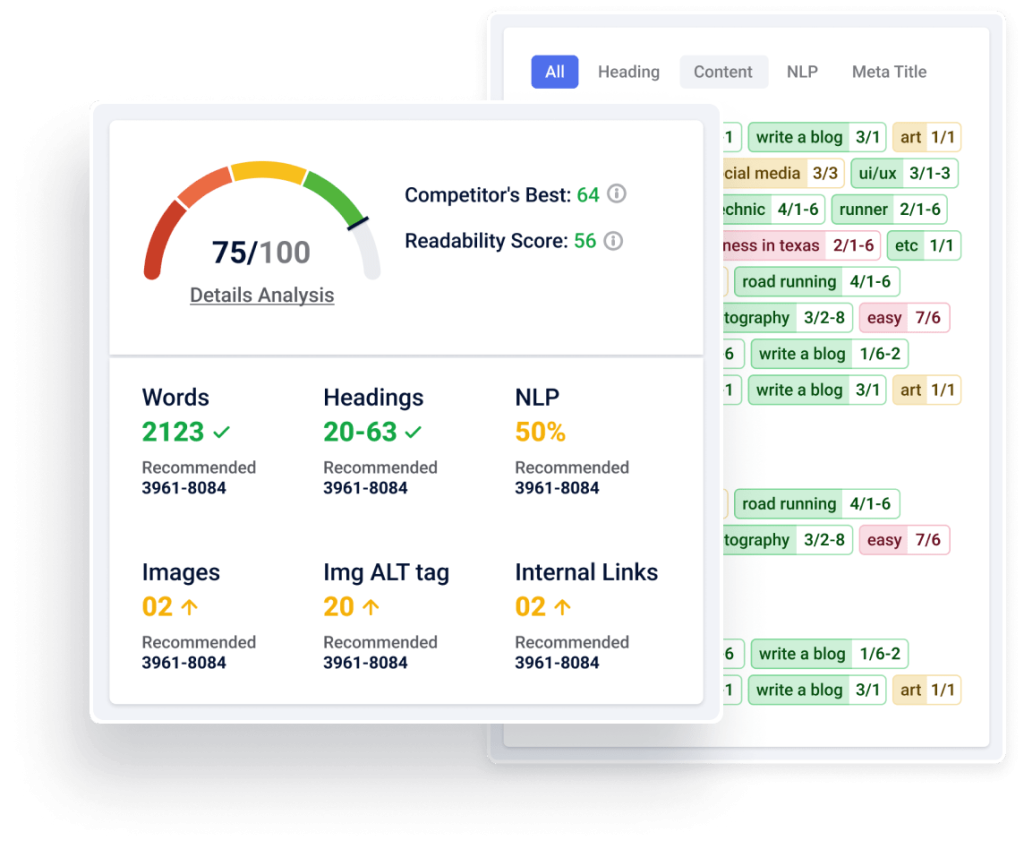
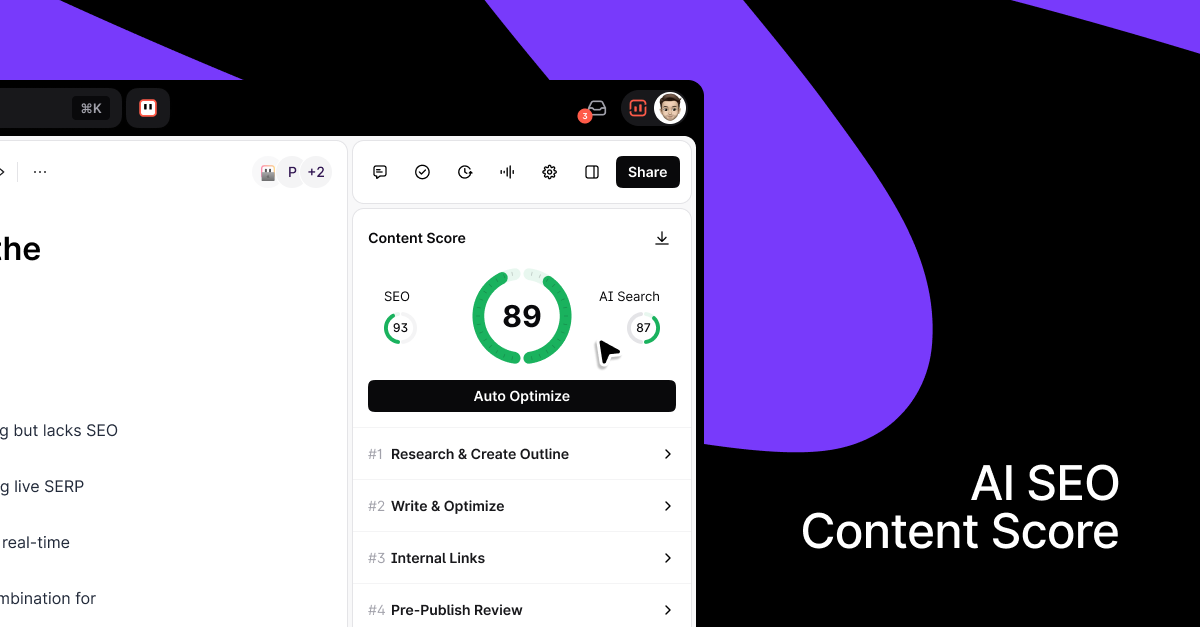
AI SEO content scoring refers to the automated process of evaluating written content using artificial intelligence algorithms. These systems assess multiple dimensions of a piece of content, including relevance to the target keyword, semantic depth, readability, structure, and alignment with search intent. The output is typically a numerical score, often on a 0-100 scale, that indicates how well the content is likely to perform in search engine results pages (SERPs).
The core principle behind this technology is natural language processing (NLP) and machine learning. These algorithms have been trained on millions of pages that rank well in Google, learning the patterns and characteristics that correlate with high visibility. When you submit a draft for scoring, the AI compares your content against these learned patterns and provides actionable feedback.
How AI Content Scoring Differs from Traditional SEO Tools
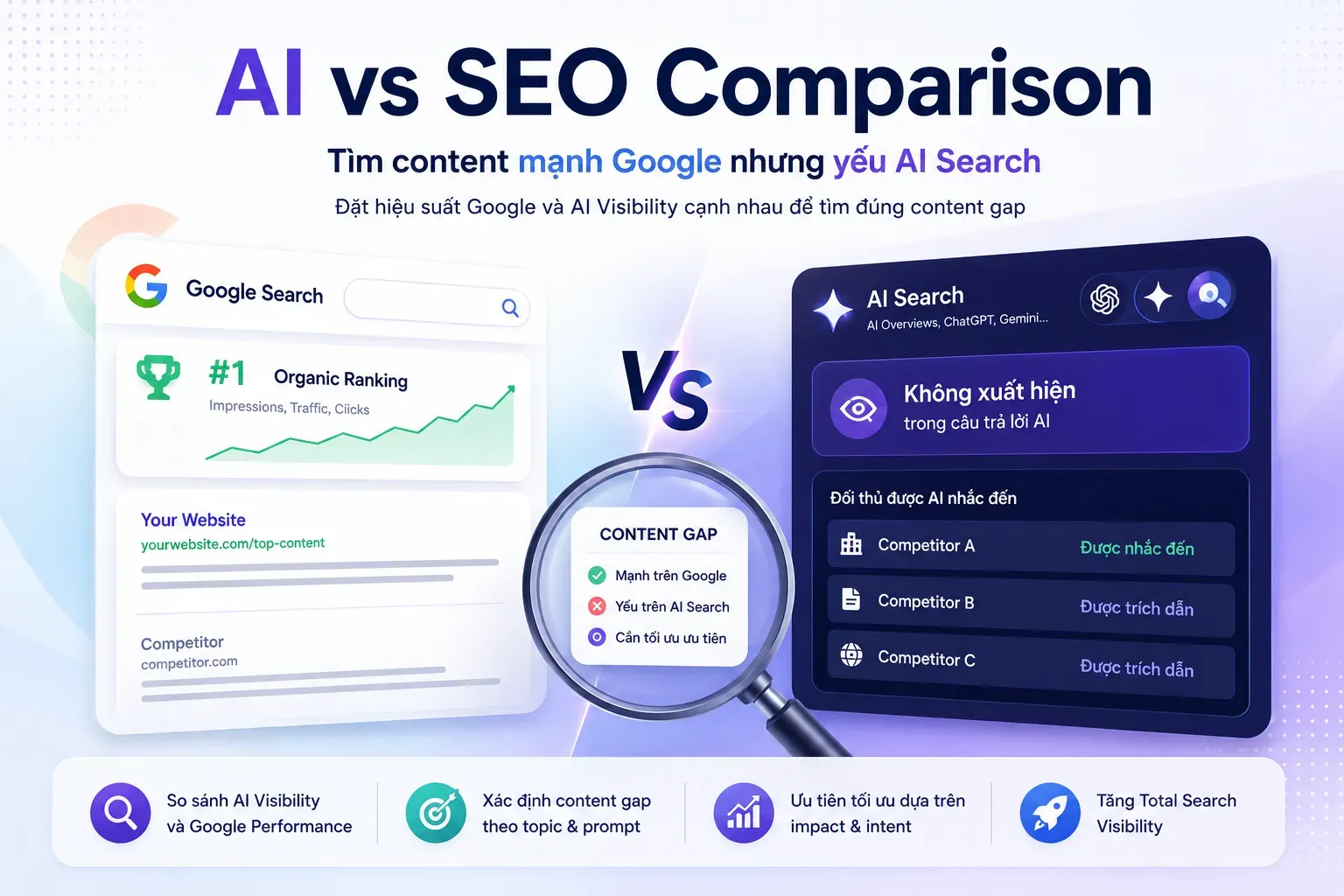
Traditional SEO tools focus on on-page elements like meta tags, keyword density, and internal links. AI content scoring goes deeper by analyzing the actual meaning and quality of the text. It understands context, identifies topic coverage gaps, and evaluates whether your content comprehensively answers the user’s query. This semantic analysis is what separates AI scoring from basic keyword checking.
Another key difference is the predictive nature of AI scoring. While traditional tools tell you what exists on the page, AI scoring predicts how search engines might evaluate that content. It considers factors like entity consistency, topical authority signals, and natural language patterns that align with Google’s ranking algorithms.
Key Factors Evaluated in AI SEO Content Scoring
AI content scoring systems evaluate dozens of factors simultaneously. Understanding these components helps you interpret scores and make targeted improvements to your writing.
Keyword Relevance and Semantic Coverage
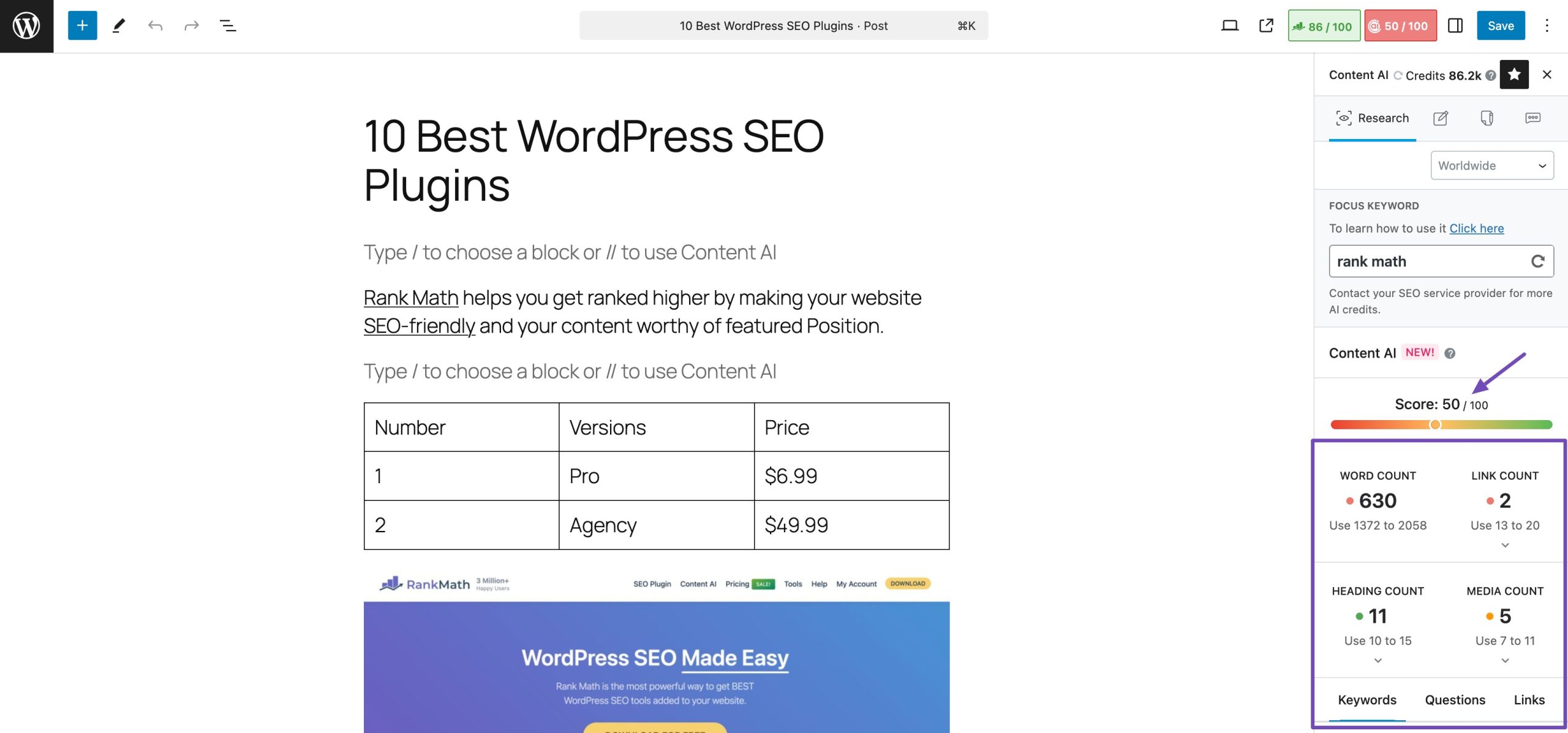
The algorithm checks whether your content genuinely addresses the target keyword and its related concepts. It looks for exact-match usage, variations, synonyms, and semantically related terms. Content that naturally covers a topic cluster scores higher than content that awkwardly repeats the same phrase.
For example, an article about “AI SEO content scoring” should naturally include terms like “content optimization,” “NLP analysis,” “search intent,” “readability metrics,” and “SERP performance.” The AI identifies whether these related concepts appear organically throughout the text.
Search Intent Alignment
Understanding whether a user wants information, a product comparison, or a step-by-step guide is crucial. AI scoring evaluates whether your content format matches the dominant intent for the target keyword. Informational queries require comprehensive explanations, while transactional queries need product-focused content with clear calls to action.
Content Structure and Readability
Search engines favor well-organized content that is easy to scan. AI scoring examines heading hierarchy, paragraph length, sentence variety, and the use of lists or tables. Content with clear H2 and H3 subheadings, short paragraphs, and logical flow receives higher scores for structure.
Readability metrics like Flesch Reading Ease and sentence complexity also factor into the score. Content that matches the reading level of the target audience performs better in both search rankings and user engagement metrics.
Entity Consistency and Topical Depth
AI systems identify the main entities in your content, such as people, places, products, and concepts. Consistent use of these entities throughout the article signals topical authority. The score also reflects the depth of coverage, rewarding content that explores subtopics thoroughly rather than skimming the surface.
Engagement Potential and User Experience Signals
Some advanced scoring models incorporate predicted engagement metrics. They analyze factors like content freshness, uniqueness, and the presence of multimedia elements that typically increase dwell time. Content that is likely to keep users on the page scores higher.
Benefits of Using AI SEO Content Scoring
Implementing AI content scoring in your workflow offers several concrete advantages that directly impact your SEO performance and content ROI.
- Objective Quality Assessment: Removes personal bias from content evaluation, providing consistent, data-driven feedback across all writers and topics.
- Faster Optimization Cycles: Instead of waiting weeks for ranking data, you receive immediate feedback and can refine content before publishing.
- Scalable Content Audits: Analyze hundreds of existing pages quickly to identify which ones need rewriting or improvement.
- Competitive Benchmarking: Compare your content scores against top-ranking competitors to understand what they do better.
- Improved Team Alignment: Provides a clear, shared target for writers, editors, and SEO specialists, reducing back-and-forth revisions.
- Higher Ranking Probability: Content that scores well consistently shows improved visibility in SERPs, leading to more organic traffic.
- Combine with Human Expertise: AI scoring works best when paired with experienced SEO professionals who understand your industry and audience.
- Update Your Knowledge: AI scoring technology evolves rapidly. Stay informed about new features and improvements in your chosen tools.
- Focus on Quality Signals: Use scores to identify content that needs improvement, but always prioritize creating genuinely useful, informative content.
- Track Historical Data: Maintain a log of scores and corresponding rankings to identify trends and refine your scoring targets over time.
- Consider Content Freshness: Re-score and update content periodically, especially for topics that change frequently in your industry.
Limitations and Challenges of AI Content Scoring
While powerful, AI scoring is not a perfect solution. Being aware of its limitations prevents over-reliance on the technology.
Lack of Human Nuance: AI cannot fully grasp creative writing, humor, or emotional resonance. A piece that scores perfectly might still feel robotic or unengaging to human readers. The score measures algorithmic alignment, not literary quality.
Potential for Over-Optimization: Chasing a perfect score can lead to content that is stuffed with keywords and follows rigid formulas. This often results in poor user experience and can trigger search engine penalties for unnatural language patterns.
Varying Scoring Models: Different tools use different algorithms and training data. A score of 85 from one platform might equal a 70 from another. Consistency within a single tool matters more than absolute numbers across platforms.
Inability to Predict Algorithm Updates: AI models are trained on historical data. When Google releases a major algorithm update, scoring models may become temporarily inaccurate until they are retrained on new data.
Comparison: AI Content Scoring vs. Human Editing
| Aspect | AI Content Scoring | Human Editing |
|---|---|---|
| Speed | Instant results for any length of content | Hours or days depending on content length |
| Consistency | Same criteria applied to every piece | Subject to individual editor preferences |
| Cost | Subscription fee, typically flat monthly rate | Per-hour or per-word costs that scale |
| Creativity Assessment | Limited, focuses on structure and semantics | Excellent, understands tone and voice |
| SEO Knowledge | Deep, based on large datasets of ranking pages | Varies based on individual expertise |
| Actionable Feedback | Specific, itemized suggestions for improvement | General guidance, often subjective |
The most effective approach combines both. Use AI scoring for initial drafts and technical SEO alignment, then have a human editor refine the content for voice, storytelling, and brand consistency.
Practical Guide: How to Use AI SEO Content Scoring Effectively
Implementing AI content scoring requires a structured workflow to maximize its value. Follow these steps to integrate the technology into your content production process.
Step 1: Choose the Right Tool
Several platforms offer AI content scoring, including Surfer SEO, Clearscope, Frase, and MarketMuse. Evaluate each based on your budget, team size, and specific needs. Most offer free trials, so test two or three before committing. Look for tools that provide transparent scoring criteria and actionable recommendations rather than just a number.
Step 2: Establish a Baseline Score
Before optimizing, run your current top-performing content through the scoring tool. This gives you a baseline to compare against. If your best-ranking articles score around 70, that becomes your minimum target for new content. Track these scores over time to measure improvement.
Step 3: Optimize Before Publishing
Write your draft naturally first, then run it through the scoring tool. Review the recommendations and make targeted improvements. Focus on the highest-impact suggestions first, such as adding missing subtopics or improving heading structure. Re-score the content after revisions to confirm improvement.
Step 4: Audit and Refresh Existing Content
Run your entire content library through the scoring tool to identify underperforming pages. Prioritize updates for pages that target valuable keywords but score below your baseline. Refresh these pages by adding missing information, improving readability, and updating statistics. This often yields quick wins in organic traffic.
Step 5: Monitor Post-Publication Performance
Track how content scores correlate with actual rankings and traffic. Over time, you will learn what score thresholds consistently produce top-10 rankings for your niche. Use this data to refine your content standards and set realistic targets for your writing team.
Common Mistakes and How to Avoid Them
Many marketers misuse AI content scoring, leading to suboptimal results. Recognizing these pitfalls helps you avoid them.
Mistake 1: Chasing a Perfect Score
Obsessing over getting a 95 or 100 score often leads to unnatural content. Search engines prioritize user experience, and content written solely for algorithms rarely satisfies readers. Aim for a score in the 75-85 range, which typically indicates solid optimization without sacrificing readability.
Mistake 2: Ignoring Human Readability
Some AI tools recommend adding specific keywords or phrases that feel forced in context. Always prioritize natural language. If a suggested addition sounds awkward, skip it. The score is a guide, not a mandate.
Mistake 3: Using Only One Tool
Different tools excel at different aspects. One might be great at keyword suggestions, while another provides better readability analysis. Using two complementary tools gives you a more complete picture of content quality.
Mistake 4: Neglecting User Intent
A high score does not guarantee that your content matches what users actually want. Always verify that your content answers the questions people are asking. Use tools like “People Also Ask” and forums to understand real user needs.
Mistake 5: Applying Scores Uniformly Across Content Types
A product page, a blog post, and a landing page serve different purposes. Scoring thresholds should vary by content type. A short product description will naturally score lower on depth than a comprehensive guide, but it can still be effective.
Important Notes for Maximizing AI Content Scoring Value
Keep these considerations in mind as you integrate AI scoring into your SEO workflow.
Frequently Asked Questions
What is a good AI SEO content score?
A good score typically falls between 70 and 85 on most platforms. Scores above 85 often indicate over-optimization, while scores below 60 suggest significant gaps in coverage or structure. The ideal range varies by tool and content type, so establish your own benchmarks based on historical performance data.
Can AI content scoring guarantee top Google rankings?
No tool can guarantee rankings. AI scoring measures alignment with known ranking factors, but Google uses hundreds of signals, including backlinks, domain authority, and user engagement. A high score improves your chances but does not ensure a top position, especially for highly competitive keywords.
How often should I run content through AI scoring?
Score new content before publishing and after any major updates. For existing content, run a full audit quarterly or whenever you notice traffic declines. High-value pages targeting competitive keywords may benefit from more frequent scoring.
Is AI content scoring suitable for all types of content?
It works best for informational and commercial content like blog posts, guides, and product descriptions. It is less useful for highly creative content like opinion pieces, news articles, or storytelling-driven brand content where emotional impact matters more than algorithmic alignment.
Do AI content scoring tools replace SEO specialists?
No, these tools augment the work of SEO professionals. They handle repetitive analysis and provide data, but strategic decisions about keyword targeting, content architecture, and link building still require human expertise and judgment.
Conclusion
AI SEO content scoring represents a significant advancement in how digital marketers approach content optimization. By providing objective, data-driven assessments of content quality, these tools enable faster iteration, better team alignment, and improved search visibility. The technology excels at identifying semantic gaps, structural issues, and alignment with search intent that might otherwise go unnoticed.
However, the most successful implementations treat AI scoring as a complement to human creativity and strategic thinking, not a replacement. The optimal workflow involves writing naturally, using AI feedback to refine technical SEO elements, and applying human judgment to preserve voice and engagement. By combining the analytical power of AI with the nuanced understanding of experienced content professionals, you can consistently produce content that ranks well and genuinely serves your audience. Start implementing AI content scoring in your workflow today, and measure the impact on your organic traffic over the next few months.
Xem thêm:
- AI Landing Page Optimization: Transform Your Conversion Rates with Smart Technology
- Mastering the AI SEO Prompt Workflow: A Complete Guide to Scaling Organic Growth
- AI SEO AI Search Tracking: The Complete Guide to Monitoring AI-Driven Discovery
- AI SEO Split Testing: The Complete Guide to Data-Driven Search Optimization
- AI Ecommerce SEO: How to Outrank Competitors with Smart Automation and Data-Driven Strategies
Bài viết cùng chủ đề:

AI SEO SEO Automation with Make: The Complete Workflow Guide

AI SEO SEO Automation with Zapier: The Complete Workflow Guide

AI SEO SEO Automation with n8n: The Complete Workflow Guide
AI SEO SEO Automation with Gemini: The Complete Guide to Scaling Organic Growth

AI SEO SEO Automation with Claude: The Complete Guide to Scaling Content in 2025

AI SEO SEO Automation with ChatGPT: The Complete Playbook for 2025

AI SEO & SEO Automation for Affiliate Sites: The 2025 Playbook for Passive Income Growth
AI SEO & SEO Automation for Bloggers: The Complete Guide to Scaling Your Content

AI SEO & SEO Automation for Agencies: The Complete 2025 Playbook

AI SEO and SEO Automation for Ecommerce: The Complete Playbook for 2025

AI SEO & SEO Automation for WordPress: The Complete Playbook for 2025
AI SEO SEO Automation Strategy: The Complete Playbook for 2025

Mastering the AI SEO SEO Automation Process: A Complete Guide to Scaling Organic Growth
AI SEO SEO Automation System: The Complete Guide to Scaling Organic Growth in 2025
AI SEO SEO Automation Platform: The Complete Guide to Scaling Organic Growth in 2025
AI SEO SEO Automation Software: The Complete Guide to Scaling Organic Growth in 2025















