
No products in the cart.
AI Landing Page Optimization: Transform Your Conversion Rates with Smart Technology
29
Jul
Jul
Every marketer knows that a landing page can make or break a campaign. But traditional optimization methods often rely on guesswork, manual A/B testing, and slow iteration cycles. AI landing page optimization changes this entirely. By leveraging machine learning, natural language processing, and real-time data analysis, you can now create landing pages that adapt to each visitor, test hundreds of variations simultaneously, and uncover insights no human analyst would spot. This comprehensive guide dives deep into how artificial intelligence reshapes landing page performance, from concept to execution.
What Is AI Landing Page Optimization?
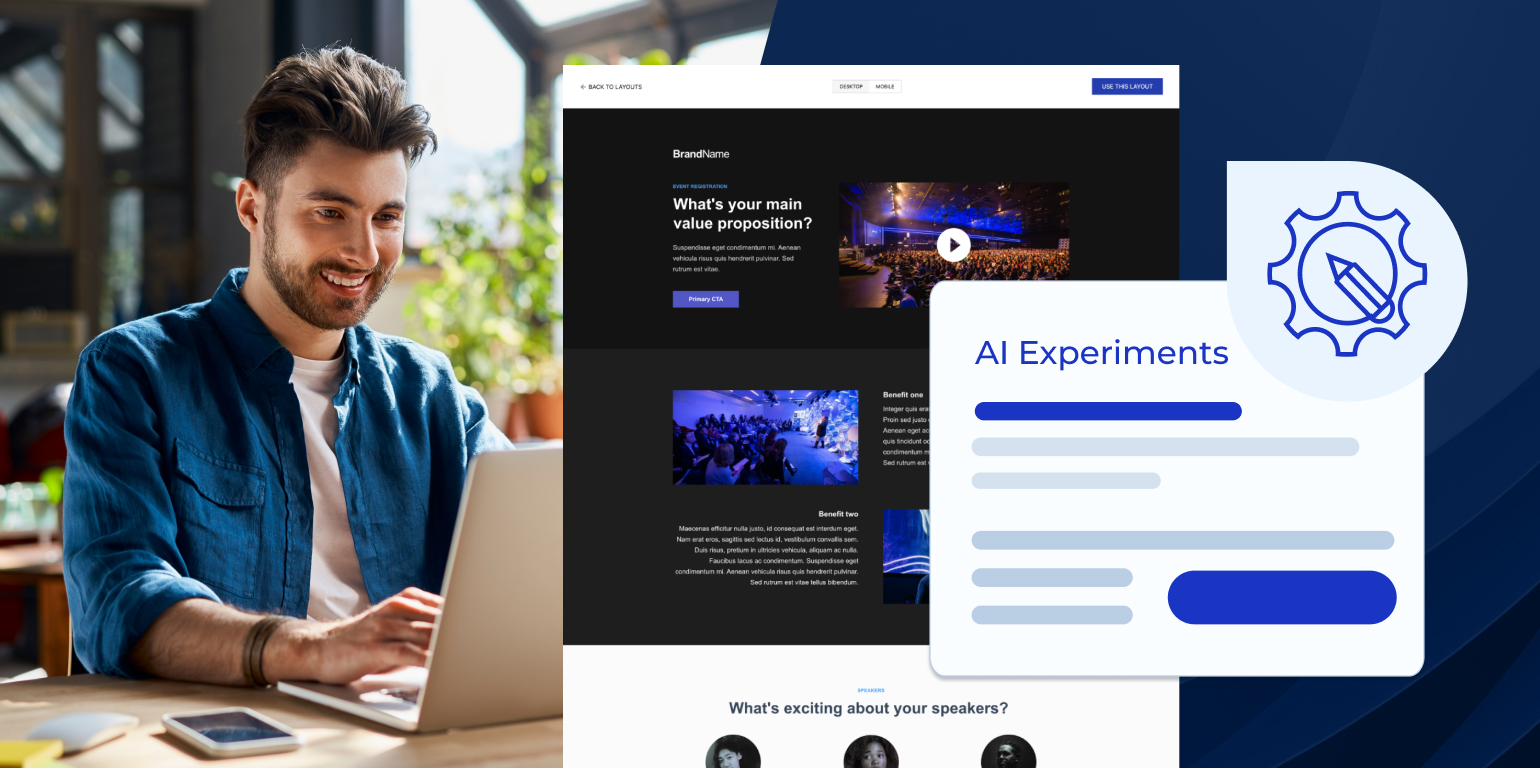
AI landing page optimization refers to the use of artificial intelligence technologies to improve the performance of landing pages automatically and continuously. Instead of a human guess-and-test cycle, AI algorithms analyze user behavior, historical data, and contextual signals to adjust elements like headlines, images, call-to-action buttons, and layout in real time. The goal remains the same: maximizing conversions, whether that means purchases, sign-ups, or downloads. The difference lies in speed, scale, and precision.
At its core, this approach combines several disciplines. Machine learning models predict which version of a page will perform best for a given visitor. Computer vision evaluates visual hierarchy and attention heatmaps. Natural language processing (NLP) scores emotional resonance and clarity of copy. Together, these capabilities create a system that learns and improves without constant human intervention. It moves optimization from a periodic project to an always-on growth engine.
How AI Transforms Every Element of a Landing Page
A landing page is more than a collection of sections. Each component plays a role in guiding the visitor toward a decision. AI injects intelligence into each of these building blocks, often in ways that feel invisible to the end user but have a dramatic impact on results.
Headline Generation and Testing
Headlines are the first thing visitors read. AI tools can generate dozens of headline variants based on emotional triggers, keyword intent, and proven copywriting frameworks. More importantly, AI can instantly pair headlines with visitor segments. A returning customer might see a personalized headline referencing their past purchase, while a first-time visitor sees a broader value proposition. Continuous multivariate testing then identifies which combinations yield the highest click-through rates without tedious manual setup.
Visual and Design Decisions
Where once designers relied on intuition, AI now offers data-backed guidance. Computer vision algorithms analyze layout balance, color contrast, and focal points. They can predict which image will capture attention longer or which video thumbnail generates more engagement. Some platforms automatically crop or resize hero images based on the device and screen size while maintaining the visual center of interest. The layout itself can be dynamically reordered so that social proof elements appear higher on the page for audiences that respond to them more strongly.
Call-to-Action (CTA) Optimization
The CTA button is where conversion happens. AI models scrutinize not only copy but also color, shape, placement, and surrounding whitespace. More advanced systems personalize CTAs based on user behavior: a visitor who previously abandoned a cart might see a “Complete Your Order” message, while an engaged reader gets a “Start Free Trial” prompt. These decisions are made in milliseconds, drawing on vast datasets to determine the highest probability action.
Form and Trust Element Adjustments
Forms can be a friction point. AI dynamically shortens form fields for users who exhibit high intent signals or pre-fills data from CRM records. Trust indicators like testimonials, security badges, and client logos can be reordered based on what has historically increased trust for similar demographic segments. NLP tools even analyze the sentiment of displayed reviews to highlight the most persuasive ones.
Key AI Technologies Powering Landing Page Optimization

Understanding the underlying technology helps you evaluate tools and set realistic expectations. Modern AI landing page optimization isn’t a single algorithm but an ecosystem of complementary capabilities.
- Machine Learning (ML): ML models recognize patterns in conversion data. They predict which page variation will perform best for a new visitor based on attributes like traffic source, location, device, time of day, and past interactions. This goes beyond traditional A/B testing by enabling multi-armed bandit algorithms that continuously shift traffic to winning variants while still exploring new ones.
- Natural Language Processing (NLP): NLP evaluates copy for sentiment, urgency, and persuasion. It can score headlines against millions of high-converting examples and suggest improvements. Some tools also monitor live chat or on-page comments to detect emerging objections and then automatically update the corresponding landing page copy.
- Computer Vision: This technology creates attention heatmaps without eye-tracking hardware. By simulating how human eyes scan a page, it identifies areas likely to be ignored. Designers can then adjust the visual hierarchy to keep critical elements in high-attention zones.
- Predictive Analytics: Rather than reacting to past data, predictive models forecast future visitor behavior. They can pre-load the most likely winning variation for a new campaign before any traffic arrives, based on similarity to past campaigns and market signals.
- Generative AI: Large language models can now write entire landing page copy drafts, generate image concepts, and even produce custom-tailored variations for different audience personas. While human oversight remains essential, the speed of content creation is unparalleled.
- Over-Optimizing for Vanity Metrics: If the AI is told to maximize click-through rate, it may produce flashy but misleading elements that disappoint users post-click. Always optimize for downstream metrics like qualified leads or revenue per visitor, not just surface-level engagement.
- Ignoring Statistical Significance in AI Tests: Multi-armed bandit algorithms are efficient but can prematurely crown a winner in low-traffic scenarios. Set minimum data thresholds and occasionally run classical split tests to validate AI decisions.
- Neglecting Mobile Experience: AI models sometimes inherit desktop-centric training data. Constantly check mobile rendering and performance. An AI might recommend a layout that looks great on a 27-inch screen but obliterates hard-won mobile conversions.
- Letting AI Run Without Brand Guardrails: A copy generator without constraints can suggest off-brand language. Always maintain an approval layer for consumer-facing text and visuals. Use style guides as prompts for the AI to keep output within acceptable boundaries.
- Failing to Segment by Awareness Level: A visitor who just discovered your brand needs different information than a long-time customer. Feed the AI audience signals like new vs. returning, or high-intent vs. low-intent, so it can vary the experience accordingly. Treating all visitors as one homogeneous group wastes the personalization potential.
Benefits of AI-Driven Landing Page Optimization
The shift from manual testing to AI-powered optimization brings tangible advantages that directly impact marketing ROI. Businesses that adopt these methods often see double-digit percentage improvements in conversion rates within weeks, not months.
Hyper-Personalization at Scale: Traditional personalization requires predefined rules and extensive segmentation. AI can create millions of micro-segments and deliver a truly individual experience. A landing page can reflect the visitor’s industry, company size, previous content consumption, and even inferred buying stage. This level of relevance consistently lifts conversions because each visitor feels the page was built for them.
Exponential Testing Speed: A human team might manage a handful of A/B tests per quarter. AI can evaluate hundreds of variables simultaneously, using multivariate and reinforcement learning approaches. This dramatically shortens the learning cycle and lets you discover winning combinations that would otherwise remain hidden. Instead of waiting for statistical significance on a single change, the system finds an optimal page design in a fraction of the time.
Real-Time Adaptation: Traffic patterns shift constantly. Seasonality, news events, and competitor actions all affect visitor behavior. AI models can detect these shifts and adjust page elements immediately—changing messaging during a sudden weather event, swapping out-of-stock product references, or capitalizing on a viral trend. Manual processes simply cannot react fast enough.
Deeper Behavioral Insights: AI uncovers non-obvious correlations. You might learn that visitors from organic search convert better when testimonials are placed before product features, or that mobile users from social media respond to shorter headlines. These micro-insights accumulate into a strategic advantage that informs not only landing pages but also broader marketing and product decisions.
Reduced Creative Bottlenecks: Generative AI assists with copywriting, layout suggestions, and even A/B test hypothesis generation. Marketing teams can launch more experiments without expanding headcount. The focus shifts from tedious production to strategic oversight and creative refinement.
Limitations and Challenges of AI Landing Page Optimization
Despite its power, AI is not a magic wand. Acknowledging these limitations ensures you set up your optimization program for success rather than frustration. The technology requires high-quality data, thoughtful governance, and human judgment.
Data Dependency: AI models thrive on large volumes of clean, unbiased data. Low-traffic landing pages may not generate enough conversions for machine learning to produce reliable results. In such cases, you need to combine AI insights with broader industry benchmarks or start with AI-generated copy and design suggestions while deferring heavy personalization until sufficient data accumulates.
Creative Constraints and Brand Safety: While AI can generate functional copy, it often lacks true brand voice, cultural nuance, or emotional subtlety. Unsupervised experiments can produce combinations that feel disjointed or even offensive. Human review gates remain critical to maintain brand integrity and prevent algorithmic decisions that maximize short-term clicks at the expense of long-term trust.
Cost and Complexity: Enterprise-grade AI optimization tools come with subscription fees and integration work. For smaller businesses, the investment may not yet be justified. However, the landscape is shifting rapidly; many mainstream landing page builders now include basic AI features at accessible price points.
Interpretability Gap: AI often acts as a black box. You might see that variant C outperforms variant B, but understanding why can be elusive. This hinders organizational learning and makes it harder to apply insights elsewhere. Leading platforms are addressing this with explainable AI dashboards, but the gap still exists.
AI vs. Traditional Landing Page Optimization: A Direct Comparison
To appreciate the leap forward, it helps to compare the two approaches across key dimensions. The table below highlights where AI excels and where human-driven methods still hold ground.
| Aspect | Traditional Optimization | AI Landing Page Optimization |
|---|---|---|
| Testing capacity | Limited to a few variants per test | Hundreds of variants simultaneously |
| Personalization | Broad segments based on rules | 1:1 personalization in real time |
| Speed of insights | Weeks to months for significance | Continuous, often within days |
| Creative process | Fully manual design and copywriting | AI-augmented generation with human oversight |
| Data handling | Spreadsheets and basic analytics | Automated pattern recognition across large datasets |
| Reaction to market shifts | Slow, requires new test setup | Immediate adaptation based on detected trends |
| Ease of use | Conceptually simple, low tech barrier | Steeper learning curve and integration needs |
| Cost | Lower direct tool cost | Higher investment, but often higher ROI |
A Step-by-Step Guide to Implementing AI Landing Page Optimization
Moving from theory to practice demands a structured approach. Rushing into AI without a clear framework leads to wasted resources and unreliable results. Follow these steps to build a sustainable AI optimization engine.
1. Define Your Conversion Goals and Metrics
Start with clarity. What does a conversion mean for this page? It might be a product demo request, an ebook download, or a completed purchase. Define primary and secondary metrics. AI tools need a clear north star to optimize against. If you optimize for clicks but your business needs qualified leads, the A Set up proper conversion tracking and ensure revenue or lead value data feeds into the system when possible.
2. Audit Your Existing Data Infrastructure
AI thrives on integrated data. Your landing page builder must talk to your CRM, analytics platform, and advertising channels. Clean up tracking codes, unify user identities across sessions, and establish a single source of truth. A fragmented data environment will cripple AI performance. At a minimum, ensure you can pass visitor attributes (like UTM parameters, device type, or customer ID) to the optimization engine.
3. Select the Right AI Optimization Tool
The market offers solutions at every level. For small businesses, many all-in-one platforms like Unbounce, Instapage, or Leadpages now incorporate AI-powered copy suggestions, A/B testing automation, and smart traffic routing. Mid-market and enterprise teams often turn to dedicated CRO platforms such as Mutiny, Intellimize, or Dynamic Yield that layer personalization and predictive targeting onto existing landing pages. Evaluate tools based on your traffic volume, technical resources, and need for integrations. Look for transparent reporting and the ability to run holdout tests that prove lift.
4. Build a Hypothesis Library with AI Assistance
Even AI needs direction. Use generative AI to brainstorm potential improvements based on your page’s current performance data. Ask the tool to analyze top-performing competitor pages or to generate hypotheses around common conversion barriers. Then prioritize these hypotheses by potential impact and ease of implementation. Feed the most promising ones into your AI tool as initial variants, allowing the system to explore from a strong starting point rather than purely random mutations.
5. Launch, Monitor, and Refine Continuously
Deploy the AI optimization layer and let it start learning. In the early days, monitor for any anomalies—odd copy combos, misplaced images, or broken layouts—and put guardrails in place. Most platforms allow you to set brand guidelines, excluded element sets, or approved copy libraries. As data accumulates, shift your focus from tactical adjustments to analyzing macro insights. What have you learned about your audience? How can these lessons influence your email marketing, product pages, or ad creative? AI optimization becomes a cross-functional learning engine.
Common Mistakes in AI Landing Page Optimization and How to Avoid Them
Even experienced teams stumble when introducing AI into their CRO process. Awareness of these pitfalls will save time and budget.
Important Considerations for Long-Term Success
AI landing page optimization is not a set-it-and-forget-it initiative. To sustain gains, embed these considerations into your workflow. First, maintain a culture of testing that values curiosity over certainty. Some AI-suggested variants will fail, and that is expected. Document failures as thoroughly as successes; they often contain the seeds of future breakthroughs.
Second, stay current with privacy regulations. Personalization based on user data must comply with GDPR, CCPA, and evolving cookie policies. Use first-party data wherever possible and be transparent about data collection. AI models that rely on third-party cookies will become less effective, so pivot toward server-side tracking and authenticated user journeys.
Third, blend AI with human creativity. The best landing pages emerge from a partnership where AI handles the heavy lifting of data processing and variant creation, while humans provide strategic direction, empathy, and brand storytelling. Regularly inject new creative concepts into the AI’s variant pool to prevent stagnation.
Finally, think beyond the landing page. Visitor expectations are formed by the entire funnel. A hyper-optimized landing page that mismatches the ad pre-click experience or the post-conversion onboarding flow will create friction. Coordinate AI optimization across the full customer journey for a seamless experience.
Frequently Asked Questions About AI Landing Page Optimization
How is AI landing page optimization different from A/B testing?
Traditional A/B testing compares two or more fixed variants and requires waiting for statistical significance. AI landing page optimization uses machine learning to continuously test many elements at once and dynamically shifts traffic to better-performing combinations. It also personalizes the experience per visitor, which standard A/B testing cannot do without extensive manual segmentation. The result is faster learning and more granular improvements.
Can small businesses benefit from AI landing page optimization?
Yes. Many affordable tools now include AI features like headline generators, smart traffic distribution, and basic personalization that do not require a data scientist. Smaller businesses may not achieve the same level of 1:1 personalization as enterprises with millions of visitors, but even incremental improvements from AI-driven copy suggestions or automated layout adjustments can meaningfully lift conversion rates.
What kind of data does AI need to optimize a landing page?
At a minimum, the AI needs conversion event data (what constitutes a goal completion) and visitor attributes such as source, device, location, and time of visit. Advanced systems also ingest behavioral signals like scroll depth, time on page, mouse movements, and past interactions from your CRM. The richer and cleaner your data, the more effectively the AI can identify patterns and make predictions.
Will AI replace human designers and copywriters on landing pages?
AI is a powerful assistant but not a replacement for human creativity. It excels at generating variations, analyzing performance, and automating repetitive tasks. Human professionals remain essential for brand strategy, emotional storytelling, aligning pages with overall marketing campaigns, and ensuring ethical and inclusive design. The role shifts from executor to strategist and editor.
How long does it take for AI optimization to show results?
In moderate to high-traffic environments (thousands of visitors per week), AI can begin delivering noticeable improvements within two to four weeks. Low-traffic pages require more patience; the system needs enough data to distinguish signal from noise. Set realistic expectations based on your traffic volume and consider using AI primarily for content generation and heuristic analysis during the early low-data phase.
Is AI landing page optimization compatible with all website platforms?
Integration varies. Dedicated landing page builders often have native AI features. For custom-built sites or content management systems like WordPress, you can add AI optimization through JavaScript snippets from third-party tools. Most enterprise CRO platforms provide plugins or APIs for major e-commerce and CMS platforms. Check that the tool’s script does not significantly impact page load speed, as that would counteract any conversion gains.
Conclusion
AI landing page optimization marks a fundamental shift from guesswork to precision. It turns your landing pages into living assets that evolve with every visitor interaction, learning what works and adapting instantly. The technology handles the repetitive, data-intensive work of testing and personalization, freeing marketers to focus on strategy, creativity, and building deeper customer understanding. While it requires thoughtful implementation, quality data, and human oversight, the payoff in higher conversion rates, richer audience insights, and competitive advantage makes it one of the most impactful investments a digital marketing team can make today. The key is to start with clear goals, choose tools that match your scale, and treat AI as a continuously improving partner in your growth journey.
Xem thêm:
- AI SEO Natural Language SEO: The Complete Guide to Search in 2025
- Best AI Keyword Tools: Unlock Hidden Search Opportunities in 2025
- AI Digital PR: The Ultimate Guide to Automating and Amplifying Your Public Relations Strategy
- AI SEO Link Building Automation: The Complete 2025 Playbook for Scalable Growth
- AI SEO Internal Link Suggestions: The Complete Guide to Smarter Site Architecture
Bài viết cùng chủ đề:

AI SEO SEO Automation with Make: The Complete Workflow Guide

AI SEO SEO Automation with Zapier: The Complete Workflow Guide

AI SEO SEO Automation with n8n: The Complete Workflow Guide
AI SEO SEO Automation with Gemini: The Complete Guide to Scaling Organic Growth

AI SEO SEO Automation with Claude: The Complete Guide to Scaling Content in 2025

AI SEO SEO Automation with ChatGPT: The Complete Playbook for 2025

AI SEO & SEO Automation for Affiliate Sites: The 2025 Playbook for Passive Income Growth
AI SEO & SEO Automation for Bloggers: The Complete Guide to Scaling Your Content

AI SEO & SEO Automation for Agencies: The Complete 2025 Playbook

AI SEO and SEO Automation for Ecommerce: The Complete Playbook for 2025

AI SEO & SEO Automation for WordPress: The Complete Playbook for 2025
AI SEO SEO Automation Strategy: The Complete Playbook for 2025

Mastering the AI SEO SEO Automation Process: A Complete Guide to Scaling Organic Growth
AI SEO SEO Automation System: The Complete Guide to Scaling Organic Growth in 2025
AI SEO SEO Automation Platform: The Complete Guide to Scaling Organic Growth in 2025
AI SEO SEO Automation Software: The Complete Guide to Scaling Organic Growth in 2025















