
No products in the cart.
AI SEO Content Syndication: The Complete Guide to Scaling Your Reach in 2025
10
Aug
Aug
AI SEO content syndication has emerged as one of the most powerful strategies for digital marketers looking to amplify their brand’s visibility without exponentially increasing their workload. This approach combines the efficiency of artificial intelligence in content creation with the time-tested practice of distributing that content across multiple high-authority platforms. By leveraging AI to generate, optimize, and adapt content for various channels, businesses can now achieve a level of scale that was previously impossible with manual processes alone. This comprehensive guide explores how AI SEO content syndication works, why it matters, and how you can implement it effectively to drive measurable results.
What is AI SEO Content Syndication?
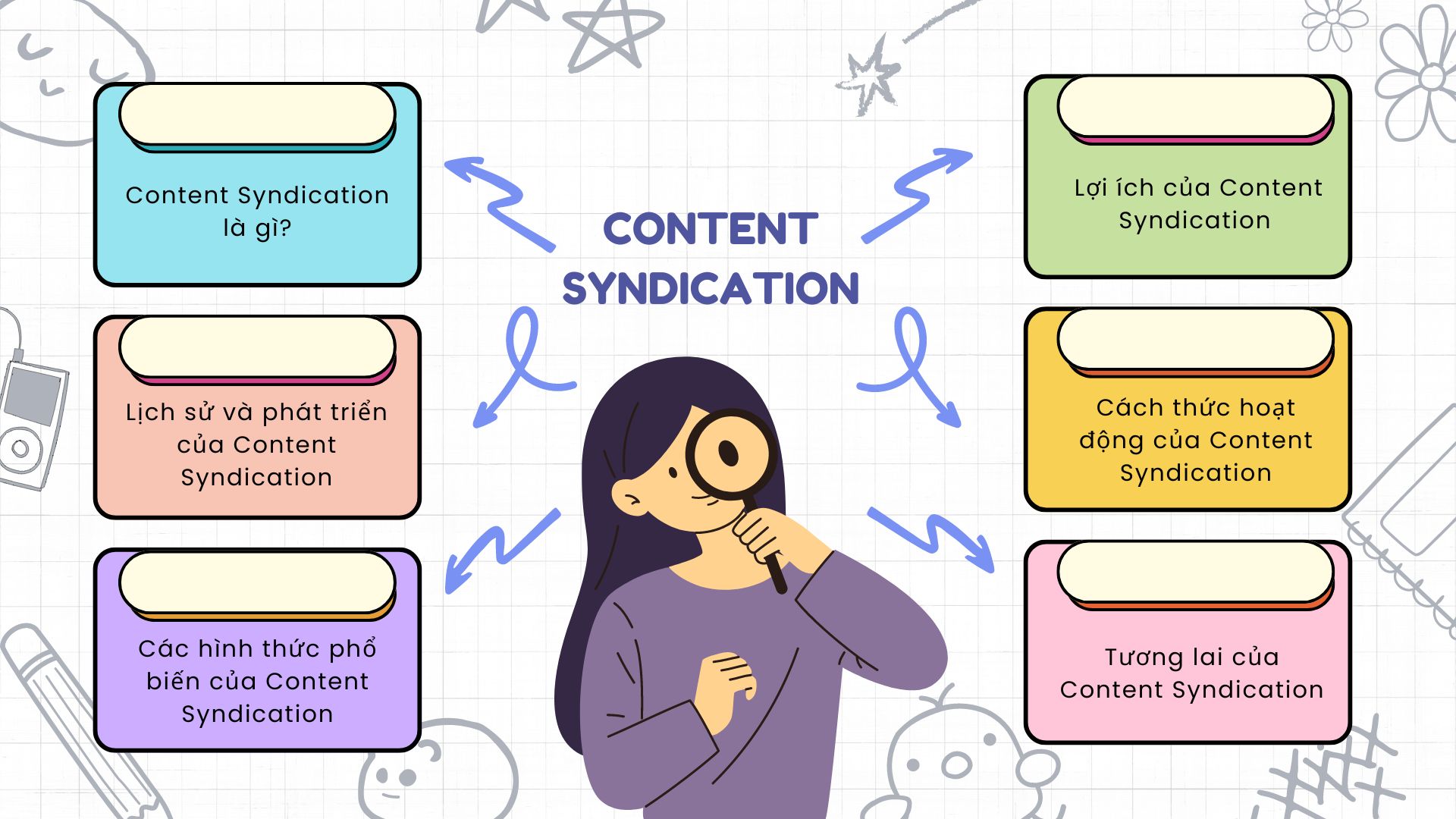
AI SEO content syndication refers to the strategic process of using artificial intelligence tools to create, optimize, and distribute content across multiple third-party websites, platforms, and publications to expand reach and improve search engine rankings. Unlike traditional content syndication, which relies heavily on manual rewriting and distribution, AI-powered syndication automates much of the heavy lifting. The AI can analyze your original content, identify the core message, and then generate variations tailored to different platforms while maintaining SEO best practices.
The core value proposition lies in efficiency and scale. A single high-quality article can be transformed into multiple versions for LinkedIn, Medium, industry blogs, news outlets, and niche forums, each optimized for that specific audience and platform’s algorithmic preferences. This approach not only saves countless hours of manual work but also ensures consistency in messaging while allowing for necessary customization.
How AI Transforms the Content Syndication Process
The integration of AI into content syndication has fundamentally changed how marketers approach distribution. Traditional syndication often involved copying and pasting content across platforms, which risked duplicate content penalties and offered little value to readers. AI changes this dynamic by enabling intelligent adaptation and enhancement at scale.
Automated Content Repurposing
AI algorithms can now take a cornerstone piece of content and automatically generate multiple derivative pieces. For instance, a comprehensive 3,000-word guide can be broken down into a series of shorter LinkedIn posts, a visually-oriented article for Medium, a more formal version for industry publications, and a series of engaging social media snippets. Each version maintains the core value proposition but is structured to meet the unique expectations of its platform’s audience.
Intelligent Keyword and Topic Optimization
AI tools can analyze the search intent and keyword landscape for each target platform. What works for Google search may not work for LinkedIn’s internal search or Medium’s recommendation engine. AI SEO content syndication tools can automatically adjust keyword density, heading structures, and meta descriptions to align with each platform’s specific ranking factors and user behavior patterns.
Real-Time Performance Analysis
Modern AI syndication platforms provide real-time analytics that go beyond simple click-through rates. They can track engagement patterns, identify which content variations resonate best with specific audiences, and automatically adjust future syndication strategies. This continuous learning loop ensures that your content syndication efforts become more effective over time.
Key Benefits of AI SEO Content Syndication

Implementing an AI-driven syndication strategy offers numerous advantages that directly impact your bottom line and brand authority.
- Exponential Reach Expansion: Your content can appear on dozens of high-traffic platforms simultaneously, exposing your brand to audiences you would never reach through your own website alone.
- Enhanced Domain Authority: When your content appears on authoritative sites like Forbes, Entrepreneur, or industry-specific publications, it signals credibility to search engines and potential customers.
- Significant Time Savings: What once took a team of writers days to accomplish can now be done in hours. AI handles the heavy lifting of rewriting, formatting, and distribution.
- Improved SEO Performance: Strategic syndication with proper canonical tags and backlinks can drive referral traffic and improve your site’s overall search visibility.
- Cost-Effective Scaling: Instead of hiring additional content creators, AI allows you to maximize the value of every piece of content you produce.
- Consistent Brand Messaging: AI ensures that your core message remains intact across all platforms while adapting the tone and style to fit each context.
- Always Prioritize Original Value: The content you syndicate must offer genuine value to readers. If it is purely promotional or thin, it will fail to engage and may harm your brand.
- Customize for Each Platform: Avoid the temptation to simply blast the same content everywhere. Tailor headlines, introductions, and calls-to-action to match each platform’s culture and audience expectations.
- Maintain a Consistent Publishing Schedule: Regular syndication builds momentum and signals reliability to both platforms and audiences. Use AI scheduling tools to maintain consistency.
- Engage with the Audience: Syndication is not a set-and-forget strategy. Monitor comments and engage with readers on each platform to build community and enhance your brand’s reputation.
- Track and Measure Everything: Use UTM parameters and platform-specific analytics to accurately attribute traffic and conversions to your syndication efforts.
- Human Oversight is Non-Negotiable: Always have a human editor review AI-generated syndicated content before publishing. This ensures quality, accuracy, and brand voice consistency.
Limitations and Challenges to Consider
While the benefits are substantial, AI SEO content syndication is not without its challenges. Understanding these limitations is crucial for developing a realistic and effective strategy.
Risk of Duplicate Content Issues
Search engines can penalize sites that publish identical content across multiple domains. While AI helps create variations, t Proper implementation of canonical tags is essential to signal to search engines which version is the original source.
Quality Control Concerns
AI-generated content, while improving rapidly, can sometimes lack the nuance, personal experience, and unique insights that human writers bring. Over-reliance on AI without human oversight can result in content that feels generic or fails to truly engage readers.
Platform-Specific Algorithm Changes
Each platform you syndicate to has its own algorithms that change frequently. What works today may not work tomorrow. AI tools need constant updates and monitoring to remain effective, which requires ongoing investment.
Brand Dilution Risk
If your content appears on too many low-quality or irrelevant sites, it can dilute your brand’s perceived value. It is critical to be selective about where you syndicate and ensure that the platforms align with your brand values and target audience.
AI SEO Content Syndication vs. Traditional Syndication

Understanding the differences between traditional and AI-driven syndication helps clarify why this evolution matters for your strategy.
| Aspect | Traditional Syndication | AI SEO Content Syndication |
|---|---|---|
| Content Adaptation | Manual rewriting, often time-consuming and inconsistent | Automated generation of multiple variations in minutes |
| Scale | Limited by human resources and time | Virtually unlimited, can syndicate to dozens of platforms |
| Optimization | Basic, often just keyword placement | Advanced, platform-specific SEO and engagement optimization |
| Speed | Slow, can take days or weeks | Near-instantaneous distribution |
| Cost | High due to labor costs | Lower per-unit cost, scalable investment |
| Personalization | Limited by writer’s understanding of each platform | Data-driven personalization based on audience analytics |
| Performance Tracking | Manual, often delayed reporting | Real-time analytics and automated adjustments |
How to Implement an Effective AI SEO Content Syndication Strategy
Successfully leveraging AI for content syndication requires a structured approach. Follow these steps to build a strategy that delivers results.
Step 1: Create High-Quality Cornerstone Content
Your syndication strategy is only as strong as your original content. Invest time and resources in creating comprehensive, authoritative, and genuinely valuable cornerstone pieces. This content should be data-driven, well-researched, and offer unique insights that cannot be found elsewhere. AI can assist in the research and drafting process, but human expertise and editorial oversight are essential for ensuring quality and accuracy.
Step 2: Identify Your Target Syndication Platforms
Not all platforms are created equal. Research and select platforms that align with your target audience’s interests and your industry’s landscape. Consider factors such as domain authority, audience demographics, engagement levels, and the platform’s own SEO strength. Popular options include LinkedIn Articles, Medium, industry-specific blogs, news aggregator sites, and niche community forums. Create a matrix of platforms and the specific content variations needed for each.
Step 3: Configure Your AI Tools for Optimal Output
Select AI content tools that specialize in content repurposing and syndication. Configure them with your brand guidelines, tone of voice, target keywords, and platform-specific requirements. Provide the AI with clear instructions on how to adapt the content for each platform. For example, LinkedIn posts should be more professional and conversational, while Medium articles can be more in-depth and narrative-driven. The more context you provide, the better the AI output will be.
Step 4: Implement Proper Technical SEO Practices
To avoid duplicate content penalties, you must implement proper technical SEO measures. The most critical is the use of canonical tags. On your original article, you should include a self-referencing canonical tag. On syndicated versions, you should include a canonical tag pointing back to the original URL. This tells search engines which version is the authoritative source. Additionally, ensure that all syndicated content includes proper meta descriptions, alt text for images, and structured data where appropriate.
Step 5: Monitor Performance and Iterate
Once your content is syndicated, the work is not done. Use analytics tools to track the performance of each syndicated piece. Monitor metrics such as referral traffic, engagement rates, time on page, and conversion rates. Identify which platforms and content variations are driving the most value. Use these insights to refine your strategy, double down on what works, and eliminate what does not. AI tools can automate much of this analysis, providing actionable recommendations in real-time.
Best Practices for AI SEO Content Syndication

Adhering to best practices ensures that your syndication efforts yield positive results without unintended negative consequences.
Common Mistakes to Avoid in AI SEO Content Syndication
Even experienced marketers can fall into traps when implementing AI syndication. Being aware of these common pitfalls can save you from costly errors.
Mistake 1: Publishing Identical Content Everywhere
This is the most frequent and damaging mistake. Publishing the exact same article on multiple sites without any changes can trigger duplicate content filters and dilute your SEO value. Always use AI to create meaningful variations that add value for each platform’s specific audience.
Mistake 2: Ignoring Canonical Tags
Failing to implement canonical tags correctly can lead to search engines indexing the wrong version of your content, potentially harming your original article’s rankings. Always ensure that syndicated versions point back to your original piece.
Mistake 3: Syndicating to Low-Quality or Irrelevant Sites
In the rush to expand reach, some marketers syndicate to any site that will accept their content. This can backfire, associating your brand with low-quality content and potentially incurring search engine penalties. Be selective and prioritize quality over quantity.
Mistake 4: Over-Reliance on AI Without Human Review
AI is a powerful tool, but it is not infallible. AI-generated content can contain factual errors, awkward phrasing, or subtle biases. Publishing without human review risks damaging your credibility and authority.
Mistake 5: Neglecting Platform-Specific Engagement
Simply publishing content and walking away is a missed opportunity. Each platform offers a chance to engage with your audience, answer questions, and build relationships. Neglecting this engagement undermines the long-term value of your syndication efforts.
Mistake 6: Focusing Only on Quantity
While AI enables scale, focusing solely on the number of syndicated pieces is a mistake. The quality of the placement and the relevance of the audience matter far more than sheer volume. A single well-placed article on a highly relevant industry site can outperform dozens of posts on generic platforms.
Important Notes on AI SEO Content Syndication
Several key considerations should guide your ongoing strategy and expectations.
First, the landscape of AI tools is evolving rapidly. What is considered cutting-edge today may be outdated in six months. Stay informed about new developments in AI content generation, natural language processing, and platform algorithms. Regularly evaluate your toolset to ensure you are using the most effective solutions available.
Second, the relationship between AI-generated content and search engine guidelines is complex. While Google has stated that it does not penalize AI content per se, it does penalize content that is deemed unhelpful or spammy, regardless of how it was created. Focus on creating genuinely useful content that satisfies user intent, and you will be aligned with search engine best practices.
Third, consider the ethical implications of AI content syndication. Be transparent about your use of AI where appropriate, and ensure that your content does not mislead readers. Maintaining trust with your audience is paramount for long-term success.
Finally, remember that AI SEO content syndication is a complement to, not a replacement for, your core content marketing strategy. Your own website should remain the central hub for your most valuable content. Syndication is a distribution tactic to drive traffic back to that hub and build authority in the wider ecosystem.
Frequently Asked Questions (FAQ)
What is the difference between content syndication and guest posting?
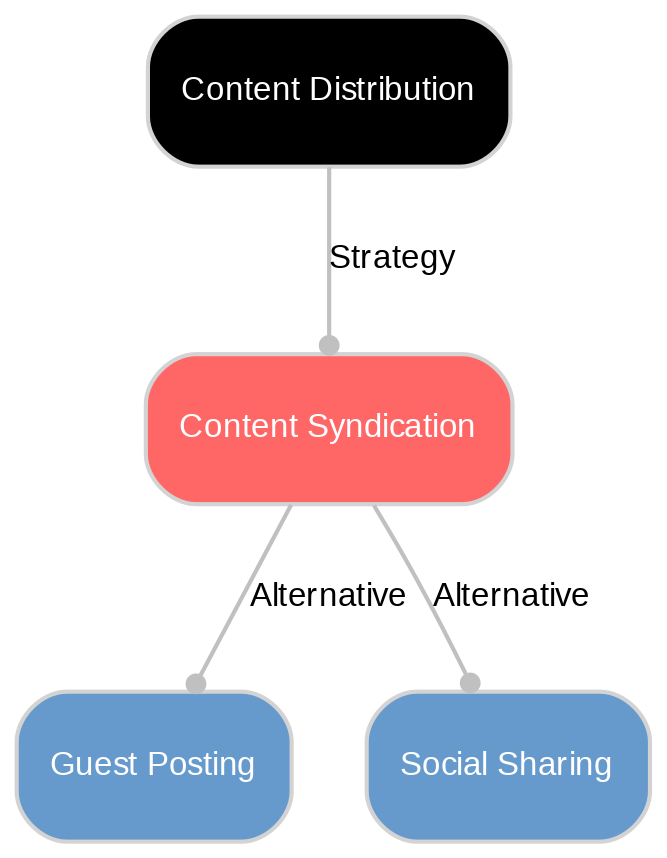
Content syndication involves republishing your existing content on third-party sites, typically with a canonical tag pointing back to the original. Guest posting involves creating new, original content specifically for another website. Syndication is about amplifying existing content, while guest posting is about creating new content for a different audience. Both can be valuable, but they serve different purposes in a content strategy.
Does AI SEO content syndication cause duplicate content penalties?
It can, if done incorrectly. The risk of duplicate content penalties is mitigated by creating unique variations of your content for each platform and by properly implementing canonical tags. The canonical tag tells search engines which version is the original and should be indexed. When these practices are followed, syndication can be done safely without incurring penalties.
Which platforms are best for AI SEO content syndication?
The best platforms depend on your industry and target audience. High-authority platforms like LinkedIn, Medium, and industry-specific publications are generally good choices. Niche forums and community sites can also be highly effective if they have an engaged audience relevant to your niche. Research where your target audience spends their time online and prioritize those platforms.
How much does AI content syndication cost?
The cost varies widely depending on the tools you choose and the scale of your operations. Basic AI writing tools can cost anywhere from $20 to $100 per month. More advanced syndication platforms that include distribution and analytics can cost several hundred dollars per month. There are also free and low-cost options, but they often require more manual effort. The return on investment is typically measured in time saved and increased traffic and leads.
Can AI SEO content syndication replace my content marketing team?
No, AI should be viewed as a tool to augment your team, not replace it. Human expertise is still essential for strategy, creative direction, quality control, and relationship building with publishers and audiences. AI can handle the repetitive and time-consuming tasks, freeing your team to focus on higher-level strategic initiatives and creative development.
How long does it take to see results from AI SEO content syndication?
Results can vary, but you may start seeing increased referral traffic within a few weeks of consistent syndication. However, the full SEO benefits, such as improved domain authority and higher rankings, typically take several months to materialize. It is a long-term strategy that requires patience and consistent effort. Focus on building a sustainable pipeline of high-quality syndicated content rather than expecting overnight results.
Conclusion
AI SEO content syndication represents a significant evolution in digital marketing, offering a powerful way to scale your content’s reach and impact. By leveraging artificial intelligence to adapt and distribute your content across multiple high-authority platforms, you can dramatically expand your audience, enhance your brand’s credibility, and improve your overall SEO performance. The key to success lies in a strategic approach that prioritizes content quality, platform relevance, and technical correctness. While challenges such as duplicate content risks and the need for human oversight exist, they are manageable with proper planning and execution. As AI technology continues to advance, the capabilities and potential of this strategy will only grow. Businesses that embrace AI SEO content syndication now will be well-positioned to dominate their niches in the increasingly competitive digital landscape. Start by auditing your existing content, identifying your target platforms, and implementing a structured syndication workflow that combines the power of AI with the irreplaceable value of human judgment.
Xem thêm:
- AI SEO Influencers: The New Architects of Search Visibility in an Era of Machine Intelligence
- AI SEO Generative Search Citations: The Complete Playbook for 2025
- AI SEO Resource Page Links: The Complete Guide to Building High-Quality Backlinks in 2025
- AI SEO Review Content: The Complete Guide to Automated Reviews That Rank
- AI SEO Lazy Loading: The Complete Guide to Faster Sites and Higher Rankings
Bài viết cùng chủ đề:

AI SEO SEO Automation with Make: The Complete Workflow Guide

AI SEO SEO Automation with Zapier: The Complete Workflow Guide

AI SEO SEO Automation with n8n: The Complete Workflow Guide
AI SEO SEO Automation with Gemini: The Complete Guide to Scaling Organic Growth

AI SEO SEO Automation with Claude: The Complete Guide to Scaling Content in 2025

AI SEO SEO Automation with ChatGPT: The Complete Playbook for 2025

AI SEO & SEO Automation for Affiliate Sites: The 2025 Playbook for Passive Income Growth
AI SEO & SEO Automation for Bloggers: The Complete Guide to Scaling Your Content

AI SEO & SEO Automation for Agencies: The Complete 2025 Playbook

AI SEO and SEO Automation for Ecommerce: The Complete Playbook for 2025

AI SEO & SEO Automation for WordPress: The Complete Playbook for 2025
AI SEO SEO Automation Strategy: The Complete Playbook for 2025

Mastering the AI SEO SEO Automation Process: A Complete Guide to Scaling Organic Growth
AI SEO SEO Automation System: The Complete Guide to Scaling Organic Growth in 2025
AI SEO SEO Automation Platform: The Complete Guide to Scaling Organic Growth in 2025
AI SEO SEO Automation Software: The Complete Guide to Scaling Organic Growth in 2025















