
No products in the cart.
AI SEO Generative Search Citations: The Complete Playbook for 2025
10
Aug
Aug
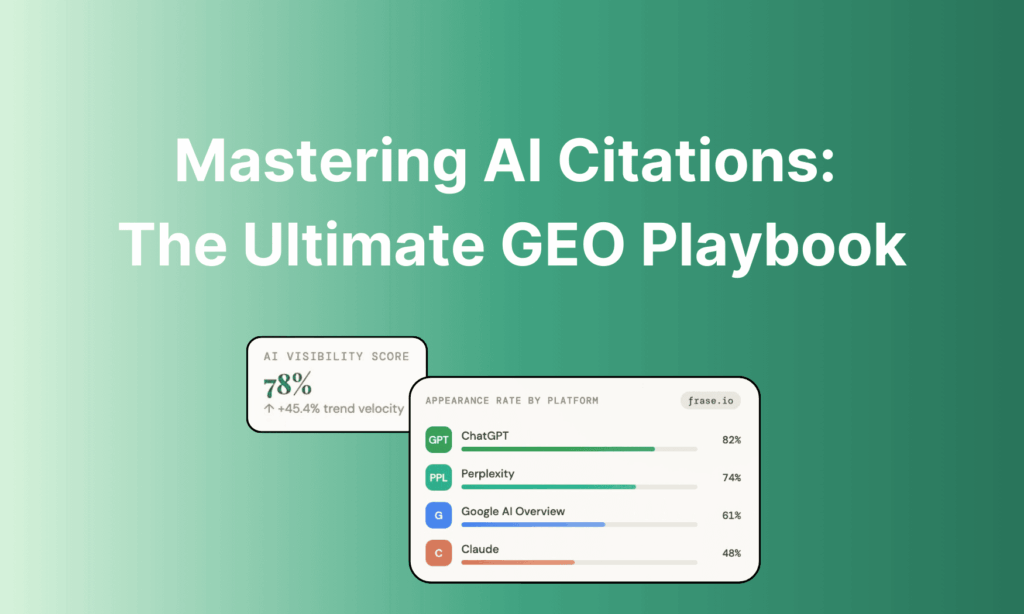
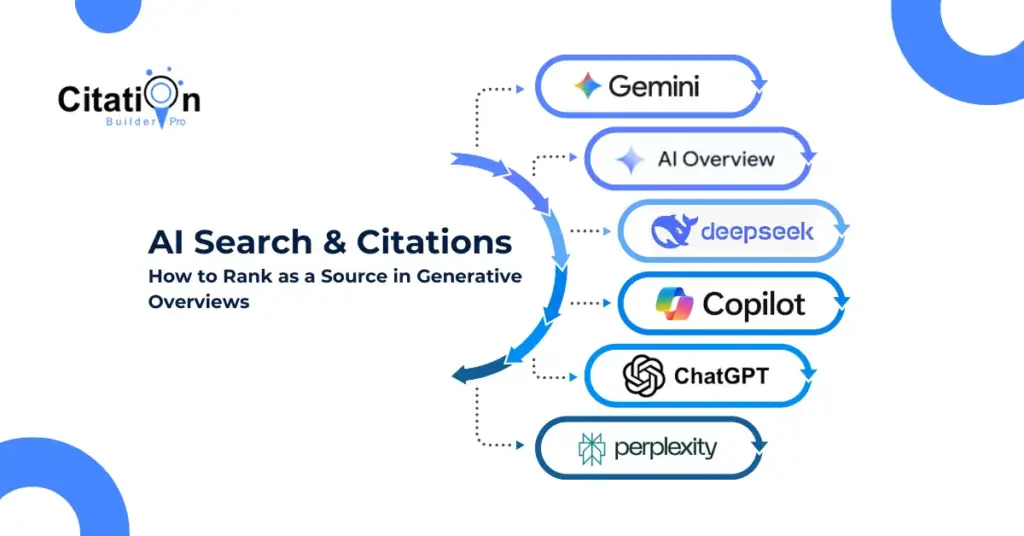
The digital marketing landscape is shifting beneath our feet. Traditional search engine optimization focused on backlinks and keyword density. Today, AI-powered search engines like Google’s Search Generative Experience (SGE), Bing Chat, and Perplexity are rewriting the rules. At the center of this transformation lies a new critical concept: AI SEO Generative Search Citations. These citations are the digital footprints that AI models use to verify, attribute, and rank your content. Understanding how to optimize for these citations is no longer optional—it is the difference between being quoted by an AI assistant or being completely invisible to the modern search ecosystem.
What Are AI SEO Generative Search Citations?
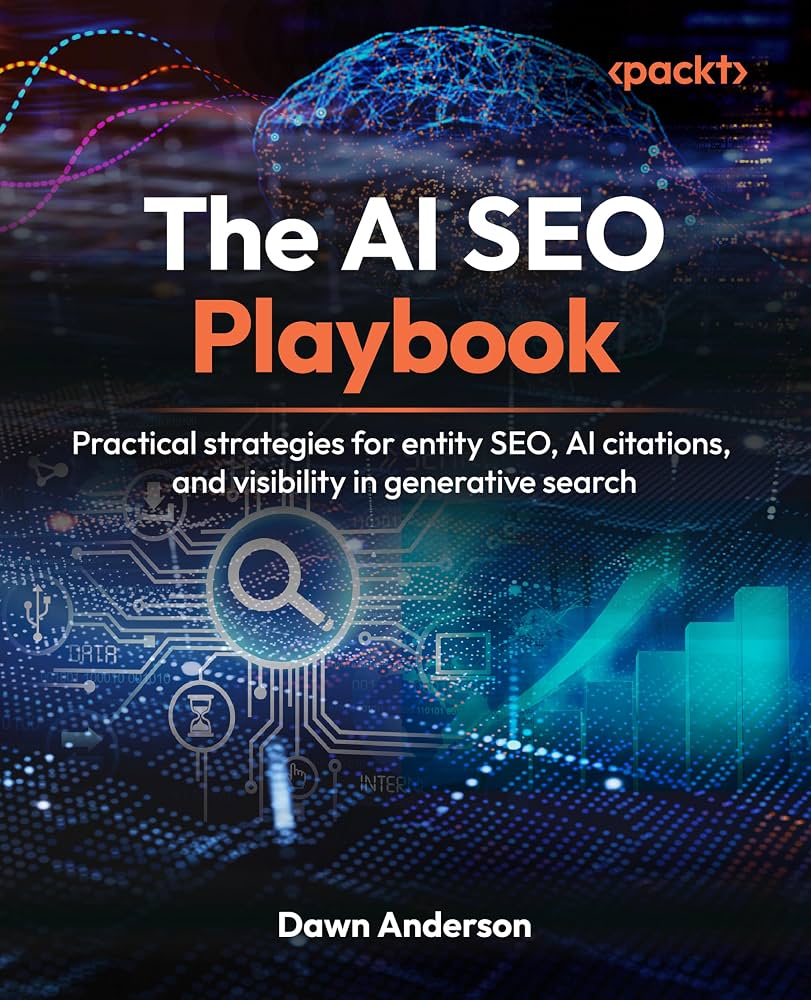
AI SEO Generative Search Citations refer to the specific references, source links, and attribution markers that generative AI systems display alongside their answers. When you ask an AI chatbot a question, it does not simply invent an answer. It pulls information from indexed web pages, synthesizes that data, and then—in most cases—provides clickable citations to the original sources. These citations are the currency of trust in the AI search economy.
For SEO professionals, this means the goal has shifted. You are no longer just ranking for a keyword. You are aiming to become a cited source within an AI-generated response. This requires a fundamentally different approach to content creation, technical SEO, and digital PR. The citation itself is a signal to both the user and the AI system that your content is authoritative, relevant, and trustworthy enough to be referenced in a synthesized answer.
The Anatomy of a Generative Search Citation
Generative citations typically appear in three distinct formats. The first is the inline link, where a number or symbol appears within the AI’s text response, linking directly to your page. The second is the sidebar or footer panel, where the AI lists all referenced sources in a dedicated section. The third is the conversational citation, where the AI verbally mentions your brand or domain name as the source of its information. Each format requires slightly different optimization tactics, but the underlying goal remains the same: being selected as a primary source.
Why Generative Search Citations Matter for Modern SEO
The importance of these citations cannot be overstated. Traditional click-through rates are declining as users increasingly rely on AI-generated summaries. When a user asks an AI for a recommendation, they rarely click through to the top ten blue links. Instead, they read the synthesized answer and click on the cited sources that appear most relevant. If your content is not cited, you are effectively invisible to this growing segment of search traffic.
Furthermore, generative citations build brand authority. When an AI system repeatedly cites your domain as a source of truth, users begin to associate your brand with expertise. This creates a compounding effect. More citations lead to more brand recognition, which leads to more direct traffic, which leads to even more citations. The data supports this shift. Studies from early 2024 indicate that pages cited in AI-generated answers experience a significant boost in referral traffic, often exceeding the traffic they would have received from a traditional top-three ranking.
How AI Engines Select Sources for Citations
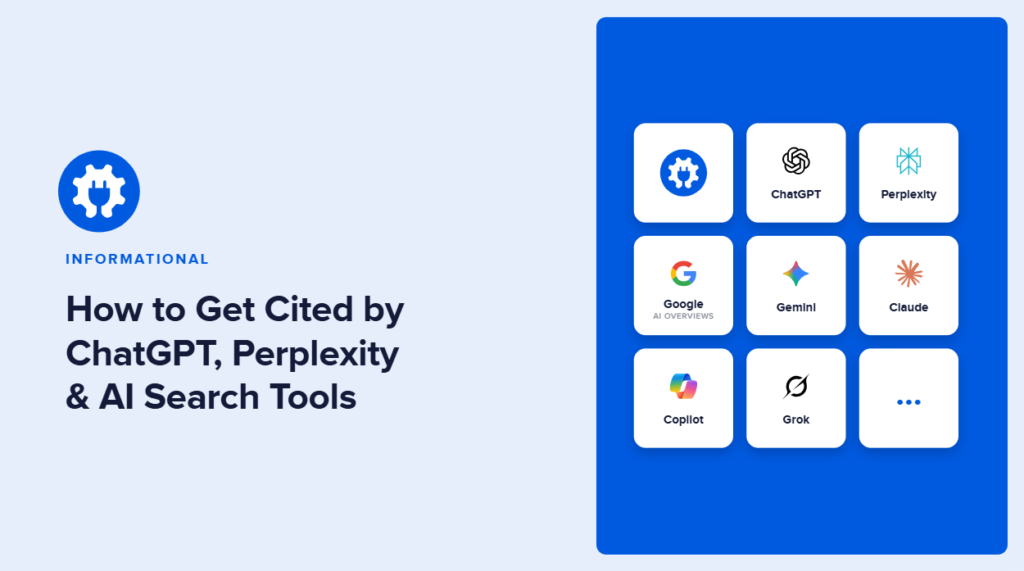
Understanding the selection criteria is the first step toward optimization. AI search engines do not use the same ranking algorithms as traditional search. They prioritize clarity, structure, and verifiability. A page that is well-structured with clear headings, concise paragraphs, and factual data is far more likely to be cited than a page with dense walls of text and ambiguous claims.
Source diversity is another critical factor. AI systems aim to provide balanced answers. They will often cite multiple sources for a single query, preferring to mix established authorities with niche experts. This means t The AI is looking for the most complete picture, and your content must fill a gap in that picture.
The Role of Structured Data in Citation Generation
Structured data markup, such as Schema.org, plays a vital role in helping AI systems parse your content. When you implement schema for articles, FAQs, how-tos, and products, you are essentially providing a machine-readable map of your content. This allows the AI to extract key facts, statistics, and definitions with greater accuracy. Pages with proper structured data are significantly more likely to be selected for generative citations because the AI can trust the semantic clarity of the information.
Key Differences Between Traditional Backlinks and Generative Citations
It is a common misconception that backlinks and generative citations are interchangeable. They are not. A backlink is a vote of confidence from another website. A generative citation is a vote of confidence from an AI algorithm. The table below highlights the core differences:
| Aspect | Traditional Backlinks | Generative Citations |
|---|---|---|
| Source of Authority | Other websites | AI algorithm |
| Primary Purpose | Passing link equity | Providing source attribution |
| Content Focus | Keyword relevance | Factual clarity and structure |
| Measurement | Domain Authority (DA) | Citation frequency in AI outputs |
| User Interaction | Click to navigate | Click to verify or explore |
While backlinks still matter for overall domain authority, they are a secondary signal for generative citation selection. The AI cares more about the content itself than the links pointing to it. This is a democratizing shift, allowing high-quality niche content to compete with giant media brands.
Proven Strategies to Earn AI SEO Generative Search Citations
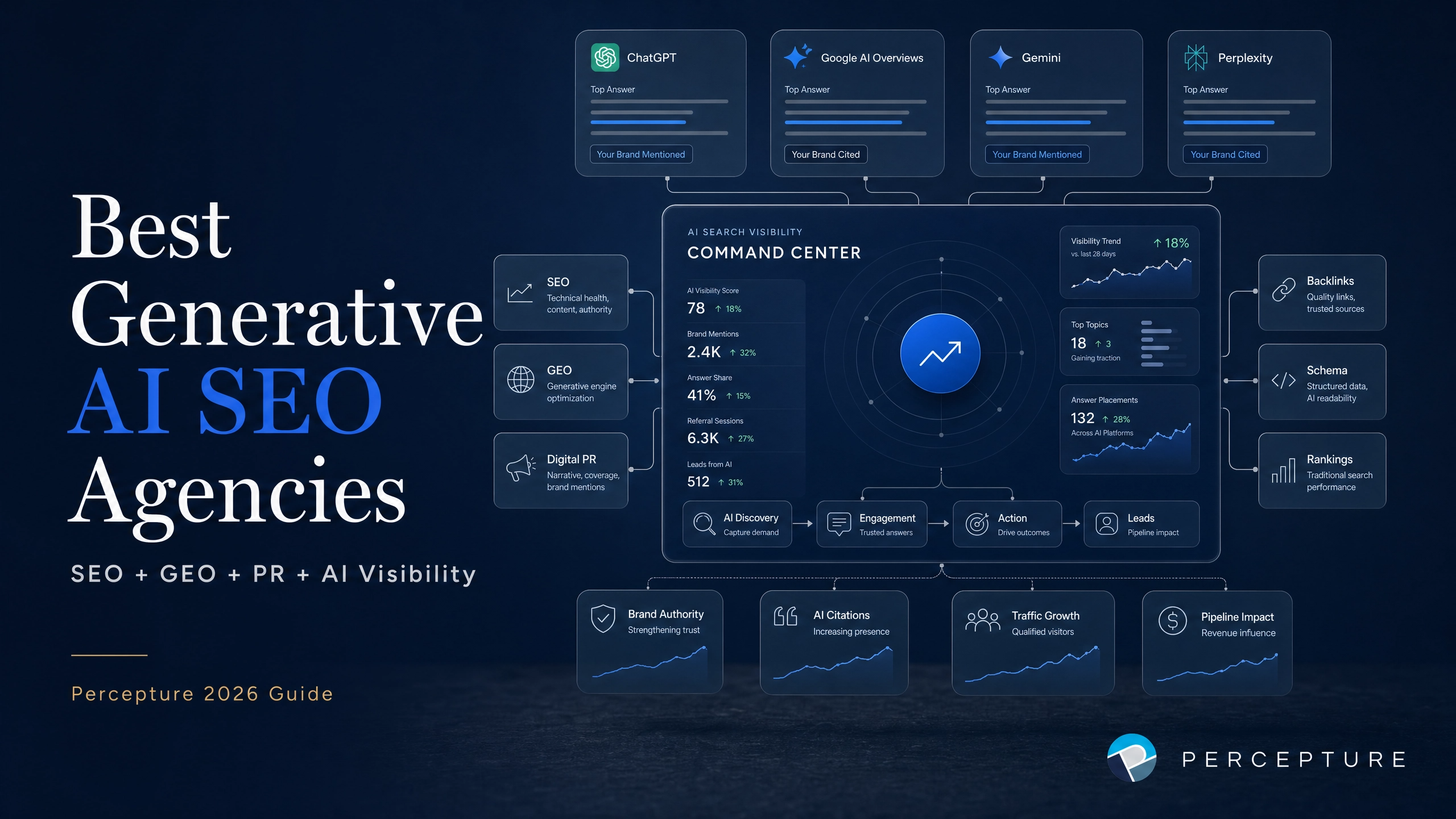
Earning these citations requires a proactive approach. You cannot simply wait for the AI to find you. You must structure your digital presence to be easily discoverable and digestible by machine learning models. The following strategies have proven effective in recent industry tests and case studies.
1. Optimize for Direct Answers and Definitions
AI systems love clear, direct answers. Create dedicated sections on your pages that answer specific questions in 40-60 words. Use the exact phrasing of the query as your subheading. For example, if you are targeting the query “how to fix a leaky faucet,” include a section titled exactly that, followed by a concise, step-by-step answer. This increases the probability that the A
2. Publish Original Research and Unique Data
Generative AI models are trained on vast datasets, but they often lack access to proprietary, real-time data. Publishing original surveys, industry reports, and unique statistical analyses gives the AI a reason to cite you. When the AI needs a specific statistic to support its answer, it will look for the most authoritative source. If you are the only source with that specific data point, you win the citation.
3. Implement Comprehensive FAQ Schema
FAQ sections are prime targets for generative citations. When you implement FAQPage schema markup, you are telling the AI exactly what questions your content answers. This allows the AI to match user queries to your content with high precision. Ensure your FAQ answers are thorough, factual, and include relevant internal links to deeper content on your site.
4. Build a Strong Digital PR and Brand Presence
AI models are trained on the broader web, including news sites, forums, and social media. A strong brand presence across these platforms signals to the AI that you are a recognized entity. When your brand is frequently mentioned in reputable contexts, the AI is more likely to trust your content and cite it. This is where traditional digital PR intersects with generative SEO.
5. Focus on Entity Clarity
Ensure that your brand, products, and authors are clearly defined as entities. Use consistent naming conventions across your site. Create dedicated “About Us” and “Author” pages that clearly state who you are and what you do. This helps the AI’s knowledge graph understand your relationship to the topics you cover, making it easier to attribute citations to your entity.
Practical Guide: How to Audit Your Current Citation Potential
To understand where you stand, you need to conduct a generative citation audit. This process involves analyzing your current content through the lens of an AI model. Start by identifying your top 20 most important keywords. For each keyword, query a major AI search engine and note which sources are cited. Compare those sources to your own content to identify gaps in structure, depth, or data.
Next, analyze your content’s readability. AI models prefer content with a Flesch Reading Ease score of 60 or higher. Break up long paragraphs, use bullet points for lists, and ensure your main points are stated in the first sentence of each paragraph. This is called the “inverted pyramid” style, and it is highly effective for AI extraction.
Finally, check your technical health. Ensure your site is fully crawlable, has a clear sitemap, and loads quickly. AI crawlers are less patient than Googlebot. If your page takes more than three seconds to load, the crawler may abandon it, and you will lose the citation opportunity.
Common Mistakes That Block Generative Citations
Many website owners unknowingly sabotage their chances of being cited. The most common mistake is relying on vague, marketing-heavy language. AI models are trained to filter out promotional fluff. If your content reads like a sales pitch, the A
Another frequent error is ignoring the “People Also Ask” and related question data. These are goldmines for citation opportunities. If you do not explicitly answer these related questions within your content, the A You must anticipate the full spectrum of user intent, not just the primary keyword.
Finally, many sites fail to update their content. AI models are increasingly real-time. They can access live data and recent publications. If your statistics are from 2019, the A Regular content refreshes are essential for maintaining citation eligibility.
Important Notes on Measuring Citation Success
Measuring the impact of generative citations requires new metrics. Traditional analytics will not show you the full picture. You need to track brand mentions within AI responses. Use tools that monitor AI search outputs for your target keywords. Track the volume of citations you receive on a weekly basis and correlate that with changes in direct traffic and branded search volume.
It is also important to note that citations are not permanent. AI models update their training data and their live indexing. A citation you earn today may disappear tomorrow if a more authoritative source publishes similar content. This means the work is ongoing. You must continuously produce fresh, high-quality content to maintain your citation share of voice.
Frequently Asked Questions
What is the difference between a citation and a backlink in AI search?
A backlink is a hyperlink from an external website to your page, typically used for passing authority. A generative citation is a reference made by an AI system within its synthesized answer, pointing to your content as the source of specific information. Citations do not pass link equity but do pass visibility and trust.
How long does it take to earn AI SEO generative search citations?
T If you publish highly unique, well-structured data, you could see citations within days. For most standard content, it takes several weeks to a few months. The AI must crawl your page, index it, and then determine that it is the best source for a specific query.
Do AI citations affect Google rankings directly?
No, generative citations do not directly influence traditional Google ranking algorithms. However, the traffic and brand awareness generated from these citations can lead to more searches for your brand, more backlinks, and increased engagement, which are all positive signals for traditional SEO.
Can small websites compete for generative citations?
Yes. AI models prioritize information quality over domain authority. A small niche blog with a unique, well-structured data set can easily outrank a large media site for a specific citation. The key is to focus on specific, answerable queries rather than broad topics.
What types of content are most likely to be cited?
Statistical data, step-by-step guides, definitions, comparison tables, and FAQ sections are the most frequently cited content types. Content that is concise, factual, and free of opinion is preferred. Original research and proprietary data have the highest citation probability.
Conclusion
AI SEO Generative Search Citations represent the new frontier of organic visibility. As users increasingly turn to AI assistants for answers, the ability to be cited within those answers becomes the ultimate measure of digital authority. The shift from link-based ranking to citation-based attribution requires a strategic pivot toward clarity, originality, and structured data. By implementing the strategies outlined in this guide—optimizing for direct answers, publishing unique research, and maintaining technical excellence—you position your brand to be the trusted source that AI systems reference. The future of search is generative, and the future of SEO is learning how to earn the citation.
Xem thêm:
- AI SEO CRO Strategy: The Complete Guide to Converting Search Traffic
- AI SEO Chatbots: The Complete Guide to Automating Search Optimization With Conversational Intelligence
- How to Optimize Internal Links with AI: Transform Your Site Architecture and Rankings
- Does AI Content Rank in Google? The Real Truth About AI-Generated SEO (2025 Update)
- AI SEO SEO Automation with Zapier: The Complete Workflow Guide
Bài viết cùng chủ đề:

AI SEO SEO Automation with Make: The Complete Workflow Guide

AI SEO SEO Automation with Zapier: The Complete Workflow Guide

AI SEO SEO Automation with n8n: The Complete Workflow Guide
AI SEO SEO Automation with Gemini: The Complete Guide to Scaling Organic Growth

AI SEO SEO Automation with Claude: The Complete Guide to Scaling Content in 2025

AI SEO SEO Automation with ChatGPT: The Complete Playbook for 2025

AI SEO & SEO Automation for Affiliate Sites: The 2025 Playbook for Passive Income Growth
AI SEO & SEO Automation for Bloggers: The Complete Guide to Scaling Your Content

AI SEO & SEO Automation for Agencies: The Complete 2025 Playbook

AI SEO and SEO Automation for Ecommerce: The Complete Playbook for 2025

AI SEO & SEO Automation for WordPress: The Complete Playbook for 2025
AI SEO SEO Automation Strategy: The Complete Playbook for 2025

Mastering the AI SEO SEO Automation Process: A Complete Guide to Scaling Organic Growth
AI SEO SEO Automation System: The Complete Guide to Scaling Organic Growth in 2025
AI SEO SEO Automation Platform: The Complete Guide to Scaling Organic Growth in 2025
AI SEO SEO Automation Software: The Complete Guide to Scaling Organic Growth in 2025















