
No products in the cart.
AI SEO Traffic Forecast: The Complete Guide to Predicting Organic Growth
10
Aug
Aug
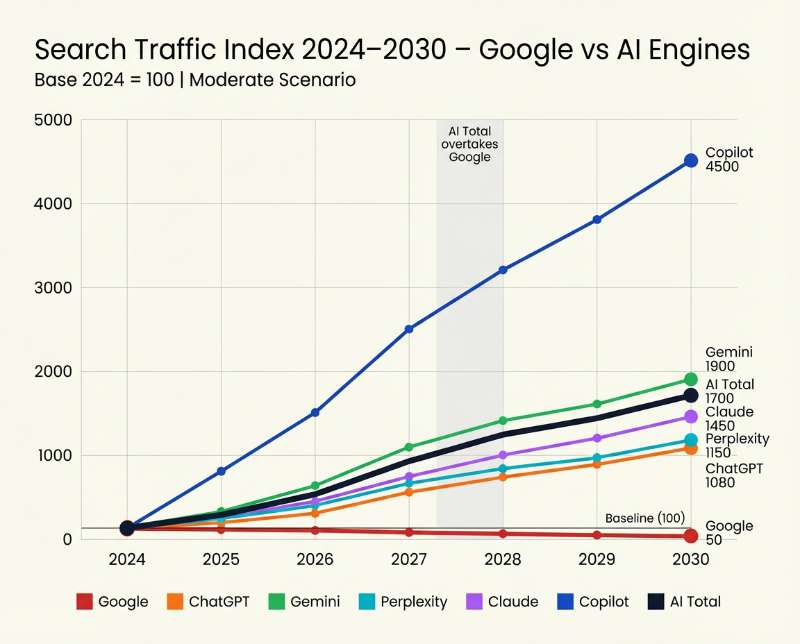
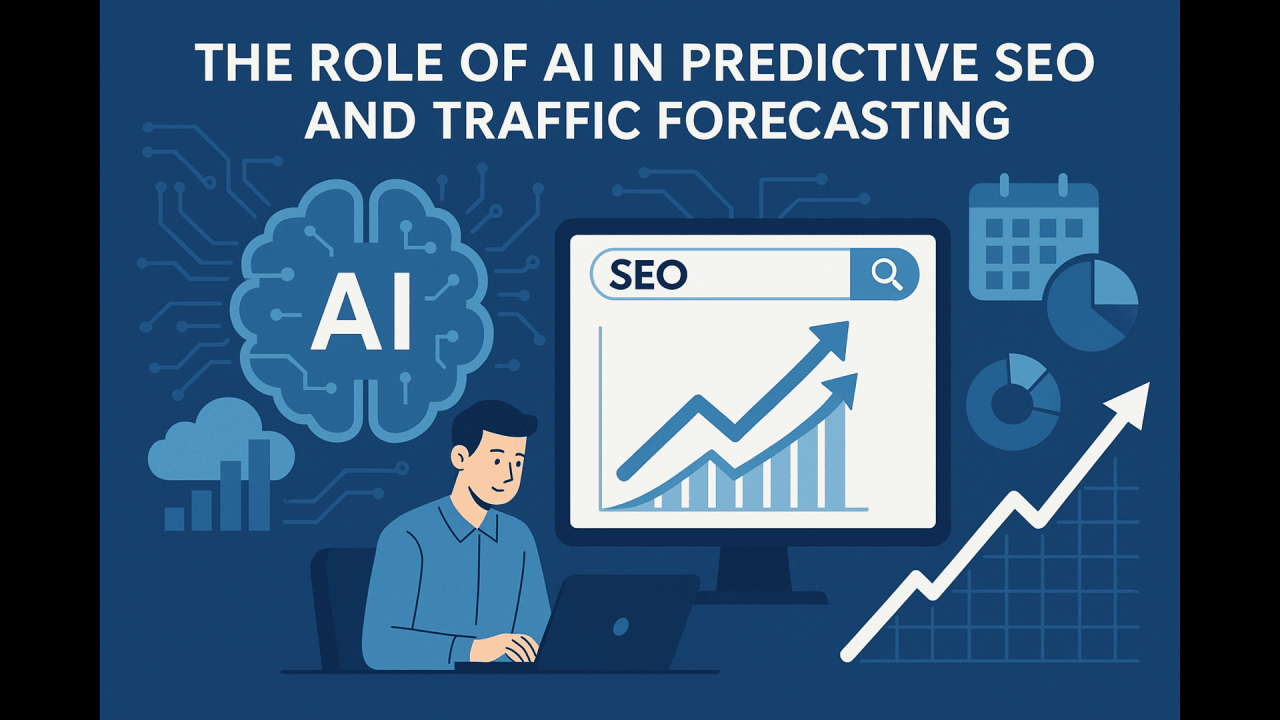
Understanding where your organic traffic is heading has always been a challenge for digital marketers. Traditional forecasting relied on historical data and manual analysis, often leading to inaccurate predictions. The emergence of the AI SEO traffic forecast has transformed this process, offering unprecedented accuracy by analyzing vast datasets, search engine behavior, and user intent patterns. This guide explores how artificial intelligence is reshaping organic traffic prediction, providing actionable strategies for businesses of all sizes.
What is an AI SEO Traffic Forecast?
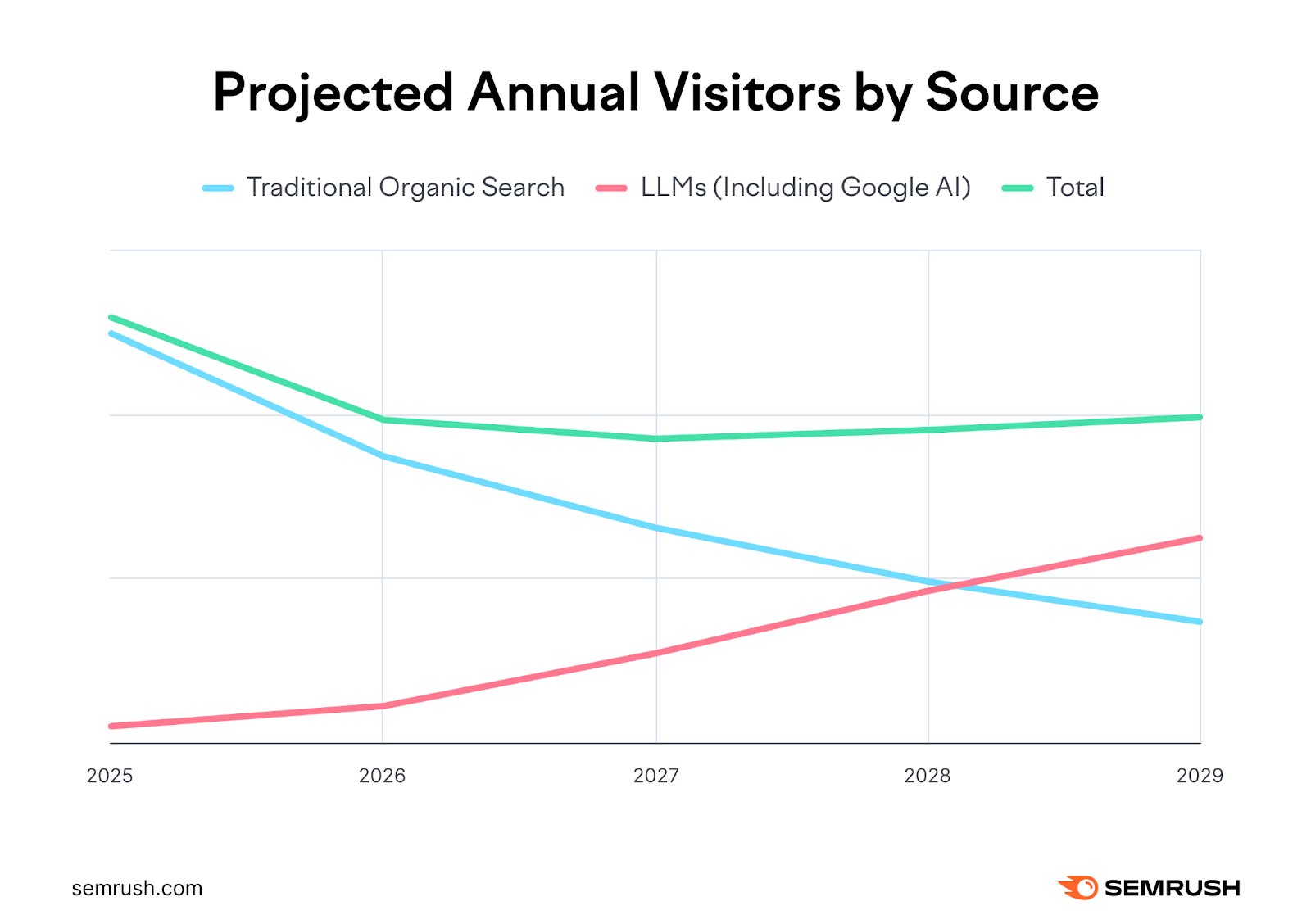
An AI SEO traffic forecast is a data-driven prediction of future organic search traffic using machine learning algorithms. Unlike manual methods that examine past performance, AI systems process hundreds of variables simultaneously. These include keyword difficulty scores, search volume trends, competitor movements, algorithm updates, and even seasonal purchasing patterns.
The core advantage lies in pattern recognition. AI models identify correlations that human analysts often miss. For instance, a forecast might detect that traffic spikes occur not just after content publication, but specifically when that content targets long-tail queries during mid-week periods. This level of insight enables precise resource allocation and content strategy development.
How Machine Learning Models Predict Search Traffic
Machine learning models for traffic prediction typically use regression analysis, time series forecasting, and neural networks. These models are trained on historical data from Google Search Console, analytics platforms, and keyword research tools. The training process involves feeding the algorithm millions of data points to learn complex relationships between content quality, backlink profiles, and search rankings.
Modern AI forecasting tools also incorporate natural language processing (NLP) to understand content semantics. This allows the system to evaluate whether new content aligns with search intent patterns. The result is a prediction that accounts for both quantitative metrics and qualitative content attributes.
Why Traditional Traffic Forecasting Falls Short
Traditional forecasting methods rely heavily on linear projections. Marketers would look at last year’s growth rate and apply it to the coming months. This approach fails to account for sudden algorithm changes, emerging competitors, or shifts in consumer behavior. The 2023 Google core updates demonstrated this limitation clearly, as many sites experienced traffic drops that no linear model predicted.
Another critical flaw is the inability to process unstructured data. Traditional spreadsheets cannot analyze SERP features, featured snippet opportunities, or video carousel placements. AI systems excel at parsing these elements, understanding how they influence click-through rates and overall visibility.
The Role of Historical Data in AI Forecasting
Historical data remains the foundation of any AI SEO traffic forecast, but the way AI uses this data differs fundamentally. Instead of simple averages, AI models identify cyclical patterns, anomaly detection, and causal relationships. For example, an AI system might recognize that a specific blog post generates traffic spikes every time a related industry report is released, enabling proactive content updates.
Data quality is paramount. Forecasts are only as reliable as the data feeding them. Clean, well-structured data from verified sources produces significantly more accurate predictions than fragmented or incomplete datasets.
Key Components of an Effective AI Traffic Forecast System
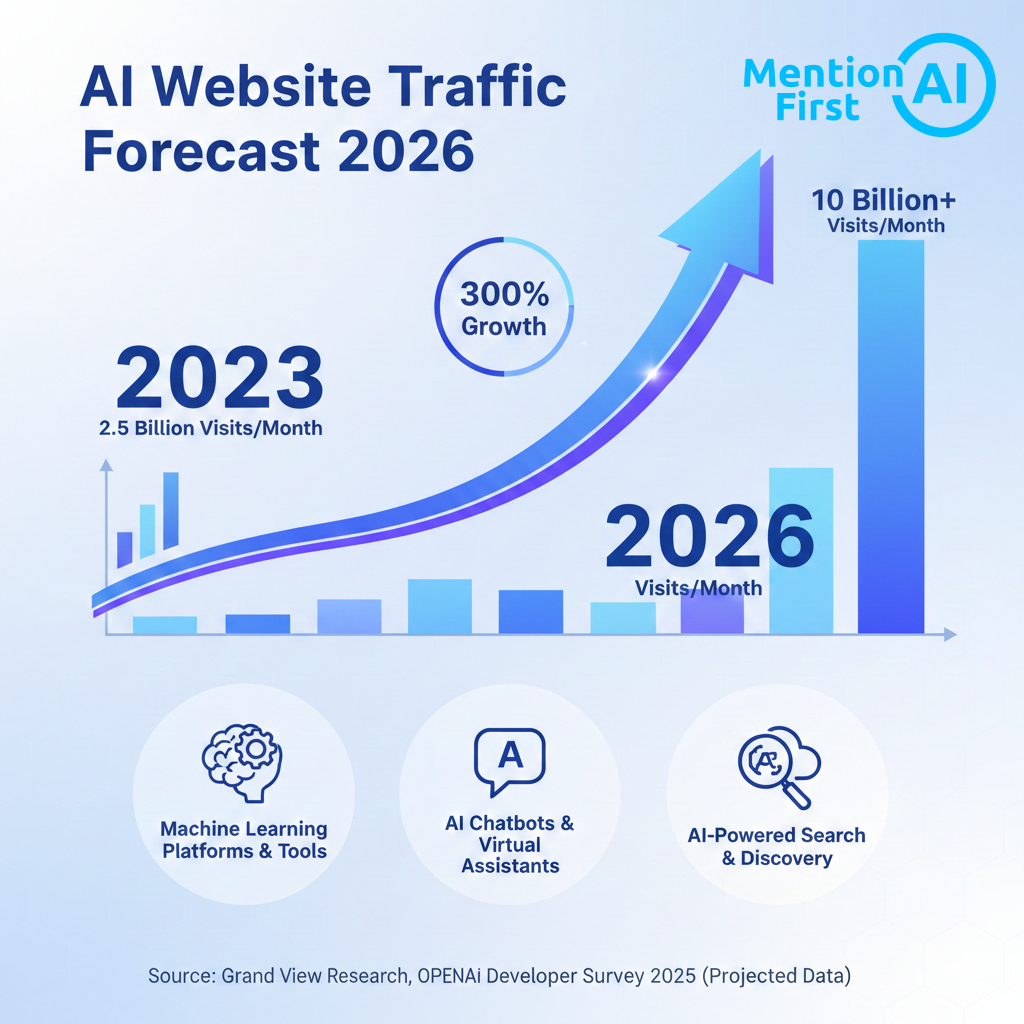
Building a robust AI SEO traffic forecast requires several integrated components working in harmony. Each element contributes unique analytical power to the overall prediction accuracy.
Keyword Clustering and Semantic Analysis
AI systems group keywords into topical clusters based on semantic similarity. This goes beyond simple exact-match grouping. The algorithms understand that “best running shoes” and “top footwear for marathons” serve similar user intent. By analyzing cluster performance, forecasts become more resilient to individual keyword volatility.
Semantic analysis also evaluates content relevance. The system checks whether existing pages comprehensively cover a topic cluster, identifying gaps that could limit traffic potential. This directly informs content creation priorities.
Competitor Intelligence Integration
Modern forecasting tools continuously monitor competitor websites. They track new content publication, backlink acquisition, and ranking fluctuations. This competitive intelligence feeds into the prediction model, adjusting forecasts based on potential market share shifts.
For example, if a major competitor starts targeting a keyword cluster that your site ranks for, the AI forecast will likely show a downward adjustment. Conversely, if competitors are losing rankings due to thin content, the model might predict increased traffic opportunities for your site.
Search Engine Algorithm Change Detection
AI systems monitor search engine updates in real-time. They analyze how different types of content perform before and after algorithm changes. This allows the forecast to incorporate the potential impact of future updates, based on historical patterns of similar changes.
This component is particularly valuable for sites that have experienced penalties or recoveries. The AI learns from these events, adjusting predictions to reflect the site’s vulnerability or resilience to specific algorithmic shifts.
Practical Applications of AI SEO Traffic Forecast
The practical applications of AI-driven traffic prediction extend far beyond simple reporting. Businesses use these forecasts to make strategic decisions across multiple departments.
Content Strategy and Budget Allocation
Marketing teams use traffic forecasts to prioritize content creation efforts. If the AI predicts significant growth potential for a specific topic cluster, resources are allocated accordingly. This prevents wasted effort on topics with limited traffic ceiling.
Budget decisions also benefit from accurate forecasting. Companies can justify hiring additional writers or investing in premium link building when the forecast shows strong ROI potential. Conversely, forecasts indicating plateauing traffic might trigger cost-cutting measures.
Revenue Projection and Sales Planning
For e-commerce sites and lead generation businesses, traffic forecasts directly translate into revenue projections. By combining traffic predictions with conversion rate data, finance teams can create realistic sales targets. This alignment between marketing and sales goals improves organizational efficiency.
Seasonal businesses find particular value here. An AI forecast can predict the exact week when traffic will start climbing for the holiday season, allowing for precise inventory and staffing decisions.
Risk Management and Scenario Planning
Sophisticated forecasting tools offer scenario analysis. Marketers can model different situations, such as a Google core update, a competitor’s aggressive SEO campaign, or a sudden shift in search behavior. This prepares teams for potential outcomes, reducing reaction time when changes occur.
Scenario planning also helps with diversification strategies. If forecasts show high risk in one traffic channel, businesses can proactively develop alternative acquisition channels.
Benefits of Implementing AI Traffic Forecasting
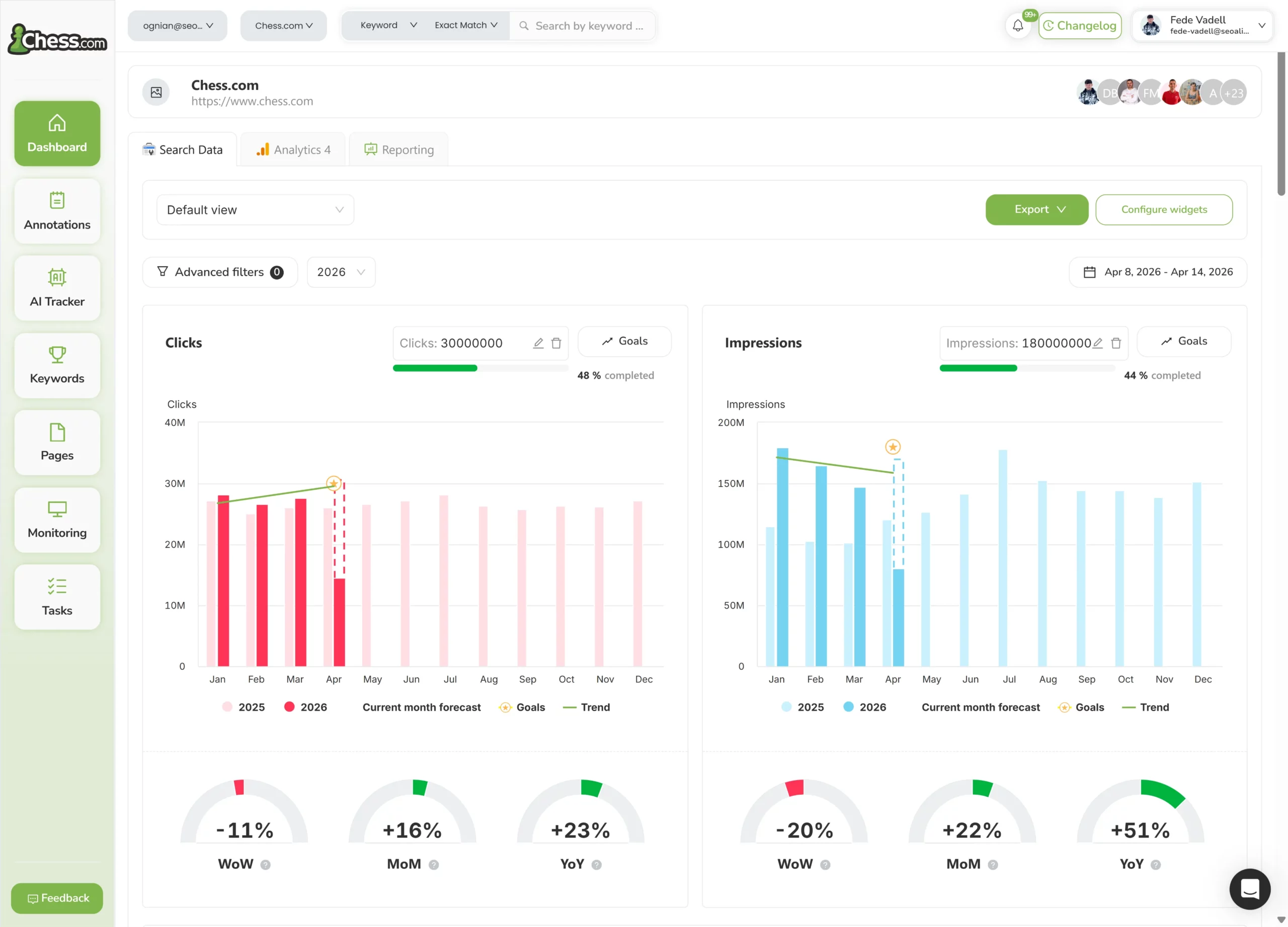
The advantages of adopting AI-powered forecasting are substantial and measurable. Organizations that embrace this technology gain a significant competitive edge.
- Improved Accuracy: AI models consistently outperform manual forecasts, often achieving 85-95% accuracy compared to 60-70% for traditional methods.
- Time Efficiency: What takes analysts days to compile, AI systems process in minutes, freeing up time for strategic thinking.
- Real-Time Adjustments: Forecasts update continuously as new data arrives, rather than waiting for monthly reporting cycles.
- Granular Insights: Predictions can be broken down by page, keyword cluster, or geographic region, enabling targeted optimization.
- Data-Driven Culture: Teams shift from gut-feel decisions to evidence-based strategies, improving overall marketing effectiveness.
Limitations and Challenges of AI Traffic Forecasts
Despite the impressive capabilities, AI SEO traffic forecasting has limitations that practitioners must acknowledge. Understanding these constraints prevents over-reliance on predictions.
Data Dependency and Quality Issues
AI models require substantial historical data to generate accurate predictions. New websites with limited history present a challenge, as the model lacks sufficient training data. Similarly, sites that have undergone major redesigns or domain changes may see reduced forecast accuracy until new data accumulates.
Data quality issues also arise from tracking errors. If analytics code is incorrectly implemented or search console data is incomplete, the forecast will reflect these inaccuracies.
Unpredictable External Factors
No AI model can predict black swan events. Global pandemics, major economic shifts, or unprecedented search engine changes can render forecasts obsolete overnight. While AI adapts quickly, t
Competitor actions also introduce unpredictability. A competitor might launch an aggressive campaign that shifts the competitive landscape in ways the model did not anticipate.
Comparing AI Forecasting Tools and Traditional Methods
| Feature | AI-Based Forecasting | Traditional Methods |
|---|---|---|
| Data Processing Speed | Real-time, continuous | Manual, periodic |
| Variable Analysis | Hundreds of variables simultaneously | Limited to a few key metrics |
| Pattern Recognition | Complex, non-linear patterns | Simple linear trends |
| Adaptability | Self-learning, improves over time | Static, requires manual updates |
| Accuracy | High (85-95%) | Moderate (60-70%) |
| Cost | Higher initial investment | Lower direct costs |
| Scalability | Handles large-scale data easily | Struggles with large datasets |
Step-by-Step Guide to Implementing AI Traffic Forecasting
Implementing an AI SEO traffic forecast system requires a structured approach. Following these steps ensures successful adoption and meaningful results.
Step 1: Audit Your Current Data Infrastructure
Begin by evaluating your existing analytics setup. Ensure Google Search Console, Google Analytics, and any other tracking tools are correctly configured. Verify that data collection has been consistent for at least 12 months, as this provides the minimum baseline for reliable forecasting.
Clean your data by removing spam referrals, internal traffic, and bot activity. Inconsistent or dirty data will compromise forecast accuracy from the start.
Step 2: Choose the Right Forecasting Tool
Several AI-powered SEO platforms offer forecasting capabilities. Evaluate options based on your specific needs, budget, and technical expertise. Consider whether you need enterprise-level solutions or if a more accessible tool suffices.
Key features to look for include integration with your existing tools, customization options, and the ability to export forecasts for stakeholder reporting.
Step 3: Define Your Forecasting Objectives
Clarify what you want to achieve with the forecast. Are you predicting overall organic traffic, specific keyword cluster performance, or revenue impact? Different objectives may require different model configurations.
Set clear time horizons for your forecasts. Short-term predictions (1-3 months) are generally more accurate than long-term projections (12+ months).
Step 4: Train and Validate the Model
Most AI tools require a training period where the system learns from your historical data. During this phase, compare the AI’s predictions against actual outcomes to assess accuracy. Adjust parameters as needed to improve performance.
Validation is an ongoing process. Regularly compare forecasts to actual results, documenting any significant deviations and their likely causes.
Step 5: Integrate Forecasts into Decision-Making
Create workflows that incorporate forecast data into content planning, budget allocation, and performance reviews. Ensure that stakeholders understand how to interpret and act on forecast information.
Schedule regular forecast reviews, typically monthly, to assess accuracy and make necessary adjustments to strategies.
Common Mistakes in AI Traffic Forecasting
Avoiding common pitfalls significantly improves the value derived from AI forecasting systems.
Over-Reliance on Predictions
Forecasts are directional guidance, not guarantees. Treating them as absolute truths leads to poor decision-making when reality diverges from predictions. Always maintain flexibility in strategies and budgets.
Ignoring Qualitative Factors
AI models focus on quantitative data, but qualitative factors like brand reputation, user experience, and content quality also influence traffic. Combine AI insights with human judgment for a complete picture.
Neglecting Regular Model Updates
Search behavior and algorithms evolve constantly. Failing to retrain or update forecasting models leads to degraded accuracy over time. Schedule regular model refreshes to maintain performance.
Focusing Only on Traffic Volume
Traffic volume is important, but quality matters equally. A forecast predicting high traffic from irrelevant keywords provides little business value. Ensure forecasts segment by traffic quality and conversion potential.
Important Notes for Accurate AI SEO Traffic Forecast
Several considerations enhance the reliability of AI-driven traffic predictions. Paying attention to these details separates successful implementations from failed ones.
First, always maintain clean and consistent tracking. Any changes to analytics implementation should be carefully documented, as they can distort historical data and subsequent forecasts.
Second, understand that forecasts are probabilistic, not deterministic. A forecast of 10,000 monthly visitors means t
Third, combine multiple data sources. Integrating search console data with rank tracking, backlink analysis, and even social signals provides a more comprehensive input for the AI model.
Fourth, document all significant changes to your website. Redesigns, migration, or major content overhauls should be noted, as they affect model interpretation of historical patterns.
Frequently Asked Questions About AI SEO Traffic Forecast
How accurate are AI SEO traffic forecasts?
AI-powered forecasts typically achieve 85-95% accuracy when trained on sufficient quality data. Accuracy varies based on data history length, market volatility, and the specific tool used. Short-term forecasts are generally more accurate than long-term projections.
Can AI forecasting predict Google algorithm updates?
AI cannot predict specific algorithm updates before they happen. However, these systems can model the potential impact of updates based on historical patterns. This allows marketers to prepare contingency plans for various scenarios.
How much historical data is needed for reliable forecasts?
Most AI systems require at least 12 months of consistent historical data to generate reliable forecasts. More data generally improves accuracy, with 24-36 months providing optimal training conditions for most models.
Are AI traffic forecasts suitable for new websites?
New websites with limited data present challenges for AI forecasting. Some tools offer industry benchmark data to supplement limited site-specific history. However, forecasts for new sites should be treated with caution until sufficient data accumulates.
What is the cost of implementing AI traffic forecasting?
Costs vary widely depending on the tool and scale. Entry-level forecasting features are available in many SEO platforms for $100-500 per month. Enterprise solutions with advanced customization can cost several thousand dollars monthly. Custom-built models require significant development investment.
How often should forecasts be updated?
Most AI systems update forecasts continuously as new data flows in. For strategic planning purposes, reviewing forecasts monthly is recommended. Major market shifts or website changes may warrant more frequent reviews.
Conclusion
The AI SEO traffic forecast represents a fundamental shift in how digital marketers approach organic growth planning. By leveraging machine learning’s pattern recognition capabilities, businesses gain unprecedented visibility into future traffic trends. This enables smarter resource allocation, more accurate revenue projections, and proactive risk management.
Successful implementation requires quality data, appropriate tool selection, and a balanced approach that combines AI insights with human expertise. While limitations exist, the benefits of AI-driven forecasting far outweigh the challenges for most organizations. As search algorithms grow more complex and competition intensifies, the ability to accurately predict organic traffic becomes not just an advantage, but a necessity for sustainable growth.
Start by auditing your current data infrastructure, selecting a suitable forecasting tool, and integrating predictions into your strategic planning processes. The insights gained will transform your SEO approach from reactive to proactive, positioning your business for long-term success in an increasingly competitive digital landscape.
Xem thêm:
- How to Find Keywords with AI: The Modern Marketer’s Blueprint for Smarter Research
- AI SEO Resource Page Links: The Complete Guide to Building High-Quality Backlinks in 2025
- The Ultimate Guide to AI Comparison Articles That Actually Help Readers Decide
- AI SEO AI Search Mentions: The Complete Guide to Winning Brand Visibility in Generative Search
- AI SEO Data Visualization: Turning Complex Rankings into Actionable Insights
Bài viết cùng chủ đề:

AI SEO SEO Automation with Make: The Complete Workflow Guide

AI SEO SEO Automation with Zapier: The Complete Workflow Guide

AI SEO SEO Automation with n8n: The Complete Workflow Guide
AI SEO SEO Automation with Gemini: The Complete Guide to Scaling Organic Growth

AI SEO SEO Automation with Claude: The Complete Guide to Scaling Content in 2025

AI SEO SEO Automation with ChatGPT: The Complete Playbook for 2025

AI SEO & SEO Automation for Affiliate Sites: The 2025 Playbook for Passive Income Growth
AI SEO & SEO Automation for Bloggers: The Complete Guide to Scaling Your Content

AI SEO & SEO Automation for Agencies: The Complete 2025 Playbook

AI SEO and SEO Automation for Ecommerce: The Complete Playbook for 2025

AI SEO & SEO Automation for WordPress: The Complete Playbook for 2025
AI SEO SEO Automation Strategy: The Complete Playbook for 2025

Mastering the AI SEO SEO Automation Process: A Complete Guide to Scaling Organic Growth
AI SEO SEO Automation System: The Complete Guide to Scaling Organic Growth in 2025
AI SEO SEO Automation Platform: The Complete Guide to Scaling Organic Growth in 2025
AI SEO SEO Automation Software: The Complete Guide to Scaling Organic Growth in 2025















