
No products in the cart.
AI SEO Ecommerce Category Pages: The Complete Guide to Higher Rankings
10
Aug
Aug
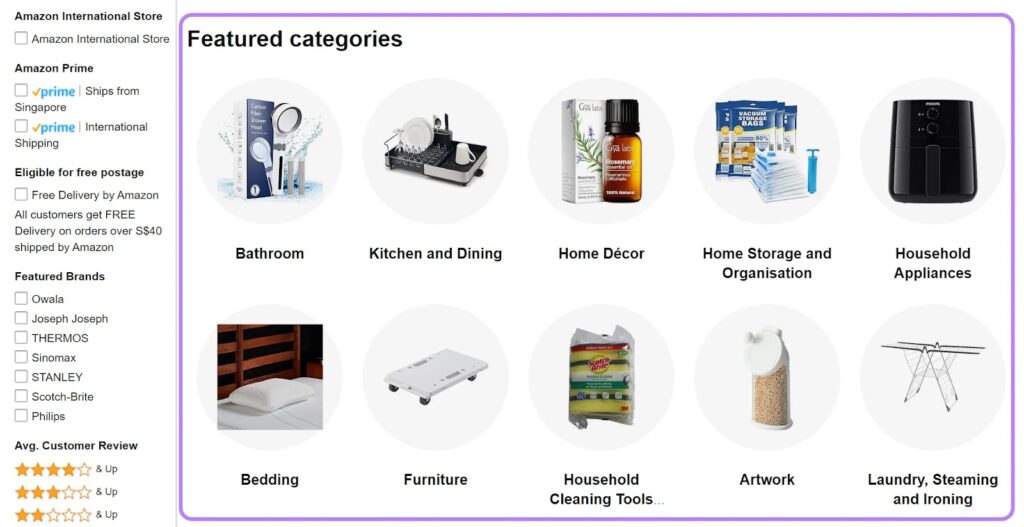
AI SEO ecommerce category pages represent the most significant shift in online retail optimization since the introduction of mobile-first indexing. For years, category pages were treated as afterthoughts—thin content placeholders that simply listed products. Today, artificial intelligence has transformed these pages into dynamic, intent-matching assets that drive substantial organic revenue. This comprehensive guide explores how AI-powered strategies elevate category page performance, from keyword clustering to automated content generation, while maintaining the user experience that Google rewards.
Understanding AI SEO Ecommerce Category Pages
AI SEO ecommerce category pages are product listing pages optimized through machine learning algorithms that analyze search patterns, user behavior, and competitive landscapes. Unlike traditional static category pages, AI-enhanced versions adapt their content, meta data, and internal linking structures based on real-time data signals. The core objective remains unchanged—helping shoppers find relevant products—but the methodology has evolved dramatically.
The fundamental difference lies in data processing capability. Human SEO specialists can analyze hundreds of search queries manually. AI systems process millions of data points simultaneously, identifying patterns invisible to the human eye. This includes semantic relationships between products, seasonal search fluctuations, and emerging customer preferences that influence how category pages should be structured and written.
Why Traditional Category Page Optimization Falls Short
Standard category page optimization typically involves writing a 150-word introduction, adding meta descriptions, and inserting internal links. This approach fails for several reasons. First, it ignores the massive variation in search intent within a single category. Someone searching “running shoes” might want budget options, trail-specific models, or sustainable materials. A static page cannot address all these angles effectively.
Second, traditional methods cannot keep pace with algorithm updates. Google’s ranking factors change constantly, and what worked last quarter may hurt rankings today. AI systems continuously learn from performance data, adjusting on-page elements to align with current best practices without requiring manual intervention.
How AI Transforms Ecommerce Category Page SEO
Artificial intelligence impacts every aspect of category page optimization, from initial keyword research to ongoing performance monitoring. The transformation occurs across several key dimensions that work together to improve visibility and conversion rates.
Intelligent Keyword Clustering and Mapping
AI algorithms analyze thousands of search queries related to a product category, grouping them into clusters based on semantic similarity and user intent. This process reveals opportunities that manual research would miss. For instance, an AI system might identify that “durable hiking boots” and “waterproof trail shoes” belong to the same intent cluster, allowing the category page to target both phrases naturally.
The clustering process also identifies long-tail opportunities. While a category page might target “men’s dress shoes” as its primary keyword, AI analysis might reveal high-intent variations like “men’s leather oxford shoes for weddings” that deserve dedicated sub-sections or featured product placements within the page.
Dynamic Content Generation and Optimization
AI-powered content generation tools create category descriptions that read naturally while incorporating relevant keywords. These systems analyze top-ranking pages, customer reviews, and product specifications to produce unique, informative text that answers common questions shoppers have before making purchase decisions.
The generated content goes beyond simple keyword insertion. AI systems understand context and can create content that addresses specific pain points, compares product features, and guides users toward the right choices. This approach improves dwell time and reduces bounce rates—both critical ranking factors for ecommerce category pages.
Automated Meta Data Optimization
Title tags and meta descriptions for category pages require constant refinement. AI tools test multiple variations automatically, analyzing click-through rates from search results to determine which versions perform best. This continuous optimization cycle ensures category pages maintain high visibility in search results while attracting qualified traffic.
AI systems also generate schema markup automatically, helping search engines understand the structure and content of category pages more effectively. This structured data enhancement can lead to rich snippets, product carousels, and other visual elements that increase organic click-through rates.
Key Benefits of AI-Powered Category Page SEO
Implementing AI SEO strategies for ecommerce category pages delivers measurable improvements across multiple performance metrics. The benefits extend beyond simple ranking improvements to encompass user experience, operational efficiency, and revenue growth.
- Scalability: AI systems optimize hundreds or thousands of category pages simultaneously, something impossible with manual processes
- Real-time adaptation: Pages adjust to changing search trends and consumer behavior without requiring human intervention
- Improved relevance: Content matches user intent more precisely, leading to higher engagement and conversion rates
- Competitive advantage: AI analysis reveals gaps in competitor strategies, allowing for targeted optimization opportunities
- Resource efficiency: SEO teams focus on strategic initiatives while AI handles repetitive optimization tasks
Measurable Performance Improvements
Ecommerce businesses implementing AI-driven category page optimization typically see significant improvements in organic traffic within 60-90 days. Click-through rates often increase by 20-40% due to better meta data and search result appearance. Conversion rates improve as pages become more aligned with shopper intent, and average order values rise when AI recommends complementary products within category pages.
The data-driven nature of AI optimization also provides clearer attribution. Businesses can see exactly which changes drove performance improvements, allowing for more informed strategic decisions about future optimizations.
Challenges and Limitations of AI in Category Page SEO
While AI offers substantial benefits, ecommerce businesses must understand its limitations to implement effective strategies. Recognizing these challenges prevents unrealistic expectations and ensures proper implementation.
Data Quality Requirements
AI systems require clean, comprehensive data to function effectively. Ecommerce sites with poor product data, inconsistent categorization, or limited search history will see diminished results. Businesses must invest in data hygiene before implementing AI solutions, ensuring product names, descriptions, and attributes are consistent and complete.
Brand Voice Consistency
AI-generated content sometimes lacks the unique brand voice that differentiates successful ecommerce sites. While algorithms can mimic tone and style, they may produce generic-sounding text that fails to resonate with loyal customers. Businesses should review AI-generated content regularly and inject brand-specific language where necessary.
Technical Implementation Complexity
Integrating AI tools with existing ecommerce platforms requires technical expertise. API connections, data pipelines, and automated workflows must be configured correctly to deliver value. Smaller businesses without dedicated technical teams may struggle with implementation, though many AI SEO platforms offer user-friendly interfaces that minimize this challenge.
AI vs Traditional Category Page Optimization: A Comparison

| Aspect | Traditional SEO | AI-Powered SEO |
|---|---|---|
| Keyword Research | Manual analysis of limited data sets | Automated processing of millions of queries |
| Content Creation | Handwritten descriptions, often generic | Dynamic content tailored to intent clusters |
| Meta Data | Static titles and descriptions | Continuous A/B testing and optimization |
| Adaptation Speed | Days or weeks for updates | Real-time adjustments based on data |
| Scalability | Limited by team capacity | Unlimited page optimization capability |
| Cost Structure | High labor costs per page | Platform fees with lower per-page costs |
The comparison clearly shows AI’s advantages in scale and speed, though traditional methods retain value for highly specialized or niche categories where human expertise proves essential.
Practical Implementation Guide for AI SEO Ecommerce Category Pages
Implementing AI-powered optimization for category pages requires a systematic approach that combines technology adoption with strategic planning. Following this step-by-step guide ensures successful implementation and measurable results.
Step 1: Audit Current Category Page Performance
Begin by analyzing existing category pages to establish baseline metrics. Track organic traffic, keyword rankings, conversion rates, and engagement signals like time on page and bounce rate. This data provides the foundation for measuring AI implementation success and identifying priority pages for optimization.
Use tools like Google Search Console and analytics platforms to identify category pages with high impressions but low click-through rates—these pages offer immediate opportunities for AI-driven meta data optimization.
Step 2: Select Appropriate AI SEO Tools
Evaluate AI-powered SEO platforms based on your specific needs. Consider factors like integration capabilities with your ecommerce platform, content generation quality, keyword research depth, and pricing structure. Leading options include specialized ecommerce SEO tools that combine AI content generation with technical optimization features.
Request demos and trial periods to test how each tool handles your specific product categories. Pay attention to the quality of generated content and whether it aligns with your brand voice and customer expectations.
Step 3: Structure Category Pages for AI Optimization
Ensure your category page architecture supports AI optimization. This includes proper URL structures, clear hierarchical navigation, and logical product grouping. AI systems work best when they can clearly understand the relationship between categories, subcategories, and individual products.
Implement comprehensive product attributes and filters that give AI systems the data needed to generate relevant content and recommendations. The more structured your product data, the better AI can optimize your category pages.
Step 4: Generate and Refine AI Content
Use AI tools to generate category descriptions, buyer guides, and FAQ sections. Review all generated content for accuracy and brand alignment. Refine the AI prompts to better match your brand voice and incorporate specific value propositions that differentiate your products from competitors.
Create a review workflow that ensures all AI-generated content receives human oversight before publication. This quality control step prevents factual errors and maintains content standards.
Step 5: Implement Continuous Optimization Cycles
Set up automated monitoring that tracks category page performance and identifies optimization opportunities. Configure alerts for ranking drops, traffic changes, or conversion rate fluctuations that signal the need for page adjustments.
Establish a monthly review process where AI recommendations are evaluated and implemented. This ongoing cycle ensures category pages remain optimized as search algorithms and consumer behaviors evolve.
Common Mistakes in AI SEO Category Page Implementation
Many ecommerce businesses make avoidable errors when implementing AI-powered category page optimization. Understanding these mistakes helps ensure successful deployment and maximum return on investment.
Over-Optimizing for Keywords at the Expense of User Experience
AI tools can generate keyword-rich content, but excessive optimization creates poor user experiences. Pages stuffed with repetitive phrases and unnatural language drive shoppers away, increasing bounce rates and harming rankings. Balance keyword targeting with genuinely helpful content that addresses customer needs.
Monitor user engagement metrics closely after implementing AI content. If time on page decreases or bounce rates increase, your content may be too optimized and not enough value-driven.
Ignoring Mobile Performance
AI-generated content and features must perform flawlessly on mobile devices. Overly complex layouts, slow-loading elements, or intrusive pop-ups generated by AI recommendations can devastate mobile user experience. Test all AI-implemented features across various device types and screen sizes.
Google’s mobile-first indexing means your category pages’ mobile version determines rankings. Ensure AI optimization efforts prioritize mobile performance equally with desktop functionality.
Neglecting Internal Linking Opportunities
AI tools can identify internal linking opportunities that improve crawlability and distribute page authority. Failing to implement these recommendations leaves ranking potential untapped. Use AI analysis to add contextual links from category pages to related products, informational content, and other relevant categories.
Proper internal linking also helps search engines understand your site’s structure and the relationships between different product categories, improving overall site authority.
Failing to Update AI Systems with New Product Data
AI optimization relies on current product information. When new products are added or existing products change, AI systems must receive updated data to maintain relevance. Establish automated data synchronization between your product database and AI tools to ensure continuous optimization accuracy.
Stale product data leads to irrelevant content recommendations and missed optimization opportunities, undermining the value of your AI investment.
Important Considerations for Long-Term Success
Sustainable success with AI SEO ecommerce category pages requires attention to several factors that extend beyond initial implementation. These considerations ensure your optimization efforts continue delivering results over time.
Maintaining Human Oversight
AI systems require human supervision to ensure brand consistency, factual accuracy, and strategic alignment. Assign team members to review AI recommendations, approve content changes, and adjust optimization parameters based on business objectives. This human-in-the-loop approach prevents errors while maximizing AI capabilities.
Monitoring Algorithm Updates
Search engine algorithms evolve constantly, and AI optimization strategies must adapt accordingly. Stay informed about major algorithm updates and adjust your AI tool configurations to align with new ranking factors. Many AI SEO platforms update their algorithms automatically, but understanding these changes helps you interpret performance fluctuations accurately.
Integrating AI Insights with Broader Marketing Strategy
Category page optimization data provides valuable insights for other marketing channels. Share AI-generated keyword insights with paid search teams, use content recommendations in email campaigns, and apply customer behavior analysis to product development decisions. This cross-functional integration maximizes the value of your AI investment.
Frequently Asked Questions About AI SEO Ecommerce Category Pages
How long does it take to see results from AI-powered category page optimization?
Most ecommerce businesses see initial improvements in click-through rates and engagement metrics within 2-4 weeks of implementation. Significant organic traffic gains typically appear within 60-90 days as search engines crawl and index the optimized pages. Full results depend on factors like site authority, competition level, and the quality of underlying product data.
Can AI SEO work for small ecommerce businesses with limited budgets?
Yes, AI SEO tools have become increasingly accessible for smaller businesses. Many platforms offer tiered pricing based on catalog size, and the efficiency gains from AI optimization often justify the investment. Small businesses can start with AI-powered keyword research and meta data optimization before expanding to full content generation capabilities.
Will AI-generated content hurt my search rankings due to duplicate content concerns?
Modern AI content generation tools create unique content for each category page, avoiding duplicate content issues. The key is using tools that generate original text rather than template-based content. Review AI-generated content to ensure it provides genuine value and differs from competitor pages targeting the same keywords.
How does AI handle seasonal changes in search behavior for category pages?
AI systems analyze historical search data to identify seasonal patterns and automatically adjust category page content, meta data, and product recommendations accordingly. This includes updating content to reflect seasonal keywords, highlighting relevant products, and adjusting internal linking to promote seasonal items.
What metrics should I track to measure AI SEO success?
Track organic traffic to category pages, keyword rankings for target terms, click-through rates from search results, conversion rates, average order value, and engagement metrics like time on page and bounce rate. Compare these metrics against baseline data collected before AI implementation to quantify improvements.
Conclusion
AI SEO ecommerce category pages represent the new standard for online retail optimization. The ability to process vast amounts of data, generate relevant content, and continuously adapt to changing conditions gives businesses implementing AI strategies a significant competitive advantage. While challenges exist around data quality and brand consistency, the benefits of scalability, speed, and precision far outweigh these concerns.
Successful implementation requires a balanced approach that combines AI capabilities with human oversight and strategic direction. By following the practical steps outlined in this guide, ecommerce businesses can transform their category pages from static product listings into dynamic, high-converting assets that drive sustainable organic growth. The future of ecommerce SEO belongs to those who embrace AI’s potential while maintaining the customer focus that ultimately determines online success.
Xem thêm:
- AI SEO Mobile First Indexing: The Complete Guide to Future-Proofing Your Rankings
- AI SEO Internal Link Optimization: The Complete Guide to Smarter Site Architecture
- AI SEO SEO Automation System: The Complete Guide to Scaling Organic Growth in 2025
- AI SEO Frase: The Complete Guide to AI-Powered Content Optimization in 2025
- AI SEO Monitoring: The Ultimate Guide to Smarter Search Performance Tracking
Bài viết cùng chủ đề:

AI SEO SEO Automation with Make: The Complete Workflow Guide

AI SEO SEO Automation with Zapier: The Complete Workflow Guide

AI SEO SEO Automation with n8n: The Complete Workflow Guide
AI SEO SEO Automation with Gemini: The Complete Guide to Scaling Organic Growth

AI SEO SEO Automation with Claude: The Complete Guide to Scaling Content in 2025

AI SEO SEO Automation with ChatGPT: The Complete Playbook for 2025

AI SEO & SEO Automation for Affiliate Sites: The 2025 Playbook for Passive Income Growth
AI SEO & SEO Automation for Bloggers: The Complete Guide to Scaling Your Content

AI SEO & SEO Automation for Agencies: The Complete 2025 Playbook

AI SEO and SEO Automation for Ecommerce: The Complete Playbook for 2025

AI SEO & SEO Automation for WordPress: The Complete Playbook for 2025
AI SEO SEO Automation Strategy: The Complete Playbook for 2025

Mastering the AI SEO SEO Automation Process: A Complete Guide to Scaling Organic Growth
AI SEO SEO Automation System: The Complete Guide to Scaling Organic Growth in 2025
AI SEO SEO Automation Platform: The Complete Guide to Scaling Organic Growth in 2025
AI SEO SEO Automation Software: The Complete Guide to Scaling Organic Growth in 2025















