
No products in the cart.
AI SEO Ecommerce Internal Linking: The Complete Strategy Guide for 2025
10
Aug
Aug
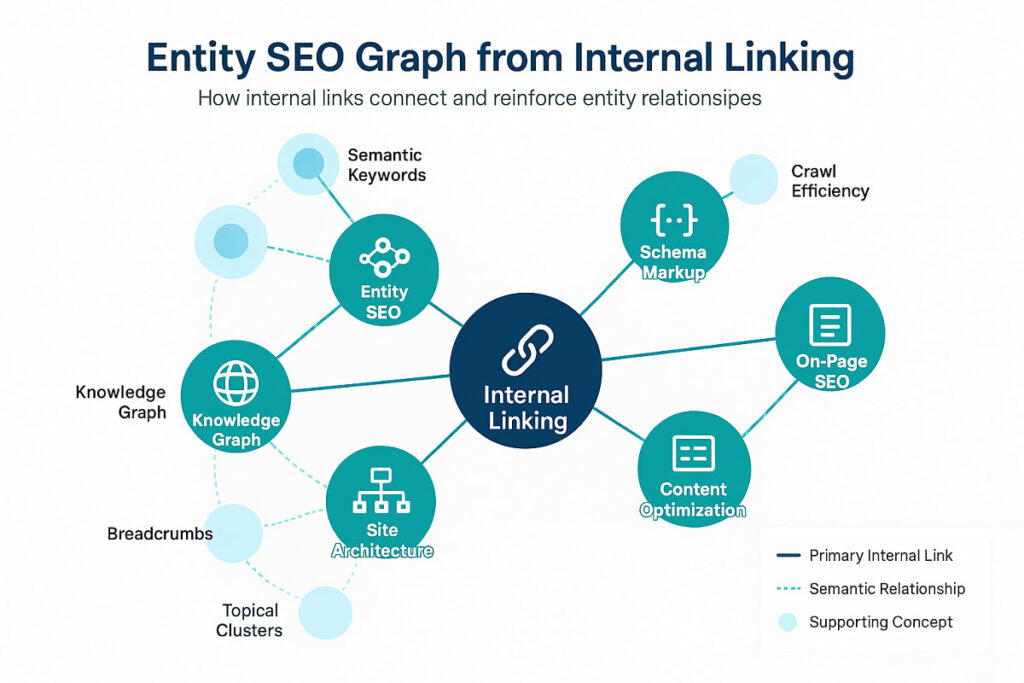
AI SEO Ecommerce Internal Linking has become the most critical factor separating high-revenue online stores from those struggling to gain organic traction. As search engines evolve their algorithms to prioritize semantic relevance and user experience, the days of manually placing a few links in product descriptions are long gone. Modern ecommerce platforms generate thousands of URLs, making it impossible for human teams to manage internal link architecture effectively. This comprehensive guide explores how artificial intelligence transforms internal linking from a tedious chore into a powerful growth engine, covering everything from foundational concepts to advanced implementation strategies that drive measurable results.
Understanding AI SEO Ecommerce Internal Linking
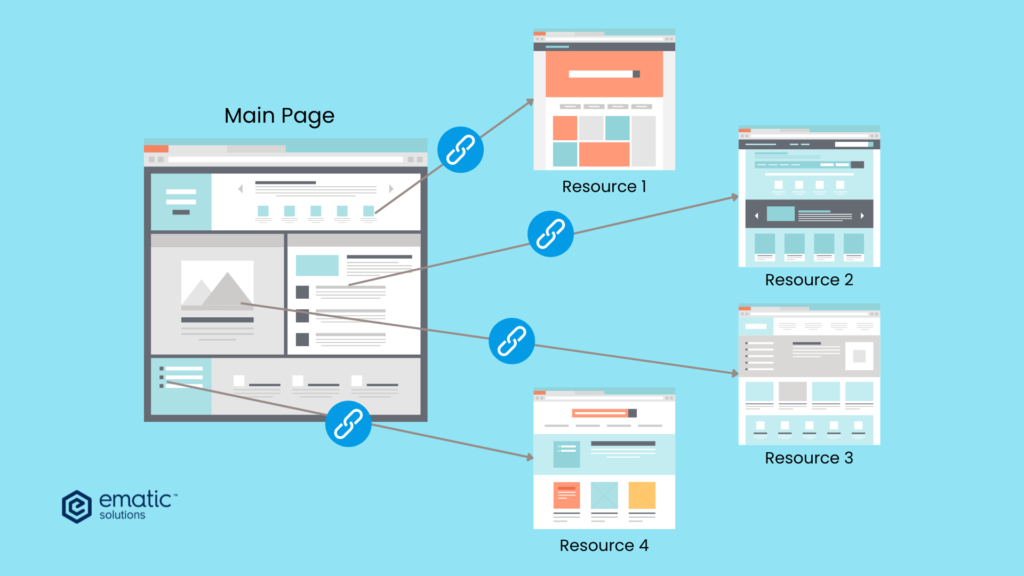
AI SEO Ecommerce Internal Linking refers to the application of machine learning algorithms and natural language processing to automate, optimize, and scale the internal link structure of online retail websites. Unlike traditional manual linking, AI systems analyze vast datasets including user behavior, search intent, product relationships, and content relevance to determine the most valuable link placements across thousands of pages.
The core principle revolves around distributing link equity strategically while enhancing crawlability and user navigation. AI systems continuously learn from performance data, adjusting link patterns in real-time to maximize search visibility and conversion rates. This approach addresses the unique challenges of ecommerce sites, including faceted navigation, product variations, and dynamic category structures that often confuse search engine crawlers.
Why Traditional Internal Linking Fails in Ecommerce
Manual internal linking breaks down when a store exceeds a few hundred products. Consider a typical fashion retailer with 5,000 products, 200 categories, and 50 blog posts. Creating meaningful, contextually relevant links between all these pages would require thousands of hours of human effort. The result is often orphaned pages, shallow link distribution, and missed opportunities for ranking high-value product pages.
Traditional approaches also suffer from bias and inconsistency. Human linkers tend to favor pages they know well, ignoring long-tail products that might have high purchase intent. AI eliminates this bias by analyzing objective data signals, ensuring every page receives appropriate link equity based on its commercial value and search potential.
How AI Algorithms Analyze Ecommerce Link Opportunities
AI systems employ sophisticated techniques to identify optimal internal linking opportunities that humans would likely miss. These algorithms process multiple data layers simultaneously, creating a comprehensive understanding of your site’s structure and potential.
Semantic Relevance Analysis
Natural language processing models examine the semantic relationship between pages, going beyond simple keyword matching. The AI understands that a product page for “waterproof hiking boots” should link to “trail maintenance guides” and “sock recommendations” because they share contextual relevance, even if they don’t contain identical keywords. This semantic understanding mirrors how Google’s RankBrain interprets user queries, creating a more natural and useful link graph.
User Behavior Pattern Recognition
Machine learning models analyze clickstream data to understand how users navigate your store. If visitors frequently view “wireless headphones” after browsing “smartphone cases,” the AI recognizes this behavioral pattern and creates internal links between these product categories. This approach mirrors natural user journeys, improving both user experience and search engine understanding of product relationships.
Link Equity Distribution Optimization
AI algorithms calculate the optimal flow of PageRank and link equity throughout your site. They identify high-authority pages that can pass value to struggling product pages, determining the ideal number of links per page to maximize ranking potential without diluting authority. The system continuously adjusts this distribution based on ranking fluctuations and algorithm updates.
Key Components of an AI-Powered Internal Linking System
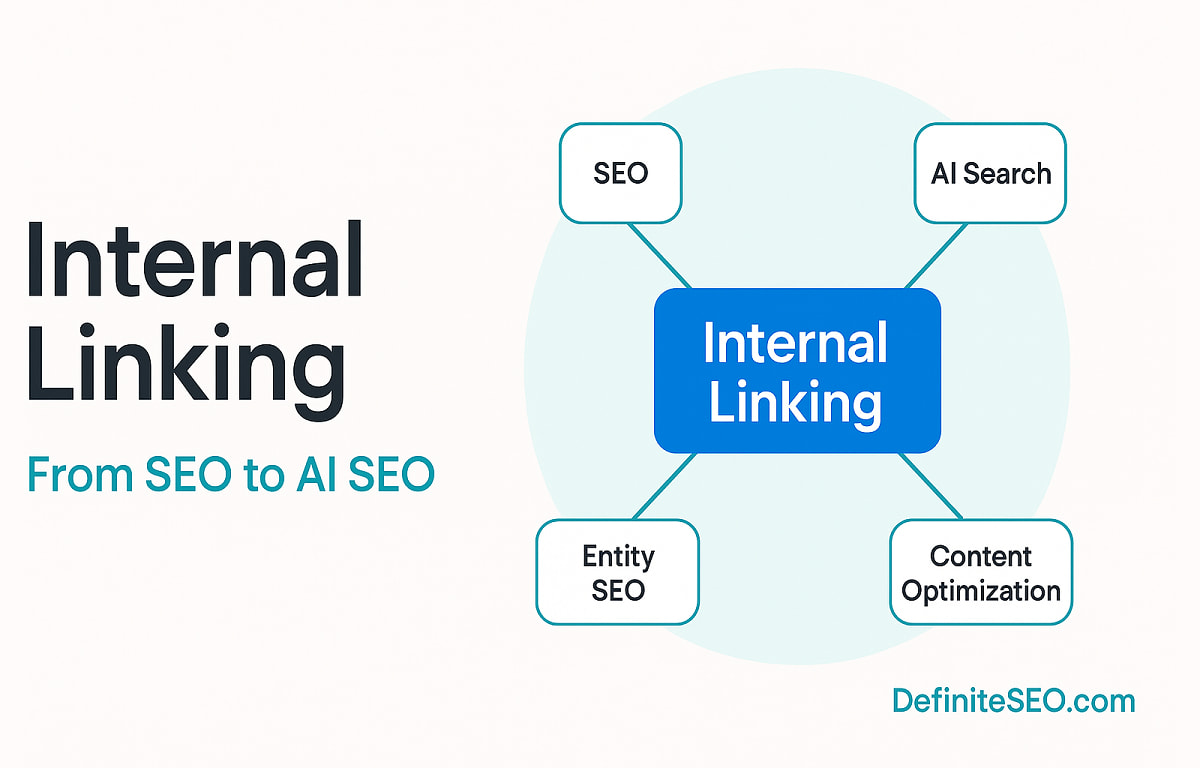
Implementing AI SEO Ecommerce Internal Linking requires understanding the core components that work together to create a self-optimizing link architecture. Each element plays a crucial role in the system’s overall effectiveness.
Data Collection and Integration Layer
The foundation of any AI linking system is comprehensive data collection. This includes crawling your entire site structure, importing product catalog data, gathering analytics information, and integrating with search console data. The system must understand every URL, its content, its performance metrics, and its relationship to other pages.
Machine Learning Model Training
AI systems require training on historical data to understand what constitutes a good internal link. This training includes analyzing past successful links, user engagement metrics, and search performance data. The model learns to predict which link placements will generate the most significant improvements in rankings and conversions.
Automated Link Generation Engine
Once trained, the AI engine generates link recommendations or directly implements changes. Modern systems can automatically insert contextual links within product descriptions, add related product modules, and optimize navigation menus. The engine prioritizes links based on predicted impact, ensuring the most valuable changes happen first.
Continuous Learning and Optimization Loop
AI internal linking is not a set-and-forget solution. The system continuously monitors the performance of implemented links, tracking metrics like click-through rates, time on page, and conversion impact. This feedback loop allows the AI to refine its linking strategy, doubling down on what works and removing ineffective links.
Benefits of AI SEO Ecommerce Internal Linking
The advantages of implementing AI-driven internal linking extend far beyond simple time savings. Ecommerce businesses that embrace this technology see improvements across multiple performance indicators.
| Benefit | Impact on Ecommerce Performance | Implementation Difficulty |
|---|---|---|
| Improved Crawl Efficiency | Search engines discover and index more product pages, increasing organic visibility | Low – requires proper site architecture |
| Enhanced Keyword Relevance | Product pages rank for more long-tail keywords through contextual linking | Medium – requires quality content |
| Increased Page Authority | High-value pages pass link equity to commercial pages, boosting rankings | Medium – requires authority analysis |
| Better User Engagement | Users discover more products, increasing time on site and pages per session | Low – automatic with AI |
| Scalable Link Management | Handle thousands of pages without proportional increase in manual effort | High – requires technical setup |
| Reduced Orphan Pages | Every product becomes reachable through multiple pathways | Low – automatic with AI |
Measurable ROI from AI Internal Linking
Case studies from major ecommerce platforms show significant improvements after implementing AI internal linking. One fashion retailer reported a 34% increase in organic traffic to product pages within three months. A consumer electronics store saw a 28% boost in rankings for non-branded keywords. These improvements directly translate to revenue, as organic traffic typically converts at higher rates than other channels.
The efficiency gains are equally impressive. Businesses report reducing internal linking management time from 20 hours per week to under two hours, allowing SEO teams to focus on higher-value activities like content creation and technical optimization.
Common Mistakes in AI SEO Ecommerce Internal Linking
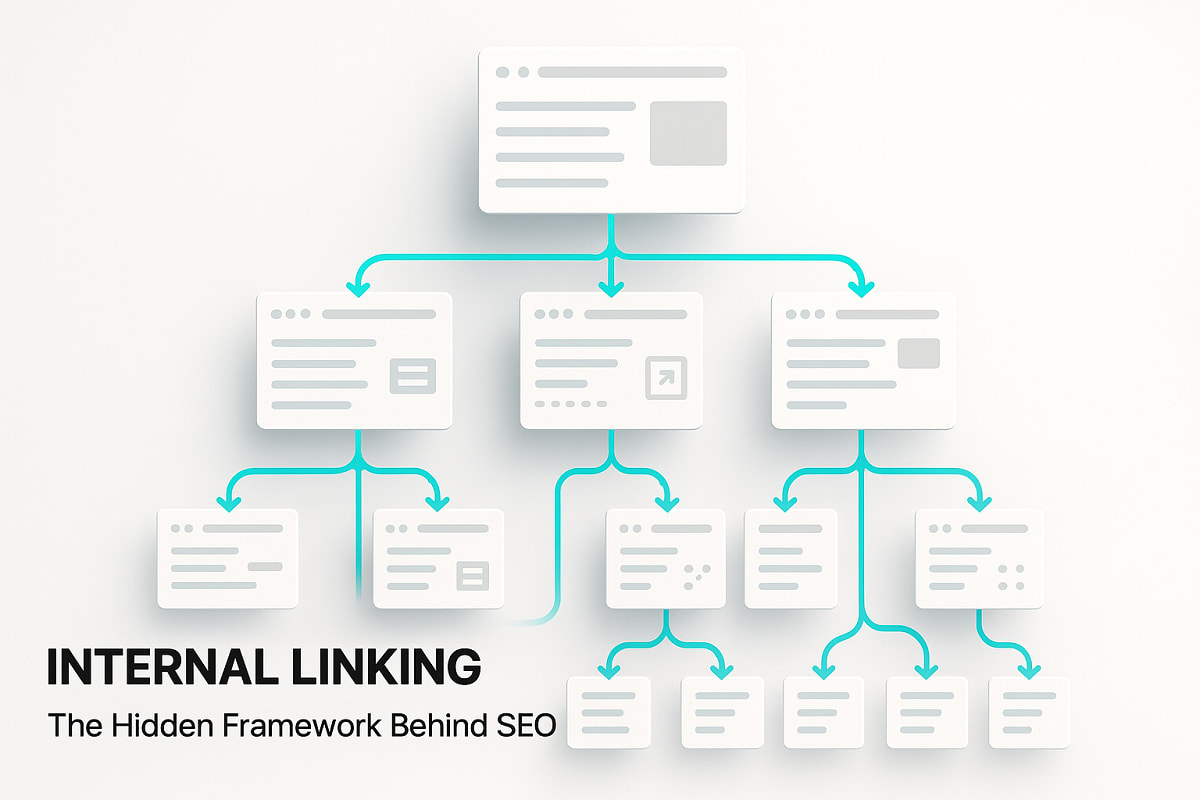
Even with advanced AI tools, ecommerce sites often make critical errors that undermine their internal linking strategy. Understanding these pitfalls helps you avoid them and maximize the value of your AI implementation.
Over-Optimizing Anchor Text
Using the exact match anchor text for every internal link triggers search engine spam filters. AI systems must vary anchor text naturally, using branded terms, partial matches, and generic phrases like “click here” or “learn more.” The key is creating a natural link profile that appears organic to search engines.
Ignoring User Intent Signals
Some AI systems focus purely on keyword matching, ignoring the user’s position in the buying journey. A user reading a product comparison guide has different needs than someone ready to purchase. Effective AI linking accounts for these intent differences, linking informational content to educational resources and commercial pages to product pages.
Neglecting Mobile Navigation
Mobile users interact with internal links differently than desktop users. AI systems must account for mobile-specific navigation patterns, ensuring links are accessible and relevant on smaller screens. This includes optimizing link placement within mobile menus and ensuring related product modules load quickly on mobile connections.
Creating Link Silos That Are Too Strict
While organizing links into thematic silos helps search engines understand site structure, overly rigid silos prevent valuable cross-linking opportunities. AI systems should identify relevant links across different categories, creating a web of connections that reflects natural user behavior rather than artificial organizational boundaries.
Practical Implementation Guide for AI Internal Linking
Implementing AI SEO Ecommerce Internal Linking requires a systematic approach that combines technology selection, data integration, and ongoing optimization. Follow these steps to build a robust AI-powered linking system for your ecommerce store.
Step 1: Audit Your Current Link Architecture
Before implementing AI, understand your current internal linking landscape. Use crawling tools to map your site structure, identify orphan pages, and analyze existing link distribution. This baseline data helps you measure the impact of AI implementation and identify priority areas for improvement.
Step 2: Choose the Right AI Internal Linking Tool
Several platforms offer AI-powered internal linking capabilities. Evaluate options based on your specific needs, including integration with your ecommerce platform, scalability for your catalog size, and the sophistication of the AI algorithms. Popular options include specialized SEO platforms with AI features and dedicated internal linking tools.
Step 3: Integrate Data Sources
Connect your AI tool to all relevant data sources, including your CMS, analytics platform, search console, and product database. The more comprehensive your data, the better your AI system can understand your site and make intelligent linking decisions. Ensure data flows are automated and real-time where possible.
Step 4: Configure AI Parameters and Rules
Set guidelines for your AI system, including maximum links per page, preferred link placement, and pages that should receive priority link equity. Define exclusions for pages you don’t want linked, such as checkout pages or customer service portals. These parameters ensure AI recommendations align with your business goals.
Step 5: Run Pilot Tests and Validate
Before rolling out AI linking across your entire site, run controlled tests on a subset of pages. Monitor rankings, traffic, and user engagement metrics to validate the AI’s effectiveness. Compare performance against control pages without AI links to quantify the impact.
Step 6: Monitor and Refine Continuously
AI internal linking requires ongoing monitoring and refinement. Review monthly reports on link performance, adjust AI parameters based on results, and stay updated on algorithm changes that might affect your linking strategy. The most successful implementations treat AI linking as a continuous optimization process.
Advanced AI Internal Linking Strategies for Ecommerce
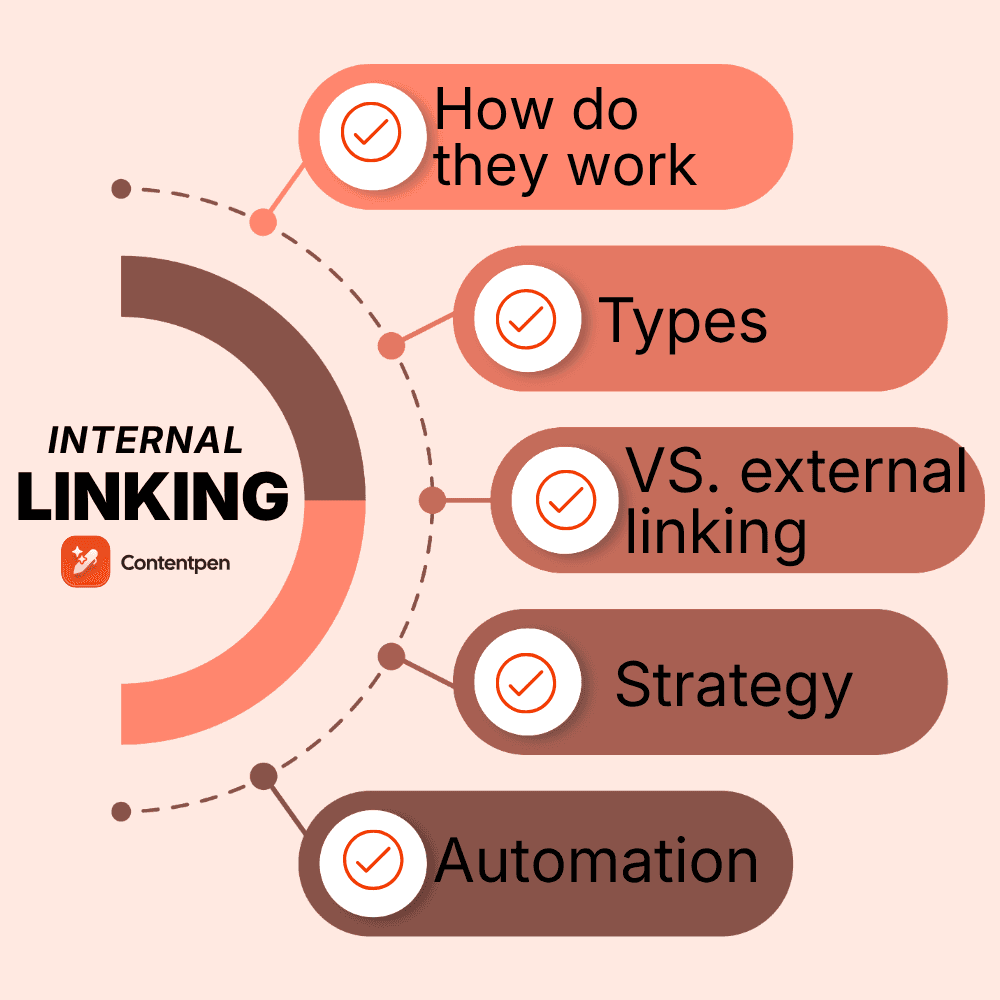
Beyond basic implementation, leading ecommerce sites use advanced AI strategies to gain competitive advantages in search rankings.
Dynamic Link Insertion Based on Inventory
AI systems can automatically adjust internal links based on inventory levels. When a product goes out of stock, the AI replaces links to that product with alternatives, preventing users from hitting dead ends. This dynamic approach maintains a positive user experience and preserves link equity for available products.
Personalized Internal Linking
Advanced AI systems create personalized link experiences based on user behavior and preferences. Returning users see links to products related to their browsing history, while new visitors see popular and trending items. This personalization increases conversion rates while maintaining a logical site structure for search engines.
Predictive Link Placement for New Products
When launching new products, AI systems predict which existing pages will provide the most valuable links based on historical patterns. This predictive capability ensures new products gain visibility quickly, shortening the time to first rankings and sales.
Measuring the Success of AI Internal Linking
Tracking the right metrics is essential for understanding whether your AI internal linking strategy delivers results. Focus on both SEO and business metrics to get a complete picture of performance.
Key SEO Metrics to Monitor
- Indexed pages count and crawl frequency
- Organic traffic to product and category pages
- Keyword rankings for commercial and transactional terms
- Page authority distribution across your site
- Click depth from homepage to key product pages
- Internal link click-through rates
- Conversion rate from organic traffic
- Average order value for users arriving via internal links
- Pages per session and time on site
- Bounce rate on key landing pages
- Revenue attributed to organic search
Business Metrics That Reflect Linking Success
Set up automated reporting to track these metrics over time. Compare performance before and after AI implementation, and continuously benchmark against industry standards to ensure your internal linking strategy remains competitive.
Important Notes for AI SEO Ecommerce Internal Linking
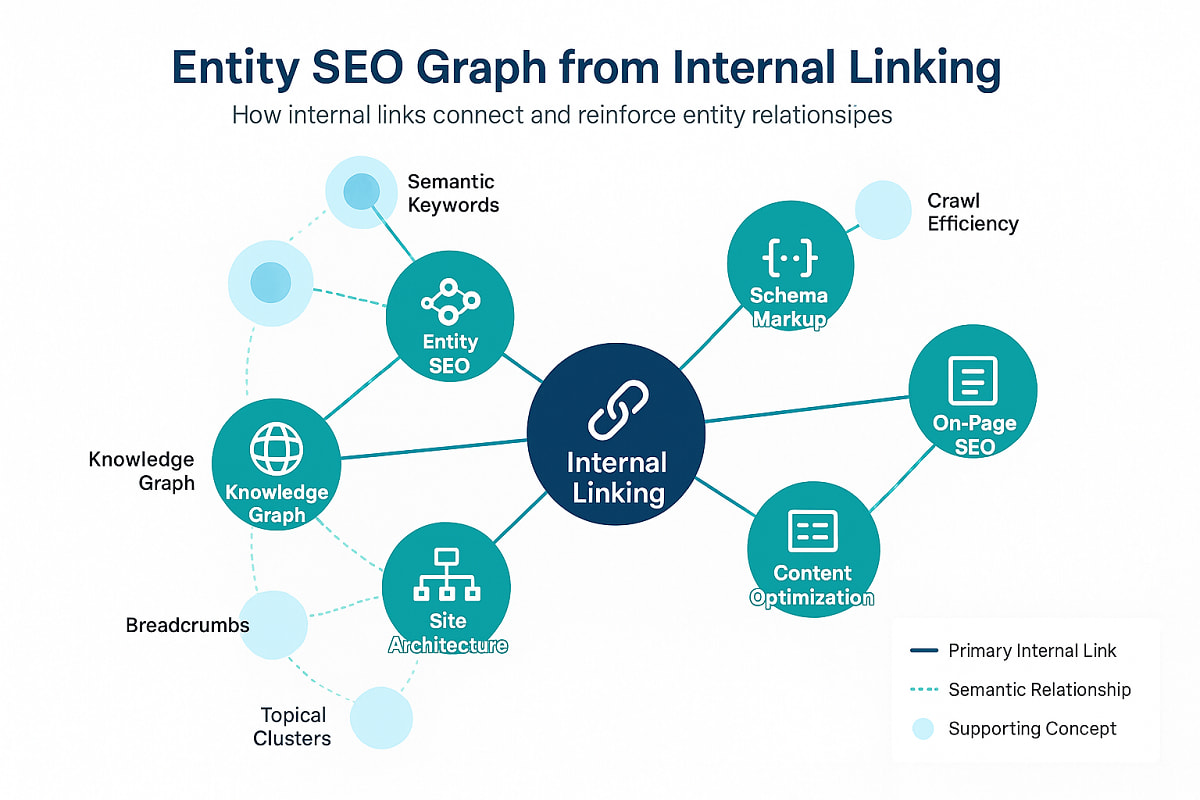
Several critical considerations shape the success of AI internal linking initiatives. Understanding these nuances prevents costly mistakes and ensures sustainable results.
Search engine guidelines continue to evolve regarding automated linking. While Google accepts AI-generated internal links, it penalizes manipulative link schemes. Ensure your AI system creates genuinely useful links that enhance user experience rather than purely gaming rankings. The distinction lies in whether links serve user needs or solely attempt to manipulate search results.
Data privacy regulations affect how AI systems can use user behavior data for personalization. Ensure your internal linking practices comply with GDPR, CCPA, and other applicable regulations. Anonymize data where possible and provide clear privacy policies regarding data usage.
AI internal linking complements but does not replace other SEO efforts. High-quality content, technical optimization, and authoritative backlinks remain essential components of a comprehensive SEO strategy. Use AI linking to amplify these efforts rather than as a standalone solution.
Frequently Asked Questions
What is the difference between AI internal linking and traditional internal linking?
AI internal linking uses machine learning algorithms to automatically analyze site structure, user behavior, and content relevance to create and optimize internal links. Traditional internal linking relies on manual human decisions, which become impractical for large ecommerce sites. AI systems process thousands of data points simultaneously, identify patterns humans miss, and continuously adapt linking strategies based on performance data.
How much does AI internal linking software cost?
Pricing varies widely depending on features and site size. Basic AI linking tools start around $100 per month for small stores, while enterprise solutions can cost $1,000 or more monthly. Many SEO platforms include AI internal linking features in their higher-tier plans. Consider the potential ROI from improved rankings and traffic when evaluating costs.
Can AI internal linking work for small ecommerce stores?
Yes, AI internal linking benefits stores of all sizes. Small stores with fewer than 500 products can use AI to identify linking opportunities they might miss manually. The automation saves time and ensures consistent link optimization. Many tools offer scaled pricing for smaller catalogs, making AI linking accessible to growing businesses.
How quickly will I see results from AI internal linking?
Most ecommerce sites see initial improvements within 4-6 weeks of implementation. Crawl efficiency improvements appear quickly, while ranking changes typically take 2-3 months as search engines recrawl and re-evaluate your site structure. Significant traffic and revenue gains usually materialize within 3-6 months as the AI system learns and optimizes.
Does AI internal linking affect site speed?
Properly implemented AI internal linking has minimal impact on site speed. The AI processes data and generates links in the background, with no additional JavaScript or server requests on the front end. However, poorly coded AI tools can add overhead. Choose reputable tools and monitor site performance after implementation.
Conclusion
AI SEO Ecommerce Internal Linking represents a fundamental shift in how online retailers approach site architecture and search visibility. The ability to automatically analyze thousands of pages, understand semantic relationships, and optimize link distribution in real-time gives businesses a significant competitive advantage. As search engines continue to prioritize user experience and semantic relevance, AI-powered internal linking becomes not just beneficial but essential for ecommerce success.
The implementation journey requires careful planning, the right technology, and ongoing optimization. Start by auditing your current link structure, selecting appropriate AI tools, and integrating comprehensive data sources. Monitor performance metrics diligently and refine your approach based on results. The businesses that embrace AI internal linking today will be the ones dominating search results tomorrow.
Remember that AI internal linking works best as part of a holistic SEO strategy. Combine it with high-quality content creation, technical optimization, and authoritative link building for maximum impact. The future of ecommerce SEO belongs to those who leverage artificial intelligence to create intelligent, user-focused site architectures that satisfy both search engines and customers.
Xem thêm:
- AI SEO AI Visibility Audit: The Complete Guide to Dominating Search in 2025
- AI SEO Natural Language SEO: The Complete Guide to Search in 2025
- AI SEO Alt Text Generator: The Complete Guide to Automated Image Optimization
- WP Trove AI SEO: The Complete Guide to Automating WordPress Search Rankings
- AI SEO Machine Learning: The Complete Guide to Smarter Search Rankings
Bài viết cùng chủ đề:

AI SEO SEO Automation with Make: The Complete Workflow Guide

AI SEO SEO Automation with Zapier: The Complete Workflow Guide

AI SEO SEO Automation with n8n: The Complete Workflow Guide
AI SEO SEO Automation with Gemini: The Complete Guide to Scaling Organic Growth

AI SEO SEO Automation with Claude: The Complete Guide to Scaling Content in 2025

AI SEO SEO Automation with ChatGPT: The Complete Playbook for 2025

AI SEO & SEO Automation for Affiliate Sites: The 2025 Playbook for Passive Income Growth
AI SEO & SEO Automation for Bloggers: The Complete Guide to Scaling Your Content

AI SEO & SEO Automation for Agencies: The Complete 2025 Playbook

AI SEO and SEO Automation for Ecommerce: The Complete Playbook for 2025

AI SEO & SEO Automation for WordPress: The Complete Playbook for 2025
AI SEO SEO Automation Strategy: The Complete Playbook for 2025

Mastering the AI SEO SEO Automation Process: A Complete Guide to Scaling Organic Growth
AI SEO SEO Automation System: The Complete Guide to Scaling Organic Growth in 2025
AI SEO SEO Automation Platform: The Complete Guide to Scaling Organic Growth in 2025
AI SEO SEO Automation Software: The Complete Guide to Scaling Organic Growth in 2025















