
No products in the cart.
AI SEO Natural Language SEO: The Complete Guide to Search in 2025
10
Aug
Aug
The digital marketing landscape has shifted dramatically with the rise of generative AI. Traditional keyword-stuffing tactics no longer work. Instead, the focus has moved to AI SEO Natural Language SEO, a strategy that aligns content with how people actually speak and how AI engines interpret context. This approach is not just about ranking on Google anymore; it is about being visible across AI-powered search experiences, from ChatGPT to Google’s AI Overviews. This guide breaks down everything you need to know to build a future-proof search strategy.
What is AI SEO Natural Language SEO?
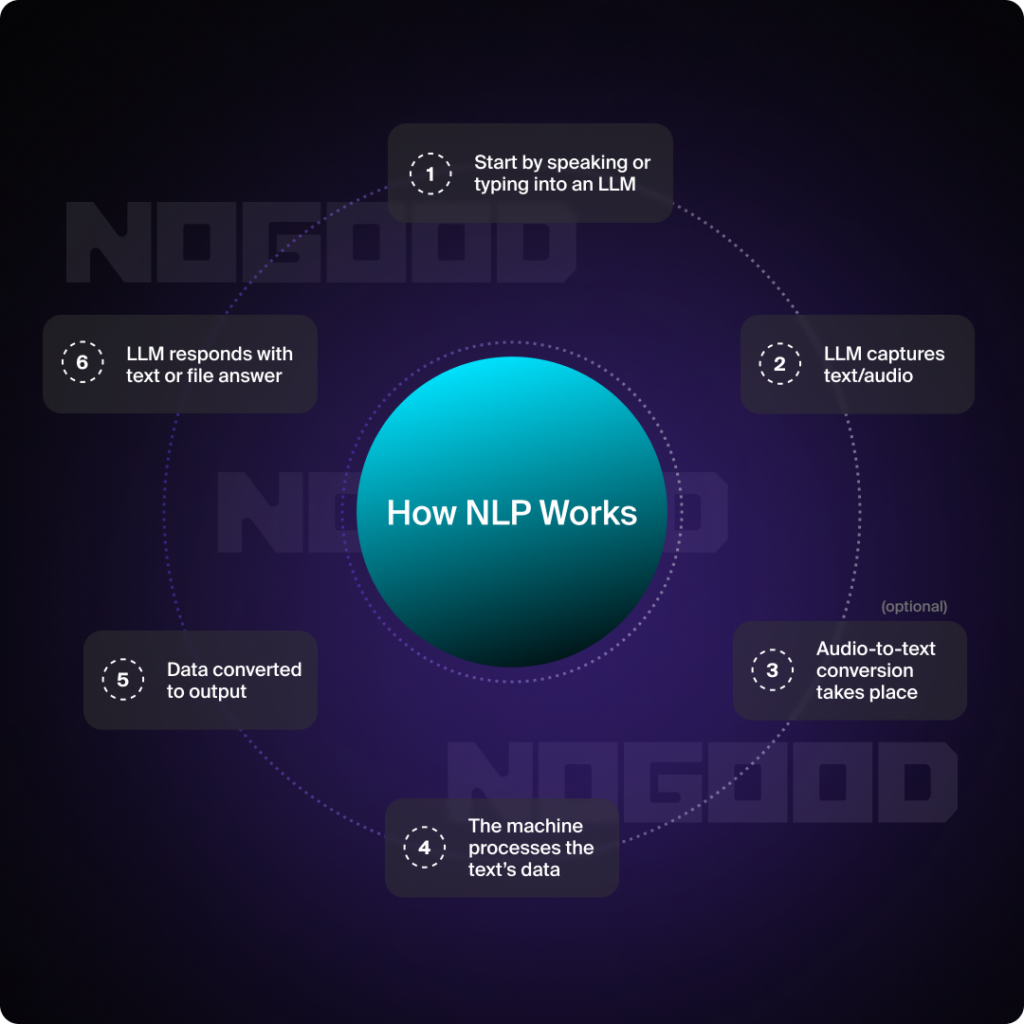
AI SEO Natural Language SEO refers to the practice of optimizing digital content for both traditional search engines and AI-driven discovery tools by prioritizing semantic relevance, conversational phrasing, and user intent over exact-match keywords. It combines the technical aspects of search engine optimization with natural language processing (NLP) and large language models (LLMs).
In practical terms, this means creating content that answers questions thoroughly, uses synonyms and related concepts, and mimics the natural flow of human conversation. Search engines like Google use NLP to understand the meaning behind queries, not just the literal words. AI tools like Perplexity or Bing Chat use retrieval augmented generation to pull facts from indexed pages. Your content must be structured so that both systems can easily extract and cite it.
The Shift from Keywords to Entities
For years, SEO relied on matching exact phrases. The industry focused on keyword density and backlink anchors. Today, search algorithms use entity-based indexing. An entity is a specific person, place, thing, or concept. For example, the query “best running shoes for flat feet” is understood as a combination of entities: “running shoes,” “flat feet,” and “best.”
Natural Language SEO requires you to map out these entities and cover them comprehensively. You need to discuss the relationship between them. If you write about flat feet, you should also mention pronation, arch support, and cushioning. This creates a semantic web of information that AI systems recognize as authoritative.
Why Natural Language Processing Matters for SEO
Google’s BERT and MUM algorithms were the first major steps toward understanding context. The introduction of AI Overviews (formerly Search Generative Experience) has accelerated this trend. These systems do not just match words; they read entire documents to generate summaries. If your content is poorly structured or lacks clear answers, the A
Natural language processing also impacts voice search. With the proliferation of smart speakers and mobile voice assistants, queries have become longer and more conversational. People ask, “What is the best way to remove red wine stains?” instead of typing “red wine stain remover.” Your content must address these long-tail, question-based queries to capture this traffic.
How AI Search Engines Read Your Content
AI models break down text into tokens and analyze the relationships between them. They look for coherence, factual accuracy, and completeness. A page that is 500 words long with a single keyword repeated ten times will be ignored. A page that is 2,000 words long, covering subtopics, definitions, examples, and FAQs, will be considered a high-quality source.
To optimize for AI reading, you must use clear headings, short paragraphs, and bullet points. This makes it easier for the AI to parse the information and for the user to scan it. Structured data, such as FAQ schema or HowTo schema, also helps the AI understand the context of your content.
Core Components of an AI SEO Natural Language Strategy
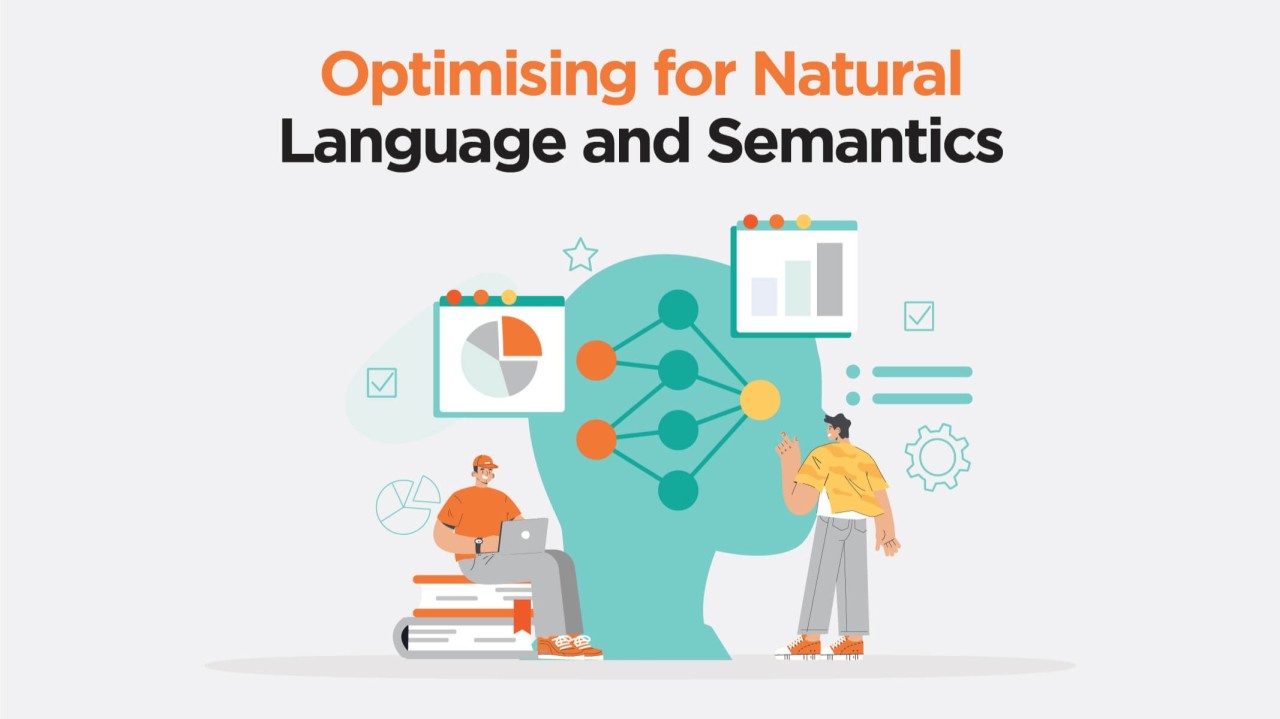
Implementing this strategy requires a holistic approach. It is not just about writing style; it involves technical setup, content architecture, and continuous analysis. Below are the critical components you need to master.
1. Intent Mapping and Topic Clusters
Instead of targeting individual keywords, you must build topic clusters. A pillar page covers a broad topic, and cluster pages cover specific subtopics in detail. All pages link to each other. This structure signals to AI that you have comprehensive knowledge of the subject.
For example, if your pillar page is “Natural Language SEO,” your cluster pages could be “What is NLP in Marketing,” “How to Optimize for Voice Search,” and “AI Content Detection Tools.” Each cluster page should answer a specific user intent, whether informational, navigational, or transactional.
2. Semantic Keyword Research
Traditional keyword tools show volume and difficulty. For Natural Language SEO, you need to find related terms, synonyms, and co-occurring words. Use tools like Google’s “People Also Ask,” Reddit forums, and Quora to find the actual language your audience uses.
Look for latent semantic indexing (LSI) keywords. These are terms that are conceptually related to your main topic. If you are writing about “AI SEO,” LSI keywords might include “machine learning,” “search ranking factors,” “content optimization,” and “user experience.” Including these naturally in your text helps the AI understand the depth of your coverage.
3. Structured Data and Schema Markup
Schema markup is a code that you add to your website to help search engines understand your content better. For Natural Language SEO, the most valuable schemas are:
- Article: Defines the article type and author.
- FAQ: Allows your questions and answers to appear in rich results.
- HowTo: Helps with step-by-step instructions.
- Breadcrumb: Shows the path of the page within the site hierarchy.
- What is the definition of Natural Language SEO?
- Why is NLP important for search rankings?
- What are the best tools for semantic analysis?
- How do I measure the success of this strategy?
- Start with your highest-value pages: Do not try to optimize everything at once. Focus on the pages that generate the most revenue or traffic.
- Use AI tools for analysis, not just writing: Tools like Surfer SEO or Clearscope can analyze top-ranking pages and suggest semantic terms to include. Use these insights to guide your writing.
- Monitor your brand mentions: Set up alerts for your brand name in AI tools like ChatGPT or Perplexity. This helps you see if you are being cited.
- Focus on E-E-A-T: Experience, Expertise, Authoritativeness, and Trustworthiness are critical. Include author bios, cite credible sources, and provide original research.
While schema does not guarantee a ranking boost, it improves the chances of your content being used in AI-generated answers. It provides explicit signals about the meaning of your content.
Practical Guide: How to Write for AI and Humans
Writing for AI does not mean writing robotic text. It means writing clearly and logically. The following steps outline a practical workflow for creating content that ranks in both traditional and AI search.
Step 1: Define the Core Question
Start with a single, specific question that your content will answer. Write it down. This is your primary thesis. For this article, the core question is: “How does AI SEO Natural Language SEO work?” Every section you write must relate back to this question.
Step 2: Create an Outline with Sub-Questions
Break the core question into 5-7 sub-questions. These will become your H2 headings. For example:
This structure ensures you cover the topic exhaustively. It also creates natural anchor points for AI systems to extract specific answers.
Step 3: Write Conversational but Professional Copy
Avoid jargon unless you explain it. Use “you” and “we” to create a connection. Keep sentences short. Use active voice. For example, instead of writing “The content was optimized by the team,” write “The team optimized the content.” This is easier for NLP algorithms to parse.
Step 4: Include Data and Examples
AI models are trained on factual data. Including specific statistics, case studies, and real-world examples increases your credibility. For instance, mention that pages with a clear answer in the first 100 words have a higher chance of being featured in AI overviews. Use tables to compare data points, as this is easy for both users and AI to read.
Benefits of Adopting Natural Language SEO
The advantages of this approach extend beyond rankings. It improves the overall quality of your digital presence and aligns with the future of search technology.
Higher Click-Through Rates
Content that matches conversational intent often appears in featured snippets and AI boxes. These positions generate high visibility. Even if users do not click, your brand gains exposure. When they do click, they are more likely to stay because the content is relevant.
Improved Content Efficiency
Instead of creating dozens of thin pages for different keywords, you create fewer, comprehensive pages. This reduces content production costs and makes your site easier to crawl. A well-structured page can rank for hundreds of long-tail variations of the main topic.
Future-Proofing Against Algorithm Updates
Search engines are moving toward answer engines. By focusing on user intent and semantic depth, you are less vulnerable to algorithm changes. You are building a brand that is recognized as an authority, not just a page that ranks for a specific string of words.
Limitations and Challenges
While the benefits are clear, there are significant challenges that marketers face when implementing this strategy.
Difficulty in Measuring ROI
Traditional SEO metrics like keyword rankings are less relevant. It is harder to track how often your content is cited by an AI chatbot. You may need to rely on brand mentions, direct traffic, and engagement metrics instead of just organic clicks.
Higher Content Creation Standards
Writing for Natural Language SEO requires more research and expertise. You cannot outsource this to a cheap content mill. The content must be accurate, well-sourced, and genuinely helpful. This increases the cost per article.
Competition from AI-Generated Content
Since AI tools can generate content quickly, the internet is flooded with generic articles. To stand out, you need unique insights, original data, and a distinct voice. This is a high bar that many brands fail to meet.
Comparison: Traditional SEO vs. AI Natural Language SEO
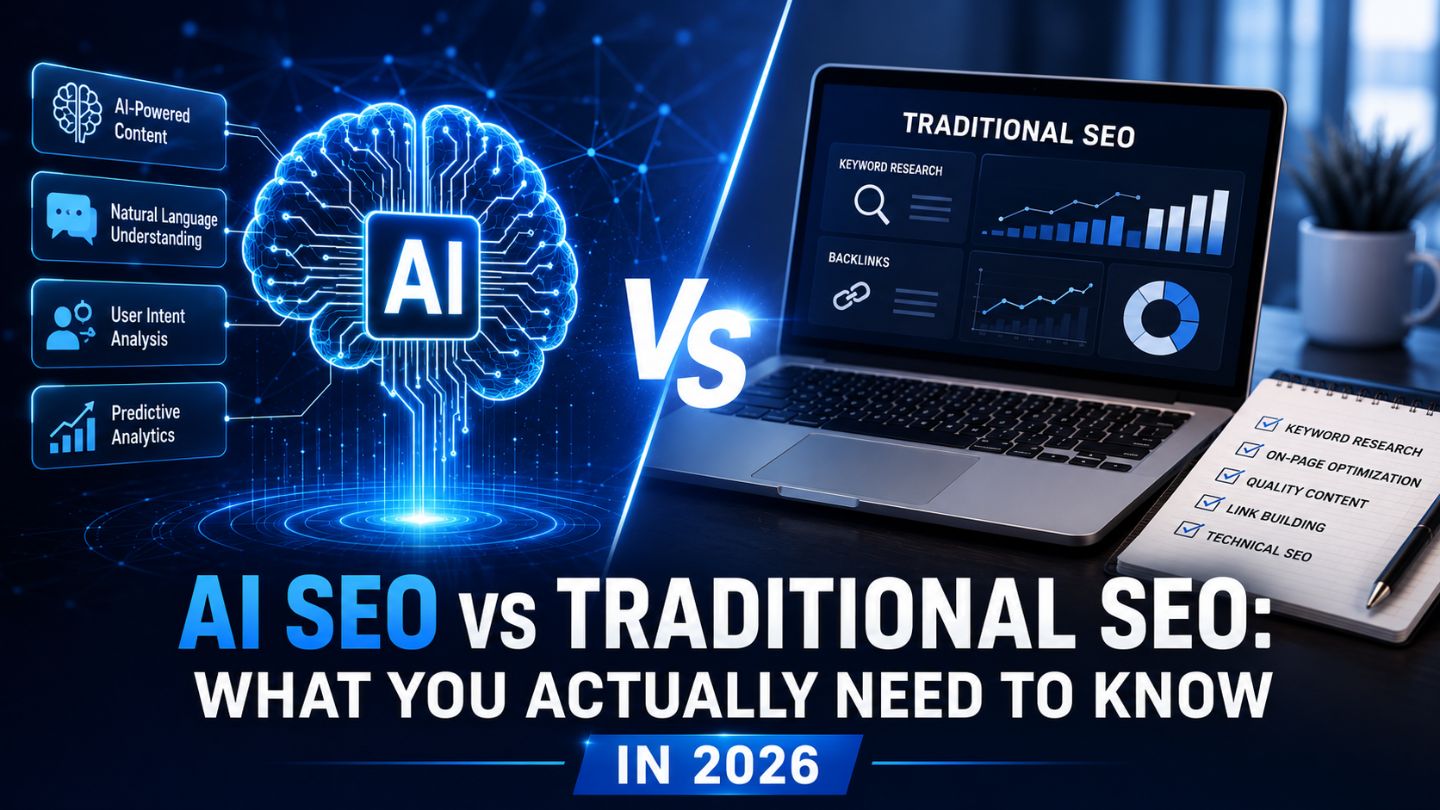
Understanding the difference between the old and new approaches is crucial for resource allocation. The table below highlights the key distinctions.
| Aspect | Traditional SEO | AI Natural Language SEO |
|---|---|---|
| Primary Focus | Exact keyword matching | User intent and semantic meaning |
| Content Length | Often short (300-500 words) | Comprehensive (1500+ words) |
| Keyword Usage | High density, exact match | Natural distribution, synonyms |
| Target Audience | Search engine crawlers | AI models and human readers |
| Success Metrics | Rankings and backlinks | Visibility in AI answers and engagement |
| Content Structure | Simple paragraphs | Structured with H2/H3, lists, tables |
This comparison shows that the shift is not just about adding more words. It is a fundamental change in how we approach content creation.
Common Mistakes and How to Avoid Them
Many businesses fail to see results because they make critical errors. Here are the most common pitfalls and the solutions to overcome them.
Mistake 1: Ignoring User Intent
Writing about a topic without understanding why the user is searching for it. If someone searches “best SEO tools,” they might want a comparison list, not a definition of SEO. Solution: Analyze the search engine results page (SERP) to see what formats are currently ranking. Match that format.
Mistake 2: Over-Optimizing for AI
Some marketers try to “trick” AI by stuffing the text with every possible synonym. This creates unreadable content. Solution: Write for a human first. If it sounds unnatural, rewrite it. AI systems are sophisticated enough to detect spammy writing.
Mistake 3: Neglecting Technical SEO
Natural Language SEO does not work if your site is slow or has broken links. AI crawlers need to access your content efficiently. Solution: Regularly audit your site’s technical health, including page speed, mobile responsiveness, and XML sitemaps.
Mistake 4: Not Updating Content
AI models are trained on current data. A page that was accurate in 2022 may be outdated in 2025. Solution: Set a schedule to review and update your pillar pages every six months. Add new statistics and remove outdated references.
Important Notes for Implementation
Before you start rewriting your entire website, consider these critical notes to ensure a smooth transition.
Frequently Asked Questions (FAQ)
What is the difference between NLP and Natural Language SEO?
NLP (Natural Language Processing) is the technology that allows computers to understand human language. Natural Language SEO is the application of that technology to optimize content. In short, NLP is the tool, and Natural Language SEO is the strategy that uses that tool to improve search visibility.
Will AI replace traditional search engines?
No, but it will change how they operate. Google and Bing are integrating AI into their core results. Traditional blue links will still exist, but they will be supplemented by AI-generated summaries. Your goal should be to appear in both the summary and the organic links.
How do I optimize for ChatGPT and other chatbots?
Chatbots often pull information from high-authority domains. To be cited, you need to have a clear, concise answer to common questions on your page. Use a direct question as an H2 and provide a direct answer in the following paragraph. Also, ensure your site has a strong backlink profile.
Is keyword research still necessary?
Yes, but the focus has shifted. Instead of looking for high-volume keywords, look for questions and problems. Use tools like AnswerThePublic or Reddit to find what people are asking. These questions become your content pillars.
How long does it take to see results?
Natural Language SEO is a long-term strategy. While some improvements can be seen in a few weeks, it typically takes 3-6 months to see significant changes in organic traffic and AI visibility. Consistency is more important than intensity.
Conclusion
The era of gaming the algorithm with exact-match keywords is over. The future belongs to brands that prioritize clarity, depth, and genuine user value. AI SEO Natural Language SEO is not a trend; it is the new standard for digital visibility. By focusing on semantic relevance, structured data, and conversational writing, you position your brand to be discovered not just on search engines, but across the entire AI ecosystem.
Start by auditing your current content. Identify the gaps in your topic clusters. Rewrite your pillar pages to be more comprehensive. Implement schema markup. Most importantly, commit to creating content that answers questions better than anyone else. The algorithms will follow, and so will your audience.
Xem thêm:
- AI SEO GEO Checklist: The Complete Guide to Generative Engine Optimization
- AI SEO AI Citation Optimization: The Complete Guide to Dominating Local Search in 2025
- The Best AI SEO Tools for 2025: A Comprehensive Guide to Smarter Content & Rankings
- AI SEO Conversion Tracking: The Complete Guide to Smarter Analytics in 2025
- AI SEO Course: The Definitive Guide to Automating and Dominating Search Rankings
Bài viết cùng chủ đề:

AI SEO SEO Automation with Make: The Complete Workflow Guide

AI SEO SEO Automation with Zapier: The Complete Workflow Guide

AI SEO SEO Automation with n8n: The Complete Workflow Guide
AI SEO SEO Automation with Gemini: The Complete Guide to Scaling Organic Growth

AI SEO SEO Automation with Claude: The Complete Guide to Scaling Content in 2025

AI SEO SEO Automation with ChatGPT: The Complete Playbook for 2025

AI SEO & SEO Automation for Affiliate Sites: The 2025 Playbook for Passive Income Growth
AI SEO & SEO Automation for Bloggers: The Complete Guide to Scaling Your Content

AI SEO & SEO Automation for Agencies: The Complete 2025 Playbook

AI SEO and SEO Automation for Ecommerce: The Complete Playbook for 2025

AI SEO & SEO Automation for WordPress: The Complete Playbook for 2025
AI SEO SEO Automation Strategy: The Complete Playbook for 2025

Mastering the AI SEO SEO Automation Process: A Complete Guide to Scaling Organic Growth
AI SEO SEO Automation System: The Complete Guide to Scaling Organic Growth in 2025
AI SEO SEO Automation Platform: The Complete Guide to Scaling Organic Growth in 2025
AI SEO SEO Automation Software: The Complete Guide to Scaling Organic Growth in 2025















