
No products in the cart.
AI SEO AI Visibility Audit: The Complete Guide to Dominating Search in 2025

10
Aug
Aug
Search engine optimization has undergone a fundamental transformation. Traditional metrics like backlinks and keyword density no longer tell the full story of why some websites rank while others disappear into obscurity. The emergence of artificial intelligence in search algorithms has created a new imperative for digital marketers: the AI SEO AI Visibility Audit. This comprehensive process evaluates how well your content performs not just on traditional search engines, but also across AI-powered platforms like ChatGPT, Perplexity, Google AI Overviews, and Bing Copilot. Understanding this audit is no longer optional; it is the cornerstone of sustainable organic growth.
What is an AI SEO AI Visibility Audit?
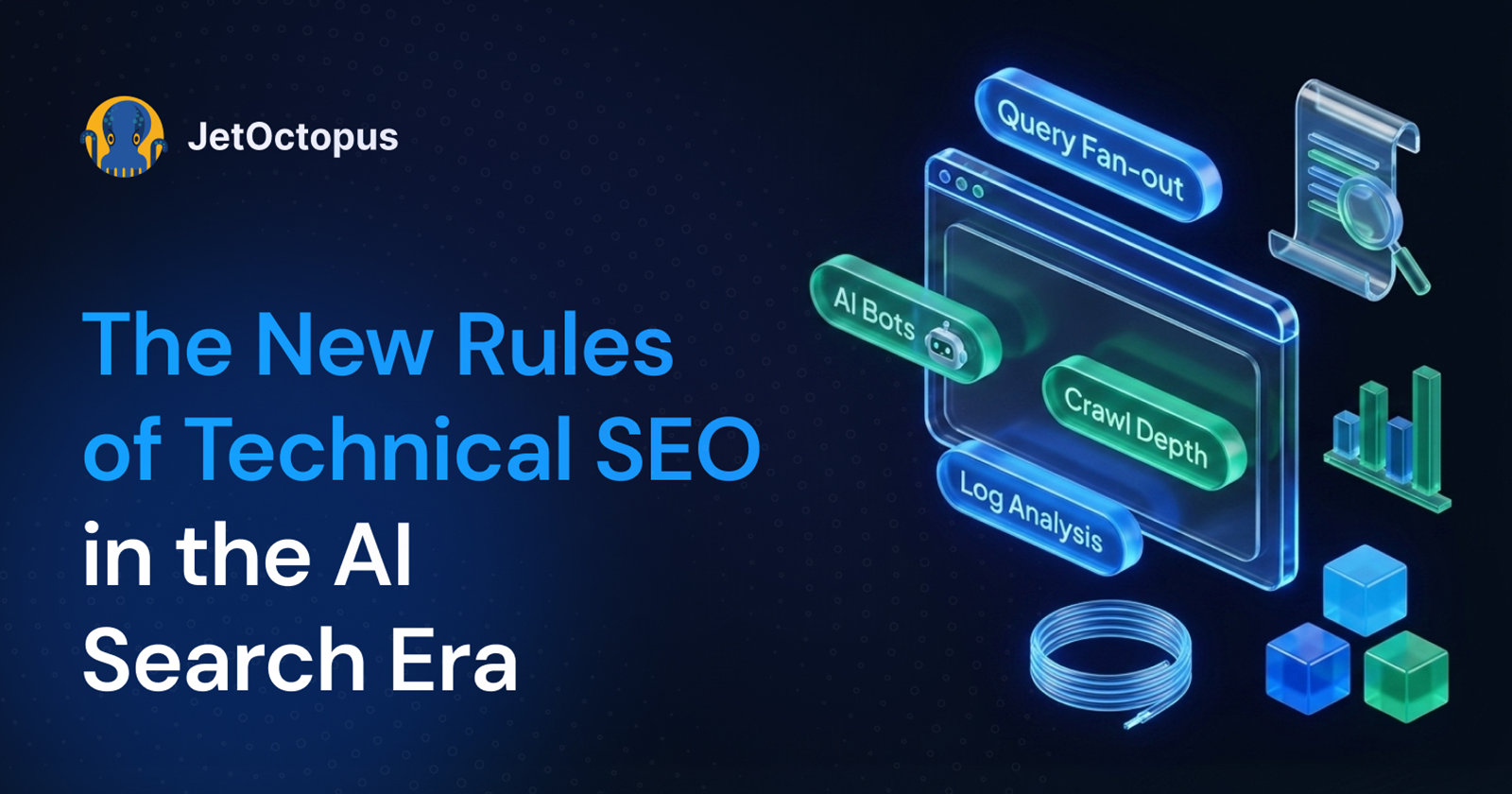
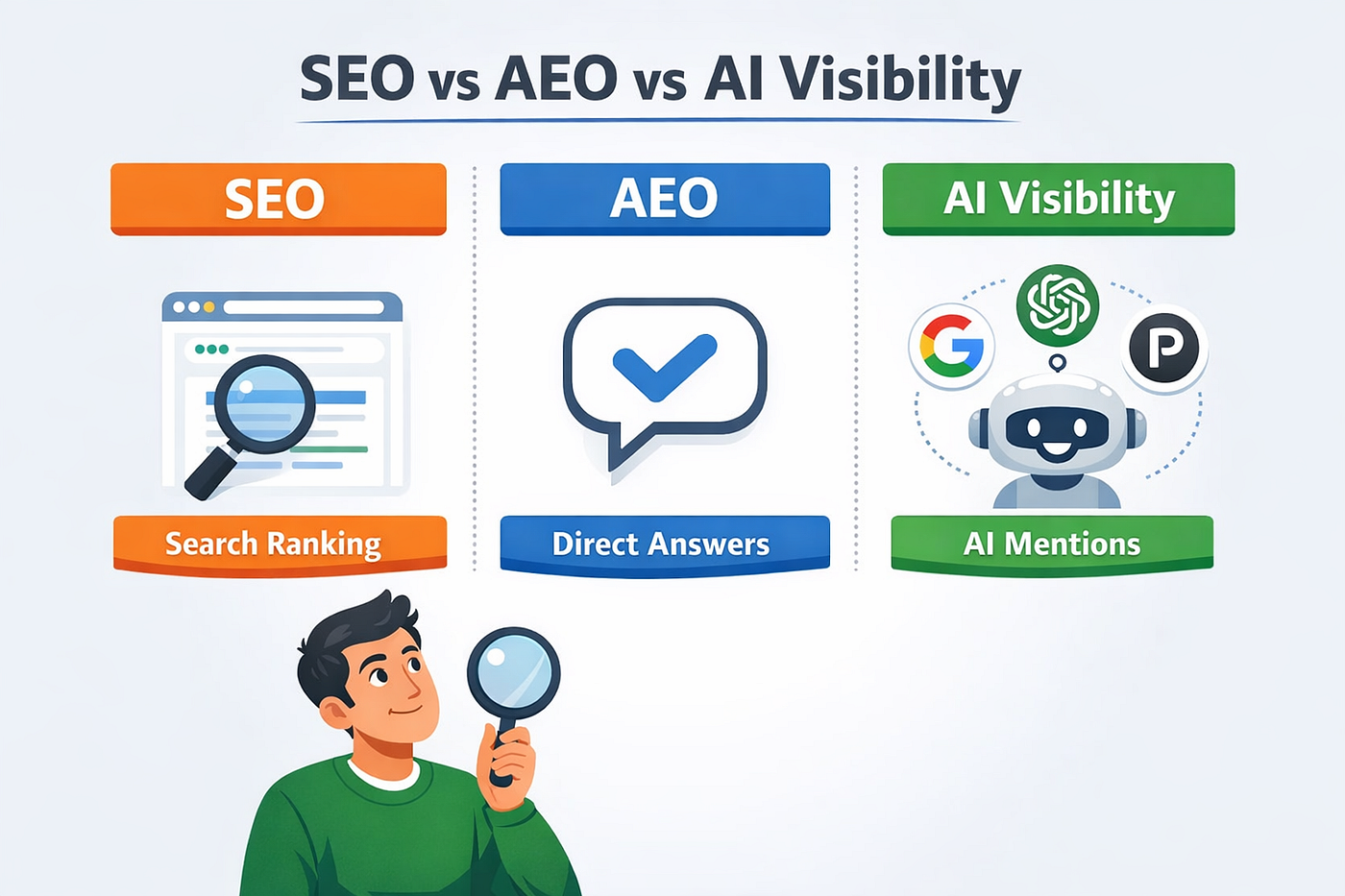
An AI SEO AI Visibility Audit is a systematic evaluation of your website’s presence and performance across both conventional search engine results pages (SERPs) and AI-generated answer platforms. Unlike a traditional SEO audit that focuses on technical health, backlinks, and keyword rankings, this specialized audit examines how AI algorithms perceive, process, and recommend your content.
The audit analyzes several critical dimensions. It checks whether your content is structured in a way that AI models can easily parse and extract. It evaluates your entity clarity, topical authority, and semantic relevance. It also measures your brand’s visibility in AI-generated responses, which increasingly serve as the first touchpoint for user queries. The goal is to ensure that when a user asks an AI assistant for a recommendation, your website appears as a cited source or a suggested resource.
The Shift from PageRank to Neural Ranking
Google’s original PageRank algorithm relied on links as votes of confidence. Modern AI-driven algorithms, including Google’s RankBrain and MUM (Multitask Unified Model), use neural networks to understand search intent and content relevance at a semantic level. These systems evaluate the meaning behind words, the relationships between concepts, and the overall helpfulness of content. An AI SEO AI Visibility Audit accounts for this shift by prioritizing topical depth and entity-based optimization over simple keyword matching.
Why Traditional SEO Audits Fall Short
Traditional SEO audits were designed for a different era. They excel at identifying broken links, slow page speeds, missing meta descriptions, and duplicate content. These technical elements remain important, but they do not address the new realities of AI-driven discovery. A website can pass every traditional audit with flying colors and still be invisible to AI search tools.
The core issue is that AI models do not rank pages in a linear list. They synthesize information from multiple sources to generate a single, coherent answer. If your content is not structured to be easily extracted and cited, the A Furthermore, AI systems prioritize content that demonstrates clear expertise, authoritativeness, and trustworthiness (E-E-A-T), which requires more than just technical compliance.
Core Components of an AI Visibility Audit
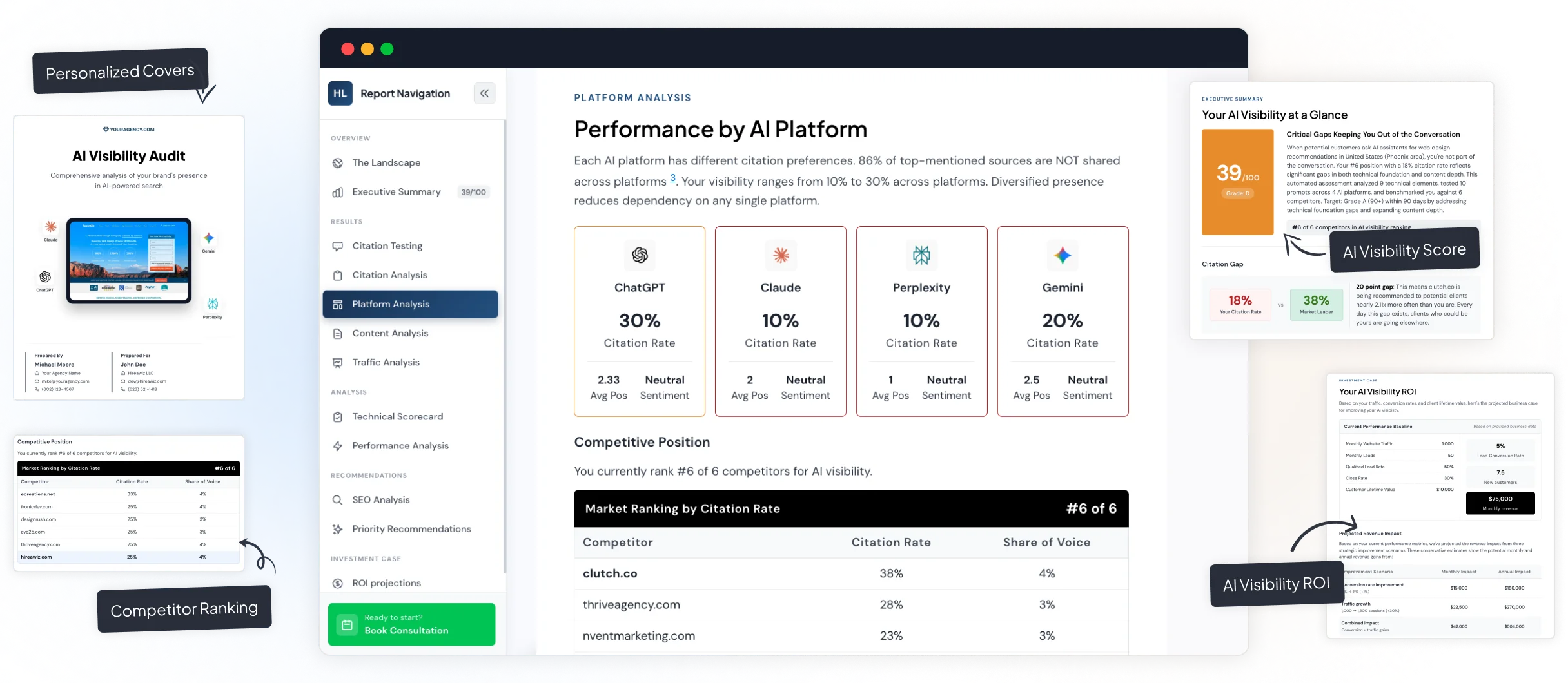
Conducting a thorough AI SEO AI Visibility Audit requires examining several interconnected layers of your digital presence. Each component provides unique insights into how AI systems view your brand.
1. Content Structure and Semantic Clarity
AI models rely on clear hierarchical structures to understand content. Your audit must evaluate whether your pages use proper heading tags (H1, H2, H3) to create a logical outline. It also checks for the presence of concise, self-contained paragraphs that answer specific questions. Content that uses lists, tables, and bullet points is significantly easier for AI to parse and cite.
Semantic clarity goes beyond structure. The audit examines whether your content uses related terms and synonyms that help AI models understand the context. For example, an article about “cloud computing” should naturally include terms like “virtualization,” “scalability,” and “infrastructure as a service” to signal comprehensive coverage of the topic.
2. Entity Optimization and Knowledge Graph Presence
Entities are distinct, well-defined concepts such as people, places, organizations, and products. AI systems build knowledge graphs that connect these entities. The audit checks whether your brand is recognized as a distinct entity and whether it is correctly associated with relevant categories and attributes. This involves ensuring consistent NAP (Name, Address, Phone) data, claiming your Google Business Profile, and building a strong Wikipedia or Wikidata presence if applicable.
3. AI Citation and Reference Analysis
This component involves actively querying major AI platforms to see if and how your content is cited. You need to test a variety of prompts related to your industry and analyze the responses. Does the AI mention your brand? Does it link to your website? Does it paraphrase your content without giving credit? This analysis reveals your current level of AI visibility and identifies gaps in your content strategy.
4. Technical Infrastructure for AI Crawlers
AI systems use crawlers like GPTBot, ClaudeBot, and Google-Extended to index web content. Your audit must verify that your robots.txt file allows these crawlers to access your site. It also checks your site’s architecture for crawlability, ensuring that important pages are not buried deep within the site structure. Structured data markup (Schema.org) is another critical element, as it provides explicit signals about your content’s type and purpose.
How to Perform an AI SEO AI Visibility Audit: A Step-by-Step Guide
Executing a successful audit requires a methodical approach. The following steps provide a practical framework for evaluating and improving your AI visibility.
Step 1: Inventory Your Digital Assets
Begin by creating a comprehensive list of your key pages, blog posts, product descriptions, and service pages. Prioritize the content that drives the most revenue or supports your primary business goals. This inventory serves as the foundation for your audit, allowing you to focus your efforts on the pages that matter most.
Step 2: Analyze AI Platform Responses
Develop a list of 20-30 high-value queries that your target customers might ask. These should include informational queries (“how to…”), commercial queries (“best…”), and transactional queries (“buy…”). Input these queries into ChatGPT, Perplexity, Google AI Overviews, and Bing Copilot. Document the responses, noting which sources are cited and how your brand is represented.
Look for patterns in the responses. Are your competitors consistently cited while you are absent? Are the AI responses accurate, or are they based on outdated information? This analysis provides a clear benchmark for your current AI visibility.
Step 3: Evaluate Content Depth and Quality
Review your top content pieces against the standards set by AI systems. Does each piece thoroughly answer the target query? Does it provide unique data, expert quotes, or original research? AI models favor content that offers comprehensive coverage and demonstrable expertise. Thin content that merely scratches the surface will be ignored in favor of more detailed resources.
Check for content freshness as well. AI systems often prioritize recent information, especially for topics that evolve rapidly. Your audit should identify pages that require updates to maintain relevance.
Step 4: Audit Technical Accessibility
Verify that AI crawlers can access your site without issues. Use tools like Google Search Console to check for crawl errors and review your server logs for bot activity. Ensure that your robots.txt file does not inadvertently block AI crawlers. Confirm that your site uses HTTPS and has a clear XML sitemap that includes all important pages.
Step 5: Assess Brand Mentions and Digital PR
AI models learn from the broader web. If your brand is frequently mentioned in reputable publications, forums, and social media, AI systems are more likely to consider you an authority. Use brand monitoring tools to track your unlinked mentions and identify opportunities for digital PR. The audit should assess the sentiment and context of these mentions to ensure they are positive and relevant.
Key Metrics to Track in Your AI Visibility Audit
To measure the success of your AI SEO efforts, you need to track specific metrics that go beyond traditional analytics.
| Metric | Description | Target |
|---|---|---|
| AI Citation Rate | The percentage of AI-generated responses that cite your brand or content | Increase by 20% quarterly |
| AI Share of Voice | The proportion of AI responses that mention your brand compared to competitors | Top 3 in your niche |
| Entity Association Score | How accurately AI systems associate your brand with relevant topics and categories | 90%+ accuracy |
| Content Extractability | The ease with which AI models can parse and quote your content | High (using lists, tables, clear headings) |
| AI Referral Traffic | Visits to your site originating from AI platforms | Growing month-over-month |
Benefits of Conducting a Regular AI Visibility Audit
The advantages of implementing this audit process extend far beyond simply appearing in AI responses. A well-executed audit provides a holistic view of your digital health and future-proofs your marketing strategy.
- Future-Proofing: As AI becomes the primary interface for information discovery, early adoption of AI-optimized practices ensures you are not left behind.
- Competitive Advantage: Most businesses have not yet adapted to AI search. Conducting this audit positions you ahead of the curve.
- Improved Content Quality: The audit forces you to create deeper, more authoritative content that also performs better in traditional search.
- Enhanced Brand Authority: Being cited by AI systems builds trust with users who view AI as an objective source of information.
- Data-Driven Insights: The audit provides actionable data on user intent and content gaps that can inform your entire marketing strategy.
Limitations and Challenges of AI Visibility Audits
While the benefits are substantial, it is important to acknowledge the limitations of this emerging discipline. AI algorithms are proprietary and constantly changing. What works today may not work tomorrow. The audit provides a snapshot in time, not a permanent guarantee of visibility.
Another challenge is the lack of standardized tools. Unlike traditional SEO, which has established platforms like Ahrefs and SEMrush, AI visibility auditing is still in its infancy. Much of the process relies on manual testing and qualitative analysis. This can be time-consuming and requires a deep understanding of how different AI models operate.
Finally, t Some AI platforms are facing legal challenges regarding their use of web content. Your audit should consider the ethical implications of AI content generation and ensure your own practices align with evolving regulations.
Common Mistakes in AI SEO AI Visibility Audits
Many businesses make critical errors when attempting to optimize for AI visibility. Avoiding these pitfalls is essential for success.
Mistake 1: Focusing Only on ChatGPT
ChatGPT is the most well-known AI platform, but it is not the only one. Google AI Overviews, Perplexity, and Bing Copilot each have unique algorithms and user bases. A comprehensive audit must cover all major platforms to provide a complete picture.
Mistake 2: Ignoring Traditional SEO Fundamentals
AI visibility is not a replacement for traditional SEO; it is an extension of it. If your site has poor technical health, slow loading times, or thin content, AI systems will not recommend it. The audit should integrate traditional SEO checks with new AI-specific analysis.
Mistake 3: Keyword Stuffing in AI Prompts
Some marketers attempt to manipulate AI by stuffing keywords into their content. This approach backfires. AI models are sophisticated enough to detect unnatural language patterns and will penalize content that reads poorly. Focus on creating natural, helpful content that answers questions directly.
Mistake 4: Neglecting Entity Clarity
Failing to clearly define who you are and what you do makes it difficult for AI to categorize your brand. Your audit must ensure that your website clearly states your value proposition, target audience, and unique differentiators.
Important Notes for Implementing Your Audit

Before you begin your AI SEO AI Visibility Audit, consider these crucial points to ensure you get the most accurate and actionable results.
First, establish a baseline. Document your current AI visibility before making any changes. This allows you to measure the impact of your optimization efforts over time. Second, conduct the audit regularly. AI algorithms update frequently, and your competitors are also working to improve their visibility. A quarterly audit is a good starting point, with monthly checks for high-priority pages.
Third, integrate your AI visibility goals with your overall business objectives. The audit should not exist in a silo. Use the insights gained to inform your content calendar, PR strategy, and product development. Finally, remember that AI visibility is a means to an end. The ultimate goal is to drive qualified traffic and conversions, not just to appear in AI responses.
Practical Applications and Real-World Examples
Consider a software-as-a-service (SaaS) company that sells project management tools. A traditional audit might show that they rank well for “project management software.” However, an AI SEO AI Visibility Audit reveals that when users ask ChatGPT for “the best project management tool for remote teams,” the AI recommends three competitors and does not mention this company.
To fix this, the company would need to create content that specifically addresses the needs of remote teams. They could publish a detailed guide on “managing distributed workforces,” featuring original data from their own user base. They would also need to build digital PR campaigns to get mentioned in reputable publications that discuss remote work trends. Over time, these efforts would increase their entity associations and citation rate in AI responses.
Another example involves a local restaurant. The audit might show that Google AI Overviews correctly identifies the restaurant’s cuisine and location, but fails to mention its famous weekend brunch. By updating their website content to emphasize this unique selling point and ensuring their structured data includes menu and hours information, the restaurant can improve its AI visibility for specific queries.
Frequently Asked Questions
What is the difference between a traditional SEO audit and an AI visibility audit?
A traditional SEO audit focuses on technical health, backlinks, and keyword rankings. An AI visibility audit specifically evaluates how AI platforms perceive, process, and recommend your content. It examines entity clarity, content extractability, and citation rates in AI-generated responses.
How often should I perform an AI SEO AI Visibility Audit?
It is recommended to conduct a comprehensive audit quarterly. AI algorithms and platforms evolve rapidly, and your competitors are constantly optimizing their content. Monthly checks on your most important pages can help you stay ahead of changes.
Can I use automated tools for this audit?
While some tools are emerging, the most reliable method currently involves manual testing across multiple AI platforms. Automated tools can help with technical checks like crawlability and structured data, but the qualitative analysis of AI responses requires human judgment.
Does AI visibility affect my traditional Google rankings?
Yes, indirectly. The content improvements required for AI visibility, such as deeper topical coverage and better structure, also tend to improve traditional rankings. Additionally, Google’s AI systems influence its core ranking algorithms, so AI-friendly content is often rewarded in standard SERPs.
What is the most important factor for AI citation?
Demonstrating clear expertise and providing unique, verifiable information is the most critical factor. AI models prioritize content that offers original data, expert quotes, and comprehensive answers. Content that simply aggregates information from other sources is less likely to be cited.
Conclusion
The AI SEO AI Visibility Audit represents the new frontier of search optimization. As artificial intelligence continues to reshape how users discover information, the ability to appear in AI-generated responses will become as important as ranking on the first page of Google. This audit provides a structured framework for understanding your current position and taking actionable steps to improve it.
By focusing on semantic clarity, entity optimization, and content extractability, you can ensure that your brand remains visible in this evolving landscape. The process requires ongoing effort and adaptation, but the rewards are substantial. Businesses that embrace AI visibility now will build a significant competitive moat that will be difficult for latecomers to overcome. Start your audit today, and position your brand at the forefront of the AI-driven search revolution.
Xem thêm:
- AI SEO Rendering: The Complete Guide to Modern Search Visibility
- AI SEO Keyword Intent: The Complete Guide to Search Intent Optimization in 2025
- AI SEO Automated Schema Markup: The Complete Guide to Smarter Structured Data
- AI SEO Semantic Keywords: The Complete Guide to Smarter Content Optimization
- How to Create SEO Briefs with AI: A Step-by-Step System for Faster, Smarter Content Planning
Bài viết cùng chủ đề:

AI SEO SEO Automation with Make: The Complete Workflow Guide

AI SEO SEO Automation with Zapier: The Complete Workflow Guide

AI SEO SEO Automation with n8n: The Complete Workflow Guide
AI SEO SEO Automation with Gemini: The Complete Guide to Scaling Organic Growth

AI SEO SEO Automation with Claude: The Complete Guide to Scaling Content in 2025

AI SEO SEO Automation with ChatGPT: The Complete Playbook for 2025

AI SEO & SEO Automation for Affiliate Sites: The 2025 Playbook for Passive Income Growth
AI SEO & SEO Automation for Bloggers: The Complete Guide to Scaling Your Content

AI SEO & SEO Automation for Agencies: The Complete 2025 Playbook

AI SEO and SEO Automation for Ecommerce: The Complete Playbook for 2025

AI SEO & SEO Automation for WordPress: The Complete Playbook for 2025
AI SEO SEO Automation Strategy: The Complete Playbook for 2025

Mastering the AI SEO SEO Automation Process: A Complete Guide to Scaling Organic Growth
AI SEO SEO Automation System: The Complete Guide to Scaling Organic Growth in 2025
AI SEO SEO Automation Platform: The Complete Guide to Scaling Organic Growth in 2025
AI SEO SEO Automation Software: The Complete Guide to Scaling Organic Growth in 2025















