
No products in the cart.
AI SEO Ecommerce Schema: The Complete Guide to Structured Data That Drives Sales
10
Aug
Aug
In the competitive world of online retail, standing out in search results requires more than just great product descriptions. AI SEO Ecommerce Schema represents the convergence of artificial intelligence, search engine optimization, and structured data markup specifically designed for online stores. This powerful combination helps search engines understand your product pages with unprecedented accuracy, leading to rich snippets, enhanced visibility, and higher click-through rates. By implementing schema markup optimized through AI tools, ecommerce businesses can transform plain search listings into visually compelling, information-rich displays that capture attention and drive conversions.
Understanding AI SEO Ecommerce Schema
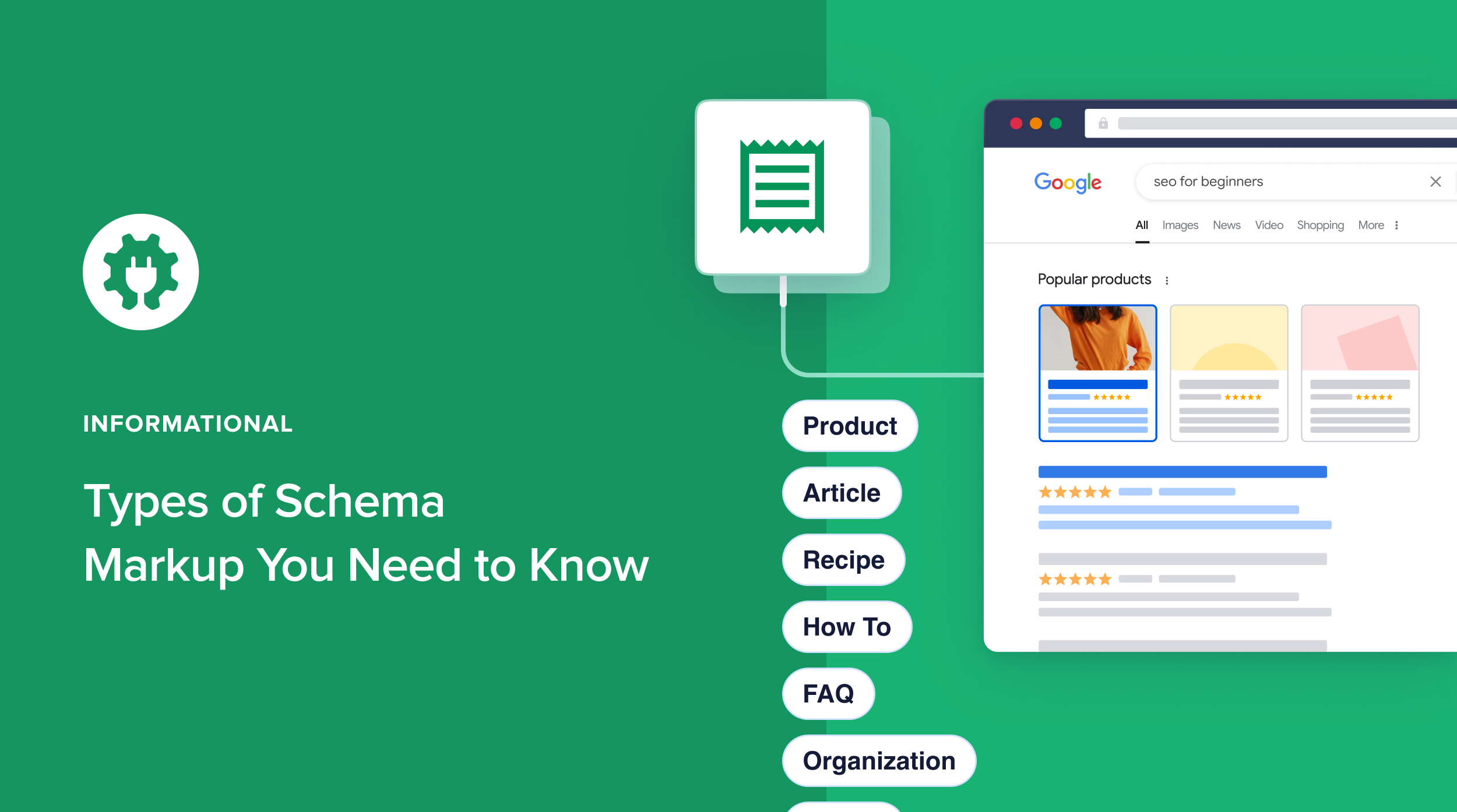
Schema markup is a form of microdata that creates an enhanced description, commonly known as a rich snippet, which appears in search results. For ecommerce websites, this structured data vocabulary helps search engines like Google, Bing, and Yahoo understand the specific details of your products, including price, availability, reviews, and ratings. When AI enters the equation, it automates and optimizes the process of creating, testing, and updating this schema markup at scale.
The AI component analyzes your product catalog, identifies patterns, and generates appropriate schema markup without manual intervention. This automation proves invaluable for ecommerce sites with thousands of products, where manually coding schema for each item becomes impractical. AI algorithms can also detect errors, suggest improvements, and adapt to changing search engine requirements automatically.
The Core Components of Ecommerce Schema
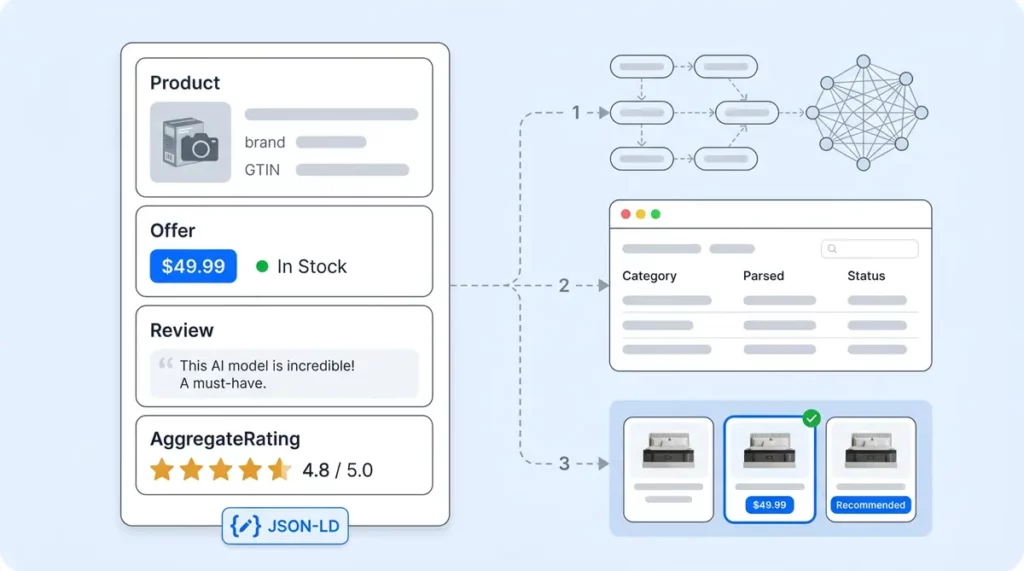
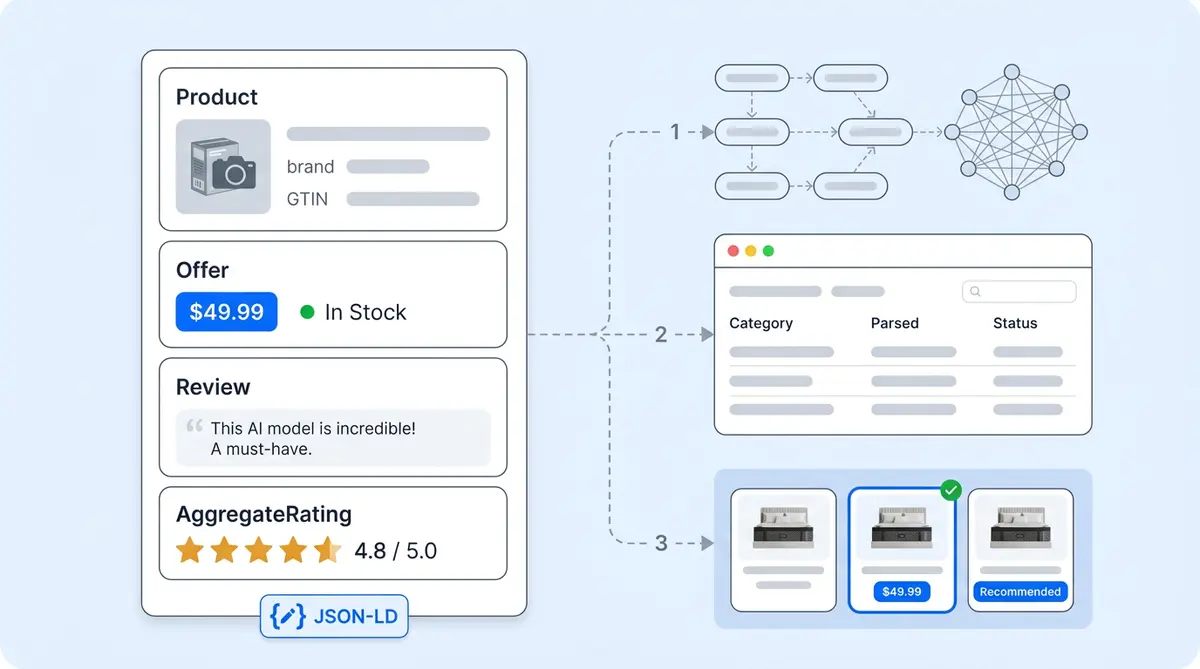
Several schema types form the foundation of effective ecommerce structured data. The Product schema remains the most critical, providing search engines with essential information about each item you sell. This includes product name, image, description, brand, SKU, and global trade item number (GTIN). The Offer schema works alongside Product schema to communicate pricing, currency, availability status, and seller information.
Review and AggregateRating schemas display star ratings and review counts directly in search results, building trust before a user even clicks through to your site. BreadcrumbList schema improves navigation display in search results, while Organization and LocalBusiness schemas establish your brand’s credibility. For ecommerce sites with physical locations, LocalBusiness schema helps capture local search traffic effectively.
How AI Enhances Schema Implementation for Ecommerce
Traditional schema implementation requires manual coding and constant maintenance. AI transforms this process through automation and intelligent optimization. Machine learning algorithms analyze your product data, identify the most relevant schema properties, and generate markup that aligns with current search engine guidelines. This approach reduces human error and ensures consistent implementation across your entire catalog.
AI-powered tools continuously monitor your structured data performance, flagging issues before they impact your search visibility. These systems can detect missing fields, incorrect formatting, or outdated information that might trigger Google’s manual actions or rich result penalties. By automatically updating schema as your inventory changes, AI ensures your structured data always reflects your current offerings.
Natural Language Processing in Schema Generation
Natural Language Processing (NLP) enables AI systems to understand product descriptions, specifications, and customer reviews. This understanding allows the AI to extract relevant entities and relationships, then map them to appropriate schema properties. For example, an AI system can read a product description mentioning “wireless Bluetooth connectivity” and automatically populate the appropriate schema fields for connectivity technology.
NLP also helps with multilingual ecommerce sites, generating schema markup that accurately represents products across different languages and cultural contexts. This capability proves essential for international ecommerce operations targeting diverse markets with localized search queries.
Key Schema Types Every Ecommerce Site Needs
Implementing the right mix of schema types creates a comprehensive structured data strategy. Product schema forms the backbone, but additional types enhance specific aspects of your search presence. The following table outlines essential schema types and their primary benefits for ecommerce websites:
| Schema Type | Primary Purpose | Key Benefits |
|---|---|---|
| Product | Detailed product information | Rich snippets, product carousel eligibility |
| Offer | Pricing and availability | Price displays, stock status in search |
| AggregateRating | Review summaries | Star ratings, social proof in SERPs |
| BreadcrumbList | Navigation hierarchy | Improved site structure display |
| Organization | Business information | Knowledge panel eligibility |
| FAQPage | Common questions | Expanded results, voice search optimization |
| VideoObject | Product videos | Video thumbnails in search results |
Advanced Schema for Enhanced Product Visibility
Beyond basic Product schema, advanced markup options provide additional search enhancements. The Review snippet schema allows individual product reviews to appear in search results, while the PriceSpecification schema provides detailed pricing information including discounts and special offers. For ecommerce sites selling products with multiple variants, the ProductGroup schema helps search engines understand relationships between different sizes, colors, or configurations.
Event schema benefits ecommerce sites hosting sales events or product launches, while Article schema helps content marketing efforts by marking up blog posts and buying guides. The ItemList schema can mark up category pages, helping search engines understand your site’s structure and product organization.
Benefits of Implementing AI SEO Ecommerce Schema
The advantages of proper schema implementation extend far beyond simple search visibility. Rich snippets generated by schema markup typically achieve higher click-through rates than standard listings. When users see product images, prices, and ratings directly in search results, they make more informed decisions about which results to click. This increased engagement signals relevance to search engines, potentially improving your rankings over time.
Schema markup also enhances your eligibility for specialized search features. Google Shopping integration becomes smoother with proper Product schema, while voice search assistants rely heavily on structured data to provide accurate answers. As voice commerce grows, having properly marked up product information positions your ecommerce site for this emerging channel.
Measurable Impact on Ecommerce Metrics
Data from numerous ecommerce implementations shows significant improvements in key performance indicators following proper schema deployment. Sites typically experience 20-30% increases in click-through rates from search results when rich snippets appear. The visual elements of rich results draw attention, making your listings stand out among competitors without structured data.
Conversion rates also benefit from schema implementation. When users see pricing and availability information before clicking, they arrive at your site with clearer purchase intent. This pre-qualification reduces bounce rates and increases the likelihood of completing a purchase. Additionally, the trust signals provided by review stars and ratings encourage users to choose your products over alternatives.
Common Mistakes in Ecommerce Schema Implementation
Despite the clear benefits, many ecommerce sites struggle with schema implementation due to common errors. One frequent mistake involves using incorrect schema types or properties, which confuses search engines and may result in rich result penalties. Another issue arises from marking up content that is not visible to users, a practice that violates Google’s guidelines and can lead to manual actions.
Inconsistent or incomplete data presents another significant challenge. When schema markup contains outdated pricing, incorrect availability information, or mismatched product details, search engines lose trust in your structured data. This erosion of trust can result in the removal of rich snippets and decreased visibility.
Technical Implementation Pitfalls
Technical errors in schema implementation often go unnoticed without proper testing. Invalid JSON-LD syntax, missing required fields, and incorrect nesting of schema types are common issues. Many ecommerce platforms generate schema automatically, but these generated markups may contain errors or omit critical properties. Regular validation using Google’s Rich Results Test and Schema Markup Validator helps identify and correct these issues.
Another technical challenge involves maintaining schema across dynamic ecommerce sites. As products sell out, prices change, and new items arrive, your schema must update accordingly. Manual updates become impossible at scale, making AI-powered automation essential for maintaining accurate structured data.
Step-by-Step Guide to Implementing AI SEO Ecommerce Schema
Successful schema implementation follows a systematic approach that combines AI tools with strategic planning. Begin by auditing your current structured data implementation using tools like Google Search Console’s Rich Results report. This audit reveals which schema types you currently have, which are generating impressions, and which contain errors requiring attention.
Next, prioritize your schema implementation based on potential impact. Product pages should receive primary attention, followed by category pages, then supporting content like FAQs and blog posts. This prioritization ensures you address the pages most likely to benefit from rich snippets first.
Selecting the Right AI Schema Tools
Numerous AI-powered tools assist with schema implementation for ecommerce sites. Google’s Merchant Center offers automated product data feeds that generate schema markup for participating retailers. Third-party platforms like Schema App and Merkle’s Schema Manager provide comprehensive structured data management solutions with AI-powered optimization features.
For developers, AI-assisted coding tools can generate schema markup based on natural language descriptions of your products. These tools learn from your existing data patterns and suggest appropriate schema properties, reducing the technical expertise required for implementation.
Measuring Schema Performance and ROI
Tracking the effectiveness of your AI SEO Ecommerce Schema implementation requires monitoring specific metrics. Google Search Console provides valuable data on rich result impressions and clicks, showing which schema types generate the most visibility. The Performance report allows you to compare click-through rates for pages with rich snippets versus those without.
Beyond search metrics, analyze how schema implementation affects on-site behavior. Pages arriving from rich results typically show different engagement patterns than standard organic traffic. Monitor bounce rates, time on site, and conversion rates for traffic originating from rich snippets to understand the full impact of your structured data efforts.
Continuous Optimization with AI
AI-powered schema management enables continuous optimization rather than one-time implementation. Machine learning algorithms analyze performance data, identifying which schema types and properties generate the best results. These insights inform ongoing adjustments to your structured data strategy, ensuring your ecommerce site maintains competitive advantage in search results.
AI systems also monitor changes in search engine guidelines, automatically updating your schema markup to remain compliant. This proactive approach prevents the visibility losses that occur when search engines update their rich result requirements and sites fail to adapt.
Important Notes for Ecommerce Schema Success
While AI SEO Ecommerce Schema offers tremendous benefits, certain considerations ensure successful implementation. Always prioritize user experience over search engine optimization. Schema markup should accurately represent your products and content, never attempting to deceive search engines or users with misleading information.
Keep your schema implementation aligned with your overall SEO strategy. Structured data works best when combined with quality content, proper site architecture, and strong technical SEO foundations. Schema enhances your existing efforts rather than replacing them.
Stay informed about schema.org vocabulary updates and Google’s rich result guidelines. The structured data landscape evolves continuously, with new schema types and properties introduced regularly. AI tools help track these changes, but understanding the fundamentals ensures you make informed decisions about your implementation.
Frequently Asked Questions
What is AI SEO Ecommerce Schema?
AI SEO Ecommerce Schema combines artificial intelligence with structured data markup specifically for online stores. AI tools automate the creation, testing, and maintenance of schema markup that helps search engines understand product information, pricing, availability, and reviews. This automation enables ecommerce sites to implement comprehensive structured data at scale without manual coding for each product.
How does schema markup improve ecommerce SEO?
Schema markup improves ecommerce SEO by enabling rich snippets in search results, which display additional information like prices, ratings, and availability. These enhanced listings achieve higher click-through rates, improve user trust, and increase the likelihood of qualifying for specialized search features like product carousels and voice search answers.
Which schema types are most important for online stores?
Product schema is the most critical type for online stores, providing detailed information about each item. Offer schema communicates pricing and availability, while AggregateRating displays review summaries. BreadcrumbList improves navigation display, and Organization schema establishes brand credibility. Additional types like FAQPage and VideoObject enhance specific content types.
Can AI tools generate schema markup automatically?
Yes, AI tools can generate schema markup automatically by analyzing product data, descriptions, and site content. Natural Language Processing enables AI to understand product attributes and map them to appropriate schema properties. These tools also monitor performance and update markup as products, prices, and availability change.
What happens if schema markup contains errors?
Errors in schema markup can result in rich snippets not appearing in search results. In severe cases, Google may issue manual actions that remove rich result eligibility entirely. Regular testing using Google’s Rich Results Test and monitoring through Search Console helps identify and correct errors before they impact visibility.
Does schema markup guarantee rich snippets in Google?
No, schema markup does not guarantee rich snippets. Google decides whether to display rich results based on its algorithms and quality standards. Proper schema implementation increases eligibility, but content quality, relevance, and user experience also influence whether rich snippets appear.
Conclusion
AI SEO Ecommerce Schema represents a transformative approach to structured data for online retailers. By combining artificial intelligence with schema markup, ecommerce sites can implement comprehensive structured data that enhances search visibility, improves click-through rates, and drives conversions. The automation provided by AI tools makes schema implementation practical even for large product catalogs, while continuous optimization ensures your structured data remains effective as search engines evolve.
The measurable benefits of schema implementation, from increased CTR to improved conversion rates, make it an essential component of modern ecommerce SEO strategy. By understanding the core schema types, avoiding common implementation mistakes, and leveraging AI tools for automation and optimization, ecommerce businesses can achieve significant competitive advantages in search results. As search engines increasingly rely on structured data to understand and display product information, investing in AI SEO Ecommerce Schema positions your online store for sustained success in the evolving digital marketplace.
Xem thêm:
- AI SEO Unlinked Mentions: The Complete Guide to Turning Brand Mentions into Backlinks
- The Ultimate AI SEO Checklist for WordPress: Boost Your Rankings with Smart Automation
- AI SEO for Technology: The Complete Playbook for B2B and SaaS Growth
- How to Optimize Internal Links with AI: Transform Your Site Architecture and Rankings
- AI SEO Organic Growth: The Complete Playbook for Sustainable Rankings
Bài viết cùng chủ đề:

AI SEO SEO Automation with Make: The Complete Workflow Guide

AI SEO SEO Automation with Zapier: The Complete Workflow Guide

AI SEO SEO Automation with n8n: The Complete Workflow Guide
AI SEO SEO Automation with Gemini: The Complete Guide to Scaling Organic Growth

AI SEO SEO Automation with Claude: The Complete Guide to Scaling Content in 2025

AI SEO SEO Automation with ChatGPT: The Complete Playbook for 2025

AI SEO & SEO Automation for Affiliate Sites: The 2025 Playbook for Passive Income Growth
AI SEO & SEO Automation for Bloggers: The Complete Guide to Scaling Your Content

AI SEO & SEO Automation for Agencies: The Complete 2025 Playbook

AI SEO and SEO Automation for Ecommerce: The Complete Playbook for 2025

AI SEO & SEO Automation for WordPress: The Complete Playbook for 2025
AI SEO SEO Automation Strategy: The Complete Playbook for 2025

Mastering the AI SEO SEO Automation Process: A Complete Guide to Scaling Organic Growth
AI SEO SEO Automation System: The Complete Guide to Scaling Organic Growth in 2025
AI SEO SEO Automation Platform: The Complete Guide to Scaling Organic Growth in 2025
AI SEO SEO Automation Software: The Complete Guide to Scaling Organic Growth in 2025















