
No products in the cart.
AI SEO Organic Growth: The Complete Playbook for Sustainable Rankings
10
Aug
Aug
AI SEO organic growth represents the convergence of artificial intelligence technologies with search engine optimization strategies to build sustainable, long-term visibility. This approach moves beyond traditional keyword stuffing and link building, leveraging machine learning, natural language processing, and predictive analytics to align content with user intent. For businesses aiming to dominate search results in 2025 and beyond, understanding how AI transforms organic growth is no longer optional—it is a competitive necessity. This comprehensive guide explores the mechanisms, tools, and strategies that define modern AI-driven SEO.
Understanding the Core of AI SEO Organic Growth
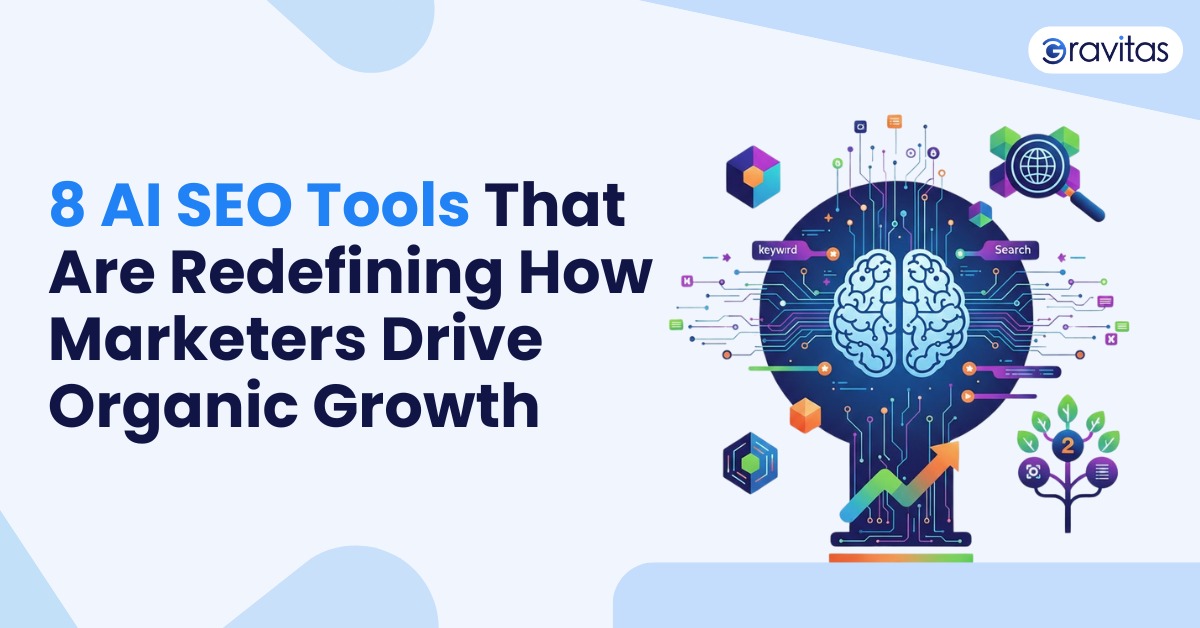
AI SEO organic growth is not about replacing human marketers with robots. Instead, it involves using intelligent software to analyze vast datasets, identify patterns, and automate repetitive tasks. The core objective remains the same as traditional SEO: to increase unpaid traffic from search engines. However, the methodology shifts from guesswork to data-driven precision. AI systems can process millions of search queries, user behavior signals, and content performance metrics simultaneously, providing insights that would take humans weeks to compile.
The fundamental shift lies in how search engines themselves operate. Google’s RankBrain and MUM (Multitask Unified Model) algorithms use AI to interpret queries contextually. This means the search engine understands synonyms, concepts, and user intent rather than just matching exact keywords. Consequently, your SEO strategy must adapt to satisfy these intelligent algorithms. AI SEO organic growth focuses on creating comprehensive, authoritative content clusters that answer questions thoroughly, anticipating the user’s next query before they even ask it.
The Evolution from Traditional SEO to AI-Driven Strategies
Traditional SEO relied heavily on exact-match keywords, backlink quantity, and on-page optimization tactics that are now largely outdated. The evolution toward AI SEO organic growth began with Google’s RankBrain in 2015, which introduced machine learning to interpret ambiguous queries. Since then, the pace has accelerated dramatically. BERT in 2019 improved understanding of natural language prepositions, while MUM in 2021 brought multimodal understanding across text, images, and video.
This evolution demands a different skill set. Modern SEO professionals must understand how to train AI models, interpret predictive analytics, and use generative AI tools for content ideation. The focus has shifted from manipulating algorithms to serving user needs comprehensively. AI SEO organic growth strategies now prioritize topic authority, semantic relevance, and user engagement metrics like dwell time and bounce rate. These signals tell search engines that your content genuinely satisfies the search intent, leading to higher rankings and sustained organic traffic.
Key Components of an AI SEO Organic Growth Strategy
Building a successful AI SEO organic growth framework requires integrating several critical components. Each element works synergistically to create a system that continuously improves performance. Below are the foundational pillars you must establish.
AI-Powered Keyword Research and Semantic Analysis
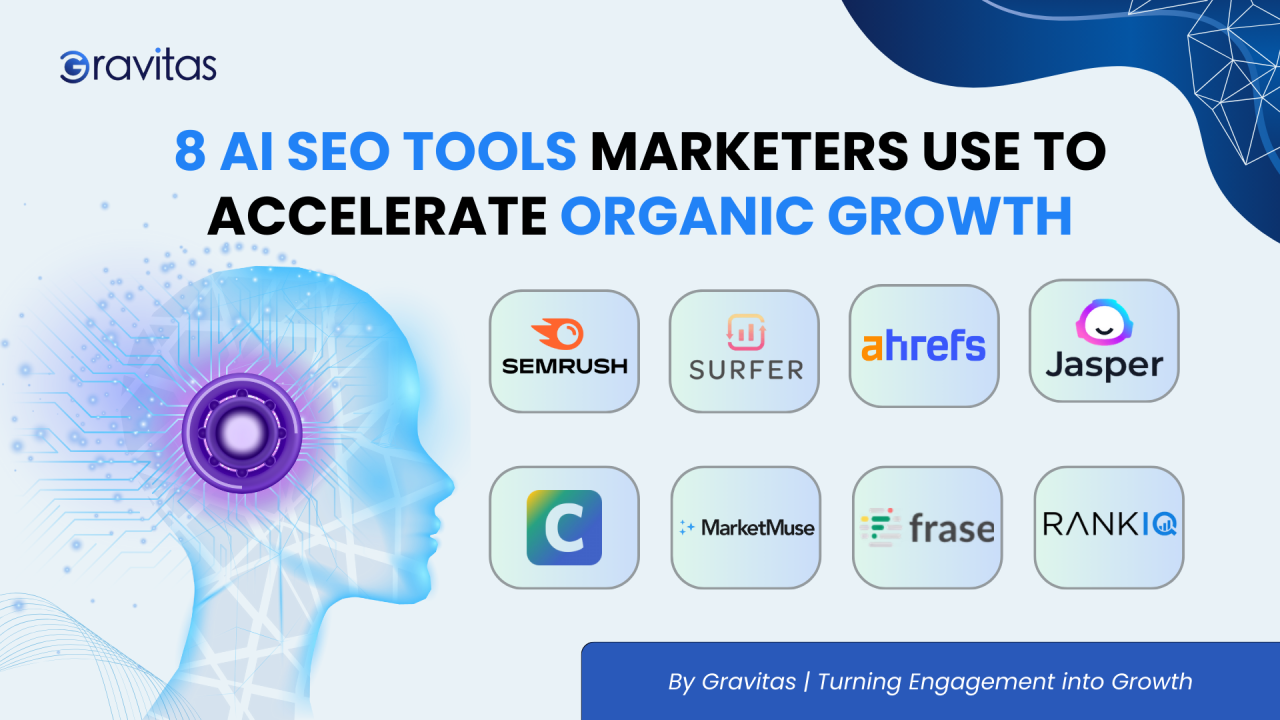
Traditional keyword tools provide search volume and difficulty scores. AI-powered tools go further by analyzing the semantic relationships between terms, identifying topic clusters, and predicting future trends. Tools like Clearscope, MarketMuse, and Surfer SEO use natural language processing to analyze top-ranking pages and suggest related terms, entities, and questions that your content should cover. This ensures your content is comprehensive enough to rank for the primary keyword and dozens of long-tail variations.
For example, if your target keyword is “AI SEO organic growth,” a semantic analysis tool might suggest including terms like “machine learning algorithms,” “search intent optimization,” “content automation,” and “predictive analytics.” These related concepts help search engines understand your page’s depth and relevance. This approach transforms keyword research from a list of terms into a strategic map of your entire content ecosystem.
Content Generation and Optimization with Machine Learning
Generative AI tools like ChatGPT, Jasper, and Copy.ai can draft initial content outlines, headings, and even full paragraphs. However, the key to AI SEO organic growth is using these tools as assistants, not replacements for human expertise. The most effective workflow involves AI generating a comprehensive draft based on your semantic analysis, followed by human editors adding personal experience, unique data points, and brand voice.
Optimization goes beyond writing. AI tools can analyze your existing content and recommend specific changes to improve readability, internal linking, and keyword placement. They can identify content gaps where your competitors rank but you do not. For instance, an AI tool might analyze your blog post and suggest adding a comparison table, a FAQ section, or more specific examples to match the depth of top-ranking pages. This iterative optimization process is central to achieving and maintaining high rankings.
Technical SEO Automation and Predictive Analytics
Technical SEO involves crawling your website, identifying broken links, optimizing site speed, and ensuring proper schema markup. AI-powered crawlers like Sitebulb and Lumar can process thousands of pages, automatically detecting issues that affect crawlability and indexation. More importantly, predictive analytics can forecast the impact of fixing these issues on your organic traffic, helping you prioritize tasks with the highest ROI.
For example, an AI tool might analyze your site’s page speed data and predict that improving load time from 4 seconds to 2 seconds will increase organic traffic by 15% for specific high-value pages. This data-driven prioritization ensures your technical SEO efforts align directly with your AI SEO organic growth goals. Additionally, AI can automate the generation of schema markup, ensuring your content is eligible for rich snippets and featured positions.
Benefits and Limitations of AI SEO Organic Growth
Adopting AI SEO organic growth strategies offers significant advantages, but it is not without challenges. Understanding both sides helps you set realistic expectations and allocate resources effectively.
Primary Benefits
- Scalability: AI tools can analyze thousands of keywords and content pieces simultaneously, allowing you to scale your SEO efforts without proportionally increasing your team size.
- Accuracy: Predictive analytics and machine learning reduce the guesswork in SEO decisions, leading to higher success rates for content investments.
- Speed: Tasks that took days, such as competitor analysis or content audits, can be completed in hours with AI assistance.
- Personalization: AI can segment your audience based on search behavior, enabling you to create tailored content for different stages of the buyer’s journey.
- Continuous Learning: AI systems improve over time, learning from your site’s performance data to refine recommendations.
- Data Dependency: AI models require high-quality, clean data to produce accurate insights. Poor data leads to poor recommendations.
- Lack of Creativity: AI-generated content often lacks the unique perspective, humor, or emotional resonance that human writers provide.
- Algorithm Updates: Search engine algorithms change frequently, and AI tools may lag behind the latest updates, providing outdated advice.
- Cost: Advanced AI SEO platforms can be expensive, making them less accessible for small businesses with limited budgets.
- Over-Reliance Risk: Depending too heavily on AI can lead to homogenized content that lacks differentiation from competitors using the same tools.
Notable Limitations
AI SEO Organic Growth vs. Traditional SEO: A Comparative Analysis
To fully appreciate the impact of AI, it is helpful to compare it directly with traditional methods. The table below highlights the key differences across critical SEO dimensions.
| Aspect | Traditional SEO | AI SEO Organic Growth |
|---|---|---|
| Keyword Research | Manual analysis of search volume and difficulty | Semantic clustering and predictive trend analysis |
| Content Creation | Human writers based on keyword lists | AI-assisted drafting with human editorial oversight |
| Technical Audits | Manual crawling and spreadsheet analysis | Automated crawling with prioritized fix recommendations |
| Link Building | Outreach and guest posting | Digital PR driven by data on competitor backlink gaps |
| Performance Tracking | Monthly reports on rankings and traffic | Real-time dashboards with predictive forecasting |
| Adaptability | Slow response to algorithm updates | Rapid adjustment based on machine learning insights |
This comparison illustrates that AI SEO organic growth is not a complete departure from traditional principles. Rather, it enhances and automates the underlying processes, making them more efficient and effective. The core principles of creating valuable content and earning authoritative backlinks remain unchanged, but the methods for achieving them are fundamentally transformed.
Practical Implementation: A Step-by-Step Guide to AI SEO Organic Growth
Implementing an AI-driven SEO strategy requires a structured approach. Follow these steps to integrate AI into your organic growth efforts effectively.
Step 1: Audit Your Current Digital Footprint
Begin by using AI-powered tools to conduct a comprehensive audit of your website. Analyze your current organic traffic, keyword rankings, backlink profile, and content performance. Tools like Ahrefs, Semrush, and Moz now incorporate AI features that provide actionable insights. Identify pages that are underperforming, keywords where you rank on page two, and content gaps compared to your top competitors. This baseline data informs your entire AI SEO organic growth strategy.
Step 2: Build a Semantic Topic Map
Using AI content optimization tools, create a comprehensive topic map for your niche. Start with your primary keyword, “AI SEO organic growth,” and expand it into subtopics, questions, and related concepts. For instance, subtopics might include “AI content generation,” “predictive SEO analytics,” “voice search optimization,” and “entity-based SEO.” Each subtopic becomes a pillar page or cluster content piece. This map ensures you cover your topic exhaustively, signaling authority to search engines.
Step 3: Generate and Refine Content with AI
Use generative AI to create first drafts for each piece in your topic map. Provide the AI with your semantic analysis, target audience information, and specific guidelines about your brand voice. The A Your role is to fact-check, add unique insights from your experience, and ensure the content aligns with your business goals. This hybrid approach maximizes efficiency while maintaining quality and originality.
Step 4: Optimize for Search Intent and Engagement
AI tools can analyze the top-ranking pages for your target keywords to determine the dominant search intent. Is it informational, transactional, or navigational? Your content must match this intent precisely. Additionally, optimize for engagement metrics by including interactive elements like quizzes, calculators, or embedded videos. AI can suggest improvements to your meta descriptions, title tags, and internal links to increase click-through rates from search results.
Step 5: Automate Monitoring and Iterative Improvement
Once your content is live, set up automated monitoring using AI dashboards. These tools track your rankings, organic traffic, and user behavior in real time. When performance dips, the AI can suggest specific adjustments, such as updating statistics, adding new sections, or improving page speed. This continuous feedback loop is the essence of AI SEO organic growth—it is a dynamic, ever-improving system rather than a one-time project.
Common Mistakes to Avoid in AI SEO Organic Growth
Many businesses fail to achieve their organic growth goals due to avoidable errors. Being aware of these pitfalls can save you significant time and resources.
Mistake 1: Publishing Unedited AI Content
The most common mistake is publishing AI-generated content without human review. This leads to factual errors, awkward phrasing, and a lack of unique perspective. Search engines are increasingly sophisticated at detecting low-quality AI content, which can result in penalties. Always have a subject matter expert review and enhance AI drafts before publishing.
Mistake 2: Ignoring User Experience Signals
AI SEO organic growth is not just about keywords and content. Google’s algorithms heavily weigh user experience metrics like Core Web Vitals, mobile-friendliness, and safe browsing. If your site is slow or difficult to navigate, even the best AI-optimized content will not rank well. Ensure your technical foundation is solid before focusing on content generation.
Mistake 3: Focusing on Quantity Over Quality
AI enables you to produce content at scale, but publishing hundreds of thin, low-value pages will harm your rankings. Search engines prioritize comprehensive, authoritative content. It is better to publish ten in-depth, well-researched articles than fifty superficial blog posts. Use AI to enhance quality, not to dilute it.
Mistake 4: Neglecting E-E-A-T Signals
Experience, Expertise, Authoritativeness, and Trustworthiness (E-E-A-T) are critical ranking factors. AI tools cannot generate genuine experience or authority. You must build these signals through author bios, citations, original research, and positive user reviews. Ensure your AI-generated content is attributed to real experts and backed by verifiable data.
Mistake 5: Failing to Adapt to Algorithm Updates
Search algorithms evolve constantly. An AI strategy that works today may become ineffective tomorrow. Stay informed about major updates from Google and adjust your AI prompts and optimization strategies accordingly. Subscribe to reputable SEO news sources and participate in professional communities to stay ahead of the curve.
Important Notes for Long-Term Success
Sustainable AI SEO organic growth requires a strategic mindset that extends beyond tool implementation. Several key principles should guide your ongoing efforts.
First, prioritize brand building alongside SEO. While AI can drive traffic, converting that traffic into loyal customers requires a strong brand identity, clear value proposition, and consistent messaging. Second, diversify your traffic sources. Relying solely on Google makes your business vulnerable to algorithm changes. Use AI insights to inform your social media, email marketing, and video content strategies as well.
Third, invest in data quality. Your AI tools are only as good as the data they process. Ensure your analytics are properly configured, your CRM data is clean, and your customer feedback is systematically collected. This data infrastructure is the foundation of accurate AI predictions. Finally, maintain a human-centric approach. AI should enhance your team’s capabilities, not replace the empathy, creativity, and strategic thinking that only humans provide.
Frequently Asked Questions About AI SEO Organic Growth
What is the difference between AI SEO and traditional SEO?
Traditional SEO relies on manual analysis, keyword targeting, and link building. AI SEO uses machine learning and natural language processing to automate data analysis, predict trends, and optimize content for semantic relevance. AI SEO is more scalable, accurate, and adaptable to algorithm changes, while traditional methods are often slower and more labor-intensive.
Can AI completely replace human SEO experts?
No, AI cannot completely replace human SEO experts. While AI excels at data processing, pattern recognition, and automation, it lacks the strategic thinking, creative problem-solving, and industry experience that human experts bring. The most effective approach is a collaboration where AI handles repetitive tasks and provides insights, while humans make high-level decisions and ensure content quality.
How long does it take to see results from AI SEO organic growth?
Results typically become visible within 3 to 6 months, depending on your niche’s competitiveness and the current state of your website. AI can accelerate the process by identifying quick wins and prioritizing high-impact tasks, but building domain authority and earning backlinks still takes time. Consistent effort and continuous optimization are essential for sustained growth.
What are the best AI tools for SEO in 2025?
Leading tools include Clearscope and MarketMuse for content optimization, Ahrefs and Semrush for keyword research and competitor analysis, Surfer SEO for on-page optimization, and Jasper or ChatGPT for content generation. For technical SEO, Sitebulb and Lumar offer advanced AI-powered crawling. The best choice depends on your specific needs, budget, and team expertise.
Is AI SEO organic growth suitable for small businesses?
Yes, AI SEO organic growth is suitable for small businesses, but it requires careful budget management. Many AI tools offer tiered pricing, and free versions of some tools provide basic functionality. Small businesses can start by using AI for keyword research and content ideation, gradually expanding to more advanced features as their organic traffic and revenue grow.
Conclusion: Embracing the Future of Organic Search
AI SEO organic growth represents a fundamental shift in how businesses approach search engine optimization. By leveraging artificial intelligence for data analysis, content optimization, and predictive forecasting, you can achieve sustainable rankings that withstand algorithm updates and competitive pressure. The key is to integrate AI as a powerful assistant to your human expertise, not as a replacement for it.
The strategies outlined in this guide provide a comprehensive framework for implementation. Start by auditing your current position, building a semantic topic map, and using AI to enhance your content creation process. Avoid the common pitfalls of unedited AI content and neglecting user experience. Focus on building genuine authority through E-E-A-T signals and high-quality data infrastructure.
As search engines continue to evolve, the importance of AI in SEO will only increase. Businesses that embrace this technology now will gain a significant competitive advantage. Those that ignore it risk being left behind in an increasingly automated and data-driven digital landscape. The time to act is now. Begin integrating AI into your SEO workflow today, and position your brand for sustained organic growth in the years to come.
Xem thêm:
- AI SEO Assistant: The Ultimate Guide to Automating and Scaling Your Organic Growth
- AI SEO Product Reviews: The Complete Guide to Smarter Buying Decisions
- AI SEO Content Readability: The Complete Guide to Human-Centric Optimization
- AI SEO GEO Ranking: The Complete Guide to Winning Generative Engine Optimization
- AI SEO GEO Content: The Complete Guide to Generative Engine Optimization
Bài viết cùng chủ đề:

AI SEO SEO Automation with Make: The Complete Workflow Guide

AI SEO SEO Automation with Zapier: The Complete Workflow Guide

AI SEO SEO Automation with n8n: The Complete Workflow Guide
AI SEO SEO Automation with Gemini: The Complete Guide to Scaling Organic Growth

AI SEO SEO Automation with Claude: The Complete Guide to Scaling Content in 2025

AI SEO SEO Automation with ChatGPT: The Complete Playbook for 2025

AI SEO & SEO Automation for Affiliate Sites: The 2025 Playbook for Passive Income Growth
AI SEO & SEO Automation for Bloggers: The Complete Guide to Scaling Your Content

AI SEO & SEO Automation for Agencies: The Complete 2025 Playbook

AI SEO and SEO Automation for Ecommerce: The Complete Playbook for 2025

AI SEO & SEO Automation for WordPress: The Complete Playbook for 2025
AI SEO SEO Automation Strategy: The Complete Playbook for 2025

Mastering the AI SEO SEO Automation Process: A Complete Guide to Scaling Organic Growth
AI SEO SEO Automation System: The Complete Guide to Scaling Organic Growth in 2025
AI SEO SEO Automation Platform: The Complete Guide to Scaling Organic Growth in 2025
AI SEO SEO Automation Software: The Complete Guide to Scaling Organic Growth in 2025















