
No products in the cart.
AI SEO for Technology: The Complete Playbook for B2B and SaaS Growth
31
Jul
Jul
The intersection of artificial intelligence and search engine optimization has created a paradigm shift for technology companies. AI SEO for technology is no longer a futuristic concept; it is the operational reality for businesses that want to dominate search results in 2025. For tech firms, SaaS platforms, and IT service providers, the ability to leverage machine learning for keyword research, content optimization, and predictive analytics is the difference between being found and being forgotten. This guide breaks down the exact strategies, tools, and workflows that modern tech companies use to scale organic traffic, generate qualified leads, and build digital authority in a hyper-competitive landscape.
What is AI SEO for Technology?
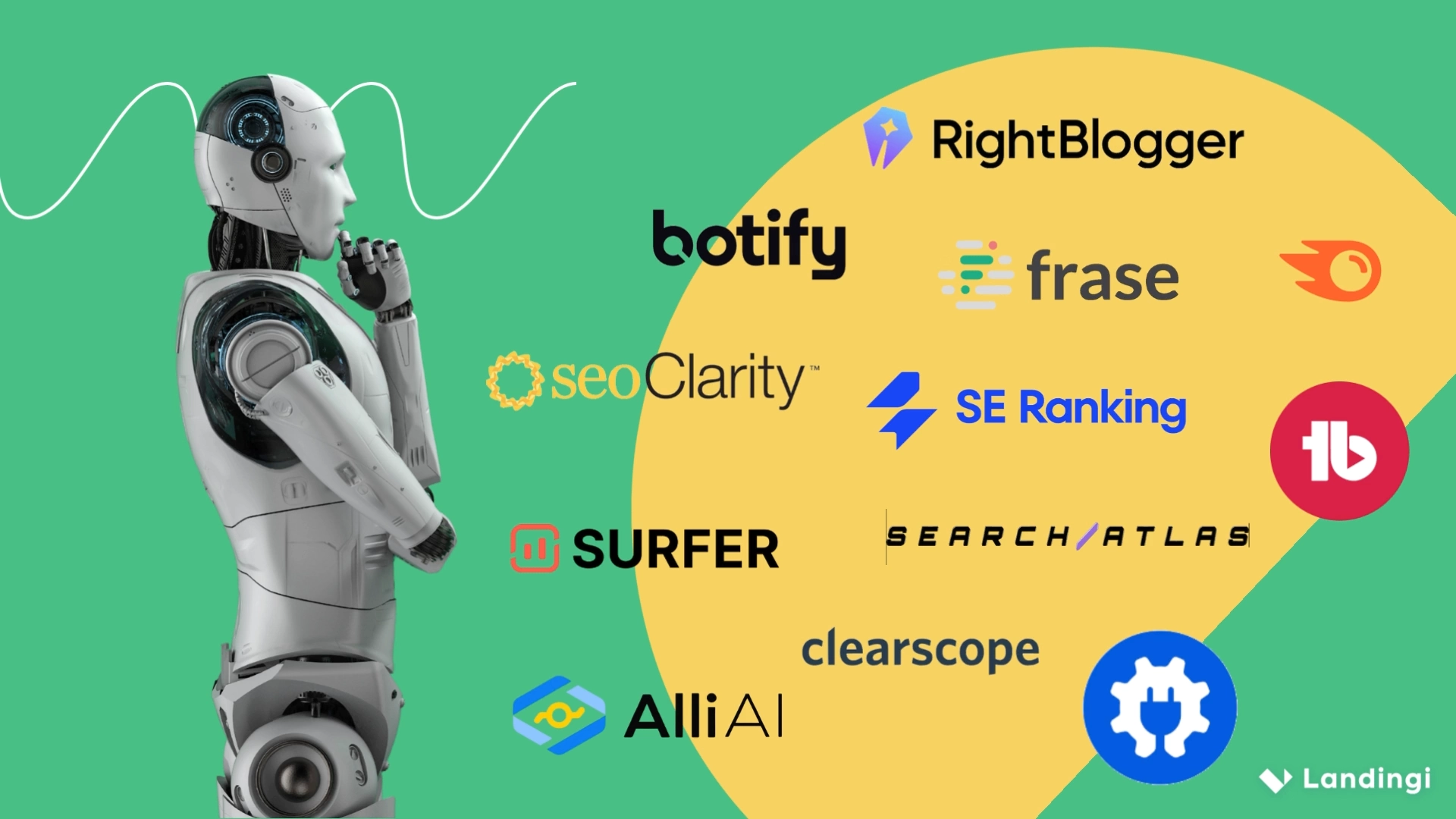
AI SEO for technology refers to the application of artificial intelligence, natural language processing (NLP), and machine learning algorithms to optimize a technology company’s online presence for search engines. Unlike traditional SEO, which relies heavily on manual audits and historical data, AI-driven SEO processes real-time search intent, user behavior patterns, and semantic relationships at scale. For technology brands, this means moving beyond simple keyword density and backlink counts toward a holistic understanding of how technical audiences search, compare, and decide.
The core distinction lies in the automation of complex tasks. AI tools can analyze thousands of competitor pages, identify content gaps, predict keyword volatility, and even generate schema markup automatically. For a tech company selling cloud infrastructure or developer tools, this capability is critical because the buyer’s journey is long, technical, and heavily research-driven. AI SEO for technology ensures that every piece of technical documentation, blog post, or product page is aligned with the specific queries that engineers, CTOs, and IT managers are typing into Google.
Why Traditional SEO Fails for Technology Companies
Technology marketing faces unique challenges that traditional SEO methodologies struggle to address. The first issue is the sheer velocity of change. Software updates, new API releases, and evolving compliance standards mean that content becomes outdated within months. Traditional SEO workflows, which involve quarterly content audits and manual updates, simply cannot keep pace.
The second challenge is the complexity of technical language. Search engines have become remarkably good at understanding user intent, but they still require clear semantic signals. A technology company writing about “serverless architecture” must compete with academic papers, vendor documentation, and open-source forums. Traditional SEO tools often fail to distinguish between transactional, informational, and commercial investigation intents within the same keyword cluster.
Finally, the competitive landscape is brutal. The technology sector has some of the highest domain authority barriers in any industry. New entrants cannot rely on generic link-building tactics. They need predictive insights that tell them exactly which subtopics to target, which content formats to use, and which distribution channels will yield the highest return. This is precisely where AI SEO for technology provides a decisive advantage.
Core Components of an AI-Driven SEO Strategy for Tech

Predictive Keyword Clustering and Topic Modeling
Traditional keyword research groups terms by search volume and difficulty. AI-driven clustering goes several steps further by analyzing the semantic relationship between keywords. For a technology company, this means understanding that “Kubernetes monitoring” and “container observability” are not just synonyms but represent different stages of the buyer’s journey. AI algorithms can process millions of search queries to build topic clusters that mirror the way technical professionals actually think and search.
This approach enables the creation of pillar pages and supporting content that comprehensively covers a subject. For example, a cybersecurity firm might use AI to identify that “zero trust architecture” is a high-intent keyword, but also that users frequently search for “zero trust implementation checklist” and “zero trust vs VPN.” The AI system then recommends a content architecture that addresses all these queries in a structured, interlinked manner.
Natural Language Processing for Content Optimization
Google’s BERT and MUM algorithms have fundamentally changed how search engines evaluate content. They look for semantic relevance, contextual depth, and genuine expertise. AI SEO for technology leverages NLP tools to analyze top-ranking pages and extract the entities, concepts, and questions they cover. This is not about keyword stuffing; it is about ensuring that your technical content answers the full spectrum of user queries.
For instance, if you are writing about “edge computing,” an NLP-driven analysis will reveal that top pages discuss latency reduction, bandwidth optimization, IoT integration, and security implications. Your content must address these subtopics to compete. AI tools can also assess readability, tone, and technical accuracy, ensuring that your content appeals to both human experts and search engine crawlers.
Automated Technical SEO Audits
Technology websites are often complex, with dynamic URLs, JavaScript-heavy interfaces, and extensive parameter tracking. Manual technical audits are time-consuming and prone to human error. AI-powered crawlers can simulate Googlebot, identify crawl budget waste, detect rendering issues, and flag Core Web Vitals problems in real time. For a SaaS platform with thousands of product pages, this automation is essential.
These tools go beyond basic error detection. They can prioritize issues based on potential traffic impact, suggest specific code fixes, and even predict how algorithm updates will affect your site’s performance. This level of insight allows technology companies to maintain a technically flawless foundation, which is a prerequisite for ranking in competitive niches.
Practical Applications of AI SEO for Technology
Programmatic SEO for Product Documentation
One of the most powerful applications of AI in tech SEO is programmatic content generation. Technology companies often have hundreds of product features, integrations, and use cases. Writing unique, high-quality pages for each one manually is impossible. AI SEO for technology enables the creation of dynamic templates that pull data from product databases and generate optimized pages at scale.
Consider a project management tool that integrates with 50 different platforms. Instead of writing 50 unique blog posts, an AI system can generate a structured page for each integration, highlighting key features, setup steps, and use cases. These pages are then automatically optimized with the correct title tags, meta descriptions, and internal links. The result is a massive expansion of long-tail keyword coverage without a proportional increase in content production costs.
Real-Time SERP Analysis and Competitor Monitoring
AI tools can monitor the search engine results pages (SERPs) for thousands of keywords simultaneously. They track changes in rankings, identify new competitors, and analyze the features that are appearing (e.g., featured snippets, People Also Ask, video carousels). For technology companies, this real-time intelligence is invaluable. If a competitor suddenly gains visibility for a high-value keyword, AI can reverse-engineer the changes they made to their content or backlink profile.
This data drives agile content strategies. Instead of waiting for quarterly reports, marketing teams can pivot their focus within days. If AI detects that video content is dominating SERPs for “API security,” the company can quickly produce a technical explainer video and embed it on the relevant page.
AI-Powered Link Building and Digital PR
Link building for technology brands requires precision. Generic guest posts and directory submissions are ineffective. AI SEO for technology uses machine learning to identify high-authority websites that are likely to link to technical content. It analyzes the content gaps of major tech publications, identifies journalists who cover specific topics, and even predicts the likelihood of a link based on historical data.
Furthermore, AI can assist in creating linkable assets. By analyzing what types of content (e.g., original research, benchmark reports, interactive tools) attract backlinks in your niche, AI can recommend specific data studies or tools to develop. This data-driven approach to digital PR ensures that your link-building efforts are focused on high-impact opportunities.
Benefits and Limitations of AI SEO for Technology

| Benefits | Limitations |
|---|---|
| Scalability: Process thousands of keywords and pages simultaneously | Data Dependency: AI models require high-quality, clean data to function effectively |
| Predictive Insights: Anticipate algorithm changes and market shifts | Cost: Advanced AI tools can be expensive for small startups |
| Efficiency: Automate repetitive tasks like audits and reporting | Lack of Creativity: AI cannot replicate human storytelling or unique brand voice |
| Accuracy: Reduce human error in technical implementations | Over-Optimization: Relying solely on AI can lead to generic, homogenized content |
| Competitive Intelligence: Real-time monitoring of rival strategies | Black Box Algorithms: Some AI tools do not explain their reasoning, making it hard to troubleshoot |
The limitations are significant but manageable. The key is to use AI as an augmentation tool, not a replacement for human expertise. The most successful technology companies combine AI-driven insights with deep subject matter expertise and editorial judgment.
Step-by-Step Guide to Implementing AI SEO for Technology
Step 1: Audit Your Current Digital Footprint
Before deploying AI tools, you need a baseline. Use an AI-powered crawler to analyze your entire website. Identify pages with high traffic but high bounce rates, pages with zero impressions, and technical errors that are hindering crawlability. This audit will reveal the immediate opportunities and threats.
Step 2: Define Your AI-Driven Keyword Universe
Move beyond simple keyword lists. Use AI clustering tools to build a comprehensive map of topics relevant to your technology. For each cluster, identify the primary keyword, secondary keywords, and long-tail variations. Pay special attention to question-based queries (e.g., “how to implement zero trust”) and comparison queries (e.g., “AWS vs Azure for startups”).
Step 3: Generate Content Briefs with AI
Use NLP tools to analyze the top 10 results for your target keywords. Extract the entities, subtopics, and questions they cover. Use this data to create a detailed content brief that includes an outline, suggested word count, internal linking opportunities, and semantic keywords. This ensures that your writers or AI content generators produce pieces that are structurally competitive.
Step 4: Optimize On-Page Elements Automatically
Implement AI tools that can automatically generate and test title tags, meta descriptions, and header tags. Some platforms use multivariate testing to determine which variations yield the highest click-through rates. For technology companies with large content libraries, this automation can significantly improve organic CTR without manual intervention.
Step 5: Monitor and Iterate with Machine Learning
AI SEO is not a set-and-forget strategy. Set up dashboards that track keyword positions, organic traffic, and conversion rates. Use predictive analytics to forecast future performance based on current trends. When a page starts to decline, AI can suggest whether it needs a content refresh, a technical fix, or additional backlinks.
Common Mistakes in AI SEO for Technology
The first mistake is treating AI as a magic bullet. Many technology companies purchase an expensive AI tool and expect immediate results. They fail to integrate the AI insights with their broader marketing strategy, resulting in disjointed efforts. AI is a compass, not a vehicle; you still need to drive.
The second mistake is ignoring user intent in favor of pure data. AI might tell you that a keyword has high volume, but if it does not align with your product’s value proposition, the traffic will be worthless. For example, ranking for “free cloud storage” might bring massive traffic, but if you are an enterprise SaaS provider, those visitors will never convert.
The third mistake is neglecting the human element. AI-generated content often lacks the nuance, personal experience, and authoritative voice that Google’s E-E-A-T guidelines reward. Technology buyers are sophisticated; they can spot generic, AI-generated fluff from a mile away. Always have a subject matter expert review and enhance AI-generated drafts.
Finally, many companies fail to update their AI models. Search algorithms change, market dynamics shift, and new competitors emerge. Your AI tools must be continuously retrained with fresh data to remain accurate. Stale data leads to stale strategies.
Important Notes for Technology Marketers
When implementing AI SEO for technology, always prioritize the user experience. Google’s algorithms are increasingly focused on satisfaction metrics like dwell time and pogo-sticking. If your content is technically accurate but poorly structured or difficult to read, your rankings will suffer. Use AI to enhance clarity, not to complicate it.
Compliance and security are also critical. If you are using AI to scrape competitor data or generate content, ensure that you are not violating any terms of service or copyright laws. The technology sector is heavily scrutinized, and ethical lapses can damage your brand reputation irreparably.
Finally, remember that AI SEO is a long-term investment. The compounding effects of a well-optimized technical blog, a clean site architecture, and a strong backlink profile take months to materialize. Do not abandon your strategy after a few weeks of flat results. Consistency and data-driven iteration are the keys to success.
Frequently Asked Questions
How does AI SEO differ from traditional SEO for technology companies?
AI SEO uses machine learning to automate and enhance tasks like keyword clustering, content optimization, and technical audits. Traditional SEO relies on manual analysis and historical data. For technology companies, AI provides real-time insights into complex buyer journeys and enables scaling of content for thousands of product features and integrations.
What are the best AI SEO tools for B2B technology companies?
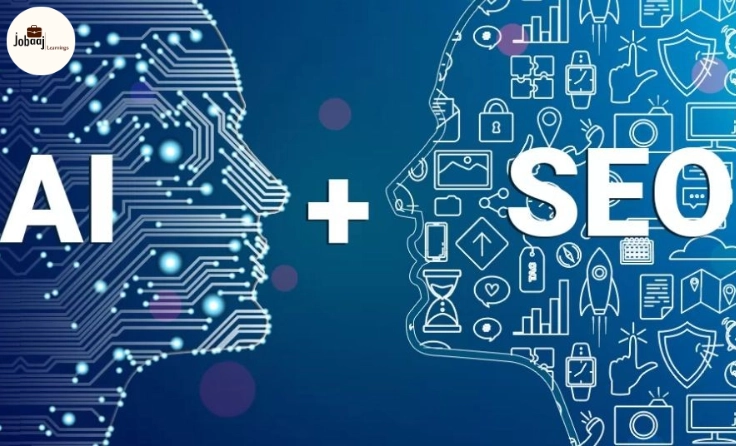
Leading tools include Clearscope and Surfer SEO for content optimization, Ahrefs and Semrush for competitive intelligence, and MarketMuse for topic modeling. For technical audits, tools like Screaming Frog with AI add-ons or Lumar are popular. The best choice depends on your specific needs, budget, and team expertise.
Can AI replace human SEO experts in the technology sector?
No. AI excels at data processing, pattern recognition, and automation, but it lacks strategic thinking, creativity, and deep industry understanding. Technology SEO requires human experts to interpret AI insights, make judgment calls, and create compelling narratives that resonate with technical audiences.
How long does it take to see results from AI SEO for technology?
Typically, significant improvements in organic traffic and rankings are visible within 3 to 6 months. However, this timeline depends on the current state of your website, the competitiveness of your keywords, and the consistency of your implementation. AI accelerates the process but does not eliminate the inherent time required for search engines to crawl, index, and trust your content.
Is AI-generated content penalized by Google?
Google does not penalize content simply for being AI-generated. However, it penalizes low-quality, spammy content regardless of its origin. If AI-generated content is accurate, helpful, and demonstrates expertise, it can rank well. The key is to use AI as a drafting tool and ensure human oversight for quality control.
Conclusion
AI SEO for technology is an indispensable strategy for any company looking to grow its organic presence in the digital age. The fusion of machine learning with search optimization allows technology brands to navigate the complexities of technical search queries, scale their content operations, and stay ahead of rapidly evolving algorithms. While challenges exist, the benefits of predictive insights, automation, and scalability far outweigh the limitations. The future of technology marketing belongs to those who can harness the power of AI while maintaining the human expertise and authenticity that builds lasting trust with customers. Start by auditing your current efforts, integrating AI tools into your workflow, and committing to a data-driven, iterative approach to growth.
Xem thêm:
- AI SEO Generative Search Traffic: The Complete Playbook for 2025
- AI SEO Entity Optimization: The Complete Guide to Future-Proof Rankings
- AI SEO Product Review Generator: The Complete Guide to Automated Review Content
- Next-Generation AI SEO Workflow for Enterprises: A Blueprint for Scalable Organic Growth
- Mastering AI SEO Scaling: How to Automate and Amplify Your Organic Growth
Bài viết cùng chủ đề:

AI SEO SEO Automation with Make: The Complete Workflow Guide

AI SEO SEO Automation with Zapier: The Complete Workflow Guide

AI SEO SEO Automation with n8n: The Complete Workflow Guide
AI SEO SEO Automation with Gemini: The Complete Guide to Scaling Organic Growth

AI SEO SEO Automation with Claude: The Complete Guide to Scaling Content in 2025

AI SEO SEO Automation with ChatGPT: The Complete Playbook for 2025

AI SEO & SEO Automation for Affiliate Sites: The 2025 Playbook for Passive Income Growth
AI SEO & SEO Automation for Bloggers: The Complete Guide to Scaling Your Content

AI SEO & SEO Automation for Agencies: The Complete 2025 Playbook

AI SEO and SEO Automation for Ecommerce: The Complete Playbook for 2025

AI SEO & SEO Automation for WordPress: The Complete Playbook for 2025
AI SEO SEO Automation Strategy: The Complete Playbook for 2025

Mastering the AI SEO SEO Automation Process: A Complete Guide to Scaling Organic Growth
AI SEO SEO Automation System: The Complete Guide to Scaling Organic Growth in 2025
AI SEO SEO Automation Platform: The Complete Guide to Scaling Organic Growth in 2025
AI SEO SEO Automation Software: The Complete Guide to Scaling Organic Growth in 2025















