
No products in the cart.
AI SEO External Link Optimization: The Complete Guide to Smarter Link Building in 2025
10
Aug
Aug
AI SEO External Link Optimization has transformed how websites build authority and rank in search results. Traditional link building relied on manual outreach and guesswork, but artificial intelligence now analyzes link patterns, predicts value, and automates the entire process. This guide covers everything from the fundamentals to advanced strategies, helping you leverage AI for better backlink profiles, higher domain authority, and improved organic traffic.
What Is AI SEO External Link Optimization?
AI SEO External Link Optimization refers to using machine learning algorithms and artificial intelligence tools to analyze, acquire, and manage external backlinks pointing to your website. The goal is to improve search engine rankings by ensuring your link profile is natural, authoritative, and relevant.
Search engines like Google use links as a primary ranking signal. However, not all links carry equal weight. AI helps you identify which links matter most, which ones could harm your site, and where to focus your outreach efforts for maximum impact.
The Evolution from Manual to AI-Driven Link Building
In the early days of SEO, webmasters exchanged links freely. Then came mass directory submissions and comment spam. Google’s Penguin algorithm in 2012 changed everything, penalizing sites with unnatural link patterns. Today, AI tools analyze thousands of data points to determine link quality, including domain authority, topical relevance, anchor text distribution, and the linking page’s context.
Modern AI SEO External Link Optimization goes beyond simple metrics. It predicts which prospects are likely to link, suggests personalized outreach messages, and continuously monitors your backlink profile for toxic links that need disavowing.
Why External Link Optimization Matters for SEO
External links, also known as backlinks, remain one of Google’s top three ranking factors. They signal to search engines that other websites vouch for your content. A strong backlink profile can dramatically increase your visibility, while a weak one can keep your pages buried on page five.
AI-driven optimization ensures you build the right type of links. It helps you avoid low-quality directories, paid link schemes, and irrelevant forums that could trigger manual penalties. Instead, you focus on earning editorial links from reputable publications, industry blogs, and educational resources.
Key Benefits of Using AI for Link Building
- Time efficiency: AI automates prospecting, outreach, and reporting, saving dozens of hours per week.
- Data-driven decisions: Algorithms analyze millions of backlink profiles to identify patterns that correlate with high rankings.
- Predictive analysis: AI predicts the likelihood of a prospect linking to you, allowing you to prioritize high-probability targets.
- Risk mitigation: Continuous monitoring flags toxic links early, preventing algorithmic penalties.
- Scalability: AI tools can manage thousands of prospects simultaneously, something impossible manually.
- Faster analysis of massive datasets
- Consistent monitoring without fatigue
- Objective evaluation of link quality
- Improved outreach response rates through personalization
- Early detection of negative SEO attacks
- AI cannot build genuine relationships with webmasters
- Over-reliance on automation can lead to unnatural link patterns
- Algorithms may misinterpret context in niche industries
- High-quality AI tools require subscription costs
- AI-generated outreach can still sound robotic if not reviewed
How AI SEO External Link Optimization Works
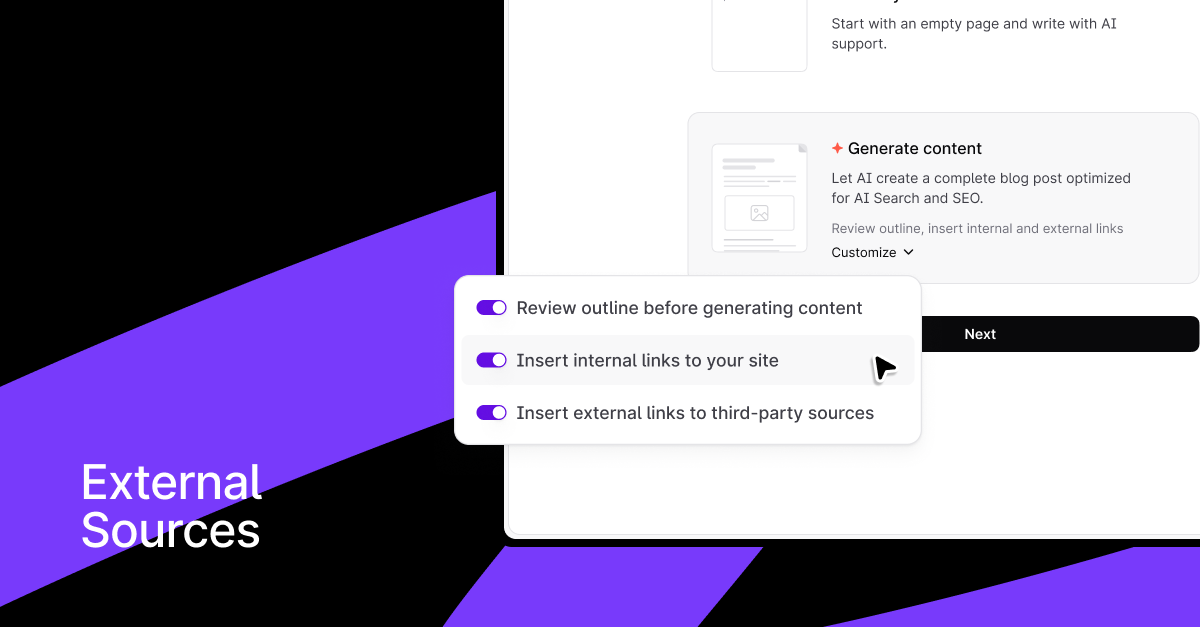
Understanding the mechanics helps you choose the right tools and strategies. The process generally follows a structured workflow that combines data collection, analysis, and automated action.
Step 1: Backlink Audit and Analysis
AI tools like Ahrefs, SEMrush, and Moz now integrate machine learning to audit your existing backlink profile. They classify links by quality, relevance, and trust. The system identifies toxic links from spammy sites, link farms, or irrelevant niches that could hurt your rankings.
The audit also reveals your top competitors’ link profiles. AI compares your domain authority, referring domains, and anchor text ratios against theirs, highlighting gaps you need to fill.
Step 2: Prospect Identification
Instead of manually searching for guest post opportunities or resource pages, AI scans the web for potential link sources. It looks for sites that have linked to similar content, mentions your brand without linking, or has broken outbound links that could be replaced with yours.
Natural language processing (NLP) helps AI understand the context of a page. It can distinguish between a blog post about digital marketing and a product review page, ensuring you target relevant prospects only.
Step 3: Personalized Outreach
Generic outreach emails have a response rate of less than 1%. AI changes this by generating personalized messages based on the prospect’s content, tone, and recent activity. Some tools even suggest the best time to send emails based on open-rate data.
AI can also handle follow-up sequences automatically. If a prospect doesn’t respond, the system sends a polite reminder with additional value propositions, increasing your chances of securing the link.
Step 4: Link Placement and Monitoring
Once you secure a backlink, AI monitors its status. It checks whether the link remains live, whether the page’s authority changes, and whether the anchor text is optimized. If a link goes dead, the system alerts you so you can request a fix or find a replacement.
Core Components of an AI-Driven Link Strategy
Successful AI SEO External Link Optimization requires a balanced approach. You cannot rely solely on automation; human judgment still plays a critical role in content creation and relationship building.
Content-Based Link Acquisition
AI helps you identify content gaps in your niche. By analyzing search queries and competitor content, you can create data-driven articles, infographics, and studies that naturally attract links. Tools like Clearscope and Surfer SEO use AI to optimize your content for both readers and search engines, increasing its linkability.
Digital PR and Brand Mentions
AI monitors the web for unlinked brand mentions. When someone mentions your company without linking, the tool flags it, allowing you to reach out and request a link. This is one of the highest-converting link building tactics because the mention already exists.
Competitor Link Gap Analysis
Your competitors likely have links you don’t. AI tools compare your backlink profile against up to ten competitors, showing you exactly which domains link to them but not to you. This creates a prioritized list of prospects with proven link interest in your niche.
Broken Link Building
AI crawls high-authority pages in your niche, finding broken outbound links. You then create a better resource on your site and suggest it as a replacement. This tactic works well because webmasters appreciate help fixing broken links.
AI Tools for External Link Optimization
Several platforms offer robust AI features for link management. Choosing the right one depends on your budget, team size, and specific needs.
| Tool | Key AI Features | Best For |
|---|---|---|
| Ahrefs | Link intersect, broken link checker, content gap analysis | Comprehensive backlink research |
| SEMrush | Backlink audit, toxic score, link building tool | All-in-one SEO suites |
| Moz Pro | Spam score, link opportunities, domain authority tracking | Small to medium businesses |
| Pitchbox | AI-powered outreach personalization, influencer discovery | Large-scale link campaigns |
| Linkody | Automatic link monitoring, competitor tracking | Agency and enterprise use |
Choosing the Right AI Tool
Start with a free trial of two or three tools. Test their AI capabilities on your actual backlink profile. Look for accuracy in toxic link detection, ease of use in prospect discovery, and the quality of outreach templates. The best tool is one your team will actually use consistently.
Benefits and Limitations of AI in Link Building
AI brings undeniable advantages, but it also has limitations that require human oversight.
Benefits
Limitations
Practical Guide: Implementing AI SEO External Link Optimization
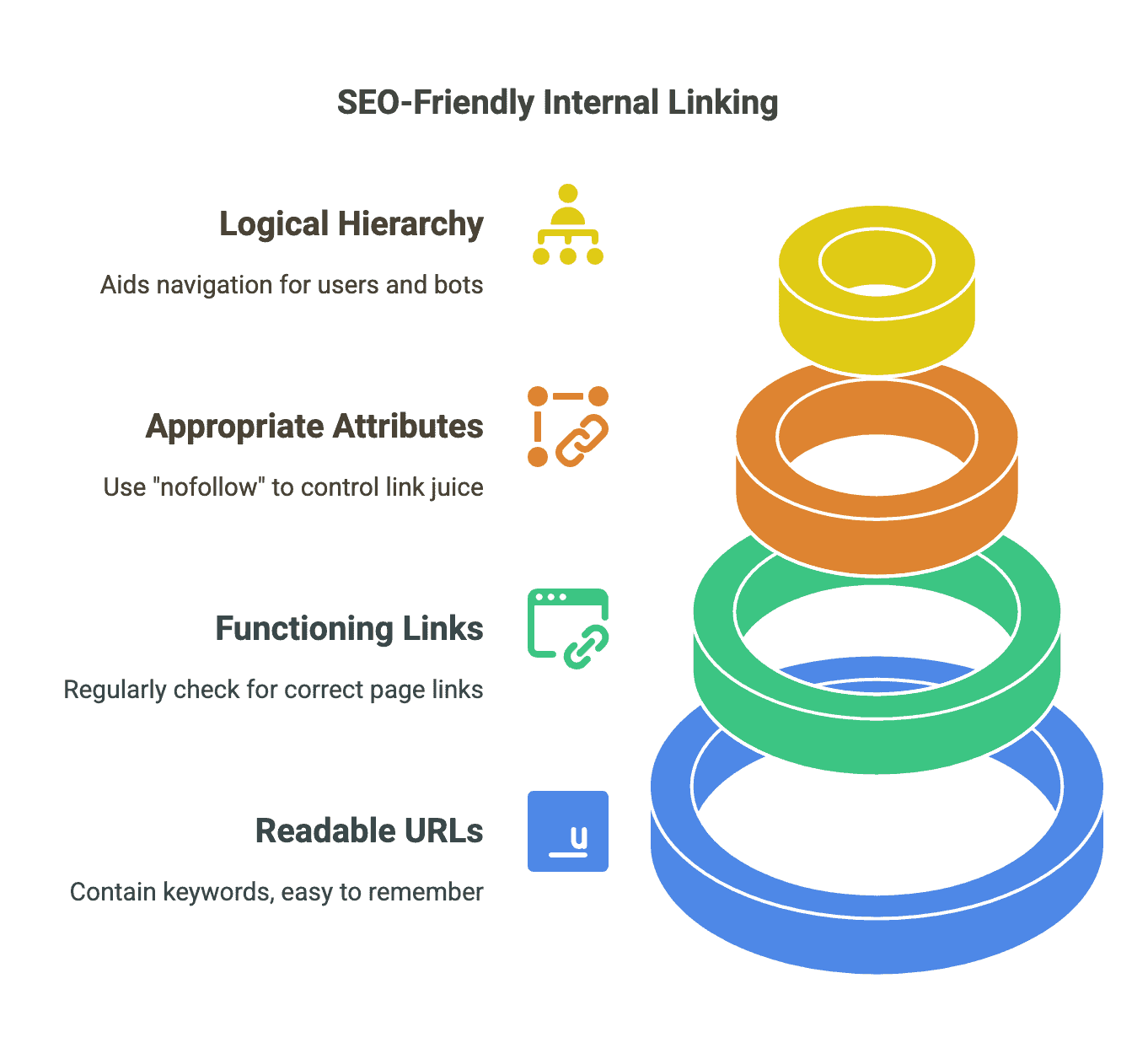
Follow this step-by-step approach to integrate AI into your link building workflow effectively.
Step 1: Run a Comprehensive Backlink Audit
Use an AI-powered tool to analyze your current profile. Export the list of toxic links and disavow them through Google Search Console. Identify your top-performing pages and the keywords they rank for. This baseline helps you measure future progress.
Step 2: Define Your Link Goals
Set specific targets. For example, aim to acquire 10 new referring domains per month, with an average domain authority of 50 or higher. Define your target anchor text ratio: 40% branded, 30% exact match, 20% partial match, and 10% naked URLs.
Step 3: Build a Prospect List Using AI
Use the competitor gap analysis feature to find domains linking to competitors but not to you. Filter by domain authority, traffic, and relevance. Aim for a list of 100 prospects per month. Prioritize those with high domain authority and a history of linking to fresh content.
Step 4: Create Linkable Assets
Before reaching out, ensure you have something worth linking to. Create original research, comprehensive guides, or interactive tools. AI content optimization tools can help you structure these assets for maximum engagement.
Step 5: Execute Personalized Outreach
Use AI to generate email templates, but customize each one manually. Mention the prospect’s recent content, explain why your resource adds value to their audience, and keep the email under 150 words. Track open rates and follow up after three days.
Step 6: Monitor and Adjust
Set up weekly reports on new backlinks, lost links, and anchor text distribution. If you notice an unnatural spike in exact-match anchors, diversify your strategy. If a particular type of content attracts more links, double down on that format.
Common Mistakes in AI SEO External Link Optimization
Even with advanced tools, many marketers make avoidable errors that undermine their efforts.
Ignoring Link Relevance
AI tools can suggest high-authority domains that have nothing to do with your niche. A link from a tech blog to a recipe site looks unnatural to Google. Always prioritize relevance over raw authority.
Over-Optimizing Anchor Text
Using the exact same keyword-rich anchor text for every link triggers spam filters. AI can help you vary anchors, but you must review the suggestions. Aim for a natural distribution that mirrors how people actually link.
Neglecting Internal Links
External link optimization works best when combined with a solid internal linking structure. AI tools can suggest internal link opportunities, but many users ignore this. Internal links distribute authority throughout your site and improve crawlability.
Buying Links Through AI Automation
Some tools offer “link packages” or automated directory submissions. These violate Google’s guidelines and can result in severe penalties. Use AI for analysis and outreach, not for purchasing links.
Failing to Disavow Toxic Links
AI flags toxic links, but you must take action. Submit a disavow file in Google Search Console. Without this step, harmful links continue to drag down your rankings.
Important Notes for Long-Term Success
AI SEO External Link Optimization is not a one-time project. It requires continuous effort and adaptation to algorithm updates.
Google’s algorithms evolve constantly. What works today may not work next year. Stay updated with official Google guidelines and reputable SEO news sources. Test new AI tools carefully before integrating them into your workflow.
Remember that link building is a means to an end. The ultimate goal is to create a website that people find valuable enough to reference. AI helps you scale your efforts, but it cannot replace the fundamental need for excellent content and genuine expertise.
Privacy regulations like GDPR affect outreach data. Ensure your AI tools comply with data protection laws. Always include an unsubscribe option in your emails and respect webmasters’ preferences.
Frequently Asked Questions
What is the difference between AI SEO External Link Optimization and traditional link building?
Traditional link building relies on manual research, manual outreach, and subjective judgment. AI SEO External Link Optimization uses machine learning to automate data analysis, predict link value, personalize outreach at scale, and continuously monitor link health. The core principles remain the same, but AI makes the process faster, more accurate, and more scalable.
Can AI completely replace human link builders?
No. AI excels at data processing, pattern recognition, and automation. However, building genuine relationships, creating compelling content, and negotiating with high-authority publishers require human creativity and emotional intelligence. The best results come from combining AI efficiency with human oversight.
How long does it take to see results from AI-driven link building?
Most websites see noticeable improvements in domain authority and keyword rankings within three to six months of consistent effort. High-competition niches may take longer. AI accelerates the process by helping you avoid wasted effort on low-quality prospects, but Google’s indexing and evaluation still take time.
What is a toxic backlink and how does AI identify it?
A toxic backlink comes from a low-quality, spammy, or irrelevant website. AI identifies these links by analyzing factors like the linking domain’s history, the presence of malware, the ratio of outbound links, and the context of the surrounding content. Tools assign a toxicity score, and you can disavow links above a certain threshold.
Is AI SEO External Link Optimization suitable for small businesses?
Yes. Many AI tools offer affordable plans for small businesses. Even a basic subscription can automate competitor analysis and backlink monitoring, saving hours of manual work. Small businesses benefit most from AI’s ability to find niche-relevant prospects that larger agencies might overlook.
How do I measure the success of my AI link building campaign?
Track these key performance indicators: number of new referring domains, domain authority of acquired links, organic traffic growth, keyword rankings for target terms, and conversion rates from organic visitors. Use your AI tool’s reporting dashboard to monitor these metrics monthly.
Conclusion
AI SEO External Link Optimization represents the new standard for building a resilient, high-performing backlink profile. By leveraging machine learning for audits, prospecting, outreach, and monitoring, you can achieve results that were previously impossible with manual effort alone.
The key to success lies in balancing automation with human judgment. Use AI to handle the heavy lifting of data analysis and repetitive tasks, but always review its suggestions through the lens of your brand’s values and audience needs. Focus on creating genuinely useful content, building real relationships, and maintaining a natural link profile.
Start small. Audit your current backlinks, set clear goals, and implement one AI tool at a time. As you become comfortable with the technology, expand your efforts. With consistent application, AI SEO External Link Optimization will become a powerful driver of sustainable organic growth for your website.
Xem thêm:
- AI SEO AI Brand Monitoring: The Complete Guide to Protecting Your Digital Reputation
- AI SEO Strategy: The Complete Guide to Ranking with Artificial Intelligence in 2025
- AI WordPress SEO: Your Complete Blueprint for Automated Organic Growth
- How to Create SEO Briefs with AI: A Step-by-Step System for Faster, Smarter Content Planning
- AI SEO Vector Search: The Complete Guide to Semantic Search Optimization
Bài viết cùng chủ đề:

AI SEO SEO Automation with Make: The Complete Workflow Guide

AI SEO SEO Automation with Zapier: The Complete Workflow Guide

AI SEO SEO Automation with n8n: The Complete Workflow Guide
AI SEO SEO Automation with Gemini: The Complete Guide to Scaling Organic Growth

AI SEO SEO Automation with Claude: The Complete Guide to Scaling Content in 2025

AI SEO SEO Automation with ChatGPT: The Complete Playbook for 2025

AI SEO & SEO Automation for Affiliate Sites: The 2025 Playbook for Passive Income Growth
AI SEO & SEO Automation for Bloggers: The Complete Guide to Scaling Your Content

AI SEO & SEO Automation for Agencies: The Complete 2025 Playbook

AI SEO and SEO Automation for Ecommerce: The Complete Playbook for 2025

AI SEO & SEO Automation for WordPress: The Complete Playbook for 2025
AI SEO SEO Automation Strategy: The Complete Playbook for 2025

Mastering the AI SEO SEO Automation Process: A Complete Guide to Scaling Organic Growth
AI SEO SEO Automation System: The Complete Guide to Scaling Organic Growth in 2025
AI SEO SEO Automation Platform: The Complete Guide to Scaling Organic Growth in 2025
AI SEO SEO Automation Software: The Complete Guide to Scaling Organic Growth in 2025















