
No products in the cart.
AI SEO Lead Generation: The Complete Playbook for 2025
31
Jul
Jul
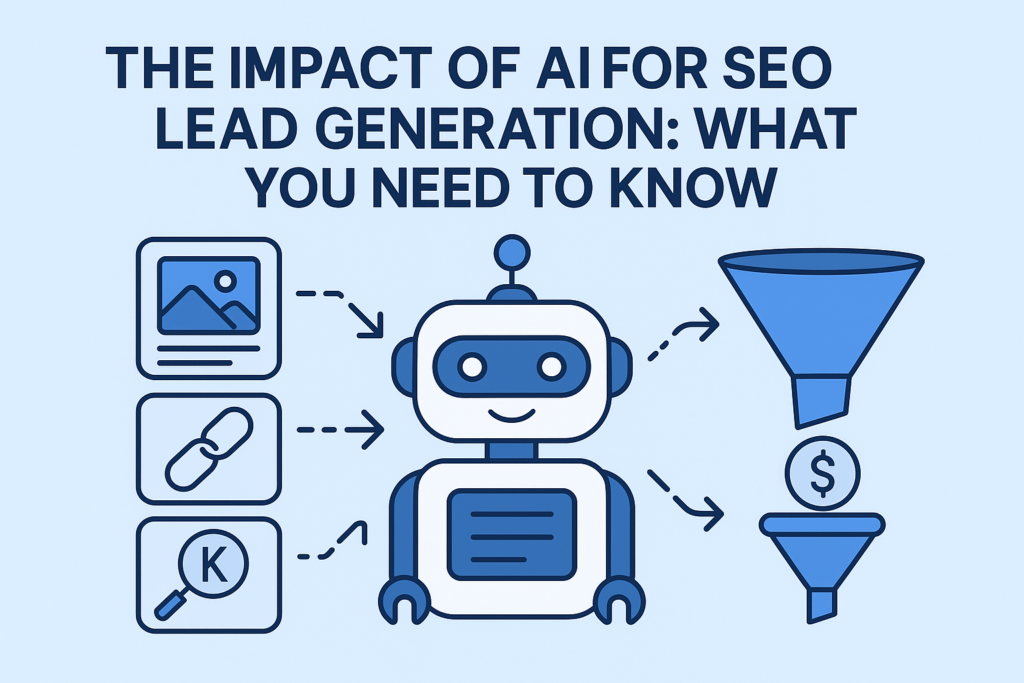
AI SEO lead generation has fundamentally transformed how businesses attract, engage, and convert prospects online. The days of manually researching keywords and guessing at search intent are fading fast. Today, artificial intelligence tools analyze millions of data points in seconds, predict user behavior with startling accuracy, and automate the tedious tasks that once consumed entire marketing teams. This comprehensive guide breaks down exactly how AI-powered systems identify high-intent prospects, optimize content for search engines, and deliver qualified leads directly to your sales pipeline. You will learn the specific tools, strategies, and workflows that separate companies generating consistent revenue from those still struggling with outdated methods.
What Is AI SEO Lead Generation?
AI SEO lead generation combines artificial intelligence algorithms with search engine optimization practices to identify, attract, and convert potential customers through organic search channels. Unlike traditional SEO, which relies heavily on manual analysis and static keyword targeting, AI-driven systems continuously learn from search patterns, user engagement metrics, and conversion data. These systems adapt in real-time, adjusting content strategies based on what actually drives qualified traffic and sales.
The core difference lies in predictive capability. Traditional SEO tells you what people searched for yesterday. AI SEO lead generation tells you what they will search for tomorrow, which queries are most likely to convert, and what type of content will capture their attention at each stage of the buyer journey. This shift from reactive to proactive optimization represents a massive competitive advantage for businesses that embrace it.
How AI Algorithms Identify High-Intent Leads
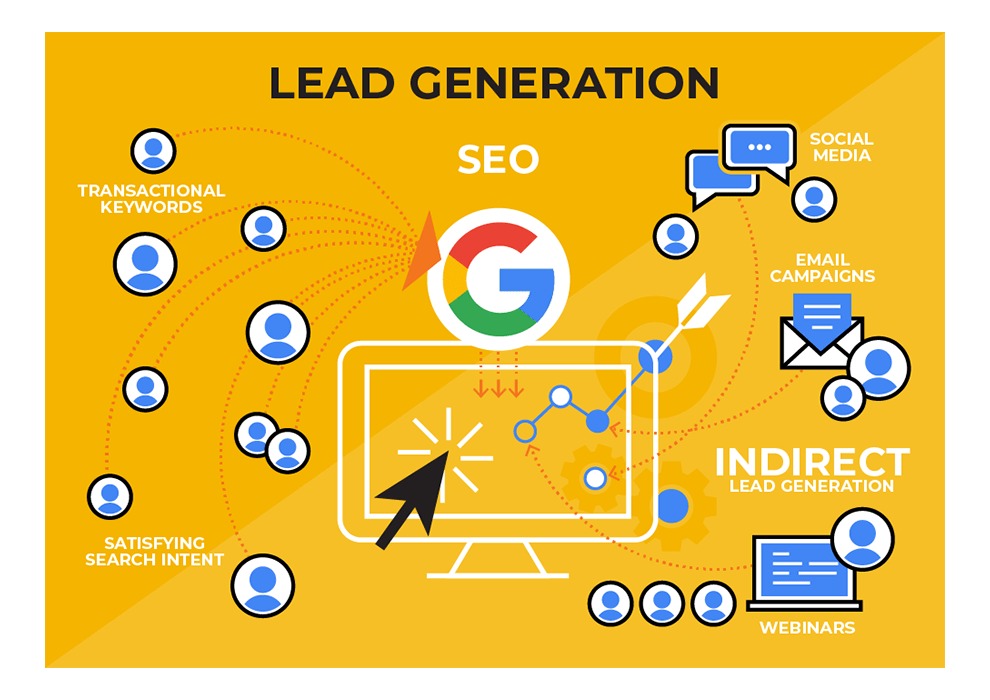
AI systems analyze search queries beyond simple keyword matching. They examine search context, user location, device type, browsing history, and behavioral signals to determine purchase intent. For example, someone searching “best CRM for real estate agents” shows significantly higher buying intent than someone searching “what is a CRM.” AI tools score these queries based on hundreds of variables, allowing marketers to prioritize content creation and optimization efforts toward terms most likely to generate revenue.
Natural language processing (NLP) enables AI to understand semantic relationships between words and concepts. This means the system recognizes that “affordable project management software” and “cheap project management tools” represent the same user need, even though the exact keywords differ. By grouping these related concepts, AI creates comprehensive content clusters that capture traffic across the entire search landscape.
Core Components of an AI SEO Lead Generation System
Building an effective AI-powered lead generation engine requires several interconnected components working together seamlessly. Each element plays a critical role in identifying, attracting, and converting potential customers.
Predictive Keyword Intelligence
Predictive keyword intelligence goes far beyond standard keyword research tools. AI platforms like Clearscope, Surfer SEO, and MarketMuse analyze search volume trends, competitor content performance, and user engagement patterns to forecast which keywords will gain traction. These tools identify emerging topics before they become saturated, giving early movers a significant ranking advantage.
The system also evaluates keyword difficulty more accurately by considering the actual authority and relevance of currently ranking pages, not just domain authority metrics. This allows smaller businesses to identify realistic opportunities where they can compete effectively rather than wasting resources on impossible rankings.
Automated Content Optimization
AI content optimization tools analyze top-ranking pages for target keywords and generate detailed recommendations for structure, length, semantic coverage, and internal linking. These systems understand that Google’s algorithms reward comprehensive, user-focused content rather than simple keyword density. The AI suggests related terms, questions to answer, and subtopics to cover based on what already ranks well.
Real-time optimization during the writing process ensures content meets both user needs and search engine requirements. Tools like Frase and Surfer provide live scoring as you write, highlighting missing terms and suggesting structural improvements. This dramatically reduces the time required to produce ranking content while improving quality.
Intelligent Internal Linking
AI systems map your entire website structure and automatically identify optimal internal linking opportunities. These algorithms understand which pages support each other contextually and distribute link equity strategically. Rather than manually reviewing every page, AI analyzes content relationships and suggests links that improve crawlability and user navigation while boosting rankings for priority pages.
User Intent Classification
Modern AI SEO lead generation systems classify search queries into distinct intent categories: informational, navigational, commercial, and transactional. This classification determines which type of content to create and how to structure conversion paths. For commercial and transactional queries, the system prioritizes product pages, comparison guides, and case studies with clear calls-to-action. For informational queries, it focuses on educational content that builds trust and captures email addresses for future nurturing.
Benefits of AI-Powered Lead Generation
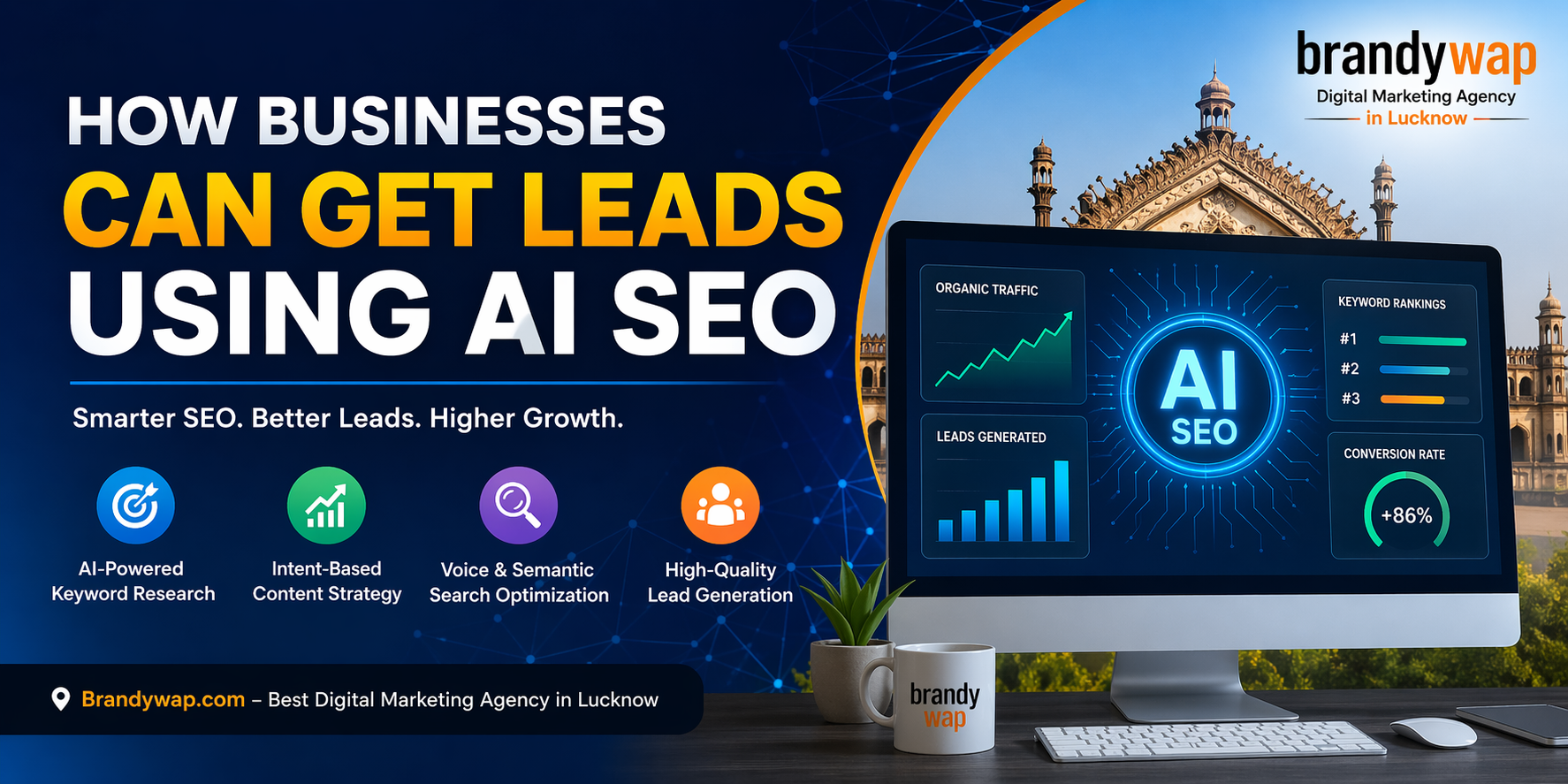
The advantages of implementing AI in your SEO lead generation strategy extend far beyond simple time savings. These systems fundamentally improve the quality and quantity of leads your organic search efforts produce.
- Higher conversion rates: AI targets users showing genuine purchase intent, resulting in more qualified leads reaching your sales team
- Significant cost reduction: Automated processes eliminate the need for large content and SEO teams, reducing customer acquisition costs
- Faster time-to-rank: AI identifies opportunities and optimizes content faster than manual processes, accelerating organic growth
- Scalable content production: AI systems guide content creation across hundreds of topics simultaneously without quality degradation
- Continuous learning: Algorithms improve over time, becoming more accurate at predicting what content drives conversions
- Competitive intelligence: AI monitors competitor strategies and automatically adjusts your approach to maintain advantage
Measurable ROI Improvements
Companies implementing AI SEO lead generation typically see dramatic improvements in key performance indicators. According to industry data, businesses using AI-powered SEO tools report an average 30-50% increase in organic traffic within six months. More importantly, the quality of leads improves significantly, with conversion rates from organic search increasing by 20-40% when AI targeting is properly implemented.
The cost per lead also decreases substantially. Traditional SEO lead generation often requires significant investment in content production, link building, and technical optimization. AI systems reduce these costs by automating analysis, identifying the highest-ROI activities, and eliminating wasted effort on low-potential keywords.
AI SEO Lead Generation vs Traditional Methods
| Aspect | Traditional SEO | AI-Powered SEO |
|---|---|---|
| Keyword research | Manual analysis, static lists | Predictive modeling, real-time updates |
| Content optimization | Based on past performance | Forecasts future ranking factors |
| User intent | Assumed from keywords | Analyzed through behavioral signals |
| Adaptation speed | Weeks to months | Hours to days |
| Scalability | Limited by team capacity | Unlimited, automated |
| Lead quality | Broad traffic, mixed intent | High-intent, conversion-focused |
The comparison clearly shows that AI-powered approaches outperform traditional methods across every critical dimension. While traditional SEO still has a place in comprehensive marketing strategies, relying solely on manual methods puts businesses at a significant disadvantage in competitive markets.
Practical Implementation: Building Your AI Lead Generation System
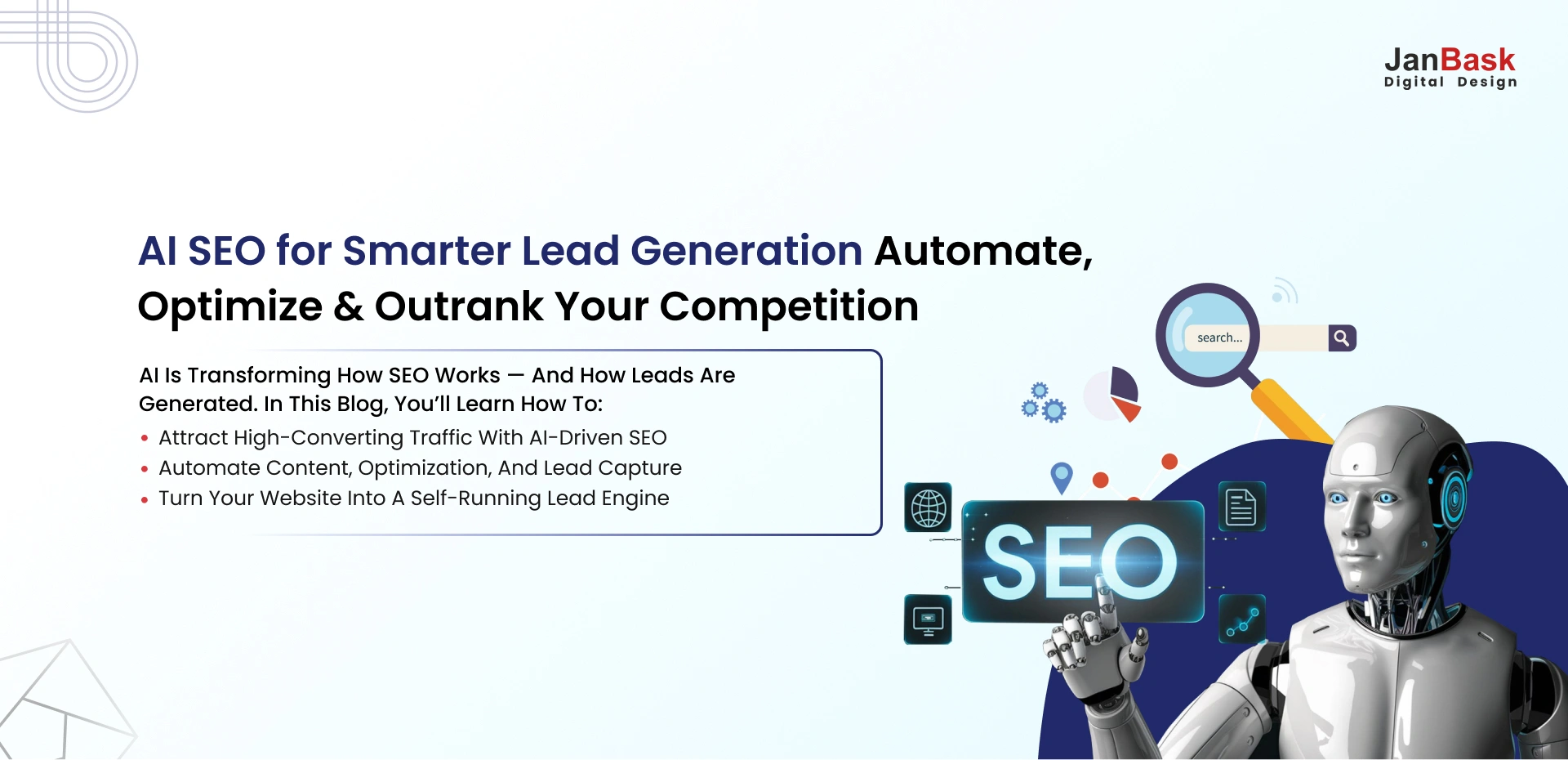
Implementing AI SEO lead generation requires a systematic approach. Follow these steps to build a system that consistently delivers qualified leads.
Step 1: Audit Your Current SEO Performance
Before implementing AI tools, understand your baseline. Analyze current organic traffic, keyword rankings, conversion rates, and lead quality. Identify which pages generate the most revenue and which keywords drive actual sales rather than just visits. This baseline data helps you measure the impact of AI implementation and prioritize initial efforts.
Step 2: Select the Right AI Tools
Choose tools that integrate with your existing marketing stack and address your specific needs. For keyword intelligence and content optimization, consider Surfer SEO, Clearscope, or MarketMuse. For predictive lead scoring and intent data, platforms like 6sense or Demandbase provide valuable insights. For automated content generation and optimization, tools like Jasper and Copy.ai offer powerful capabilities when combined with human oversight.
Start with one or two tools rather than implementing everything at once. Master the core functionality before expanding your AI toolkit. This approach reduces complexity and ensures proper adoption across your team.
Step 3: Build Intent-Based Content Clusters
Use AI tools to map your entire topic landscape and identify content gaps. Create pillar pages targeting high-intent commercial keywords, then build supporting content that addresses related questions and subtopics. The AI system helps you determine which topics to prioritize based on traffic potential and conversion likelihood.
Each piece of content should have a clear conversion path. Informational content captures email addresses through lead magnets. Commercial content includes product comparisons, pricing pages, and case studies with prominent calls-to-action. Transactional content focuses on product pages and checkout optimization.
Step 4: Implement Continuous Optimization
AI SEO lead generation is not a set-and-forget strategy. Monitor performance data daily and let the AI system identify underperforming pages and new opportunities. Update content regularly based on AI recommendations, adjusting for changes in search behavior and competitor activity.
Set up automated reporting that tracks key metrics including organic traffic, keyword rankings, lead generation, and conversion rates. Review these reports weekly and adjust your strategy accordingly. The AI system learns from your results and becomes more accurate over time.
Common Mistakes in AI SEO Lead Generation
Even with powerful AI tools, many businesses fail to achieve desired results due to common implementation errors. Understanding these pitfalls helps you avoid wasting time and resources.
Over-Reliance on Automation
AI tools provide recommendations, but they cannot replace human judgment entirely. Content still requires human expertise, creativity, and brand voice. Leads still require human nurturing and relationship building. The most successful strategies combine AI efficiency with human insight and personalization.
Ignoring User Experience
AI optimization focuses on search engine requirements, but Google’s algorithms increasingly prioritize user experience signals. Slow page load times, poor mobile responsiveness, and confusing navigation will undermine even the most perfectly optimized content. Ensure your website provides excellent user experience across all devices.
Targeting Keywords Without Commercial Intent
High traffic does not automatically translate to high revenue. Many businesses focus on popular keywords that attract browsers rather than buyers. AI tools help identify commercial intent, but you must prioritize these opportunities over purely informational topics. Balance your content strategy between building authority and driving conversions.
Neglecting Lead Nurturing
Generating leads is only half the battle. Without proper nurturing, most leads never convert into customers. Implement email marketing automation, retargeting campaigns, and personalized content recommendations to move leads through your sales funnel. AI tools can score leads based on engagement and alert your sales team when prospects show high purchase intent.
Important Notes for Success
Successful AI SEO lead generation requires ongoing commitment and strategic thinking. The technology continues to evolve rapidly, and staying current with developments is essential. Follow industry publications, attend conferences, and participate in professional communities to remain informed about new tools and techniques.
Data privacy regulations continue to impact how AI systems collect and use information. Ensure your lead generation practices comply with GDPR, CCPA, and other applicable regulations. Transparency about data collection builds trust with your audience and protects your business from legal issues.
Quality always trumps quantity. Generating thousands of low-quality leads wastes your sales team’s time and damages your reputation. Focus on attracting fewer, better-qualified prospects who are genuinely interested in your solutions. AI tools help identify these high-value opportunities, but you must maintain rigorous standards throughout your funnel.
Frequently Asked Questions
How long does it take to see results from AI SEO lead generation?
Most businesses see initial improvements in organic traffic within 4-8 weeks of implementing AI tools. However, significant lead generation results typically require 3-6 months of consistent optimization. The timeline depends on your industry competitiveness, current domain authority, and the quality of your content. AI accelerates the process compared to traditional SEO, but it cannot overcome fundamental issues like poor product-market fit or weak website infrastructure.
What is the cost of implementing AI SEO lead generation?
Costs vary widely depending on the tools and scale of implementation. Basic AI content optimization tools range from $100-300 per month. Comprehensive platforms with predictive analytics and lead scoring can cost $1,000-5,000 monthly. Enterprise solutions with custom AI models may exceed $10,000 per month. Most small and medium businesses achieve significant results with tools in the $500-2,000 monthly range.
Can AI completely replace human SEO specialists?
No, AI cannot fully replace human expertise. While AI handles data analysis, pattern recognition, and repetitive tasks, human specialists provide strategic direction, creative content development, and relationship building. The most effective approach combines AI efficiency with human judgment. SEO professionals who embrace AI tools become more valuable, focusing on high-level strategy rather than manual implementation.
Which industries benefit most from AI SEO lead generation?
B2B companies with complex sales cycles benefit significantly because AI helps identify and nurture high-intent prospects. SaaS businesses, professional services, financial services, healthcare, and industrial manufacturing all see strong results. B2C e-commerce also benefits from AI-powered product recommendations and personalized content. Any business with a website and organic search presence can improve lead generation through AI implementation.
How does AI handle voice search and mobile optimization?
Modern AI SEO tools analyze voice search patterns, which tend to be longer and more conversational than text queries. These systems optimize content for featured snippets and position zero results, which are crucial for voice search visibility. AI also evaluates mobile user experience signals and recommends improvements to ensure content performs well across all devices.
Conclusion
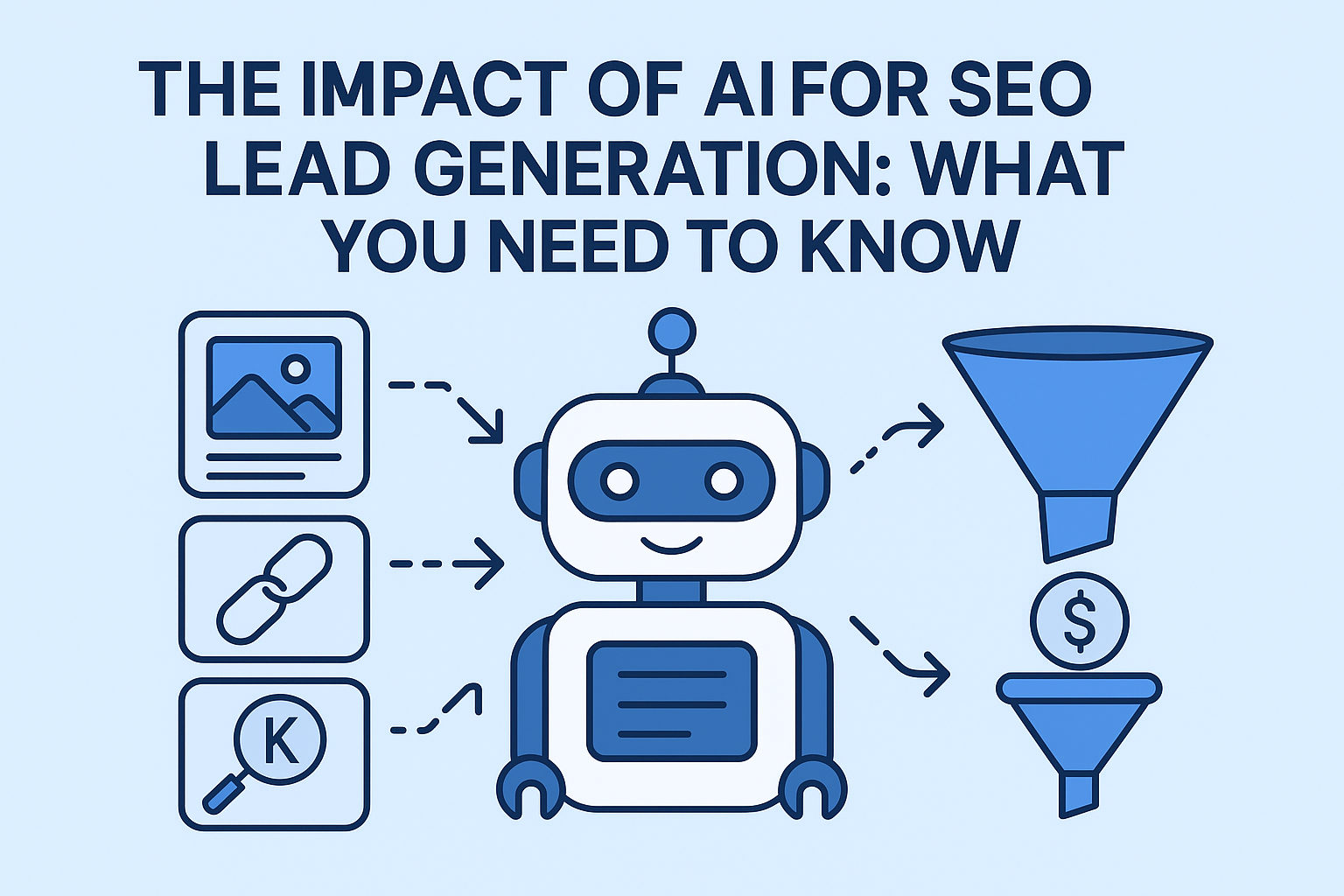
AI SEO lead generation represents the most significant advancement in digital marketing since the introduction of search engines themselves. The ability to predict user behavior, automate optimization, and identify high-intent prospects transforms how businesses attract and convert customers online. Companies that embrace these technologies gain substantial competitive advantages through lower acquisition costs, higher conversion rates, and faster growth.
The implementation journey requires careful planning, the right tools, and continuous optimization. Start by auditing your current performance, selecting appropriate AI solutions, and building intent-based content clusters. Avoid common pitfalls like over-automation and neglecting user experience. Monitor results regularly and adjust your strategy based on real performance data.
The future of SEO lead generation belongs to those who leverage artificial intelligence effectively. The technology continues to evolve, offering even more sophisticated capabilities for understanding and reaching potential customers. Businesses that invest in AI-powered strategies today position themselves for sustained success in the increasingly competitive digital landscape. The time to act is now, and the tools are more accessible than ever before.
Xem thêm:
- AI Paraphrasing: The Ultimate Guide to Rewriting Content With Artificial Intelligence
- AI SEO Productivity: How Smart Automation Transforms Rankings and Workflows
- AI SEO AI Search Monitoring: The Complete Guide to Tracking Your Brand in the Age of Generative Engines
- AI SEO APIs: The Ultimate Guide to Automating Search Optimization with Artificial Intelligence
- AI Search Optimization: The Ultimate Guide to Ranking in LLMs and Generative Engines
Bài viết cùng chủ đề:

AI SEO SEO Automation with Make: The Complete Workflow Guide

AI SEO SEO Automation with Zapier: The Complete Workflow Guide

AI SEO SEO Automation with n8n: The Complete Workflow Guide
AI SEO SEO Automation with Gemini: The Complete Guide to Scaling Organic Growth

AI SEO SEO Automation with Claude: The Complete Guide to Scaling Content in 2025

AI SEO SEO Automation with ChatGPT: The Complete Playbook for 2025

AI SEO & SEO Automation for Affiliate Sites: The 2025 Playbook for Passive Income Growth
AI SEO & SEO Automation for Bloggers: The Complete Guide to Scaling Your Content

AI SEO & SEO Automation for Agencies: The Complete 2025 Playbook

AI SEO and SEO Automation for Ecommerce: The Complete Playbook for 2025

AI SEO & SEO Automation for WordPress: The Complete Playbook for 2025
AI SEO SEO Automation Strategy: The Complete Playbook for 2025

Mastering the AI SEO SEO Automation Process: A Complete Guide to Scaling Organic Growth
AI SEO SEO Automation System: The Complete Guide to Scaling Organic Growth in 2025
AI SEO SEO Automation Platform: The Complete Guide to Scaling Organic Growth in 2025
AI SEO SEO Automation Software: The Complete Guide to Scaling Organic Growth in 2025















