
No products in the cart.
AI SEO Featured Snippet Opportunities: The Complete Playbook for 2025

10
Aug
Aug
Securing position zero in Google search results remains the holy grail for digital marketers, and the emergence of artificial intelligence has fundamentally reshaped how these coveted spots are earned. AI SEO featured snippet opportunities now represent the most efficient pathway to dominating search real estate, capturing voice search queries, and establishing unshakeable topical authority. This comprehensive guide examines how machine learning algorithms evaluate content, what triggers snippet selection, and how to systematically engineer your pages for maximum visibility in both traditional search and AI-generated answers.
Understanding AI SEO Featured Snippet Opportunities
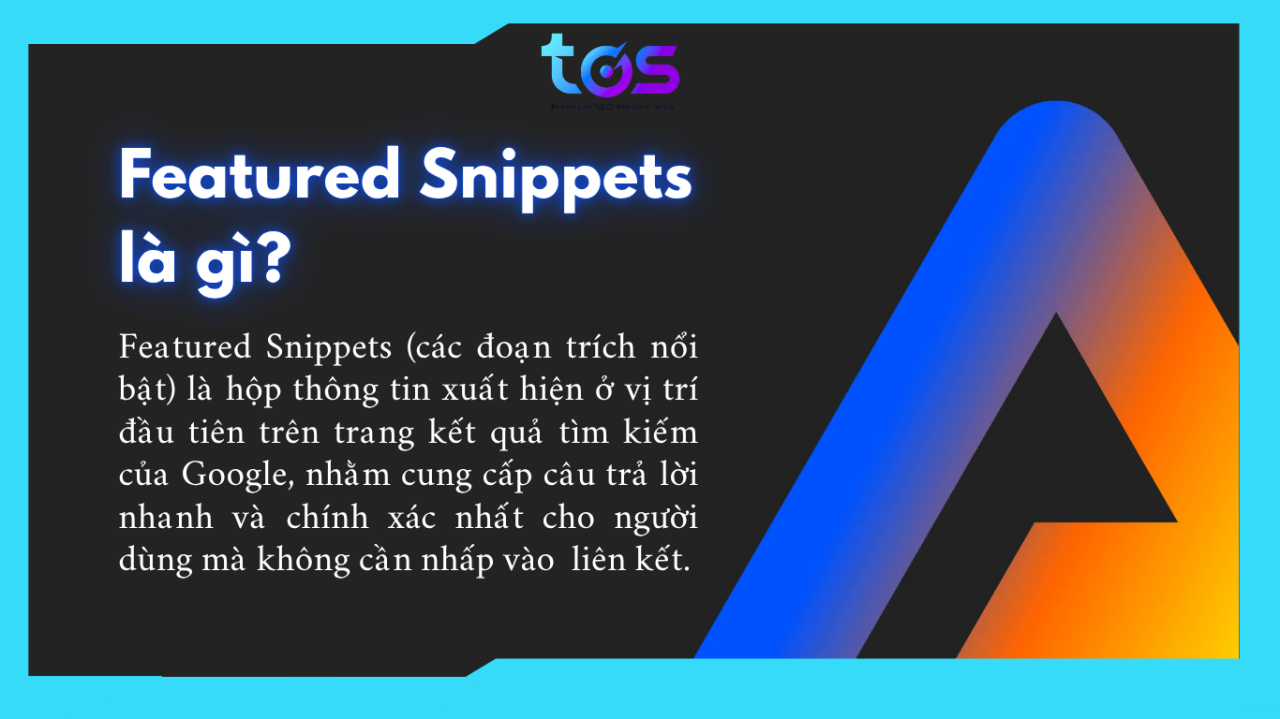
AI SEO featured snippet opportunities refer to the strategic intersection where artificial intelligence-driven search algorithms identify, extract, and display specific content blocks as direct answers to user queries. Unlike traditional organic rankings that list blue links, featured snippets appear at the very top of the search results page, often accompanied by images, tables, or lists. Google’s AI systems, including the Multitask Unified Model (MUM) and the RankBrain algorithm, evaluate hundreds of ranking signals to determine which content best satisfies the user’s intent in a concise, scannable format.
The significance of these opportunities cannot be overstated. Featured snippets capture approximately 8.5% of all clicks, but more importantly, they dominate voice search results. When users ask Siri, Google Assistant, or Alexa a question, the device reads the featured snippet aloud. This means that winning a snippet positions your brand as the authoritative answer source across multiple platforms and devices simultaneously.
The Evolution of AI in Snippet Selection
Google’s transition from purely lexical matching to semantic understanding has transformed snippet selection criteria. Early algorithms relied on keyword density and exact phrase matching. Modern AI systems analyze entity relationships, contextual relevance, and content structure. The BERT algorithm update in 2019 enabled Google to understand prepositions and contextual nuances, while the MUM model introduced in 2021 brought multimodal understanding, allowing the system to comprehend text, images, and video content simultaneously.
This evolution means that AI SEO featured snippet opportunities now favor content that demonstrates comprehensive topic coverage, logical information architecture, and clear, direct answers formatted for machine readability. The algorithms actively seek out content that mirrors the structure of encyclopedic entries, FAQ pages, and step-by-step guides because these formats consistently provide the highest user satisfaction rates.
Types of Featured Snippets and Their AI Selection Criteria
Understanding the distinct snippet formats is essential for targeting AI SEO featured snippet opportunities effectively. Each format serves a different user intent and requires specific content structuring to trigger selection.
| Snippet Type | Typical Query Intent | Optimal Content Format | Average Character Length |
|---|---|---|---|
| Paragraph Snippet | Definitional or explanatory queries | Direct answer in first 40-60 words | 40-60 words |
| List Snippet | Step-by-step or ranked queries | Ordered or unordered lists | Varies, typically 5-10 items |
| Table Snippet | Comparative or data-driven queries | Structured HTML tables | 3-10 rows |
| Video Snippet | How-to or demonstration queries | Timestamped video content | N/A |
Google’s AI systems analyze the query’s intent signals to determine which snippet format to display. Informational queries with “what is” or “define” typically trigger paragraph snippets. Procedural queries with “how to” or “steps” favor list snippets. Comparative queries with “vs” or “difference between” often result in table snippets. Aligning your content format with these patterns dramatically increases your chances of winning the featured position.
How AI Algorithms Evaluate Content for Snippet Selection
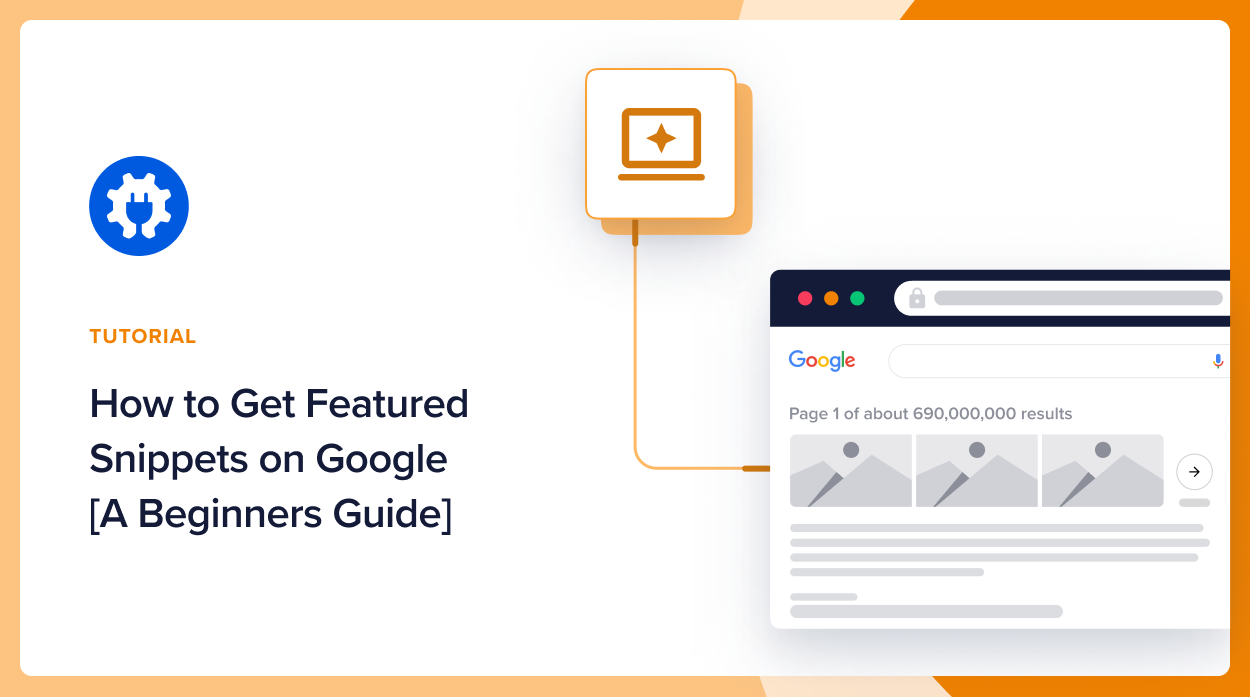
Google’s ranking systems employ a multi-layered evaluation process when determining which content deserves the featured snippet position. The AI first identifies the primary entity within the query, then scans the indexed content for pages that demonstrate the highest topical relevance and information density. The algorithm specifically looks for content that provides immediate, clear answers without requiring users to navigate through excessive introductory text or irrelevant tangents.
Content structure plays a pivotal role in this evaluation. Google’s crawlers use natural language processing to map the semantic relationships between headings, paragraphs, and lists. Pages with clear hierarchical structures using H2 and H3 tags provide the AI with explicit signals about the content’s organization. The algorithm particularly favors content where the direct answer appears within the first 100 words of the page, immediately following the relevant heading.
Key Ranking Factors for AI-Driven Snippet Selection
Several specific factors influence whether Google’s AI selects your content for a featured snippet. The first factor is answer clarity. The content must provide a definitive, unambiguous response to the query. Vague language, hedging statements, or multiple conflicting answers within the same page reduce your chances of selection. The second factor is content authority. Google’s AI evaluates the domain’s overall expertise signals, including backlink profile, content freshness, and author credentials.
The third factor is formatting consistency. Pages that consistently use the same structural patterns across multiple sections are easier for AI systems to parse and extract. The fourth factor is multimedia integration. Content that includes relevant images, tables, or videos provides additional signals that help the AI understand the content’s comprehensiveness. The fifth factor is user engagement metrics. Google monitors dwell time, bounce rate, and click-through rates to determine whether users find the content genuinely helpful.
Strategies for Identifying AI SEO Featured Snippet Opportunities
Proactively identifying which queries offer realistic snippet opportunities requires a systematic approach combining keyword research, competitor analysis, and SERP feature tracking. The first step involves auditing your existing content to identify pages that currently rank on the first page but have not yet secured the featured snippet. These pages represent the lowest-hanging fruit because they already demonstrate sufficient relevance to Google’s AI.
Tools like Ahrefs, SEMrush, and Moz provide dedicated featured snippet tracking features that show which queries trigger snippet displays and which competitors currently hold those positions. Analyzing the current snippet holders reveals the exact content structure, word count, and formatting patterns that Google’s AI currently favors for specific query types. This competitive intelligence allows you to reverse-engineer successful snippet strategies and apply them to your own content.
Using AI-Powered Tools for Snippet Opportunity Discovery
Modern SEO platforms now integrate artificial intelligence capabilities that automatically identify featured snippet opportunities across your keyword portfolio. These tools analyze search engine results pages in real-time, flagging queries where featured snippets appear and comparing your content’s relevance against the current snippet holder. Some advanced tools even predict the likelihood of winning a snippet based on your content’s structure, word count, and topical coverage.
Natural language processing tools can also analyze the semantic patterns within snippet-triggering queries. These tools identify common question formats, modifier patterns, and intent signals that indicate high snippet potential. For example, queries containing “what is,” “how to,” “best way,” “steps to,” and “difference between” consistently trigger snippet displays. Building content specifically targeting these query patterns increases your opportunities for snippet acquisition.
Content Optimization Techniques for Snippet Success

Optimizing content for AI SEO featured snippet opportunities requires a departure from traditional SEO writing practices. The content must be structured for both human readability and machine extraction. The most effective approach involves creating dedicated answer blocks within your content that directly address specific queries in a self-contained format. These answer blocks should be extractable as standalone units without losing meaning or context.
The optimal paragraph snippet length ranges between 40 and 60 words. This length provides enough context to answer the query fully while remaining concise enough for Google to display without truncation. The answer should appear immediately after the relevant heading, with no introductory fluff or transitional sentences. Use clear, declarative language that leaves no room for interpretation.
Structuring Content for List and Table Snippets
List snippets require a different optimization approach. When targeting list snippets, structure your content using ordered lists for step-by-step processes and unordered lists for itemized information. Each list item should be self-contained and descriptive, providing complete information without requiring users to read surrounding paragraphs. Google’s AI extracts the entire list element when selecting content for list snippets, so every item must be valuable and relevant.
Table snippets require the use of proper HTML table markup. Google’s AI systems can parse table structures and extract relevant rows and columns for display. When creating tables for snippet optimization, ensure that the table headers clearly describe the data contained within each column. The table should be directly relevant to the query and provide comparative or statistical information that answers the user’s question at a glance.
Measuring and Tracking Snippet Performance
Once you have secured featured snippet positions, tracking their performance requires specialized monitoring approaches. Standard ranking tools often fail to accurately report featured snippet visibility because the snippet occupies a different position than traditional organic listings. Dedicated SERP feature tracking tools provide accurate data on snippet presence, click-through rates, and position stability over time.
Google Search Console provides valuable insights into snippet performance through the Performance report. Filtering queries by position and comparing click-through rates between snippet and non-snippet results reveals the true impact of featured snippet acquisition. Monitoring these metrics helps identify which snippet formats generate the highest engagement and which queries require further optimization.
Key Performance Indicators for Snippet Success
Several metrics provide meaningful insights into snippet performance. The first is impression share, which indicates how often your snippet appears for target queries. The second is click-through rate, which measures how effectively your snippet attracts user clicks. The third is position stability, which tracks whether your snippet remains in place over time or fluctuates with algorithm updates. The fourth is voice search visibility, which measures how often your snippet is read aloud by digital assistants.
Tracking these metrics across different query types and content formats reveals patterns that inform future optimization strategies. For example, if paragraph snippets consistently generate higher click-through rates than list snippets, prioritizing paragraph snippet optimization may yield better returns on your SEO investment.
Common Mistakes That Prevent Snippet Acquisition
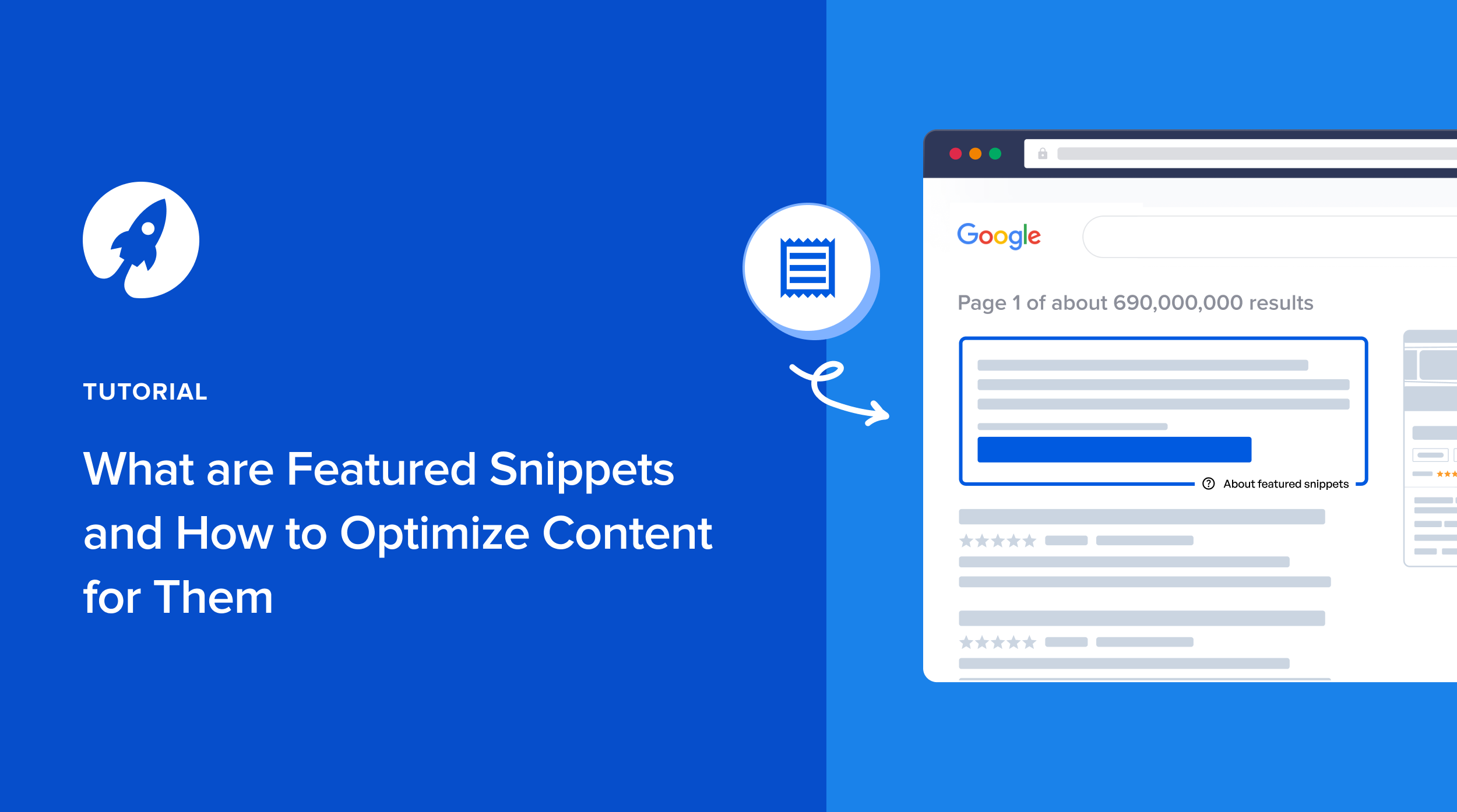
Many content creators inadvertently sabotage their chances of winning featured snippets through common optimization errors. The first mistake involves burying the answer deep within the content. Google’s AI prefers answers that appear early in the page, typically within the first two paragraphs. Content that requires users to scroll through extensive introductions before reaching the answer rarely wins snippet positions.
The second mistake involves providing multiple conflicting answers within the same page. When Google’s AI encounters contradictory information, it cannot determine which answer to display and often skips the page entirely. Ensure that your content presents a single, consistent answer to each target query. The third mistake involves using overly complex language or jargon that the AI cannot easily parse. Clear, simple language improves machine readability and increases snippet selection probability.
Technical Errors That Hinder Snippet Selection
Technical issues also prevent snippet acquisition. Improper heading hierarchy confuses AI systems attempting to map content structure. Using H1 tags for multiple sections or skipping heading levels creates ambiguous structural signals. Inconsistent formatting across similar content types also reduces snippet potential. If you use lists for one section and paragraphs for another covering similar topics, the AI cannot identify consistent patterns for extraction.
Slow page load times negatively impact snippet selection because Google prioritizes content that delivers fast user experiences. Mobile responsiveness is equally critical, as the majority of searches now occur on mobile devices. Pages that render poorly on mobile devices receive lower quality scores from Google’s AI, reducing their chances of snippet selection regardless of content quality.
Advanced AI SEO Featured Snippet Strategies
Beyond basic optimization, advanced strategies leverage artificial intelligence tools to gain competitive advantages in snippet acquisition. AI-powered content generation tools can analyze existing snippet holders and generate optimized content that matches or exceeds their quality. These tools use natural language generation to create content that follows the exact structural patterns favored by Google’s algorithms.
Predictive analytics tools can forecast which queries are likely to trigger featured snippets in the future based on emerging search trends and algorithm updates. By creating content for these predicted opportunities before competitors, you establish early authority that makes it difficult for others to displace your snippet position.
Leveraging Schema Markup for Snippet Enhancement
Schema markup provides explicit signals to Google’s AI about your content’s meaning and structure. Implementing FAQ schema, HowTo schema, and Article schema helps the AI understand your content’s format and increases the likelihood of snippet selection. FAQ schema is particularly effective for targeting question-based queries, as it explicitly marks up question and answer pairs that Google can extract for display.
HowTo schema works similarly for procedural content, marking up each step in a process for easy extraction. Article schema provides general structural signals that help the AI understand your content’s organization. Combining multiple schema types within a single page creates comprehensive structural signals that maximize snippet potential.
Voice Search and AI SEO Featured Snippet Opportunities

The relationship between voice search and featured snippets creates significant opportunities for content optimization. Voice search queries tend to be longer and more conversational than text-based queries. Users ask complete questions rather than typing fragmented keywords. Optimizing content for these natural language patterns increases both voice search visibility and featured snippet acquisition.
Voice search results typically read the featured snippet content aloud, making the snippet the primary source of information for voice assistant users. This means that winning featured snippets for voice search queries provides exposure to a rapidly growing user segment. Optimizing for voice search involves targeting long-tail question keywords, providing concise answers, and ensuring your content is easily readable by text-to-speech systems.
Optimizing for Conversational Query Patterns
Conversational queries often begin with question words like who, what, where, when, why, and how. Creating content that directly addresses these question formats increases snippet potential. Each question should have a dedicated section with a clear heading that mirrors the question phrasing. The answer should appear immediately after the heading in a concise, self-contained format.
Natural language processing tools can analyze voice search query data to identify emerging conversational patterns. These tools reveal the specific phrasing and terminology that users employ when speaking to digital assistants. Incorporating these natural language patterns into your content makes it more likely that Google’s A
Measuring ROI from Featured Snippet Acquisition
Calculating the return on investment from featured snippet acquisition requires tracking both direct and indirect benefits. Direct benefits include increased organic traffic, higher click-through rates, and improved conversion rates from snippet-driven visits. Indirect benefits include enhanced brand visibility, increased authority signals, and improved performance in AI-generated search results.
Attribution modeling helps determine the true impact of featured snippets on your overall marketing performance. Comparing conversion rates between snippet-driven traffic and organic traffic reveals whether snippet visitors are more likely to convert. Tracking assisted conversions shows how snippet exposure contributes to conversions that occur through other channels.
Tools for Snippet ROI Tracking
Google Analytics provides robust tracking capabilities for snippet performance. Setting up custom segments for snippet-driven traffic allows you to isolate and analyze this specific user segment. Creating custom reports that compare snippet performance against other organic traffic reveals the incremental value of featured snippet positions.
Marketing automation platforms can integrate snippet performance data with customer relationship management systems, providing a complete picture of how snippet-driven leads progress through the sales funnel. This integration enables sophisticated ROI calculations that account for both immediate conversions and long-term customer value.
Future Trends in AI SEO Featured Snippet Opportunities
The continued evolution of artificial intelligence will bring significant changes to featured snippet dynamics. Google’s ongoing development of generative AI technologies will likely result in more sophisticated snippet formats that combine multiple content types. The integration of AI-generated summaries within search results may reduce the prominence of traditional featured snippets while creating new opportunities for content that feeds these AI systems.
The rise of AI-powered search assistants like Google Bard and Microsoft Copilot will create new content consumption patterns. These systems generate comprehensive answers by synthesizing information from multiple sources. Content that provides clear, structured, authoritative information will be preferentially selected by these AI systems for inclusion in generated responses.
Preparing for AI-Driven Search Evolution
Preparing for these future developments requires adopting a comprehensive approach to content optimization. Focus on creating content that serves both traditional search and AI-generated responses. This means maintaining clear structure, providing definitive answers, and building topical authority through comprehensive coverage of your subject matter.
Investing in structured data implementation, natural language optimization, and voice search readiness positions your content for success regardless of how AI search technologies evolve. Building a strong brand presence and earning authoritative backlinks remains essential, as AI systems prioritize trusted sources when generating responses.
Frequently Asked Questions
What is the difference between a featured snippet and a regular organic listing?
A featured snippet appears at the top of Google’s search results in a special formatted box that provides a direct answer to the user’s query. Regular organic listings appear as standard blue links with titles, URLs, and meta descriptions. Featured snippets occupy position zero, appearing above all organic results, and typically generate higher click-through rates due to their prominent placement and visual distinctiveness.
How long does it take to win a featured snippet?
The timeline for winning a featured snippet varies significantly based on your domain authority, content quality, and competitive landscape. Some pages win snippets within days of publication, while others require months of optimization and authority building. Generally, pages that already rank on the first page of search results have the highest probability of winning snippets, often within 2-4 weeks of optimization.
Can I lose a featured snippet once I have won it?
Yes, featured snippets are not permanent positions. Google continuously evaluates content quality and may replace your snippet with content from another page if it determines that the alternative provides a better answer. Algorithm updates, competitor optimization, and content freshness all influence snippet stability. Regular monitoring and ongoing optimization are necessary to maintain snippet positions.
Do featured snippets cannibalize clicks from my organic listing?
Featured snippets typically increase overall click-through rates for the winning page. While the snippet may reduce clicks to your organic listing, the combined visibility of the snippet and organic listing generally results in higher total clicks. Studies show that pages winning featured snippets experience an average click-through rate increase of 2-8% compared to their previous organic performance.
How does Google choose between paragraph and list snippets?
Google’s AI analyzes the query intent and content structure to determine the appropriate snippet format. Queries seeking definitions or explanations typically trigger paragraph snippets. Queries seeking step-by-step instructions or ranked information typically trigger list snippets. The AI also evaluates the content’s existing structure, favoring pages that already use the matching format.
Conclusion
AI SEO featured snippet opportunities represent one of the most valuable and achievable goals in modern search optimization. The intersection of artificial intelligence algorithms and strategic content creation has created unprecedented opportunities for brands to dominate search results and establish authoritative positions in their industries. Success requires a comprehensive approach that combines technical optimization, content excellence, and continuous monitoring.
The strategies outlined in this guide provide a complete framework for identifying, pursuing, and winning featured snippet positions. By understanding how AI systems evaluate content, structuring your pages for machine extraction, and maintaining consistent optimization efforts, you can capture position zero and reap the substantial benefits of featured snippet visibility. The future of search is increasingly AI-driven, and those who master these optimization techniques today will maintain competitive advantages as the landscape continues to evolve.
Xem thêm:
- AI SEO HowTo Schema: The Complete Guide to Structured Data for AI Search
- AI SEO AI Search Strategy: The Complete Guide to Dominating Generative Search
- AI SEO Perplexity Spaces: The Complete Guide to Optimizing for Answer Engines
- AI SEO Landing Page Testing: The Complete Guide to Data-Driven Conversion Optimization
- AI SEO SERP Scraping: The Complete Guide to Automated Rank Tracking in 2025
Bài viết cùng chủ đề:

AI SEO SEO Automation with Make: The Complete Workflow Guide

AI SEO SEO Automation with Zapier: The Complete Workflow Guide

AI SEO SEO Automation with n8n: The Complete Workflow Guide
AI SEO SEO Automation with Gemini: The Complete Guide to Scaling Organic Growth

AI SEO SEO Automation with Claude: The Complete Guide to Scaling Content in 2025

AI SEO SEO Automation with ChatGPT: The Complete Playbook for 2025

AI SEO & SEO Automation for Affiliate Sites: The 2025 Playbook for Passive Income Growth
AI SEO & SEO Automation for Bloggers: The Complete Guide to Scaling Your Content

AI SEO & SEO Automation for Agencies: The Complete 2025 Playbook

AI SEO and SEO Automation for Ecommerce: The Complete Playbook for 2025

AI SEO & SEO Automation for WordPress: The Complete Playbook for 2025
AI SEO SEO Automation Strategy: The Complete Playbook for 2025

Mastering the AI SEO SEO Automation Process: A Complete Guide to Scaling Organic Growth
AI SEO SEO Automation System: The Complete Guide to Scaling Organic Growth in 2025
AI SEO SEO Automation Platform: The Complete Guide to Scaling Organic Growth in 2025
AI SEO SEO Automation Software: The Complete Guide to Scaling Organic Growth in 2025















