
No products in the cart.
AI SEO HowTo Schema: The Complete Guide to Structured Data for AI Search
10
Aug
Aug
AI SEO HowTo Schema represents the intersection of traditional structured data markup and the rapidly evolving landscape of artificial intelligence-driven search. As search engines increasingly rely on machine learning algorithms to interpret and rank content, implementing HowTo schema has become a critical component for websites that publish instructional, step-by-step, or tutorial-based content. This guide explores how AI-powered search engines process HowTo schema, why it matters for visibility, and how to implement it correctly to maximize your content’s performance in both traditional and AI-driven search results.
Understanding AI SEO HowTo Schema
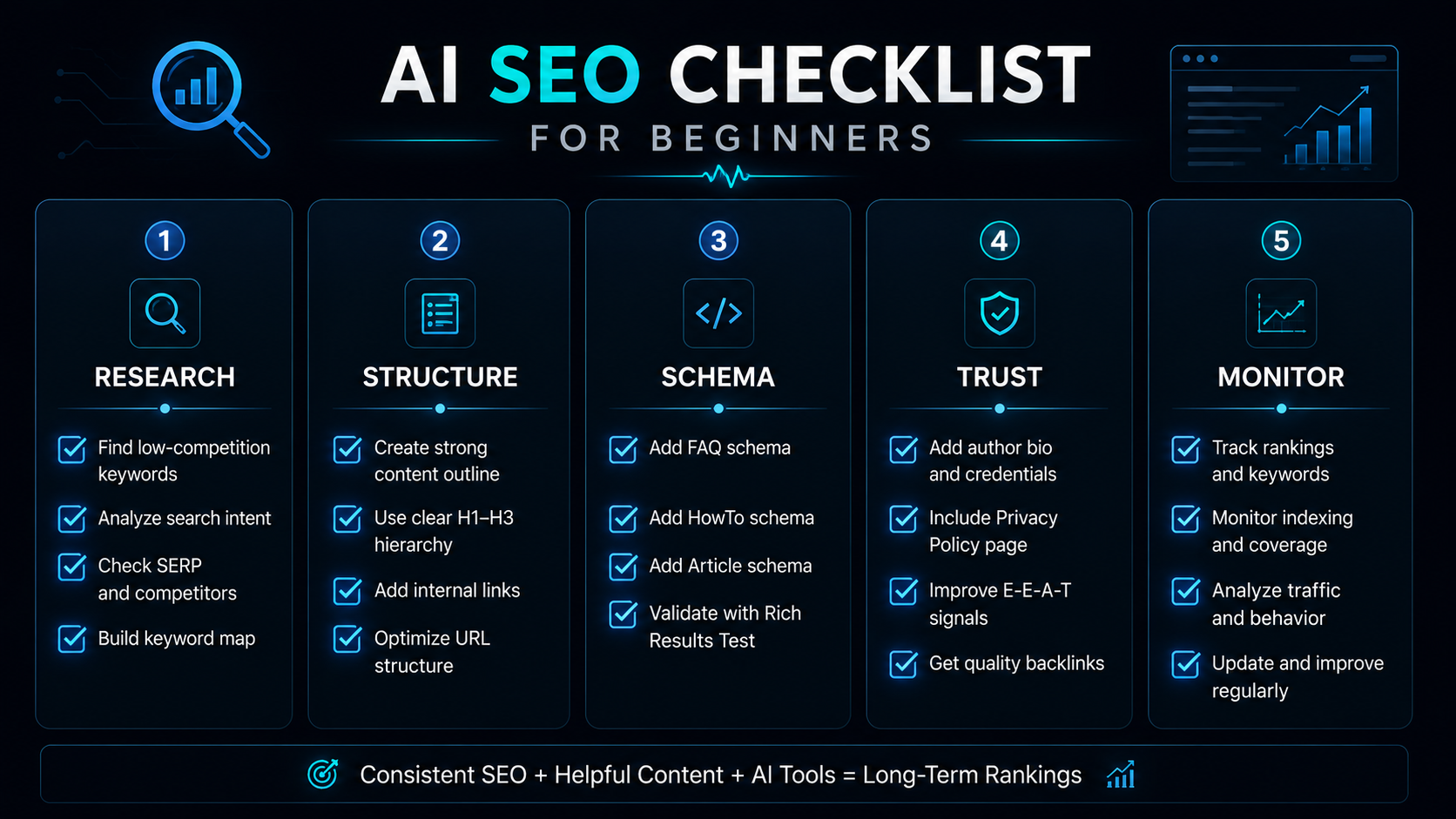
HowTo schema is a structured data vocabulary that allows webmasters to mark up instructional content in a way that search engines can parse and understand. The schema.org vocabulary defines HowTo as a type of structured data that describes a sequence of steps required to complete a task. When combined with AI SEO practices, this markup becomes even more valuable because artificial intelligence systems can use the structured data to generate rich results, featured snippets, and voice search answers.
The term AI SEO HowTo Schema refers to the strategic implementation of HowTo structured data with the specific goal of optimizing for AI-powered search algorithms. This includes Google’s RankBrain, BERT, and the newer MUM (Multitask Unified Model), as well as emerging AI search tools like ChatGPT, Perplexity, and Bing Chat. These systems rely heavily on structured data to extract precise information from web pages and deliver it directly to users in conversational formats.
Why HowTo Schema Matters in the Age of AI Search
Search engines have evolved from simple keyword matching to sophisticated natural language processing systems. AI algorithms now understand context, user intent, and semantic relationships between concepts. HowTo schema provides these algorithms with explicit signals about the structure and purpose of your content, making it easier for AI systems to:
- Identify the exact steps in a process
- Extract the tools and materials needed
- Determine the time required to complete a task
- Understand the difficulty level of the instructions
- Generate rich snippets with step-by-step visual displays
- Provide direct answers to voice search queries
- name – The title of the step
- text – The full instructions for the step
- url – A direct link to the step (optional)
- image – Visual representation of the step (optional)
- video – Video content for the step (optional)
- Crawling – The AI system discovers your page through links or sitemaps
- Parsing – The system extracts the structured data from your HTML
- Validation – The markup is checked against schema.org specifications
- Integration – The structured data is combined with the page content
- Indexing – The AI system stores the interpreted information
- Retrieval – When a user query matches, the AI retrieves the relevant steps
- Presentation – The information is displayed as rich results or AI-generated answers
- Write clear, concise step descriptions – Each step should be self-contained and easy to understand
- Use consistent formatting – Maintain the same structure across all steps
- Include time estimates – Provide totalTime and per-step time estimates when possible
- List all supplies and tools – Be comprehensive in your lists of required items
- Use descriptive URLs – Create anchor links for each step to improve navigation
- Keep content current – Update your HowTo content regularly to maintain accuracy
- Match schema to visible content – Ensure the structured data accurately reflects what users see
When AI systems encounter properly marked-up HowTo content, they can confidently present your information as the authoritative answer to user queries. Without this markup, even high-quality instructional content may be overlooked in favor of pages that provide clearer signals to AI algorithms.
The Evolution of HowTo Schema in AI Search
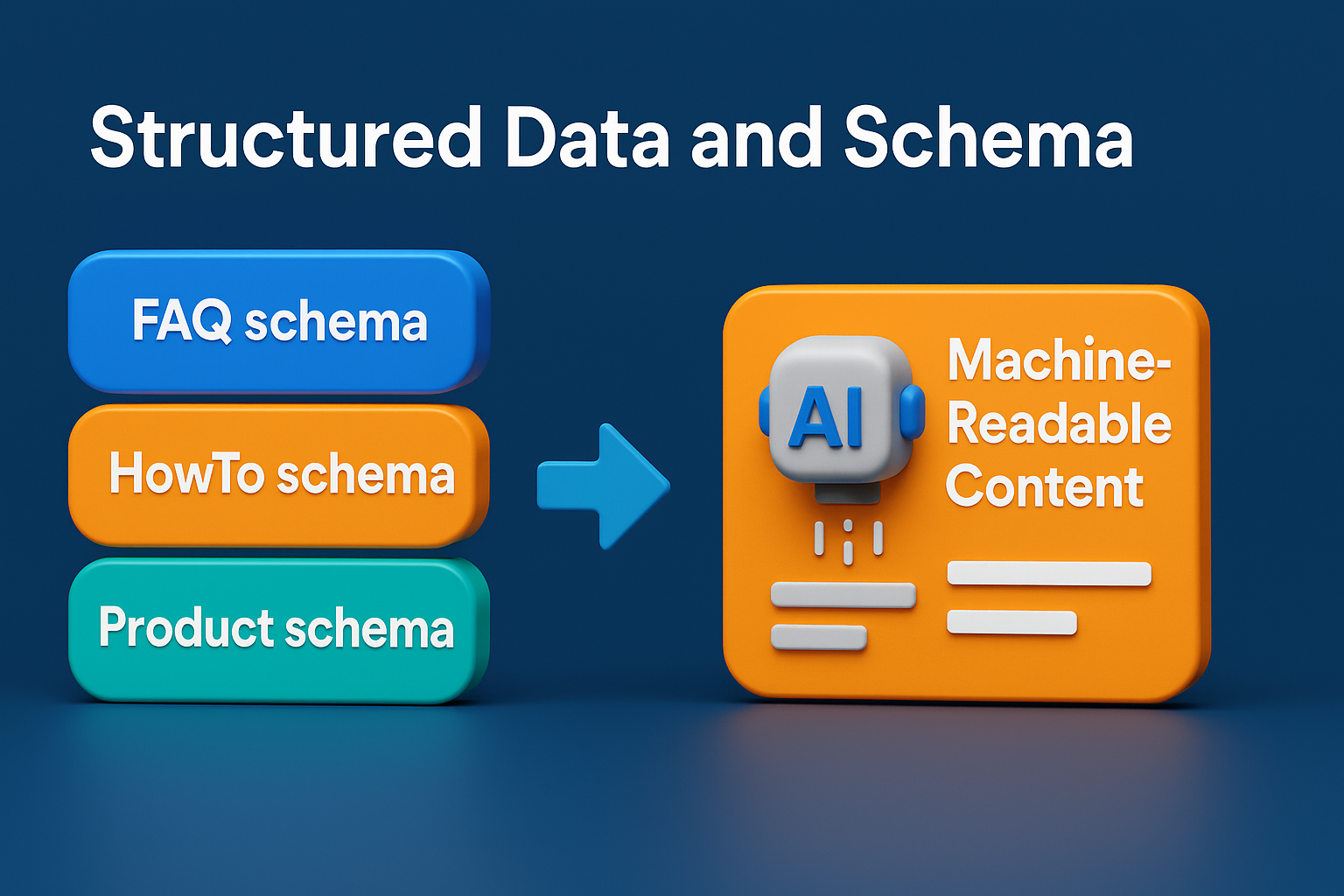
Google introduced HowTo rich results in 2019, allowing publishers to display step-by-step instructions directly in search results. However, in 2023, Google made a significant change by limiting HowTo rich results to desktop devices only, removing them from mobile search results. This shift reflected the changing nature of search and the growing importance of AI-generated answers.
Despite this change, HowTo schema remains essential for AI SEO because the structured data continues to inform Google’s understanding of your content. The markup helps AI systems categorize your page, determine its relevance to specific queries, and decide whether to feature it in AI-generated responses. As AI search tools become more prevalent, the importance of structured data for content interpretation continues to grow.
Core Components of HowTo Schema
To implement AI SEO HowTo Schema effectively, you need to understand the core properties that make up this structured data type. The schema.org HowTo vocabulary includes several key components that AI systems use to interpret your content:
HowTo Properties
| Property | Description | Required |
|---|---|---|
| name | The title of the how-to instructions | Yes |
| step | An array of HowToStep elements | Yes |
| totalTime | The total time required to complete the task | No |
| estimatedCost | The estimated cost of materials or tools | No |
| supply | Items needed to complete the task | No |
| tool | Tools required for the task | No |
| description | A brief summary of the how-to instructions | No |
HowToStep Properties
Each step within your HowTo schema must contain specific properties to be properly interpreted by AI systems:
How AI Search Engines Process HowTo Schema

Understanding how AI systems process structured data helps you optimize your markup for maximum effectiveness. When an AI search engine encounters HowTo schema on your page, it follows a specific process:
AI systems like Google’s MUM can process HowTo schema across multiple languages and formats, understanding the relationships between steps and the overall goal of the instructions. This allows them to answer complex queries that require combining information from multiple sources.
Benefits of AI SEO HowTo Schema Implementation
Implementing HowTo schema with AI SEO in mind offers numerous benefits for content publishers and website owners:
Enhanced Search Visibility
Pages with HowTo schema are more likely to appear in rich results, which occupy more space on the search engine results page and attract higher click-through rates. AI systems prioritize content that provides clear, structured information that can be easily extracted and presented to users.
Voice Search Optimization
Voice assistants like Google Assistant, Amazon Alexa, and Apple Siri rely on structured data to answer user queries. When someone asks a voice assistant how to complete a task, the assistant pulls information from pages with HowTo schema. Properly marked-up content has a significant advantage in voice search results.
AI Chatbot Integration
AI chatbots and virtual assistants increasingly use structured data to provide accurate answers. When users interact with AI tools like ChatGPT or Bing Chat, these systems reference structured data to generate step-by-step responses. HowTo schema makes your content more accessible to these AI systems.
Improved User Experience
HowTo rich results display steps directly in the search results, allowing users to preview the instructions before clicking through to your page. This improves the overall user experience and helps users find the information they need more quickly.
HowTo Schema vs. Other Structured Data Types
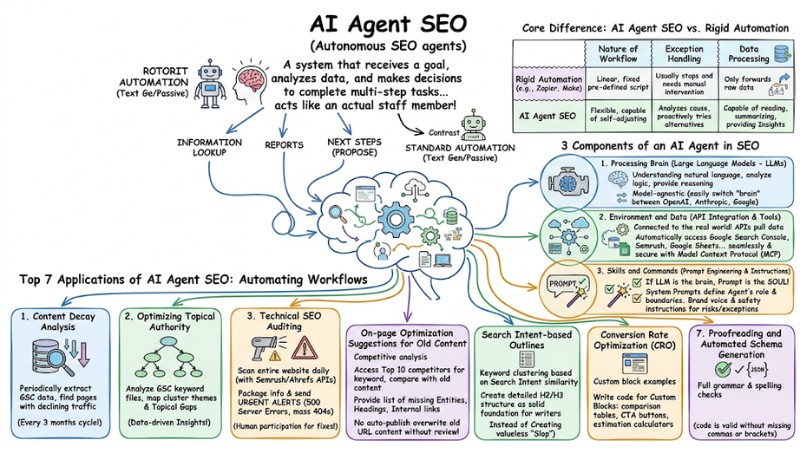
Understanding how HowTo schema compares to other structured data types helps you determine when to use each markup:
| Schema Type | Purpose | Best Used For |
|---|---|---|
| HowTo | Step-by-step instructions | Tutorials, recipes, DIY guides |
| Article | News and blog content | Informational articles, news posts |
| FAQ | Frequently asked questions | Q&A pages, support content |
| Product | Product information | E-commerce pages, product reviews |
| Recipe | Cooking instructions | Food blogs, recipe sites |
| VideoObject | Video content | Video tutorials, demonstrations |
HowTo schema is specifically designed for instructional content that follows a sequential process. If your content includes both instructional steps and a video demonstration, you can combine HowTo schema with VideoObject schema to provide a richer experience for AI systems.
Practical Implementation Guide for AI SEO HowTo Schema
Implementing HowTo schema requires careful attention to detail and adherence to Google’s guidelines. Follow these steps to ensure your markup is correctly implemented and optimized for AI search:
Step 1: Identify HowTo Content
Review your website to identify pages that contain step-by-step instructions. Suitable content includes tutorials, guides, DIY instructions, assembly manuals, and any content that explains how to complete a specific task. Each HowTo page should focus on a single process with clear, sequential steps.
Step 2: Structure Your Content
Before adding schema markup, ensure your content follows a logical structure. Use clear headings for each step, include detailed descriptions, and provide visual aids where appropriate. AI systems perform better when the structured data aligns with the visible content on the page.
Step 3: Generate the Schema Markup
Create the JSON-LD markup for your HowTo content. JSON-LD is the recommended format for Google and other search engines. org”, “@type”: “HowTo”, “name”: “How to Change a Car Tire”, “description”: “Step-by-step instructions for safely changing a flat tire”, “totalTime”: “PT30M”, “tool”: [ { “@type”: “HowToTool”, “name”: “Lug wrench” }, { “@type”: “HowToTool”, “name”: “Jack” } ], “step”: [ { “@type”: “HowToStep”, “name”: “Find a safe location”, “text”: “Pull over to a flat, stable surface away from traffic”, “url”: “https://example.com/change-tire#step1” }, { “@type”: “HowToStep”, “name”: “Loosen the lug nuts”, “text”: “Use the lug wrench to loosen the lug nuts while the tire is still on the ground”, “url”: “https://example.com/change-tire#step2” } ] }
Step 4: Validate Your Markup
Use Google’s Rich Results Test to validate your HowTo schema. This tool checks whether your markup is correctly implemented and identifies any errors or warnings. Fix any issues before publishing the page to ensure AI systems can properly interpret your structured data.
Step 5: Monitor Performance
After implementing HowTo schema, monitor your page’s performance in search results. Use Google Search Console to track impressions, clicks, and rich result status. Adjust your markup based on performance data and any changes in Google’s guidelines.
Common Mistakes in AI SEO HowTo Schema Implementation
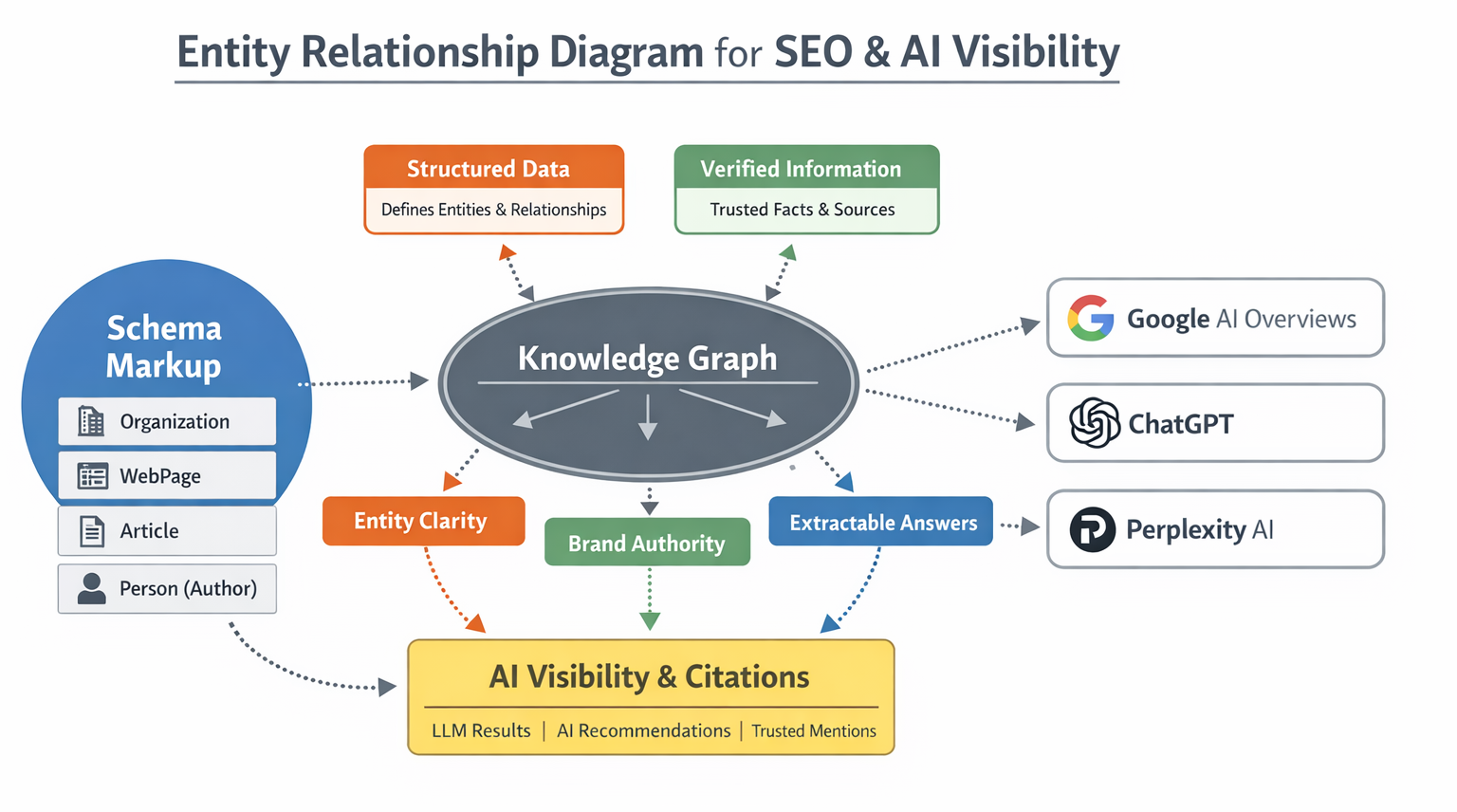
Many websites make avoidable errors when implementing HowTo schema. Understanding these common mistakes helps you avoid them and ensure your structured data works effectively:
Marking Up Non-HowTo Content
Some webmasters incorrectly apply HowTo schema to content that does not contain step-by-step instructions. This violates Google’s guidelines and can result in manual actions or loss of rich result eligibility. Only use HowTo schema for genuine instructional content.
Incomplete Step Information
Each HowToStep must contain either a name or text property, and ideally both. Missing step information makes it difficult for AI systems to interpret your content and may result in your markup being ignored.
Hidden Content
Google requires that all content marked up with HowTo schema be visible to users. Do not hide steps behind tabs, accordions, or other interactive elements. AI systems need to access the full content to properly interpret the structured data.
Duplicate Markup
Ensure you have only one HowTo schema per page. Duplicate markup confuses AI systems and may result in none of the structured data being used. If you have multiple instructional processes on one page, consider splitting them into separate pages.
Ignoring Image Requirements
While images are optional for HowTo schema, they significantly improve the user experience and help AI systems understand the content. Include high-quality images for each step when possible, and ensure they are properly marked up with descriptive alt text.
AI SEO HowTo Schema Best Practices
To maximize the effectiveness of your HowTo schema for AI search, follow these best practices:
The Future of AI SEO HowTo Schema
As artificial intelligence continues to evolve, the role of structured data in search will become even more significant. AI systems are moving toward understanding content at a deeper level, and HowTo schema provides the semantic framework needed for this understanding.
Emerging AI search tools are beginning to generate step-by-step answers directly in response to user queries. These systems rely on structured data to identify the most authoritative and relevant instructional content. Websites that properly implement HowTo schema position themselves to be featured in these AI-generated responses.
The integration of HowTo schema with other structured data types, such as VideoObject and ImageObject, will become increasingly important. AI systems will use these combined signals to create rich, multimedia answers that provide users with comprehensive instructional content.
Measuring the Impact of HowTo Schema
Tracking the effectiveness of your HowTo schema implementation requires attention to several key metrics:
| Metric | How to Measure | What It Indicates |
|---|---|---|
| Rich result impressions | Google Search Console | How often your rich results appear |
| Click-through rate | Google Search Console | How effective your rich results are at attracting clicks |
| Voice search mentions | Voice search analytics tools | How often your content is used in voice responses |
| AI tool citations | Manual monitoring of AI responses | Whether AI chatbots reference your content |
| User engagement | Google Analytics | How users interact with your HowTo pages |
Regular monitoring of these metrics helps you refine your HowTo schema implementation and improve your content’s performance in AI-driven search results.
Important Notes for AI SEO HowTo Schema
Several important considerations should guide your HowTo schema implementation strategy:
Google’s evolving policies – Google has changed how it displays HowTo rich results, limiting them to desktop in 2023. Stay informed about policy changes and adjust your strategy accordingly.
Quality over quantity – It is better to have a few pages with excellent HowTo schema than many pages with poor markup. Focus on creating high-quality instructional content that genuinely helps users.
User intent alignment – Ensure your HowTo content matches the user’s search intent. If someone searches for a quick answer, they may not want a lengthy tutorial. Structure your content to provide value at different levels of engagement.
Technical implementation – Use JSON-LD format for your schema markup, as it is the easiest for AI systems to parse and is recommended by Google. Place the markup in the head section of your HTML or use a plugin if you are using a content management system.
Frequently Asked Questions
What is AI SEO HowTo Schema?
AI SEO HowTo Schema is the strategic implementation of HowTo structured data markup designed to optimize content for artificial intelligence-driven search algorithms. It combines traditional schema.org HowTo vocabulary with AI-focused SEO practices to help search engines and AI systems understand and present step-by-step instructional content.
Does HowTo schema help with AI search tools like ChatGPT?
Yes, HowTo schema helps AI search tools understand and reference your content. AI systems like ChatGPT and Bing Chat use structured data to identify authoritative sources for step-by-step instructions. Properly marked-up content is more likely to be cited in AI-generated responses.
Is HowTo schema still relevant after Google removed mobile rich results?
Yes, HowTo schema remains relevant because it helps AI systems understand your content even when rich results are not displayed. The structured data informs Google’s understanding of your page and influences how your content is used in AI-generated answers and voice search responses.
How long does it take for HowTo schema to show results?
After implementing HowTo schema, it typically takes a few days to a few weeks for search engines to crawl and index the structured data. Rich results may appear gradually as Google processes the markup. Monitor Google Search Console for updates on your rich result status.
Can I use HowTo schema for recipe content?
While recipes can be marked up with HowTo schema, Google recommends using the Recipe schema type for food-related content. Recipe schema includes additional properties specific to cooking, such as ingredients, cooking time, and nutrition information. Use HowTo schema for non-food instructional content.
What happens if I implement HowTo schema incorrectly?
Incorrect HowTo schema implementation can result in your rich results being rejected, manual actions from Google, or your structured data being ignored entirely. Always validate your markup using Google’s Rich Results Test and follow the official guidelines to avoid penalties.
Conclusion
AI SEO HowTo Schema represents a powerful opportunity for websites with instructional content to enhance their visibility in both traditional and AI-driven search results. By implementing structured data correctly, you provide AI systems with the semantic signals they need to understand, categorize, and present your content to users.
The key to success lies in creating high-quality instructional content that genuinely helps users, then marking it up with accurate, complete HowTo schema. As AI search continues to evolve, websites that embrace structured data will maintain a competitive advantage in the ever-changing search landscape.
Start by auditing your existing instructional content, identifying pages that would benefit from HowTo schema, and implementing the markup according to the guidelines outlined in this guide. Monitor your performance, stay informed about policy changes, and continuously refine your approach to maximize the benefits of AI SEO HowTo Schema for your website.
Xem thêm:
- AI SEO Image Alt Text: The Complete Guide to Automated Accessibility and Rankings
- 10 Best AI Research Tools Revolutionizing Academic Discovery in 2025
- How to Build Topical Authority with AI: The Complete Strategic Framework
- AI SEO for WordPress: A Complete Strategy to Automate and Dominate Search Rankings
- AI SEO Content Optimization: The Complete Guide to Ranking Higher in 2025
Bài viết cùng chủ đề:

AI SEO SEO Automation with Make: The Complete Workflow Guide

AI SEO SEO Automation with Zapier: The Complete Workflow Guide

AI SEO SEO Automation with n8n: The Complete Workflow Guide
AI SEO SEO Automation with Gemini: The Complete Guide to Scaling Organic Growth

AI SEO SEO Automation with Claude: The Complete Guide to Scaling Content in 2025

AI SEO SEO Automation with ChatGPT: The Complete Playbook for 2025

AI SEO & SEO Automation for Affiliate Sites: The 2025 Playbook for Passive Income Growth
AI SEO & SEO Automation for Bloggers: The Complete Guide to Scaling Your Content

AI SEO & SEO Automation for Agencies: The Complete 2025 Playbook

AI SEO and SEO Automation for Ecommerce: The Complete Playbook for 2025

AI SEO & SEO Automation for WordPress: The Complete Playbook for 2025
AI SEO SEO Automation Strategy: The Complete Playbook for 2025

Mastering the AI SEO SEO Automation Process: A Complete Guide to Scaling Organic Growth
AI SEO SEO Automation System: The Complete Guide to Scaling Organic Growth in 2025
AI SEO SEO Automation Platform: The Complete Guide to Scaling Organic Growth in 2025
AI SEO SEO Automation Software: The Complete Guide to Scaling Organic Growth in 2025















