
No products in the cart.
AI SEO SERP Scraping: The Complete Guide to Automated Rank Tracking in 2025
31
Jul
Jul
AI SEO SERP scraping has transformed how digital marketers monitor search visibility. Instead of manually checking Google results, teams now deploy intelligent bots that extract ranking data at scale. This practice combines machine learning with traditional web scraping to deliver real-time insights about keyword positions, competitor movements, and search feature changes. Understanding this technology is essential for any SEO professional aiming to stay competitive in an increasingly automated landscape.
What Is AI SEO SERP Scraping?
AI SEO SERP scraping refers to the automated process of extracting search engine results pages data using artificial intelligence algorithms. Traditional scraping tools simply fetch HTML content. AI-powered systems go further by interpreting the structure, classifying result types, and predicting ranking fluctuations. These systems parse organic listings, paid ads, featured snippets, knowledge panels, and “People Also Ask” boxes with high accuracy.
The core difference lies in the intelligence layer. Standard scrapers break when Google changes its markup. AI scrapers adapt by learning patterns from historical data. They recognize new elements, filter out noise, and deliver structured datasets that feed directly into analytics dashboards. This makes the technology indispensable for agencies managing hundreds of client accounts.
How AI Enhances Traditional SERP Scraping
Traditional scraping relies on static selectors and XPath queries. AI introduces natural language processing and computer vision to understand page layouts. For example, an AI model can identify a featured snippet even when Google alters its CSS classes. It understands that a boxed answer at the top with a specific font weight is a snippet, regardless of the underlying code.
Another enhancement is anomaly detection. AI systems flag sudden rank drops that might indicate a Google penalty or a core algorithm update. They also differentiate between personalized results based on location, device, and search history. This level of nuance is impossible with rule-based scraping alone.
Why AI SEO SERP Scraping Matters for Modern SEO
Search results are no longer just ten blue links. Google now displays rich results, video carousels, image packs, and local maps. Tracking your position for a keyword without understanding which SERP features appear is incomplete. AI SEO SERP scraping captures this full picture, allowing marketers to measure true visibility share.
Data volume is another factor. A mid-sized e-commerce site might track 50,000 keywords. Checking these manually is impossible. Scraping with AI handles this scale effortlessly, running thousands of queries per minute across distributed proxy networks. The result is a comprehensive view of search performance that informs content strategy, technical fixes, and link building priorities.
Real-Time Rank Tracking vs. Historical Analysis
AI scraping enables both real-time monitoring and deep historical analysis. Real-time tracking helps during critical launches or crisis management. Historical data reveals long-term trends, seasonal patterns, and the impact of algorithm updates. Combining both gives SEO teams a predictive edge, allowing them to forecast traffic based on rank velocity.
Core Components of an AI SERP Scraping System
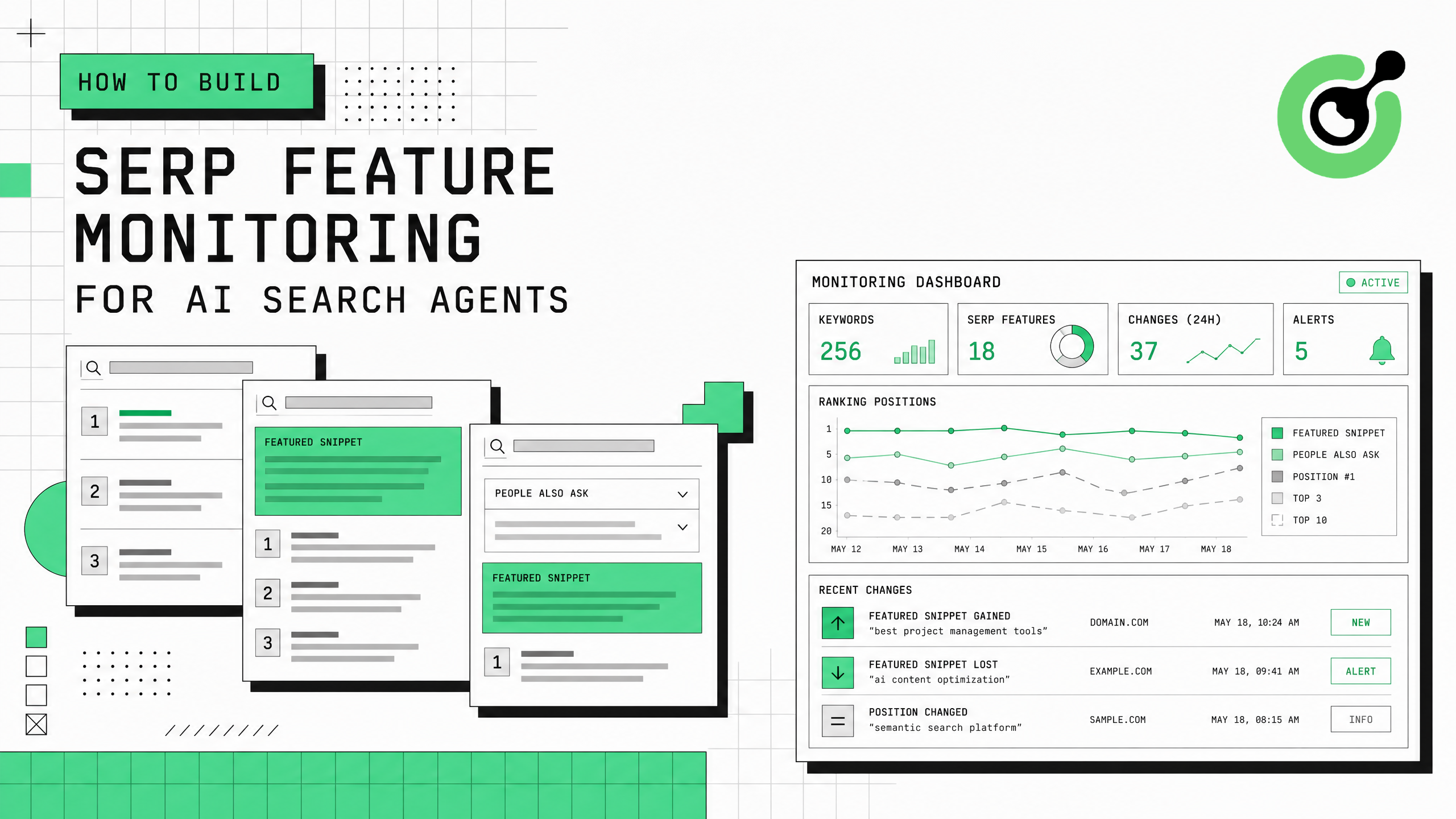
Building or selecting an AI-powered scraping solution involves several key components. Each plays a vital role in ensuring data accuracy and operational reliability.
- Proxy Infrastructure: Rotating residential and datacenter proxies prevent IP blocking and provide geo-targeted results.
- AI Parsing Engine: Machine learning models that classify SERP elements and extract structured data.
- Query Scheduler: Automates when and how often keywords are checked.
- Data Storage Layer: Scalable databases that handle millions of data points.
- Analytics Dashboard: Visualizes rank changes, visibility scores, and competitor comparisons.
- Alert System: Notifies users of significant fluctuations or new SERP features.
The Role of Machine Learning in Data Extraction
Machine learning models are trained on thousands of labeled SERP screenshots. They learn to identify the boundaries of each result type. For instance, a model can distinguish between a shopping ad and a text ad based on visual cues and HTML attributes. This training allows the system to maintain high accuracy even when Google experiments with new layouts.
Natural language processing also helps extract meaningful data from titles and meta descriptions. The AI can categorize keywords by intent, sentiment, or topic cluster. This adds a layer of semantic analysis that goes beyond simple position tracking.
Benefits of Using AI for SERP Scraping
The advantages of integrating AI into SERP scraping are substantial. They directly impact workflow efficiency and strategic decision-making.
Accuracy and Adaptability
AI systems maintain accuracy above 95% even after Google updates. They self-correct by comparing new data with historical patterns. This reduces the risk of false alarms or missed opportunities. Traditional scrapers often break completely after a major Google change, leaving teams blind for days.
Scalability Without Proportional Cost
Running millions of queries manually or with basic tools is expensive. AI scraping optimizes request frequency based on volatility. Keywords that change often are checked more frequently, while stable ones are checked less. This intelligent scheduling reduces proxy costs and server load.
Competitive Intelligence
AI scraping allows you to monitor competitor domains across your target keyword set. You can see when they gain or lose rankings, which pages they optimize, and what new content they publish. This intelligence informs your own content calendar and outreach strategies.
Detection of SERP Feature Opportunities
By analyzing which keywords trigger featured snippets or “People Also Ask” boxes, AI systems identify quick-win opportunities. You can optimize existing content to target these features, potentially jumping from page two to position zero without new backlinks.
Limitations and Challenges of AI SEO SERP Scraping
Despite its power, this technology has limitations that practitioners must acknowledge.
Legal and Ethical Considerations
Scraping Google results violates their Terms of Service. While the practice is widespread, it carries legal risks. Companies have received cease-and-desist letters. Using AI does not exempt you from these rules. Always consult legal counsel and consider using official APIs where available.
Data Volume Management
Collecting millions of data points creates storage and processing challenges. Without proper data governance, your database becomes unmanageable. You need robust ETL pipelines and data retention policies to keep only actionable information.
Proxy Costs and Reliability
High-quality residential proxies are expensive. Free or cheap proxies get blocked quickly, skewing your data. AI systems mitigate this but cannot eliminate the cost. Budgeting for reliable proxy infrastructure is a must.
AI SEO SERP Scraping vs. Traditional Rank Checkers
Understanding the difference helps you choose the right tool for your needs.
| Feature | AI SERP Scraping | Traditional Rank Checkers |
|---|---|---|
| Adaptability to Google updates | High (self-learning) | Low (manual fixes needed) |
| SERP feature detection | Advanced (snippets, PAA, video) | Basic (often misses rich results) |
| Data scale | Millions of keywords | Thousands of keywords |
| Personalization handling | Uses AI to filter noise | Limited to location settings |
| Cost efficiency | Higher upfront, lower per query | Lower upfront, higher per query |
| Competitor tracking | Automated and deep | Manual and shallow |
Traditional tools are fine for small websites with a few hundred keywords. For enterprise-level SEO, AI scraping is the only viable option.
Practical Guide: How to Implement AI SEO SERP Scraping
Implementing this technology requires a structured approach. Follow these steps to build a reliable system.
Step 1: Define Your Keyword Universe
Start with a comprehensive list of target keywords. Group them by priority, geography, and device. Use tools like Google Keyword Planner or Ahrefs to expand your list. Ensure you include long-tail variations and question-based queries.
Step 2: Choose Your Infrastructure
Decide between building in-house or using a third-party API. In-house gives full control but requires engineering resources. Third-party services like SERPStat or DataForSEO offer AI-powered endpoints that handle parsing and proxy management for you. For most teams, starting with an API is faster and more cost-effective.
Step 3: Configure Proxy Rotation
Set up a proxy pool that matches your target locations. If you track local SEO, you need residential IPs in specific cities. For national tracking, datacenter proxies may suffice. Ensure your proxy provider supports session control to avoid CAPTCHA triggers.
Step 4: Implement AI Parsing Logic
If using an API, this is handled for you. If building in-house, train your model on a diverse dataset of SERP screenshots. Include examples of featured snippets, knowledge panels, and local packs. Validate your model against a manually labeled test set to measure accuracy.
Step 5: Set Up Data Storage and Alerts
Use a cloud database like BigQuery or PostgreSQL to store results. Create views that show daily rank changes. Set up alerts for keywords that move more than five positions in a day. This helps you react quickly to algorithm updates or competitor actions.
Step 6: Integrate with Analytics Tools
Connect your scraping data to Google Analytics and Search Console. This allows you to correlate rank changes with actual traffic and conversions. You can then calculate the true ROI of your SEO efforts and prioritize keywords that drive revenue, not just rankings.
Common Mistakes in AI SEO SERP Scraping and How to Avoid Them
Even experienced teams make errors that compromise their data quality. Here are the most frequent pitfalls.
Ignoring Search Personalization
Google shows different results based on user history, location, and device. If you scrape from a single IP without controlling for these factors, your data is meaningless. Always use geo-targeted proxies and clear browser cookies between queries. AI systems can also help by identifying and filtering out anomalous results.
Overlooking Mobile vs. Desktop Differences
Mobile SERPs often have different layouts and rankings than desktop. Scraping only desktop gives you an incomplete picture. Run parallel queries for both device types, especially if your audience is primarily mobile.
Scraping Too Frequently
Checking keywords every hour wastes resources and increases block risk. Most keywords do not change daily. Use AI volatility analysis to determine optimal check frequency. For stable keywords, weekly checks are sufficient. For volatile ones, daily or even hourly checks may be justified.
Failing to Handle CAPTCHAs
Google’s anti-bot systems are sophisticated. If you hit a CAPTCHA wall, your data stops flowing. Implement CAPTCHA solving services or use AI to detect patterns that trigger these challenges. Reducing request frequency and varying query patterns also helps.
Not Validating Data Accuracy
AI models are not perfect. They can misclassify results or miss new SERP features. Regularly audit a sample of your scraped data against manual checks. If accuracy drops below 95%, retrain your model or adjust your parsing logic.
Important Notes on Compliance and Ethics
Operating within legal boundaries is critical. Google’s Terms of Service explicitly prohibit automated scraping. While enforcement is inconsistent, the risk of IP bans and legal action exists. Consider using Google’s official APIs for search data, although they offer limited SERP information.
Ethically, scraping public data is generally accepted in the SEO industry. However, you should never use scraped data to replicate a competitor’s content or to manipulate rankings. Use the data for analysis and strategy, not for malicious purposes.
Data privacy is another concern. If you scrape user-generated content or personal information, you may violate GDPR or CCPA. Stick to publicly available business data and avoid collecting personal details.
Frequently Asked Questions About AI SEO SERP Scraping
Is AI SEO SERP scraping legal?
Scraping Google results violates their Terms of Service, making it a civil breach of contract. However, it is not illegal in most jurisdictions unless it involves hacking, data theft, or circumventing security measures. Many companies operate in this gray area, but you should consult legal counsel before implementing a large-scale scraping operation.
What is the best AI tool for SERP scraping?
Several tools offer AI-powered SERP scraping capabilities. DataForSEO provides a robust API with machine learning parsing. SERPStat offers a user-friendly dashboard with AI insights. Ahrefs and Semrush also use AI to track rankings, though they rely on their own data collection methods. The best choice depends on your budget, technical skills, and data volume needs.
How often should I scrape SERPs with AI?
The frequency depends on keyword volatility and your campaign goals. For most SEO campaigns, daily scraping is sufficient. For news sites or trending topics, hourly checks may be necessary. AI systems can automatically adjust frequency based on observed changes, saving resources while maintaining accuracy.
Can AI scraping detect Google algorithm updates?
Yes, AI scraping can help detect algorithm updates by identifying sudden, widespread rank fluctuations across many keywords. When multiple unrelated keywords drop or rise simultaneously, it often signals a core update. AI systems can correlate these changes with Google’s official announcements to confirm the cause.
Does AI scraping work for local SEO?
Absolutely. AI scraping is particularly valuable for local SEO because it can track rankings across different geographic locations. You can monitor your position in the local pack, Google Maps results, and organic listings for each target city. This data helps optimize your Google Business Profile and local content strategy.
What is the cost of AI SERP scraping?
Costs vary widely. DIY solutions require engineering time and proxy expenses, which can range from $500 to $5,000 per month depending on scale. Third-party APIs charge per query, typically $0.001 to $0.01 per keyword check. For 100,000 keywords checked daily, expect to pay $100 to $1,000 per day. Enterprise solutions with advanced analytics can cost $2,000 or more per month.
Conclusion
AI SEO SERP scraping has become a foundational technology for serious digital marketing teams. It provides the granular, real-time data needed to make informed decisions in a competitive search landscape. The combination of machine learning and automated extraction overcomes the limitations of traditional rank checkers, offering accuracy, scalability, and deep competitive insights.
While legal and technical challenges exist, they are manageable with proper infrastructure and compliance practices. The key is to focus on data quality, adapt to Google’s changes, and use the insights to drive meaningful SEO improvements. Whether you choose to build an in-house system or leverage a third-party API, integrating AI into your SERP tracking process is no longer optional—it is a competitive necessity.
Start small, validate your data, and scale gradually. The investment in AI SEO SERP scraping pays for itself through better rankings, higher traffic, and more efficient resource allocation. As search engines evolve, those who harness AI for data collection will always stay one step ahead.
Xem thêm:
- AI SEO Automated Keyword Clustering: The Complete Guide to Smarter Content Architecture
- AI SEO Category Optimization: The Complete Playbook for 2025
- AI SEO Python Automation: The Complete Playbook for Modern Search Optimization
- AI SEO AI SEO Audit Tool: The Complete Guide to Automated Site Optimization
- AI SEO Natural Language SEO: The Complete Guide to Search in 2025
Bài viết cùng chủ đề:

AI SEO SEO Automation with Make: The Complete Workflow Guide

AI SEO SEO Automation with Zapier: The Complete Workflow Guide

AI SEO SEO Automation with n8n: The Complete Workflow Guide
AI SEO SEO Automation with Gemini: The Complete Guide to Scaling Organic Growth

AI SEO SEO Automation with Claude: The Complete Guide to Scaling Content in 2025

AI SEO SEO Automation with ChatGPT: The Complete Playbook for 2025

AI SEO & SEO Automation for Affiliate Sites: The 2025 Playbook for Passive Income Growth
AI SEO & SEO Automation for Bloggers: The Complete Guide to Scaling Your Content

AI SEO & SEO Automation for Agencies: The Complete 2025 Playbook

AI SEO and SEO Automation for Ecommerce: The Complete Playbook for 2025

AI SEO & SEO Automation for WordPress: The Complete Playbook for 2025
AI SEO SEO Automation Strategy: The Complete Playbook for 2025

Mastering the AI SEO SEO Automation Process: A Complete Guide to Scaling Organic Growth
AI SEO SEO Automation System: The Complete Guide to Scaling Organic Growth in 2025
AI SEO SEO Automation Platform: The Complete Guide to Scaling Organic Growth in 2025
AI SEO SEO Automation Software: The Complete Guide to Scaling Organic Growth in 2025















