
No products in the cart.
AI SEO for Beauty: The Complete Guide to Dominating Search in 2025
31
Jul
Jul
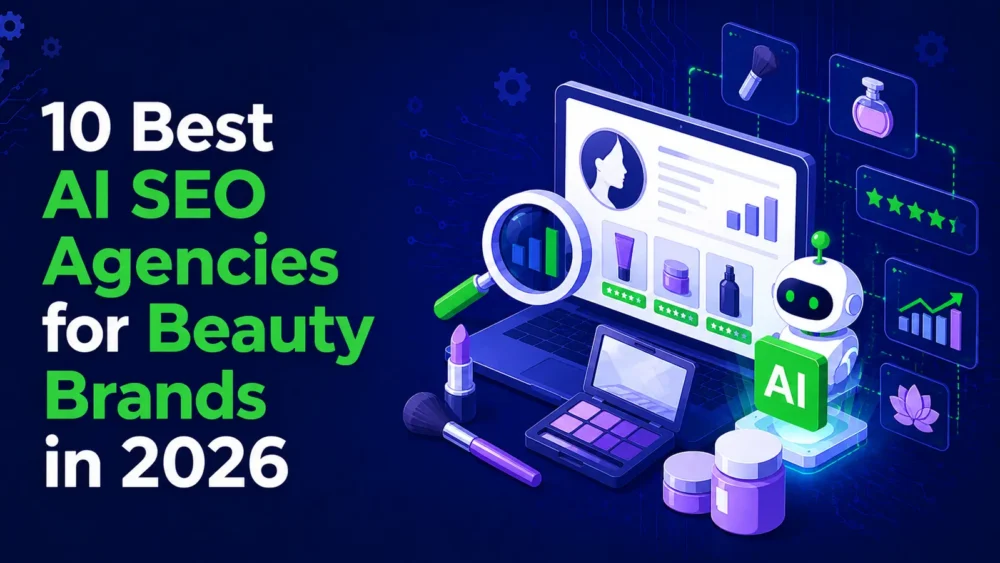
The beauty industry has always thrived on visual appeal, trend cycles, and personalized experiences. But in the digital age, the battleground has shifted to search engines. As algorithms become more sophisticated, traditional keyword stuffing and generic backlinks no longer cut it. This is where AI SEO for Beauty transforms the game. By leveraging machine learning, natural language processing, and predictive analytics, beauty brands can now anticipate customer needs, optimize content at scale, and secure top rankings for highly competitive terms like “best serum for oily skin” or “clean beauty brands.” This guide provides a deep, actionable roadmap for integrating artificial intelligence into your beauty brand’s search strategy, ensuring you capture attention and convert browsers into loyal customers.
What is AI SEO for Beauty?
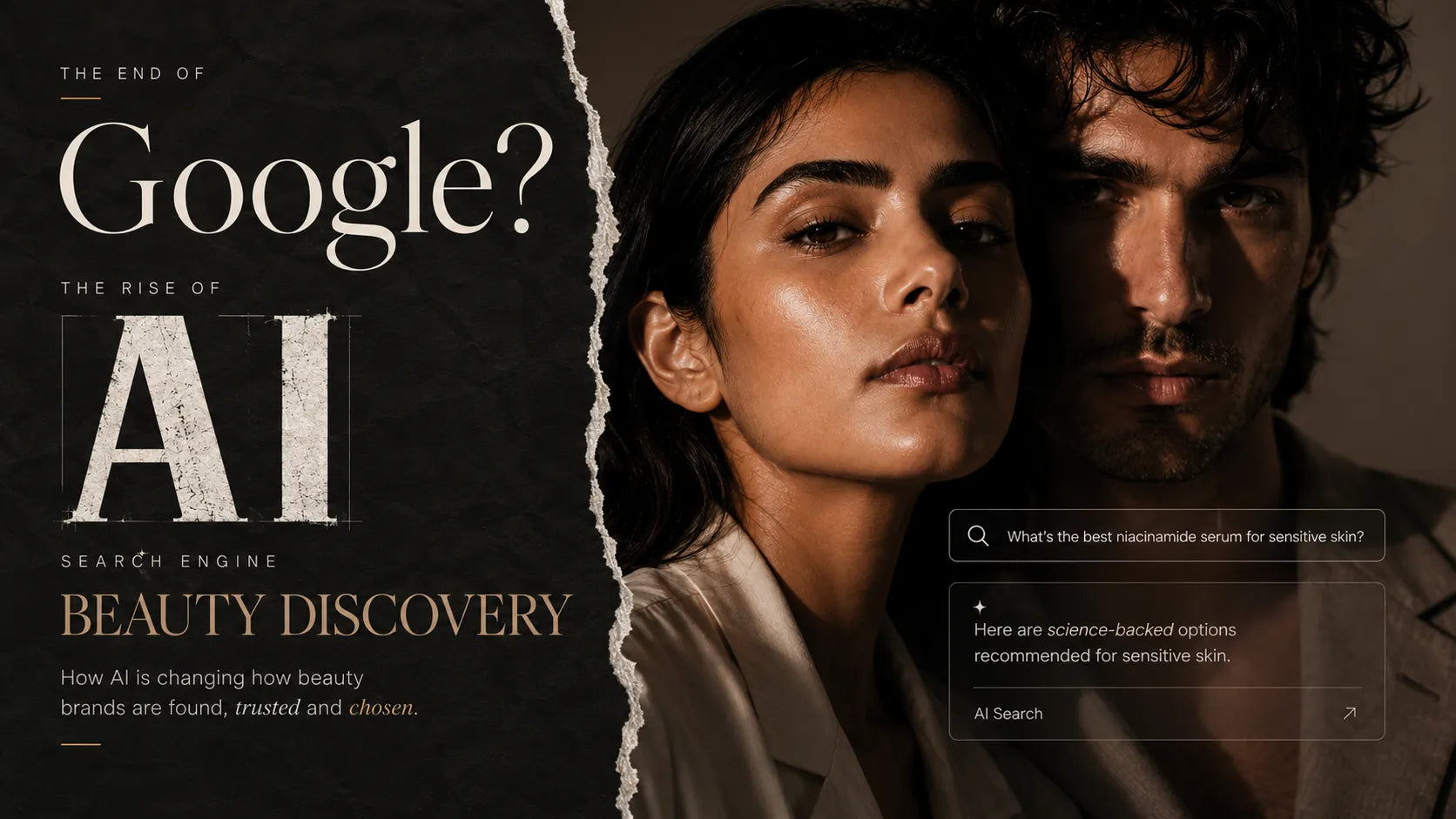
AI SEO for Beauty is the strategic application of artificial intelligence technologies to optimize a beauty brand’s online visibility. It goes beyond simple keyword insertion. It involves using AI tools to analyze search intent, understand semantic relationships between terms, predict content performance, automate technical audits, and personalize user experiences based on behavioral data. For beauty brands, this means moving from guesswork to data-driven precision. Instead of asking “what should we write about?”, AI helps you answer “what are our customers truly searching for, and how do we deliver that information in the most engaging, authoritative way possible?”
The core difference from traditional SEO lies in the speed and depth of analysis. A human SEO specialist might take days to analyze competitor backlinks or identify content gaps. An AI system can do this in minutes, processing millions of data points. It can also detect emerging trends before they peak, allowing beauty brands to create content on “glass skin” or “skin cycling” just as search volume begins to rise. This proactive approach is essential in an industry where trends change faster than the seasons.
Why Traditional SEO Fails for Modern Beauty Brands
The beauty sector faces unique challenges that traditional SEO methods struggle to overcome. First, the search landscape is saturated. Keywords like “lipstick” or “moisturizer” have millions of results, making it nearly impossible for new or mid-sized brands to rank without significant authority. Second, user intent is highly fragmented. Someone searching “best foundation” might be looking for a full-coverage matte formula, a lightweight tinted moisturizer, or a product for sensitive skin. Traditional SEO often targets the broad term, failing to capture these specific micro-intents.
Third, the rise of visual search and voice search has changed how people find beauty products. Users now take photos of a celebrity’s makeup look or ask their smart speaker for “a drugstore dupe for this high-end concealer.” Traditional text-based SEO is ill-equipped to handle these queries. Finally, Google’s algorithms now prioritize E-E-A-T (Experience, Expertise, Authoritativeness, Trustworthiness). Generic content that doesn’t demonstrate genuine product experience or expert knowledge gets pushed down. AI SEO for Beauty addresses all these pain points by enabling hyper-personalized content clusters, visual recognition, and structured data that speaks directly to algorithmic requirements.
Core Components of an AI-Driven Beauty SEO Strategy
Implementing AI SEO for Beauty requires a multi-faceted approach. It is not a single tool but a combination of technologies and processes. Below are the critical components that form a robust strategy.
1. AI-Powered Keyword Research and Clustering
Traditional keyword tools provide lists of terms with search volume. AI takes this a step further by grouping keywords into topical clusters based on semantic relevance. For a beauty brand, this means understanding that “vegan mascara,” “cruelty-free mascara,” and “lengthening mascara without harsh chemicals” all belong to the same user intent cluster. AI algorithms analyze search engine results pages (SERPs) to identify which terms are interchangeable and which require distinct content.
This clustering enables you to create pillar pages and supporting blog posts that cover a topic comprehensively. For example, a pillar page on “Clean Beauty Skincare Routine” can link to cluster articles on “Best Clean Cleansers,” “Non-Toxic Sunscreens,” and “Organic Serums for Hyperpigmentation.” This structure signals topical authority to Google, boosting rankings for all related terms. AI tools like Clearscope, MarketMuse, and Surfer SEO use machine learning to analyze top-ranking pages and suggest related terms, entities, and questions you must include to outrank competitors.
2. Predictive Analytics for Trend Forecasting
Beauty is a trend-driven industry. Being the first to publish content on a rising trend can generate massive organic traffic. AI predictive analytics tools scan social media platforms, forums like Reddit, and search query data to identify patterns. They can detect a surge in mentions of “strawberry makeup” or “latte makeup” weeks before it becomes a mainstream search term.
For instance, an AI system might analyze Pinterest pins and Instagram hashtags to see a 200% increase in “bronzed skin” content during early spring. It can then recommend creating a comprehensive guide on “How to Achieve the Perfect Summer Bronze Look” with specific product recommendations. This foresight allows beauty brands to publish content when competition is low, capturing the peak of the search curve. This is a prime example of how AI SEO for Beauty shifts from reactive optimization to proactive content creation.
3. Automated Technical SEO Audits
Technical issues like slow page speed, broken links, and poor mobile responsiveness can silently kill your rankings. AI-powered crawlers can simulate Googlebot and identify these issues across thousands of product pages in real-time. They don’t just flag problems; they prioritize them based on impact. For example, an AI audit might identify that 50 product images lack alt text, but it will also tell you that fixing the 10 images on your highest-traffic pages will yield the most significant ranking improvement.
Furthermore, AI can automate the generation of structured data (schema markup). For beauty products, this includes reviews, ratings, price, and availability. Implementing this schema correctly helps Google display rich snippets, which can dramatically increase click-through rates. An AI tool can generate the necessary JSON-LD code for thousands of products instantly, a task that would take a human developer weeks to complete manually.
4. Content Generation and Optimization at Scale
While AI cannot replace the creativity of a skilled beauty writer, it can significantly augment the process. AI writing assistants can generate drafts for product descriptions, blog post outlines, and FAQ sections. More importantly, they can optimize existing content. An AI tool can analyze a blog post about “Skincare for Acne-Prone Skin” and suggest adding specific subheadings, internal links, and related questions that top-ranking pages include.
This is not about mass-producing low-quality articles. Instead, it is about ensuring every piece of content is fully optimized for both search engines and user experience. AI can also help with content refresh. It can identify which of your old blog posts are losing traffic and suggest updates based on current search trends. This continuous optimization cycle is vital for maintaining rankings in the competitive beauty niche.
Practical Applications: How to Use AI SEO for Beauty
Understanding the components is one thing; implementing them is another.
Step 1: Conduct an AI-Driven Content Gap Analysis
Start by using an AI-powered SEO platform to analyze your current content against your top competitors. Input your domain and your top five competitors’ domains. The A It will also highlight content gaps—topics that are highly relevant to your audience but have no coverage on your site.
For example, if you sell hair care products, the AI might reveal that your competitors have comprehensive guides on “sulfate-free shampoo benefits” and “how to repair heat-damaged hair,” but you only have product pages. This analysis provides a clear roadmap for your content calendar. Prioritize topics with high search volume and low competition to achieve quick wins.
Step 2: Optimize Product Pages with AI-Generated Schema
Product pages are the money pages of any beauty e-commerce site. AI tools can automatically generate schema markup for each product. This includes fields for product name, image, price, currency, availability, and aggregate rating. By adding this structured data, you become eligible for rich results, which display star ratings and price information directly in the search results. This visual enhancement makes your listing stand out against plain text links, significantly boosting your click-through rate.
Additionally, AI can help you write unique meta titles and descriptions for each product. Instead of using generic templates, AI can analyze the product’s key features and the search intent behind the target keyword to craft compelling copy. For instance, for a “hydrating hyaluronic acid serum,” the AI might generate a meta title like “Plump & Hydrate: Best Hyaluronic Acid Serum for Dry Skin (2025).”
Step 3: Create a Content Cluster for Your Core Category
Choose your most important product category, such as “skincare” or “makeup.” Create a comprehensive pillar page that covers the category broadly. This page should be the ultimate resource, linking out to all your detailed blog posts. Then, use AI to generate a list of 20-30 long-tail keywords related to that category. For skincare, this might include “skincare routine for combination skin,” “best retinol for beginners,” “vitamin C serum benefits,” and “how to layer skincare products.”
Write detailed, expert-level articles for each of these long-tail keywords. Use AI to ensure each article covers the topic comprehensively, including relevant sub-topics, FAQs, and internal links back to the pillar page. This interlinking strategy distributes page authority throughout your site and helps search engines understand the structure of your content.
Step 4: Leverage AI for Visual Search Optimization
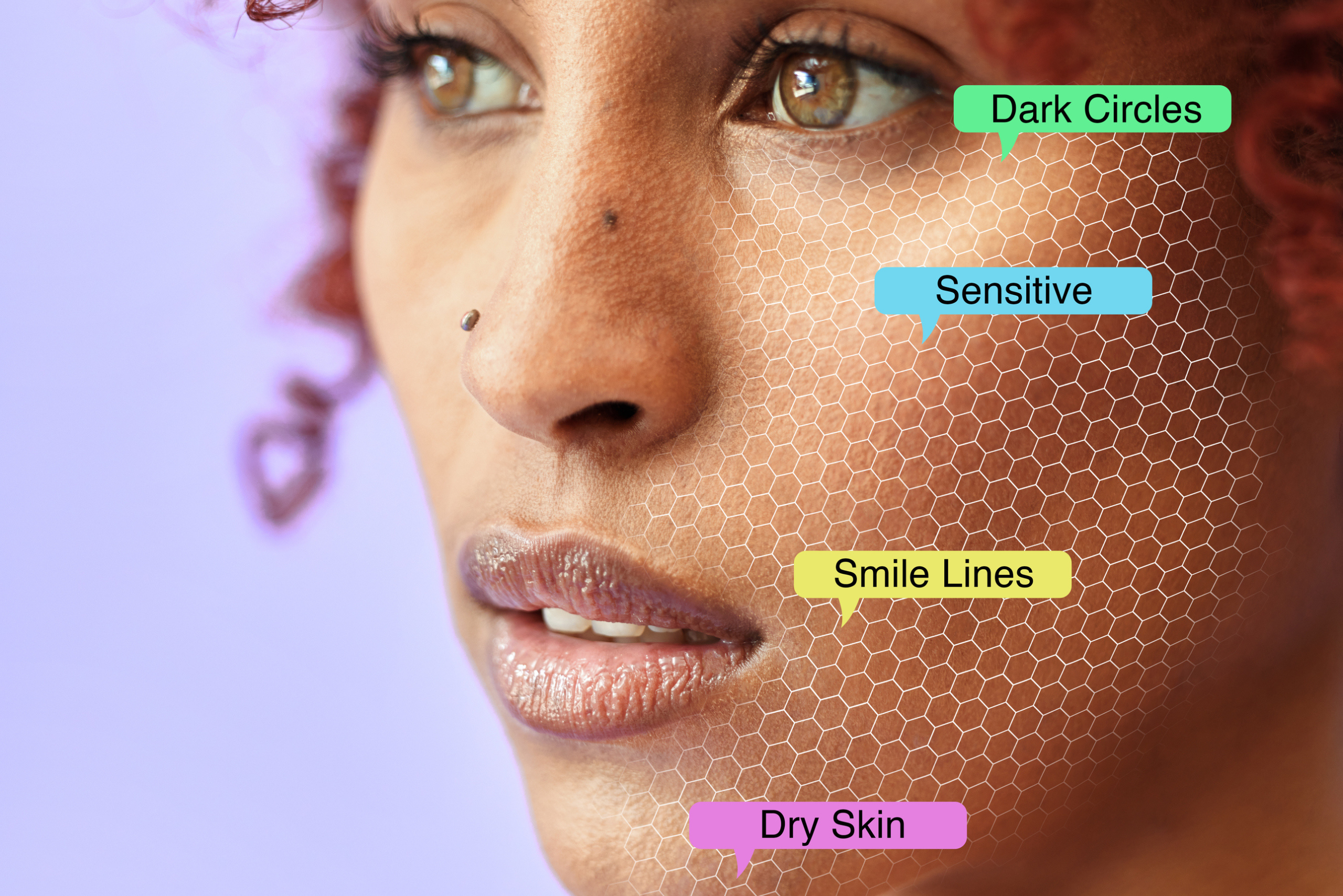
Visual search is exploding in the beauty industry. Platforms like Google Lens and Pinterest Lens allow users to search for products using images. To optimize for this, ensure all your product images are high-resolution and have descriptive file names. Use AI-powered image recognition tools to automatically generate alt text that describes the product’s color, texture, and packaging. For example, instead of “IMG_4521.jpg,” use “matte-red-liquid-lipstick-in-glass-bottle.jpg.”
Furthermore, consider creating “lookbook” pages that showcase products in context. AI can analyze these images to understand the overall aesthetic and match them with relevant search queries. This helps you capture traffic from users who are searching for a specific makeup look rather than a specific product name.
Benefits and Limitations of AI SEO for Beauty
Like any technology, AI SEO for Beauty has its advantages and potential drawbacks. Understanding both is crucial for setting realistic expectations and avoiding pitfalls.
Key Benefits
- Scalability: AI can analyze thousands of keywords and pages in minutes, a task impossible for a human team. This allows beauty brands with large catalogs to optimize every product page efficiently.
- Accuracy: AI algorithms are less prone to human error. They can identify subtle patterns in data that might be missed, leading to more effective strategies.
- Speed: The time from data collection to actionable insight is drastically reduced. You can react to algorithm updates or market changes in hours, not weeks.
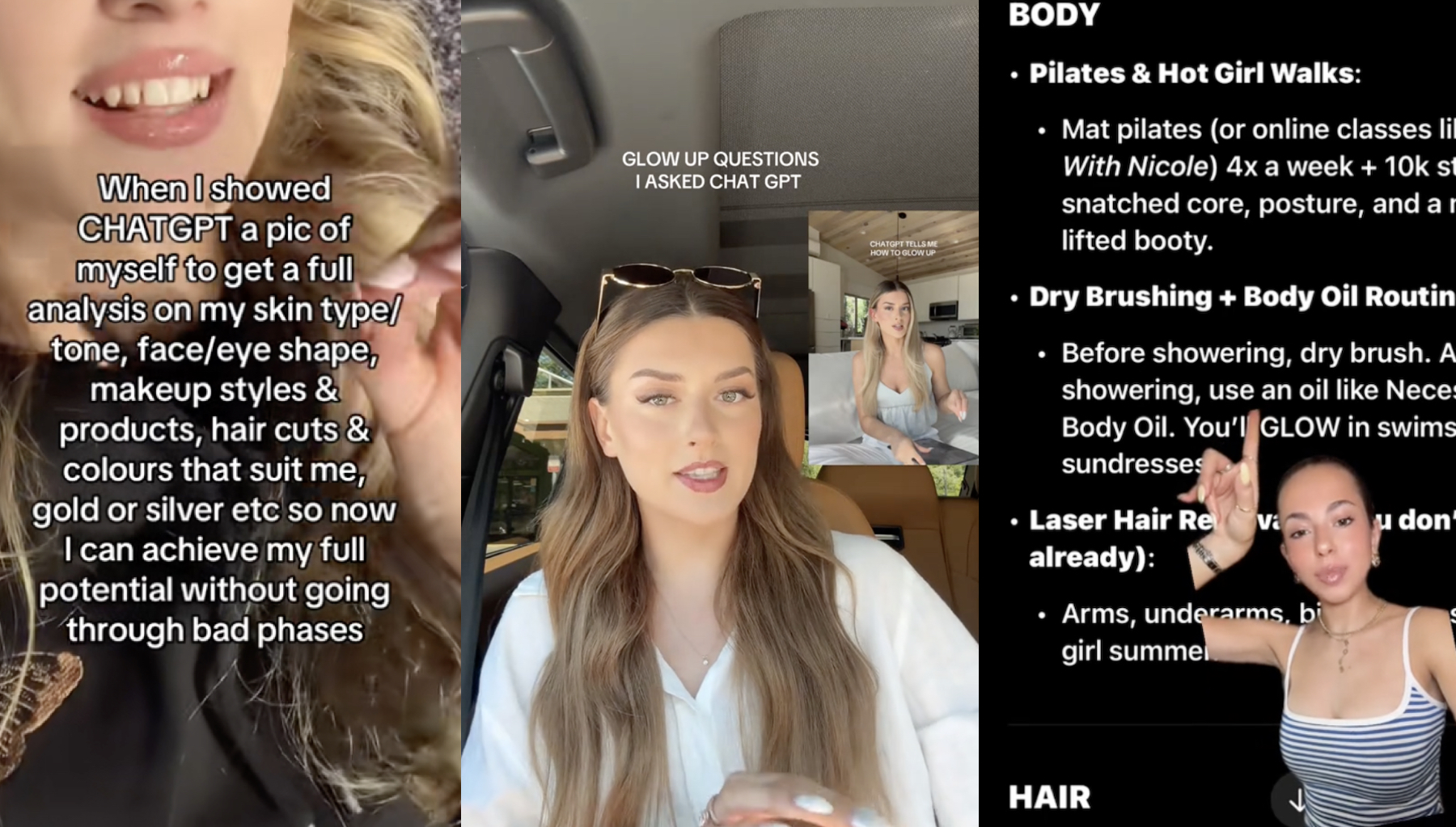
- Personalization: AI can help tailor search results and content recommendations to individual users, increasing engagement and conversion rates.
- Competitive Edge: By identifying trends early and optimizing for niche queries, you can outmaneuver competitors who are still using traditional methods.
- Cost: High-quality AI SEO tools often come with significant subscription fees, which can be a barrier for small indie beauty brands.
- Lack of Human Touch: AI-generated content can sometimes lack the emotional resonance and authentic voice that beauty consumers crave. It requires human editing to ensure brand personality shines through.
- Data Dependency: AI is only as good as the data it is trained on. If your data is biased or incomplete, the insights will be flawed.
- Algorithm Changes: Search engines constantly update their algorithms. An AI model that works today might become less effective tomorrow, requiring constant retraining and adjustment.
Potential Limitations
AI SEO for Beauty vs. Traditional SEO: A Comparison
| Feature | Traditional SEO | AI SEO for Beauty |
|---|---|---|
| Keyword Research | Manual analysis of search volume and difficulty | Automated clustering and semantic analysis of user intent |
| Content Creation | Human writers relying on personal experience and manual research | AI-assisted drafting, optimization, and content refresh based on real-time data |
| Technical Audits | Periodic manual checks using various tools | Continuous automated crawling and prioritization of fixes |
| Trend Detection | Reactive, based on seeing competitors’ content | Proactive, using predictive analytics on social and search data |
| Personalization | Limited to basic user segmentation | Dynamic content adaptation based on individual user behavior and search history |
| Scalability | Limited by team size and time | Unlimited, can process vast amounts of data and pages simultaneously |
Common Mistakes to Avoid When Implementing AI SEO
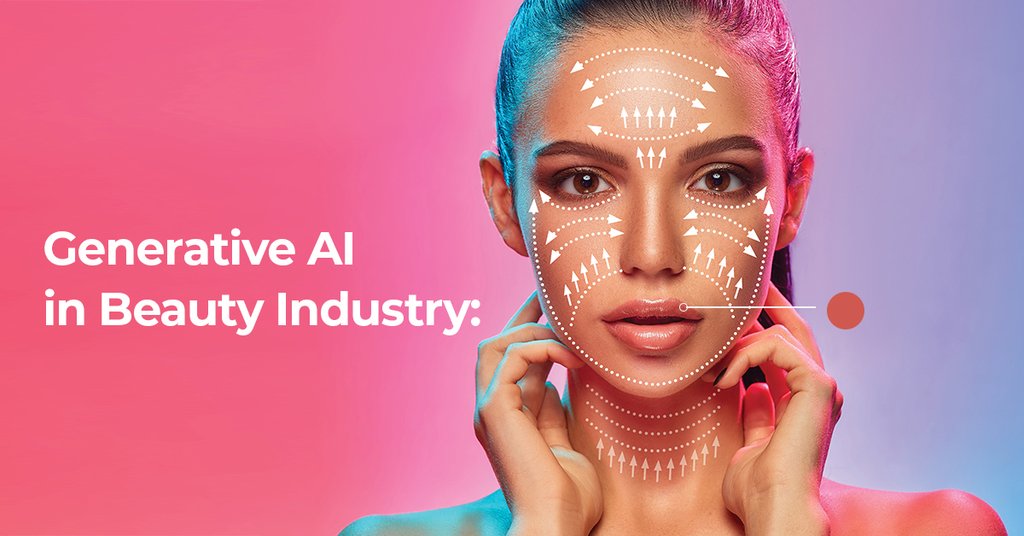
Many beauty brands jump into AI SEO for Beauty without a clear strategy, leading to wasted resources and poor results. Here are the most common pitfalls and how to avoid them.
Mistake 1: Relying Solely on AI for Content Creation
Publishing purely AI-generated content without human review is a recipe for disaster. The content often lacks depth, originality, and brand voice. Google’s algorithms are sophisticated enough to detect unhelpful, mass-produced content, which can lead to manual penalties. Always have a human editor review, fact-check, and add personal insights to any AI-generated draft. The best approach is to use AI as a research assistant and outline generator, not as the final author.
Mistake 2: Ignoring User Intent for the Sake of Keywords
AI tools can identify keywords, but they cannot fully understand the nuanced intent behind a search. For example, “best perfume for women” could mean “best luxury perfume,” “best budget perfume,” or “best perfume for sensitive skin.” If you create a generic article targeting the broad keyword, you will fail to satisfy any specific user. Use AI to identify the different intent categories for your keywords and create separate content pieces for each.
Mistake 3: Neglecting the Human Element of Beauty
Beauty is deeply personal and emotional. Consumers want to see real faces, real results, and authentic reviews. Over-optimizing with AI can make your content feel sterile and robotic. Balance your AI-driven SEO strategy with user-generated content, influencer collaborations, and behind-the-scenes stories. Show real people using your products. This builds trust and authority, which are critical ranking factors.
Mistake 4: Not Updating AI Models with New Data
AI models are not static. If you set up an AI tool and never retrain it with new data, its insights will become stale. Beauty trends change monthly. Ensure your AI tools are continuously fed with new search data, social media trends, and sales data. This keeps your strategy agile and relevant.
Important Notes for Beauty Brands
When implementing AI SEO for Beauty, keep these critical considerations in mind. First, compliance with regulations like GDPR and CCPA is paramount. AI tools often process user data for personalization. Ensure your data collection and usage practices are transparent and compliant to avoid legal issues and build consumer trust.
Second, focus on building a strong brand entity. Google uses knowledge graphs to understand relationships between brands, products, and attributes. Ensure your brand information is consistent across all platforms. Use AI to monitor your brand mentions and ensure your “Google Business Profile” and social media profiles are fully optimized. A strong brand entity helps you rank for branded searches and establishes authority in your niche.
Third, remember that AI is a tool, not a replacement for strategy. The most successful beauty brands use AI to inform their decisions, but they still rely on human creativity and intuition to set the overall vision. Use AI to answer the “how” and “when,” but keep the “why” and “what” in the hands of your marketing team.
Frequently Asked Questions (FAQ)
What is the best AI tool for beauty SEO?
T For comprehensive keyword research and content optimization, tools like Clearscope, MarketMuse, and Surfer SEO are excellent. For technical audits, Screaming Frog with AI integrations or Sitebulb are popular choices. For content generation, tools like Jasper and Copy.ai can help with drafts. Many brands use a combination of these tools to cover all aspects of AI SEO for Beauty.
How long does it take to see results from AI SEO?
Results vary based on your starting point, competition, and the specific tactics used. Some quick wins, like fixing technical errors or optimizing meta descriptions, can show improvements in a few weeks. However, building topical authority and ranking for competitive keywords typically takes 3 to 6 months of consistent effort. AI accelerates the process by making your optimization more accurate, but it does not bypass the need for time to build trust and crawl frequency.
Can AI SEO help with local beauty salons?
Absolutely. AI SEO for Beauty is not just for e-commerce brands. Local salons and spas can use AI to optimize their Google Business Profile, manage local citations, and generate content that targets local keywords like “best hair salon in Austin” or “organic facial near me.” AI can also analyze local search trends to help you offer services that are in high demand in your area.
Is AI-generated content penalized by Google?
Google’s official stance is that it penalizes spammy, low-quality content, regardless of whether it is written by a human or an AI. If AI-generated content is helpful, original, and demonstrates E-E-A-T, it will not be penalized. The key is to use AI as a tool to enhance your content, not to mass-produce thin, unhelpful articles. Always add unique value, personal experience, and expert insights to AI drafts.
How does AI help with voice search optimization for beauty?
Voice search queries are typically longer and more conversational. AI tools can analyze natural language patterns to identify these long-tail, question-based queries. For example, instead of “best mascara,” a voice search might be “what is the best waterproof mascara for sensitive eyes?” AI helps you create FAQ sections and content that directly answers these questions, increasing your chances of appearing in voice search results and featured snippets.
Conclusion
AI SEO for Beauty is not a fleeting trend; it is the new standard for competitive success in the digital beauty landscape. The ability to process vast datasets, predict trends, and personalize experiences at scale provides an undeniable advantage. By integrating AI into your keyword research, content strategy, technical audits, and user experience, you can move beyond guesswork and build a search presence that is both resilient and authoritative.
The journey begins with a single step. Start by auditing your current SEO practices and identifying where AI can have the most immediate impact. Whether it is automating your technical fixes or generating a new content cluster, the key is to start small and scale up. Embrace the technology, but never lose sight of the human connection that lies at the heart of beauty. Combine the analytical power of AI with the emotional intelligence of your team, and you will create a search strategy that not only ranks well but also resonates deeply with your audience. The future of beauty search is intelligent, and it is time to lead the way.
Xem thêm:
- AI SEO Strategy 2026: The Complete Blueprint for Search Dominance
- AI SEO for WooCommerce: Automate, Optimize, and Scale Your Store Traffic
- AI SEO Guest Post Outreach: The Complete Guide to Scaling Link Building in 2025
- AI SEO LLM Citations: The Complete Guide to Getting Referenced by Generative Engines
- AI SEO Compression: The Complete Guide to Slimming Down Your Content for Higher Rankings
Bài viết cùng chủ đề:

AI SEO SEO Automation with Make: The Complete Workflow Guide

AI SEO SEO Automation with Zapier: The Complete Workflow Guide

AI SEO SEO Automation with n8n: The Complete Workflow Guide
AI SEO SEO Automation with Gemini: The Complete Guide to Scaling Organic Growth

AI SEO SEO Automation with Claude: The Complete Guide to Scaling Content in 2025

AI SEO SEO Automation with ChatGPT: The Complete Playbook for 2025

AI SEO & SEO Automation for Affiliate Sites: The 2025 Playbook for Passive Income Growth
AI SEO & SEO Automation for Bloggers: The Complete Guide to Scaling Your Content

AI SEO & SEO Automation for Agencies: The Complete 2025 Playbook

AI SEO and SEO Automation for Ecommerce: The Complete Playbook for 2025

AI SEO & SEO Automation for WordPress: The Complete Playbook for 2025
AI SEO SEO Automation Strategy: The Complete Playbook for 2025

Mastering the AI SEO SEO Automation Process: A Complete Guide to Scaling Organic Growth
AI SEO SEO Automation System: The Complete Guide to Scaling Organic Growth in 2025
AI SEO SEO Automation Platform: The Complete Guide to Scaling Organic Growth in 2025
AI SEO SEO Automation Software: The Complete Guide to Scaling Organic Growth in 2025















