
No products in the cart.
AI SEO for WooCommerce: Automate, Optimize, and Scale Your Store Traffic
29
Jul
Jul
E‑commerce competition has never been fiercer. Every WooCommerce store owner faces the same challenge: driving organic search traffic while juggling inventory, marketing, and customer service. AI SEO for WooCommerce emerges as a game‑changing solution, merging artificial intelligence with search engine optimization to automate tedious tasks, uncover hidden keyword opportunities, and keep product listings fully optimized. This guide unpacks everything from foundational concepts to advanced implementation strategies, so you can harness AI without losing the human touch that customers trust.
What Is AI SEO for WooCommerce?

AI SEO for WooCommerce refers to the use of machine learning algorithms, natural language processing, and automation tools to improve a WooCommerce store’s search engine visibility. Instead of manually adjusting product meta tags, generating descriptions, or analyzing keyword gaps, AI tools perform these activities at scale, often in real time. The technology reads your catalog, understands user intent, and suggests optimizations that align with both search engine ranking factors and shopper behavior.
This goes far beyond basic plugin settings. Modern AI SEO solutions connect directly to your WooCommerce database, analyze site structure, competitor performance, and search trends, then deploy changes across hundreds of product pages simultaneously. The result is a continuously self‑improving SEO system that learns from traffic data, click‑through rates, and conversion patterns, keeping your store aligned with Google’s evolving algorithms.
How AI Transforms the Traditional WooCommerce SEO Workflow
Traditional WooCommerce SEO demands a repetitive cycle of keyword research, on‑page tweaks, and performance reviews. An AI‑driven workflow reimagines this process by embedding intelligence at every stage. Data analysis, content creation, and technical audits that once took weeks can now happen within hours. The real shift, however, lies in precision: AI identifies micro‑opportunities such as long‑tail product queries, regional search variations, and emerging trends that manual analysis often misses.
Core Components of an AI‑Powered WooCommerce SEO Stack
- Automated keyword discovery: Tools scan product attributes, reviews, and search console data to generate high‑intent keyword lists.
- AI content generation: Product descriptions, category texts, and meta descriptions are drafted by language models, then refined by humans.
- Intelligent internal linking: Algorithms map relevancy between products and blog posts, automatically inserting contextual links to strengthen site architecture.
- Schema markup automation: Rich snippets for products, reviews, and FAQs are generated without manual coding, increasing SERP visibility.
- Performance prediction: AI forecasts the potential impact of changes, helping prioritize tasks that deliver the highest ROI.
- Publishing raw AI content without editing: Duplicate, shallow, or factually incorrect content can tank credibility. Always run output through a human editorial check.
- Ignoring technical SEO fundamentals: AI won’t fix slow hosting, broken sitemaps, or poor mobile usability. Ensure your WooCommerce foundation is solid first.
- Keyword stuffing based on AI suggestions: An AI may recommend high‑volume keywords, but cramming them unnaturally reduces readability. Focus on natural integration.
- Over‑automating without a strategy: Letting AI run indefinitely without reviewing results can lead to irrelevant linking or optimization for unprofitable products.
- Neglecting user intent: Rank‑focused AI might prioritize informational terms for product pages. You must override and align pages with commercial intent.
- Quality remains the cornerstone: Google’s helpful content system rewards original information, clear expertise, and satisfying experiences. AI helps scale quality, but only if you guide it with genuine product knowledge.
- E‑E‑A‑T matters: Demonstrate experience, expertise, authoritativeness, and trustworthiness. Ensure product pages include authentic reviews, clear return policies, and expert content where relevant. AI can help structure this information, not fabricate it.
- Stay privacy‑compliant: AI tools that analyze user behavior must respect GDPR and other regulations. Anonymized data pipelines and cookie consent integrations are non‑negotiable.
- Update your AI models regularly: Search algorithms change; retrain or recalibrate AI settings quarterly based on ranking shifts and new semantic trends.
Benefits of Integrating AI into Your WooCommerce SEO Strategy
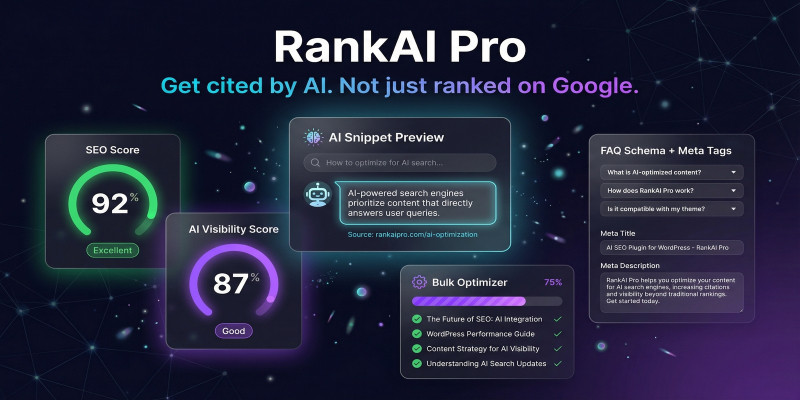
Adopting AI tools moves your store from reactive to proactive optimization. The most immediate benefit is speed: AI can analyze an entire catalog of thousands of SKUs and produce optimized metadata in minutes. Accuracy also improves because AI synthesizes vast quantities of search data to detect patterns a human might overlook. For large inventories, this scalability means no product page gets left behind; seasonal items, long‑tail variants, and out‑of‑stock products can still rank for relevant queries through automated redirects and dynamic descriptions.
Conversion‑oriented SEO becomes achievable at scale. AI can test different meta titles and descriptions through A/B‑style simulations and predict which versions will drive clicks. When integrated with real‑time inventory and pricing, product schema stays accurate automatically, leading to higher CTR in search results. Over time, the AI learns your store’s margin goals and can push higher‑margin items into prominent organic positions without manual intervention.
Limitations and Risk Factors to Consider
No AI tool is infallible. Heavy reliance on automatically generated content can lead to generic, repetitive product descriptions that fail to differentiate your brand. Search engines do not penalize AI content per se, but they reward originality and user value—two qualities raw AI output often lacks if not carefully edited. Data bias is another concern: if your training data skews toward certain search behaviors, the AI may optimize for low‑converting keywords or miss culturally nuanced queries.
Technical overhead also matters. Many AI SEO add‑ons require API credits, ongoing subscription fees, and server resources. Without proper configuration, automated schema can become bloated and trigger manual actions. Finally, AI cannot fully replace strategic thinking. It suggests, but you must decide on brand voice, editorial guidelines, and ethical boundaries—especially when generating content at scale.
Comparison: Traditional WooCommerce SEO vs. AI‑Driven SEO
Understanding the differences helps clarify where AI adds the most value. The table below breaks down key aspects of both approaches.
| Aspect | Traditional Manual SEO | AI‑Driven SEO for WooCommerce |
|---|---|---|
| Keyword research | Spreadsheets, manual brainstorming, competitor manual analysis | Automated gap analysis, semantic clustering, intent prediction |
| Content creation | One‑by‑one writing of descriptions and meta tags | Bulk generation with tone adjustment, then human polish |
| Technical audits | Periodic manual checks or using a basic scanner | Continuous monitoring, instant fix suggestions, broken link auto‑fix |
| Schema markup | Hand‑coded or plugin templates per product | Dynamic, context‑aware rich snippets pulled from live data |
| Scalability | Limited by team bandwidth | Near‑infinite scaling across product catalogs and languages |
| Learning ability | Relies on human experience and trial and error | Machine learning from ranking fluctuations and user signals |
Practical Implementation: Setting Up AI SEO for Your WooCommerce Store
Rolling out AI SEO is not a one‑click affair. A phased approach prevents data chaos and ensures the AI aligns with your brand identity. Begin with a thorough crawl of your existing site to establish baseline metrics: organic traffic, keyword rankings, bounce rates, and conversion values per product. This baseline makes it possible to measure AI’s impact later.
Step 1: Choose the Right AI‑Enabled SEO Plugin or Suite
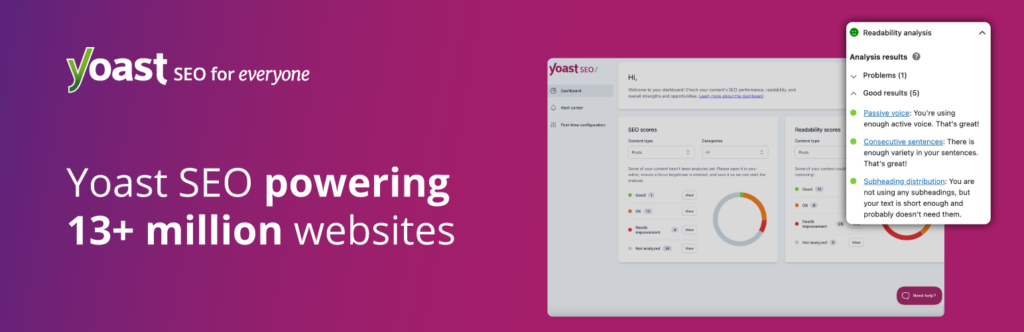
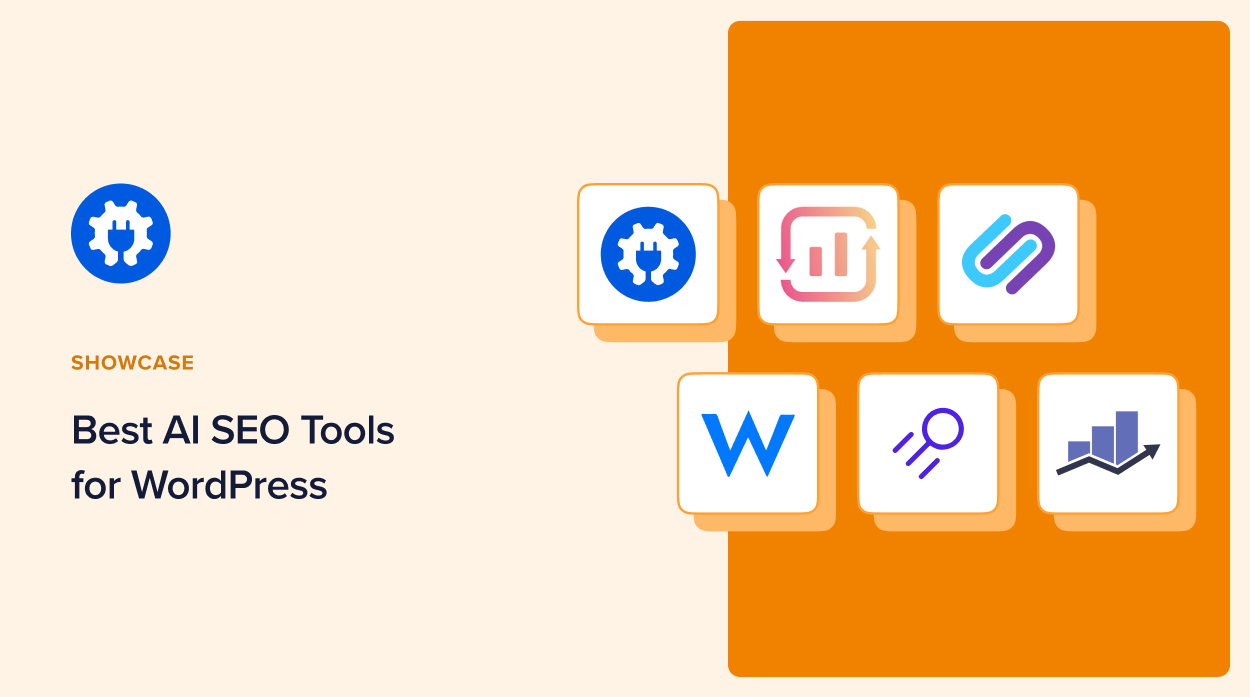
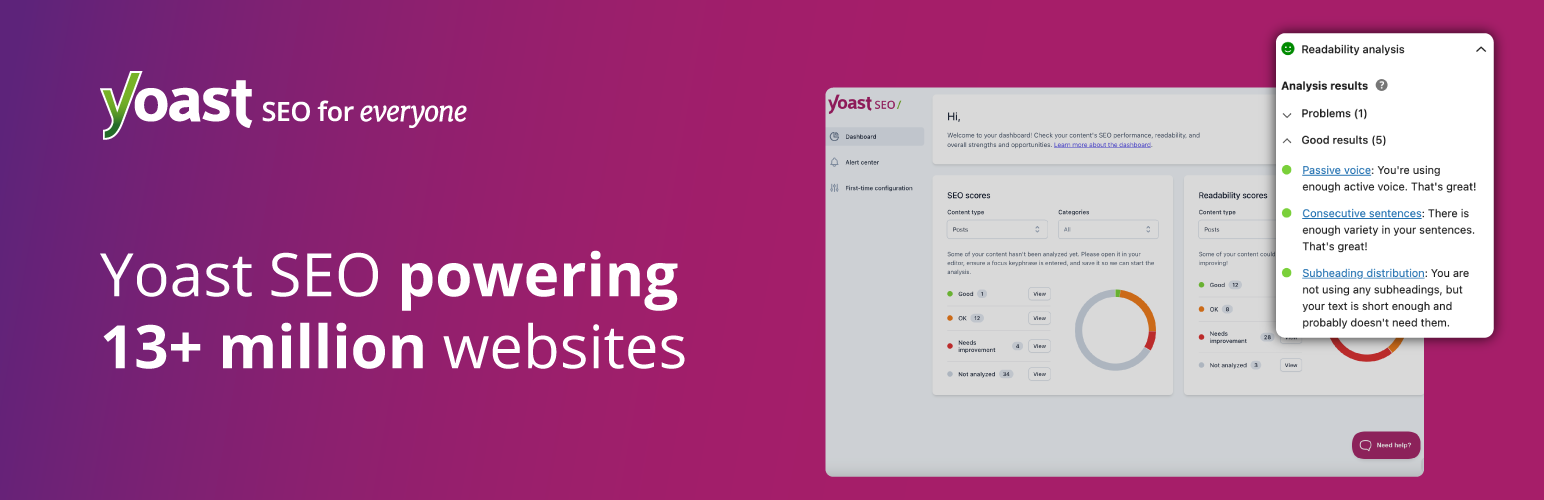
Several established WordPress SEO plugins now ship with AI capabilities. Rank Math offers Content AI, which scores content against top‑ranking pages and suggests semantic keywords. All in One SEO (AIOSEO) includes Link Assistant and Smart Schema that detect product data and generate appropriate markup. Yoast SEO provides readability checks and has begun integrating generative AI for meta descriptions. For deeper automation, standalone AI platforms like Frase or SurferSEO can be connected to WooCommerce via API or by manually importing CSV product data for optimization recommendations.
Step 2: Automate Keyword Research with AI
Instead of starting from scratch, use your AI tool to ingest your product feed. It will analyze product names, categories, attributes, and even customer review language to identify what people actually search for. The output is a prioritized list of terms grouped by search intent—transactional, informational, or navigational. For example, a WooCommerce store selling handmade candles might discover that “soy wax candles for meditation” has a high conversion potential that manual research overlooked. The AI then maps these keywords to existing product URLs or suggests new category pages.
Step 3: Generate and Polish Product Content at Scale
With keywords in hand, instruct the AI to produce unique product descriptions, short excerpts, and meta titles for your entire catalog. Most tools allow you to define a brand voice, product tone, and key selling points. The A The critical manual step is injecting unique value propositions, sensory language, and specific product details the machine cannot know—like the story behind a supplier or the texture of a fabric. A hybrid workflow where AI handles 80% of the draft and a human refines the remaining 20% works best.
Step 4: Deploy Smart Schema Markup
Rich results can increase click‑through rates by up to 30%. AI‑driven schema plugins read your WooCommerce product data—price, availability, reviews, SKU—and construct JSON‑LD markup automatically. They keep this data in sync when you update inventory or pricing, preventing dreaded “schema mismatch” warnings. Advanced setups can also add FAQ schema based on customer questions scraped from your site or support tickets, making your product pages eligible for expanded SERP real estate.
Step 5: Build an Intelligent Internal Linking Structure
Internal links distribute PageRank and guide users to relevant items. AI link assistants scan your entire site and suggest deep links from blog posts to products, cross‑links between complementary products, and hub pages that cluster content thematically. By automating the suggestion process, you avoid orphan pages and strengthen topical authority. For a WooCommerce fashion store, the AI might automatically link a blog post about “spring layering ideas” to 10 specific product pages, then track the resulting engagement.
Step 6: Monitor and Iterate with AI‑Powered Analytics
After deployment, AI analytics tools track ranking movements, click‑through rates, and on‑page behavior. They alert you to sudden drops, cannibalization issues, or new competitor entries. Some can predict which pages are losing steam and proactively suggest title refreshes or content updates. This closes the loop, turning your SEO into a continuously optimizing feedback system rather than a quarterly chore.
Common Mistakes When Using AI SEO for WooCommerce and How to Avoid Them
Many store owners expect AI to be a magic wand and end up with a mess. Recognizing pitfalls in advance saves rankings and revenue.
To steer clear of these traps, treat AI as a smart assistant, not the final decision‑maker. Schedule weekly reviews of automated changes, spot‑check product pages, and compare AI‑generated keyword targets against your actual conversion data in Google Analytics. The goal is a feedback loop where human insight continuously refines the AI’s parameters.
Important Notes for Long‑Term Success

Frequently Asked Questions
What exactly does AI SEO for WooCommerce do?
It uses artificial intelligence to automate and enhance search optimization tasks specifically for WooCommerce stores. This includes generating meta titles and descriptions, conducting keyword research, creating internal links, and dynamically updating product schema. The AI learns from performance data to continuously refine strategies, saving time and improving search rankings.
Can AI improve WooCommerce product rankings even for thousands of SKUs?
Yes, scalability is one of AI’s strongest advantages. Machine learning can analyze and optimize metadata, descriptions, and internal links across massive product catalogs in a fraction of the time a human team would need. The key is ensuring each automated piece of content passes a quality review to avoid duplication.
Which is the best AI SEO plugin for WooCommerce right now?
T Rank Math provides comprehensive AI content scoring and keyword suggestions within the free version. All in One SEO excels at schema automation and link suggestions. For advanced generation, Frase or SurferSEO integrated with WooCommerce deliver deep content optimization, although they require more setup.
How can I automate WooCommerce meta descriptions with AI?
Plugins like Rank Math’s Content AI or AIOSEO allow you to define templates that pull variables from product data (name, price, category) and rewrite them with AI. You can also use the OpenAI API with custom scripts to batch‑generate unique meta descriptions, then upload them via CSV. Always review a sample before publishing site‑wide.
Does Google penalize WooCommerce stores for using AI‑generated content?
Google does not penalize content simply because it is AI‑generated, provided it is helpful, original, and demonstrates E‑E‑A‑T. The danger is publishing low‑value, duplicate, or unedited material at scale. As long as you add genuine expertise and user value, AI‑assisted content can rank well and drive traffic.
Conclusion
AI SEO for WooCommerce is no longer a futuristic experiment—it is a practical tool for e‑commerce growth available today. From automating mundane meta tag creation to uncovering hyper‑specific keyword opportunities, AI dramatically reduces the manual burden of SEO while improving precision. The most successful implementations combine machine scale with human creativity, ensuring every product page feels authentic and connects with the shopper’s intent. By carefully selecting your AI stack, maintaining editorial oversight, and continuously feeding performance data back into the system, your WooCommerce store can achieve sustained organic visibility and higher conversion rates in an increasingly competitive market.
Xem thêm:
- AI SEO AI Workflows: The Complete Guide to Automating Your Search Rankings
- AI SEO Copywriting in 2025: The Ultimate Guide to Data-Driven Content That Ranks
- Mastering AI SEO Related Keywords: The Complete Guide to Future-Proof Search Rankings
- AI SEO Category Optimization: The Complete Playbook for 2025
- AI SEO AI Search Monitoring: The Complete Guide to Tracking Your Brand in the Age of Generative Engines
Bài viết cùng chủ đề:

AI SEO SEO Automation with Make: The Complete Workflow Guide

AI SEO SEO Automation with Zapier: The Complete Workflow Guide

AI SEO SEO Automation with n8n: The Complete Workflow Guide
AI SEO SEO Automation with Gemini: The Complete Guide to Scaling Organic Growth

AI SEO SEO Automation with Claude: The Complete Guide to Scaling Content in 2025

AI SEO SEO Automation with ChatGPT: The Complete Playbook for 2025

AI SEO & SEO Automation for Affiliate Sites: The 2025 Playbook for Passive Income Growth
AI SEO & SEO Automation for Bloggers: The Complete Guide to Scaling Your Content

AI SEO & SEO Automation for Agencies: The Complete 2025 Playbook

AI SEO and SEO Automation for Ecommerce: The Complete Playbook for 2025

AI SEO & SEO Automation for WordPress: The Complete Playbook for 2025
AI SEO SEO Automation Strategy: The Complete Playbook for 2025

Mastering the AI SEO SEO Automation Process: A Complete Guide to Scaling Organic Growth
AI SEO SEO Automation System: The Complete Guide to Scaling Organic Growth in 2025
AI SEO SEO Automation Platform: The Complete Guide to Scaling Organic Growth in 2025
AI SEO SEO Automation Software: The Complete Guide to Scaling Organic Growth in 2025















