
No products in the cart.
AI SEO for Developers: The Complete Technical Playbook for 2025
31
Jul
Jul
The intersection of artificial intelligence and search engine optimization has created a new discipline that developers can no longer afford to ignore. AI SEO for developers is not about writing better meta descriptions or stuffing keywords into alt text. It is about building systems that understand how machine learning models crawl, interpret, and rank web content. As Google’s algorithms increasingly rely on neural matching, natural language processing, and entity-based indexing, the developer’s role in SEO has shifted from technical maintenance to strategic architecture. This guide covers the exact methods, tools, and code-level strategies that engineering teams use to future-proof their websites against the AI-driven search landscape.
What Is AI SEO for Developers?
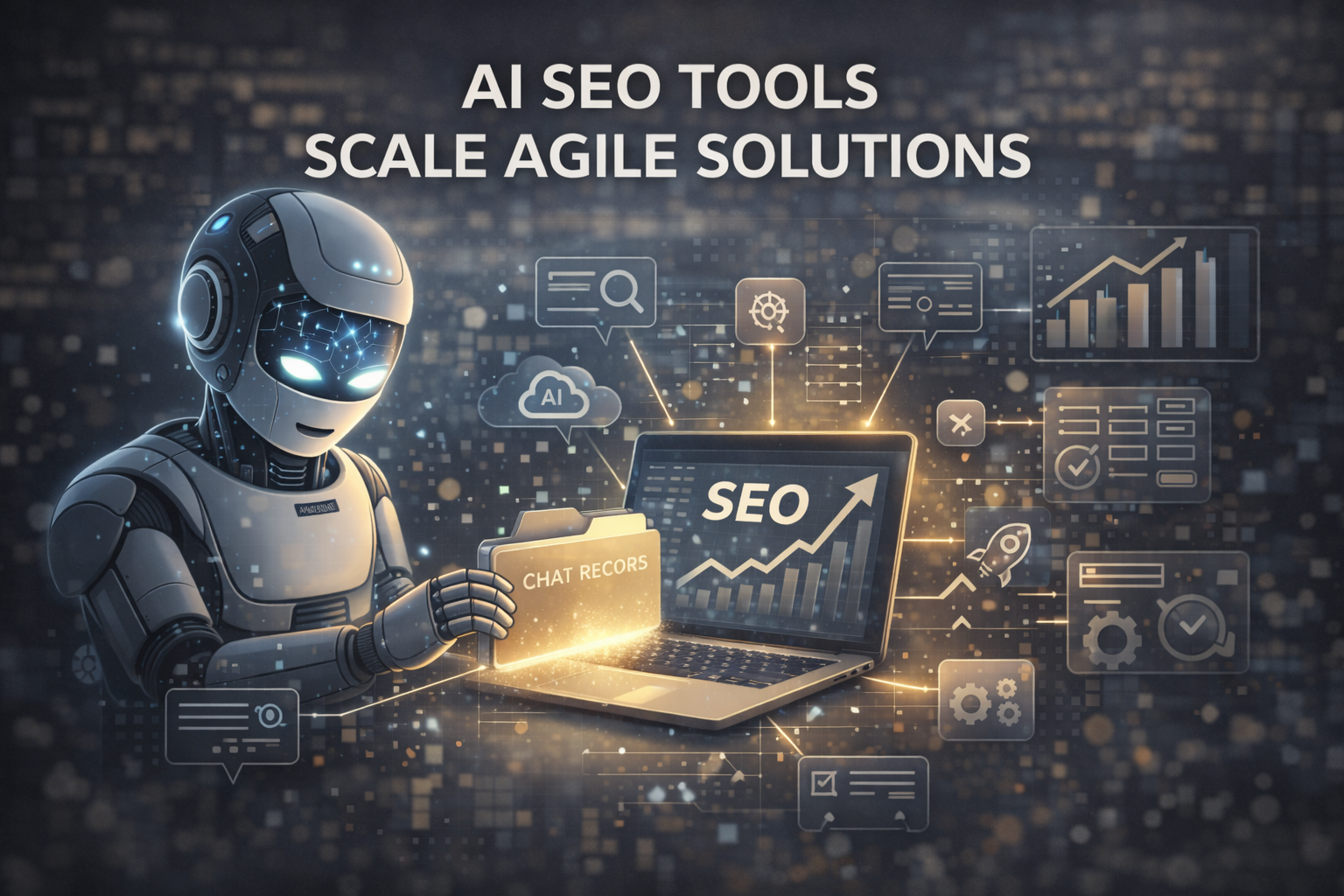
AI SEO for developers refers to the practice of applying artificial intelligence tools, machine learning models, and automated workflows to the technical and content-related aspects of search engine optimization. Unlike traditional SEO, which focuses on manual audits and static keyword targeting, AI-driven SEO leverages predictive analytics, natural language generation, and algorithmic pattern recognition to optimize websites at scale.
For developers, this means writing code that communicates effectively with AI crawlers, implementing structured data that machine learning models can parse, and building automation pipelines that continuously test and adjust on-page elements. The core difference lies in the approach: traditional SEO treats search engines as simple rule-based systems, while AI SEO treats them as probabilistic models that learn from user behavior and content patterns.
The Shift from Keyword Matching to Semantic Understanding
Google’s BERT and MUM updates fundamentally changed how search queries are processed. Instead of matching exact keyword strings, the algorithms now interpret the intent behind a query using contextual embeddings. A developer who understands this shift can optimize for topic clusters and entity relationships rather than individual phrases. For example, a page about “Python error handling” should also cover related concepts like “exception classes,” “try-except blocks,” and “traceback analysis” because the AI model associates these entities with the primary topic.
Why Developers Must Own AI SEO Strategy
Marketing teams often lack the technical depth to implement AI-driven SEO changes, while developers frequently dismiss SEO as a non-technical concern. This gap creates a competitive disadvantage. The reality is that modern search algorithms evaluate hundreds of technical signals, from Core Web Vitals to JavaScript rendering behavior, and these signals require code-level intervention.
Developers who master AI SEO can directly influence revenue by improving crawl efficiency, reducing server load from bot traffic, and ensuring that single-page applications render correctly for AI crawlers. Furthermore, the rise of generative engine optimization (GEO) means that websites must be structured to appear in AI-generated answers from tools like ChatGPT and Perplexity, which pull data from indexed web content.
Core Components of AI SEO for Developers
Implementing a robust AI SEO strategy involves several distinct technical components. Each one requires a different skill set and toolset, but they all work together to create a search-optimized digital ecosystem.
1. Structured Data and Schema Markup
Schema markup remains the most direct way to communicate with AI crawlers. By implementing JSON-LD structured data, developers provide explicit signals about the content’s meaning, type, and relationships. For AI SEO, this goes beyond basic Article or Product schema. It involves creating entity graphs that link people, places, organizations, and concepts within the page.
Practical implementation includes using the @graph syntax to define multiple entities in a single script tag, implementing BreadcrumbList for navigation clarity, and adding FAQPage schema to increase the chances of appearing in rich results. Developers should also monitor schema validation using Google’s Rich Results Test and ensure that the markup matches the visible content exactly, as discrepancies can trigger manual penalties.
2. AI-Powered Content Generation and Optimization
While developers are not typically content writers, they build the infrastructure that enables AI content tools to produce SEO-optimized text. This includes setting up APIs for large language models, creating prompt templates that enforce brand voice and keyword usage, and building content pipelines that automatically generate meta descriptions, alt text, and internal link anchors.
One effective pattern is to use a headless CMS with an AI writing plugin that generates draft content based on a predefined outline. The developer’s role is to ensure that the generated content follows technical SEO rules, such as proper heading hierarchy, keyword density thresholds, and internal linking structure. This requires writing validation scripts that check for common AI content issues like repetitive phrasing or factual inaccuracies.
3. Automated Technical Audits with Machine Learning
Traditional site crawlers like Screaming Frog or DeepCrawl provide raw data, but they do not interpret the data. AI-powered audit tools, such as Sitebulb or Botify, use machine learning to prioritize issues based on their likely impact on rankings. Developers can take this a step further by building custom audit scripts that use natural language processing to analyze page titles, meta descriptions, and heading tags for keyword cannibalization or semantic gaps.
For example, a Python script using the spaCy library can extract noun phrases from all URLs and compare them against the target keyword list. This automated analysis identifies pages that are competing for the same search intent, allowing developers to consolidate or differentiate content before the algorithm does it for them.
4. Log File Analysis and Crawl Budget Optimization
AI crawlers have finite resources, and they prioritize pages based on perceived importance. Developers can use machine learning to analyze server log files and identify patterns in how Googlebot and other AI agents interact with the site. This includes determining which pages receive the most crawl frequency, which URLs are ignored, and how crawl behavior changes after site updates.
By feeding log data into a clustering algorithm, developers can group pages by crawl frequency and identify anomalies. For instance, if a high-value product page is being crawled less frequently than a low-value blog post, the developer can adjust internal linking or update the sitemap to signal importance. This proactive approach ensures that AI crawlers spend their budget on pages that drive conversions.
Benefits of Implementing AI SEO for Developers
The advantages of integrating AI into the SEO workflow extend beyond higher rankings. Developers who adopt these practices see measurable improvements in site performance, user experience, and operational efficiency.
- Scalability: AI tools can analyze thousands of pages in minutes, making it feasible to optimize large e-commerce sites or content portals that would take weeks to audit manually.
- Predictive Insights: Machine learning models can forecast the potential impact of a change before it is deployed, reducing the risk of negative ranking fluctuations.
- Real-Time Adaptation: Automated systems can monitor algorithm updates and adjust on-page elements without human intervention, keeping the site aligned with current best practices.
- Enhanced User Experience: Many AI SEO techniques, such as improving page speed and content relevance, directly benefit human users, leading to lower bounce rates and higher engagement.
- Competitive Intelligence: AI tools can scrape and analyze competitor content strategies, revealing keyword gaps and content opportunities that would otherwise remain hidden.
- JavaScript Rendering: If your site is a single-page application, ensure that your server-side rendering or static generation is configured correctly. AI crawlers execute JavaScript, but they do so with a limited budget. Use dynamic rendering as a fallback for critical pages.
- API Rate Limits: When using third-party AI tools, be aware of API rate limits. A sudden spike in content generation requests can result in throttling or additional costs. Implement a queuing system to manage request volume.
- Data Privacy: AI SEO tools often require access to your analytics and search console data. Ensure that your data handling practices comply with GDPR and other privacy regulations, especially if you are sending user data to external APIs.
- Version Control: Treat your SEO configuration files, such as robots.txt, sitemap.xml, and structured data scripts, as code. Store them in a version control system and review changes through pull requests to maintain a clear audit trail.
- Testing Environments: Before deploying AI-generated changes to production, test them in a staging environment that mirrors your live site. This prevents unexpected layout shifts or broken schema from affecting real users.
Limitations and Challenges of AI SEO for Developers
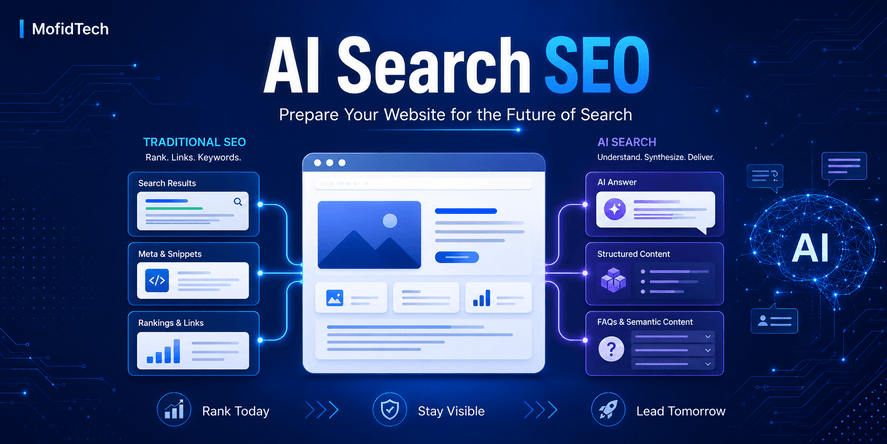
Despite the clear benefits, there are significant challenges that developers must navigate when implementing AI SEO strategies. Understanding these limitations prevents costly mistakes and unrealistic expectations.
Data Quality Dependency
AI models are only as good as the data they are trained on. If the input data contains outdated keywords, broken links, or incorrect schema markup, the A Developers must establish data validation pipelines to ensure that the information feeding into AI tools is accurate and current.
Black-Box Algorithm Risks
Search engines do not disclose their ranking algorithms, and AI models used for optimization are often opaque. This means that a change that works today may become obsolete after a core update. Developers need to build flexible systems that can quickly revert changes or adapt to new algorithmic requirements.
High Implementation Cost
Enterprise-grade AI SEO platforms can cost thousands of dollars per month, and custom-built solutions require significant engineering time. For small teams, the ROI may not justify the investment, especially if the website has limited traffic or a niche audience.
AI SEO for Developers vs. Traditional SEO: A Comparison
Understanding the differences between traditional and AI-driven approaches helps developers choose the right strategy for their specific context. The table below highlights the key distinctions.
| Aspect | Traditional SEO | AI SEO for Developers |
|---|---|---|
| Keyword Research | Manual analysis using keyword tools | Predictive modeling and semantic clustering |
| Content Optimization | Manual editing based on checklist | Automated generation and real-time adjustment |
| Technical Audits | Periodic crawls and manual review | Continuous monitoring with anomaly detection |
| Link Building | Outreach and manual placement | Algorithmic identification of link opportunities |
| Performance Tracking | Ranking reports and analytics dashboards | Predictive forecasting and causal inference |
| Adaptation Speed | Days to weeks | Hours to minutes |
Practical Implementation Guide for Developers
Moving from theory to practice requires a step-by-step approach. The following guide outlines a concrete workflow for integrating AI SEO into a development environment.
Step 1: Audit Your Current Technical Foundation
Before adding AI tools, ensure that the basic technical SEO elements are in place. This includes a valid XML sitemap, clean URL structure, proper canonical tags, and a robots.txt file that does not block critical resources. Use Google Search Console to identify crawl errors and indexing issues. A solid foundation prevents AI tools from optimizing the wrong things.
Step 2: Implement Structured Data with Entity Focus
Start by adding JSON-LD schema for your primary content types. For a typical business site, this includes Organization, WebSite, and BreadcrumbList. Then, expand to include entity-specific schema like Person, Product, or Event. Use the sameAs property to link your entities to external knowledge graphs like Wikidata, which helps AI crawlers understand the relationships between your content and the wider web.
Step 3: Build an AI Content Pipeline
Set up a content generation workflow that uses an LLM API to produce drafts based on your target keywords. Create a prompt template that includes your brand guidelines, target audience, and desired tone. After generation, run the content through a readability checker and a keyword density validator. Finally, publish the content through your CMS API to ensure it follows your existing URL and metadata rules.
Step 4: Automate Performance Monitoring
Use a combination of Google Analytics 4 and a custom Python script to track key SEO metrics like organic traffic, average position, and click-through rate. Feed this data into a simple machine learning model, such as a linear regression or random forest, to identify which variables have the strongest correlation with rankings. This analysis reveals whether changes to page speed, content length, or internal links are moving the needle.
Step 5: Set Up Alerting for Algorithm Changes
Search engine algorithm updates can happen multiple times per day. Instead of manually checking SEO news sites, build a web scraper that monitors Google’s Search Central blog and major SEO publications. When a new update is announced, the scraper sends a notification to your team’s Slack channel, triggering a predefined response protocol that includes a full site audit and a review of recent changes.
Common Mistakes in AI SEO for Developers
Even experienced developers make errors when implementing AI SEO strategies. Recognizing these pitfalls early saves time and prevents ranking losses.
Over-Optimizing for AI at the Expense of Users
Writing content that is designed solely to satisfy AI crawlers often results in unnatural, keyword-stuffed text that human readers find off-putting. Google’s algorithms are sophisticated enough to detect this disconnect, and user engagement metrics will suffer. Always prioritize human readability, and use AI tools to enhance, not replace, the writing process.
Ignoring Mobile-First Indexing
Google primarily uses the mobile version of a page for indexing and ranking. If your AI SEO tools are analyzing the desktop version, you are working with incomplete data. Ensure that your development environment serves the same content and structured data on both mobile and desktop, and test your pages using Google’s Mobile-Friendly Test.
Neglecting Core Web Vitals
AI crawlers factor page experience signals into rankings, and Core Web Vitals are a key component. Developers often focus on content optimization and forget that a slow, janky page will undermine all other SEO efforts. Use tools like Lighthouse and PageSpeed Insights to monitor LCP, INP, and CLS scores, and address any issues in your codebase before launching new features.
Relying Solely on AI-Generated Content
Publishing thousands of AI-generated pages without human review can lead to duplicate content, factual errors, and a loss of brand credibility. Search engines are getting better at detecting low-quality AI content, and sites that rely on it may face manual actions. Use AI for drafting and ideation, but always have a subject matter expert review and edit before publishing.
Important Notes for Developers Working with AI SEO
Several technical nuances require special attention when integrating AI into your SEO workflow. These notes come from real-world implementation experiences and can prevent common integration issues.
Frequently Asked Questions
What is the difference between AI SEO and traditional SEO?
Traditional SEO relies on manual analysis, static keyword targeting, and rule-based optimization. AI SEO uses machine learning algorithms to analyze large datasets, predict ranking factors, and automate content and technical optimizations. The key difference is that AI SEO can adapt in real-time to algorithm changes and user behavior, while traditional SEO requires human intervention to update strategies.
Do developers need to learn machine learning to implement AI SEO?
No, a deep understanding of machine learning is not required to start. Many AI SEO tools offer user-friendly interfaces that handle the complex modeling behind the scenes. However, having a basic understanding of concepts like natural language processing, regression analysis, and clustering helps developers make better decisions about which tools to use and how to interpret their outputs.
Can AI SEO replace human SEO specialists?
AI SEO tools can automate repetitive tasks like keyword research, meta tag generation, and technical audits, but they cannot replace the strategic thinking, creative problem-solving, and industry expertise that human specialists bring. The most effective approach is a hybrid model where AI handles data processing and pattern recognition, while humans focus on strategy, content quality, and relationship building.
How long does it take to see results from AI SEO?
The timeline varies depending on the current state of your website, the competitiveness of your industry, and the specific AI techniques implemented. Some technical fixes, like improving page speed or fixing crawl errors, can show results within a few weeks. Content-related changes typically take one to three months to reflect in rankings, as search engines need time to crawl and index the updated pages.
Is AI SEO safe for websites with strict brand guidelines?
Yes, AI SEO can be configured to follow strict brand guidelines. When setting up AI content generation tools, you can define specific rules for tone, vocabulary, and prohibited phrases. Additionally, you can implement a review workflow where all AI-generated content must pass through a human editor before publication, ensuring that brand standards are maintained.
Conclusion
AI SEO for developers is no longer an experimental niche; it is a critical competency for engineering teams that want to maintain visibility in an increasingly competitive search landscape. By understanding how machine learning models interpret web content, implementing structured data, automating audits, and building intelligent content pipelines, developers can create websites that are optimized for both AI crawlers and human users. The key is to approach AI SEO as a continuous process of learning and adaptation, not a one-time project. Start with the foundational elements covered in this guide, measure the results, and iterate based on data. The search algorithms will continue to evolve, but the principles of clear communication, technical excellence, and user-centric design will remain constant.
Xem thêm:
- Mastering AI International SEO: Smarter Global Strategies Through Artificial Intelligence
- AI SEO Generative Engine Optimization Tools: The Complete Guide to Ranking in the Age of Answer Engines
- Mastering AI Search Ranking: How Artificial Intelligence is Redefining SEO Success
- AI SEO AI Overview Ranking: The Complete Playbook for 2025
- AI SEO SERP Monitoring: The Complete Guide to Automated Rank Tracking in 2025
Bài viết cùng chủ đề:

AI SEO SEO Automation with Make: The Complete Workflow Guide

AI SEO SEO Automation with Zapier: The Complete Workflow Guide

AI SEO SEO Automation with n8n: The Complete Workflow Guide
AI SEO SEO Automation with Gemini: The Complete Guide to Scaling Organic Growth

AI SEO SEO Automation with Claude: The Complete Guide to Scaling Content in 2025

AI SEO SEO Automation with ChatGPT: The Complete Playbook for 2025

AI SEO & SEO Automation for Affiliate Sites: The 2025 Playbook for Passive Income Growth
AI SEO & SEO Automation for Bloggers: The Complete Guide to Scaling Your Content

AI SEO & SEO Automation for Agencies: The Complete 2025 Playbook

AI SEO and SEO Automation for Ecommerce: The Complete Playbook for 2025

AI SEO & SEO Automation for WordPress: The Complete Playbook for 2025
AI SEO SEO Automation Strategy: The Complete Playbook for 2025

Mastering the AI SEO SEO Automation Process: A Complete Guide to Scaling Organic Growth
AI SEO SEO Automation System: The Complete Guide to Scaling Organic Growth in 2025
AI SEO SEO Automation Platform: The Complete Guide to Scaling Organic Growth in 2025
AI SEO SEO Automation Software: The Complete Guide to Scaling Organic Growth in 2025















