
No products in the cart.
Mastering AI Search Ranking: How Artificial Intelligence is Redefining SEO Success
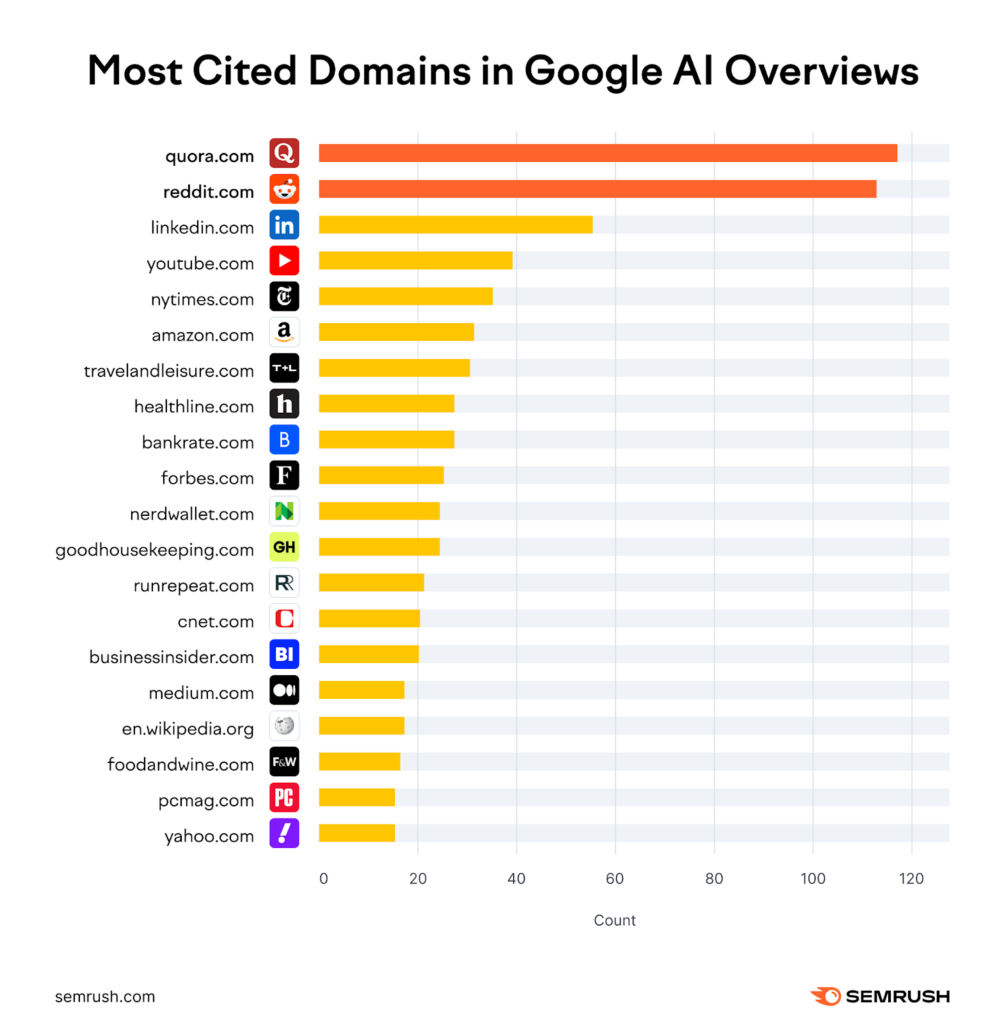
29
Jul
Jul
AI search ranking is no longer a futuristic concept. It is the engine behind every query typed into Google, Bing, or any modern search platform. Years ago, ranking was a simple math game of matching keywords to pages. Today, artificial intelligence interprets user intent, evaluates content depth, and measures real-world credibility before a single result appears. For businesses and SEO professionals, understanding AI search ranking marks the difference between visibility and digital oblivion.
This shift has fundamentally altered what it means to optimize a website. The old playbook of keyword stuffing and link farms is not just outdated – it triggers penalties. Modern AI search ranking systems leverage natural language processing, machine learning, and massive neural networks to mimic human judgment at a scale impossible for manual algorithms. The websites that thrive are those that align with how AI actually evaluates content, not how marketers wish it did.
What Is AI Search Ranking?
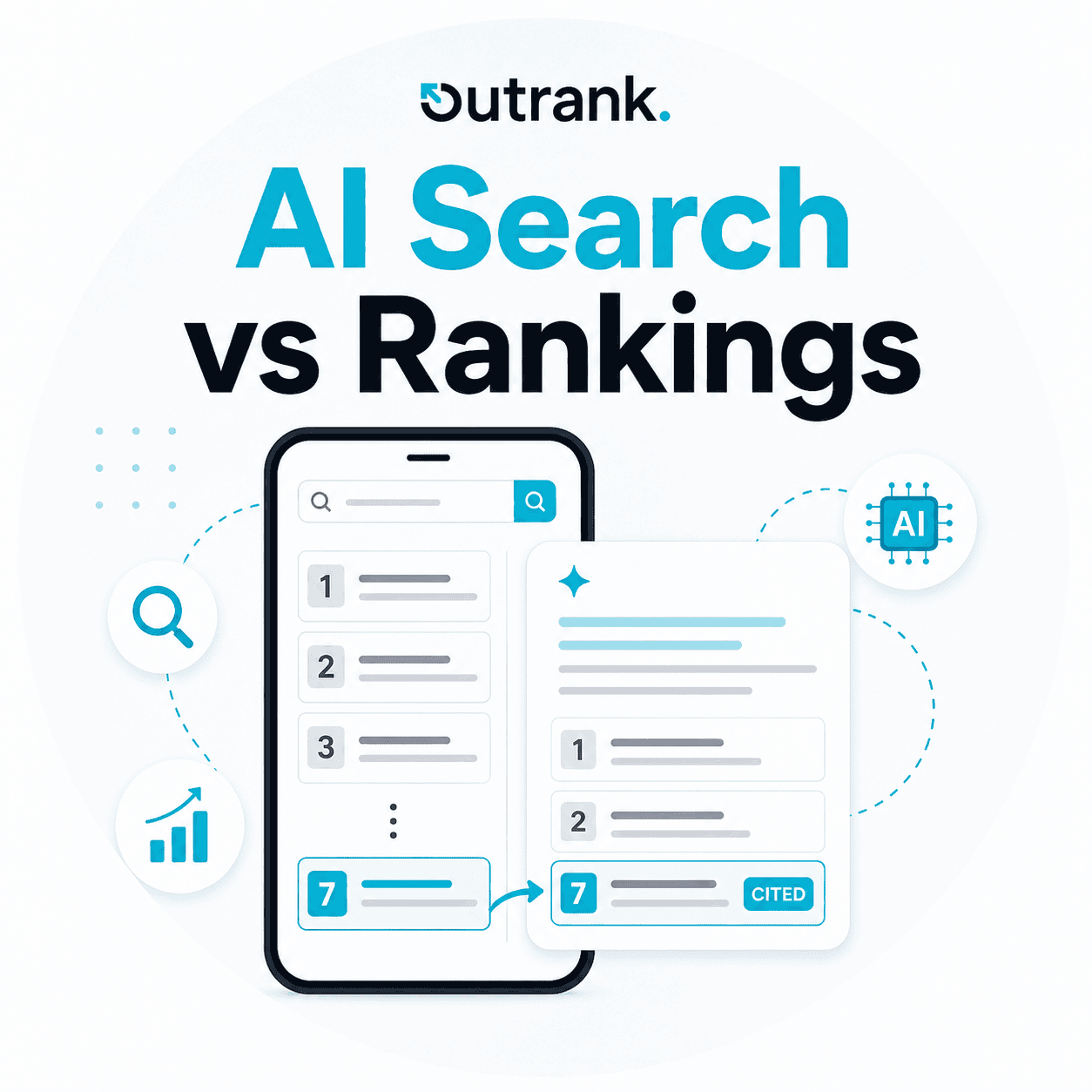
AI search ranking refers to the use of artificial intelligence technologies by search engines to determine the order of web pages on a results page. Instead of relying solely on predefined rules or static signals, AI systems analyze billions of data points, learn from user behavior, and adapt continuously. This means the algorithm is never truly static. It evolves based on what satisfies the searcher.
At its core, AI search ranking deciphers meaning. It understands that a search for “apple” could refer to the fruit or the tech company, and it weighs context, location, and recent search history to deliver the most relevant answer. The system also assesses whether content demonstrates genuine expertise, whether a page provides a good user experience, and whether the information is trustworthy. These are not binary checks but probabilistic assessments made in milliseconds.
Google’s RankBrain, introduced in 2015, was the first public acknowledgment that AI had become a core ranking factor. Since then, systems like neural matching, BERT, and MUM have made AI even more central. Bing uses similar AI-driven techniques. Every major search engine relies on AI to interpret language, images, and user intent. AI search ranking is not a feature – it is the foundation.
The Evolution of Search Algorithms: From Keywords to AI Models
Search ranking has traveled a long road from the 1990s. Early engines like AltaVista counted keyword density. Google’s PageRank added link authority as a primary signal, but even that was a fairly mechanical equation. The AI revolution changed everything by introducing continuous learning and semantic understanding.
RankBrain was Google’s first machine learning system used for ranking. It served as a signal processor, interpreting entirely new queries and guessing what they meant. Before RankBrain, about 15% of daily searches were completely unseen. AI allowed the engine to handle those gracefully. In 2019, BERT (Bidirectional Encoder Representations from Transformers) brought a breakthrough in understanding the nuance of words in relation to their full context. It analyzed entire sentences rather than word-by-word, making results more accurate for complex, conversational queries.
In 2021, Google unveiled MUM (Multitask Unified Model). MUM is multimodal, meaning it can extract information from text, images, and video simultaneously, and it is 1,000 times more powerful than BERT. These milestones reflect a clear trajectory: search engines are moving from information retrieval to knowledge understanding. AI search ranking today not only finds pages but synthesizes answers, sometimes directly on the results page.
Key AI Technologies Powering Search Rankings
Several specific technologies underpin modern AI search ranking. Gaining a working knowledge of them helps SEO strategists focus on what truly matters for visibility.
- Natural Language Processing (NLP): This allows search engines to parse human language, discern sentiment, and identify named entities. BERT and similar models are NLP powerhouses that interpret queries as a person would.
- Machine Learning and Deep Learning: RankBrain learns from historical click data and adjusts ranking weights without human intervention. Deep neural networks analyze content quality beyond surface metrics.
- Neural Matching: Google uses neural matching to understand how words relate to concepts. It helps connect a query to the most relevant page even if exact keywords are not present.
- Entity Recognition: Instead of matching strings of text, AI identifies entities (people, places, brands, products) and their relationships. This powers Knowledge Graph panels and influences ranking for factual queries.
- Multimodal Understanding: With MUM, AI can integrate insights across formats. An image can be analyzed alongside text to determine page relevance for a query that may include visual intent.
- Content Relevance and Depth: AI assesses whether the content comprehensively answers the query. Thin, shallow pages are demoted.
- E-E-A-T Signals (Experience, Expertise, Authoritativeness, Trustworthiness): Google’s Quality Rater Guidelines heavily emphasize these, and AI models are trained to detect proxies for them—author credentials, factual consistency, and external validation.
- User Engagement Metrics: While direct metrics like bounce rate are debated, AI models learn from interaction patterns. Click-through rate, dwell time, and pogo-sticking inform RankBrain’s understanding of result satisfaction.
- Page Experience Signals: Core Web Vitals (LCP, FID, CLS), mobile-friendliness, and HTTPS are part of the AI calculation because they correlate with user satisfaction.
- Context and Personalization: Location, search history, and device type tailor rankings. AI merges universal relevance with individual intent.
- Better Comprehension of User Intent: AI dramatically reduces irrelevant results. Even ambiguous queries return remarkably accurate content.
- Adaptability to New Search Behavior: Voice search, visual search, and natural language queries are handled seamlessly.
- Reduction of Spam: AI spam detection systems like Google’s SpamBrain can identify and demote manipulative tactics at scale, making room for genuine content.
- Rewarding Deep Expertise: Sites that demonstrate original research, expert authorship, and trusted citations get a boost, aligning business incentives with quality.
- Multilingual and Multimodal Capability: MUM can transfer knowledge across 75 languages and media types, opening global reach for high-quality content.
- Lack of Transparency: AI models are often “black boxes.” SEOs cannot pinpoint exactly why a page dropped, leading to guesswork.
- Potential for Bias: Training data can embed societal biases, and AI models may inadvertently amplify them in rankings.
- Dependence on User Data: Continuous learning requires massive data collection, raising privacy concerns.
- Difficulty for New Websites: AI heavily weights established authority signals, making it harder for legitimate newcomers to gain traction quickly.
- Over-Optimization Penalties: As AI becomes smarter, attempts to reverse-engineer it often backfire, punishing well-meaning marketers who cling to old tactics.
- Chasing Algorithms Instead of Users: Trying to reverse-engineer every Google update leads to erratic tactics. Focus on solving user problems thoroughly, and the A
- Neglecting Content Updates: AI favors fresh, accurate information. Outdated statistics, broken links, and old references degrade trustworthiness scores. Regular content audits are essential.
- Keyword-Centric Thinking: Writing separate pages for minor keyword variations confuses AI. Consolidating similar topics into authoritative pillar pages yields better ranking for a whole cluster.
- Ignoring Multimedia Optimization: With MUM, AI analyzes images and videos. Missing alt text, slow-loading media, and non-descriptive file names waste ranking opportunities.
- Over-Reliance on AI Content Generation Without Human Oversight: Search engines like Google have clarified that AI-generated content is acceptable if it demonstrates expertise and value. However, publishing unchanged, unchecked AI output often results in shallow, repetitive pages that fail AI quality assessment.
- Poor Internal Linking: AI uses internal link anchors and context to understand site hierarchy and topic relationships. A flat, unconnected site structure hinders AI in mapping content authority.
The combination of these technologies means that AI search ranking does not simply look at what you say, but at what you actually mean and how well your content serves that meaning. Every update refines the machine’s ability to reward content that demonstrates depth, authority, and a frictionless user experience.
How AI Search Ranking Works: Process and Factors
The ranking process begins with crawling and indexing, but the AI layer adds a real-time interpretation stage. When a user enters a query, the system passes it through RankBrain and NLP models to understand intent. It then retrieves candidate pages from the index and scores them using hundreds of ranking signals, many of which are now influenced or fully governed by AI.
Key factors AI evaluates include:
This is a dynamic system. An AI search ranking algorithm can reweight signals on the fly for a specific query intent, something static rules could never achieve. For example, a medical query might heavily prioritize trustworthiness signals, while a query about a trending meme might rank recency and shareability higher.
AI Search Ranking vs. Traditional SEO: A Comparison
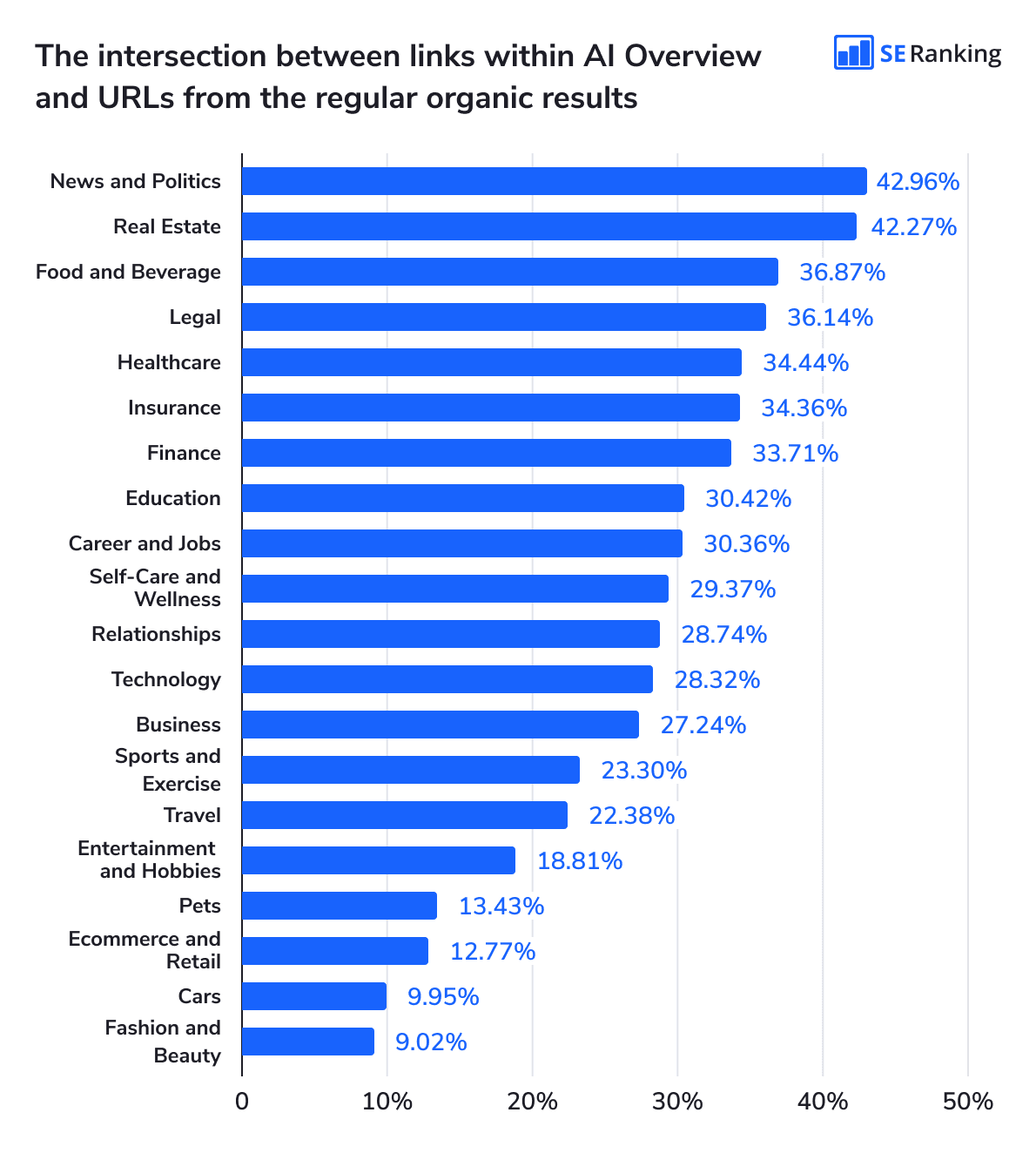
The shift from manual algorithms to AI-driven ranking fundamentally changes optimization priorities. The table below highlights the contrasts.
| Aspect | Traditional SEO (Pre-AI) | AI Search Ranking (Current) |
|---|---|---|
| Content Focus | Keyword density, exact match anchors | Topic comprehensiveness, entity coverage, user intent fulfillment |
| Link Building | Volume of backlinks, PageRank sculpting | Link context, relevance, and authority; unnatural patterns penalized via AI |
| Query Understanding | String matching, stemming | Semantic search, conversational query interpretation via NLP |
| Ranking Updates | Periodic manual algorithm updates | Continuous model retraining; thousands of minor adjustments yearly |
| User Experience Weight | Minimal, often indirect | Direct ranking signals; Core Web Vitals and mobile usability scored by AI |
| Personalization | Limited to basic location settings | Deep personalization based on behavior, context, and multimodal data |
Traditional SEO was a game of precision engineering against a known set of rules. AI search ranking requires understanding probabilistic systems that value authenticity and user satisfaction over mechanical optimization. The playbook has shifted from “build for the crawler” to “build for the human, verified by the AI.”
Benefits and Limitations of Artificial Intelligence in Search Ranking
The adoption of AI has brought profound benefits to both searchers and website owners who follow the rules. But it is not without its challenges.
Benefits
Limitations
Practical Applications: How to Optimize for AI Search Ranking in 2025
Optimizing for AI search ranking requires a fundamental shift in mindset. Here are concrete strategies that align with how AI evaluates pages today.
Create Entity-Rich, Comprehensive Content. Go beyond the target keyword and build topic clusters. AI recognizes when a single page thoroughly covers a subject. Include related entities, definitions, comparisons, and unique data. Tools like Google’s Natural Language API can reveal which entities top-ranking pages contain—use that to close gaps without copying.
Demonstrate Clear E-E-A-T. Feature real author bios with verifiable credentials. Link to original research and cite authoritative sources. For YMYL (Your Money Your Life) topics, having experts review content is non-negotiable. Google’s Quality Raters are training AI to spot this at scale.
Optimize for Passage Ranking and Featured Snippets. AI can rank a specific passage within a page. Structure content with clear subheadings, bullet points, and concise answers. Tag structured data (Schema.org) to help AI understand page elements directly. This increases the chance of appearing in voice search responses and zero-click results.
Perfect the Page Experience. Core Web Vitals are not just a technical checklist. Slow, janky pages signal poor quality to AI models. Ensure fast load times, stable visuals, and seamless mobile interaction. A fast, secure, accessible site earns higher AI trust.
Build Topical Authority, Not Just Backlinks. AI assesses link graph context. A single link from a highly relevant, authoritative source in your niche outweighs dozens of generic links. Public relations, original studies, and genuine community engagement create a link profile that AI interprets as a natural authority marker.
Monitor User Engagement Signals. While you cannot directly control dwell time, you can improve content to hold attention. Use interactive elements, clear formatting, and multimedia to keep users engaged. If your page satisfies a query quickly, AI notices; if users bounce back to the SERP immediately, the page’s relevance score drops.
Common Mistakes in AI Search Ranking and How to Avoid Them
Important Notes for Navigating the AI Search Landscape
AI search ranking systems never sleep. What worked six months ago may be a liability today. Diversify traffic sources; do not stake an entire business on organic search alone. The rise of AI-generated answers directly on the SERP (Search Generative Experience) means even top organic positions may see reduced click-through. Prepare for a world where answering the question so well that your brand becomes the cited source is as valuable as the click itself.
Embrace first-party data. As personalization grows, understanding your audience through direct engagement (newsletters, communities, exclusive content) insulates you from the unpredictable swings of AI ranking updates. Build a brand, not just a collection of web pages. AI increasingly identifies and rewards recognized entities—people, organizations, and trusted voices—over anonymous content farms.
Frequently Asked Questions About AI Search Ranking
What is the primary goal of AI in search ranking?
The primary goal is to interpret user intent with human-like accuracy and deliver the most relevant, authoritative, and satisfying result from a vast index. AI does this by learning from trillions of data points and adjusting ranking signals continuously.
How does RankBrain influence AI search ranking?
RankBrain is a machine learning component of Google’s core algorithm. It interprets novel and ambiguous queries, mapping them to known concepts. It also learns from user interaction with search results and adjusts future rankings accordingly. It is a foundational layer that enables the system to handle the 15% of daily searches never seen before.
Can AI detect and penalize low-quality content automatically?
Yes. Systems like SpamBrain and various quality classifiers continually assess content for manipulative patterns, thin value, and factual inaccuracies. Penalization can happen in real time, devaluing pages across a site, not just the offending page. This makes AI a powerful enforcer of content quality standards.
Does AI search ranking make traditional SEO obsolete?
Not obsolete, but fundamentally transformed. Technical SEO foundations (crawlability, indexation, structured data) remain crucial. However, tactics like exact-match keyword targeting and manipulative link building are ineffective and dangerous. Modern SEO is about creating authority, fulfilling search intent, and delivering an exceptional user experience—all signals AI models are trained to recognize.
How do voice search and visual search tie into AI search ranking?
Voice search relies heavily on NLP and passage ranking, pulling concise answers from high-authority pages. Visual search uses computer vision AI to match images with relevant web content. Both are deeply integrated into the core AI ranking framework, meaning pages optimized for structured answers and multimedia interpretation gain visibility across search modes.
Is it possible to see exactly how an AI model ranks my site?
No. The inner workings of models like RankBrain, BERT, or MUM are proprietary and too complex for external reverse-engineering. SEO professionals must rely on performance data, testing, and aligning with published guidelines rather than seeking a definitive ranking formula.
Conclusion: Building a Future-Proof Strategy Around AI Search Ranking
AI search ranking represents the most significant shift in information retrieval since the dawn of the web. It has moved the industry from mechanical tricks to a sophisticated evaluation of genuine usefulness. For those willing to adapt, this evolution is a gift. AI rewards what users have always wanted: clarity, depth, speed, and trustworthiness. The path forward is not about outsmarting machine learning but about building a digital presence that machine learning can confidently recommend.
Focus on entity-based content, reliable expertise, and seamless experiences. Treat every update not as a threat but as a clearer signal of what quality truly means. The websites that will prosper are those that view AI search ranking not as an obstacle to manipulate, but as a brilliant, unbiased judge of the value they bring to the world.
Xem thêm:
- GEO SEO: The Definitive Guide to Generative Engine Optimization in 2025
- AI SEO Content Gaps: The Complete Guide to Finding and Filling What Your Competitors Miss
- Unlocking the Power of AI Natural Language Processing: A Deep Dive into Intelligent Text Analysis
- AI SEO Link Building Strategy: The Complete Guide to Automated Authority in 2025
- Google AI Search: The Complete Guide to the Future of Finding Information
Bài viết cùng chủ đề:

AI SEO SEO Automation with Make: The Complete Workflow Guide

AI SEO SEO Automation with Zapier: The Complete Workflow Guide

AI SEO SEO Automation with n8n: The Complete Workflow Guide
AI SEO SEO Automation with Gemini: The Complete Guide to Scaling Organic Growth

AI SEO SEO Automation with Claude: The Complete Guide to Scaling Content in 2025

AI SEO SEO Automation with ChatGPT: The Complete Playbook for 2025

AI SEO & SEO Automation for Affiliate Sites: The 2025 Playbook for Passive Income Growth
AI SEO & SEO Automation for Bloggers: The Complete Guide to Scaling Your Content

AI SEO & SEO Automation for Agencies: The Complete 2025 Playbook

AI SEO and SEO Automation for Ecommerce: The Complete Playbook for 2025

AI SEO & SEO Automation for WordPress: The Complete Playbook for 2025
AI SEO SEO Automation Strategy: The Complete Playbook for 2025

Mastering the AI SEO SEO Automation Process: A Complete Guide to Scaling Organic Growth
AI SEO SEO Automation System: The Complete Guide to Scaling Organic Growth in 2025
AI SEO SEO Automation Platform: The Complete Guide to Scaling Organic Growth in 2025
AI SEO SEO Automation Software: The Complete Guide to Scaling Organic Growth in 2025















