
No products in the cart.
AI SEO for Events: The Complete Guide to Boosting Attendance in 2025
31
Jul
Jul
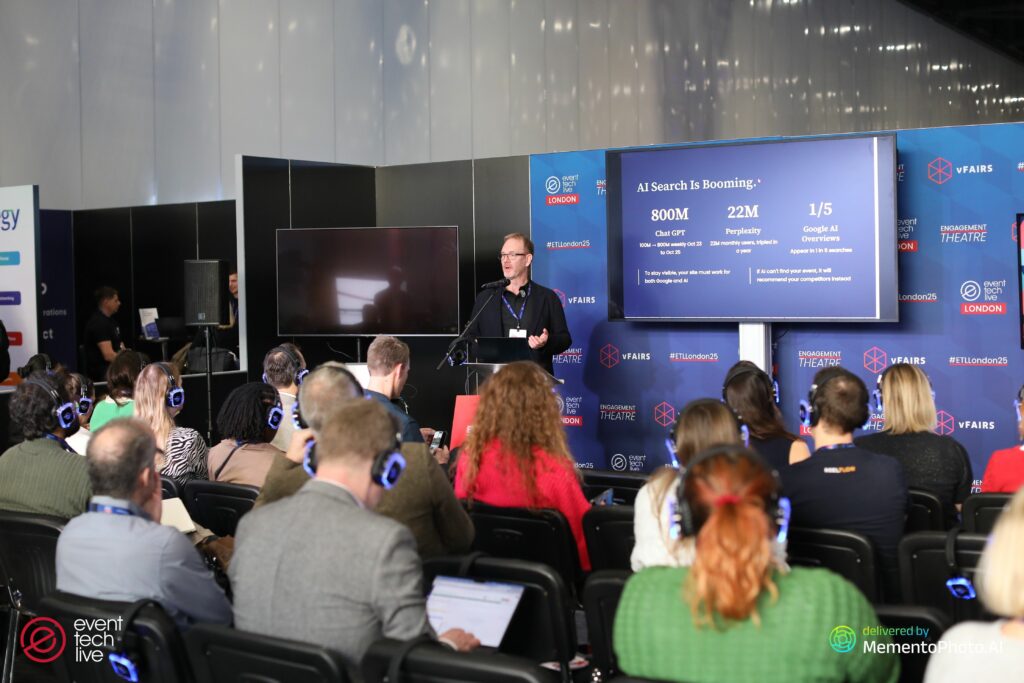
The events industry is undergoing a massive transformation. From intimate webinars to massive industry conferences, the competition for audience attention has never been fiercer. Traditional SEO tactics—keyword stuffing and generic backlinks—no longer cut it. This is where AI SEO for Events changes the game. By leveraging machine learning, natural language processing, and predictive analytics, event organizers can now optimize their digital presence with unprecedented precision. This guide explores how artificial intelligence reshapes event discovery, search rankings, and attendee acquisition, providing a practical roadmap for marketers who want to stay ahead of the curve.
Understanding AI SEO for Events: A New Paradigm
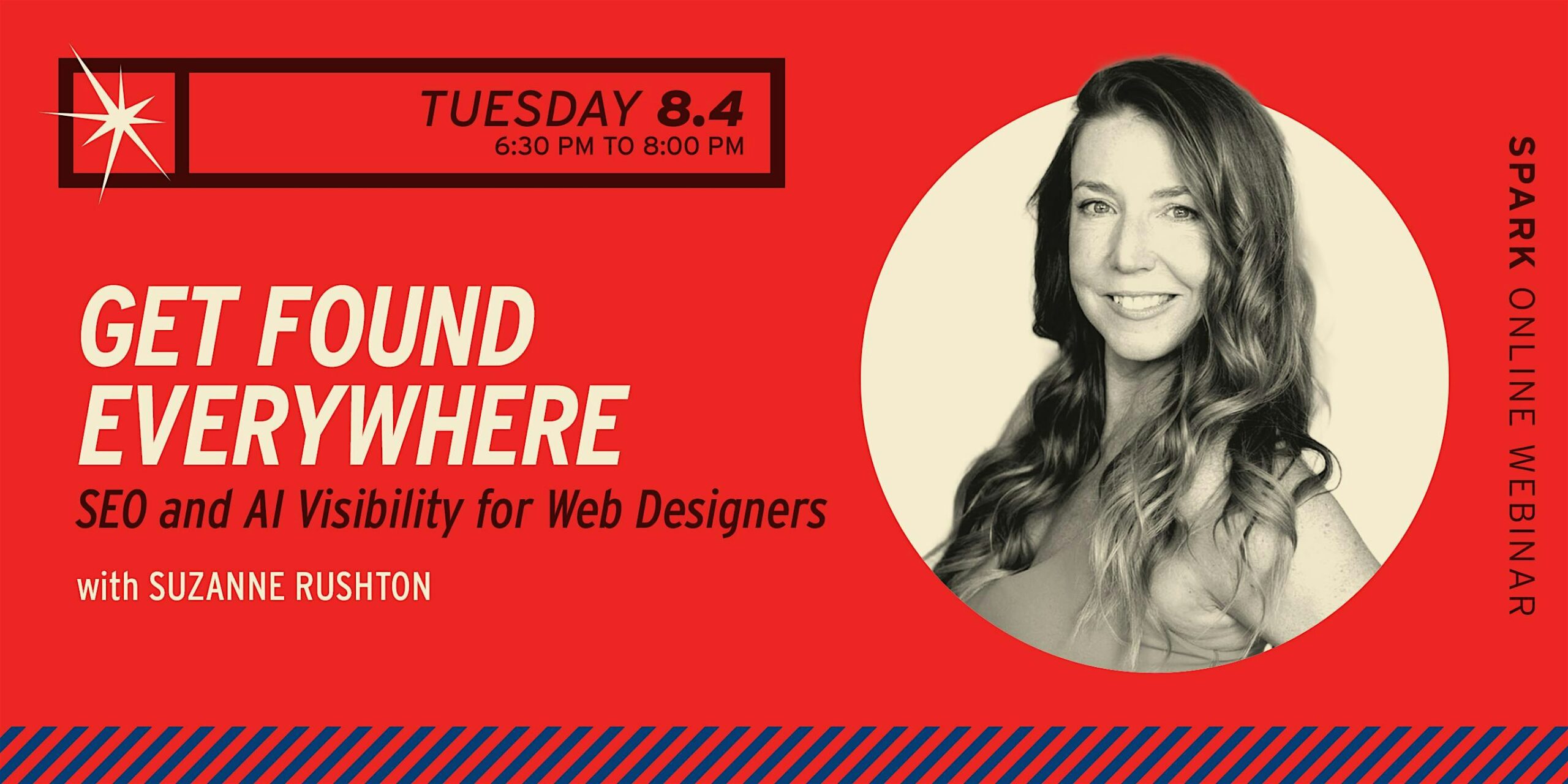
AI SEO for Events is the strategic application of artificial intelligence tools to improve an event’s visibility on search engines. Unlike traditional SEO, which relies heavily on manual keyword research and backlink building, AI-driven SEO uses algorithms to analyze search patterns, user behavior, and content performance in real time. For event organizers, this means moving beyond static pages and into dynamic, intent-based optimization.
The core difference lies in the ability to process vast datasets. AI can analyze millions of search queries related to your event niche, identify emerging trends, and predict what potential attendees will search for next. This allows you to create content that answers questions before they are even asked. Furthermore, AI tools can automate technical audits, fix broken links, and optimize page speed—all critical factors for ranking high in search results.
The Evolution from Manual SEO to AI-Driven Strategies
Manual SEO for events was a slow, labor-intensive process. You would research keywords, write content, and wait months for results. AI accelerates this timeline. It provides instant insights into which topics are gaining traction, which headlines generate clicks, and which meta descriptions drive conversions. For example, an AI tool can analyze the search intent behind “tech conference 2025” versus “tech conference near me” and help you tailor separate landing pages for each query.
Moreover, AI SEO for Events is not just about ranking. It is about relevance. Search engines like Google use AI algorithms (such as RankBrain and BERT) to understand the context of a query. Your event content must therefore be semantically rich, covering related topics, FAQs, and logistical details. AI helps you build this semantic web of content, ensuring that search engines view your event page as the authoritative source for that topic.
Core Components of an AI-Powered Event SEO Strategy
Implementing AI SEO for Events requires a multi-faceted approach. It is not a single tool or tactic but a combination of several components that work in harmony. Below are the critical pillars that support a successful strategy.
Predictive Keyword and Topic Clustering
Traditional keyword research gives you a list of terms. AI takes this further by clustering keywords into topics. For instance, if you are organizing a music festival, AI can group keywords like “lineup announcement,” “ticket prices,” “camping rules,” and “artist interviews” into a single topical cluster. This signals to search engines that your website covers the entire subject comprehensively, boosting your authority.
AI tools like Clearscope, MarketMuse, and Surfer SEO analyze top-ranking pages and suggest related terms you might have missed. They also predict the search volume trajectory, helping you decide whether to focus on “summer events 2025” or “fall festival guide.” This predictive capability is invaluable for long-term planning, ensuring your content is ready to rank when the search demand peaks.
Automated Content Generation and Optimization
Creating content for every speaker, session, and sponsor is time-consuming. AI writing assistants can generate draft descriptions, press releases, and blog posts in seconds. However, the real power lies in optimization. AI tools can rewrite headlines to increase click-through rates, adjust meta descriptions to match search intent, and even suggest internal linking structures.
For events, this means you can automatically generate unique SEO descriptions for each speaker’s bio page. You can create location-specific landing pages for a multi-city tour without manual duplication. The AI ensures that each page is unique, relevant, and optimized for the specific search queries associated with that city or speaker.
Technical SEO Audits and Schema Markup
Search engines rely on structured data to understand your event details. Schema markup (specifically Event schema) tells Google the date, time, location, and ticket availability. AI-powered SEO platforms can automatically generate and validate this schema code, reducing the risk of errors that could prevent rich snippets from appearing.
Rich snippets are crucial for events. They display the event date, star ratings, and ticket prices directly in the search results, dramatically increasing visibility and click-through rates. AI tools can also perform continuous technical audits, checking for crawl errors, mobile usability issues, and page speed bottlenecks. This proactive maintenance ensures that your site remains healthy and indexable.
Practical Applications: How to Use AI for Event Promotion
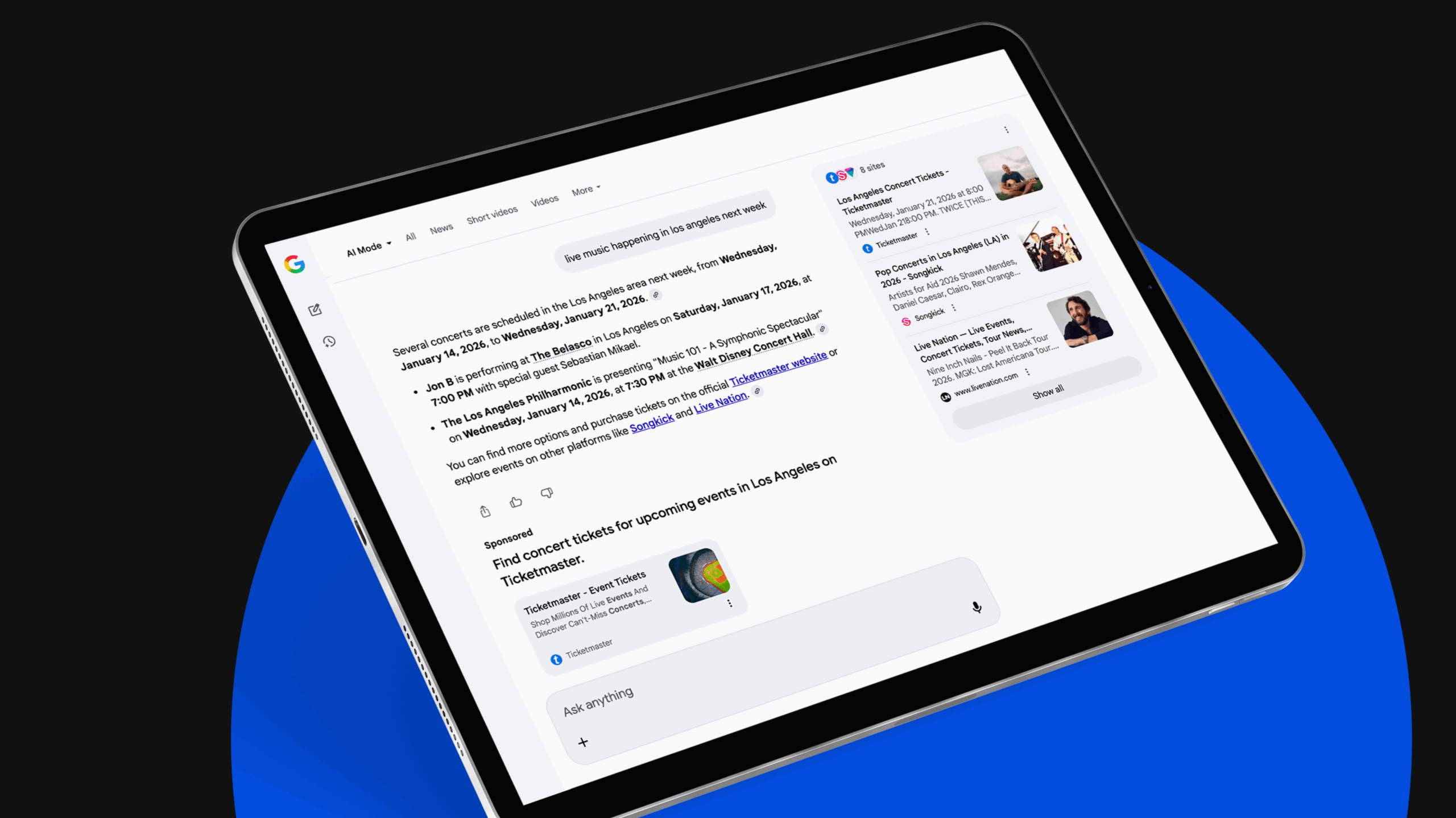
Knowing the theory is one thing; applying it is another. Here are specific, actionable ways to integrate AI SEO for Events into your promotional workflow. These strategies are designed to be implemented immediately, regardless of your technical expertise.
Creating Hyper-Personalized Landing Pages
AI allows you to create dynamic landing pages that change based on the user’s location, device, or search history. For example, if a user searches for “SEO conference London,” the landing page can automatically highlight the London venue, local speakers, and time zone. This personalization increases relevance, which is a key ranking factor.
You can use AI-powered chatbots on these pages to answer visitor questions instantly. These chatbots can also capture user data, such as email addresses and interests, which you can then use to retarget them with specific ads. The combination of personalized content and interactive AI creates a seamless user experience that search engines reward.
Voice Search and Conversational Queries
With the rise of smart speakers and mobile voice search, optimizing for conversational queries is essential. People ask, “What are the best tech events in June?” or “When is the marketing summit in Berlin?” AI tools can help you identify these long-tail, question-based keywords and integrate them naturally into your FAQ sections and blog posts.
Creating a dedicated FAQ page using natural language is a high-impact tactic. Each question should be a full sentence that mirrors how a human speaks. AI can help you generate a comprehensive list of these questions by analyzing search autocomplete data and related searches. This not only improves voice search ranking but also increases your chances of appearing in the “People Also Ask” boxes on Google.
Competitor Analysis and Gap Identification
AI SEO tools can scrape your competitors’ event pages and analyze their backlink profiles, top keywords, and content gaps. This intelligence allows you to identify opportunities they are missing. For example, if a competitor conference ranks well for “networking tips” but not for “virtual networking games,” you can create a superior piece of content targeting that gap.
This analysis also extends to social media. AI can monitor which event-related topics are trending on platforms like LinkedIn and X (formerly Twitter). By aligning your content calendar with these trends, you can capture organic traffic from social search engines, which are becoming increasingly important for event discovery.
Benefits and Limitations of AI in Event SEO
Like any technology, AI SEO for Events comes with distinct advantages and potential drawbacks. Understanding these helps you set realistic expectations and mitigate risks. The table below provides a clear comparison.
| Aspect | Benefits | Limitations |
|---|---|---|
| Speed | Analyzes data and generates reports in minutes, not days. | Requires initial setup time and data cleaning to be effective. |
| Accuracy | Reduces human error in keyword research and technical audits. | AI can misinterpret nuanced human emotions or cultural contexts. |
| Scalability | Easily manages SEO for hundreds of sessions or multiple event locations. | High-quality AI tools often come with significant subscription costs. |
| Content Quality | Assists in generating drafts and optimizing readability. | AI-generated content can sound generic without human editing and brand voice. |
| Predictive Insights | Forecasts trends and user behavior, allowing proactive strategy. | Predictions are based on historical data and may not account for sudden market shifts. |
The primary benefit is efficiency. AI handles the heavy lifting of data analysis, freeing you to focus on creative strategy and attendee experience. The main limitation is the need for human oversight. AI cannot replace the authentic storytelling and emotional connection that drives event attendance. It is a tool to enhance, not replace, your expertise.
Step-by-Step Guide to Implementing AI SEO for Your Next Event
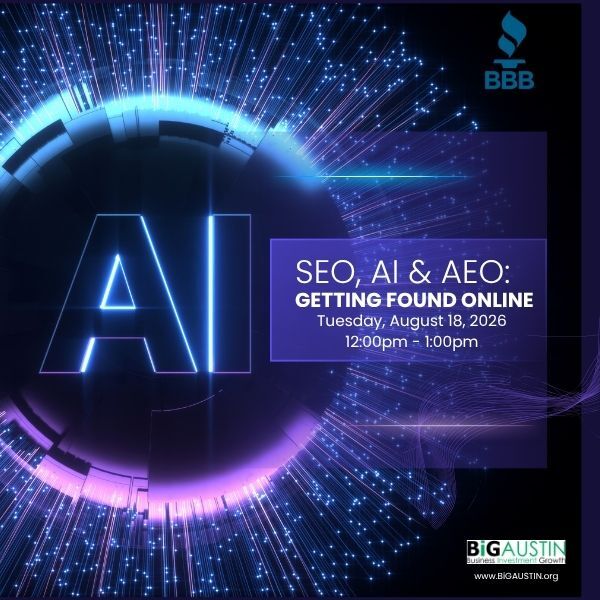
Ready to put this into practice? Follow this structured guide to launch an AI-driven SEO campaign for your upcoming event. This process is designed to be iterative, allowing you to refine your approach as you gather more data.
- Define Your Audience and Goals: Use AI analytics to segment your audience based on past behavior. Set specific KPIs like ticket sales, newsletter sign-ups, or session registrations.
- Conduct AI-Powered Keyword Research: Use tools like Ahrefs or Semrush with AI features to find high-intent keywords. Focus on long-tail phrases that indicate readiness to buy, such as “early bird tickets for [Event Name].”
- Optimize Your Event Hub Page: Ensure your main event page has a clear H1, compelling meta description, and Event schema markup. Use AI to test different headline variations to see which performs best.
- Create Supporting Content: Develop blog posts, speaker interviews, and sponsor spotlights. Use AI to cluster these topics and interlink them to your main hub page.
- Build Local SEO Signals: If you have a physical venue, optimize for local search. Create location pages, embed Google Maps, and encourage attendee reviews. AI can help you manage and respond to these reviews efficiently.
- Monitor and Adjust: Use AI dashboards to track your rankings and traffic daily. If a particular page is underperforming, use AI suggestions to rewrite the content or improve internal links.
Common Mistakes to Avoid with AI SEO for Events
Even with powerful tools, mistakes happen. Being aware of these common pitfalls can save you time and money. Here are the top errors event organizers make when using AI for SEO.
- Ignoring User Intent: Focusing solely on high-volume keywords without understanding why the user is searching. An AI tool might suggest “event planning” which is too broad, while “event planning software for non-profits” is specific and actionable.
- Publishing Unedited AI Content: Copy-pasting AI-generated text without adding your unique insights, quotes from speakers, or specific logistical details. This leads to thin, duplicate content that Google penalizes.
- Neglecting Mobile Experience: AI can optimize text, but if your ticket checkout page is slow on mobile, you will lose conversions. Use AI to test page speed but always verify the actual user experience on a real device.
- Overlooking Post-Event SEO: The SEO work doesn’t end when the event does. You should create recap content, publish session recordings, and gather attendee feedback. AI can help you turn this data into new content for next year’s event.
- Relying Solely on Automation: Forgetting to build relationships with journalists, bloggers, and industry influencers. AI can identify them, but only a human can build the trust needed for high-quality backlinks.
Important Notes on Data Privacy and AI Ethics
When using AI SEO for Events, you will handle significant amounts of user data. It is crucial to comply with regulations like GDPR and CCPA. AI tools that track user behavior must be configured to anonymize data and obtain proper consent. Transparency is key; inform your attendees that you are using AI to personalize their experience.
Ethical considerations also extend to content creation. Always disclose if a piece of content is AI-generated. While AI can assist, the final responsibility for accuracy and tone lies with you. Avoid using AI to create deceptive content or manipulate search rankings in ways that violate Google’s Webmaster Guidelines. Sustainable SEO is built on trust, and that trust is easily broken by unethical automation.
Frequently Asked Questions (FAQ)
What is the best AI tool for event SEO?
T For comprehensive keyword research and content optimization, tools like Semrush and Ahrefs are industry standards. For content generation and ideation, tools like ChatGPT and Jasper are popular. For technical audits, Screaming Frog with AI integrations is effective. A combination of these often yields the best results.
How long does it take to see results from AI SEO for events?
Results vary based on competition and domain authority. Generally, you can expect to see initial ranking improvements within 4-6 weeks. However, for competitive keywords, it may take 3-6 months to see significant organic traffic growth. AI accelerates the process by identifying quick wins, but it cannot bypass the time required for search engines to crawl and index your content.
Can AI replace human SEO experts for event marketing?
No. AI is a powerful assistant, but it lacks the strategic thinking, creative intuition, and relationship-building skills of a human expert. AI can analyze data and generate reports, but a human is needed to interpret that data, make strategic decisions, and craft a compelling brand narrative. The most effective approach is a hybrid model where AI handles the data-heavy tasks and humans focus on strategy and creativity.
Is AI SEO for events expensive?
The cost varies widely. There are free AI tools with limited features, and enterprise-level platforms that cost thousands of dollars per month. For small events, a mid-tier tool like Surfer SEO (around $100/month) combined with free AI writing tools can be sufficient. The return on investment is often high, as AI reduces the hours needed for manual SEO work and can significantly increase ticket sales.
How does AI handle voice search for event queries?
AI helps by identifying natural language patterns. It analyzes how people speak, not just how they type. This involves optimizing for question-based queries and using conversational tone in your content. AI can also help you create structured data that voice assistants like Siri and Google Assistant can easily parse to provide direct answers about your event’s date and location.
Conclusion: The Future of Event Discovery is Intelligent
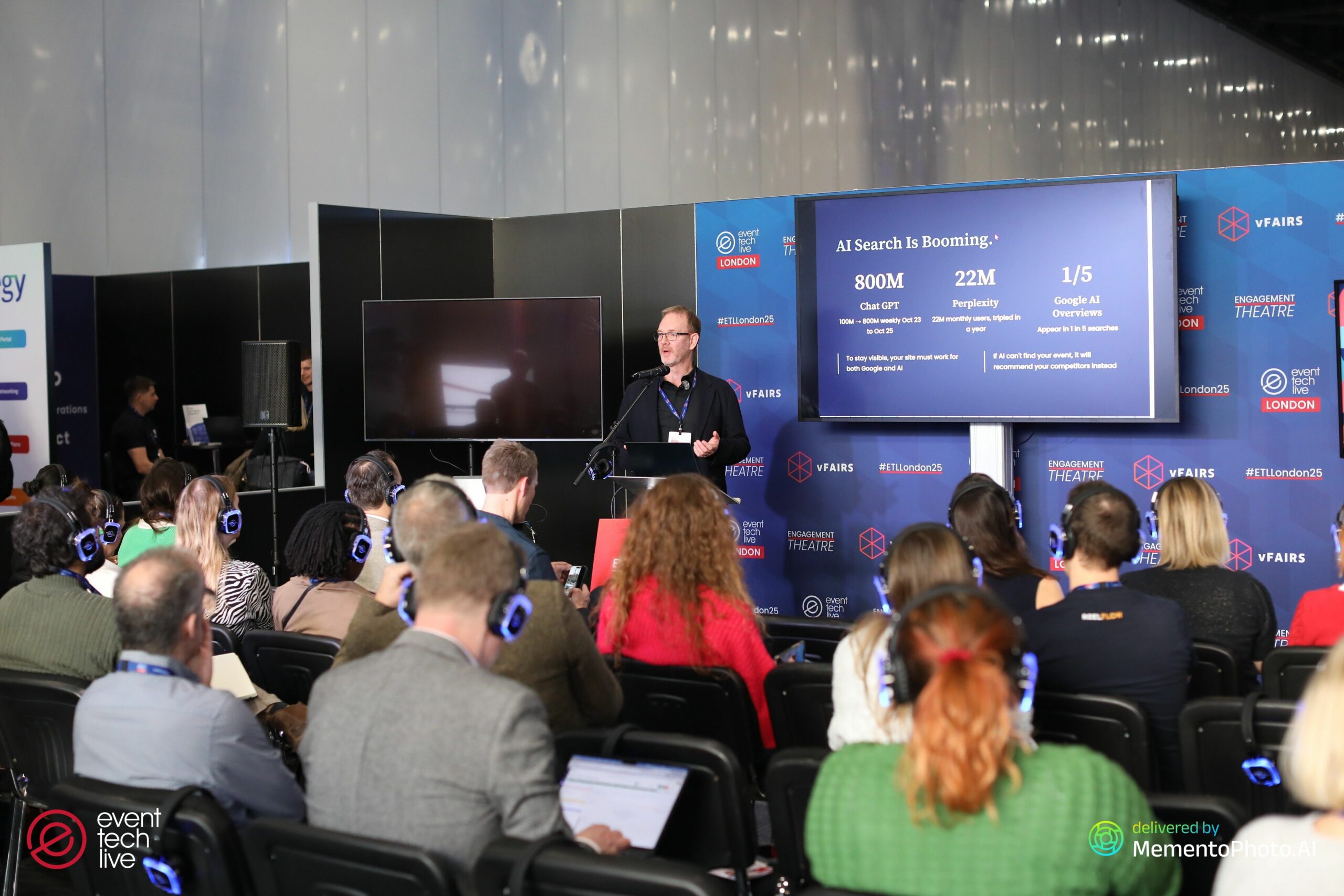
AI SEO for Events is not a fleeting trend; it is the new standard for digital visibility. As search engines become more sophisticated, the ability to leverage AI for predictive analysis, content personalization, and technical optimization will separate successful events from those that struggle to fill seats. The key is to integrate these tools thoughtfully, combining the efficiency of AI with the irreplaceable value of human creativity and genuine connection.
Start small by implementing AI for keyword research and schema markup. Measure your results, learn from the data, and gradually expand your AI toolkit. The events that thrive in the coming years will be those that embrace this intelligent approach to SEO, ensuring that when someone searches for an experience, your event is the answer they find.
Xem thêm:
- AI SEO Ranking Improvements: The Complete Guide to Future-Proofing Your Search Strategy
- AI SEO Content Audits: The Complete Guide to Automated Content Optimization
- AI SEO for Google Business Profile: The Complete Guide to Ranking in 2025
- AI SEO Rendering: The Complete Guide to Modern Search Visibility
- How to Use Perplexity for SEO: The Ultimate Guide to AI-Powered Search Insights
Bài viết cùng chủ đề:

AI SEO SEO Automation with Make: The Complete Workflow Guide

AI SEO SEO Automation with Zapier: The Complete Workflow Guide

AI SEO SEO Automation with n8n: The Complete Workflow Guide
AI SEO SEO Automation with Gemini: The Complete Guide to Scaling Organic Growth

AI SEO SEO Automation with Claude: The Complete Guide to Scaling Content in 2025

AI SEO SEO Automation with ChatGPT: The Complete Playbook for 2025

AI SEO & SEO Automation for Affiliate Sites: The 2025 Playbook for Passive Income Growth
AI SEO & SEO Automation for Bloggers: The Complete Guide to Scaling Your Content

AI SEO & SEO Automation for Agencies: The Complete 2025 Playbook

AI SEO and SEO Automation for Ecommerce: The Complete Playbook for 2025

AI SEO & SEO Automation for WordPress: The Complete Playbook for 2025
AI SEO SEO Automation Strategy: The Complete Playbook for 2025

Mastering the AI SEO SEO Automation Process: A Complete Guide to Scaling Organic Growth
AI SEO SEO Automation System: The Complete Guide to Scaling Organic Growth in 2025
AI SEO SEO Automation Platform: The Complete Guide to Scaling Organic Growth in 2025
AI SEO SEO Automation Software: The Complete Guide to Scaling Organic Growth in 2025















