
No products in the cart.
Mastering AI SEO Related Keywords: The Complete Guide to Future-Proof Search Rankings
10
Aug
Aug
The landscape of search engine optimization has undergone a seismic shift with the integration of artificial intelligence into every facet of digital marketing. Understanding AI SEO related keywords is no longer a luxury but a necessity for brands aiming to maintain visibility in an increasingly competitive digital ecosystem. As search engines evolve from simple keyword matchers to sophisticated semantic understanding engines, the way we research, select, and deploy keywords must adapt accordingly. This comprehensive guide explores the intricate relationship between artificial intelligence and keyword strategy, providing actionable insights for marketers, content creators, and business owners looking to stay ahead of the curve.
Understanding the Evolution of AI SEO Related Keywords
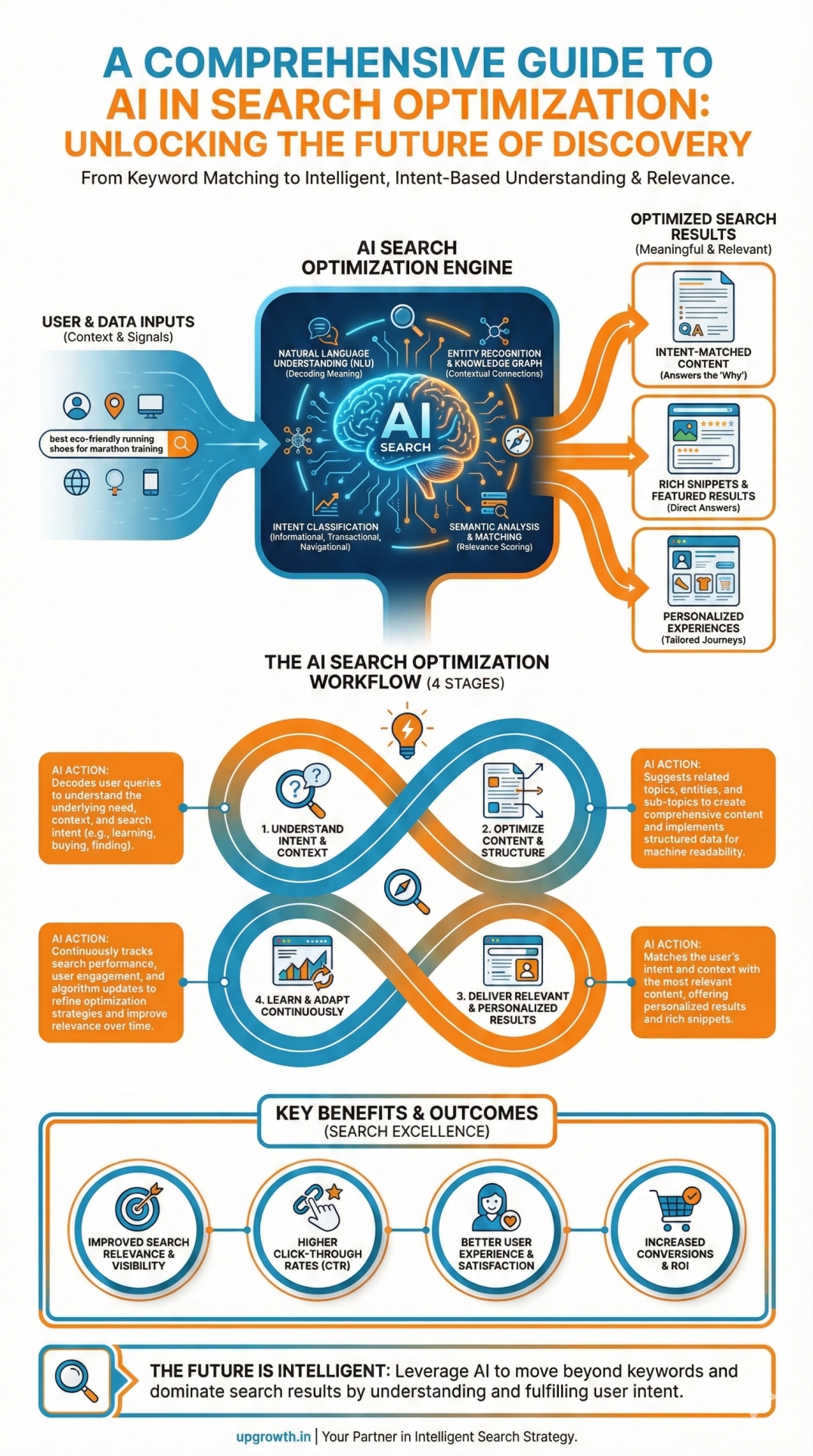
The concept of keywords has transformed dramatically since the early days of search. Traditional SEO relied on exact-match phrases and density calculations, but modern algorithms powered by machine learning interpret user intent with remarkable precision. AI SEO related keywords now encompass not just the literal terms users type into search bars, but also the contextual meaning, user behavior patterns, and semantic relationships between concepts.
Search engines like Google employ neural matching and natural language processing to understand queries at a deeper level. This means that content optimized for AI SEO related keywords must demonstrate topical authority rather than simply repeating phrases. The algorithms analyze entities, relationships, and user engagement signals to determine relevance, making comprehensive coverage of related concepts essential for ranking success.
The Role of Machine Learning in Keyword Discovery
Machine learning algorithms have revolutionized how we identify and prioritize keywords. Instead of relying solely on manual research and intuition, modern SEO professionals leverage AI-powered tools that analyze millions of data points to uncover hidden opportunities. These systems examine search volume trends, competition levels, and user intent patterns to recommend AI SEO related keywords that might otherwise go unnoticed.
Predictive analytics play a crucial role in this process, forecasting which keywords will gain traction in the coming months. By analyzing historical data and current market trends, AI systems can identify emerging topics before they become mainstream, giving early adopters a significant competitive advantage. This forward-looking approach to keyword research represents a fundamental shift from reactive optimization to proactive strategy.
The Core Components of AI-Driven Keyword Strategy
Building a robust keyword strategy in the age of artificial intelligence requires understanding several interconnected components. Each element contributes to a holistic approach that aligns with how modern search engines evaluate and rank content.
Semantic Search and Entity-Based Optimization
Semantic search represents the foundation of modern AI SEO related keywords. Search engines now understand that words have multiple meanings depending on context, and they use entity-based indexing to map relationships between concepts. For instance, the word “apple” could refer to the fruit or the technology company, and AI algorithms determine which meaning is relevant based on surrounding content and user history.
To optimize for semantic search, content must cover topics comprehensively, addressing related subtopics and answering questions users might have. This approach, often called topic clustering, involves creating pillar pages that link to supporting content covering specific aspects of the main subject. Each piece of content should naturally incorporate AI SEO related keywords while providing genuine value to readers.
User Intent Classification and Keyword Matching
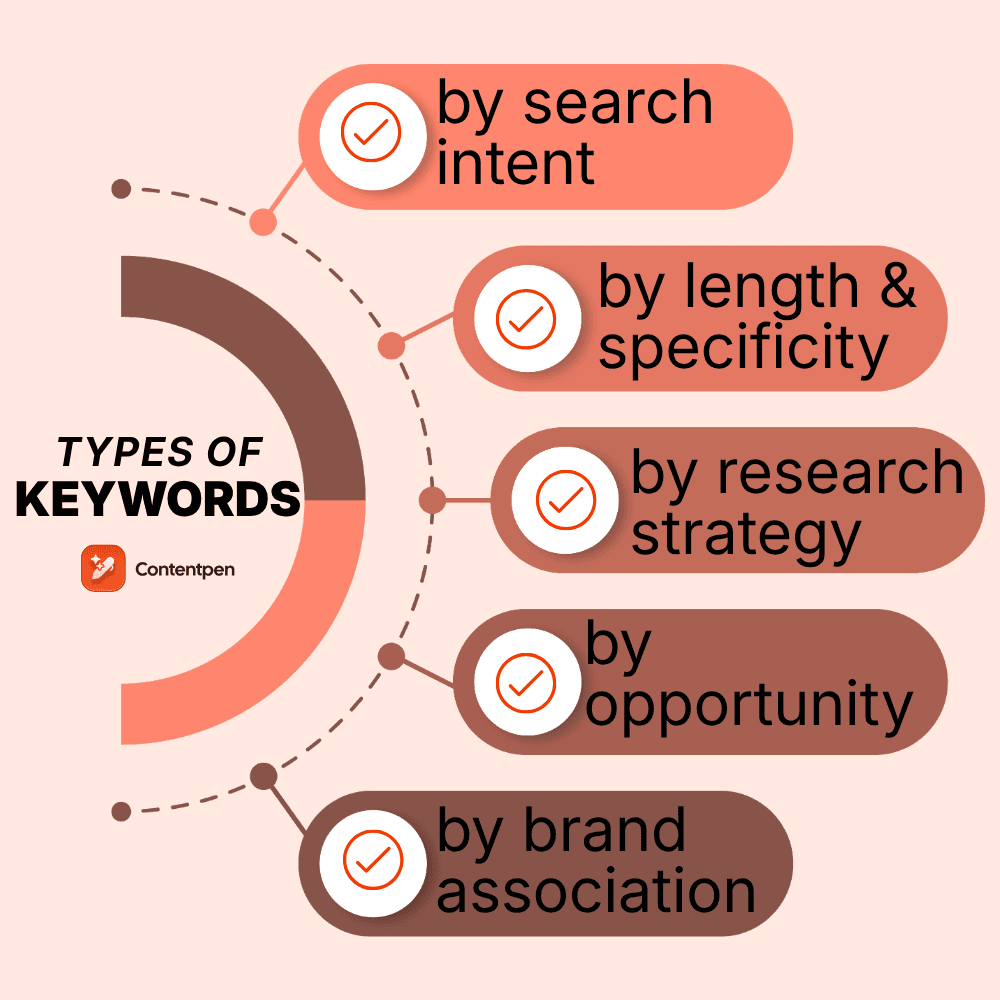
Modern keyword strategies must account for the four primary types of user intent: informational, navigational, commercial, and transactional. AI systems analyze search patterns to classify queries into these categories, and content must align with the appropriate intent to rank effectively.
Informational queries typically begin with question words like “how,” “what,” or “why,” and require comprehensive, educational content. Navigational searches target specific websites or pages, while commercial queries indicate research behavior with purchase intent. Transactional searches signal readiness to buy or take action. Each intent type requires different AI SEO related keywords and content formats to satisfy user expectations.
Essential Tools for AI SEO Related Keywords Research
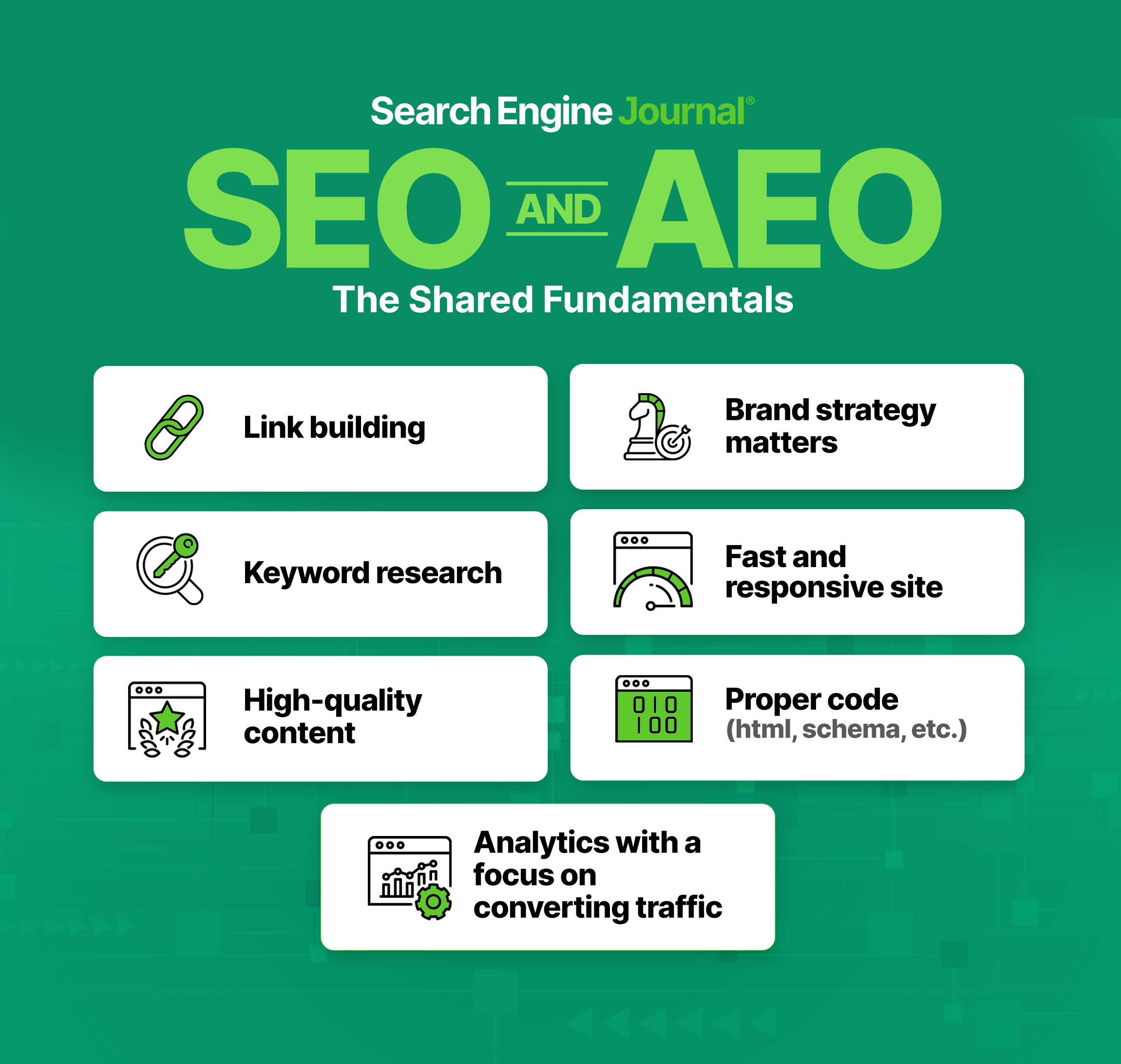
The right tools can dramatically enhance your ability to discover and optimize for AI-driven keywords. While traditional keyword research tools remain valuable, AI-powered platforms offer deeper insights and more accurate predictions.
| Tool Category | Examples | Key Benefits |
|---|---|---|
| AI-Powered Keyword Research | Clearscope, MarketMuse, Frase | Content optimization suggestions, semantic analysis, competitor gap identification |
| Predictive Analytics Platforms | Ahrefs, SEMrush, Moz | Trend forecasting, SERP analysis, keyword difficulty scoring |
| NLP and Entity Extraction | Google NLP API, IBM Watson | Entity recognition, sentiment analysis, topic modeling |
| Rank Tracking with AI | AccuRanker, ProRankTracker | Real-time position monitoring, SERP feature tracking, local SEO insights |
These tools work together to provide a comprehensive view of the keyword landscape. AI-powered platforms can analyze top-ranking content and identify gaps in coverage, suggesting AI SEO related keywords that competitors may have overlooked. This intelligence allows for more strategic content creation and resource allocation.
Practical Applications of AI SEO Related Keywords
Understanding the theory behind AI-driven keyword optimization is essential, but practical application determines success. Implementing these strategies requires a systematic approach that integrates technology with human creativity and expertise.
Content Creation and Optimization Workflow
The modern content creation process begins with AI-assisted research to identify relevant AI SEO related keywords and subtopics. Once these are established, writers can develop comprehensive pieces that naturally incorporate the target phrases while maintaining readability and providing genuine value.
Natural language processing tools can analyze draft content and suggest improvements, flagging areas where additional keyword coverage might be beneficial. These systems also check for readability, tone consistency, and alignment with user intent. The result is content that satisfies both search engine algorithms and human readers, a critical balance in today’s SEO landscape.
Voice Search and Conversational Keywords
The rise of voice assistants has introduced new considerations for keyword optimization. Voice searches tend to be longer, more conversational, and phrased as complete questions. Optimizing for these AI SEO related keywords requires understanding natural speech patterns and incorporating long-tail phrases that mirror how people actually speak.
Featured snippets have become increasingly important in voice search results, as assistants often read the featured answer aloud. Structuring content to target these positions involves using clear headings, concise paragraphs, and direct answers to common questions. This approach benefits both voice search optimization and traditional search visibility.
Benefits and Limitations of AI-Driven Keyword Strategies
Implementing AI SEO related keywords strategies offers numerous advantages, but it also comes with certain challenges that marketers must navigate.
Key Benefits
- Improved accuracy in understanding user intent and delivering relevant content
- Enhanced ability to identify emerging trends and capitalize on them early
- More efficient resource allocation through data-driven decision making
- Better alignment with search engine ranking factors and algorithm updates
- Increased organic traffic through comprehensive topic coverage
- Over-reliance on AI tools can lead to generic, formulaic content
- High-quality AI-powered tools often come with significant subscription costs
- Algorithm changes can quickly render certain strategies ineffective
- AI systems may miss cultural nuances or industry-specific context
- Data privacy concerns may limit access to certain user behavior data
Potential Limitations
Successful implementation requires balancing AI insights with human judgment and creativity. The most effective strategies combine data-driven keyword selection with authentic, expert-created content that resonates with target audiences.
Common Mistakes in AI SEO Related Keywords Optimization
Even experienced marketers can fall into traps when implementing AI-driven keyword strategies. Recognizing these pitfalls is the first step toward avoiding them.
Over-Optimization and Keyword Stuffing
Some practitioners mistakenly believe that more keyword usage leads to better rankings. Modern algorithms penalize keyword stuffing, and AI systems are particularly adept at detecting unnatural language patterns. Content should use AI SEO related keywords naturally, focusing on providing value rather than hitting arbitrary density targets.
Ignoring User Experience Signals
Search engines now consider user engagement metrics like time on page, bounce rate, and click-through rate when determining rankings. Content optimized solely for keywords without considering user experience will struggle to maintain positions. Ensure that pages load quickly, are mobile-responsive, and provide clear navigation to related content.
Neglecting Content Freshness
AI algorithms favor recent, updated content for many queries. Regularly refreshing existing pages with new information, updated statistics, and additional AI SEO related keywords can help maintain or improve rankings. This practice also signals to search engines that your site remains active and authoritative in your niche.
Important Notes for Long-Term Success
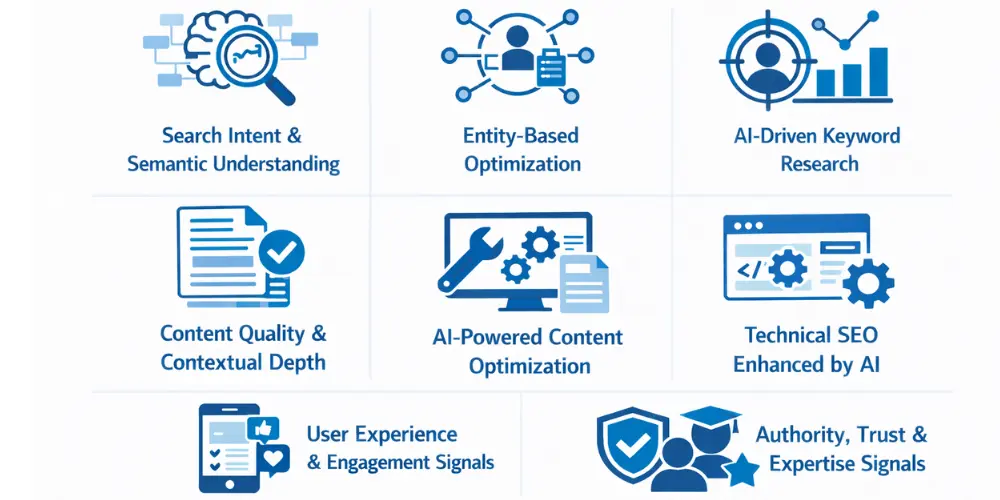
Building a sustainable SEO strategy requires ongoing attention and adaptation. The following considerations will help ensure long-term success with AI SEO related keywords.
First, focus on building topical authority rather than chasing individual keywords. Search engines reward sites that demonstrate comprehensive knowledge of their subject matter. This means creating interconnected content that covers all aspects of your niche, with each piece reinforcing the others.
Second, monitor algorithm updates and adjust strategies accordingly. Google releases thousands of updates annually, and AI-driven changes can significantly impact rankings. Staying informed about these changes and adapting quickly is essential for maintaining visibility.
Third, invest in quality content creation. While AI tools can assist with research and optimization, the actual writing should involve skilled human writers who can craft engaging, informative content that resonates with readers. The best AI SEO related keywords strategies combine technological efficiency with human creativity.
Frequently Asked Questions About AI SEO Related Keywords
What are AI SEO related keywords?
AI SEO related keywords are search terms and phrases that are identified and optimized using artificial intelligence technologies. These keywords go beyond simple exact-match phrases to include semantic variations, related concepts, and user intent signals that AI algorithms can detect and understand.
How do AI algorithms affect keyword research?
AI algorithms analyze vast amounts of search data to identify patterns, predict trends, and understand user behavior. This allows for more accurate keyword recommendations, better intent classification, and the ability to discover opportunities that traditional research methods might miss.
Can AI replace human SEO professionals?
AI cannot fully replace human SEO professionals. While AI tools excel at data analysis, pattern recognition, and trend prediction, human expertise remains essential for strategic decision-making, creative content development, and understanding nuanced industry contexts.
What is the difference between traditional and AI-driven keyword optimization?
Traditional keyword optimization focuses on exact-match phrases and density metrics. AI-driven optimization considers semantic relationships, user intent, entity-based indexing, and behavioral signals to create more comprehensive and effective content strategies.
How often should I update my AI SEO related keywords strategy?
Keyword strategies should be reviewed at least quarterly, with more frequent adjustments in rapidly changing industries. Monitor search trends, competitor activities, and algorithm updates to identify when strategy adjustments are necessary.
Conclusion

The integration of artificial intelligence into search engine algorithms has fundamentally changed how we approach keyword optimization. AI SEO related keywords represent a sophisticated approach that considers user intent, semantic relationships, and behavioral signals to create content that truly serves the needs of search users. By understanding these principles and implementing them effectively, businesses can achieve sustainable search visibility and connect with their target audiences more meaningfully.
The future of SEO lies in the successful marriage of artificial intelligence capabilities with human creativity and expertise. Those who embrace this partnership, staying informed about technological advances while maintaining focus on providing genuine value, will thrive in the evolving digital landscape. Start implementing these AI-driven keyword strategies today to position your content for success in the search results of tomorrow.
Xem thêm:
- The Ultimate AI SEO Workflow for Ecommerce: Drive More Traffic and Sales
- AI Affiliate Content: How to Automate Reviews, Comparisons, and Earn Commissions Faster
- AI SEO for Influencers: The Complete Guide to Ranking and Growing in 2025
- AI SEO Playbook: The Complete Guide to Ranking in the Age of Machine Learning
- The Future of AI SEO: How Artificial Intelligence Is Reshaping Search Optimization
Bài viết cùng chủ đề:

AI SEO SEO Automation with Make: The Complete Workflow Guide

AI SEO SEO Automation with Zapier: The Complete Workflow Guide

AI SEO SEO Automation with n8n: The Complete Workflow Guide
AI SEO SEO Automation with Gemini: The Complete Guide to Scaling Organic Growth

AI SEO SEO Automation with Claude: The Complete Guide to Scaling Content in 2025

AI SEO SEO Automation with ChatGPT: The Complete Playbook for 2025

AI SEO & SEO Automation for Affiliate Sites: The 2025 Playbook for Passive Income Growth
AI SEO & SEO Automation for Bloggers: The Complete Guide to Scaling Your Content

AI SEO & SEO Automation for Agencies: The Complete 2025 Playbook

AI SEO and SEO Automation for Ecommerce: The Complete Playbook for 2025

AI SEO & SEO Automation for WordPress: The Complete Playbook for 2025
AI SEO SEO Automation Strategy: The Complete Playbook for 2025

Mastering the AI SEO SEO Automation Process: A Complete Guide to Scaling Organic Growth
AI SEO SEO Automation System: The Complete Guide to Scaling Organic Growth in 2025
AI SEO SEO Automation Platform: The Complete Guide to Scaling Organic Growth in 2025
AI SEO SEO Automation Software: The Complete Guide to Scaling Organic Growth in 2025















