
No products in the cart.
AI SEO Productivity: How Smart Automation Transforms Rankings and Workflows
29
Jul
Jul
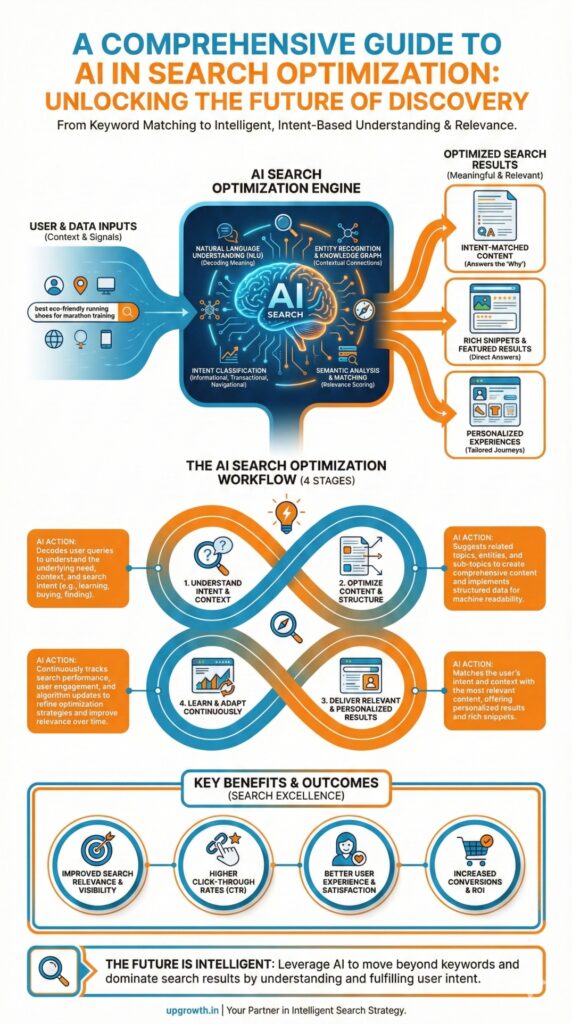
SEO professionals are constantly searching for ways to do more in less time. The rise of artificial intelligence has given birth to a new paradigm: AI SEO productivity. This concept is not about replacing human strategists, but about empowering them with tools that handle repetitive analysis, content drafting, and data crunching at machine speed. When AI takes over the heavy lifting, SEO practitioners can focus on creative strategy, nuanced optimization, and building genuine connections. The result is faster rankings, more consistent content, and a dramatic reduction in manual labor. Understanding how to harness AI SEO productivity separates high-performing teams from those simply keeping up.
What AI SEO Productivity Really Means
AI SEO productivity refers to the use of artificial intelligence to accelerate, automate, and improve every stage of the search engine optimization process. Traditional SEO workflows involve hours of manual keyword research, content gap analysis, meta tag optimization, and performance tracking. AI tools compress these tasks into minutes. They analyze vast datasets—search patterns, user behavior, competitor content—and deliver actionable insights in seconds.
At its core, AI SEO productivity is about augmenting human talent. It does not replace critical thinking. Instead, it handles the mundane, allowing specialists to apply experience and intuition where it matters most. For instance, an AI can generate 50 topic clusters based on search volume and difficulty, but a human decides which cluster aligns with brand voice and business goals.
The technology leverages natural language processing (NLP), machine learning, and neural networks to understand context, search intent, and content quality signals. This goes far beyond simple keyword matching. Modern AI systems interpret what users truly want, enabling SEOs to create content that satisfies both algorithms and readers.
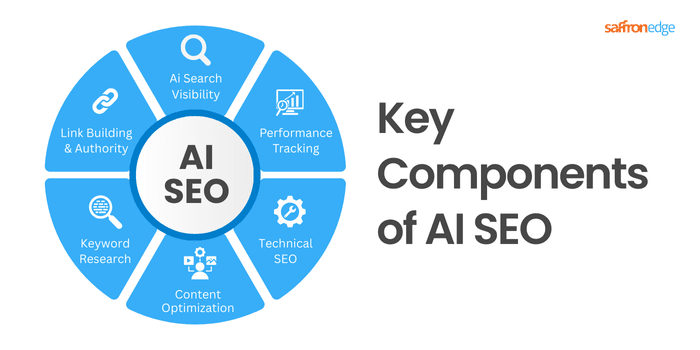
The Core Components of AI-Driven SEO Efficiency
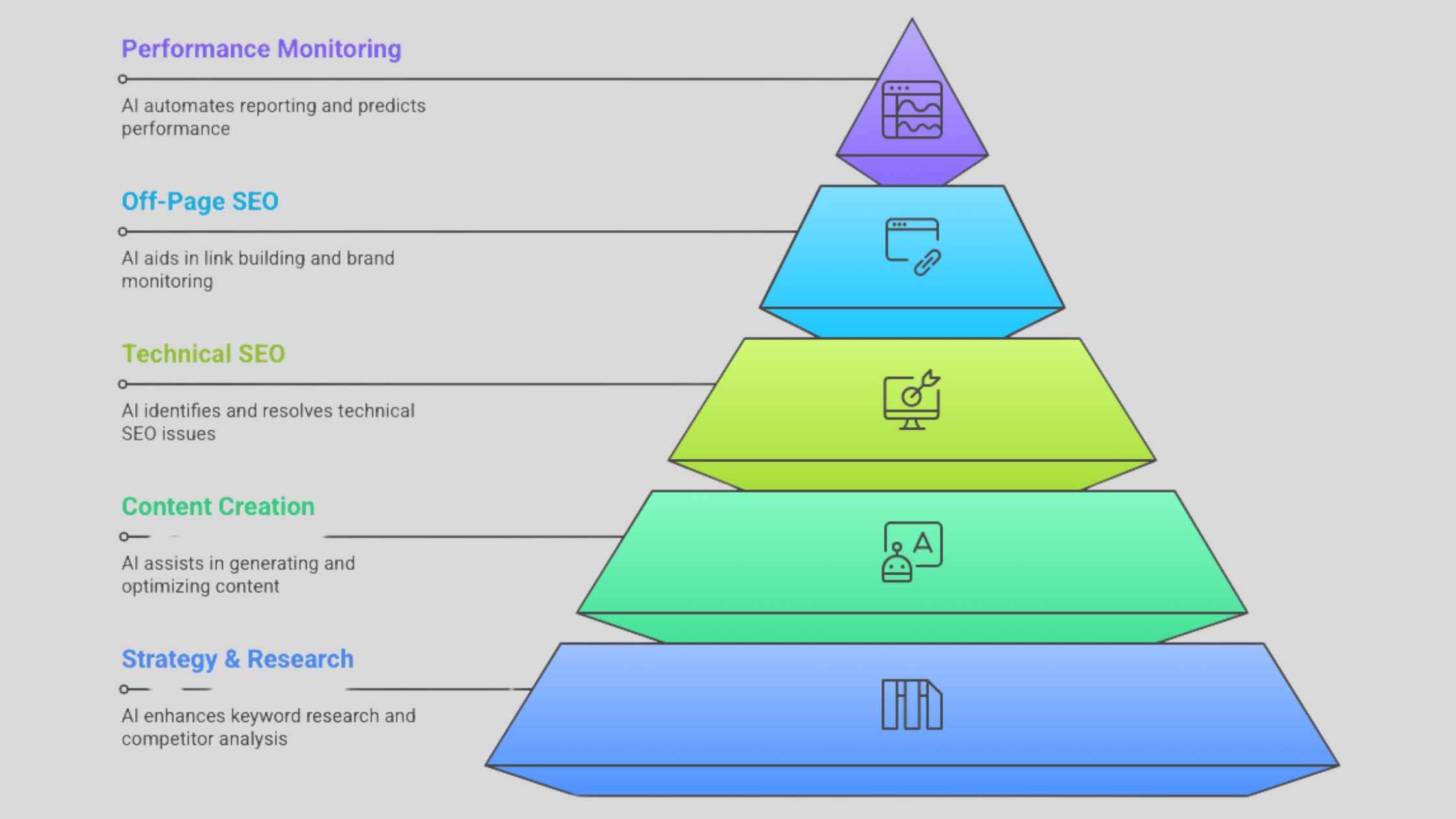
Automated Keyword Research and Clustering
Keyword research was once a slow process of typing seed terms, exporting spreadsheets, and manually grouping synonyms. AI SEO productivity tools now ingest millions of queries, detect semantic relationships, and group keywords by topic intent in real time. They can uncover long-tail variations that a human might overlook. The system identifies clusters like “best running shoes for flat feet,” “stability running shoes,” and “orthopedic sneakers” and presents them as a single content opportunity, saving hours of sifting.
These platforms also predict keyword difficulty based on domain authority, backlink profiles, and SERP features, enabling smarter prioritization. The days of manually scoring keywords are fading away.
AI Content Briefs and Outlines
A massive drain on productivity is constructing detailed content briefs. AI SEO productivity tools scan the top-ranking pages for a target query, extract structure, headings, word count, and entities, and compile a comprehensive outline. The brief includes what questions to answer, which media to include, and how to structure the article to win featured snippets. This removes guesswork and ensures every piece of content is engineered for visibility from the first draft.
First-Draft Writing and Natural Language Optimization
AI writing assistants like Jasper, Copy.ai, or ChatGPT produce drafts that adhere to the outline. While human editing is still essential, the time saved on drafting can be 60% or more. Beyond drafts, AI can optimize existing content by analyzing top SERP competitors and suggesting improvements in real-time. It adjusts readability, enhances keyword usage, and builds topical authority by adding semantically related terms.
Technical SEO Audits at Scale
AI-powered crawlers identify broken links, duplicate content, slow loading pages, and mobile usability issues faster than any manual audit. They also predict the impact of fixes, allowing teams to prioritize tasks that yield the greatest ranking uplift. This proactive approach to technical health is a cornerstone of AI SEO productivity.
Performance Monitoring and Predictive Analysis
Instead of waiting for weekly ranking reports, AI tools can alert you to traffic anomalies, keyword movements, and competitor shifts instantly. Predictive models estimate how a piece of content will perform before it even goes live, based on historical data and topical authority signals. SEOs can then refine before publishing, eliminating the slow trial-and-error cycle.
How AI SEO Productivity Transforms Daily Workflows
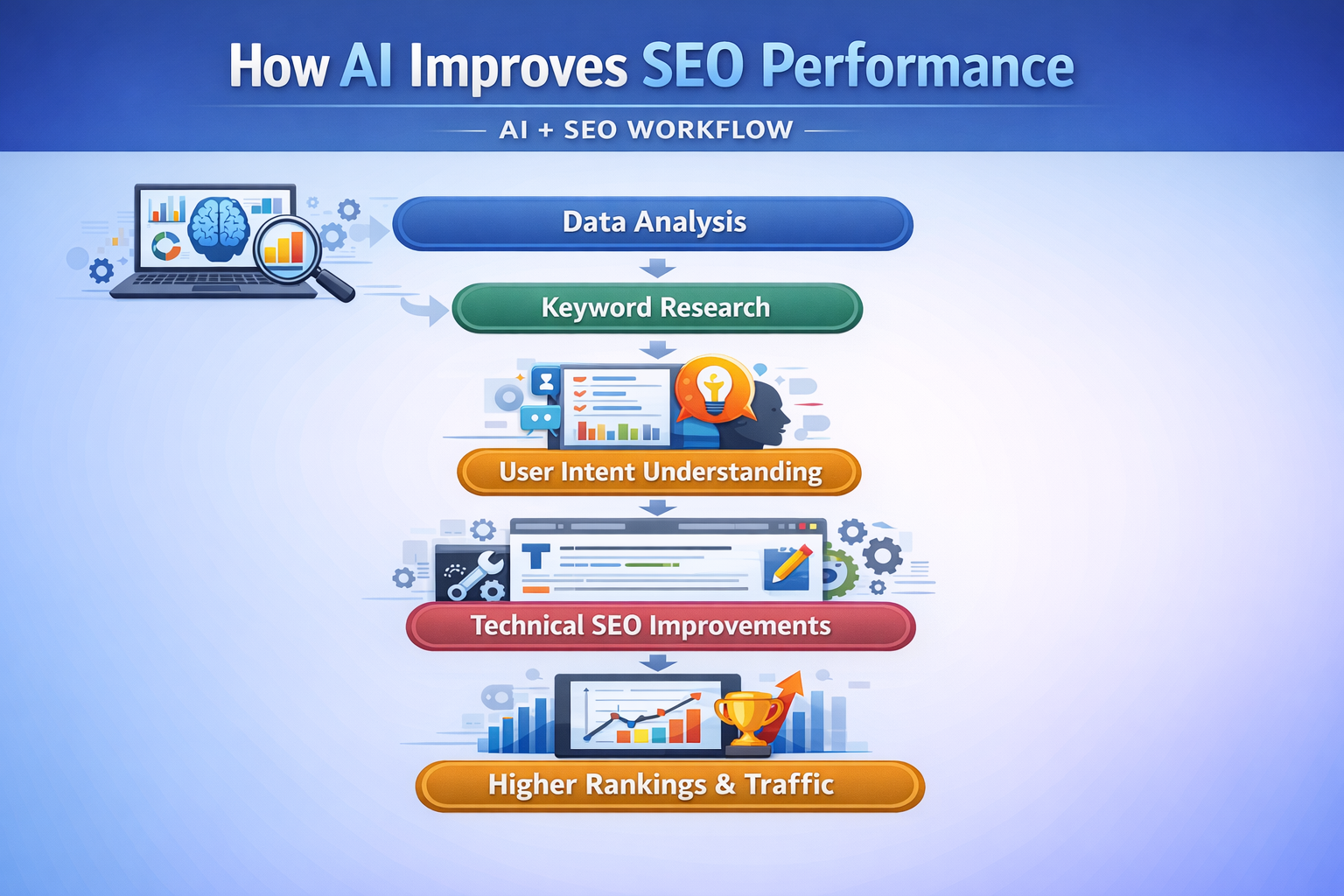
End-to-End Content Pipeline Automation
Imagine a system where an AI identifies a content gap on Monday, generates the outline and brief, produces a draft by Tuesday, and a human editor polishes and publishes by Wednesday. That is the promise of a fully integrated AI SEO productivity stack. Platforms like SurferSEO, Frase, and MarketMuse connect keyword intelligence, SERP analysis, and content creation in one place. Teams that adopt these pipelines report a 3x to 5x increase in content output while maintaining quality.
Competitor Analysis on Autopilot
AI can continuously monitor competitor websites, tracking new pages, backlink acquisitions, and content updates. Rather than manually checking rival blogs, SEOs receive a weekly digest of opportunities. The system might highlight that a competitor dropped a high-performing post, presenting a chance to create a better, fresher piece. This automated vigilance is impossible at human scale alone.
Internal Link Building and Site Architecture
Building internal links is laborious but critical. AI SEO tools scan your entire site and suggest contextual links based on topic relevance and anchor text distribution. Some plugins even automate the insertion of internal links within your content management system, strengthening site structure without manual effort.
Benefits of Embracing AI SEO Productivity
- Dramatic time savings – Tasks that took days now take hours. Keyword clustering, content drafting, and audit reporting are all accelerated.
- Data-driven consistency – AI eliminates personal bias and mood-based variance. Every piece of content follows proven structures and optimization rules.
- Scalability – You can manage 10 or 100 websites with a small team when AI handles routine execution.
- Improved content quality – AI enforces entity usage, readability scores, and comprehensiveness, which often leads to higher dwell time and better SERP performance.
- Faster adaptation to algorithm changes – AI models can analyze ranking fluctuations and recommend adjustments quicker than a human can detect patterns.
- Cost efficiency – Reducing manual hours allows agencies and in-house teams to achieve more with the same budget. The return on investment for AI SEO tools is often realized within months.
- Publishing raw AI content without human review – Factual errors, unnatural phrasing, and tone-deaf passages slip through, damaging credibility.
- Overloading a page with semantically stuffed keywords – AI tools may suggest adding terms that, when forced, degrade reading experience. The priority is always the user.
- Ignoring E-E-A-T signals – AI cannot establish expertise. Removing author bios, skipping references, and not citing data sources leads to trust erosion.
- Failing to customize AI output – Using the same tool with default settings makes your content indistinguishable from competitors using identical technology. Differentiation is non-negotiable.
- Neglecting post-publish analysis – Some teams assume that AI-optimized content will automatically rank. Without monitoring and iterating, performance plateaus.
- Automating everything at once – Changing workflows too drastically causes confusion. Gradual integration allows the team to adapt and refine the human-AI collaboration.
Limitations and Risks You Cannot Ignore
AI SEO productivity is not a magic wand. Blind reliance can lead to serious problems. The biggest risk is producing shallow, generic content that fails E-E-A-T (Experience, Expertise, Authoritativeness, Trustworthiness) standards. Google’s helpful content system explicitly rewards people-first content. AI-generated text, without substantial human oversight, often lacks unique anecdotes, original data, and genuine expertise.
Another limitation is the hallucination problem. AI tools can invent statistics, misattribute quotes, or fabricate case studies. A diligent human editor must fact-check everything. Over-optimization is also a concern. When AI rigidly follows SERP data, content can become a carbon copy of what already exists, offering no extra value. Finally, there are ethical and legal considerations: using AI to generate mass, low-quality pages can trigger manual actions and algorithmic penalties.
AI cannot analyze nuance, tone, or brand personality perfectly. It also struggles with highly specialized technical topics where deep domain expertise is required. The most effective SEOs treat AI as a junior assistant, not a strategic lead.
Traditional SEO versus AI-Enhanced SEO Productivity
The contrast between old and new workflows highlights why AI is a game changer. The table below breaks down key differences.
| Aspect | Traditional SEO | AI SEO Productivity |
|---|---|---|
| Keyword research | Manual list building, spreadsheet-dependent, slow grouping | Instant clustered insights, intent detection, difficulty prediction |
| Content planning | Subject matter expert writes briefs, often inconsistent | AI-generated briefs based on SERP analysis, consistent and scalable |
| Writing | 100% human-crafted, slow, high cost | Hybrid: AI draft, human refinement, 5x faster, lower cost |
| Technical audits | Periodic crawls, manual report interpretation | Continuous monitoring, predictive fix prioritization |
| Performance tracking | Weekly rank checks, delayed reaction | Real-time anomalies alerting, predictive ranking models |
| Scalability | Limited by manpower; adding sites multiplies workload | Highly scalable; additional sites require marginal effort |
Practical Steps to Integrate AI SEO Productivity Into Your Workflow
Start With a Clear Process, Not Just Tools
Purchasing a collection of AI SEO apps without a defined workflow creates chaos. Map your current SEO process end-to-end. Identify repetitive, time-consuming stages—typically keyword grouping, content outline creation, on-page auditing, and reporting. Choose one AI tool to augment the most painful stage first. For example, if your team spends hours writing meta descriptions and title tags, deploy an AI optimizer like Page Optimizer Pro or SurferSEO for task-level improvements.
Step 1: Automate Keyword Intelligence
Use a tool like Semrush with its AI-powered Topic Research and Keyword Overview features. Input your seed topic. The AI returns a mind map of subtopics, questions, and related keywords. Export the data directly into a content planning sheet. This eliminates the manual brain dump phase and ensures no valuable query is missed.
Step 2: Generate Data-Driven Content Briefs
Platforms such as Frase or MarketMuse will take your target keyword, analyze the top 20 results, and produce a brief that includes suggested headings, word count, media elements, and entity mentions. Add your unique insights—expert quotes, original images, proprietary data—to the brief. The human addition is the differentiator that AI cannot replicate.
Step 3: Produce a Hybrid Draft
Feed the brief into a large language model like Claude or ChatGPT. Ask for a complete draft that follows the structure, uses the entities, and maintains a formal yet approachable tone. The AI-generated text should be treated as a rough foundation. Edit rigorously. Inject original case studies, verify every fact against credible sources, and reshape sentences to reflect your brand’s personality. This step preserves the human touch while benefiting from machine speed.
Step 4: Optimize On-Page Elements in Real Time
When the edited draft is ready, run it through an on-page AI grader. You will receive a content score and actionable recommendations: add an LSI keyword in the first paragraph, shorten a sentence for readability, insert a table for better SERP display. Implement the high-impact suggestions. Skip anything that disrupts natural flow. AI is a guide, not the final authority.
Step 5: Automate Technical Monitoring
Set up an AI-driven crawler like Sitebulb or Lumar (formerly Deepcrawl) to run weekly. Configure alerts for critical issues: 5xx errors, orphan pages, crawl budget waste. The A This turns reactive firefighting into proactive maintenance.
Common Mistakes That Sabotage AI SEO Productivity Gains
Important Notes on Sustainable AI SEO Productivity
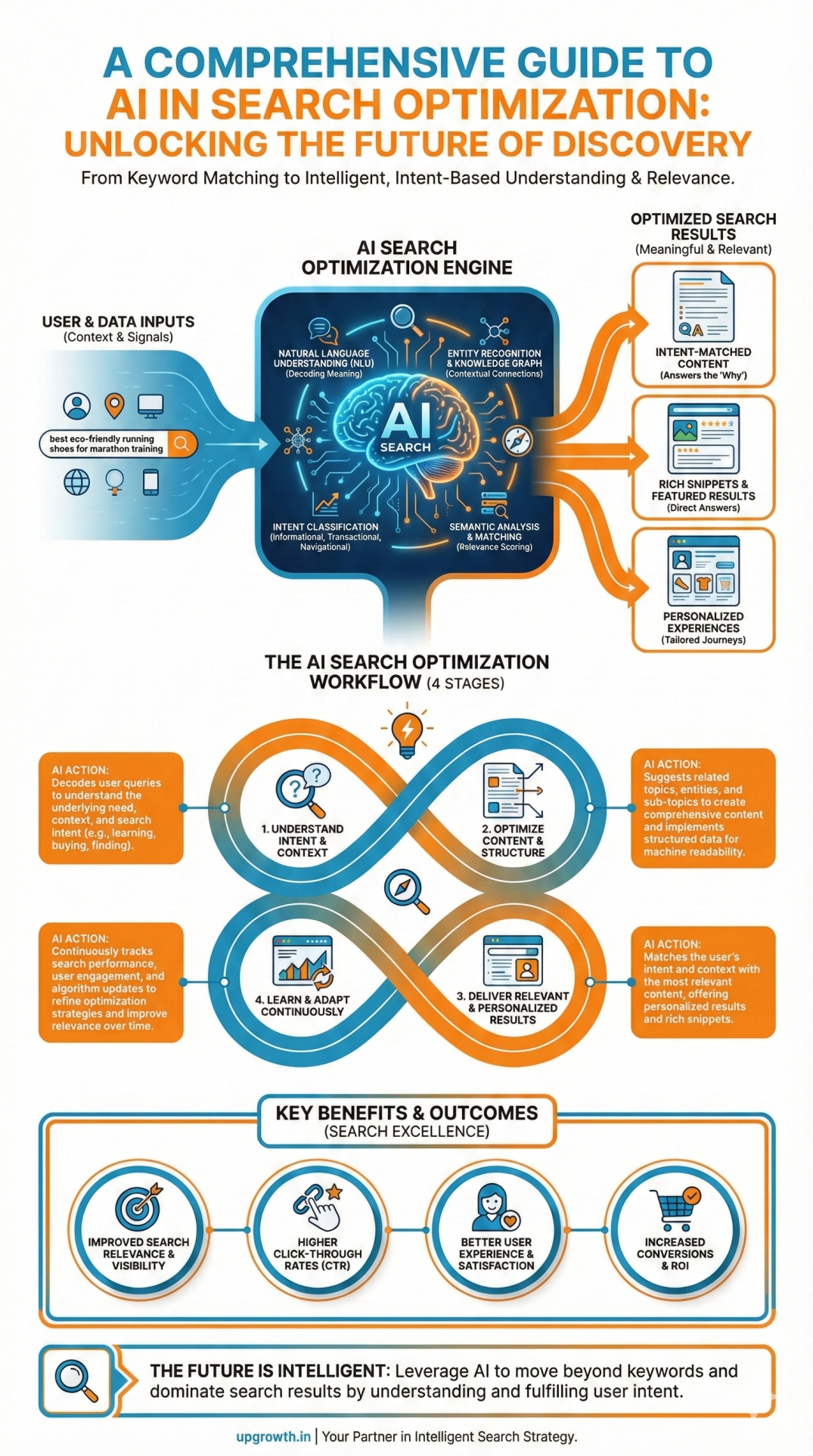
Google has clarified that AI-generated content is not inherently against its guidelines. The metric is helpfulness. If AI assists in creating content that demonstrates experience and expertise, it can rank well. The risk arises when AI is used to mass-produce low-value pages purely for search engines. The “productivity” in AI SEO productivity must be measured by the value delivered to the user, not just the volume of content published.
Another critical point is continuous learning. AI models update, search algorithms evolve, and competitive landscapes shift. An SEO team that does not regularly revisit its AI tool settings and training procedures will fall behind. Regular auditing of AI-generated outputs for quality, freshness, and accuracy is a must. Treat AI SEO productivity as a practice, not a one-time setup.
Frequently Asked Questions About AI SEO Productivity
What are the best AI tools for SEO productivity?
The landscape is rich, but several stand out. Semrush offers an AI writing assistant and topic research tool within its suite. SurferSEO integrates content scoring with real-time SERP data. Frase and MarketMuse excel at AI content briefs and optimization. Jasper and Copy.ai are solid for draft creation. For technical audits, Sitebulb’s AI-powered insights save time. The ideal stack depends on your specific bottlenecks: content, research, or technical health.
Can AI SEO productivity replace human SEO specialists?
No. While AI dramatically accelerates tasks, it lacks strategic judgment, emotional intelligence, and brand intuition. SEO specialists decide which opportunities to pursue, how to position a brand, and when to take calculated risks. AI handles execution and data analysis. The combination of human creativity and machine precision defines the highest-performing SEO programs.
How does AI SEO productivity impact content quality?
When used correctly, AI improves quality by ensuring comprehensiveness, proper entity usage, and optimal readability. It reduces the chance of missing key subtopics or search intents. However, quality dips when humans bypass editing. The final polish—adding stories, verifying data, and refining voice—must remain human. AI SEO productivity, at its best, elevates the baseline while freeing time for deep, authentic storytelling.
Is there a risk of Google penalizing AI-assisted content?
Google does not penalize content solely for being AI-generated. Penalties are applied to content that is spammy, unhelpful, or created primarily to manipulate rankings. If AI assists in producing well-researched, original, and user-focused material, t The key is to adhere to the same E-E-A-T standards that apply to human-written content.
How can a small business start with AI SEO productivity on a budget?
Begin with free or low-cost options. ChatGPT or Claude can generate outlines and draft blog sections. Google Search Console data, combined with basic spreadsheet functions, can reveal keyword gaps. Then invest in one affordable AI tool like NeuronWriter or a limited plan of Frase to handle on-page optimization. Focus on creating a handful of exceptional AI-assisted pages rather than attempting to scale immediately. The learning and refinement process is as valuable as the output.
Does AI SEO productivity work for all industries?
Yes, but with varying degrees of human oversight. In highly regulated fields like finance, healthcare, or law, AI-generated content requires rigorous expert review to ensure compliance and accuracy. In e-commerce or lifestyle blogging, the margin for AI assistance is wider. The core principle remains: the more your audience relies on trust and authority, the more human expertise you must inject into the AI-assisted workflow.
Conclusion
AI SEO productivity is not about cutting corners—it is about working smarter. By delegating repetitive research, data analysis, and drafting tasks to intelligent systems, SEO teams reclaim time for high-level strategy and authentic content creation. The technology has matured to a point where adopting AI is a competitive advantage, not a luxury. The most successful practitioners combine machine speed with human insight, delivering content that satisfies search engines and, more importantly, real people. As the digital landscape becomes more crowded, those who master AI SEO productivity will achieve sustainable growth while others struggle to keep pace.
Xem thêm:
- AI SEO No Code Automation: The Complete Guide to Scaling Organic Growth Without Developers
- AI Content Marketing: Transform Your Strategy Without Losing the Human Touch
- AI SEO Cannibalization: The Hidden Threat to Your Organic Traffic and How to Fix It
- AI SEO for Startups: The 2025 Playbook for Explosive Organic Growth
- AI SEO Review Schema: The Complete Guide to Structured Data in 2025
Bài viết cùng chủ đề:

AI SEO SEO Automation with Make: The Complete Workflow Guide

AI SEO SEO Automation with Zapier: The Complete Workflow Guide

AI SEO SEO Automation with n8n: The Complete Workflow Guide
AI SEO SEO Automation with Gemini: The Complete Guide to Scaling Organic Growth

AI SEO SEO Automation with Claude: The Complete Guide to Scaling Content in 2025

AI SEO SEO Automation with ChatGPT: The Complete Playbook for 2025

AI SEO & SEO Automation for Affiliate Sites: The 2025 Playbook for Passive Income Growth
AI SEO & SEO Automation for Bloggers: The Complete Guide to Scaling Your Content

AI SEO & SEO Automation for Agencies: The Complete 2025 Playbook

AI SEO and SEO Automation for Ecommerce: The Complete Playbook for 2025

AI SEO & SEO Automation for WordPress: The Complete Playbook for 2025
AI SEO SEO Automation Strategy: The Complete Playbook for 2025

Mastering the AI SEO SEO Automation Process: A Complete Guide to Scaling Organic Growth
AI SEO SEO Automation System: The Complete Guide to Scaling Organic Growth in 2025
AI SEO SEO Automation Platform: The Complete Guide to Scaling Organic Growth in 2025
AI SEO SEO Automation Software: The Complete Guide to Scaling Organic Growth in 2025















