
No products in the cart.
AI SEO SERP Research: The Complete Guide to Dominating Search Results in 2025
10
Aug
Aug
AI SEO SERP Research has fundamentally transformed how digital marketers approach search engine optimization. The days of manually scanning ten blue links are over. Modern SEO professionals now leverage artificial intelligence to analyze search engine results pages with unprecedented depth and speed. This comprehensive guide explores how AI-powered SERP analysis uncovers hidden opportunities, predicts ranking fluctuations, and shapes content strategies that consistently outperform competitors. Understanding these advanced techniques separates businesses that thrive in organic search from those that merely survive.
What Is AI SEO SERP Research?
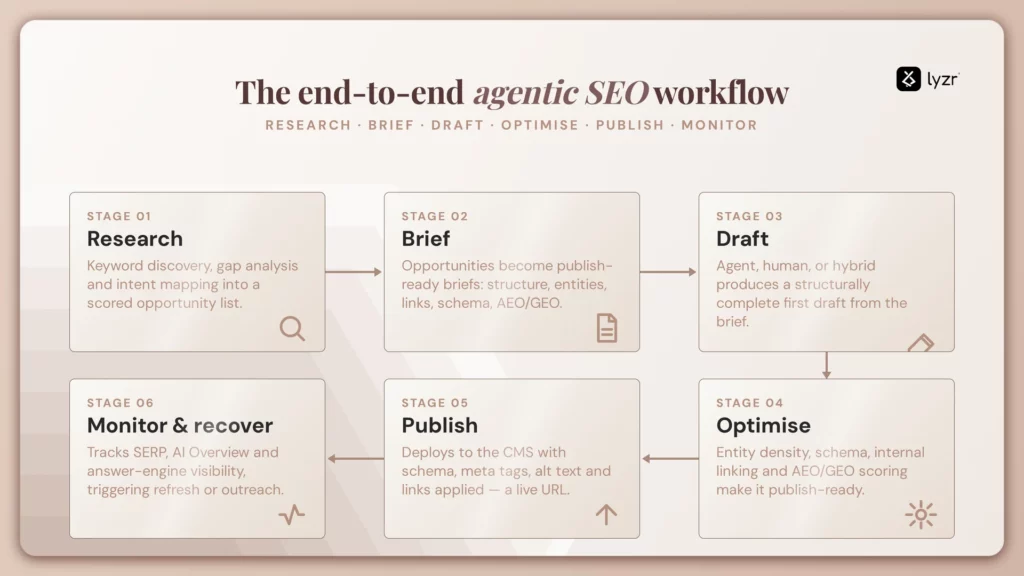
AI SEO SERP Research refers to the systematic process of using artificial intelligence algorithms to analyze, interpret, and extract actionable insights from search engine results pages. Traditional SERP analysis involves manually reviewing rankings, identifying competitors, and noting featured snippets. AI-powered research automates these processes while adding layers of predictive analytics, semantic understanding, and pattern recognition that human analysis simply cannot match.
The core difference lies in data processing capability. A human analyst might review fifty search results in an hour. An AI system processes thousands of SERPs across multiple locations, languages, and device types within seconds. This scale enables SEO teams to identify trends that would otherwise remain invisible, such as subtle shifts in Google’s ranking algorithms or emerging content formats that gain traction in specific niches.
The Evolution from Manual to AI-Driven SERP Analysis
Search engine optimization has always relied on understanding what appears in search results. Early practitioners manually examined SERPs, noting which pages ranked well and hypothesizing why. This approach worked when search algorithms were simpler and competition was less intense. The modern search landscape features personalized results, rich snippets, knowledge panels, and constantly evolving features that make manual analysis nearly impossible.
AI SEO SERP Research emerged as a direct response to this complexity. Machine learning models now classify SERP features, track position changes over time, and correlate ranking patterns with on-page elements, backlink profiles, and user engagement metrics. These systems learn from historical data to predict which content characteristics align with top rankings for specific queries.
Core Components of AI SEO SERP Research
Effective AI-driven SERP research encompasses several distinct analytical dimensions. Each component provides unique insights that contribute to a complete understanding of the search landscape.
SERP Feature Detection and Classification
Modern search results contain far more than organic listings. Featured snippets, people-also-ask boxes, image carousels, video results, news panels, and local packs all compete for visibility. AI systems automatically detect and classify these elements, providing a complete inventory of what appears for any given query. This information helps content teams determine which SERP features to target and what content formats are most likely to earn prominent placement.
Competitor Ranking Pattern Analysis
AI algorithms track competitor positions across thousands of keywords simultaneously. This analysis reveals which competitors consistently rank for high-value terms, how their rankings fluctuate over time, and what strategies they employ to maintain or improve positions. Understanding these patterns enables SEO teams to identify gaps in their own content and develop targeted approaches to outperform specific competitors.
Content Gap Identification
By analyzing the top-ranking pages for a set of related keywords, AI systems identify content gaps that represent ranking opportunities. These gaps might include missing subtopics, unanswered questions, or content formats that competitors have not yet utilized. Filling these gaps with high-quality, comprehensive content often yields rapid ranking improvements because the content directly addresses user needs that current results fail to satisfy.
How AI Enhances Traditional SERP Research Methods

Traditional SERP research relied heavily on manual observation and basic rank-tracking tools. AI enhances these methods through automation, predictive capabilities, and deeper semantic analysis. The table below illustrates the key differences between traditional and AI-powered approaches.
| Research Aspect | Traditional Method | AI-Powered Method |
|---|---|---|
| Data Volume | Limited to manually reviewed queries | Thousands of queries processed simultaneously |
| Speed | Hours to days for comprehensive analysis | Real-time or near-real-time processing |
| Pattern Recognition | Relies on human intuition and experience | Machine learning identifies complex patterns |
| Predictive Insights | Limited to historical data interpretation | Forecasts ranking changes and content performance |
| Semantic Understanding | Keyword matching and basic topic grouping | Deep understanding of search intent and entity relationships |
| Scalability | Difficult to scale beyond a few hundred keywords | Handles millions of keywords and SERP variations |
Practical Applications of AI SEO SERP Research
Understanding the theoretical foundations of AI-powered SERP analysis is valuable, but the real benefits emerge through practical application. SEO professionals use these techniques across multiple areas of their workflow.
Keyword Clustering and Intent Mapping
AI systems analyze SERP similarities to group keywords into topical clusters. Keywords that produce similar search results likely share the same user intent. This clustering enables content teams to create comprehensive pillar pages that address multiple related queries, rather than publishing thin, separate pages for each keyword. The result is stronger topical authority and better internal linking structures.
Content Brief Generation
AI SEO SERP Research tools automatically generate detailed content briefs based on analysis of top-ranking pages. These briefs include recommended headings, key subtopics, question patterns, and content formats that align with current ranking success. Writers receive clear guidance on what to include, reducing guesswork and improving content quality from the first draft.
Predicting SERP Feature Opportunities
Machine learning models analyze which content characteristics correlate with featured snippet selection or other SERP feature placements. This analysis reveals that concise definitions, structured lists, and direct answers to common questions increase the likelihood of earning these prominent positions. Content teams can then optimize their pages specifically for these opportunities.
Benefits of Implementing AI SEO SERP Research

Organizations that integrate AI into their SERP research workflows experience measurable improvements across multiple SEO metrics. These benefits extend beyond simple ranking improvements to encompass broader business outcomes.
- Faster Time-to-Insight: AI processes data in minutes that would take human analysts weeks to compile manually.
- Improved Accuracy: Machine learning eliminates human error in data collection and pattern recognition.
- Competitive Advantage: Real-time SERP monitoring reveals competitor moves as they happen, enabling rapid response.
- Resource Optimization: Teams focus on strategic decisions rather than repetitive data collection tasks.
- Better Content Alignment: Content directly matches what search engines currently reward, reducing wasted effort.
- Scalable Operations: Agencies and enterprises manage thousands of keywords without proportional increases in staffing.
- Define Your Keyword Universe: Compile a comprehensive list of target keywords, including head terms, long-tail variations, and question-based queries relevant to your niche.
- Select Appropriate AI Tools: Choose SERP research platforms that offer the analytical capabilities you need, such as feature detection, competitor tracking, and content gap analysis.
- Collect Baseline SERP Data: Run initial AI analysis to capture current rankings, SERP features, and competitor positions for your keyword set.
- Analyze Top-Ranking Content: Use AI to identify common characteristics among top-ranking pages, including content length, heading structure, media usage, and semantic coverage.
- Identify Opportunities: Look for content gaps, underserved subtopics, and SERP features that competitors have not yet claimed.
- Generate Content Briefs: Create detailed briefs that incorporate AI insights, guiding writers toward content that aligns with ranking success factors.
- Publish and Monitor: Track ranking changes after publishing, using AI to detect shifts and adjust strategies accordingly.
- Iterate Continuously: Regularly refresh your SERP research to account for algorithm updates, new competitors, and changing user behavior.
Limitations and Challenges of AI-Driven SERP Analysis
While AI SEO SERP Research offers substantial advantages, it also presents challenges that practitioners must acknowledge and address.
Data Accuracy and Freshness
Search results change constantly. AI systems depend on data feeds that may lag behind real-time SERP changes. Stale data leads to incorrect conclusions and misguided strategies. Regular data refreshes and validation against live SERPs help mitigate this issue.
Algorithm Transparency
Many AI systems operate as black boxes, providing recommendations without explaining the underlying reasoning. This lack of transparency makes it difficult for SEO professionals to understand why certain patterns emerge or to trust recommendations that contradict their experience.
Over-Reliance on Historical Patterns
AI models learn from historical data, which means they may miss emerging trends or fail to anticipate major algorithm updates. Search engines constantly evolve, and past patterns do not always predict future performance. Human oversight remains essential for interpreting AI recommendations within the broader context of search engine developments.
Common Mistakes in AI SEO SERP Research

Even experienced SEO professionals make errors when implementing AI-powered SERP analysis. Recognizing these mistakes helps teams avoid costly missteps.
Ignoring Search Intent Variations
AI tools group keywords based on SERP similarity, but this grouping sometimes masks subtle intent differences. A keyword cluster might include both informational and transactional queries that require different content approaches. Reviewing AI-generated clusters manually ensures that content matches true user intent.
Focusing Exclusively on Position Zero
Featured snippets and other SERP features attract significant attention, but they do not represent the only path to visibility. Over-optimizing for snippet placement can harm the user experience and reduce click-through rates when the snippet does not fully answer the query. Balance SERP feature targeting with overall content quality.
Neglecting Local and Personalized SERP Variations
Search results vary by location, device, search history, and other personalization factors. AI research that relies on a single SERP snapshot misses these variations. Comprehensive research must account for geographic and contextual differences to provide accurate insights.
Step-by-Step Guide to Conducting AI SEO SERP Research
Implementing an effective AI-powered SERP research workflow requires a structured approach. The following steps outline a proven methodology.
Important Notes for Maximizing AI SEO SERP Research Effectiveness
Several considerations enhance the value derived from AI-powered SERP analysis. Attention to these details separates successful implementations from those that underperform.
Combine AI Insights with Human Judgment: AI provides data and patterns, but experienced SEO professionals add context, creativity, and strategic thinking that machines cannot replicate. The best results emerge from human-AI collaboration.
Maintain Data Hygiene: Ensure that keyword lists are clean, deduplicated, and properly categorized before running AI analysis. Garbage input produces garbage output, regardless of algorithmic sophistication.
Monitor Algorithm Updates: Major search engine updates can invalidate AI models trained on previous data. Stay informed about core updates and refresh your research after significant changes.
Validate Recommendations: Before implementing major strategy changes based on AI insights, validate the recommendations against manual SERP reviews and your own domain expertise.
Frequently Asked Questions
What is the difference between AI SEO SERP Research and traditional rank tracking?
Traditional rank tracking simply records where a website appears for specific keywords. AI SEO SERP Research goes far beyond this by analyzing the entire search results page, identifying patterns across thousands of queries, predicting ranking changes, and providing actionable recommendations for content optimization. It transforms raw ranking data into strategic intelligence.
How does AI predict SERP ranking changes?
AI systems analyze historical ranking data alongside content characteristics, backlink profiles, and user engagement metrics. Machine learning models identify correlations between these factors and ranking movements. Once trained, these models can predict how similar content is likely to perform and which optimization efforts will yield the greatest ranking improvements.
Can AI SEO SERP Research replace human SEO experts?
No. AI enhances the capabilities of SEO professionals but does not replace them. Human expertise remains essential for interpreting AI insights, making strategic decisions, creating compelling content, and adapting to the nuanced, ever-changing nature of search engine algorithms. The most effective SEO teams combine AI-powered analysis with experienced human judgment.
What are the best AI tools for SERP research?
Several platforms offer robust AI-powered SERP analysis capabilities. Popular options include Semrush, Ahrefs, Moz, and Surfer SEO, each providing unique features such as SERP feature tracking, content gap analysis, and predictive ranking insights. The best tool depends on specific needs, budget, and existing workflows. Many teams use multiple tools to gain comprehensive coverage.
How often should AI SEO SERP Research be conducted?
Continuous monitoring provides the most accurate picture of the search landscape. At minimum, conduct comprehensive SERP research monthly, with weekly or daily monitoring for high-priority keywords. More frequent analysis helps detect competitor moves and algorithm shifts early, enabling faster response and maintaining competitive positioning.
Conclusion
AI SEO SERP Research represents a fundamental shift in how search engine optimization professionals understand and respond to the search landscape. The ability to process vast amounts of SERP data, identify complex patterns, and predict ranking outcomes provides a significant competitive advantage in an increasingly crowded digital marketplace. Organizations that embrace these AI-powered techniques gain deeper insights into search intent, content requirements, and competitor strategies than those relying on traditional methods.
The most successful approach combines AI-driven analysis with human expertise, using machine learning to handle data-intensive tasks while experienced professionals focus on strategic interpretation and creative execution. As search engines continue to evolve and SERPs become more complex, the importance of sophisticated AI SEO SERP Research will only grow. Investing in these capabilities now positions businesses to maintain visibility, attract qualified traffic, and achieve sustainable organic growth in the years ahead.
Xem thêm:
- AI SEO Keyword Clustering Tool: The Complete Guide to Smarter Content Optimization
- Mastering AI SEO Techniques: How Artificial Intelligence Transforms Search Optimization
- AI SEO Content Accuracy: The Complete Guide to Verifying Machine-Generated Copy
- AI Content Pruning: The Complete Strategy to Remove Weak Pages and Skyrocket SEO Performance
- AI SEO AI Search Authority: The Complete Guide to Dominating Generative Search
Bài viết cùng chủ đề:

AI SEO SEO Automation with Make: The Complete Workflow Guide

AI SEO SEO Automation with Zapier: The Complete Workflow Guide

AI SEO SEO Automation with n8n: The Complete Workflow Guide
AI SEO SEO Automation with Gemini: The Complete Guide to Scaling Organic Growth

AI SEO SEO Automation with Claude: The Complete Guide to Scaling Content in 2025

AI SEO SEO Automation with ChatGPT: The Complete Playbook for 2025

AI SEO & SEO Automation for Affiliate Sites: The 2025 Playbook for Passive Income Growth
AI SEO & SEO Automation for Bloggers: The Complete Guide to Scaling Your Content

AI SEO & SEO Automation for Agencies: The Complete 2025 Playbook

AI SEO and SEO Automation for Ecommerce: The Complete Playbook for 2025

AI SEO & SEO Automation for WordPress: The Complete Playbook for 2025
AI SEO SEO Automation Strategy: The Complete Playbook for 2025

Mastering the AI SEO SEO Automation Process: A Complete Guide to Scaling Organic Growth
AI SEO SEO Automation System: The Complete Guide to Scaling Organic Growth in 2025
AI SEO SEO Automation Platform: The Complete Guide to Scaling Organic Growth in 2025
AI SEO SEO Automation Software: The Complete Guide to Scaling Organic Growth in 2025















