
No products in the cart.
AI SEO Heading Structure: The Complete Guide to Optimizing Headings for Search Engines
10
Aug
Aug
Mastering the AI SEO heading structure is no longer optional for digital marketers who want to stay competitive. Search engines now use machine learning algorithms to interpret the semantic relationship between your headings and the content that follows. A well-optimized heading structure signals topical authority, improves user experience, and directly influences your rankings. This comprehensive guide breaks down exactly how to build a heading hierarchy that satisfies both AI-driven search crawlers and human readers, ensuring your content earns the visibility it deserves.
What Is an AI SEO Heading Structure?
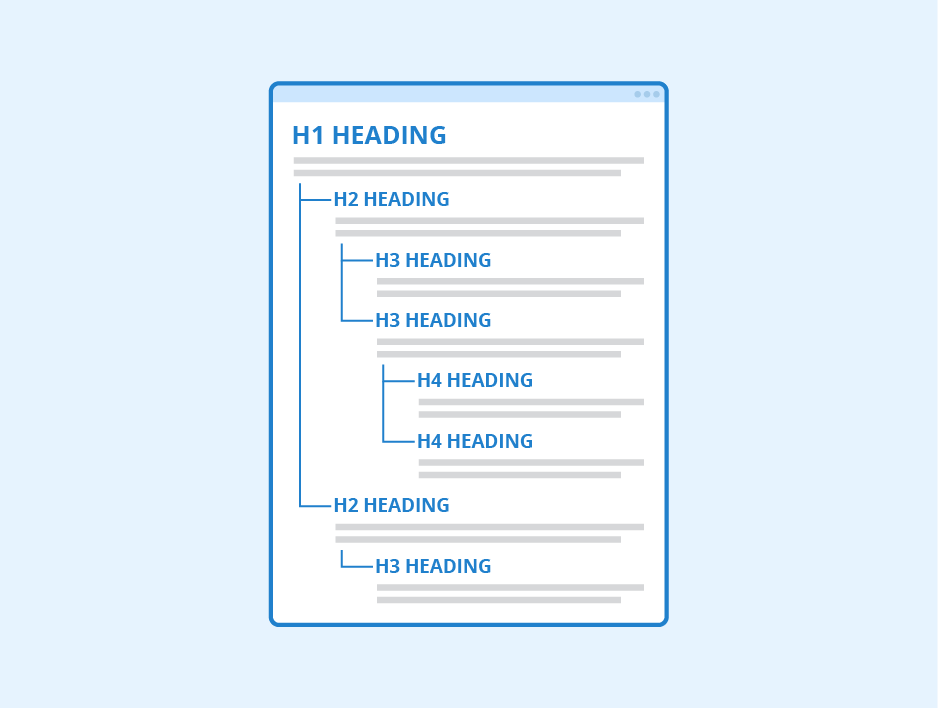
An AI SEO heading structure refers to the strategic organization of HTML heading tags (H1, H2, H3, H4) that is optimized for how artificial intelligence systems process and rank web content. Unlike traditional SEO that focused solely on keyword placement, AI-driven search engines like Google’s RankBrain and BERT analyze the contextual flow of your headings to understand the main topics, subtopics, and the depth of information provided.
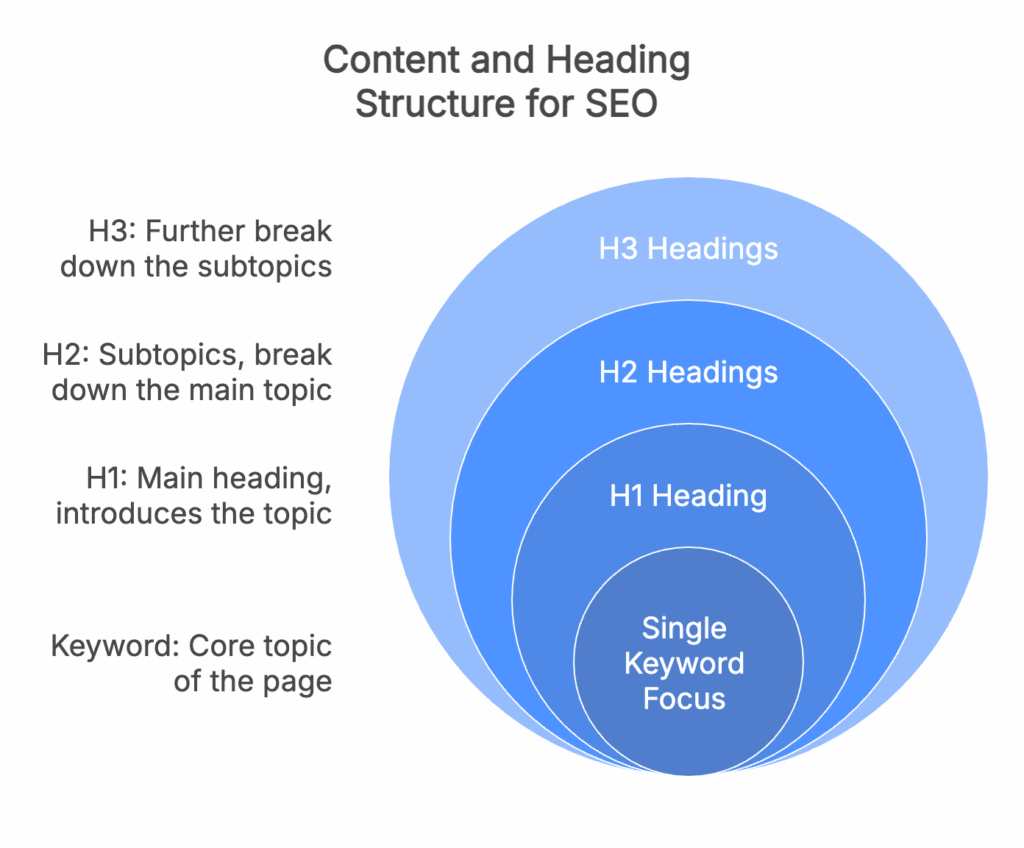
The core principle is that headings act as an outline for both the reader and the algorithm. When AI crawlers scan your page, they use the heading hierarchy to determine what the page is about, how comprehensive it is, and whether it matches the user’s search intent. A clear, logical structure helps the AI categorize your content correctly, increasing the chances of appearing in relevant search results and featured snippets.
Why Heading Structure Matters More in the Age of AI Search
Search engines have evolved from simple keyword matchers to sophisticated AI systems that understand language nuance. The introduction of neural matching and natural language processing means that the way you structure your headings directly impacts how well the AI can parse your content’s meaning. A flat, disorganized heading structure confuses the algorithm, leading to lower relevance scores.
Additionally, AI-powered search features like Google’s AI Overviews and Bing Chat rely heavily on well-structured content to generate direct answers. When your headings clearly delineate questions and answers, the AI can more easily extract and cite your information. This makes a proper heading structure a critical factor for earning visibility in zero-click searches and AI-generated summaries.
Core Components of an AI-Optimized Heading Hierarchy

Building a heading structure that AI understands requires attention to several key components. Each element serves a distinct purpose in communicating the page’s architecture to search crawlers.
The H1 Tag: Your Primary Topic Signal
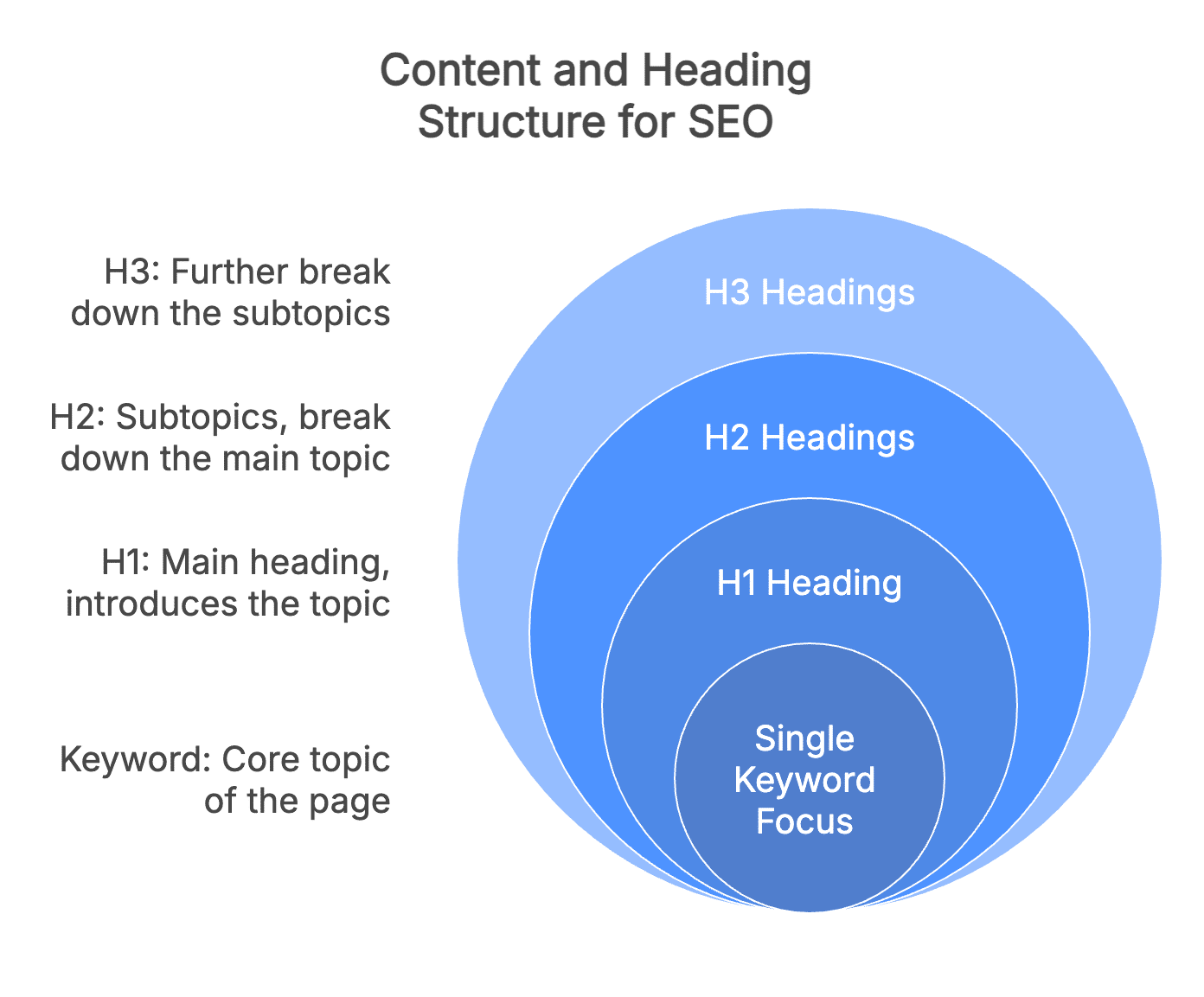
The H1 tag is the most important heading on your page. It tells the AI exactly what the entire page is about. In an AI SEO heading structure, the H1 should contain your primary keyword naturally and accurately reflect the content that follows. You should only have one H1 tag per page to maintain a clear focus. The H1 should be descriptive, compelling, and aligned with the search query you are targeting.
H2 Tags: Defining Main Sections
H2 tags break down the main topic into logical subtopics. These headings act as the primary chapters of your content. For AI to understand the breadth of your coverage, each H2 should address a distinct aspect of the main topic. When creating an AI SEO heading structure, ensure that your H2 tags are keyword-rich but also descriptive of the content within that section. This helps the algorithm map out the page’s coverage of the topic.
H3 and H4 Tags: Adding Depth and Detail
H3 and H4 tags provide further granularity under your H2 sections. They are used to explain specific points, list examples, or break down complex ideas into digestible chunks. This level of detail signals to AI that your content is comprehensive and authoritative. A deep heading structure allows the algorithm to identify the relationships between different concepts, improving your chances of ranking for long-tail keywords and related queries.
How AI Algorithms Interpret Your Headings
Understanding how AI processes headings is crucial for optimization. Modern search algorithms use a process called semantic analysis to evaluate the meaning of your content. They look at the sequence of your headings to build a conceptual map of your page. If your headings jump from one unrelated topic to another, the A
AI also uses your heading structure to assess content quality. A page with a well-organized hierarchy is often considered more trustworthy and user-friendly. The algorithm assumes that if you have taken the time to structure your content logically, you are likely providing a better user experience than a page with random, unstructured text. This directly influences your E-E-A-T (Experience, Expertise, Authoritativeness, Trustworthiness) score.
Best Practices for Creating an AI SEO Heading Structure
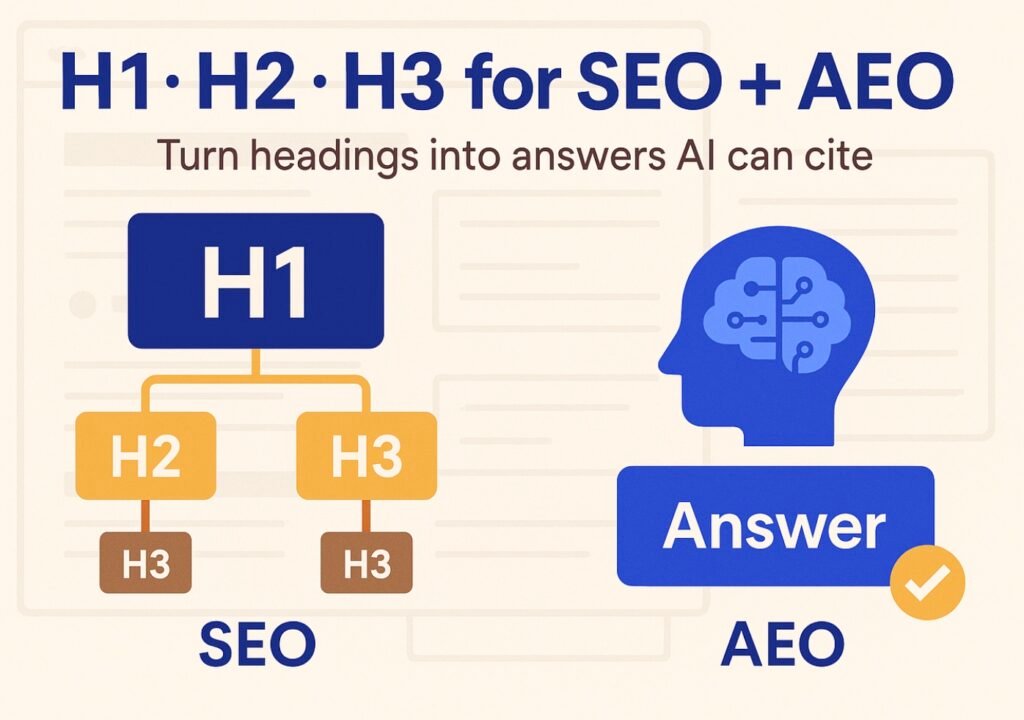
To fully leverage the power of AI in search, you need to follow specific best practices when crafting your headings. These guidelines ensure that your structure is both machine-readable and user-friendly.
Maintain a Logical Hierarchy
Never skip heading levels. Going from an H2 directly to an H4 confuses the AI and breaks the logical flow. Always follow a sequential order: H1, then H2, then H3, and so on. This creates a clear parent-child relationship that the algorithm can easily follow. A logical hierarchy also improves readability for users who scan your page.
Use Descriptive and Specific Headings
Vague headings like “More Info” or “Details” provide no value to AI. Instead, use descriptive headings that summarize the section’s content. For example, instead of “Benefits,” use “Key Benefits of a Proper Heading Structure for AI Search.” This specificity helps the algorithm match your content to a wider range of search queries.
Incorporate Keywords Naturally
While you should include your target keyword in your headings, avoid stuffing. The AI is sophisticated enough to detect unnatural keyword usage. Place your primary keyword in the H1 and sprinkle related LSI keywords throughout your H2 and H3 tags. The goal is to create a semantically rich structure that covers the topic comprehensively without sounding robotic.
Keep Headings Concise
Headings should be clear and to the point. While they need to be descriptive, they should not be overly long. Aim for headings that are under 70 characters to ensure they display fully in search results. Concise headings are easier for AI to parse and for users to scan quickly.
Common Mistakes in AI SEO Heading Structure
Even experienced SEO professionals make mistakes when structuring their headings. Avoiding these common pitfalls will give you a significant advantage over competitors who are not optimizing for AI.
Using Multiple H1 Tags
Having more than one H1 tag on a page dilutes the primary topic signal. The AI cannot determine which topic is the main focus, leading to confusion and lower rankings. Stick to a single H1 that clearly defines the page’s purpose.
Keyword Stuffing in Headings
Repeating the exact same keyword in every heading is a major red flag for AI algorithms. It looks spammy and provides no additional value. Instead, use variations and synonyms to create a natural flow. The AI understands that “AI SEO heading structure” and “optimizing headings for search engines” are related concepts.
Ignoring the Visual Hierarchy
Your HTML heading structure should match the visual appearance of your page. If you style an H3 tag to look like an H2, it confuses both users and AI. Ensure that your CSS styling aligns with the semantic HTML tags you are using. The visual hierarchy should reinforce the logical structure.
Practical Guide: Building Your Heading Structure Step-by-Step
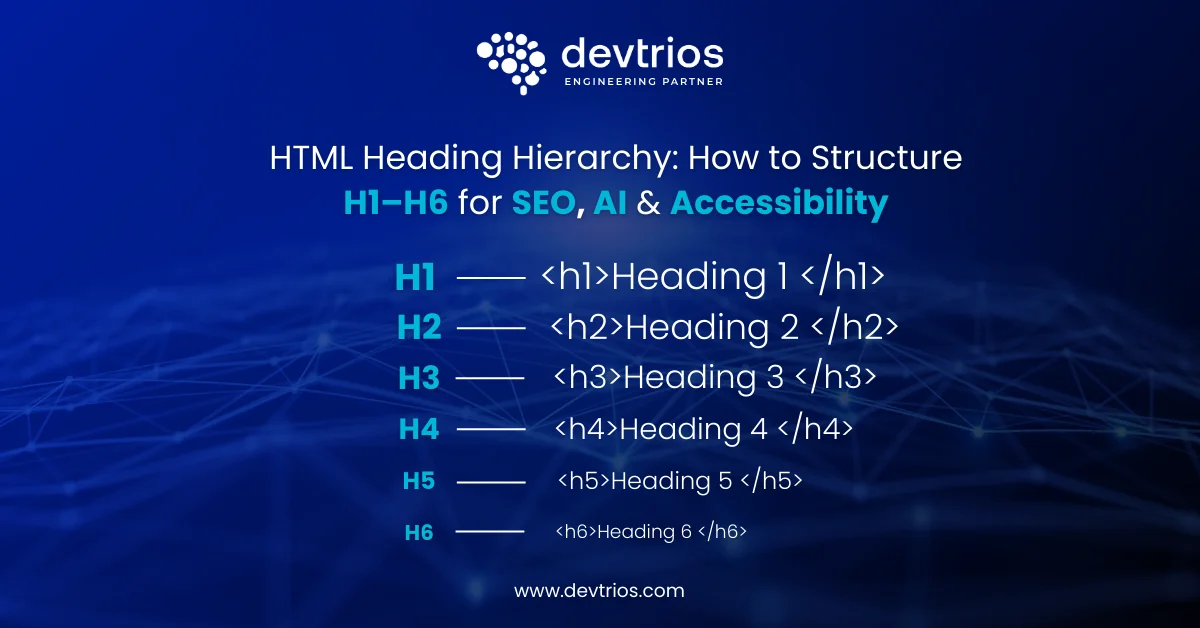
Creating an AI-optimized heading structure is a systematic process. Follow these steps to ensure your content is fully optimized for AI search algorithms.
- Conduct Thorough Keyword Research: Identify your primary keyword and a list of related secondary keywords and questions that users are asking.
- Outline Your Content: Before writing, create a detailed outline of the main points you want to cover. This will form the basis of your H2 and H3 tags.
- Write Your H1 Tag: Craft a compelling H1 that includes your primary keyword and accurately reflects the content of the page.
- Structure Your H2 Sections: Break your outline into logical sections, each with a descriptive H2 that covers a specific subtopic.
- Add H3 Subheadings: Under each H2, add H3 tags to break down the information further. Use these for specific examples, steps, or detailed explanations.
- Review and Refine: Once your content is written, review your heading structure to ensure it flows logically and covers all aspects of the topic.
Comparison: Traditional SEO vs. AI SEO Heading Structure
Understanding the difference between traditional SEO practices and AI-driven optimization is essential for adapting your strategy. The table below highlights the key distinctions.
| Aspect | Traditional SEO | AI SEO Heading Structure |
|---|---|---|
| Primary Focus | Exact keyword matching | Semantic relevance and context |
| Keyword Usage | Exact match keywords in headings | Natural language and LSI keywords |
| Content Structure | Short, keyword-dense paragraphs | Comprehensive, logically organized sections |
| User Intent | Focus on search volume | Focus on answering specific questions |
| Algorithm Understanding | Relies on backlinks and exact matches | Relies on contextual understanding and entity relationships |
Benefits of a Proper AI SEO Heading Structure
Investing time in optimizing your heading structure yields numerous benefits that go beyond simple rankings. These advantages contribute to the overall success of your content strategy.
- Improved Search Rankings: A clear structure helps AI understand your content, leading to higher relevance scores and better positions in search results.
- Enhanced User Experience: Users can easily scan your content and find the information they need, reducing bounce rates and increasing time on page.
- Increased Click-Through Rates: Well-structured headings often appear in search results, making your listing more attractive and informative.
- Better Featured Snippet Opportunities: AI can easily extract well-structured content to feature in position zero, driving significant organic traffic.
- Content Scalability: A clear structure makes it easier to expand your content logically, allowing you to cover more topics and target more keywords.
Limitations and Challenges of AI Heading Optimization
While the benefits are substantial, there are also challenges to consider when optimizing for AI. Being aware of these limitations helps you set realistic expectations and avoid common frustrations.
- Algorithm Updates: AI algorithms are constantly evolving. A structure that works today may need adjustments tomorrow as search engines refine their understanding.
- Balancing User and AI Needs: Sometimes what is optimal for AI might not be the most engaging for human readers. Finding the balance requires careful consideration.
- Time-Consuming Process: Creating a detailed, well-researched heading structure takes time and effort, especially for complex topics.
- No Guaranteed Results: Even with a perfect heading structure, other factors like backlinks and site authority still play a significant role in rankings.
Important Notes for Advanced AI SEO Heading Optimization
To take your heading structure to the next level, consider these advanced tips that align with the latest AI search capabilities.
First, use question-based headings. Many AI search features are designed to answer questions directly. Structuring your H2 and H3 tags as questions makes it easier for the AI to match your content with user queries. For example, “How Does AI Interpret Heading Tags?” is more likely to be featured than “AI Interpretation of Headings.”
Second, ensure your headings are consistent with your content. The A This is a key aspect of trustworthiness. Every heading should accurately summarize the section that follows.
Third, consider the entity relationship. AI uses entities (people, places, concepts) to understand content. Your headings should naturally incorporate relevant entities to help the AI build a complete picture of your topic. This improves your topical authority.
Frequently Asked Questions (FAQ)
What is the ideal length for an H1 tag in an AI SEO heading structure?
The ideal H1 tag should be between 20 and 70 characters. This length is long enough to be descriptive and include your primary keyword, but short enough to display fully in search engine results pages. It should clearly state the main topic of the page without being overly verbose.
Can I use the same keyword in multiple headings?
Yes, you can use the same keyword in multiple headings, but you should avoid using it in every single one. Repetition without variation looks unnatural to AI. Use synonyms and related phrases in your H2 and H3 tags to create a semantically rich structure that covers the topic comprehensively.
How many H2 tags should I use in an article?
T A good rule of thumb is to use an H2 for every major subtopic. For a 2000-word article, you might use 5 to 7 H2 tags. The key is to ensure each H2 introduces a distinct and valuable section.
Does the heading structure affect mobile SEO?
Yes, it does. Mobile users often rely on headings to navigate long-form content. A clear heading structure improves the mobile user experience by allowing users to quickly jump to the sections they are interested in. This positive user behavior signals to AI that your content is valuable, which can boost your mobile rankings.
What is the difference between a heading and a title tag?
The title tag is an HTML element that appears in the browser tab and search engine results. The H1 heading is the main visible heading on the page itself. While they should both contain your primary keyword, they do not have to be identical. The title tag is optimized for click-through rate, while the H1 is optimized for content clarity and topic definition.
Conclusion
Optimizing your AI SEO heading structure is a fundamental practice for succeeding in modern search. As search engines become more sophisticated, the clarity and logic of your content’s outline become critical signals of quality and relevance. By implementing a hierarchical structure that uses descriptive, keyword-rich headings, you provide AI with the roadmap it needs to understand, rank, and feature your content.
The shift from traditional keyword stuffing to semantic, user-focused structuring is not just a trend; it is the new standard. By following the best practices outlined in this guide, avoiding common mistakes, and continuously refining your approach based on AI’s evolving capabilities, you position your content for sustained visibility and growth. A well-structured page is a clear signal to both AI and users that your content is authoritative, trustworthy, and deserving of the top spot.
Xem thêm:
- AI SEO Sales Funnel: The Complete Guide to Automating Leads and Revenue in 2025
- AI SEO for Ecommerce: The Complete Guide to Outranking Competitors in 2025
- AI Editorial Calendar: Revolutionize Your Content Planning with Smart Automation
- AI SEO GPT Tools: The Complete Guide to Automating Your Search Rankings in 2025
- AI SEO Content Gaps: The Complete Guide to Finding and Filling What Your Competitors Miss
Bài viết cùng chủ đề:

AI SEO SEO Automation with Make: The Complete Workflow Guide

AI SEO SEO Automation with Zapier: The Complete Workflow Guide

AI SEO SEO Automation with n8n: The Complete Workflow Guide
AI SEO SEO Automation with Gemini: The Complete Guide to Scaling Organic Growth

AI SEO SEO Automation with Claude: The Complete Guide to Scaling Content in 2025

AI SEO SEO Automation with ChatGPT: The Complete Playbook for 2025

AI SEO & SEO Automation for Affiliate Sites: The 2025 Playbook for Passive Income Growth
AI SEO & SEO Automation for Bloggers: The Complete Guide to Scaling Your Content

AI SEO & SEO Automation for Agencies: The Complete 2025 Playbook

AI SEO and SEO Automation for Ecommerce: The Complete Playbook for 2025

AI SEO & SEO Automation for WordPress: The Complete Playbook for 2025
AI SEO SEO Automation Strategy: The Complete Playbook for 2025

Mastering the AI SEO SEO Automation Process: A Complete Guide to Scaling Organic Growth
AI SEO SEO Automation System: The Complete Guide to Scaling Organic Growth in 2025
AI SEO SEO Automation Platform: The Complete Guide to Scaling Organic Growth in 2025
AI SEO SEO Automation Software: The Complete Guide to Scaling Organic Growth in 2025















