
No products in the cart.
AI SEO Image Alt Text: The Complete Guide to Automated Accessibility and Rankings
10
Aug
Aug
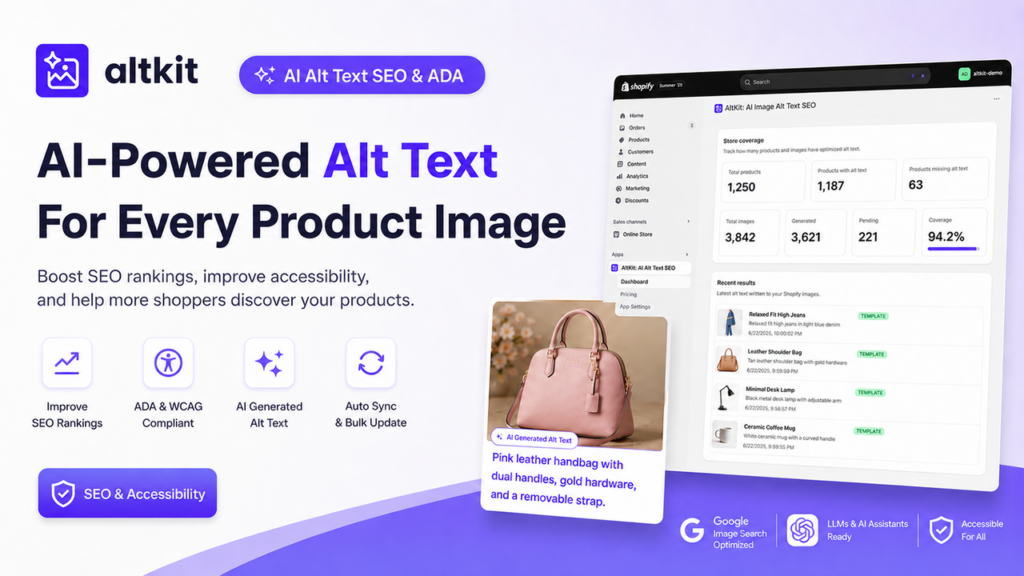
In the modern search landscape, visual content plays a pivotal role in user engagement and organic visibility. Yet, many websites still neglect one of the most critical on-page elements: the image alt attribute. The emergence of AI SEO image alt text generation has transformed how digital marketers approach this task, offering unprecedented accuracy and efficiency. This comprehensive guide explores how artificial intelligence is reshaping the way we describe images for both search engines and users with visual impairments, ensuring that every visual asset contributes fully to your SEO strategy.
Understanding the Role of Image Alt Text in Modern SEO
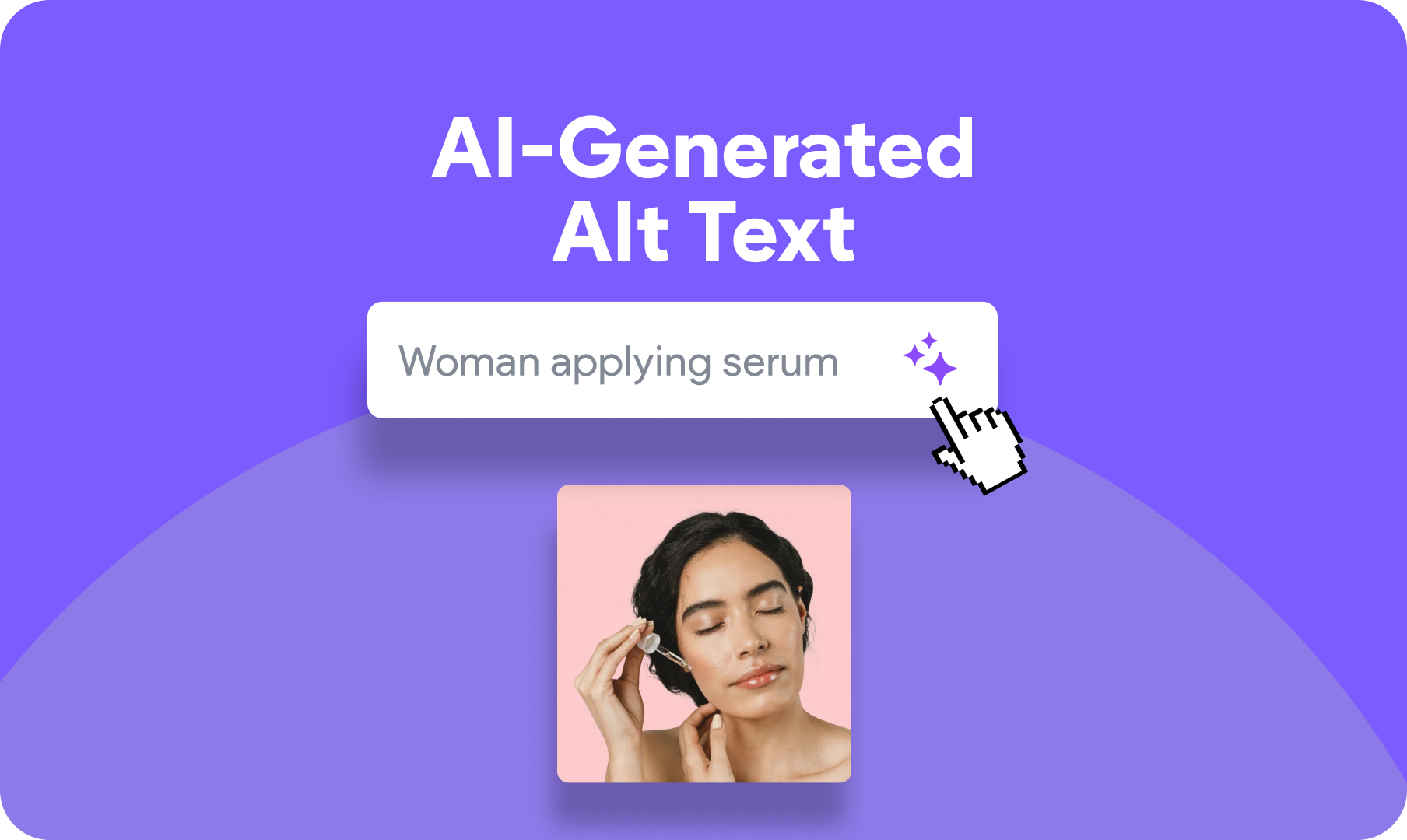
Image alt text, also known as alt attributes or alt tags, serves a dual purpose in web development. Primarily, it provides a textual alternative for users who cannot see the image, whether due to a visual impairment, a slow internet connection, or a technical issue with the browser. Secondarily, it gives search engine crawlers contextual information about the image content, which directly influences image search rankings and overall page relevance.
Search engines cannot “see” images in the way humans do. They rely on textual cues to understand what an image depicts. Without proper alt text, an image is essentially invisible to search algorithms, representing a missed opportunity for ranking in both standard web results and dedicated image search results. The integration of AI into this process ensures that no image goes undescribed, regardless of the scale of your website.
How AI SEO Image Alt Text Generation Works
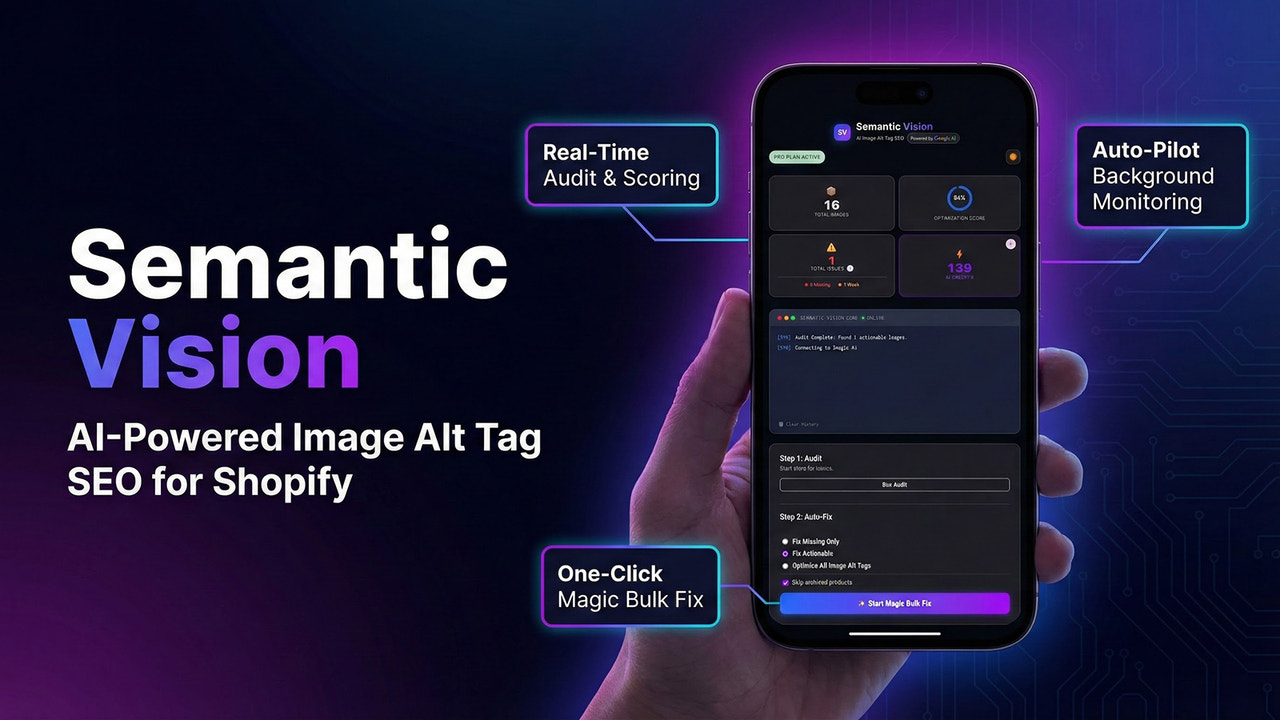
Artificial intelligence systems designed for alt text generation utilize advanced computer vision technology and natural language processing. These systems analyze the visual content of an image, identifying objects, scenes, actions, and even text within the image. The AI then constructs a grammatically correct and contextually relevant description that mirrors what a human would write.
The underlying technology relies on deep learning models trained on massive datasets containing millions of images and their corresponding human-written descriptions. Through this training, the AI learns to recognize patterns, distinguish between similar objects, and understand the context in which certain elements appear. Modern systems can identify not just the main subject but also the setting, the action taking place, and the relationships between different elements in the frame.
Key Technologies Behind Automated Alt Text
Several distinct technologies converge to make AI-generated alt text possible. Object detection algorithms identify individual items within an image, while scene classification determines the overall context or environment. Optical character recognition (OCR) extracts any visible text from the image, which is particularly useful for screenshots or images containing signage. Finally, natural language generation takes all this structured data and converts it into fluid, human-readable sentences.
These technologies work in concert to produce descriptions that are not only accurate but also useful for SEO purposes. The best AI systems can differentiate between a “golden retriever playing in the park” and a “brown dog sitting on a couch,” providing the specificity that search engines favor.
Benefits of Using AI for Image Alt Text

The adoption of AI-driven alt text generation brings numerous advantages to website owners, content creators, and SEO professionals. These benefits extend beyond simple time savings and touch on accuracy, consistency, and scalability.
Unmatched Scalability for Large Websites
For e-commerce platforms with thousands of product images or news sites publishing dozens of articles daily, writing alt text manually is simply not feasible. AI systems can process hundreds of images per minute, ensuring that every single image receives a descriptive alt attribute. This scalability means that even the largest websites can maintain complete alt text coverage without dedicating excessive human resources to the task.
Consistent Quality and Formatting
Human writers may vary in their approach to alt text, with some providing overly verbose descriptions and others offering minimal labels. AI systems apply consistent standards across all images, ensuring that every alt attribute follows the same structural guidelines. This consistency helps search engines better understand the relationship between images and page content.
Improved Accessibility Compliance
Web Content Accessibility Guidelines (WCAG) require that all meaningful images have text alternatives. AI-generated alt text helps websites achieve and maintain compliance with these standards, reducing the risk of legal issues and improving the user experience for individuals relying on screen readers. Automated systems can flag images that lack alt text and generate appropriate descriptions instantly.
Enhanced Image Search Visibility
Google Image Search represents a significant source of organic traffic for many websites. By providing detailed, accurate alt text for every image, AI systems help websites appear in more image search queries. This increased visibility can drive substantial referral traffic, particularly for product-based or informational content.
Limitations and Challenges of AI-Generated Alt Text
While the benefits are substantial, it is important to acknowledge the limitations of current AI technology in this domain. Understanding these constraints helps in developing an effective workflow that combines automation with human oversight.
Contextual Understanding Gaps
AI systems excel at identifying what is in an image but may struggle with understanding why the image is relevant to the surrounding content. A picture of a laptop could be described accurately, but the AI might not recognize that the article is specifically about gaming laptops versus business ultrabooks. This contextual nuance often requires human intervention.
Brand-Specific Terminology
Companies often use proprietary names or specific product terminology that AI models have not encountered in their training data. A fashion retailer might refer to a “slim-fit chino” while the AI describes the same item as “beige pants.” This discrepancy can lead to missed keyword opportunities and inconsistent branding across the website.
Emotional and Abstract Content
Images that convey emotions, abstract concepts, or artistic interpretations present significant challenges for AI systems. A photograph of a person looking out a window could be described factually, but the AI may miss the melancholic mood that a human writer would capture. For lifestyle blogs and creative industries, this limitation is particularly relevant.
AI SEO Image Alt Text vs. Manual Writing: A Comparison
To make an informed decision about your alt text strategy, it is helpful to compare the two primary approaches side by side. The following table outlines the key differences between AI-generated and manually written alt text.
| Aspect | AI-Generated Alt Text | Manual Alt Text |
|---|---|---|
| Speed | Very fast, processes images in seconds | Slow, requires significant time investment |
| Scalability | Handles thousands of images effortlessly | Limited by human capacity and resources |
| Contextual Accuracy | Good for factual descriptions, may miss nuance | Excellent understanding of page context |
| Keyword Optimization | Can target keywords but may sound robotic | Natural keyword integration with experience |
| Brand Consistency | May not use proprietary terminology | Aligns perfectly with brand voice |
| Cost | Low per-image cost after initial setup | High labor costs for large volumes |
| Error Rate | Occasional misidentification of objects | Human errors but generally accurate |
Neither approach is inherently superior. The optimal strategy often involves a hybrid model where AI handles the bulk of the work and human editors review and refine the most critical images, such as product photos or featured images.
Practical Guide: Implementing AI SEO Image Alt Text
Implementing AI-generated alt text on your website requires a structured approach. The following steps outline a practical workflow for integrating this technology into your content production process.
Step 1: Choose the Right AI Tool
Several AI-powered tools offer alt text generation capabilities. Some popular options include cloud-based vision APIs from major providers, dedicated SEO plugins with built-in AI features, and standalone image analysis software. When selecting a tool, consider factors such as accuracy, integration with your content management system, cost, and the ability to customize output based on your specific niche.
Step 2: Configure Your Settings
Most AI tools allow you to customize the length and style of generated alt text. For SEO purposes, aim for descriptions between 5 and 15 words that include relevant keywords naturally. Configure the tool to prioritize the main subject of the image while including contextual details that align with your content strategy.
Step 3: Integrate with Your Workflow
For maximum efficiency, integrate the AI tool directly into your content management system. Many popular platforms like WordPress offer plugins that automatically generate alt text when images are uploaded. This seamless integration ensures that no image is ever published without an appropriate alt attribute.
Step 4: Establish a Review Process
While AI handles the initial generation, establish a review process for critical images. Product pages, blog post featured images, and images that are central to your conversion funnel deserve human attention. Create a checklist for editors to verify that the AI-generated text accurately reflects the image and includes the target keywords.
Step 5: Monitor and Refine
Regularly audit your website’s images to assess the quality of AI-generated alt text. Use tools like Google Search Console to identify images that are not performing well in search. Analyze whether the alt text could be improved and adjust your AI tool’s settings or provide feedback to improve future generations.
Common Mistakes to Avoid with AI-Generated Alt Text
Even with advanced AI technology, certain pitfalls can undermine your SEO efforts. Being aware of these common mistakes helps you avoid them in your own implementation.
Keyword Stuffing in Alt Attributes
Some marketers attempt to force target keywords into every alt text, resulting in unnatural descriptions that provide poor user experience. Search engines penalize this practice. The AI should generate descriptive text that happens to include keywords naturally, not keyword-stuffed phrases that sacrifice readability.
Ignoring Contextual Relevance
An image of a coffee cup on a blog post about productivity tools should have alt text that connects the image to the article’s theme. Relying solely on AI without providing context to the system can result in generic descriptions that miss the opportunity to reinforce page relevance.
Neglecting Decorative Images
Not all images require alt text. Purely decorative images that add no informational value should have empty alt attributes (alt=””) so that screen readers skip them. AI tools should be configured to identify and handle decorative images appropriately, preventing unnecessary clutter for assistive technology users.
Failing to Update Existing Images
Many websites have thousands of legacy images that predate the implementation of AI tools. A comprehensive strategy includes running the AI system on existing image libraries to retroactively add alt text. This process can significantly boost the SEO value of older content that may have been underperforming.
Best Practices for AI SEO Image Alt Text
To maximize the effectiveness of your AI-generated alt text, adhere to these established best practices that align with both search engine guidelines and accessibility standards.
- Describe the image specifically and accurately, focusing on the main subject first
- Keep alt text concise, typically under 125 characters to avoid truncation in search results
- Include relevant keywords naturally, but never at the expense of descriptive accuracy
- Use proper punctuation and sentence structure for screen reader clarity
- Incorporate context from the surrounding page content when generating descriptions
- For product images, include brand names, model numbers, and key attributes
- For informational images, describe the data or concept being presented
- Use the same language as your page content for consistency
Following these practices ensures that your alt text serves both audiences: the search engine crawlers that index your pages and the users who rely on assistive technology to access your content.
Important Notes on AI and SEO Integration
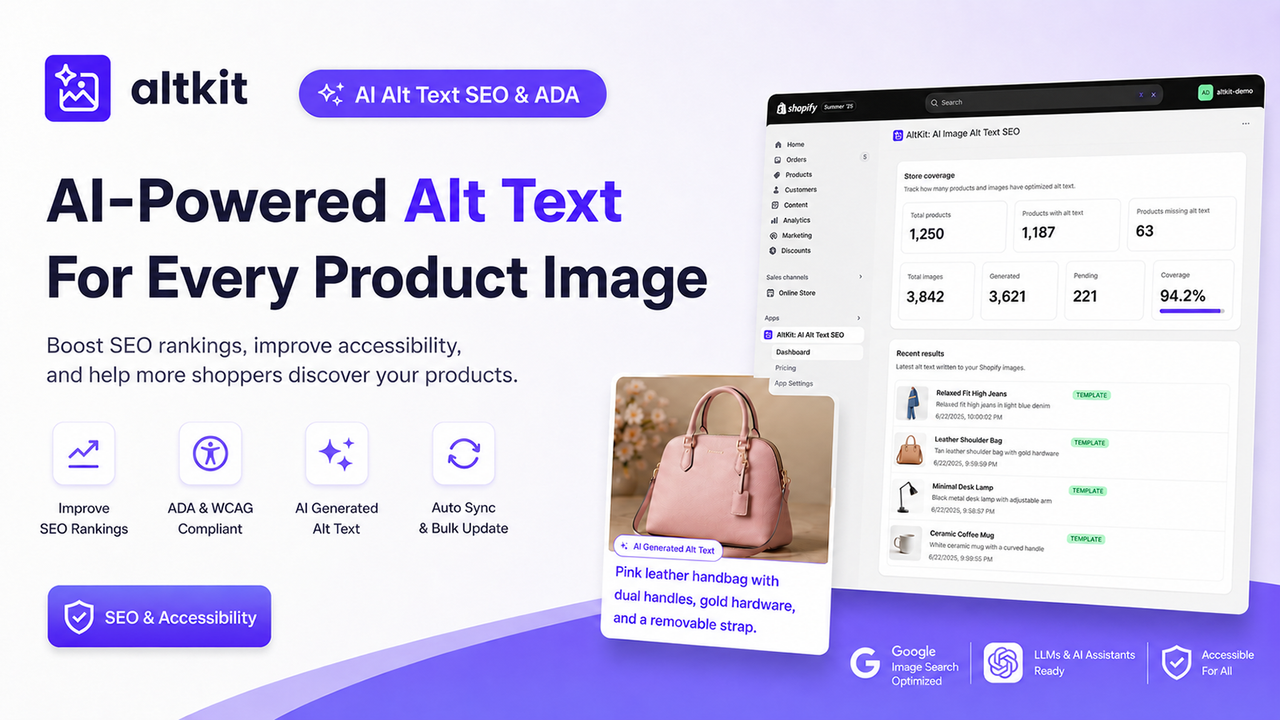
The relationship between AI-generated content and search engine rankings continues to evolve. While search engines do not explicitly penalize AI-generated alt text, they do evaluate the overall quality and relevance of your content. High-quality alt text, regardless of its origin, contributes positively to your SEO performance.
It is also worth noting that AI technology is rapidly improving. Systems that struggled with contextual understanding just a few years ago now produce remarkably accurate descriptions. Staying current with the latest developments in computer vision and natural language processing ensures that you benefit from these improvements as they become available.
Privacy and data security considerations apply when using cloud-based AI services. If your images contain sensitive information or are subject to strict data protection regulations, verify that your chosen AI provider complies with relevant standards and offers appropriate data handling guarantees.
Frequently Asked Questions
What is AI SEO image alt text?
AI SEO image alt text refers to descriptive text generated by artificial intelligence systems for image alt attributes. These systems analyze image content using computer vision and produce textual descriptions optimized for both search engine understanding and accessibility purposes.
Is AI-generated alt text as good as human-written alt text?
AI-generated alt text is highly accurate for factual descriptions and performs well for most standard images. However, human writers still excel at capturing contextual nuance, emotional elements, and brand-specific terminology. The best results often come from combining AI efficiency with human review for critical images.
Does Google penalize AI-generated alt text?
Google does not specifically penalize AI-generated alt text. The search engine evaluates the quality and relevance of the text itself, not its origin. As long as the alt text accurately describes the image and provides value to users, it will be treated equally to manually written text.
How long should AI-generated alt text be?
Optimal alt text length is typically between 5 and 15 words, or approximately 125 characters. This length provides enough detail for search engines to understand the image while remaining concise enough for screen readers to process efficiently.
Can AI alt text help with image SEO rankings?
Yes, AI-generated alt text can significantly improve image SEO rankings. By ensuring every image has descriptive, keyword-relevant alt text, websites increase their chances of appearing in image search results and enhance the overall relevance signals for their pages.
What are the best AI tools for generating image alt text?
Several effective tools exist, including cloud-based vision APIs from major technology providers, SEO plugins with integrated AI features, and specialized image analysis platforms. The best choice depends on your specific needs, budget, and technical infrastructure.
Conclusion
The integration of AI into image alt text generation represents a significant advancement in SEO practice. By automating the process of describing images, AI technology enables websites of all sizes to achieve comprehensive alt text coverage, improving both search visibility and accessibility compliance. While AI-generated descriptions may not always match the nuance of human writing, the efficiency and consistency they provide make them an invaluable tool in the modern SEO toolkit.
The most effective approach combines the scalability of AI with strategic human oversight. By implementing a workflow that leverages AI for the bulk of image processing while reserving human review for critical visuals, you can achieve the best of both worlds. As AI technology continues to evolve, the quality and contextual understanding of automated alt text will only improve, making this an increasingly essential component of any comprehensive SEO strategy.
Start implementing AI SEO image alt text on your website today to unlock the full potential of your visual content. The benefits extend beyond rankings, creating a more accessible and user-friendly experience for all visitors to your site.
Xem thêm:
- AI SEO Automated Keyword Clustering: The Complete Guide to Smarter Content Architecture
- AI SEO Blueprint: The Complete Guide to Ranking in the Age of Machine Learning
- AI SEO Ranking Signals: The Complete Guide to Google’s Machine Learning Algorithms
- AI SEO Sales Funnel: The Complete Guide to Automating Leads and Revenue in 2025
- AI SEO Course: The Definitive Guide to Automating and Dominating Search Rankings
Bài viết cùng chủ đề:

AI SEO SEO Automation with Make: The Complete Workflow Guide

AI SEO SEO Automation with Zapier: The Complete Workflow Guide

AI SEO SEO Automation with n8n: The Complete Workflow Guide
AI SEO SEO Automation with Gemini: The Complete Guide to Scaling Organic Growth

AI SEO SEO Automation with Claude: The Complete Guide to Scaling Content in 2025

AI SEO SEO Automation with ChatGPT: The Complete Playbook for 2025

AI SEO & SEO Automation for Affiliate Sites: The 2025 Playbook for Passive Income Growth
AI SEO & SEO Automation for Bloggers: The Complete Guide to Scaling Your Content

AI SEO & SEO Automation for Agencies: The Complete 2025 Playbook

AI SEO and SEO Automation for Ecommerce: The Complete Playbook for 2025

AI SEO & SEO Automation for WordPress: The Complete Playbook for 2025
AI SEO SEO Automation Strategy: The Complete Playbook for 2025

Mastering the AI SEO SEO Automation Process: A Complete Guide to Scaling Organic Growth
AI SEO SEO Automation System: The Complete Guide to Scaling Organic Growth in 2025
AI SEO SEO Automation Platform: The Complete Guide to Scaling Organic Growth in 2025
AI SEO SEO Automation Software: The Complete Guide to Scaling Organic Growth in 2025















