
No products in the cart.
AI SEO Image Captions: The Complete Guide to Boosting Search Visibility in 2025
10
Aug
Aug
AI SEO image captions have transformed how websites optimize visual content for search engines. As Google’s algorithms become increasingly sophisticated at understanding images, the text accompanying those images carries more weight than ever before. This comprehensive guide explores how artificial intelligence is reshaping image caption optimization, why it matters for your search rankings, and exactly how to implement these strategies for measurable results.
Understanding AI SEO Image Captions
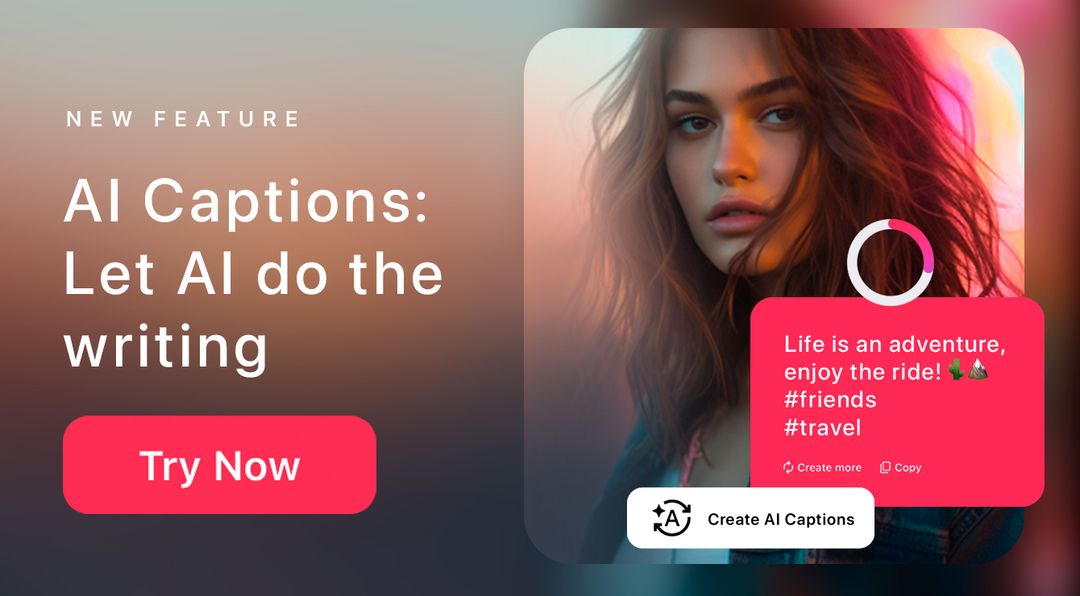
AI SEO image captions refer to descriptive text generated or optimized using artificial intelligence tools, designed to improve an image’s visibility in search engine results. These captions go beyond simple alt text, encompassing the visible caption text, surrounding context, and metadata that search engines use to interpret visual content.
The evolution from manual keyword stuffing to AI-powered natural language processing has changed the game entirely. Modern AI systems analyze image content, understand context, and generate captions that satisfy both search engine algorithms and human readers. This dual optimization is the core of effective image SEO in today’s digital landscape.
The Role of AI in Caption Generation
Artificial intelligence brings several capabilities to image captioning that were previously impossible. Computer vision technology can identify objects, scenes, actions, and even emotions within images. Natural language processing then transforms these visual insights into coherent, contextually relevant captions that align with search intent.
Tools like GPT-4 Vision, Google Cloud Vision, and specialized SEO platforms now offer automated caption generation that considers keyword relevance, semantic relationships, and user engagement patterns. These systems learn from billions of data points to predict which caption styles and structures perform best for specific niches and search queries.
Why AI SEO Image Captions Matter for Rankings
Search engines cannot see images the way humans do. They rely on textual signals to understand and index visual content. AI SEO image captions provide these critical signals, helping search engines categorize images accurately and match them with relevant queries.
Google’s image search accounts for a significant portion of total search traffic. Optimized captions increase the likelihood of appearing in image results, Google Lens results, and even traditional web search results. The correlation between well-captioned images and higher rankings is well-documented across numerous SEO studies.
Impact on Core Web Vitals and User Experience
Beyond direct ranking factors, AI SEO image captions contribute to better user experience metrics. Clear, informative captions keep visitors engaged, reduce bounce rates, and increase time on page. These behavioral signals indirectly influence search rankings, creating a compounding benefit for websites that invest in quality caption optimization.
Accessibility requirements also align with SEO best practices. Screen readers rely on image captions and alt text to convey visual information to visually impaired users. AI-generated captions that are both descriptive and keyword-rich serve dual purposes, improving accessibility compliance while boosting search performance.
Key Components of Effective AI SEO Image Captions
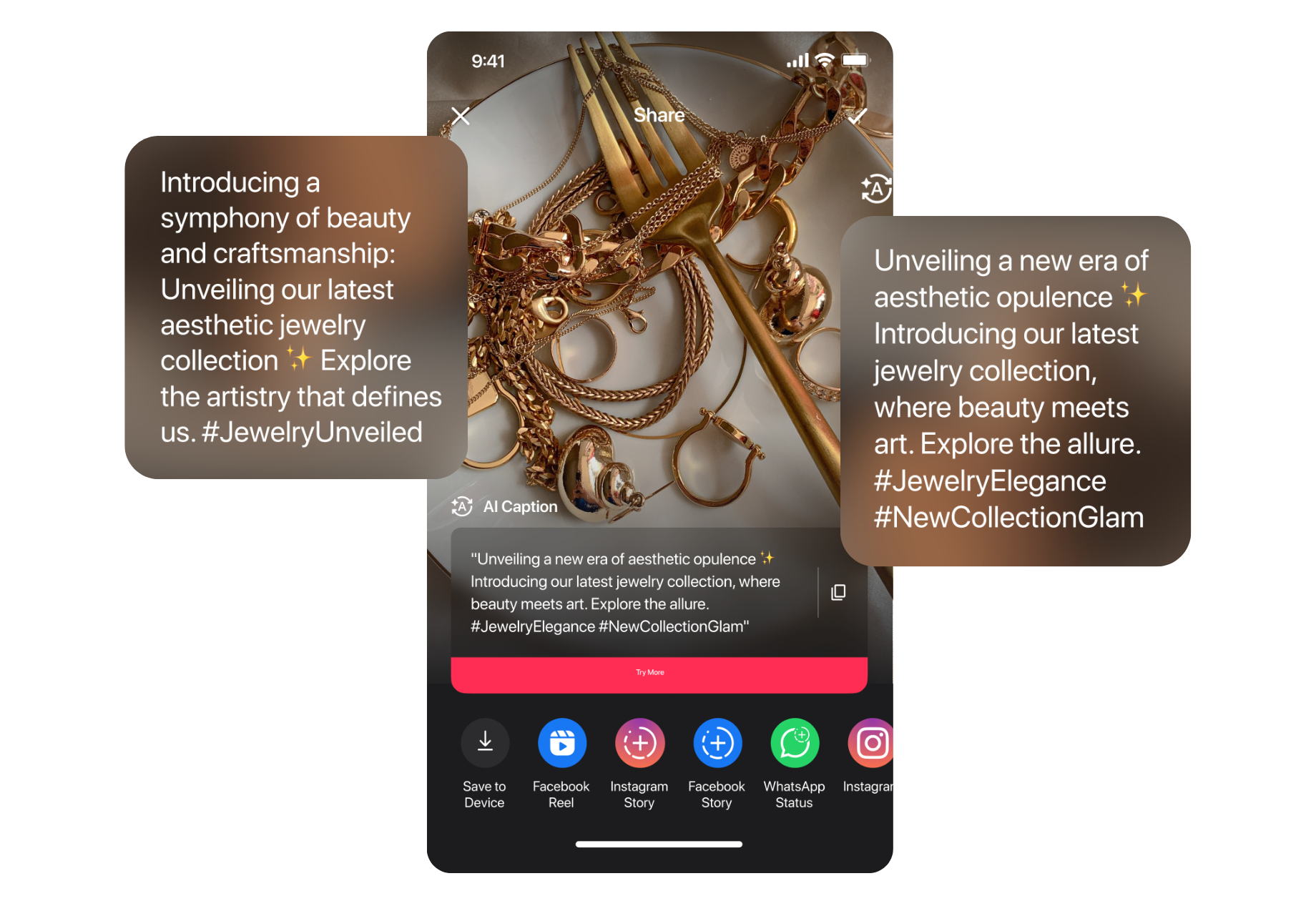
Creating captions that perform well requires attention to multiple elements. Each component serves a specific function in helping search engines understand and rank your images.
Alt Text Optimization
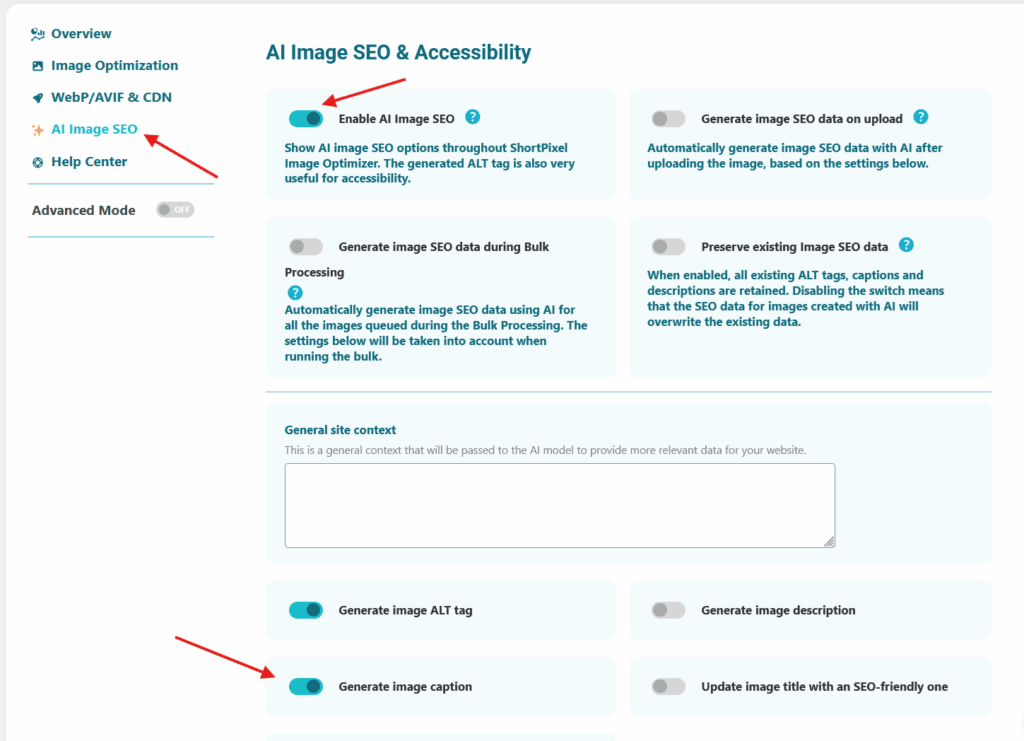
Alt text remains the foundational element of image SEO. AI tools now generate alt text that describes the image content accurately while incorporating relevant keywords naturally. The best practice involves writing descriptive alt text of 125 characters or less, focusing on what the image actually shows rather than keyword stuffing.
For example, instead of “red shoes,” an AI-optimized alt text might read “women’s red running shoes with white sole on wooden floor.” This provides context, includes relevant keywords, and helps search engines understand the image’s subject matter precisely.
Visible Caption Text
The caption visible to users beneath or beside an image carries significant SEO weight. AI-generated captions balance readability with keyword optimization, creating text that informs readers while signaling relevance to search engines. Captions should complement the surrounding content rather than repeat it verbatim.
Research indicates that images with descriptive captions receive more engagement and shares. This social proof signals content quality to search engines, further boosting ranking potential. AI tools can analyze engagement patterns to refine caption strategies over time.
Image File Names and Surrounding Context
AI SEO image captions extend to file naming conventions and the text surrounding images. Descriptive file names that include target keywords provide additional relevance signals. The paragraph before and after an image should also relate to the image content, creating a cohesive semantic context that search engines can parse effectively.
AI Tools for Generating SEO Image Captions
The market offers numerous AI-powered solutions for image caption optimization. Understanding the strengths and limitations of each helps you choose the right approach for your specific needs.
| Tool | Key Features | Best For | Pricing Model |
|---|---|---|---|
| Google Cloud Vision API | Object detection, label extraction, web detection | Enterprise-level automation | Pay-per-use |
| Claude Vision | Natural language generation, context understanding | Creative, human-like captions | Subscription |
| Jasper AI | SEO-focused templates, bulk generation | Marketing teams | Monthly subscription |
| Copy.ai | Quick caption generation, multiple style options | Social media and blogs | Freemium |
| Shopify Magic | E-commerce specific, product-focused captions | Online stores | Included in plans |
How to Choose the Right AI Tool
Selecting an AI caption tool requires evaluating your content volume, budget, and specific optimization goals. High-volume e-commerce sites benefit from API-based solutions that automate caption generation at scale. Content publishers with diverse topics may prefer flexible AI writing assistants that adapt to different tones and styles.
Testing multiple tools on sample images helps identify which produces captions that match your brand voice and SEO requirements. Most platforms offer free trials, allowing you to compare outputs before committing to a subscription.
Step-by-Step Guide to Implementing AI SEO Image Captions
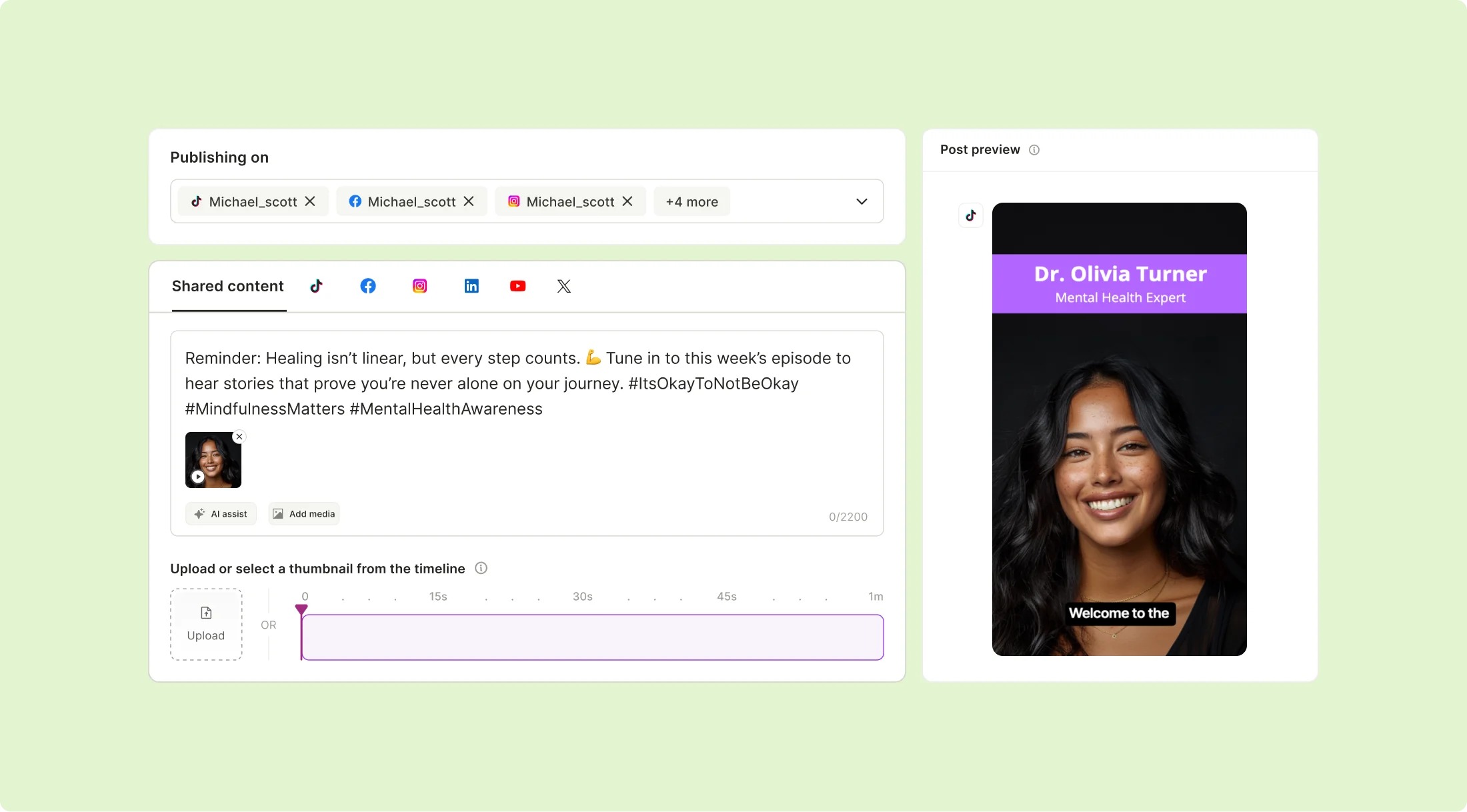
Implementing an effective AI caption strategy involves several stages, from initial setup to ongoing optimization. Following a structured approach ensures consistent results across your entire image library.
Step 1: Audit Your Existing Image Content
Begin by reviewing your current images and their existing captions, alt text, and file names. Identify gaps where images lack optimization or where captions fail to describe content accurately. This audit provides a baseline for measuring improvement and prioritizes which images need attention first.
Use tools like Screaming Frog or Sitebulb to crawl your website and extract all image metadata. This data reveals patterns in your current optimization efforts and highlights opportunities for AI-driven improvements.
Step 2: Define Your Keyword Strategy
AI SEO image captions require a clear understanding of which keywords you want to target. Conduct keyword research specific to your visual content, considering both primary keywords and long-tail variations. Tools like Ahrefs, SEMrush, and Google Keyword Planner provide data on search volume and competition.
Map keywords to specific images based on relevance. Each image should target one primary keyword with supporting secondary keywords woven naturally into the caption text. Avoid forcing multiple keywords into a single caption, as this reduces readability and may trigger spam filters.
Step 3: Generate Captions with AI Tools
Input your images and target keywords into your chosen AI tool. Provide context about your brand voice, target audience, and content goals to generate captions that align with your overall SEO strategy. Review the generated captions for accuracy, relevance, and natural language flow.
AI-generated captions often require human refinement. Edit the output to ensure factual accuracy, brand consistency, and optimal keyword placement. The best results come from a collaborative approach where AI handles the heavy lifting and humans provide creative oversight.
Step 4: Implement and Monitor Performance
Update your website with the new AI SEO image captions, ensuring proper implementation across all relevant pages. Monitor performance using Google Search Console, tracking impressions, clicks, and average position for image-related queries.
Compare performance metrics before and after implementation to quantify the impact of your AI caption strategy. Track engagement metrics like click-through rates and time on page to understand how captions affect user behavior beyond search rankings.
Benefits of Using AI SEO Image Captions
The advantages of AI-powered image caption optimization extend beyond simple ranking improvements. Understanding these benefits helps justify investment in AI tools and processes.
Time and Resource Efficiency
Manual caption writing for large image libraries is time-consuming and inconsistent. AI tools generate high-quality captions in seconds, freeing up content teams to focus on other strategic tasks. This efficiency becomes particularly valuable for e-commerce sites with thousands of product images.
Bulk generation capabilities allow you to optimize entire image libraries in a single session. AI tools maintain consistent quality across all captions, eliminating the variability that comes with different human writers.
Improved Accuracy and Consistency
AI systems analyze images with precision, identifying details that humans might overlook. This accuracy ensures captions accurately reflect image content, reducing the risk of misleading search engines or users. Consistent caption structure across your website also helps search engines understand your content architecture.
AI tools maintain brand voice consistency when properly configured. This uniformity strengthens your brand identity while ensuring all images meet the same SEO standards.
Enhanced User Engagement
Well-crafted captions improve the overall reading experience, keeping visitors engaged with your content. Informative captions provide additional context that helps users understand complex topics or products. This enhanced engagement signals content quality to search engines, indirectly boosting rankings.
Captions that tell a story or provide unique insights encourage social sharing, expanding your content’s reach and generating valuable backlinks. AI tools can analyze which caption styles drive the most engagement in your niche.
Limitations and Challenges of AI-Generated Captions
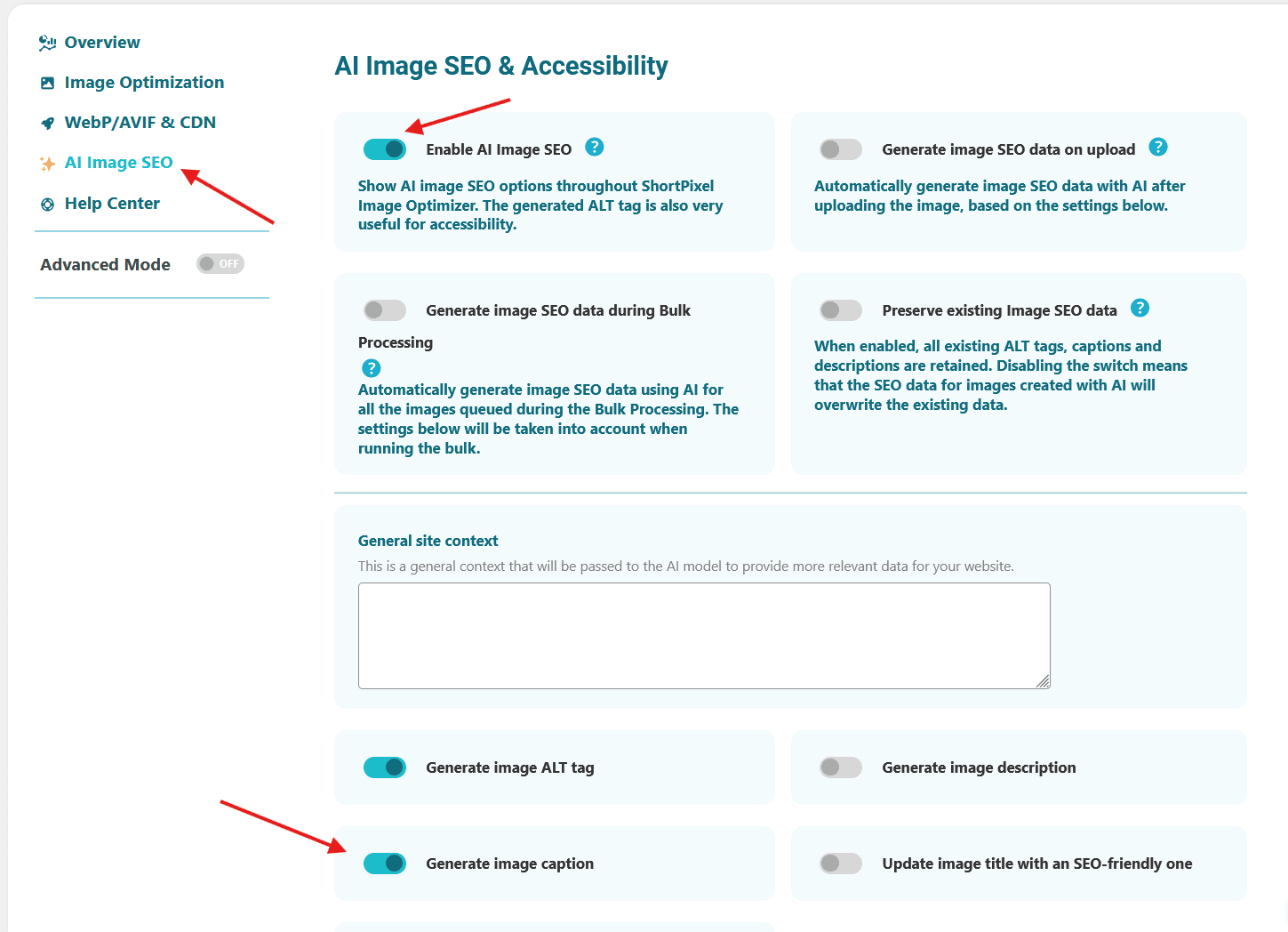
While AI SEO image captions offer significant benefits, understanding their limitations helps you avoid common pitfalls and set realistic expectations.
Contextual Understanding Gaps
AI systems sometimes struggle with nuanced context, cultural references, or industry-specific terminology. An AI might generate technically accurate captions that miss the intended meaning or fail to resonate with your target audience. Human oversight remains essential for catching these contextual errors.
Images with abstract concepts, humor, or emotional content present particular challenges for AI captioning. These situations require human creativity and judgment to produce captions that truly capture the image’s essence.
Over-Optimization Risks
AI tools programmed with aggressive keyword targets may produce captions that read unnaturally or stuff keywords excessively. Search engines penalize this behavior, potentially harming your rankings. Setting appropriate keyword density parameters and reviewing outputs helps mitigate this risk.
Finding the right balance between keyword optimization and natural language requires ongoing refinement. Regularly review your AI-generated captions to ensure they maintain readability while still targeting relevant search terms.
Dependency on Training Data
AI models are only as good as their training data. If your niche has limited representation in the AI’s training corpus, generated captions may miss important industry nuances. Supplementing AI output with human expertise ensures captions reflect deep industry knowledge.
Stay informed about updates to your AI tools and their underlying models. New versions often improve accuracy and contextual understanding, so regularly test updated tools against your existing caption library.
Common Mistakes to Avoid with AI SEO Image Captions
Even with advanced AI tools, several common errors can undermine your image SEO efforts. Recognizing these mistakes helps you implement corrective measures proactively.
Ignoring Image Context
Captions that describe the image in isolation without considering the surrounding page content miss optimization opportunities. Search engines evaluate images within the context of the entire page. Ensure your captions complement the page’s main topic and target keywords.
Review the full page content when generating captions to ensure semantic alignment. AI tools that consider page context produce more effective captions than those working in isolation.
Using Duplicate Captions Across Images
Copying the same caption for multiple images on a page creates duplicate content issues and provides no unique value to search engines. Each image requires a unique caption that describes its specific content while targeting relevant keywords.
AI tools can generate variations of captions for similar images, ensuring uniqueness while maintaining keyword focus. Review generated captions to confirm each one offers distinct value.
Neglecting Mobile Optimization
Captions that look great on desktop may display poorly on mobile devices. Long captions can overwhelm small screens, hurting user experience and engagement metrics. Keep captions concise and test their appearance across different device sizes.
AI tools can generate caption variations optimized for different display contexts. Consider implementing responsive caption designs that adapt to screen size.
Best Practices for AI SEO Image Captions
Following established best practices maximizes the effectiveness of your AI caption strategy. These guidelines reflect current search engine requirements and user expectations.
Prioritize Accuracy and Relevance
Every caption must accurately describe the image content while remaining relevant to the page topic. Misleading captions damage user trust and may trigger search engine penalties. Verify AI-generated captions against the actual image content before publishing.
Relevance extends beyond basic description. Captions should connect the image to the broader content theme, reinforcing the page’s semantic structure and helping search engines understand relationships between elements.
Maintain Natural Language Flow
Captions should read naturally, as if written by a human expert. Avoid awkward phrasing or forced keyword placement that disrupts readability. AI tools with advanced language models generate more natural-sounding captions than simpler keyword-based systems.
Read each caption aloud to test its flow. If it sounds robotic or unnatural, revise it to sound more conversational while maintaining keyword relevance.
Include Actionable Information
Captions that provide additional value beyond basic description perform better in search results. Include relevant details like product specifications, usage tips, or contextual background information. This added value increases user engagement and positions your content as authoritative.
AI tools can generate informative captions by analyzing the image content and connecting it to related knowledge. Provide your AI tools with access to product databases or content libraries to enhance caption quality.
Measuring the Success of Your AI Image Caption Strategy
Tracking the right metrics reveals whether your AI SEO image captions deliver the expected results. Establish measurement frameworks before implementation to accurately assess impact.
Key Performance Indicators
Monitor image search impressions and clicks through Google Search Console. Track the average position of your images for target keywords to measure ranking improvements. Compare these metrics against baseline data collected before implementing AI captions.
Engagement metrics like click-through rate, time on page, and bounce rate provide insights into how users interact with your captioned images. Improved engagement suggests your captions resonate with your audience.
Regular Audits and Refinement
SEO is not a set-and-forget activity. Conduct regular audits of your image captions to identify underperforming content and opportunities for improvement. AI tools can analyze performance data and suggest caption refinements based on emerging trends.
Stay updated on search engine algorithm changes that affect image SEO. Adjust your caption strategy to align with evolving best practices and ranking factors.
Future Trends in AI SEO Image Captions
The intersection of AI and image SEO continues to evolve rapidly. Understanding emerging trends helps you stay ahead of the competition and prepare for future developments.
Multimodal Search Optimization
Search engines increasingly support multimodal search, where users combine text, voice, and image queries. AI SEO image captions must accommodate these diverse search modes, providing comprehensive descriptions that match various query types.
Google Lens and similar visual search tools rely heavily on image understanding. Optimized captions improve your chances of appearing in visual search results, capturing traffic from users searching with images rather than text.
Real-Time Caption Generation
Advances in AI processing speed enable real-time caption generation for dynamic content. E-commerce sites can automatically generate captions for new product images as they are uploaded, ensuring immediate SEO optimization without manual intervention.
This automation extends to user-generated content, where AI tools can caption images uploaded by customers or community members. This capability expands your optimized image library without additional resource investment.
Personalized Caption Optimization
AI systems are beginning to generate captions tailored to individual user preferences and search histories. This personalization could eventually deliver different captions to different users based on their interests and behavior patterns.
While still in early stages, personalized captions represent a significant opportunity for improving user engagement and conversion rates. Monitor developments in this area to identify when implementation becomes practical.
Frequently Asked Questions
What is the ideal length for an AI SEO image caption?
The ideal caption length varies by context, but generally falls between 15 and 50 words. Captions should be long enough to provide meaningful description and keyword context but short enough to maintain reader attention. Alt text should be more concise, typically under 125 characters, while visible captions can be more detailed. Test different lengths to find what works best for your specific content and audience.
How do AI SEO image captions differ from traditional alt text?
Traditional alt text focuses primarily on describing the image for accessibility and basic SEO purposes. AI SEO image captions go further by incorporating keyword strategy, semantic context, and user engagement optimization. AI-generated captions analyze the image content, surrounding page context, and search intent to create text that serves multiple purposes simultaneously.
Can AI-generated captions replace human-written captions entirely?
AI-generated captions can handle the majority of image captioning tasks effectively, but human oversight remains valuable. Complex images, brand-specific messaging, and creative storytelling often benefit from human input. The most effective approach combines AI efficiency with human refinement, using AI for initial generation and humans for final quality control.
Do AI SEO image captions affect page load speed?
Captions themselves have minimal impact on page load speed since they are text-based content. However, the images they accompany can significantly affect load times. Proper image compression and lazy loading techniques remain important for maintaining fast page speeds while implementing optimized captions.
How often should I update my image captions?
Regular review of your image captions is recommended, particularly when you update your keyword strategy or notice declining performance. Conduct comprehensive audits quarterly, with more frequent updates for high-traffic pages or seasonal content. AI tools can automate monitoring and flag captions that may need refreshing based on performance data.
Conclusion
AI SEO image captions represent a powerful opportunity to enhance your website’s search visibility and user engagement. By leveraging artificial intelligence to generate accurate, relevant, and keyword-optimized captions, you can significantly improve how search engines understand and rank your visual content.
The implementation of AI caption tools requires thoughtful strategy, ongoing monitoring, and human oversight to achieve optimal results. Start by auditing your current image optimization, selecting appropriate AI tools, and developing a systematic approach to caption generation and refinement.
As search engines continue to evolve their image understanding capabilities, the importance of well-crafted captions will only grow. Websites that invest in AI SEO image captions today position themselves for sustained competitive advantage in visual search and traditional search results alike. Take action now to ensure your images are fully optimized for the AI-driven search landscape of tomorrow.
Xem thêm:
- AI SEO vs Traditional SEO: How Automation Is Rewriting the Rules of Search Visibility
- AI Semantic SEO: Mastering the Next Evolution of Search Engine Optimization
- AI SEO Blog Outline Generator: The Complete Guide to Faster, Smarter Content Planning
- AI SEO AI Referral Traffic: The Complete Guide to Winning Algorithmic Referrals in 2025
- AI People Also Ask: The Complete Guide to Optimizing for Google’s AI-Powered Q&A Feature
Bài viết cùng chủ đề:

AI SEO SEO Automation with Make: The Complete Workflow Guide

AI SEO SEO Automation with Zapier: The Complete Workflow Guide

AI SEO SEO Automation with n8n: The Complete Workflow Guide
AI SEO SEO Automation with Gemini: The Complete Guide to Scaling Organic Growth

AI SEO SEO Automation with Claude: The Complete Guide to Scaling Content in 2025

AI SEO SEO Automation with ChatGPT: The Complete Playbook for 2025

AI SEO & SEO Automation for Affiliate Sites: The 2025 Playbook for Passive Income Growth
AI SEO & SEO Automation for Bloggers: The Complete Guide to Scaling Your Content

AI SEO & SEO Automation for Agencies: The Complete 2025 Playbook

AI SEO and SEO Automation for Ecommerce: The Complete Playbook for 2025

AI SEO & SEO Automation for WordPress: The Complete Playbook for 2025
AI SEO SEO Automation Strategy: The Complete Playbook for 2025

Mastering the AI SEO SEO Automation Process: A Complete Guide to Scaling Organic Growth
AI SEO SEO Automation System: The Complete Guide to Scaling Organic Growth in 2025
AI SEO SEO Automation Platform: The Complete Guide to Scaling Organic Growth in 2025
AI SEO SEO Automation Software: The Complete Guide to Scaling Organic Growth in 2025















