
No products in the cart.
AI People Also Ask: The Complete Guide to Optimizing for Google’s AI-Powered Q&A Feature
29
Jul
Jul
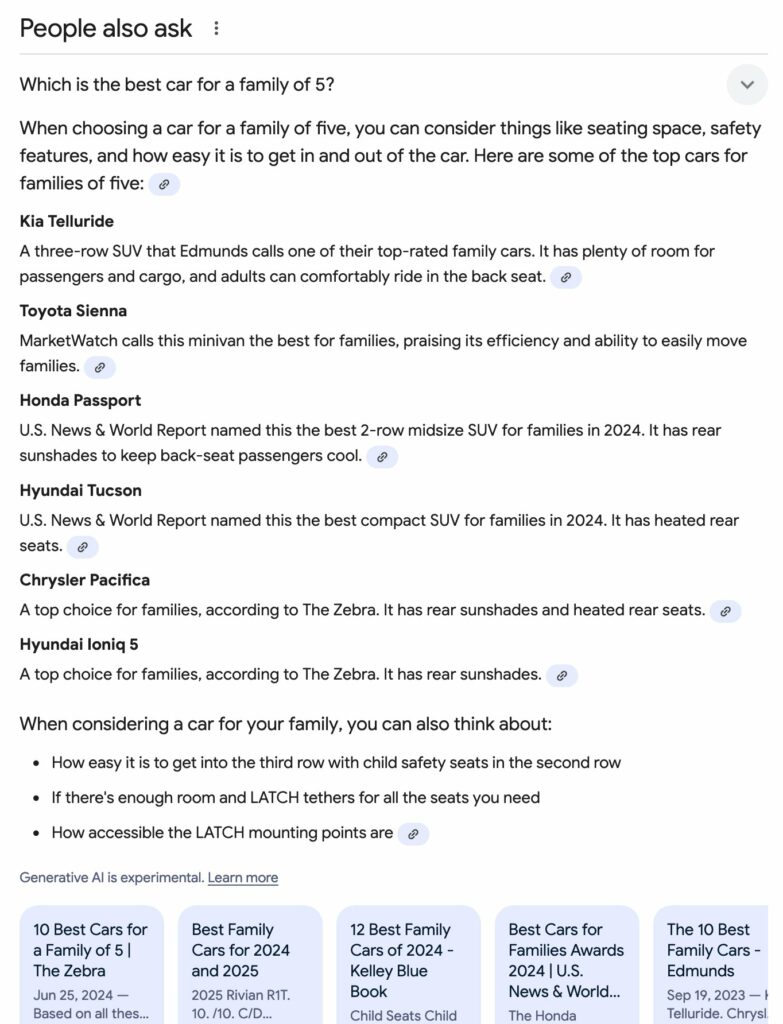
The “People Also Ask” box has been a core part of Google’s search experience for years, but its relationship with artificial intelligence is transforming how users discover information. AI People Also Ask refers to the intersection where machine learning, natural language processing, and generative AI work together to surface the most relevant questions — and answers — directly in search results. This fusion is reshaping SEO strategies, content creation, and the way websites capture organic traffic. Understanding how AI drives PAA, and more importantly how to optimize for it, is now a critical skill for any digital marketer.
The traditional PAA box evolved from a simple list of related queries into a dynamic, intent-matching engine. Today, AI determines not just which questions appear but also the snippet content pulled from web pages, the answer format, and the follow-up questions generated in real time. The introduction of Search Generative Experience (SGE) and AI overviews has added yet another layer: AI People Also Ask is no longer a static feature but a conversation-like interface that learns from user behavior, query patterns, and content quality signals.
What Is People Also Ask and How Does AI Power It?
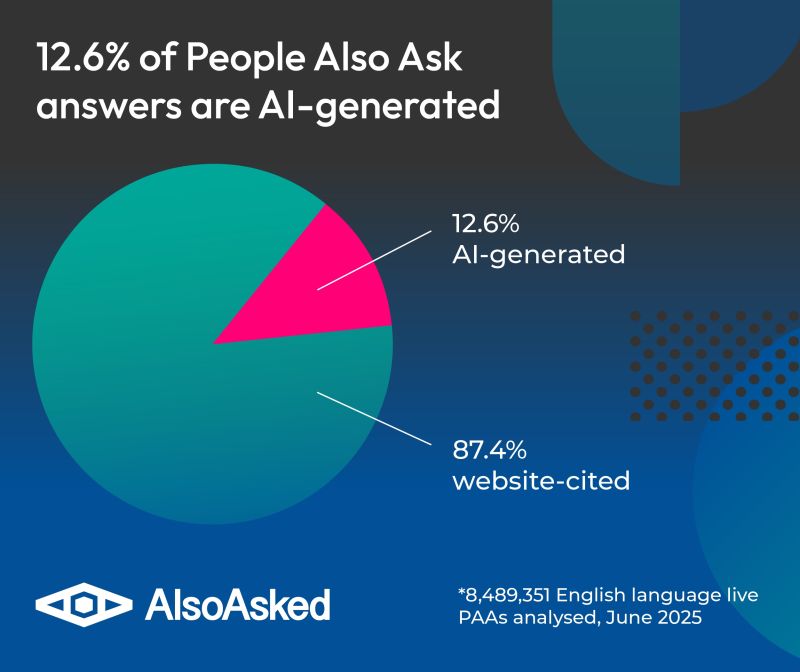
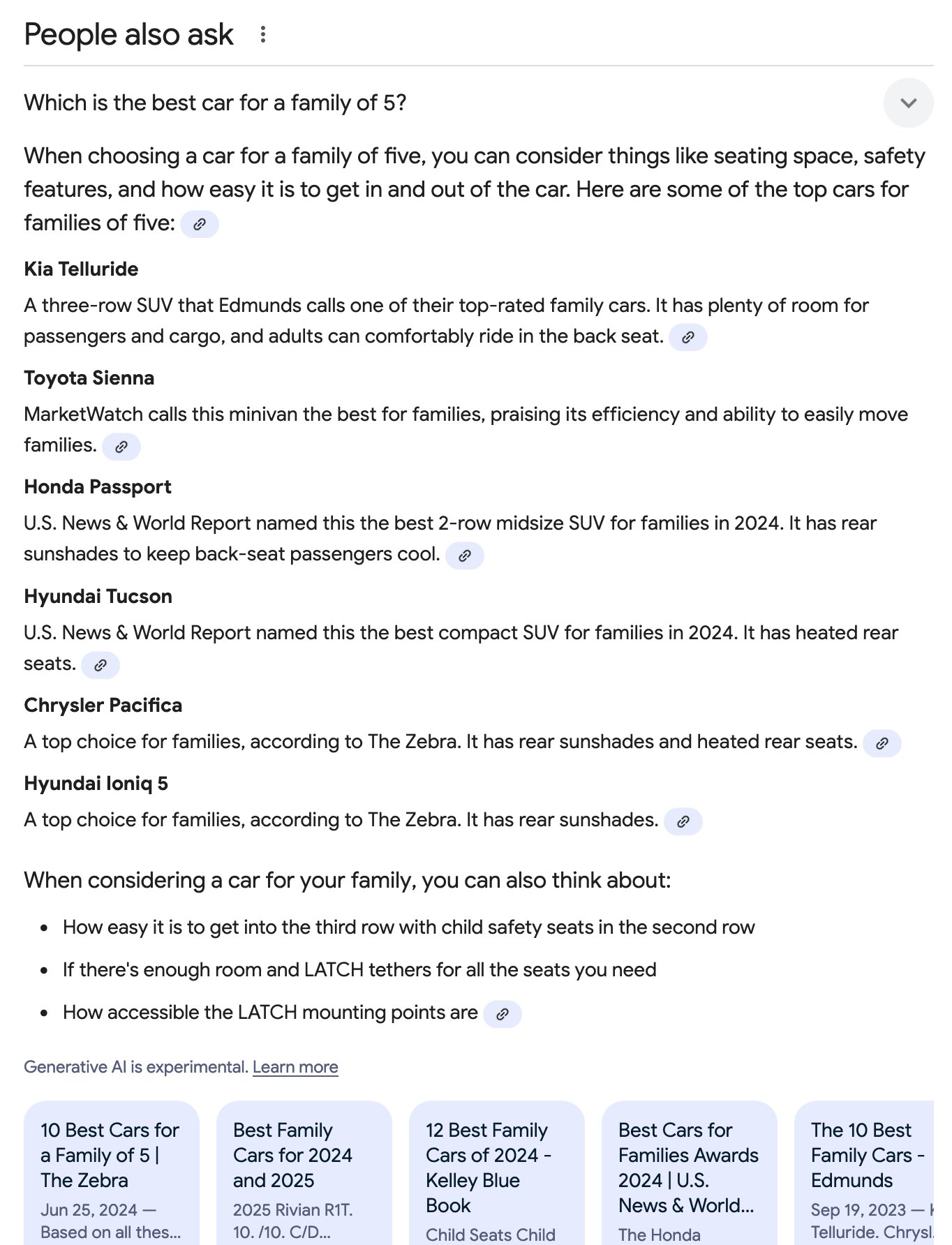
People Also Ask (PAA) is a Google SERP feature that displays a set of related questions users frequently search for. When a user clicks on a question, it expands to show a short answer extracted from a web page, along with a link to the source. The box is algorithmically generated and appears for millions of queries, ranging from “what is blockchain” to “how to bake sourdough bread.”
Under the hood, AI and machine learning models drive every aspect of PAA. Natural language processing helps Google understand the intent behind the initial query and maps it to a knowledge graph of semantically related questions. Ranking algorithms then select the most relevant questions and the best excerpts from indexed pages. Deep learning models like BERT and MUM enable the system to interpret complex, conversational queries and deliver answers that match user expectations with remarkable precision.
What makes the AI-driven PAA unique is its real-time adaptability. The questions displayed can change based on location, device, search history, and even the time of day. This personalization is powered by AI models that continuously learn from aggregated user interaction data — which questions get expanded, how long users engage with an answer, and whether the displayed snippet satisfies the query.
The Evolution of AI People Also Ask in the Age of Generative Search
The integration of generative AI into Google Search is redefining the very structure of the PAA box. With the rollout of AI overviews and SGE, the traditional list of questions is sometimes replaced or supplemented by an AI-generated summary that synthesizes information from multiple sources. In this new landscape, AI People Also Ask isn’t just a standalone feature — it often appears directly within the AI overview panel, offering deeper exploration paths.
Google’s AI now determines whether a query benefits more from a generative snapshot or from a PAA-style breakdown. For informational queries like “how does inflation affect mortgage rates,” users might see an AI overview with key points, followed by a condensed PAA section that asks “What is the current mortgage rate” or “How does the Fed control inflation.” The AI blends answer generation with question discovery, creating a seamless research flow.
This evolution means the “People Also Ask” feature is becoming more conversational and contextual. Instead of a fixed set of questions, the AI may generate new follow-up questions based on the content of the initial answer you clicked. Each interaction refines the next set of questions, making the entire experience feel like a dialogue between the user and an omniscient search assistant. From an SEO standpoint, this shifts the focus from keyword-targeted snippets to comprehensive, authoritative content that can feed multiple AI-generated pathways.
AI People Also Ask vs Traditional PAA: A Clear Comparison
Understanding the differences between the old PAA and the AI-enhanced version helps you tailor your content strategy effectively. The table below breaks down the key distinctions.
| Feature | Traditional PAA | AI People Also Ask |
|---|---|---|
| Question selection | Pre-mined from related searches, relatively static per query | Dynamically generated based on real-time intent and conversational context |
| Answer format | Text snippet pulled from a single page, often a paragraph or list | Can combine snippets with AI-generated summaries; multi-format (text, bullet points, tables) |
| Interaction model | Click-to-expand; infinite loading of new questions | Expandable within AI overviews; follow-up questions adapt to previous clicks |
| Personalization | Limited to broad location and language signals | Deep personalization using user history, device context, and real-time behavior |
| Source attribution | Single linked page | May cite multiple sources within an AI-generated summary; links remain but visibility varies |
| SEO strategy | Target exact question keywords with concise answers | Build topic authority and semantic depth to feed AI models and earn featured positions |
The shift from a static question bank to an AI-curated conversation demands a broader topical coverage. Sites that once thrived by answering a single long-tail question now need to prove expertise across the entire subject cluster to remain visible in the AI-enhanced PAA environment.
How AI People Also Ask Changes User Search Behavior
AI People Also Ask is fundamentally altering how users navigate information. Instead of scanning ten blue links, many users now engage with the PAA box as their primary research tool. They click one question, read the snippet, and let the AI suggest the next logical query. This behavior reduces the need to visit multiple websites, but it also creates a new engagement funnel.
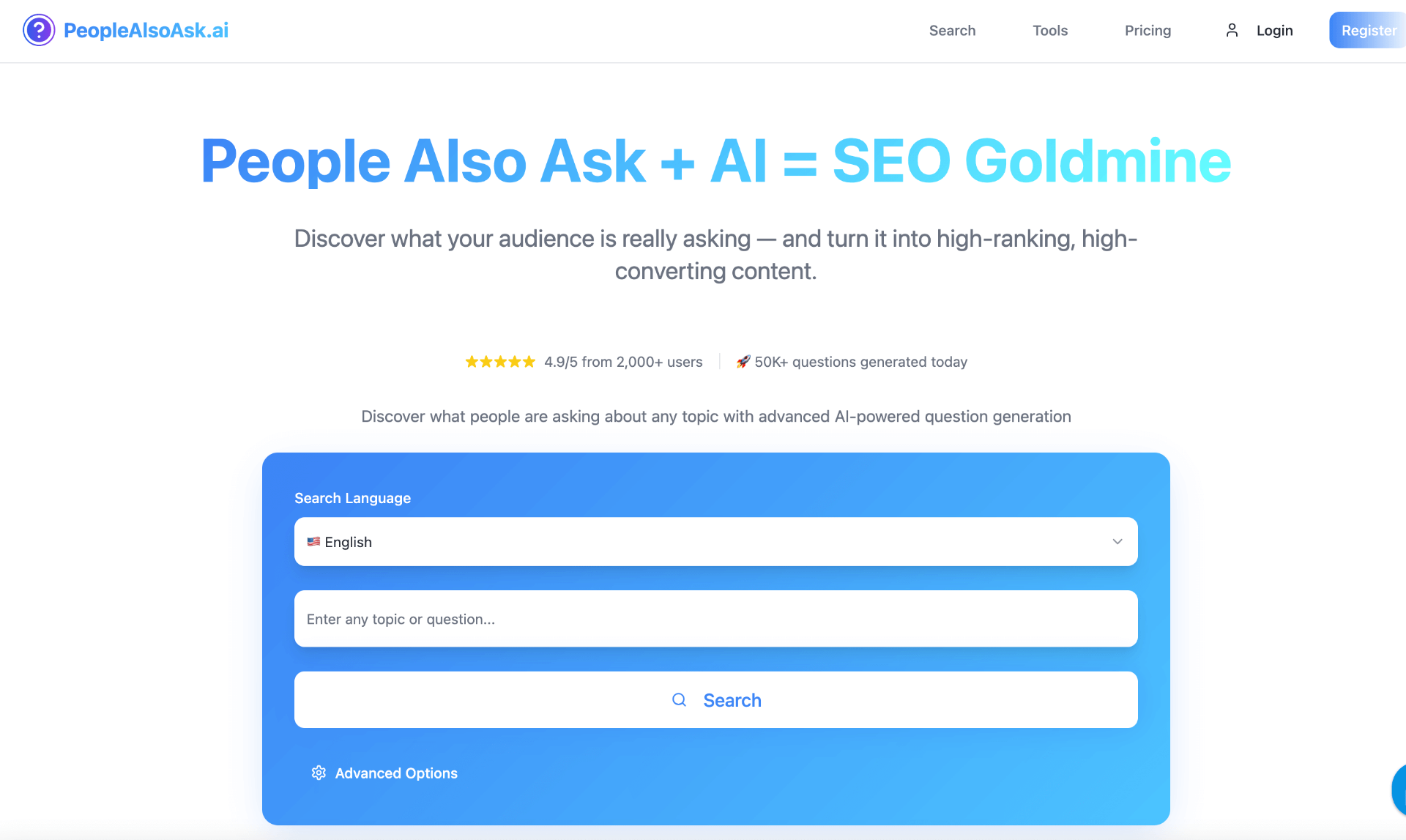
Data from multiple SEO studies indicates that PAA boxes appear on over 40% of all desktop searches and an even higher percentage on mobile. When AI overviews are present, the combination of an AI answer and a related PAA can capture the majority of above-the-fold real estate. Users who enter this loop often spend more time on the SERP itself, deepening their query rather than bouncing to a different site. This means brands that earn a spot inside AI People Also Ask gain extended brand exposure, even if the click-through rate from the snippet is lower than traditional organic links.
Importantly, AI-driven PAA lowers the barrier for complex searches. Users with vague information needs can start with a broad keyword and let the AI guide them toward specific answers. The follow-up questions often reveal intent gaps that content creators can exploit. By analyzing which questions appear after each click, you can map the user’s cognitive journey and create content that addresses each stage.
Using AI Tools for People Also Ask Research and Content Ideation
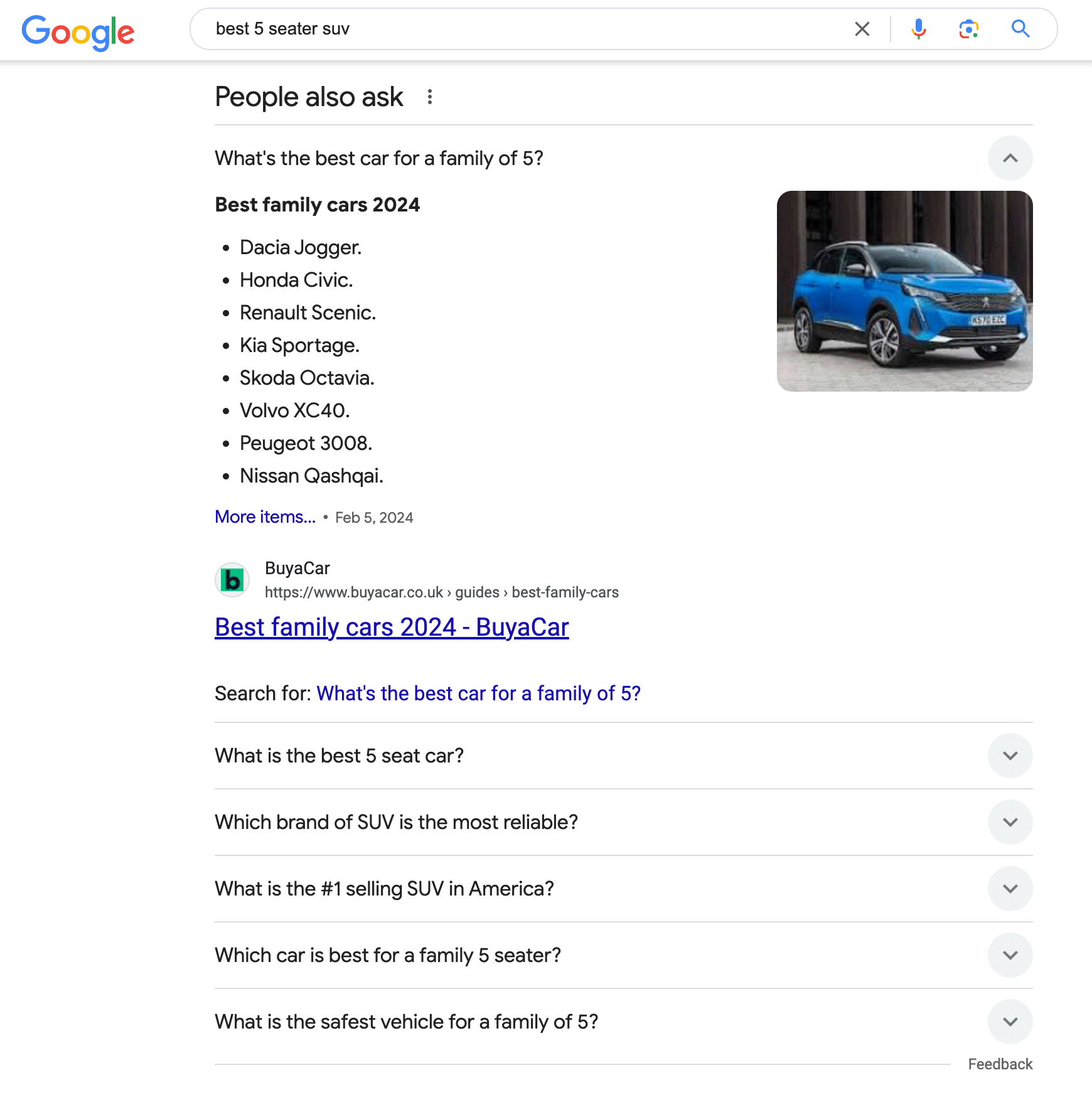
Keyword research has moved beyond volume metrics. For AI People Also Ask, the real goldmine is the set of questions real users are asking. Several AI-powered tools now aggregate and analyze PAA data at scale, helping you uncover hidden content opportunities.
- AlsoAsked.com: Extracts PAA questions and visualizes them in a tree diagram, showing the relationship between primary queries and follow-up questions. You can export the data and group it by topic.
- AnswerThePublic: Uses autocomplete and PAA data to generate question clusters. Its AI analysis now suggests content angles based on question intent.
- SEMrush and Ahrefs: Both have integrated PAA question filters in their keyword tools. You can see which questions trigger PAA for your target keywords and check the current ranking pages.
- ChatGPT and Claude: You can prompt these models to generate related questions based on a seed topic, mimicking how an AI PAA system might expand a query. For example: “Act as a Google PAA algorithm. Given the query ‘best running shoes for flat feet’, generate 10 follow-up questions a user might click.”
- Keyword stuffing the question phrase: Repeating “how to train a puppy” 15 times on a page signals spam, not relevance. AI language models penalize unnatural repetition and may demote the page entirely.
- Writing answers that are too long: PAA snippets are typically 40 to 60 words. If your entire answer is a 200-word paragraph, Google’s extractive model may truncate it awkwardly or skip it altogether. Provide the digest version first, then expand.
- Missing the question language match: If the PAA question is phrased as “why do cats purr,” your content heading should reflect that exact phrasing or a close variant. Re-framing it as “reasons felines purr” weakens the semantic match for the AI parser.
- Using non-original or thin content: AI People Also Ask models are trained to prefer original, credible sources. Pages that merely rephrase Wikipedia or other top results rarely earn a spot. Invest in unique insights, expert commentary, or proprietary data.
- Neglecting mobile formatting: The majority of PAA interactions happen on mobile. If your answer requires horizontal scrolling or is broken by intrusive interstitials, Google’s AI may deprioritize your page for mobile PAA boxes.
- Ensure JavaScript-rendered content is visible: If your answer is loaded via AJAX after user interaction, the AI crawler might not extract it. Use server-side rendering or dynamic rendering to serve the complete HTML.
- Optimize page speed: AI ranking factors increasingly incorporate Core Web Vitals. Slow page loads reduce the likelihood of selection for PAA, especially on mobile.
- Use clear, unambiguous HTML: Wrapping your concise answer in a
tag inside a properly nested heading structure helps the extraction model. Avoid over-complicated div layouts that obscure the content hierarchy.
- Monitor PAA appearances with rank tracking tools: Many SEO platforms now report “People Also Ask” as a SERP feature. Track which pages earn PAA positions and which questions trigger them. Use this data to refine underperforming sections.
When using AI tools, the goal is not just to collect a list of questions but to understand the semantic relationships. Group questions by intent: informational, commercial, navigational. Then prioritize those that sit at the intersection of high search demand and low answer quality in current SERPs. These gaps are where you can create definitive resources and win AI People Also Ask positions.
Proven Strategies to Rank in AI People Also Ask Boxes
Securing a spot in the PAA box now requires both technical SEO precision and a deep understanding of how AI extractive models work. The following tactics have been validated by large-scale SERP analysis and case studies.
Provide Concise, Direct Answers Early in Your Content
Google’s AI snippet extraction algorithms prioritize clear, self-contained paragraphs that answer a question directly. For every target question, include a 40–60 word response within the first 200 words of your page, ideally wrapped in a dedicated
or within an
section that mirrors the query language. Use simple, definitive language and avoid marketing fluff. If the question is “what is a Roth IRA,” your page should have a sentence like: “A Roth IRA is a retirement account that allows you to contribute after-tax income and withdraw money tax-free in retirement.” This becomes the prime candidate for a PAA snippet.Structure Content with Questions as Headings
Scan your target PAA questions and turn them into H2 or H3 headings. This sends a strong topical signal to both traditional ranking algorithms and AI content classifiers. Under each heading, provide the concise answer, then optionally expand with examples, data, or related subtopics. This pattern is routinely observed in pages that dominate multiple PAA slots for a single topic.
Leverage Schema Markup That Helps AI Parsers
While FAQ schema doesn’t directly control PAA inclusion, using FAQPage and QAPage structured data helps Google’s crawlers understand the question-answer relationship on your page. For content that genuinely answers a specific question, implementing QAPage schema with the question as the name and the concise answer as the acceptedAnswer text can increase eligibility. The AI processing pipeline treats structured data as a trust signal, and in some cases, Google uses this to confirm that a page is purpose-built for a particular query.
Build Topical Authority Across the Entire Question Cluster
AI People Also Ask rewards sites that demonstrate comprehensive knowledge. Instead of creating a single page targeting one question, develop a pillar page that covers the broad topic and cluster pages that dive deep into each subtopic. Internally link these pages with descriptive anchor text. This interconnected architecture signals to Google’s AI that your site is a reliable source for the whole question tree, increasing the likelihood that your pages will be chosen for multiple PAA entries as users navigate deeper.
Keep Content Fresh and Factually Updated
AI algorithms have become exceptionally good at detecting outdated information. PAA questions about current events, statistics, or time-sensitive topics demand up-to-date figures. Regularly audit your PAA-performing pages and refresh data, update references, and add recent insights. A page that answered “current inflation rate” with last year’s number will quickly lose its PAA position to a competitor with fresh data. Use AI content aging tools or manual checks to maintain currency.
Common Mistakes When Optimizing for AI People Also Ask
Many well-intentioned optimization efforts backfire because they misunderstand how the AI models select and display content. Avoid these pitfalls.
Real-World Examples of AI People Also Ask Success
A health information site noticed that its article on “intermittent fasting” was ranking well but not appearing in the PAA for related questions. After analyzing the PAA tree with an AI tool, they found a cluster of “what to eat during intermittent fasting” queries that went directly to a competitor’s short paragraph. They rewrote the introduction of their page to include a bold, 55-word answer beginning with “During intermittent fasting, you can eat lean proteins, vegetables, healthy fats…” They also structured that section under an H2 matching the exact question. Within two weeks, they captured three PAA slots for that cluster, increasing organic traffic by 28%.
An e-commerce brand selling power tools used AI to generate question clusters around “best cordless drill for ice auger.” The PAA tree revealed a progression from “what size drill” to “how to attach auger bit” to “safety tips.” They created a complete guide with separate sections mirroring each step, then implemented FAQ schema. The page appeared in the PAA for the primary query and the follow-up questions, resulting in a 40% lift in affiliate clicks because users saw the brand as the authoritative resource throughout their research journey.
Important Technical Considerations for AI People Also Ask Optimization
Beyond content, technical elements play a crucial role in how AI models index and render your pages for PAA inclusion. Google’s rendering engine needs to access and parse your content without barriers.
Frequently Asked Questions About AI People Also Ask
What exactly is AI People Also Ask?
AI People Also Ask is the version of Google’s “People Also Ask” box that uses advanced artificial intelligence models to dynamically generate, personalize, and order the related questions. It integrates with Google’s AI overviews and adapts questions based on user interaction, creating a more conversational search experience.
Does AI-generated content affect PAA rankings?
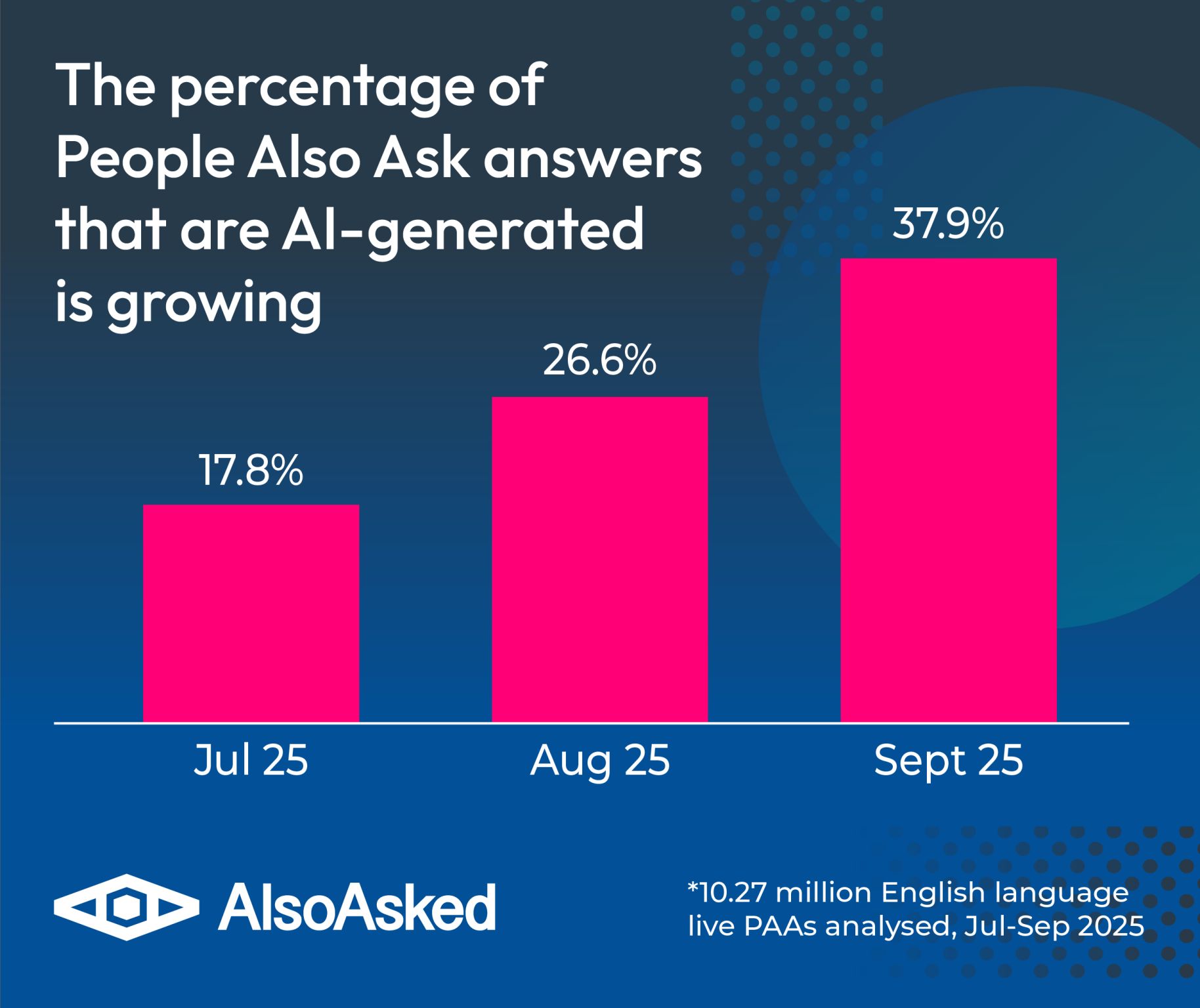
AI-generated content can rank in PAA if it meets the same quality and originality standards as human-written content. Google’s systems evaluate helpfulness, accuracy, and expertise regardless of authorship. Over-reliance on generic AI output without human review, however, often results in content that lacks the nuance required to earn featured PAA snippets.
How can I see which PAA questions my page currently triggers?
Use a rank tracking tool that includes SERP feature monitoring. Search your target keyword in an incognito window and manually expand the PAA box to check if your page appears. For scale, SEO platforms can aggregate data on which URLs show up for which questions across your tracked keyword set.
Will AI overviews replace the People Also Ask box completely?
While AI overviews are changing the SERP, the interactive question-and-answer nature of PAA remains valuable. Google’s testing shows hybrid layouts. It’s more likely that PAA will merge with AI overviews rather than disappear, continuing to serve as an exploration layer that complements the generative snapshot.
Does FAQ schema guarantee a spot in AI People Also Ask?
No, FAQ schema does not guarantee inclusion. It helps Google understand the Q&A structure, but the actual PAA placement depends on content relevance, authority, and the quality of the answer snippet. Use schema as a supporting signal, not a standalone tactic.
Conclusion
AI People Also Ask is not a distant concept — it’s the current reality of how search engines connect users with answers. The convergence of large language models, real-time user signals, and deep content understanding means that the PAA box is more dynamic, more personalized, and more competitive than ever. Optimizing for this feature requires a shift from chasing single snippets to building authoritative topic clusters, crafting surgically precise answers, and staying technically agile. Those who master this AI-driven Q&A landscape will capture attention at the exact moment of curiosity, turning search queries into meaningful brand interactions.
Xem thêm:
- AI SEO Product Comparison: The Definitive Guide to Choosing the Right Tool in 2025
- AI SEO AI Search Authority: The Complete Guide to Dominating Generative Search
- AI SEO FAQ Generator: The Complete Guide to Automating Content That Ranks
- AI SEO Product Reviews: The Complete Guide to Smarter Buying Decisions
- AI SEO Natural Language Keywords: The Complete Guide to Conversational Search Optimization
Bài viết cùng chủ đề:

AI SEO SEO Automation with Make: The Complete Workflow Guide

AI SEO SEO Automation with Zapier: The Complete Workflow Guide

AI SEO SEO Automation with n8n: The Complete Workflow Guide
AI SEO SEO Automation with Gemini: The Complete Guide to Scaling Organic Growth

AI SEO SEO Automation with Claude: The Complete Guide to Scaling Content in 2025

AI SEO SEO Automation with ChatGPT: The Complete Playbook for 2025

AI SEO & SEO Automation for Affiliate Sites: The 2025 Playbook for Passive Income Growth
AI SEO & SEO Automation for Bloggers: The Complete Guide to Scaling Your Content

AI SEO & SEO Automation for Agencies: The Complete 2025 Playbook

AI SEO and SEO Automation for Ecommerce: The Complete Playbook for 2025

AI SEO & SEO Automation for WordPress: The Complete Playbook for 2025
AI SEO SEO Automation Strategy: The Complete Playbook for 2025

Mastering the AI SEO SEO Automation Process: A Complete Guide to Scaling Organic Growth
AI SEO SEO Automation System: The Complete Guide to Scaling Organic Growth in 2025
AI SEO SEO Automation Platform: The Complete Guide to Scaling Organic Growth in 2025
AI SEO SEO Automation Software: The Complete Guide to Scaling Organic Growth in 2025















