
No products in the cart.
AI SEO Image Titles: The Complete Guide to Boosting Your Visual Search Rankings
10
Aug
Aug
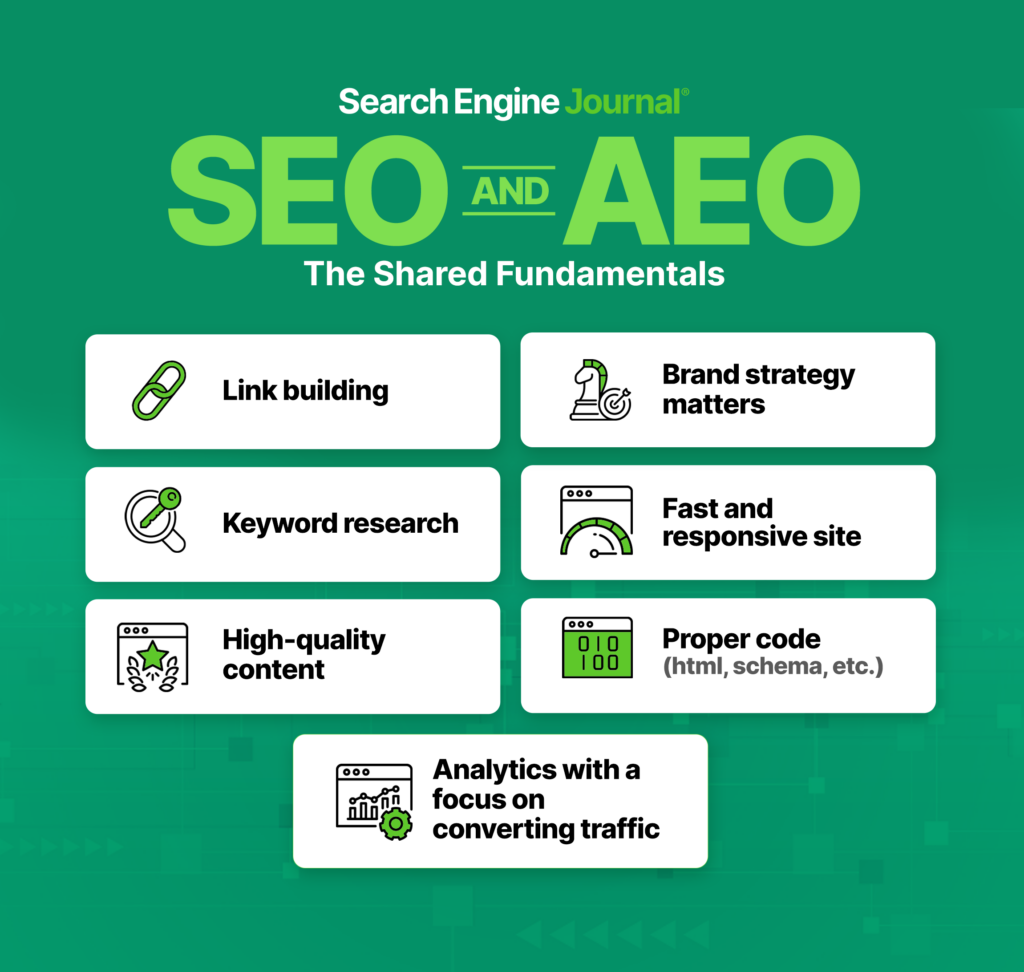
In the modern search landscape, optimizing images is no longer a secondary task. The way search engines interpret visual content has transformed, and the use of AI SEO image titles has become a cornerstone of technical and content strategy. While alt text describes what an image shows, the title tag—often the file name or the title attribute—carries significant weight in contextual relevance. This guide explores how artificial intelligence is reshaping the creation of these titles, moving beyond generic descriptions to data-driven, intent-matching phrases that improve visibility in both Google Images and traditional web search.
What Are AI SEO Image Titles?
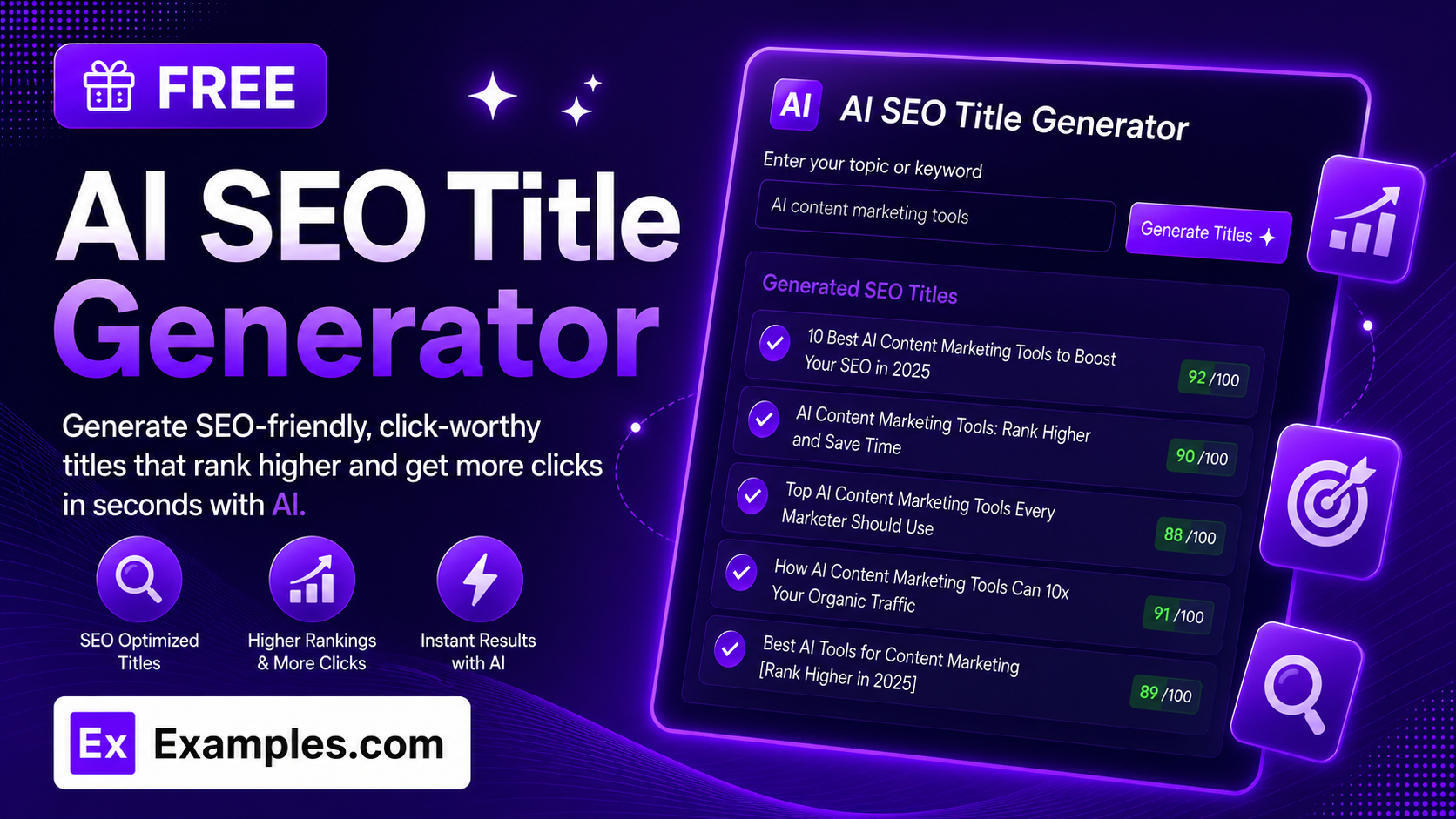
AI SEO image titles refer to the automated or AI-assisted generation of title attributes, file names, and metadata for visual assets. Unlike manual naming conventions like “IMG_4521.jpg,” AI tools analyze the visual content of the image, the surrounding page context, and current search trends to produce a descriptive, keyword-rich title. These titles serve as a direct signal to search engine crawlers, helping them understand the subject matter without needing to process the pixels alone.
The core difference between a standard title and an AI-generated one lies in the depth of analysis. A human might write “red running shoes,” but an AI system can generate “lightweight red running shoes for marathon training on asphalt.” This specificity aligns with long-tail search queries, which often have higher conversion rates. The AI evaluates the objects, colors, text within the image, and even the emotional tone to craft a title that matches user intent precisely.
Why Image Titles Matter for SEO in 2025
Search engines have evolved from keyword matching to semantic understanding. However, the title attribute remains a critical anchor for contextual relevance. When a crawler encounters an image, it relies on the title and surrounding text to place the visual within the broader topic of the page. A well-optimized title helps the algorithm decide whether the image is relevant for a specific query, particularly in visual search results where users browse thumbnails.
Furthermore, image titles contribute to the overall accessibility and user experience. When a user hovers over an image, the title often appears as a tooltip. While this is not a direct ranking factor, it influences engagement metrics like dwell time and bounce rate. If the tooltip is informative and matches the user’s expectation, they are more likely to stay on the page, signaling quality to the search engine.
The Shift from Manual to Automated Optimization
Historically, SEO professionals spent hours renaming files and writing titles manually. This process was prone to inconsistency and human error. The introduction of AI has automated this workflow, allowing for bulk processing of thousands of images without losing quality. AI systems can learn from existing high-ranking pages, reverse-engineering the patterns that lead to strong performance. This shift does not eliminate the need for human oversight but rather elevates the strategic role of the SEO manager.
How AI Generates Optimized Image Titles
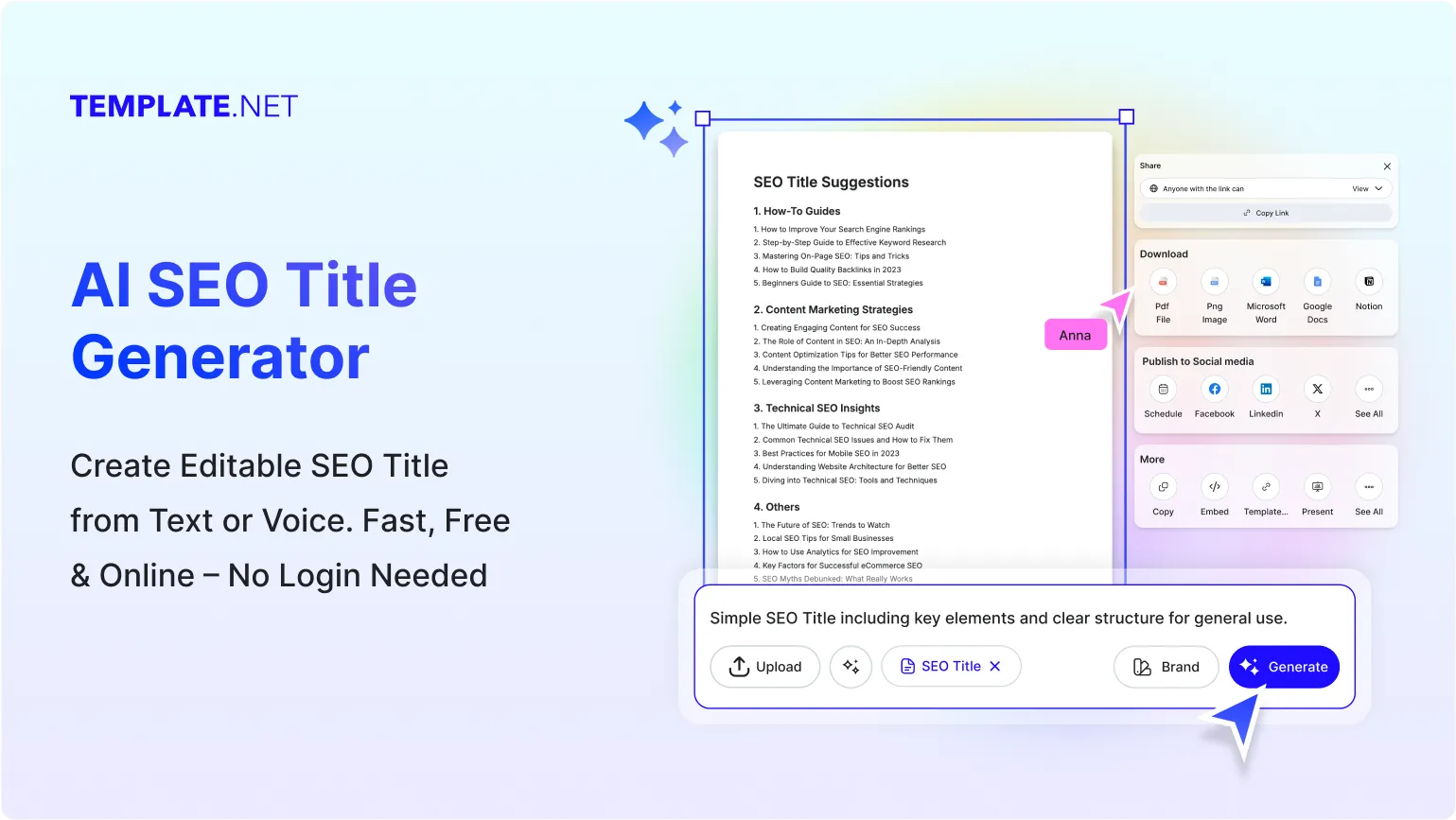
The process of generating AI SEO image titles involves several layers of machine learning and natural language processing. Understanding this pipeline helps you evaluate the output and integrate it effectively into your workflow.
Computer Vision and Object Recognition
The first step is visual analysis. Convolutional Neural Networks (CNNs) scan the image to identify objects, scenes, and activities. For example, the AI can distinguish between a “golden retriever puppy” and a “vintage car.” This level of granularity is impossible to achieve manually at scale. The system extracts a list of detected entities, which forms the base vocabulary for the title.
Contextual Page Analysis
Next, the AI examines the surrounding HTML. It reads the page’s H1, H2, and body text to understand the topic. If the page is about “best hiking trails in Colorado,” the A This ensures the image title aligns with the page’s primary keyword strategy, creating a cohesive relevance signal for the entire URL.
Search Intent and Trend Integration
Advanced AI tools connect to live search data. They analyze what users are currently typing into Google and identify emerging trends. If t This real-time adaptation is a significant advantage over static, pre-written titles.
Natural Language Generation (NLG)
Finally, the AI uses NLG models to construct a human-readable sentence. The output is not a string of keywords but a coherent phrase. For instance, instead of “shoes red running,” the AI produces “Red Running Shoes for Men with Cushioned Sole.” This natural flow improves readability for both users and search engines, which prefer grammatically correct structures.
Key Benefits of Using AI for Image Title Optimization
Adopting AI for this specific SEO task yields measurable improvements across several dimensions of digital marketing. The advantages extend beyond simple time savings, impacting traffic quality and brand visibility.
- Scalability: Manual optimization fails when dealing with e-commerce catalogs of 10,000+ products. AI processes unlimited volumes in minutes, ensuring every image gets a unique, optimized title.
- Consistency: AI follows the same logic for every image, eliminating the variance that occurs when different team members write titles. This uniformity strengthens the site’s overall topical authority.
- Long-Tail Keyword Capture: AI identifies niche phrases that human writers often overlook. These long-tail keywords have lower competition and higher conversion potential.
- Multilingual Support: Many AI tools generate titles in multiple languages instantly, facilitating international SEO without hiring native copywriters for every market.
- Competitive Analysis: Some platforms analyze your competitors’ image titles and suggest gaps in your own strategy, allowing you to target underserved queries.
- Ignoring the File Name: The title attribute is separate from the file name. AI should optimize both. A file named “shoes.jpg” with a great title is less effective than a file named “red-nike-running-shoes.jpg” with a matching title.
- Duplicating Titles: Using the same title for multiple images on the same page creates confusion. Each image must have a unique title that describes its specific content, even if they are similar products.
- Forgetting the Page Context: An image title that does not match the page’s topic confuses the crawler. Ensure the AI tool has access to the page’s metadata to maintain relevance.
- Overlooking Mobile Users: Tooltips do not appear on touch devices. While the title is still valuable for SEO, do not rely on it for user communication on mobile. The surrounding text must carry that weight.
- Skipping Human Review: AI can generate offensive or nonsensical titles if the training data is biased. Always have a human review the final output before publishing, especially for sensitive industries.
Limitations and Challenges of AI-Generated Titles
While the benefits are substantial, relying solely on AI without understanding its constraints can lead to suboptimal results. A critical evaluation of these limitations ensures you use the technology as a supplement, not a replacement, for human judgment.
Lack of Brand Voice
AI generates titles based on data, not brand personality. A luxury fashion brand might use sophisticated terminology, while a streetwear label uses slang. AI defaults to neutral, generic language unless specifically trained on your brand guidelines. Without customization, the titles may feel detached from your brand identity.
Contextual Misinterpretation
Computer vision is not perfect. An image of a “jaguar” could be the animal or the car brand. Without sufficient page context, the AI might generate the wrong title. This misalignment confuses search engines and can hurt your rankings for the intended query.
Over-Optimization Risks
Some AI tools aggressively stuff keywords into titles, creating unnatural phrases. Search engines penalize this practice. It is crucial to review the output for readability and ensure it sounds like a human description, not a robot’s keyword dump.
AI SEO Image Titles vs. Traditional Alt Text
It is essential to distinguish between the title attribute and the alt text, as they serve different purposes in the SEO ecosystem. Confusing the two is a common mistake that undermines optimization efforts.
| Feature | AI SEO Image Title | Traditional Alt Text |
|---|---|---|
| Primary Purpose | Contextual relevance and user tooltip | Accessibility and image fallback |
| Character Length | Can be longer, up to 100+ characters | Typically short, under 125 characters |
| Keyword Strategy | Targets long-tail and semantic variations | Focuses on primary keyword exact match |
| Visibility | Shown on hover as a tooltip | Not visible unless image fails to load |
| AI Usage | Often fully automated via NLG | Usually written manually or semi-automated |
Both elements are necessary. The alt text ensures screen readers can describe the image to visually impaired users, which is a ranking factor for accessibility. The title provides additional context for search engines and enhances the user interface. AI can optimize both, but the title benefits more from the generative capabilities of large language models.
Practical Guide: Implementing AI Image Title Tools
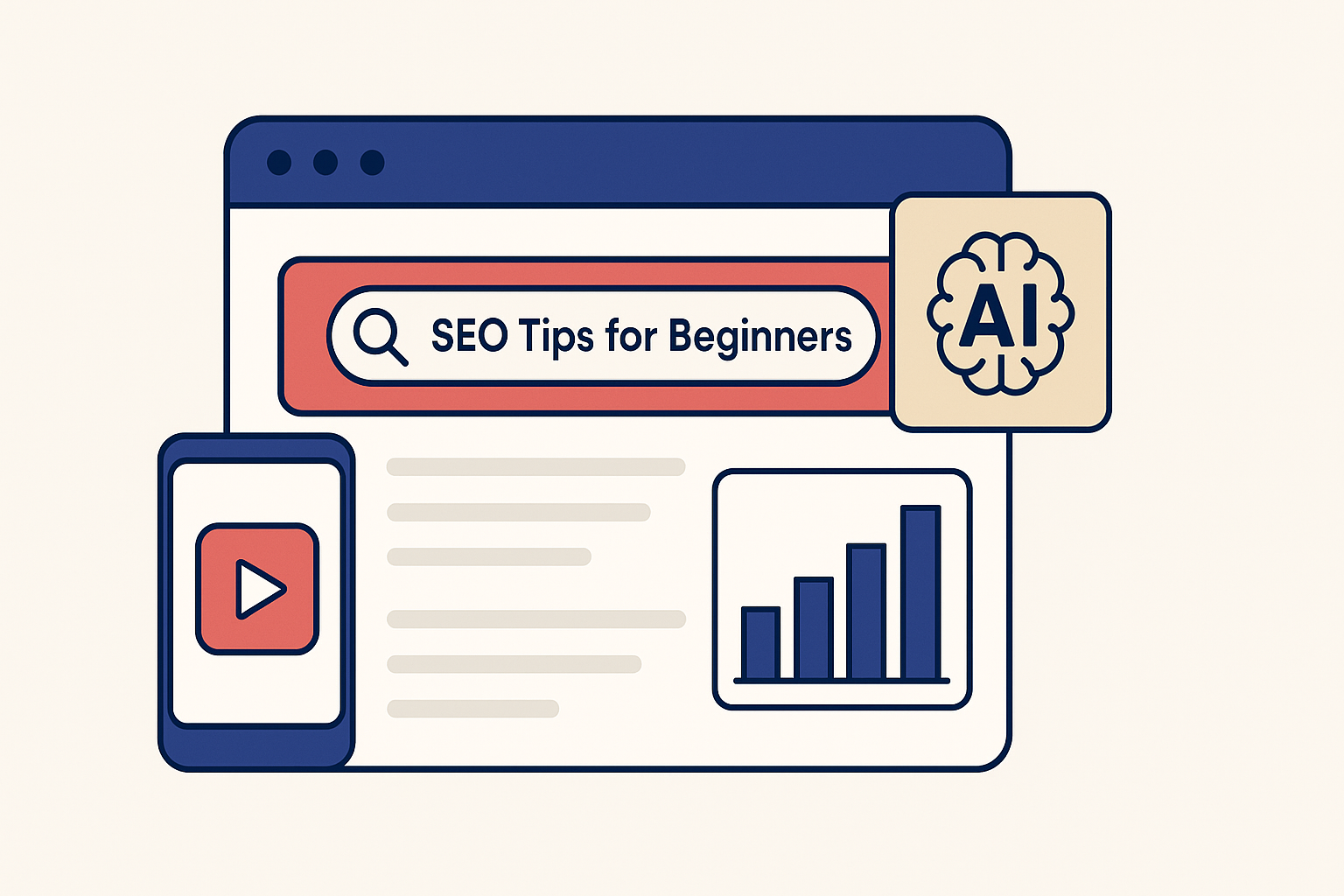
Integrating AI into your image optimization workflow requires a structured approach. The following steps outline a practical method for using these tools effectively, from selection to deployment.
Step 1: Choose the Right Tool
Evaluate AI platforms based on their computer vision accuracy, integration with your CMS, and pricing. Popular options include specialized SEO suites with image modules, as well as standalone APIs from cloud providers. Test the tool on a sample set of your images to assess output quality before committing.
Step 2: Set Up Brand Guidelines
Most advanced tools allow you to input custom instructions. Provide the AI with your target keywords, preferred tone, and specific terminology. For example, if you sell “pre-owned watches,” instruct the AI to avoid the term “used” and always include the brand name. This customization bridges the gap between generic AI output and your unique brand voice.
Step 3: Integrate with Your CMS
Look for plugins or API connections that allow the AI to automatically rename files and update title fields upon upload. This automation ensures no image is missed. If you use WordPress, Shopify, or Magento, check for native integrations or third-party connectors that streamline the process.
Step 4: Review and Refine
Do not publish the AI output blindly. Conduct a weekly audit of the generated titles. Look for instances where the AI misidentified the subject or used awkward phrasing. Create a feedback loop by correcting these errors in the tool, training it to improve over time. This human-in-the-loop approach yields the best results.
Step 5: Monitor Performance
Track your image search traffic in Google Search Console. Filter by image queries to see which titles are driving impressions and clicks. If certain pages underperform, revisit the titles and adjust the keywords. AI is not a set-and-forget solution; continuous optimization is necessary to maintain rankings.
Common Mistakes to Avoid with AI Image Titles
Even with advanced technology, certain pitfalls can negate the benefits of AI optimization. Being aware of these errors helps you maintain a high standard of quality across your digital assets.
Important Notes on Structured Data and Image Titles
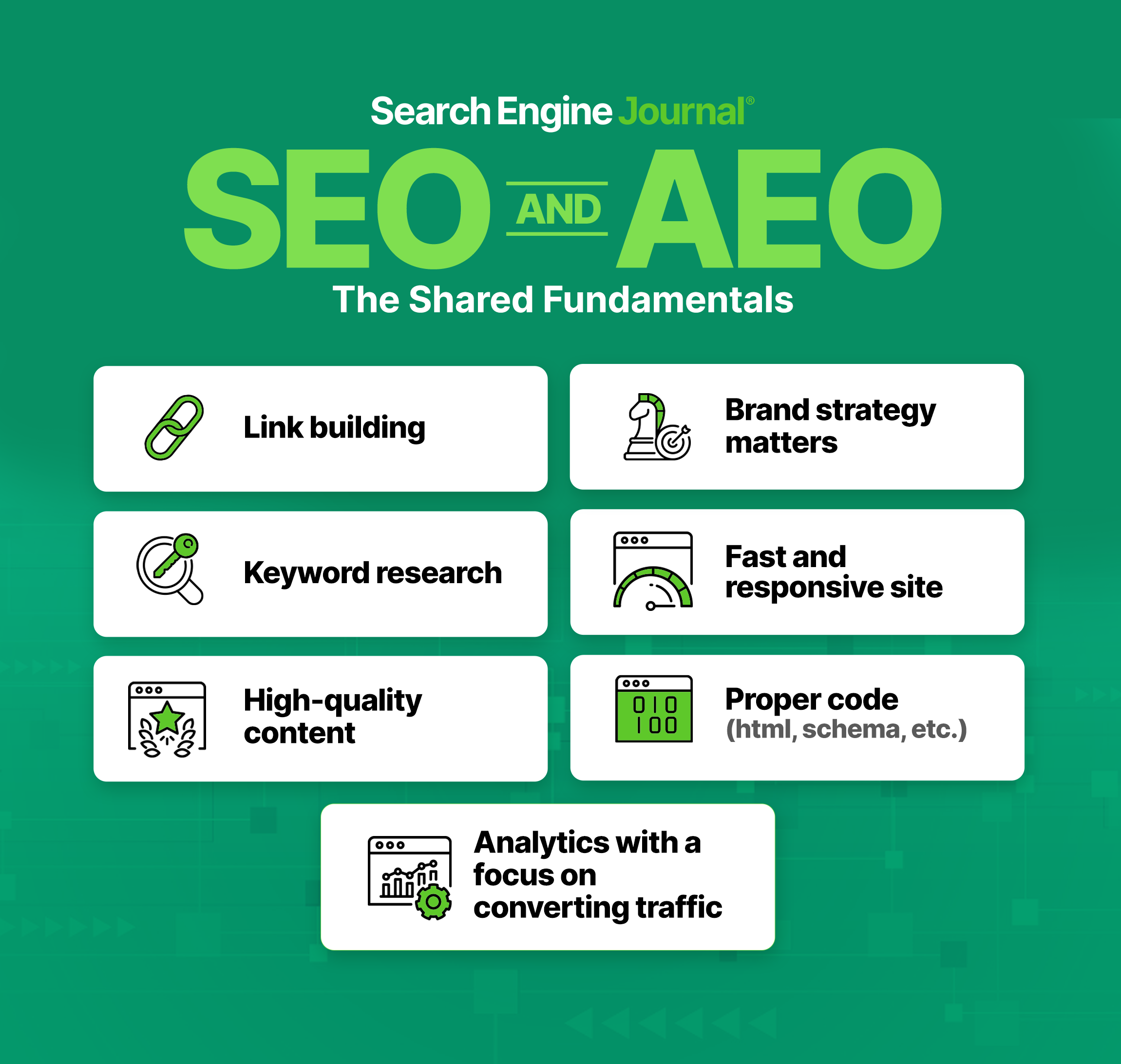
Beyond the title attribute, structured data markup plays a vital role in how search engines treat your images. The image_object schema allows you to specify the name, URL, and caption of an image explicitly. While this is not the same as the title attribute, it provides another layer of context that AI can help generate.
When implementing structured data, ensure the name field matches the AI-generated title. This consistency reinforces the relevance signal. Additionally, use the caption field to provide a slightly longer description, which can be pulled from the AI’s analysis of the image content. This redundancy helps search engines trust the accuracy of your metadata.
Another critical note is the distinction between the title attribute and the og:title for social media. AI tools often generate both, but they serve different platforms. The social title should be catchy and clickable, while the SEO title should be descriptive and keyword-focused. Do not use the same string for both without adjustment.
Frequently Asked Questions
What is the ideal length for an AI SEO image title?
T This length ensures the title is fully visible in the browser tooltip and does not get truncated. Focus on including the primary keyword at the beginning and a descriptive modifier at the end.
Can AI image titles replace the need for manual SEO work?
No, AI automates the repetitive tasks but does not replace strategic thinking. You still need to define your keyword strategy, analyze competitor gaps, and interpret performance data. AI is a powerful assistant that increases efficiency, not a substitute for expertise.
Do image titles affect Core Web Vitals or page speed?
No, the title attribute is text-based metadata and does not impact page load time. However, the file name and image compression do affect speed. AI tools often include image compression features, but the title itself is purely a contextual signal.
How often should I update AI-generated image titles?
Update titles when your target keywords change or when the image content is modified. T However, if you are running a seasonal campaign, updating titles to reflect current trends can boost visibility.
Is it necessary to use AI for every single image on a website?
Prioritize images that are likely to appear in search results. Product images, blog post featured images, and infographics are high-priority. Decorative images that do not convey meaningful content can be excluded from optimization to save resources.
Conclusion
The integration of AI SEO image titles into your digital strategy is no longer an experimental tactic but a necessary evolution. As search engines refine their visual understanding, the metadata you provide becomes the primary communication channel for your images. AI offers the speed, scale, and intelligence required to optimize thousands of assets effectively, capturing long-tail traffic that manual methods miss.
However, the technology demands responsible implementation. Combining AI’s computational power with human editorial oversight ensures your titles remain accurate, on-brand, and aligned with user intent. By following the practical steps outlined in this guide, avoiding common pitfalls, and continuously monitoring performance, you can transform your image library from a passive asset into a powerful driver of organic search traffic. The future of search is visual, and AI is the key to unlocking its full potential.
Xem thêm:
- Mastering AI Search Ranking: How Artificial Intelligence is Redefining SEO Success
- AI SEO Content Performance: The Complete Guide to Measuring and Maximizing Results
- AI SEO LocalBusiness Schema: The Complete Guide to Smarter Local Rankings
- AI SEO Answer Generator: The Complete Guide to Automated Content Intelligence
- AI SEO No Code Automation: The Complete Guide to Scaling Organic Growth Without Developers
Bài viết cùng chủ đề:

AI SEO SEO Automation with Make: The Complete Workflow Guide

AI SEO SEO Automation with Zapier: The Complete Workflow Guide

AI SEO SEO Automation with n8n: The Complete Workflow Guide
AI SEO SEO Automation with Gemini: The Complete Guide to Scaling Organic Growth

AI SEO SEO Automation with Claude: The Complete Guide to Scaling Content in 2025

AI SEO SEO Automation with ChatGPT: The Complete Playbook for 2025

AI SEO & SEO Automation for Affiliate Sites: The 2025 Playbook for Passive Income Growth
AI SEO & SEO Automation for Bloggers: The Complete Guide to Scaling Your Content

AI SEO & SEO Automation for Agencies: The Complete 2025 Playbook

AI SEO and SEO Automation for Ecommerce: The Complete Playbook for 2025

AI SEO & SEO Automation for WordPress: The Complete Playbook for 2025
AI SEO SEO Automation Strategy: The Complete Playbook for 2025

Mastering the AI SEO SEO Automation Process: A Complete Guide to Scaling Organic Growth
AI SEO SEO Automation System: The Complete Guide to Scaling Organic Growth in 2025
AI SEO SEO Automation Platform: The Complete Guide to Scaling Organic Growth in 2025
AI SEO SEO Automation Software: The Complete Guide to Scaling Organic Growth in 2025















