
No products in the cart.
AI SEO Intent Classification: The Complete Guide to Understanding Search Behavior
10
Aug
Aug
AI SEO intent classification is transforming how digital marketers understand and respond to user behavior. Search engines have evolved far beyond simple keyword matching, and businesses that fail to adapt risk losing visibility to competitors who understand what their audience truly wants. This comprehensive guide explores how artificial intelligence analyzes search intent, why it matters for your SEO strategy, and how you can leverage these insights to create content that ranks and converts.
What Is AI SEO Intent Classification?
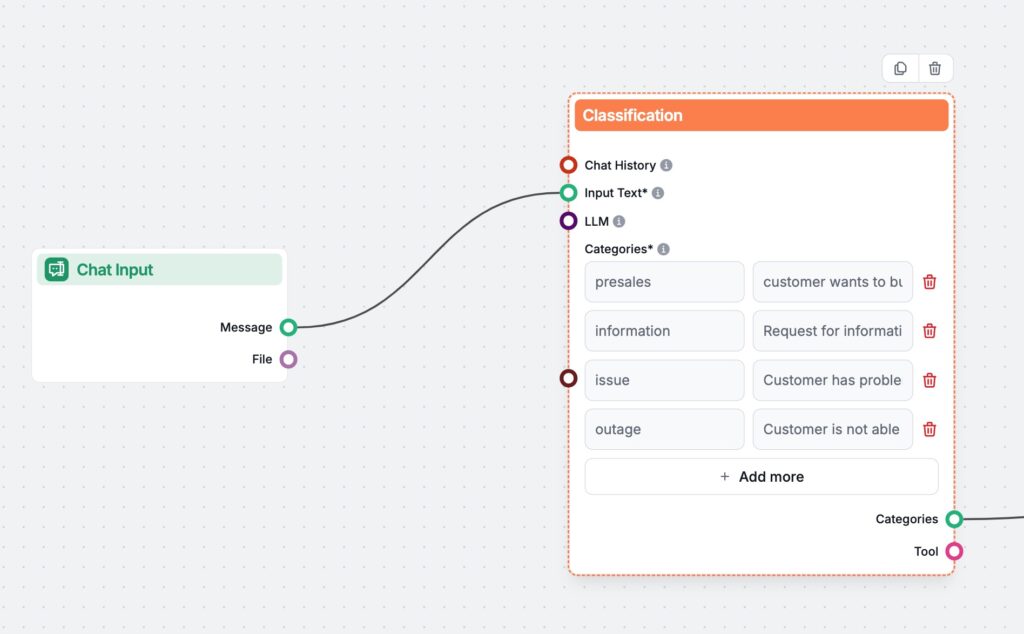
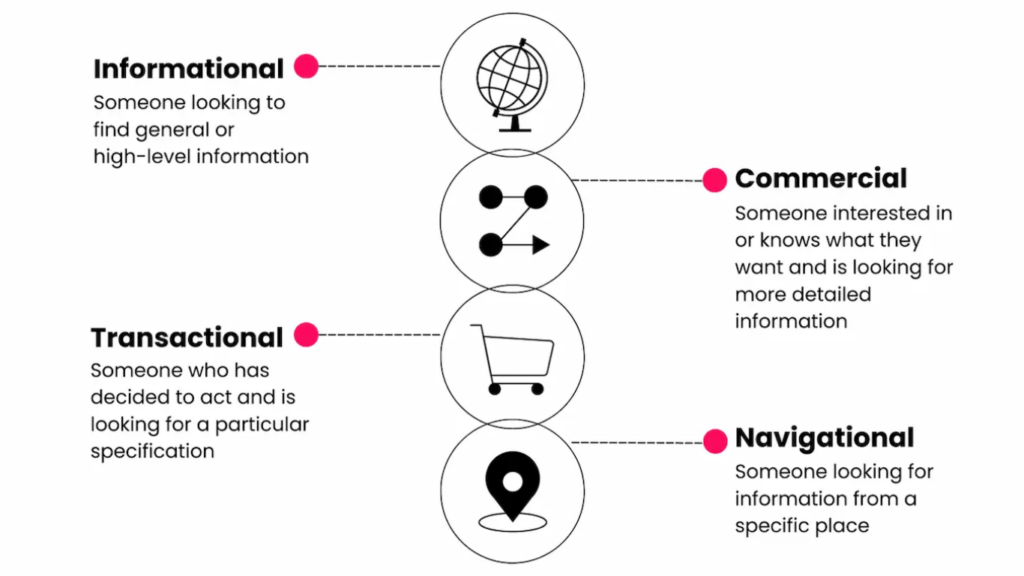
AI SEO intent classification refers to the use of machine learning algorithms and natural language processing to automatically categorize search queries based on the underlying purpose of the user. Instead of merely identifying keywords, AI systems analyze the context, phrasing, and semantic signals within a query to determine whether someone is looking to buy, learn, navigate, or compare options.
Traditional SEO relied heavily on keyword density and exact-match phrases. Modern search engines like Google use sophisticated neural networks, including BERT and MUM, to understand the nuances of language. These systems can distinguish between a user searching “best running shoes” who wants product comparisons and someone searching “how to tie running shoes” who needs instructional content.
The Evolution from Keywords to Intent
In the early days of search, algorithms matched strings of text. A page containing the exact words of a query would rank well, regardless of whether it actually satisfied the user. This led to keyword stuffing and low-quality content that frustrated users. The shift toward intent-based ranking began with Google’s Hummingbird update in 2013, which prioritized semantic search and the meaning behind words.
Today, AI SEO intent classification goes several steps further. Machine learning models are trained on billions of search interactions to recognize patterns in how users phrase questions, what types of content they click, and how they behave after clicking. This data feeds into ranking algorithms that reward pages matching the dominant intent for a given query.
Why AI SEO Intent Classification Matters for Your Business
Understanding search intent is no longer optional for achieving meaningful organic visibility. When your content aligns with what users actually want, you experience higher engagement rates, lower bounce rates, and improved conversion metrics. Search engines notice these positive signals and reward your pages with better rankings.
Consider the financial impact. A page targeting a transactional query like “buy wireless headphones” that instead offers a blog post about headphone history will fail to convert visitors. Even if the page ranks, users will quickly return to search results, signaling to Google that your content misses the mark. Over time, this erodes your domain authority and pushes your pages further down the results page.
Key Benefits of Implementing AI Intent Classification
- Higher conversion rates: Matching content to user intent means visitors find what they need immediately, increasing the likelihood of purchases, sign-ups, or other desired actions.
- Improved content efficiency: Instead of creating generic content that tries to appeal to everyone, you can produce targeted pieces that serve specific stages of the buyer journey.
- Better resource allocation: Knowing which queries have commercial intent helps you prioritize content creation efforts where they generate the most revenue.
- Enhanced user experience: When users find exactly what they are looking for, they spend more time on your site and view your brand as a trusted resource.
- Competitive advantage: Many businesses still rely on outdated keyword strategies. Leveraging AI intent classification positions you ahead of competitors who ignore this critical factor.
- Organic traffic volume
- Time on page
- Pages per session
- Social shares and backlinks
- Featured snippet acquisition
- Click-through rate from search results
- Engagement with comparison elements
- Email sign-ups or content downloads
- Product page visits from content
- Conversion rate
- Revenue per visitor
- Cart abandonment rate
- Return on ad spend if using paid promotion
The Four Main Types of Search Intent
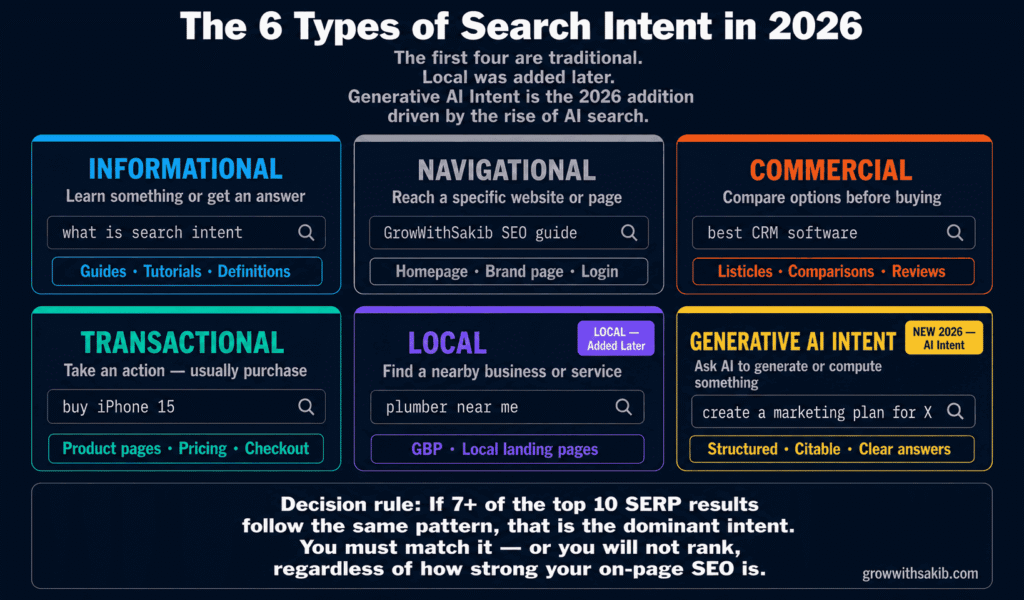
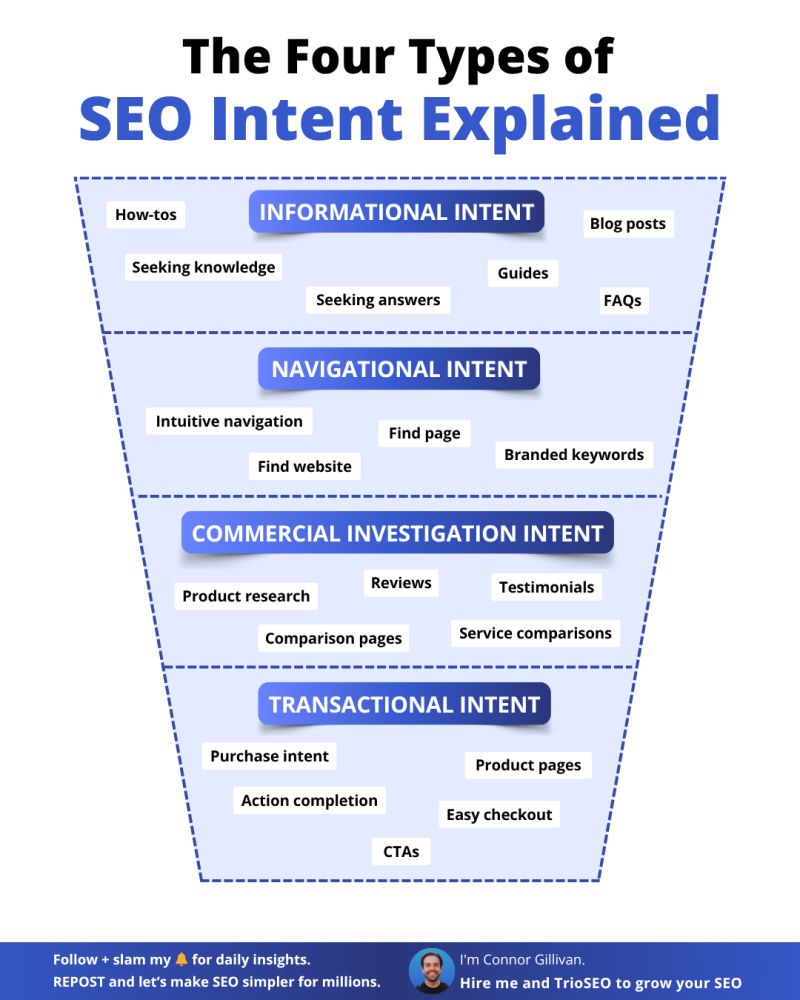
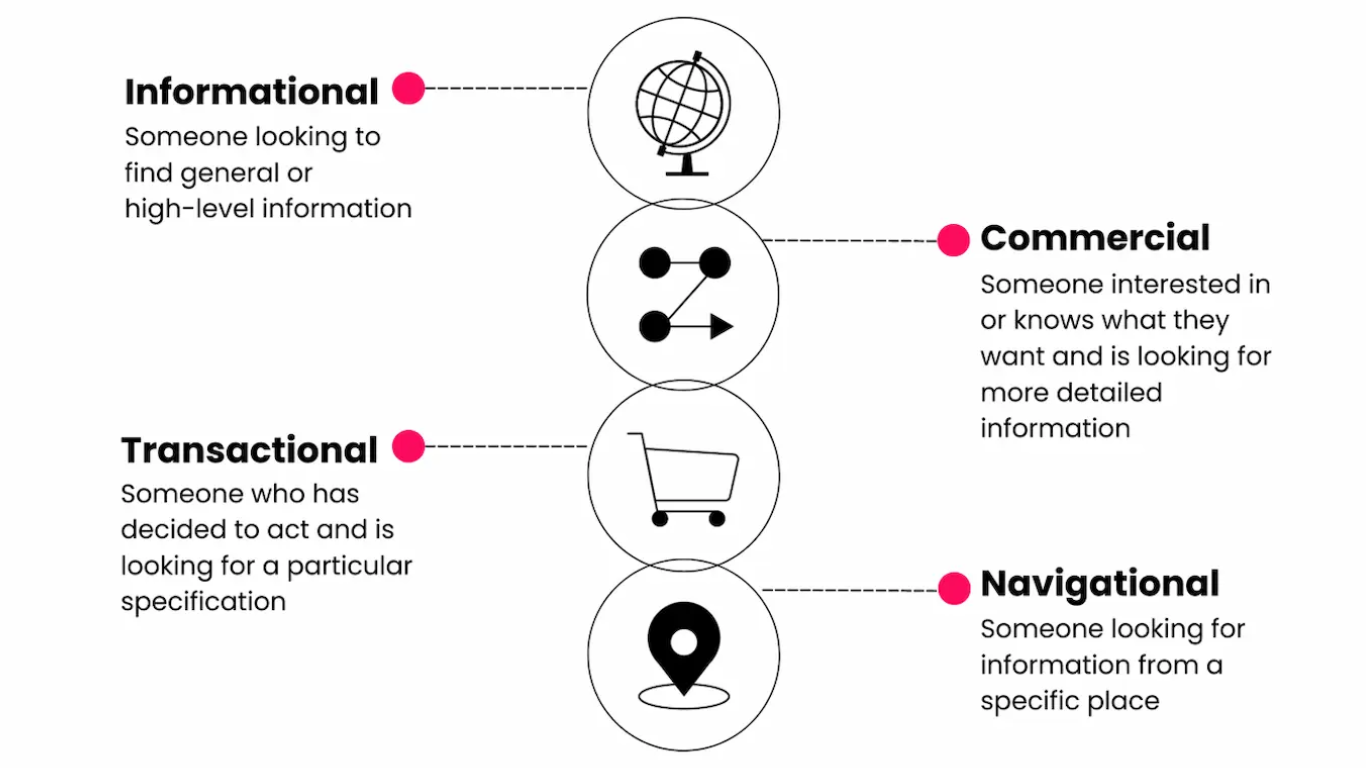
AI SEO intent classification typically categorizes queries into four primary types. Understanding these categories forms the foundation of any intent-based content strategy.
Informational Intent
Users with informational intent want to learn something. They might search “what is SEO” or “how does solar power work.” These queries often begin with question words like who, what, when, where, why, and how. Content targeting informational intent includes blog posts, tutorials, guides, and educational videos. While these users may not be ready to buy, they represent valuable top-of-funnel traffic that can be nurtured over time.
Navigational Intent
Navigational queries occur when users already know a specific website or brand and want to find it directly. Examples include “Facebook login” or “Nike official store.” For most businesses, navigational intent is less critical because users are already familiar with the brand. However, ensuring your branded pages rank for these queries prevents competitors from intercepting your traffic.
Commercial Investigation Intent
This intent type sits between informational and transactional. Users are researching products or services before making a purchase decision. Queries like “best CRM software” or “iPhone 15 vs Samsung S24” indicate users are comparing options. Content targeting commercial investigation intent includes comparison guides, review roundups, and detailed product analyses. These users are highly valuable because they are close to making a purchase.
Transactional Intent
Transactional queries signal a strong readiness to complete an action, usually a purchase. Examples include “buy running shoes online” or “subscribe to streaming service.” Users with transactional intent expect product pages, pricing information, and clear calls to action. Optimizing for transactional intent requires streamlined landing pages with minimal friction and prominent purchase options.
How AI Classifies Search Intent
AI SEO intent classification relies on several sophisticated techniques to determine what users want from their searches. Understanding these methods helps you appreciate the complexity behind modern search algorithms.
Natural Language Processing (NLP)
NLP enables machines to understand human language in context. Algorithms break down sentences into grammatical components, identify relationships between words, and extract meaning from syntax. For example, NLP can recognize that “best budget laptop” implies a comparison intent, while “laptop repair near me” indicates a local transactional need.
Machine Learning Models
Supervised machine learning models are trained on labeled datasets containing millions of queries with known intent classifications. These models learn to identify patterns in query structure, word choice, and phrasing that correlate with each intent type. Once trained, they can classify new queries with remarkable accuracy.
Behavioral Signals
AI systems also analyze user behavior after clicking a search result. If users consistently click a certain type of content and stay on the page, the algorithm learns that this content matches the query’s intent. Conversely, if users quickly return to search results, the algorithm adjusts its understanding of what satisfies that query.
Semantic Search and Entity Recognition
Modern AI systems identify entities within queries, such as specific products, brands, locations, or concepts. They also understand relationships between entities. For instance, a query about “running shoes” might be linked to entities like “cushioning,” “arch support,” and “trail running,” helping the algorithm determine whether the user wants general information or specific product recommendations.
Tools for AI SEO Intent Classification
Several tools leverage artificial intelligence to help marketers classify search intent at scale. These platforms analyze keyword data and provide intent labels that inform content strategy.
| Tool | Key Features | Best For |
|---|---|---|
| Semrush | Intent-based keyword grouping, SERP analysis, competitive intent insights | Comprehensive SEO campaigns |
| Ahrefs | Keyword difficulty scoring, SERP feature tracking, content gap analysis | Content planning and competitor research |
| Surfer SEO | Content optimization based on SERP analysis, intent matching | On-page optimization |
| Clearscope | Content relevance scoring, semantic keyword suggestions | Content creation and refinement |
| MarketMuse | AI-driven content briefs, intent modeling, topical authority tracking | Enterprise content strategies |
Manual Intent Classification Techniques
While AI tools provide valuable assistance, understanding manual classification techniques helps you validate AI outputs and refine your strategy. Start by examining the current search engine results page for your target keywords. If the top results are blog posts and guides, the intent is likely informational. If product pages dominate, the intent is transactional. If comparison articles and review sites rank well, commercial investigation intent is likely.
Analyze the search features displayed for a query. The presence of a featured snippet suggests informational intent. Shopping results indicate transactional intent. A “People Also Ask” box often accompanies informational or commercial investigation queries. These signals provide valuable clues about what Google believes users want.
Practical Applications of AI SEO Intent Classification
Implementing AI SEO intent classification requires a systematic approach that integrates intent data into every aspect of your content strategy.
Keyword Research and Clustering
Begin by compiling a comprehensive list of keywords relevant to your business. Use AI-powered tools to classify each keyword by intent type. Group keywords with similar intent into clusters. This clustering enables you to create content that addresses multiple related queries while maintaining a clear focus on user needs.
Content Mapping to the Buyer Journey
Map your content clusters to different stages of the buyer journey. Informational content attracts new visitors at the awareness stage. Commercial investigation content engages users who are evaluating options. Transactional content captures users ready to purchase. This mapping ensures you have relevant content for every stage and can guide users toward conversion.
On-Page Optimization for Intent
Each piece of content should be optimized for its specific intent type. Informational content should feature clear headings, comprehensive explanations, and visual aids. Commercial investigation content should include comparison tables, pros and cons lists, and expert opinions. Transactional content should prioritize product information, pricing transparency, and prominent calls to action.
Internal Linking Strategy
Use internal links to connect content across different intent stages. Link from informational articles to commercial investigation content, and from commercial content to transactional pages. This creates a logical flow that guides users deeper into your funnel while distributing link equity throughout your site.
Common Mistakes in AI SEO Intent Classification
Even with advanced AI tools, many businesses make critical errors when implementing intent-based strategies. Recognizing these mistakes helps you avoid costly missteps.
Ignoring Mixed Intent Queries
Some queries contain elements of multiple intent types. For example, “best running shoes for flat feet” combines commercial investigation with specific informational needs. Treating this as purely commercial or purely informational misses the mark. Create content that addresses both the comparison aspect and the specific condition mentioned.
Over-Optimizing for One Intent Type
Focusing exclusively on transactional keywords may generate quick wins but neglects the broader audience that needs nurturing. A balanced approach that targets all intent types builds sustainable organic traffic and supports long-term brand growth.
Neglecting Local Intent
Many queries include local modifiers like “near me” or specific city names. These queries often have distinct intent patterns that differ from national or global searches. Ensure your AI classification tools account for local intent and that your content addresses location-specific needs.
Failing to Update Intent Classifications
Search intent evolves over time as user behavior changes and new products emerge. A keyword that was purely informational last year may now have significant commercial intent. Regularly review and update your intent classifications to stay aligned with current user expectations.
Measuring the Success of Your Intent-Based Strategy
Tracking the right metrics validates whether your AI SEO intent classification efforts are producing results. Different intent types require different success metrics.
Metrics for Informational Content
Metrics for Commercial Investigation Content
Metrics for Transactional Content
Future Trends in AI SEO Intent Classification
The field of AI SEO intent classification continues to evolve rapidly. Staying informed about emerging trends positions your business to adapt quickly and maintain competitive advantage.
Generative AI and Intent Prediction
Large language models like GPT-4 are becoming increasingly sophisticated at predicting user intent even when queries are ambiguous. These models can generate content that anticipates user needs before they are explicitly stated, creating proactive search experiences.
Voice Search and Conversational Intent
Voice search queries tend to be longer and more conversational than typed queries. AI systems are adapting to understand natural language patterns, including filler words and incomplete sentences. Optimizing for voice search requires content that answers questions directly and conversationally.
Visual Search and Multimodal Intent
Visual search allows users to search using images rather than text. AI systems are learning to classify intent from visual inputs, understanding what users want when they upload a photo of a product or scene. This opens new opportunities for e-commerce businesses to capture intent-rich traffic.
Frequently Asked Questions
What is the difference between search intent and user intent?
Search intent and user intent are often used interchangeably, but subtle differences exist. Search intent refers specifically to the purpose behind a search query, while user intent encompasses broader goals that may span multiple searches and interactions. AI SEO intent classification focuses primarily on search intent as expressed through individual queries.
How does Google determine search intent?
Google uses a combination of machine learning algorithms, user behavior signals, and semantic analysis to determine search intent. The company trains its systems on massive datasets of search interactions, continuously refining its understanding of what users want from different types of queries.
Can AI SEO intent classification replace human judgment?
AI tools provide valuable data and insights, but human judgment remains essential. AI can classify queries with high accuracy, but understanding the nuances of your specific audience, industry context, and business goals requires human expertise. The most effective strategies combine AI insights with human creativity and strategic thinking.
How often should I review my intent classifications?
Review your intent classifications at least quarterly, or whenever significant changes occur in your industry, product offerings, or target audience. Search trends shift continuously, and regular reviews ensure your content strategy remains aligned with current user expectations.
What tools are best for small businesses with limited budgets?
Several affordable tools offer AI-powered intent classification features. Google’s free Search Console provides valuable data about how users find your site. Free versions of tools like Ubersuggest and AnswerThePublic offer basic intent insights. As your budget grows, consider investing in more comprehensive platforms like Semrush or Ahrefs.
Important Notes for Implementing AI SEO Intent Classification
Successful implementation requires more than just adopting new tools. Consider these important factors as you integrate intent classification into your SEO workflow.
Start with a clear understanding of your business goals. Intent classification should serve your broader objectives, whether that means increasing sales, building brand awareness, or establishing thought leadership. Align your content strategy with these goals to ensure every piece of content contributes to measurable outcomes.
Invest in quality content creation. AI tools can tell you what intent to target, but they cannot write compelling content for you. Skilled writers who understand your audience and can create engaging, informative, and persuasive content remain essential to SEO success.
Monitor your competitors’ intent strategies. Analyzing which intent types your competitors target and how successfully they rank for those queries provides valuable benchmarks. Identify gaps in their coverage that you can exploit with superior content.
Be patient with results. Intent-based optimization often takes time to show measurable improvements. Search engines need to crawl and index your updated content, and user behavior signals accumulate gradually. Consistent effort over several months typically yields the best outcomes.
Conclusion
AI SEO intent classification represents a fundamental shift in how digital marketers approach search optimization. By understanding and responding to the underlying purpose behind user queries, businesses can create content that truly serves their audience while achieving superior search visibility and conversion rates.
The technology behind intent classification continues to advance, making it more accessible and accurate than ever before. Businesses that embrace these capabilities position themselves for sustainable growth in an increasingly competitive digital landscape. Those who ignore intent risk falling behind as search engines continue to prioritize user satisfaction above all else.
Start implementing AI SEO intent classification today by auditing your existing content, identifying intent gaps, and creating a roadmap for improvement. The effort invested in understanding your users’ true needs will pay dividends through higher rankings, increased traffic, and improved business outcomes.
Xem thêm:
- AI SEO Keyword Clustering Tool: The Complete Guide to Smarter Content Optimization
- AI SEO Image Titles: The Complete Guide to Boosting Your Visual Search Rankings
- AI SEO GPT Tools: The Complete Guide to Automating Your Search Rankings in 2025
- AI Video SEO: The Ultimate Guide to Ranking AI-Generated Videos in 2025
- AI SEO CDN Setup: The Complete Guide to Boosting Search Rankings and Site Speed
Bài viết cùng chủ đề:

AI SEO SEO Automation with Make: The Complete Workflow Guide

AI SEO SEO Automation with Zapier: The Complete Workflow Guide

AI SEO SEO Automation with n8n: The Complete Workflow Guide
AI SEO SEO Automation with Gemini: The Complete Guide to Scaling Organic Growth

AI SEO SEO Automation with Claude: The Complete Guide to Scaling Content in 2025

AI SEO SEO Automation with ChatGPT: The Complete Playbook for 2025

AI SEO & SEO Automation for Affiliate Sites: The 2025 Playbook for Passive Income Growth
AI SEO & SEO Automation for Bloggers: The Complete Guide to Scaling Your Content

AI SEO & SEO Automation for Agencies: The Complete 2025 Playbook

AI SEO and SEO Automation for Ecommerce: The Complete Playbook for 2025

AI SEO & SEO Automation for WordPress: The Complete Playbook for 2025
AI SEO SEO Automation Strategy: The Complete Playbook for 2025

Mastering the AI SEO SEO Automation Process: A Complete Guide to Scaling Organic Growth
AI SEO SEO Automation System: The Complete Guide to Scaling Organic Growth in 2025
AI SEO SEO Automation Platform: The Complete Guide to Scaling Organic Growth in 2025
AI SEO SEO Automation Software: The Complete Guide to Scaling Organic Growth in 2025















