
No products in the cart.
AI SEO Intent Optimization: The Complete Guide to Ranking in the Modern Search Era
10
Aug
Aug
Search engines have evolved far beyond simple keyword matching. Today, the success of any digital marketing strategy hinges on understanding why users search, not just what they type. AI SEO Intent Optimization is the process of using artificial intelligence to decode, categorize, and satisfy the underlying purpose behind every search query. This approach transforms generic content into highly targeted answers that align perfectly with user expectations, leading to higher rankings, improved click-through rates, and sustained organic growth.
Understanding the Core of AI SEO Intent Optimization
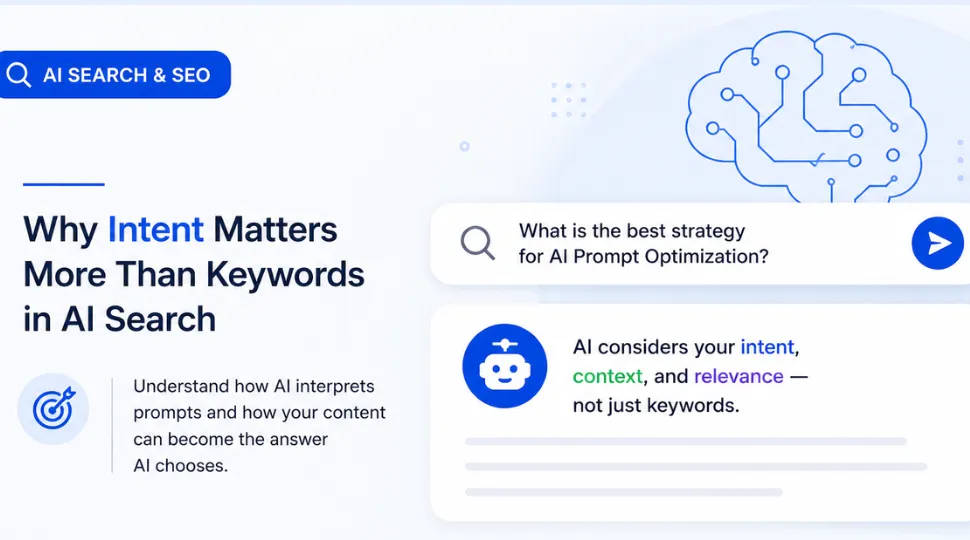
AI SEO Intent Optimization represents a fundamental shift from traditional search engine optimization. Traditional SEO focused on inserting keywords into content, hoping to match the literal words users typed. Modern optimization, powered by AI, analyzes the context, semantics, and behavioral signals associated with queries to determine what the user truly wants to achieve.
The technology leverages natural language processing (NLP) and machine learning algorithms to examine millions of search interactions. These systems identify patterns in how users phrase questions, which content they engage with, and what format of answer satisfies their needs. This deep analysis allows marketers to create content that directly addresses the user’s journey stage, whether they are researching, comparing, or ready to purchase.
The Difference Between Keyword Matching and Intent Matching
Keyword matching treats all searches for “best running shoes” as identical. Intent matching recognizes that this query could mean different things. A user searching “best running shoes for marathon training” has a different intent than someone searching “best running shoes for casual walking.” AI SEO Intent Optimization distinguishes between these nuances, allowing content creators to target specific segments with precision.
Search engines themselves have become intent-focused. Google’s BERT and MUM algorithms are designed to understand the relationship between words in a sentence, not just the words themselves. This means content optimized for intent rather than mere keywords has a significant advantage in ranking algorithms.
How AI Deciphers Search Intent
Artificial intelligence systems analyze search intent through multiple data points simultaneously. These include the exact phrasing of the query, the user’s search history, their geographic location, the device they are using, and the time of day. This comprehensive analysis creates a detailed picture of what the user expects to find.
Machine learning models are trained on vast datasets of search queries and corresponding user behaviors. When a user clicks a result and immediately returns to the search results page, the algorithm learns that the content did not match the intent. Conversely, when users stay on a page, read thoroughly, and engage with the content, the algorithm identifies that page as a strong intent match.
Classification of Search Intent Categories
AI systems typically classify search intent into four primary categories. Each category requires a different content approach and format.
- Informational Intent: The user seeks knowledge or answers to specific questions. Content should be educational, detailed, and structured with clear headings and bullet points.
- Navigational Intent: The user wants to find a specific website or page. Content should focus on brand visibility and direct answers.
- Commercial Investigation: The user is researching products or services before making a decision. Content should include comparisons, reviews, and detailed specifications.
- Transactional Intent: The user is ready to complete a purchase or action. Content should include pricing, availability, and clear calls-to-action.
- Data Quality Matters: The accuracy of your intent analysis depends on the quality of your data sources. Use reliable analytics tools and cross-reference multiple data points.
- User Experience Is Paramount: Search engines prioritize content that provides excellent user experiences. Fast loading times, mobile responsiveness, and clear navigation all contribute to intent satisfaction.
- Monitor Competitor Strategies: Analyze how competitors are addressing search intent. Identify their strengths and weaknesses to find opportunities for differentiation.
- Align with Business Objectives: Intent optimization should support your overall business goals. Focus on queries that have commercial value and align with your product or service offerings.
- Combine AI Insights with Human Judgment: AI provides data-driven insights, but human expertise is essential for understanding nuance and creating compelling content.
Advanced AI systems can even identify hybrid intents, where a user’s query combines multiple categories. For example, “best budget laptops for students” combines commercial investigation with specific user context. AI SEO Intent Optimization handles these complex queries by creating content that addresses all aspects of the user’s needs.
The Role of Semantic Analysis in Intent Optimization
Semantic analysis goes beyond individual keywords to understand the relationships between concepts. AI systems use entity recognition to identify people, places, products, and ideas mentioned in content. They also analyze the sentiment and tone of the content to ensure it matches the user’s expectations.
For instance, a query about “how to fix a leaky faucet” has a practical, instructional intent. Content that uses technical jargon without clear step-by-step instructions will fail to satisfy this intent. AI SEO Intent Optimization tools analyze top-ranking content for similar queries to understand the semantic structure that users find helpful.
Entity-Based Optimization Strategies
Modern AI optimization focuses on entities rather than keywords alone. An entity is a distinct concept or object that search engines recognize. For a query about “electric vehicle charging,” relevant entities include Tesla, charging stations, battery technology, and environmental impact. Content that naturally incorporates these related entities signals comprehensive coverage of the topic to search engines.
AI tools can generate lists of related entities and concepts that should be included in content to fully satisfy search intent. This approach creates richer, more authoritative content that addresses the user’s needs from multiple angles.
Practical Implementation of AI SEO Intent Optimization
Implementing AI SEO Intent Optimization requires a systematic approach that combines technology with content strategy. The process begins with data collection and analysis, followed by content creation and continuous refinement.
Step 1: Conduct Intent-Based Keyword Research
Traditional keyword research tools provide search volume and competition data. AI-powered tools go further by analyzing the intent behind each keyword. These tools categorize keywords by intent type and provide insights into the content format that performs best for each query.
When conducting research, focus on identifying keywords that align with your business goals. A company selling software should prioritize transactional and commercial investigation keywords, while a blog focused on education should target informational queries.
Step 2: Analyze the Current Search Landscape
Examine the top-ranking pages for your target keywords. AI tools can analyze these pages to identify common elements, content structure, and semantic themes. This analysis reveals what search engines currently consider as satisfying the user’s intent.
Look for gaps in the existing content. If all top-ranking pages are text-based, consider creating video content or interactive tools. If the top pages lack detailed comparisons, create comprehensive comparison tables. These gaps represent opportunities to outperform existing content.
Step 3: Create Content That Matches Intent
Content creation should be guided by the intent analysis. Informational content requires thorough explanations, examples, and visual aids. Commercial content needs objective comparisons, pros and cons lists, and expert opinions. Transactional content must include clear pricing, availability information, and seamless conversion paths.
The structure of your content should mirror the user’s reading patterns. Use descriptive headings that answer questions directly. Break complex topics into digestible sections. Include data, statistics, and real-world examples to build credibility.
Step 4: Optimize for User Engagement Signals
Search engines measure user engagement to determine if content satisfies intent. Key metrics include dwell time, bounce rate, and pages per session. AI SEO Intent Optimization focuses on creating content that keeps users engaged and encourages them to explore further.
Internal linking plays a crucial role in this process. Link to related content that addresses different aspects of the user’s journey. This not only improves engagement metrics but also helps search engines understand the relationship between your pages.
Benefits of AI SEO Intent Optimization
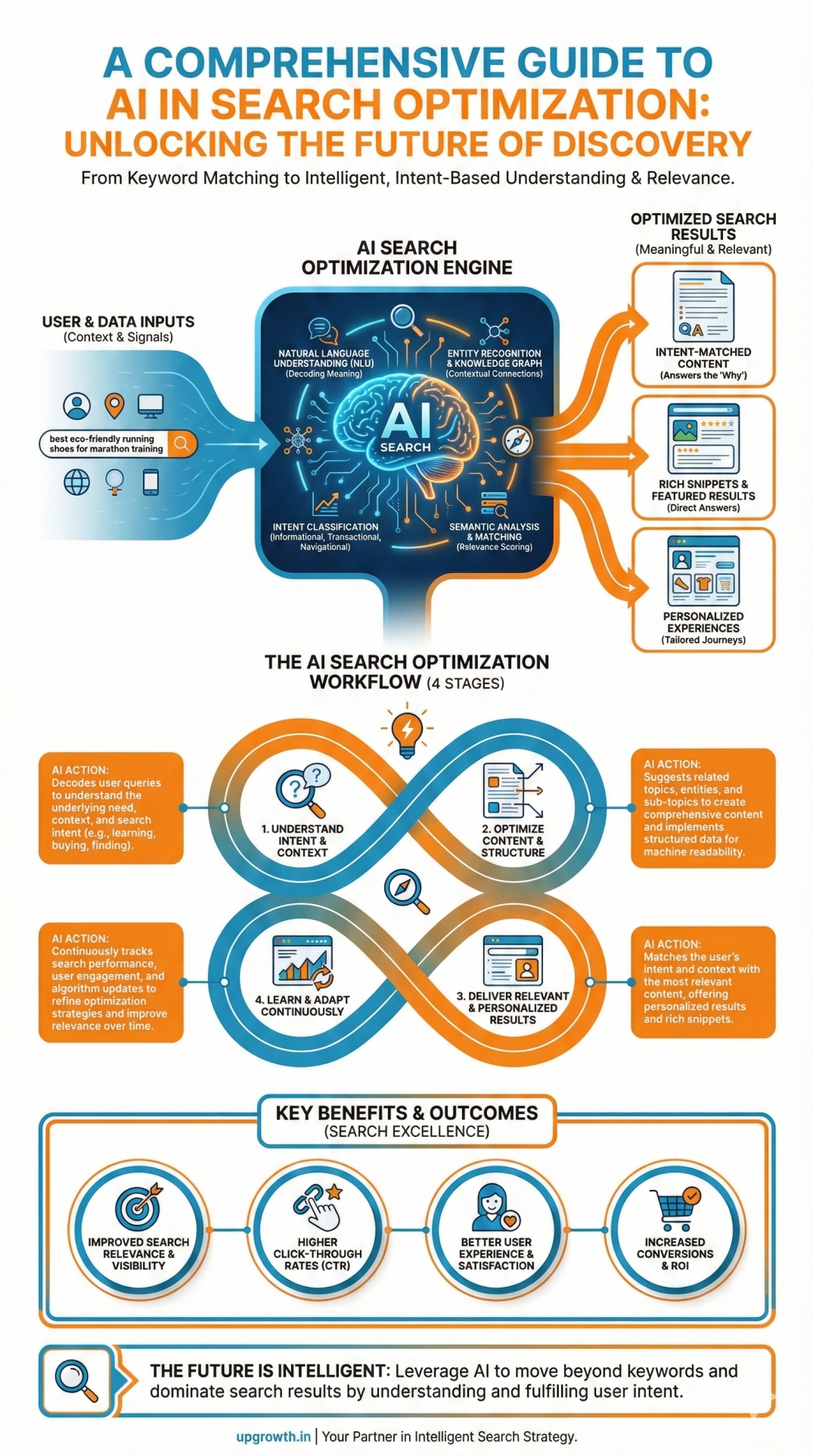
The advantages of implementing AI-driven intent optimization extend beyond search rankings. This approach creates a better experience for users, which translates into measurable business results.
| Benefit | Impact |
|---|---|
| Higher Search Rankings | Content that matches intent is favored by search algorithms, leading to improved positions for target keywords. |
| Increased Click-Through Rates | When content addresses the user’s specific needs, they are more likely to click on your listing in search results. |
| Lower Bounce Rates | Users who find what they are looking for stay on the page longer, signaling quality to search engines. |
| Improved Conversion Rates | Content that guides users through their journey effectively leads to more sales, sign-ups, and inquiries. |
| Enhanced Brand Authority | Consistently satisfying user intent positions your brand as a trusted source of information. |
Limitations and Challenges
AI SEO Intent Optimization is not without its challenges. The technology requires investment in tools and expertise. Small businesses may find the cost of advanced AI platforms prohibitive. Additionally, AI algorithms are not infallible and may misinterpret intent in some cases.
Another challenge is the dynamic nature of search intent. User behavior changes over time, and what satisfies intent today may not work tomorrow. Continuous monitoring and adaptation are necessary to maintain effectiveness.
Common Mistakes in AI SEO Intent Optimization
Many marketers make avoidable errors when implementing intent optimization strategies. Recognizing these mistakes helps prevent wasted effort and resources.
Mistake 1: Ignoring the User Journey Stage
Creating content that targets the wrong stage of the user journey is a common pitfall. Publishing a detailed product comparison when the user is still in the research phase fails to address their immediate needs. Map your content to the different stages of the buying journey to ensure comprehensive coverage.
Mistake 2: Over-Optimizing for AI at the Expense of Human Readers
While AI tools provide valuable insights, content must remain readable and engaging for humans. Avoid stuffing content with every related entity and keyword the AI suggests. Focus on creating natural, flowing content that incorporates relevant concepts organically.
Mistake 3: Neglecting Content Refresh
Search intent evolves, and content that satisfied users last year may be outdated today. Regularly review and update your content to reflect current trends, new information, and changing user expectations. AI tools can help identify content that is losing relevance.
Mistake 4: Focusing Only on Text Content
Different users prefer different content formats. Some prefer reading, while others prefer watching videos or viewing infographics. AI SEO Intent Optimization should consider the format that best satisfies intent for each query. Some queries are better served by video tutorials, while others require detailed written guides.
Important Notes for Successful Implementation
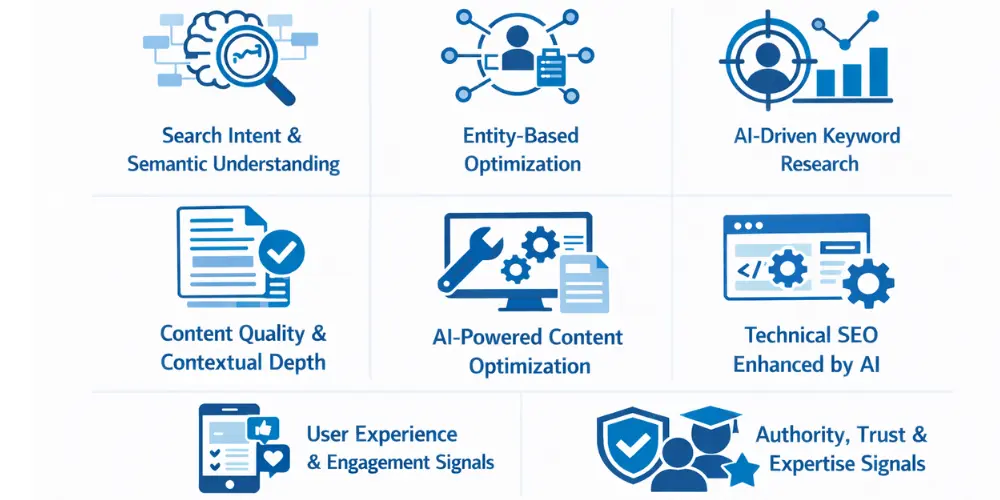
Successful AI SEO Intent Optimization requires a holistic approach that integrates technology, content strategy, and continuous improvement. Keep these key considerations in mind.
Tools and Technologies for AI SEO Intent Optimization
Several categories of tools support intent optimization efforts. Each serves a specific purpose in the workflow.
AI-Powered Keyword Research Tools
These platforms use machine learning to analyze search queries and categorize them by intent. They provide insights into search volume trends, competition levels, and content format preferences. Popular options include Clearscope, MarketMuse, and Surfer SEO.
Natural Language Processing Platforms
NLP tools analyze the semantic structure of content to ensure it aligns with search intent. They identify missing concepts, suggest related entities, and evaluate content comprehensiveness. These tools help create content that covers all aspects of a topic.
Predictive Analytics Solutions
Predictive analytics tools forecast future search trends and user behaviors. They help marketers anticipate changes in intent and prepare content strategies accordingly. This forward-looking approach provides a competitive advantage.
Measuring the Success of Intent Optimization
Tracking the right metrics is essential for evaluating the effectiveness of your AI SEO Intent Optimization efforts. Focus on both search performance metrics and user engagement metrics.
Search performance metrics include keyword rankings, organic traffic, and search visibility. User engagement metrics include time on page, pages per session, and conversion rates. The combination of these metrics provides a complete picture of how well your content satisfies user intent.
Regular reporting and analysis help identify what is working and what needs improvement. Use A/B testing to compare different content approaches and refine your strategy based on data-driven results.
Frequently Asked Questions
What is the difference between AI SEO Intent Optimization and traditional SEO?
Traditional SEO focuses on keyword matching and technical optimization. AI SEO Intent Optimization goes deeper by analyzing the underlying purpose of search queries and creating content that specifically addresses user needs. It uses machine learning to understand context, semantics, and user behavior patterns.
How does AI determine search intent?
AI systems analyze multiple signals including query phrasing, user search history, device type, location, and engagement patterns. Machine learning models are trained on vast datasets of search behavior to recognize patterns that indicate different types of intent.
Can small businesses benefit from AI SEO Intent Optimization?
Yes, small businesses can benefit significantly. While advanced AI platforms may be expensive, there are affordable tools and free resources available. Even basic intent analysis can improve content relevance and search performance.
How often should I update my content for intent optimization?
Content should be reviewed regularly, at least quarterly. Search intent can change with new trends, technologies, and user preferences. Continuous monitoring and updates ensure your content remains relevant and effective.
Does AI SEO Intent Optimization work for all industries?
The principles apply across all industries, but the implementation may vary. E-commerce sites focus on transactional intent, while informational websites target educational queries. The key is understanding your specific audience and their search behaviors.
Conclusion
AI SEO Intent Optimization represents the current frontier of search engine optimization. By leveraging artificial intelligence to understand and satisfy user intent, businesses can achieve sustainable competitive advantages in organic search. The approach requires investment in tools, expertise, and continuous refinement, but the returns in terms of rankings, traffic, and conversions justify the effort.
The future of search will continue to evolve, with AI playing an increasingly central role in how content is created and evaluated. Marketers who embrace AI SEO Intent Optimization today position themselves for success in the search landscape of tomorrow. Start by analyzing your current content through the lens of user intent, identify gaps, and create content that truly answers the questions your audience is asking.
Xem thêm:
- WP Trove AI Copywriting: The Complete Guide to Smarter Content Creation
- AI SEO AI Search Monitoring: The Complete Guide to Tracking Your Brand in the Age of Generative Engines
- AI SEO Google Analytics 4: The Complete Guide to Smarter Data-Driven Rankings
- AI FAQ Generator: Automate Your Customer Support With Intelligent Self-Service
- AI SEO Content Scoring: The Complete Guide to Data-Driven Content Optimization
Bài viết cùng chủ đề:

AI SEO SEO Automation with Make: The Complete Workflow Guide

AI SEO SEO Automation with Zapier: The Complete Workflow Guide

AI SEO SEO Automation with n8n: The Complete Workflow Guide
AI SEO SEO Automation with Gemini: The Complete Guide to Scaling Organic Growth

AI SEO SEO Automation with Claude: The Complete Guide to Scaling Content in 2025

AI SEO SEO Automation with ChatGPT: The Complete Playbook for 2025

AI SEO & SEO Automation for Affiliate Sites: The 2025 Playbook for Passive Income Growth
AI SEO & SEO Automation for Bloggers: The Complete Guide to Scaling Your Content

AI SEO & SEO Automation for Agencies: The Complete 2025 Playbook

AI SEO and SEO Automation for Ecommerce: The Complete Playbook for 2025

AI SEO & SEO Automation for WordPress: The Complete Playbook for 2025
AI SEO SEO Automation Strategy: The Complete Playbook for 2025

Mastering the AI SEO SEO Automation Process: A Complete Guide to Scaling Organic Growth
AI SEO SEO Automation System: The Complete Guide to Scaling Organic Growth in 2025
AI SEO SEO Automation Platform: The Complete Guide to Scaling Organic Growth in 2025
AI SEO SEO Automation Software: The Complete Guide to Scaling Organic Growth in 2025















