
No products in the cart.
AI SEO Keyword Entities: The Complete Guide to Future-Proofing Your Search Strategy
10
Aug
Aug
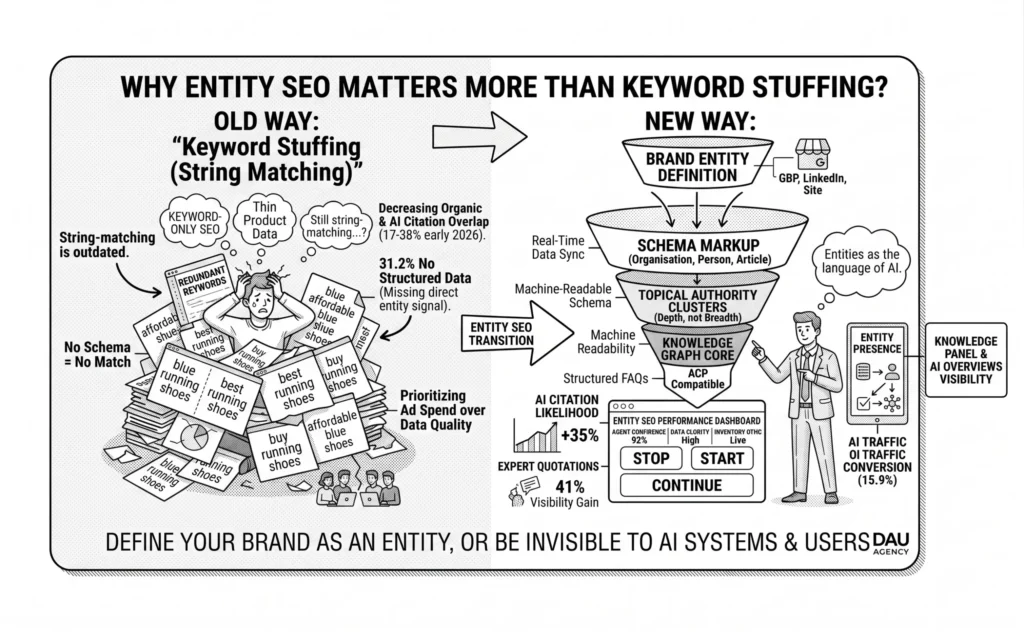
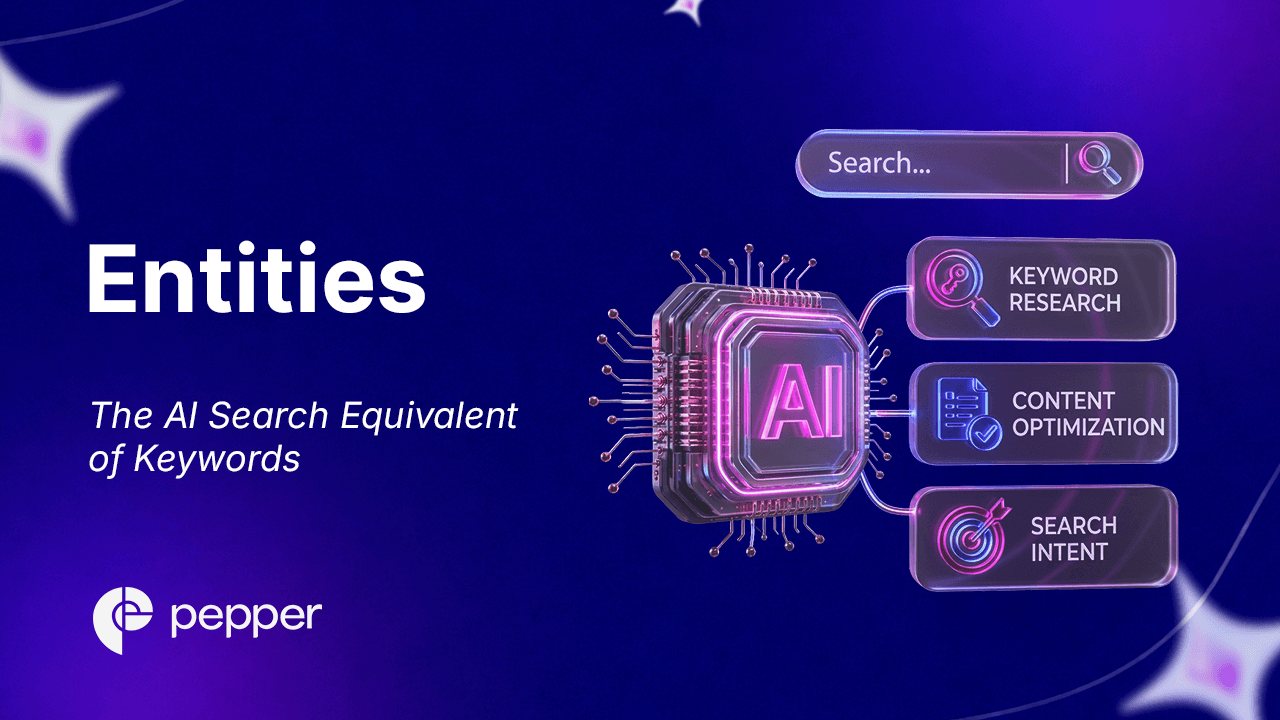
Search engine optimization has shifted from matching exact phrases to understanding the meaning behind queries. The rise of AI SEO Keyword Entities marks a fundamental change in how content gets ranked and discovered. This approach moves beyond simple keywords to focus on the people, places, concepts, and things that form the building blocks of language. By mastering this strategy, you position your content to answer questions more accurately and earn visibility in an increasingly competitive digital landscape.
What Are AI SEO Keyword Entities?
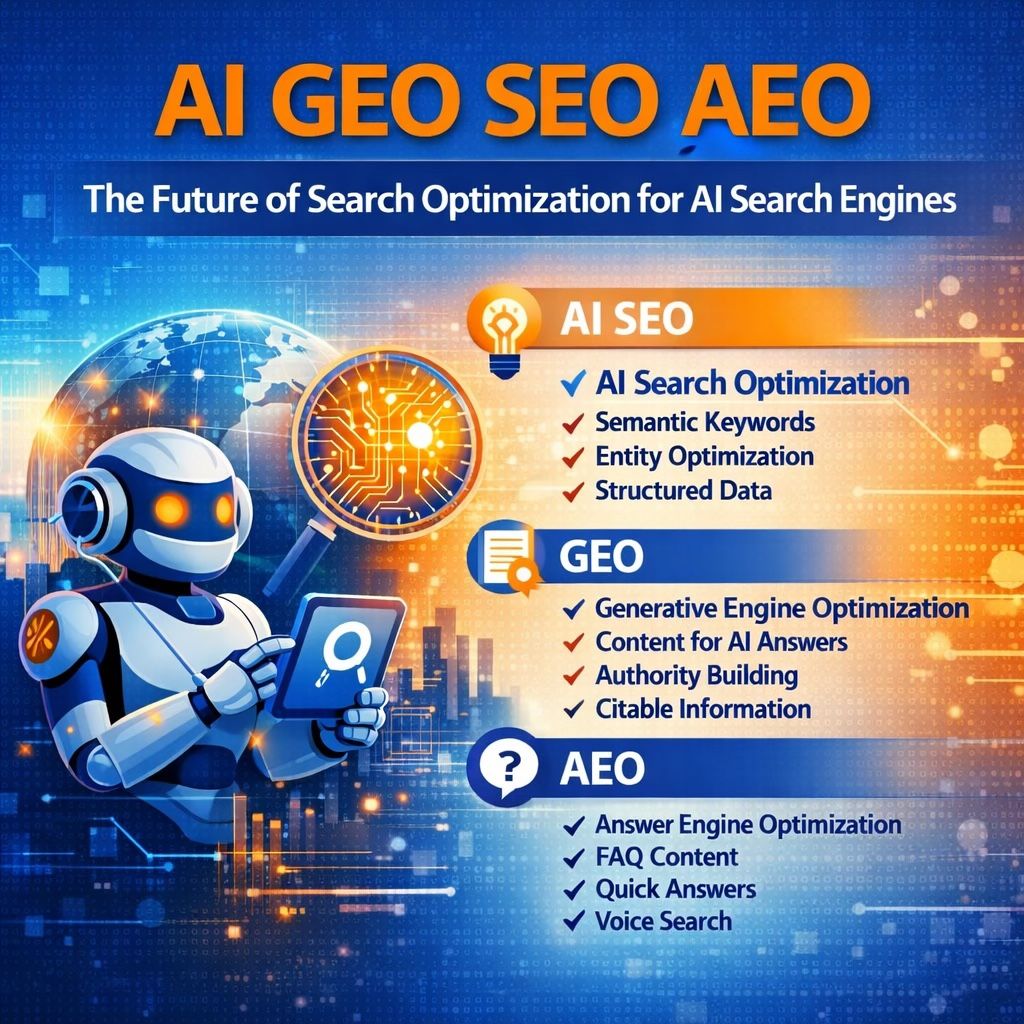
An entity is a distinct, well-defined object or concept that has a unique identity. In the context of search, entities can be people, organizations, locations, products, events, or abstract ideas. Google uses entities to understand the relationships between words and to interpret the intent behind a search query. AI SEO Keyword Entities refers to the practice of optimizing your content around these entities rather than just targeting individual keywords.
For example, the keyword “apple” could refer to the fruit or the technology company. Search engines use entities to determine which meaning is relevant based on context. When you optimize for entities, you help search engines understand exactly what your content is about and how it relates to other concepts. This leads to better matching with user queries and improved search rankings.
The Evolution from Keywords to Entities
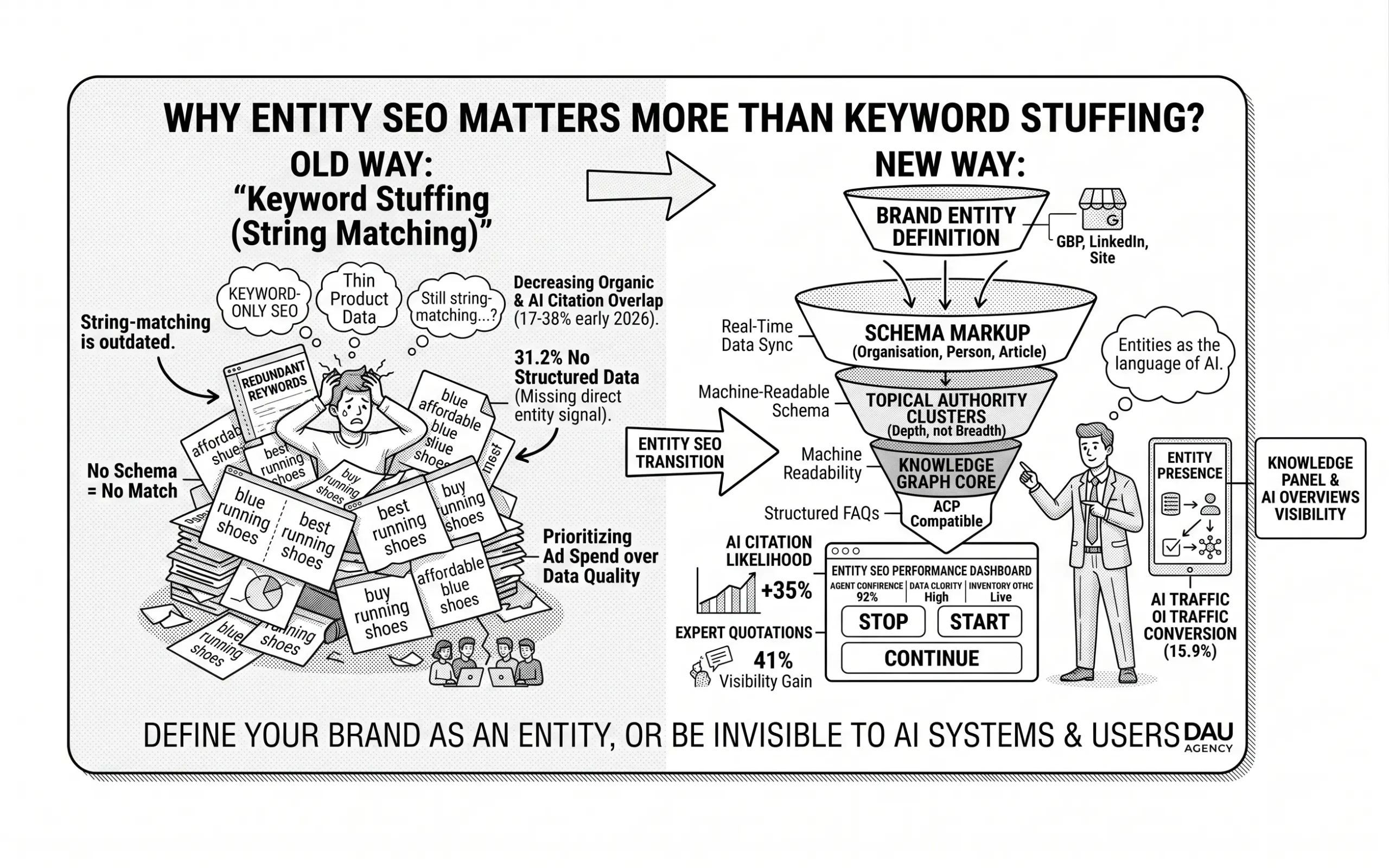
Early search engines relied on exact keyword matching. If a user searched for “best running shoes,” the algorithm looked for pages containing those exact words. This approach was easy to manipulate with keyword stuffing and low-quality content. Google’s Hummingbird update in 2013 marked a turning point by introducing semantic search capabilities. This update allowed the algorithm to understand the relationship between words and concepts, not just the words themselves.
The Knowledge Graph, introduced in 2012, laid the groundwork for entity-based search. It created a database of real-world objects and their interconnections. Today, Google’s algorithms use machine learning models like BERT and MUM to process language in a way that mimics human understanding. These models rely heavily on entity recognition to determine relevance and authority.
Why AI SEO Keyword Entities Matter for Your Rankings
Search engines have become incredibly sophisticated at understanding user intent. When someone searches for “best digital cameras for vlogging,” they expect results that cover specific camera models, features like flip screens and microphone inputs, and price ranges. Content that simply repeats the phrase “best digital cameras for vlogging” without covering the underlying entities will struggle to rank.
Entity-based optimization helps you capture a wider range of search queries. By covering the entities related to your topic, you naturally include variations and long-tail keywords that users might search for. This approach also improves your chances of appearing in featured snippets, knowledge panels, and other rich results that drive high click-through rates.
How Google Uses Entities in Search
Google builds a semantic map of your content by identifying the entities present and their relationships. The algorithm looks at co-occurrence patterns, context clues, and structured data to determine what your page is about. When your content clearly identifies entities and their connections, Google can confidently rank it for relevant queries.
For instance, an article about “Mediterranean diet” should mention entities like olive oil, fish, vegetables, heart health, and specific countries like Greece and Italy. These entities help Google understand the scope of your content and match it with a broader set of user queries. The more comprehensive your entity coverage, the more authoritative your content appears.
Core Components of AI SEO Keyword Entities
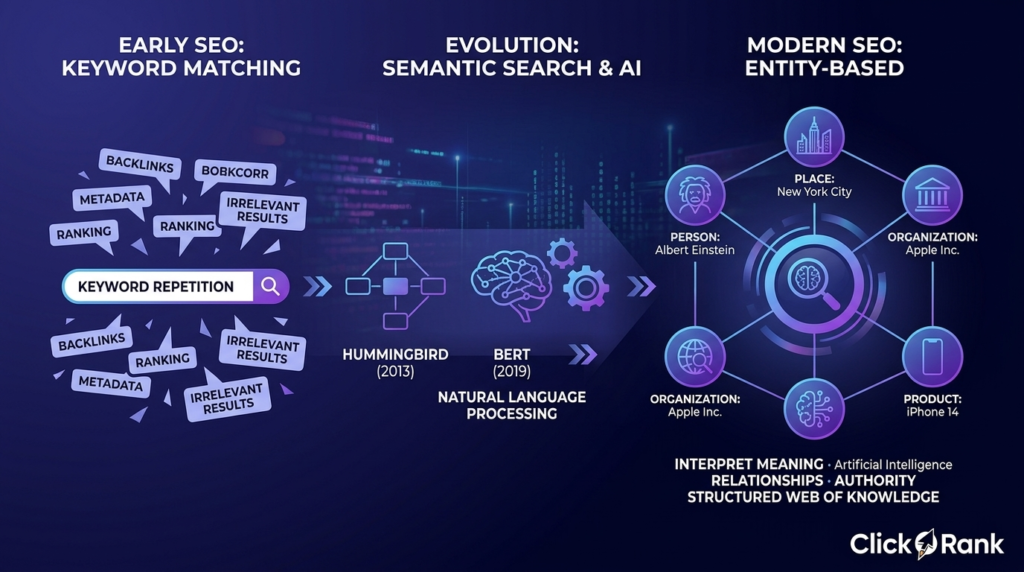
To implement this strategy effectively, you need to understand the different types of entities and how they work together. The main categories include named entities, common nouns, and abstract concepts. Each plays a specific role in helping search engines interpret your content.
Named Entities
These are specific, unique items that have proper names. Examples include:
- People: Elon Musk, Marie Curie, William Shakespeare
- Organizations: NASA, World Health Organization, Apple Inc.
- Locations: Paris, Mount Everest, Amazon River
- Products: iPhone 15, Toyota Camry, Photoshop
- Events: World Cup, Super Bowl, Cannes Film Festival
Including named entities in your content signals to search engines that you are providing specific, factual information. This is particularly important for topics where users expect precise details, such as product reviews, biographical articles, or location-based guides.
Common Nouns and Categories
These are general terms that describe types of things. For example, “smartphone,” “running shoe,” or “digital camera.” While less specific than named entities, they help establish the category of your content. Combining common nouns with named entities creates a clear picture of what your page covers.
Abstract Concepts and Attributes
These include qualities, states, or ideas like “durability,” “affordability,” “sustainability,” or “user experience.” Abstract concepts add depth to your content and help search engines understand the angle or perspective you are taking. They also align your content with the underlying intent of user queries.
How to Perform AI SEO Keyword Entity Research
Finding the right entities for your content requires a systematic approach. Start with your primary keyword and expand outward to identify all related concepts. Several tools and techniques can help you uncover valuable entities.
Using Google’s Knowledge Graph
Search for your main topic on Google and look at the knowledge panel that appears on the right side of the results page. This panel shows the entities Google associates with your topic. For example, searching for “artificial intelligence” displays related entities like machine learning, neural networks, and natural language processing. These are excellent candidates for inclusion in your content.
Leveraging AI-Powered Tools
Tools like Clearscope, MarketMuse, and Surfer SEO analyze top-ranking content and identify the entities they cover. These platforms use natural language processing to extract key concepts and provide you with a list of related terms to include. While these tools require a subscription, they save significant time and provide data-driven recommendations.
Analyzing Competitor Content
Examine the top-ranking pages for your target keyword. Identify the entities they mention and note any gaps in their coverage. This analysis reveals opportunities to create more comprehensive content that covers additional entities and provides more value to users.
Mining Search Suggestions and Related Searches
Type your main keyword into Google and note the autocomplete suggestions. Scroll to the bottom of the results page to see the “Related Searches” section. These suggestions often reveal entities and subtopics that users are actively searching for. Incorporate these into your content to capture additional search traffic.
Practical Guide to Optimizing Content with AI SEO Keyword Entities
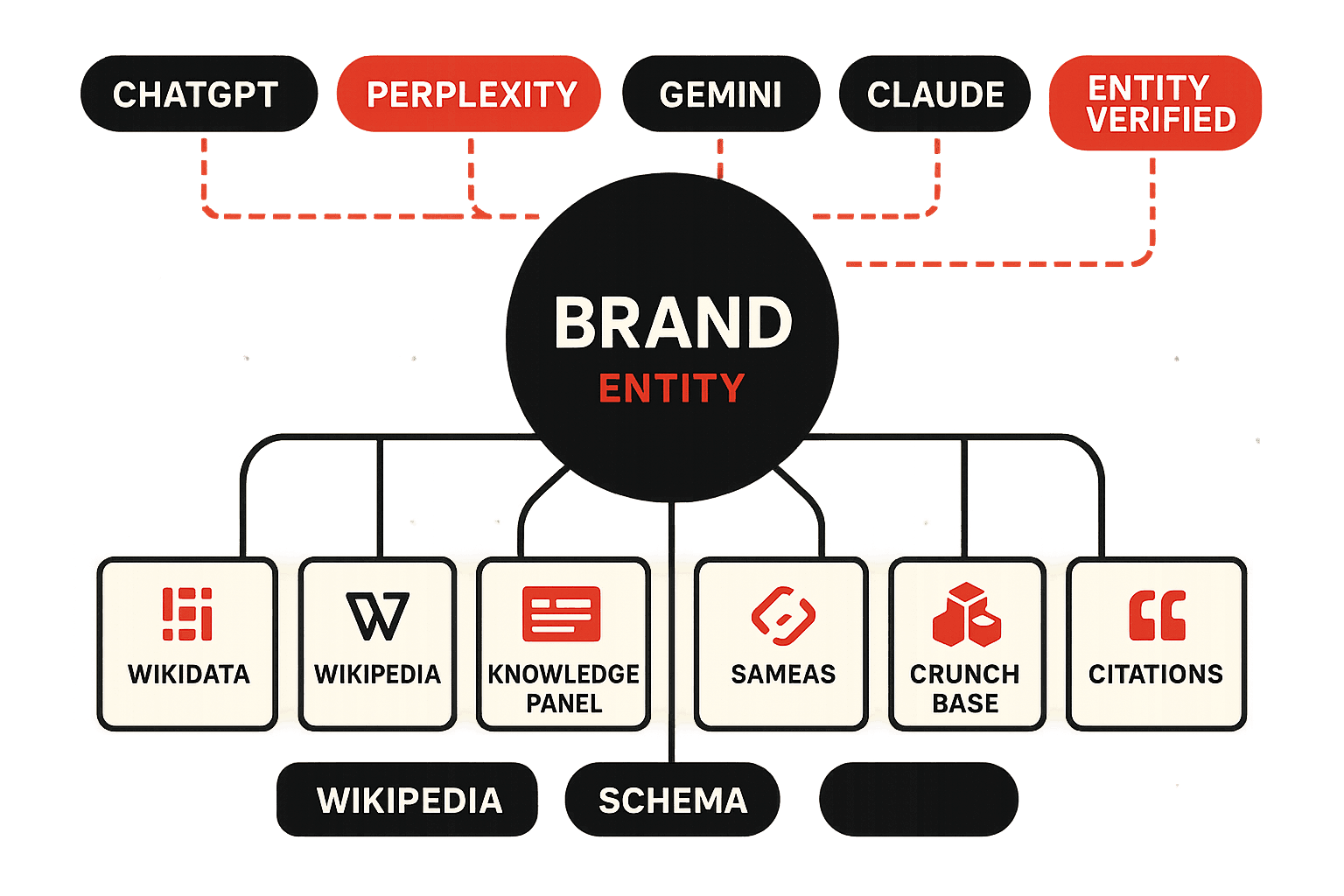
Once you have identified your target entities, you need to integrate them naturally into your content. The goal is to create a comprehensive resource that thoroughly covers the topic from multiple angles.
Structure Your Content Around Entities
Use your primary entity as the main topic and organize your headings around related entities. For example, if your main entity is “electric vehicles,” your subheadings might cover “battery technology,” “charging infrastructure,” “environmental impact,” and “leading manufacturers.” This structure helps search engines understand the scope of your content and its relevance to various queries.
Use Entities in Key Positions
Place your primary entities in the title, first paragraph, and headings. This signals to search engines that these concepts are central to your content. However, avoid overusing entities to the point of unnatural repetition. Aim for a natural flow that reads well for humans while providing clear signals to algorithms.
Incorporate Structured Data
Schema markup helps search engines identify entities on your page with certainty. Use schema types like Article, Product, Person, Organization, or Event to provide explicit signals about the entities in your content. This can improve your chances of earning rich results and enhance your visibility in search.
Build Entity Relationships
Search engines look at how entities relate to each other within your content. Clearly explain the connections between concepts. For example, if you are writing about “content marketing,” explain how it relates to “SEO,” “social media,” and “brand awareness.” These relationship signals help Google understand the context and depth of your expertise.
Benefits of Using AI SEO Keyword Entities
Adopting an entity-based approach offers several advantages over traditional keyword optimization. These benefits extend beyond rankings to impact overall content quality and user experience.
| Benefit | Description |
|---|---|
| Improved Search Relevance | Content matches a wider range of user queries with greater accuracy |
| Enhanced Content Quality | Entity-based writing naturally produces more comprehensive, in-depth content |
| Better Voice Search Optimization | Entity-focused content aligns with natural language queries used in voice search |
| Increased Authority Signals | Coverage of related entities demonstrates topical expertise to search engines |
| Future-Proof Strategy | Entity optimization remains effective as search algorithms continue to evolve |
Common Mistakes to Avoid with AI SEO Keyword Entities
While entity-based optimization is powerful, several pitfalls can undermine your efforts. Being aware of these mistakes helps you create content that performs well.
Keyword Stuffing with Entities
Some marketers try to force as many entities as possible into their content. This creates unnatural, low-quality writing that fails to engage readers. Search engines can detect this manipulation and may penalize your pages. Focus on creating valuable content that naturally incorporates relevant entities.
Ignoring User Intent
Entities are only useful when they align with what users actually want. Including a wide range of entities without considering the user’s search intent leads to content that feels scattered and unfocused. Always start with a clear understanding of the query you are targeting and build your entity list around that intent.
Neglecting Content Depth
Simply mentioning entities is not enough. You need to provide meaningful information about each entity. Superficial mentions add no value and may confuse search engines about your content’s focus. Develop each entity with sufficient detail to demonstrate genuine expertise.
Overlooking Entity Relationships
Search engines evaluate how entities connect within your content. If you mention entities without explaining their relationships, you miss an opportunity to strengthen your semantic signals. Clearly articulate how each entity relates to your main topic and to each other.
Important Notes for Implementing Entity-Based SEO
Entity optimization requires a shift in mindset from traditional keyword targeting. Keep these considerations in mind as you develop your strategy.
First, entity-based SEO is not a replacement for keyword research. It is an enhancement that provides deeper context and broader coverage. Use both approaches together for the best results. Second, entity optimization works best when combined with other SEO best practices like technical optimization, link building, and user experience improvements.
Third, monitor your results and adjust your approach based on performance data. Use tools like Google Search Console to track which queries your content ranks for and identify opportunities to expand your entity coverage. Finally, stay updated on search algorithm changes and emerging AI technologies that may affect how entities are processed.
Frequently Asked Questions
What is the difference between keywords and entities in SEO?
Keywords are specific words or phrases that users type into search engines. Entities are distinct concepts, people, places, or things that have a unique identity. Keywords focus on exact matches, while entities focus on meaning and context. Entity-based SEO aims to cover the full range of concepts related to a topic, providing more comprehensive signals to search engines.
How do AI SEO Keyword Entities improve search rankings?
Entity-based optimization helps search engines understand the meaning and scope of your content. By covering related entities and their relationships, you signal topical authority and relevance. This leads to better matching with user queries, improved rankings for a wider range of keywords, and increased chances of appearing in rich results like featured snippets and knowledge panels.
Do I need special tools to implement entity-based SEO?
While specialized tools like Clearscope and MarketMuse can streamline the process, they are not strictly necessary. You can start by analyzing Google’s Knowledge Graph, studying competitor content, and mining search suggestions. As your strategy matures, investing in AI-powered tools can provide deeper insights and save time.
How long does it take to see results from entity optimization?
The timeline varies depending on your niche, competition level, and content quality. Some improvements may appear within a few weeks, while others take several months. Entity optimization is a long-term strategy that builds authority over time. Consistency and ongoing refinement are key to achieving sustainable results.
Can entity-based SEO work for local businesses?
Yes, entity optimization is particularly valuable for local SEO. Local businesses should focus on entities like their business name, address, phone number, service areas, and local landmarks. This helps search engines connect your business with relevant local queries and improves your visibility in map results and local packs.
Conclusion
AI SEO Keyword Entities represent the current and future direction of search engine optimization. As search algorithms become more sophisticated, the ability to understand and optimize for entities becomes increasingly important. By shifting your focus from isolated keywords to comprehensive entity coverage, you create content that serves users better and earns stronger search visibility.
The transition requires effort, but the rewards are substantial. You gain the ability to rank for a broader range of queries, build topical authority, and future-proof your content against algorithm updates. Start by researching the entities relevant to your niche, then integrate them naturally into your content strategy. With consistent application, entity-based optimization will transform your search performance and establish your brand as a trusted source of information.
Xem thêm:
- AI SEO Behavioral Analytics: The Complete Guide to Understanding User Intent
- WP Trove SEO Plugin: The Complete Guide to Smarter WordPress Optimization
- Search Generative Experience SEO: How to Optimize for AI-Powered Search and Protect Your Rankings
- AI SEO Edge SEO: The Complete Guide to Gaining a Competitive Advantage in 2025
- How to Optimize for AI Search: A Comprehensive Guide to Generative Engine Optimization
Bài viết cùng chủ đề:

AI SEO SEO Automation with Make: The Complete Workflow Guide

AI SEO SEO Automation with Zapier: The Complete Workflow Guide

AI SEO SEO Automation with n8n: The Complete Workflow Guide
AI SEO SEO Automation with Gemini: The Complete Guide to Scaling Organic Growth

AI SEO SEO Automation with Claude: The Complete Guide to Scaling Content in 2025

AI SEO SEO Automation with ChatGPT: The Complete Playbook for 2025

AI SEO & SEO Automation for Affiliate Sites: The 2025 Playbook for Passive Income Growth
AI SEO & SEO Automation for Bloggers: The Complete Guide to Scaling Your Content

AI SEO & SEO Automation for Agencies: The Complete 2025 Playbook

AI SEO and SEO Automation for Ecommerce: The Complete Playbook for 2025

AI SEO & SEO Automation for WordPress: The Complete Playbook for 2025
AI SEO SEO Automation Strategy: The Complete Playbook for 2025

Mastering the AI SEO SEO Automation Process: A Complete Guide to Scaling Organic Growth
AI SEO SEO Automation System: The Complete Guide to Scaling Organic Growth in 2025
AI SEO SEO Automation Platform: The Complete Guide to Scaling Organic Growth in 2025
AI SEO SEO Automation Software: The Complete Guide to Scaling Organic Growth in 2025















