
No products in the cart.
AI SEO Edge SEO: The Complete Guide to Gaining a Competitive Advantage in 2025

31
Jul
Jul
Search engine optimization has entered a new era where artificial intelligence is no longer a futuristic concept but the primary driver of how content is discovered, ranked, and consumed. The term AI SEO Edge SEO represents the strategic fusion of machine learning capabilities with traditional search optimization tactics to outperform competitors in organic search results. This comprehensive guide explores how businesses and marketers can leverage AI-powered tools, predictive analytics, and automated workflows to secure a measurable edge in search rankings.
Understanding AI SEO Edge SEO: Definition and Core Principles
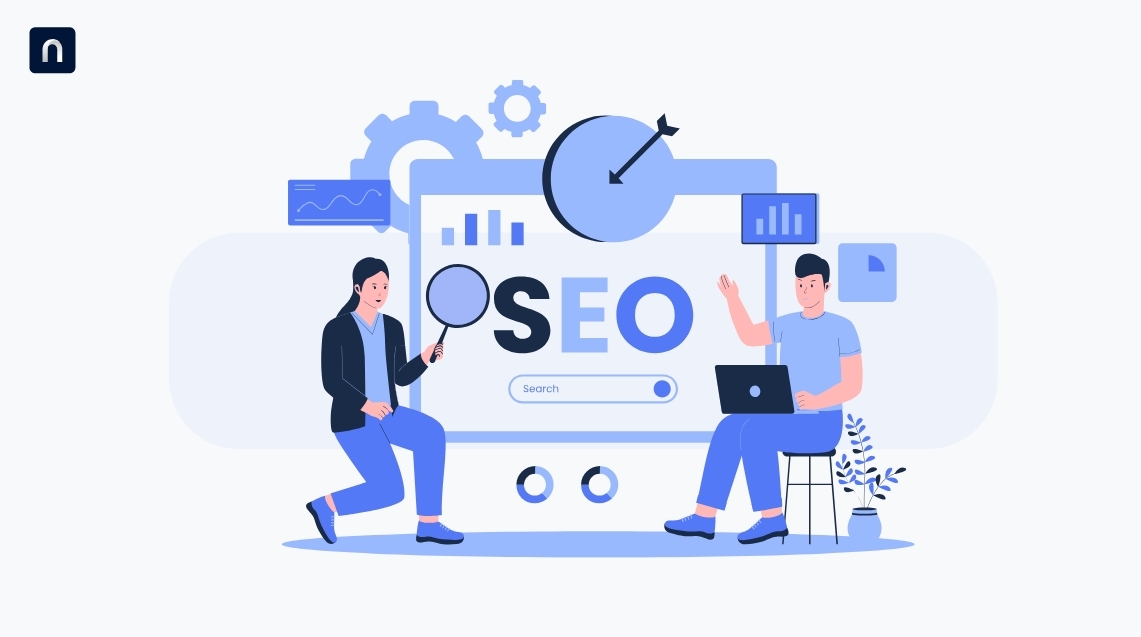
AI SEO Edge SEO refers to the application of artificial intelligence technologies—including natural language processing, machine learning algorithms, and predictive modeling—to enhance every aspect of search engine optimization. Unlike conventional SEO that relies on manual keyword research, backlink analysis, and content optimization, AI-driven SEO processes vast datasets at unprecedented speed, identifies patterns invisible to human analysts, and adapts strategies in real-time based on algorithm updates. The core principle behind this approach is simple: search engines like Google already use AI extensively through systems like RankBrain, BERT, and MUM. To stay competitive, your optimization strategy must operate at the same level of sophistication. The “edge” comes from using AI to anticipate ranking factors before they become industry standards, automate repetitive tasks, and generate insights that lead to higher click-through rates and conversions.
Why Traditional SEO Strategies Are Losing Ground
Traditional SEO relied heavily on exact-match keywords, backlink quantity, and on-page optimization checklists. These methods still hold some value, but they fail to address the fundamental shift in how search engines interpret queries and evaluate content quality. Google processes over 8.5 billion searches daily, and its AI systems now understand user intent at a semantic level. This means that content optimized solely for keyword density without considering context, entity relationships, or user experience will struggle to maintain rankings. Furthermore, the rise of AI-generated content has flooded the internet with mediocre articles, forcing search engines to prioritize content that demonstrates genuine expertise, experience, and trustworthiness. The AI SEO Edge SEO approach addresses these challenges by using tools that analyze search engine results pages (SERPs) at scale, identify content gaps, and generate optimization recommendations based on what actually ranks for your target queries.
Core Components of an AI-Powered SEO Strategy
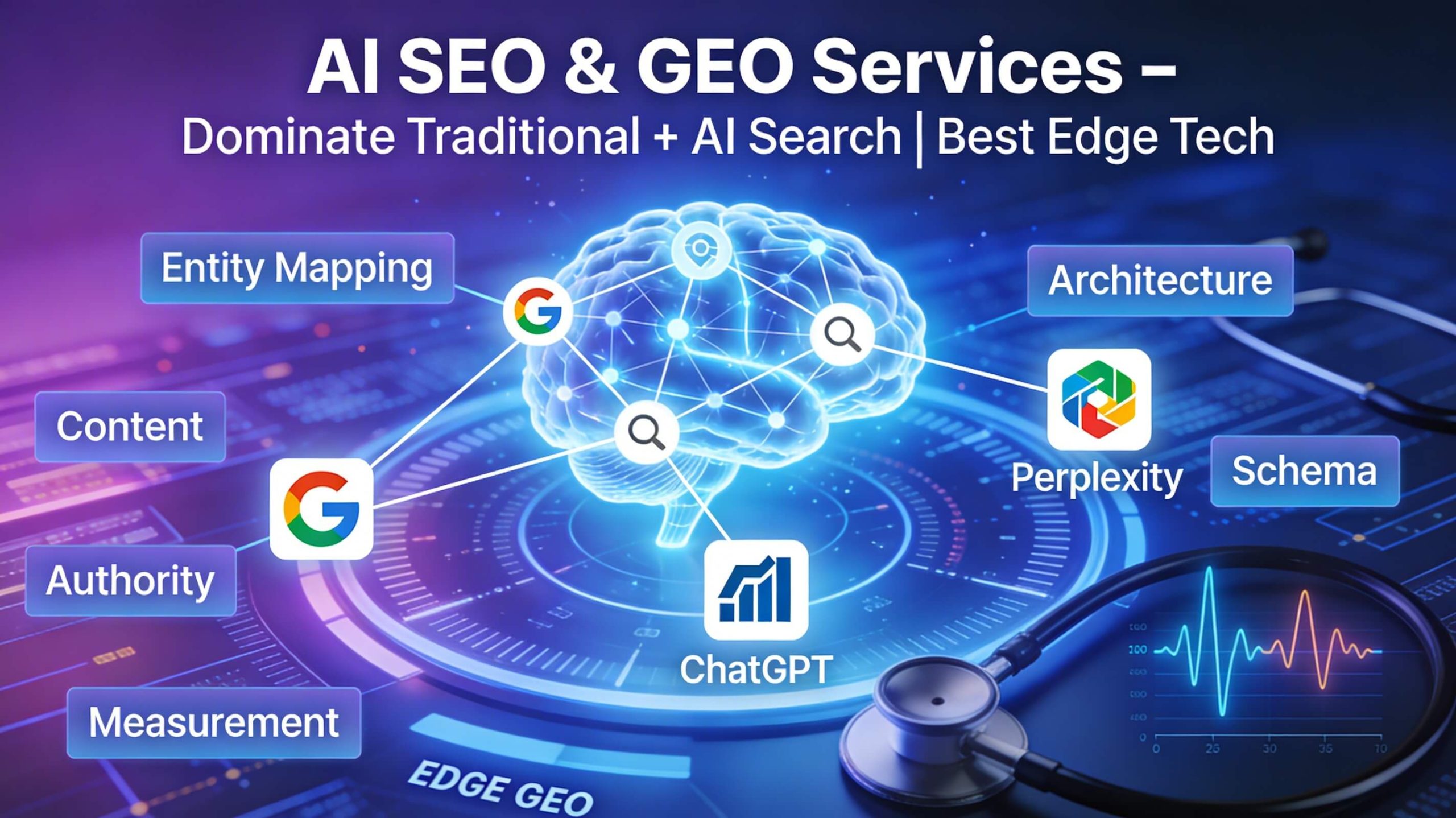
Predictive Keyword Intelligence
Traditional keyword research tools provide search volume and difficulty scores, but AI-powered platforms go several steps further. They analyze search trend trajectories, seasonal fluctuations, and emerging topics before they peak in popularity. This predictive capability allows you to create content that captures demand early, giving you a significant head start over competitors who only react to established trends. For instance, AI tools can analyze social media conversations, forum discussions, and news articles to identify topics gaining traction. By mapping these signals against historical search data, you can prioritize content creation efforts on keywords that are likely to grow in volume over the next 3-6 months.
Semantic Content Optimization
Search engines no longer match exact phrases; they understand concepts and relationships between entities. AI SEO tools use natural language processing to analyze top-ranking pages for your target keywords and extract the semantic entities, related terms, and subtopics that Google expects to see in comprehensive content. This goes beyond simple LSI keywords. Modern AI tools can generate content briefs that outline the exact structure, word count, heading hierarchy, and entity coverage needed to compete for a specific query. They can also analyze your existing content against competitors and provide specific recommendations for improvement, such as adding missing subtopics, expanding thin sections, or improving readability scores.
Automated Technical SEO Audits
Technical issues like broken links, slow page speed, crawl errors, and duplicate content can silently erode your rankings. AI-powered audit tools continuously monitor your website for these issues, prioritize them based on their impact on rankings, and even suggest code-level fixes. These tools use machine learning to distinguish between critical issues that require immediate attention and minor problems that have negligible impact. They can also predict how technical changes will affect your rankings before you implement them, reducing the risk of unintended consequences.
How AI Enhances Content Creation and Optimization
AI-Assisted Writing and Editing
AI writing assistants have evolved far beyond simple grammar checkers. They can now generate outlines, draft sections, suggest headlines, and optimize content for readability and SEO simultaneously. However, the most effective use of AI in content creation is not full automation but human-AI collaboration. A skilled content writer can use AI tools to research topics faster, generate data points, and overcome writer’s block, while maintaining the unique voice, personal experience, and nuanced insights that search engines and readers value. The AI SEO Edge SEO methodology emphasizes using AI to handle the heavy lifting of research and optimization while humans focus on creativity and authority.
Content Gap Analysis at Scale
Identifying content gaps in your niche manually is time-consuming and often incomplete. AI tools can crawl thousands of competitor pages, analyze their keyword coverage, and map them against your existing content inventory. This reveals opportunities you might have missed, such as subtopics your competitors cover that you don’t, or questions your audience asks that no one in your niche has answered comprehensively. The result is a data-driven content roadmap that prioritizes topics based on search demand, competition level, and your website’s authority. This ensures that every piece of content you create has a clear purpose and a realistic chance of ranking.
Real-Time Performance Monitoring
Traditional SEO reporting provides historical data that tells you what happened, but AI-powered analytics can tell you what is happening right now and what is likely to happen next. These tools monitor ranking fluctuations, traffic patterns, and engagement metrics in real-time, alerting you to sudden changes that might indicate an algorithm update or a competitor’s aggressive push. More importantly, AI analytics can attribute ranking changes to specific actions, helping you understand which optimization efforts are working and which need adjustment. This continuous feedback loop allows for rapid iteration and improvement, a key advantage in the fast-paced world of search.
Benefits and Limitations of AI SEO Edge SEO

| Benefits | Limitations |
|---|---|
| Faster data processing and analysis | Requires initial investment in tools and training |
| Identifies opportunities humans miss | AI outputs require human oversight and editing |
| Automates repetitive SEO tasks | Can produce generic content if used improperly |
| Adapts quickly to algorithm updates | Dependent on data quality and tool accuracy |
| Provides predictive insights for proactive strategy | May not account for niche-specific nuances |
| Scales optimization efforts across large sites | Risk of over-optimization if recommendations are followed blindly |
AI SEO Edge SEO vs. Traditional SEO: A Comparative Analysis
The distinction between AI-driven and traditional SEO is not about replacing one with the other but understanding where each excels. Traditional SEO provides the foundational knowledge and best practices that remain relevant, while AI adds a layer of sophistication and efficiency. Traditional SEO relies on manual analysis of search results, intuition about user intent, and static optimization checklists. It works well for established websites with stable rankings and predictable content needs. However, it struggles to keep pace with the volume of data and the speed of algorithm changes in today’s search landscape. AI SEO Edge SEO excels in dynamic environments where competitors are constantly publishing new content, algorithms shift frequently, and user behavior evolves rapidly. It provides the agility needed to respond to these changes proactively rather than reactively. The most successful strategies combine both approaches, using traditional SEO principles as a foundation and AI as a force multiplier.
Practical Implementation: How to Build Your AI SEO Workflow
Step 1: Audit Your Current SEO Maturity
Before implementing AI tools, assess your current SEO capabilities. Identify which tasks consume the most time, which processes are manual and error-prone, and where data analysis is lacking. This audit helps you prioritize which AI solutions will deliver the most immediate value.
Step 2: Select the Right AI Tools
The market offers a wide range of AI SEO tools, from all-in-one platforms to specialized solutions for content, technical SEO, or analytics. Choose tools that integrate with your existing stack, offer transparent algorithms, and provide actionable recommendations rather than raw data dumps.
Step 3: Integrate AI into Your Content Workflow
Start by using AI for research and brief creation. Input your target keywords and let the tool generate comprehensive briefs that include semantic entities, competitor analysis, and structural recommendations. Then, use human writers to create content that follows the brief while adding unique insights and experience.
Step 4: Automate Monitoring and Reporting
Set up automated tracking for rankings, traffic, and conversions. Configure alerts for significant changes and schedule regular reports that highlight trends and anomalies. This frees up time for strategic analysis and creative work rather than manual data collection.
Step 5: Iterate Based on Data
Use the insights from AI analytics to continuously refine your strategy. Test different content formats, headline variations, and internal linking structures. The goal is to create a feedback loop where data informs action, and action generates new data.
Common Mistakes in AI SEO Implementation and How to Avoid Them
Over-Reliance on AI-Generated Content
Publishing AI-generated content without human review and editing is a common pitfall. Search engines can detect low-quality automated content, and readers will quickly lose trust in your brand. Always have a human editor review AI outputs for accuracy, tone, and originality.
Ignoring User Experience Signals
AI tools can optimize for search engines, but they cannot fully replicate human judgment about what makes a website enjoyable to use. Prioritize page speed, mobile responsiveness, clear navigation, and engaging content that keeps visitors on your site longer.
Chasing Every AI Recommendation
AI tools generate many recommendations, but not all are equally valuable. Focus on changes that align with your business goals and have the highest potential impact. Blindly implementing every suggestion can lead to over-optimization and diluted brand voice.
Neglecting Human Expertise
AI is a tool, not a replacement for subject matter expertise. Content that demonstrates real-world experience, unique perspectives, and authoritative knowledge will always outperform generic AI-generated text. Use AI to enhance your expertise, not substitute it.
Important Notes for Maximizing AI SEO Edge SEO
The landscape of AI in SEO evolves rapidly, so staying informed about new developments is essential. Follow industry publications, attend webinars, and participate in professional communities to keep your knowledge current. Data privacy and ethical considerations are also important. Ensure that your use of AI tools complies with data protection regulations and that you are transparent about how you use AI in your content creation processes. Finally, remember that the ultimate goal of SEO is to serve users with valuable, relevant content. AI should help you understand and meet user needs more effectively, not manipulate search engines for short-term gains.
Frequently Asked Questions
What is AI SEO Edge SEO?
AI SEO Edge SEO is a strategic approach that uses artificial intelligence technologies to enhance search engine optimization efforts. It involves using machine learning algorithms, natural language processing, and predictive analytics to improve keyword research, content optimization, technical audits, and performance monitoring, giving businesses a competitive advantage in search rankings.
How does AI improve keyword research compared to traditional methods?
AI improves keyword research by analyzing vast datasets to identify emerging trends, predict future search volumes, and understand semantic relationships between terms. Traditional tools provide historical data on search volume and difficulty, while AI tools can forecast demand, identify content gaps, and suggest topics that are likely to gain traction before they become competitive.
Can AI completely replace human SEO specialists?
No, AI cannot completely replace human SEO specialists. While AI excels at data processing, pattern recognition, and automation, it lacks the creativity, strategic thinking, and contextual understanding that humans bring. The most effective approach is a collaboration where AI handles repetitive and analytical tasks while humans focus on strategy, content quality, and relationship building.
What are the best AI tools for SEO in 2025?
The best AI tools for SEO vary based on specific needs, but popular categories include AI-powered content optimization platforms, predictive keyword research tools, automated technical SEO auditors, and analytics solutions with machine learning capabilities. Leading tools in these categories include Surfer SEO, Clearscope, MarketMuse, Semrush with AI features, and Ahrefs with AI-powered insights.
How long does it take to see results from AI SEO Edge SEO?
Results from AI SEO Edge SEO depend on your starting point, the competitiveness of your niche, and the consistency of your implementation. Some improvements, such as technical fixes and content updates, can show results within weeks. However, significant ranking improvements typically take 3-6 months as search engines crawl, index, and evaluate your optimized content.
Is AI SEO Edge SEO suitable for small businesses?
Yes, AI SEO Edge SEO is suitable for small businesses, though the approach may differ. Small businesses can benefit from affordable AI tools that automate time-consuming tasks, provide competitive insights, and help create content that competes with larger brands. Starting with a few key AI tools focused on content optimization and analytics can provide a significant advantage without requiring a large budget.
Conclusion: Securing Your Competitive Advantage with AI SEO Edge SEO
The integration of artificial intelligence into search engine optimization is no longer optional for businesses that want to maintain or grow their organic visibility. AI SEO Edge SEO represents the practical application of these technologies to achieve measurable results in an increasingly competitive digital landscape. By adopting AI-powered tools for keyword intelligence, content optimization, technical audits, and performance analytics, you can work smarter, not harder. You can identify opportunities before your competitors, create content that truly satisfies user intent, and adapt quickly to algorithm changes. The key to success lies in balanced implementation. Use AI to enhance your capabilities, not replace your judgment. Combine the speed and scale of machine learning with the creativity and expertise of your team. Monitor results continuously and refine your approach based on data. The search landscape will continue to evolve, and A Those who embrace this change and build their strategies around AI-powered insights will have a significant edge. Those who resist will find themselves increasingly invisible in search results. The choice is clear, and the time to act is now.
Xem thêm:
- AI SEO Scaling Strategy: The Complete Playbook for 2025 and Beyond
- AI SEO Outreach Automation: The Complete Guide to Scaling Link Building in 2025
- AI SEO Content Repurposing: The Complete Strategy Guide for 2025
- 12 AI SEO Mistakes That Will Crash Your Rankings (And How to Avoid Them)
- How to Find Keywords with AI: The Modern Marketer’s Blueprint for Smarter Research
Bài viết cùng chủ đề:

AI SEO SEO Automation with Make: The Complete Workflow Guide

AI SEO SEO Automation with Zapier: The Complete Workflow Guide

AI SEO SEO Automation with n8n: The Complete Workflow Guide
AI SEO SEO Automation with Gemini: The Complete Guide to Scaling Organic Growth

AI SEO SEO Automation with Claude: The Complete Guide to Scaling Content in 2025

AI SEO SEO Automation with ChatGPT: The Complete Playbook for 2025

AI SEO & SEO Automation for Affiliate Sites: The 2025 Playbook for Passive Income Growth
AI SEO & SEO Automation for Bloggers: The Complete Guide to Scaling Your Content

AI SEO & SEO Automation for Agencies: The Complete 2025 Playbook

AI SEO and SEO Automation for Ecommerce: The Complete Playbook for 2025

AI SEO & SEO Automation for WordPress: The Complete Playbook for 2025
AI SEO SEO Automation Strategy: The Complete Playbook for 2025

Mastering the AI SEO SEO Automation Process: A Complete Guide to Scaling Organic Growth
AI SEO SEO Automation System: The Complete Guide to Scaling Organic Growth in 2025
AI SEO SEO Automation Platform: The Complete Guide to Scaling Organic Growth in 2025
AI SEO SEO Automation Software: The Complete Guide to Scaling Organic Growth in 2025















