
No products in the cart.
AI SEO Keyword Ideas: The Complete Guide to Smarter Search Strategy

10
Aug
Aug
Finding the right keywords has always been the foundation of search engine optimization, but the process has changed dramatically. Traditional methods of guessing what users type into Google are no longer enough. AI SEO keyword ideas represent a new approach that uses machine learning, natural language processing, and predictive analytics to uncover search opportunities that human researchers often miss. This guide explains how artificial intelligence transforms keyword research, what tools and techniques actually work, and how to build a content strategy that ranks in today’s competitive landscape.
What Are AI SEO Keyword Ideas?
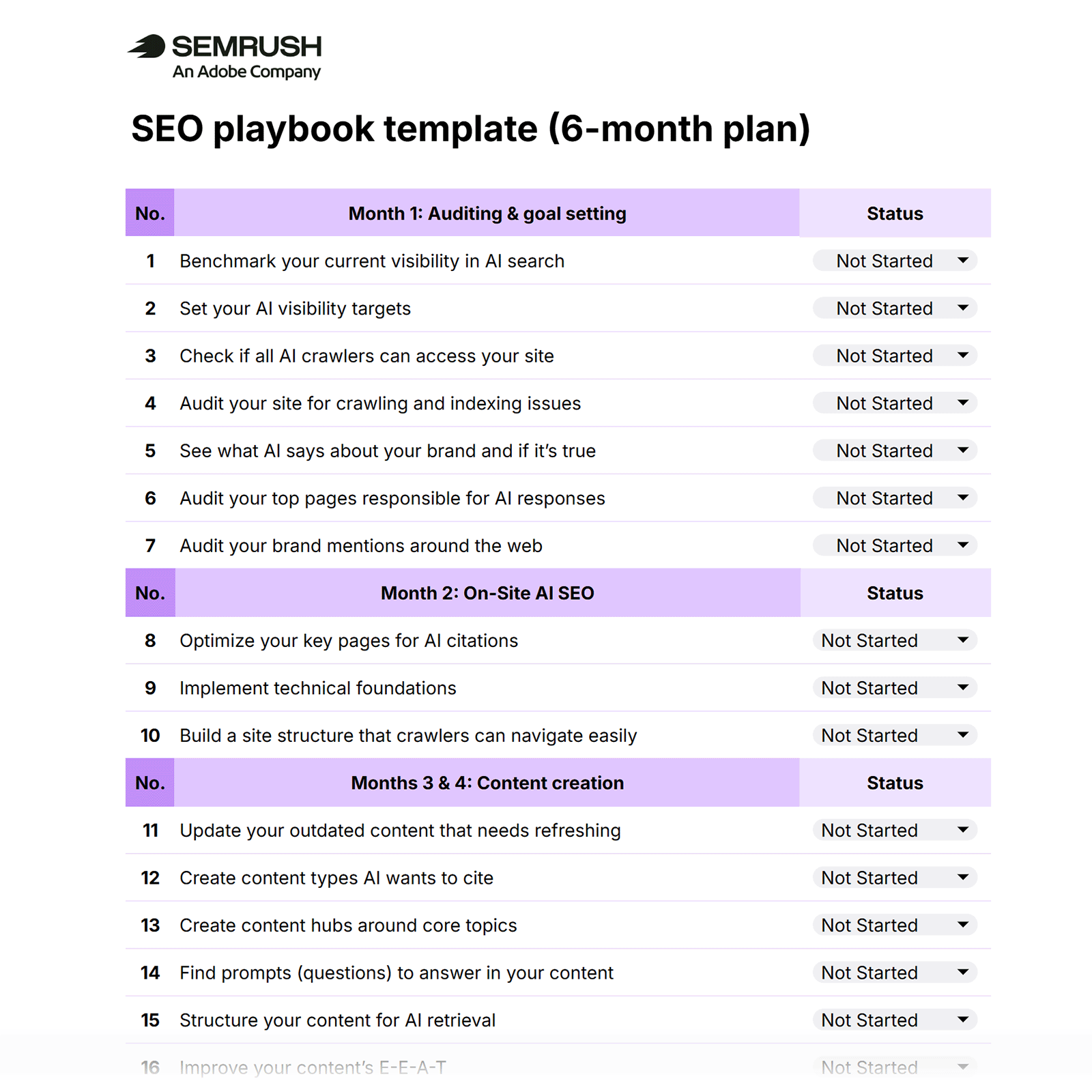
AI SEO keyword ideas are search terms and phrases generated or refined using artificial intelligence algorithms. Unlike manual brainstorming or basic autocomplete tools, AI analyzes massive datasets including search queries, user behavior patterns, competitor content, and semantic relationships between concepts. The result is a list of keyword opportunities that reflect actual user intent, not just keyword volume.
The core difference lies in how AI processes language. Traditional tools rely on exact-match data and historical search volume. AI systems understand context, synonyms, related concepts, and the subtle variations in how people phrase their questions. This means AI can identify long-tail keywords, question-based queries, and emerging topics before they become obvious to competitors.
How AI Generates Keyword Ideas
AI keyword research tools work through several sophisticated processes. First, they crawl and index billions of web pages to understand content patterns. Second, they analyze search engine results pages to identify what currently ranks for specific queries. Third, they use natural language processing to map out semantic relationships between words and concepts. Finally, they apply predictive models to forecast which topics will gain traction.
This approach produces keyword ideas that go beyond simple variations of a seed keyword. For example, if you enter “coffee maker” into an AI tool, it might suggest “best pour-over coffee maker for small kitchens” or “how to descale a drip coffee machine with vinegar” based on actual search patterns and content gaps.
Why Traditional Keyword Research Falls Short
Classic keyword research methods have significant limitations. Spreadsheet-based analysis of search volume and difficulty scores gives a partial picture. These metrics tell you how many people search for a term and how hard it is to rank, but they do not reveal why people search or what they expect to find.
Traditional tools also struggle with the growing complexity of search queries. Google processes billions of searches daily, and a large percentage are completely new queries never seen before. Manual research cannot keep pace with this volume of unique phrasing. Additionally, voice search and conversational AI have changed how people formulate queries, making natural language patterns more important than exact-match keywords.
Another critical issue is content saturation. Ranking for broad, high-volume keywords like “digital marketing” or “weight loss” is nearly impossible for new websites. Traditional tools keep suggesting these competitive terms because they have high search volume, but they offer little practical value for most content creators.
Core Benefits of Using AI for Keyword Discovery
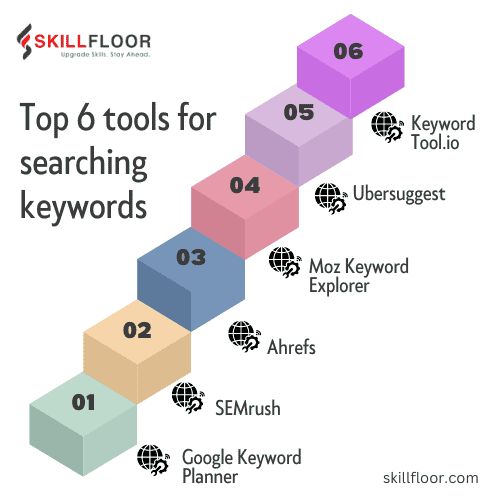
The advantages of AI-powered keyword research extend far beyond convenience. These systems provide insights that directly impact content performance and business outcomes.
Uncovering Hidden Search Intent
AI algorithms analyze the context behind queries, distinguishing between informational, navigational, commercial, and transactional intent. This allows you to match your content to what users actually want. For example, AI can identify that “best running shoes” has commercial intent while “how to tie running shoes” has informational intent, helping you create appropriate content for each stage of the customer journey.
Identifying Content Gaps
AI tools compare existing content across the web to find topics that are underserved. They analyze what competitors rank for, what questions remain unanswered, and where opportunities exist for fresh perspectives. This gap analysis reveals keyword ideas that have reasonable search demand but limited quality content, giving you a realistic chance to rank.
Predicting Emerging Trends
Machine learning models can spot patterns in search behavior that indicate rising interest. By analyzing social media mentions, news articles, and search query velocity, AI predicts which topics will grow in popularity. Getting ahead of these trends means your content is already indexed and established when demand peaks.
Improving Content Relevance
AI-generated keyword ideas often come with suggested subtopics, related questions, and semantic variations. This helps you create comprehensive content that covers a topic thoroughly, which aligns with Google’s preference for in-depth, authoritative pages. Content that addresses multiple related queries tends to perform better in search results.
Top AI Keyword Research Tools in 2025
Several platforms have emerged as leaders in AI-powered keyword research. Each offers unique features and approaches to generating keyword ideas.
| Tool | Key Features | Best For |
|---|---|---|
| Surfer SEO | Content optimization, SERP analysis, keyword clustering | On-page optimization and content briefs |
| Ahrefs with AI features | Keyword difficulty scoring, content gap analysis, AI content suggestions | Comprehensive SEO campaigns |
| Semrush AI | Topic research, keyword magic tool, intent-based filtering | Competitive analysis and content strategy |
| Frase.io | AI-generated content briefs, question extraction, SERP analysis | Content creation workflows |
| Clearscope | Content grading, keyword recommendations, readability analysis | Enterprise content teams |
| MarketMuse | Content modeling, topic clustering, competitive intelligence | Data-driven content planning |
These tools differ in their underlying algorithms and user interfaces, but they share a common goal: transforming raw search data into actionable content strategies. Most offer free trials, allowing you to test which platform fits your workflow before committing.
How to Generate AI SEO Keyword Ideas: Step-by-Step Process
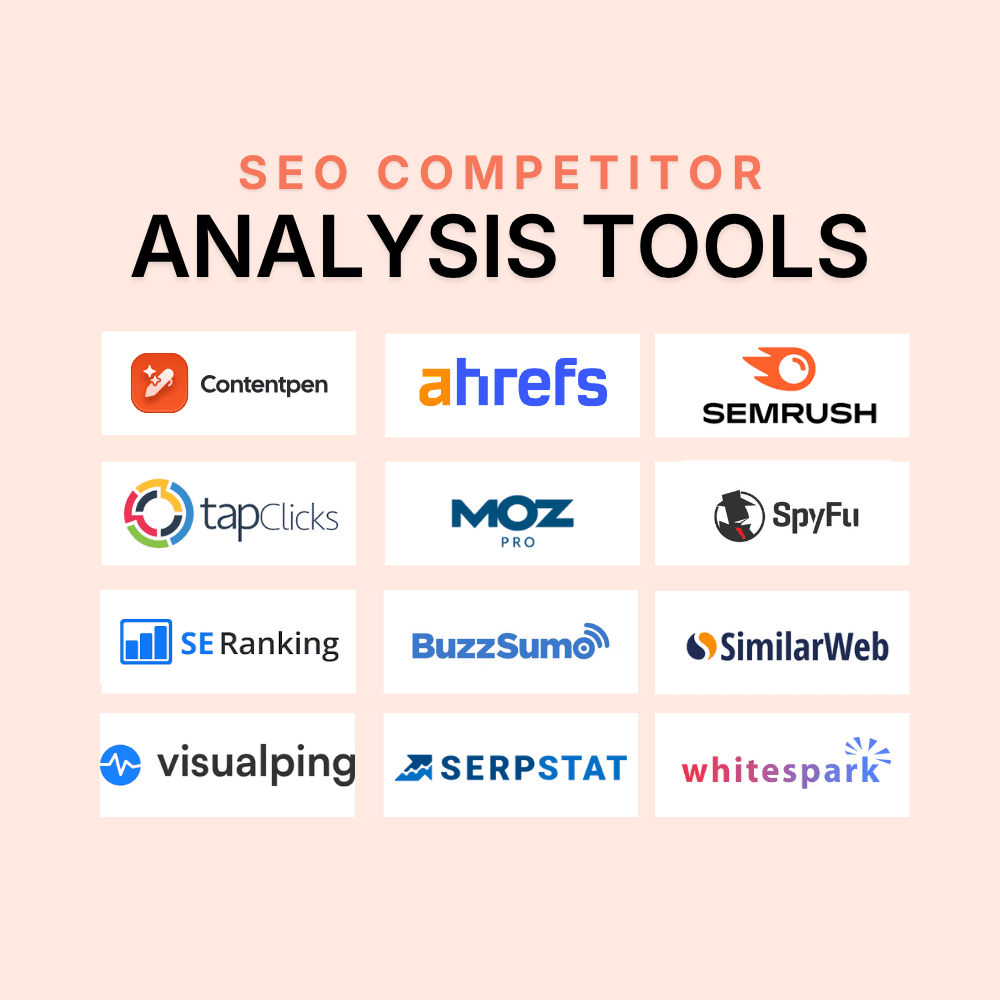
Using AI for keyword research requires a structured approach to get meaningful results. Follow this process to build a solid keyword strategy.
Step 1: Define Your Seed Keywords
Start with a list of core topics relevant to your business. These are broad terms that describe your products, services, or content themes. For a fitness website, seed keywords might include “home workouts,” “nutrition plans,” and “muscle building.” Enter these into your chosen AI tool as starting points.
Step 2: Analyze AI-Generated Suggestions
Review the keyword ideas the AI produces. Look beyond the obvious suggestions and examine the long-tail variations, question-based queries, and related concepts. Pay attention to the search intent classification the tool provides. Group keywords by intent to understand which target informational content versus transactional pages.
Step 3: Evaluate Search Volume and Difficulty
Use the metrics provided by your AI tool to filter keywords. Look for terms with reasonable search volume (at least 50-100 monthly searches for niche topics) and manageable difficulty scores. For new websites, focus on keywords with difficulty scores below 30. Established sites can target higher-difficulty terms.
Step 4: Identify Content Clusters
Group related keywords into clusters around a central topic. For example, a cluster about “intermittent fasting” might include keywords like “intermittent fasting schedule,” “intermittent fasting for beginners,” and “intermittent fasting results.” Each cluster becomes the basis for a pillar page and supporting articles.
Step 5: Create Content Briefs
Use the AI tool to generate content briefs for each keyword cluster. These briefs should include suggested headings, related questions to answer, semantic keywords to include, and content length recommendations. This ensures your content addresses the full scope of user intent.
Step 6: Monitor and Refine
Keyword research is not a one-time task. Track how your content performs in search results and use AI tools to identify new opportunities. As your site gains authority, revisit higher-difficulty keywords and expand into new topic clusters.
Practical Applications of AI Keyword Ideas
AI-generated keywords have practical uses across multiple content marketing scenarios.
Blog Content Planning
For editorial calendars, AI keyword ideas provide a steady stream of topics that match what your audience searches for. Instead of guessing what to write about, you have data-backed suggestions that address real user questions. This increases the likelihood of your content being found and shared.
Product Page Optimization
E-commerce sites can use AI keywords to optimize product descriptions and category pages. AI identifies the specific terms shoppers use when comparing products, evaluating features, and making purchase decisions. Incorporating these phrases into product copy improves relevance and conversion rates.
Local SEO Strategies
For local businesses, AI tools can generate location-specific keyword ideas. These include phrases like “best pizza near me,” “plumber in Austin,” or “24-hour gym in Chicago.” AI analyzes local search patterns and suggests keywords that capture nearby customers with high purchase intent.
Voice Search Optimization
Voice queries tend to be longer and more conversational than typed searches. AI tools excel at generating natural language phrases that match how people speak. Optimizing for these conversational keywords helps your content appear in voice search results from devices like smart speakers and mobile assistants.
Common Mistakes When Using AI for Keyword Research
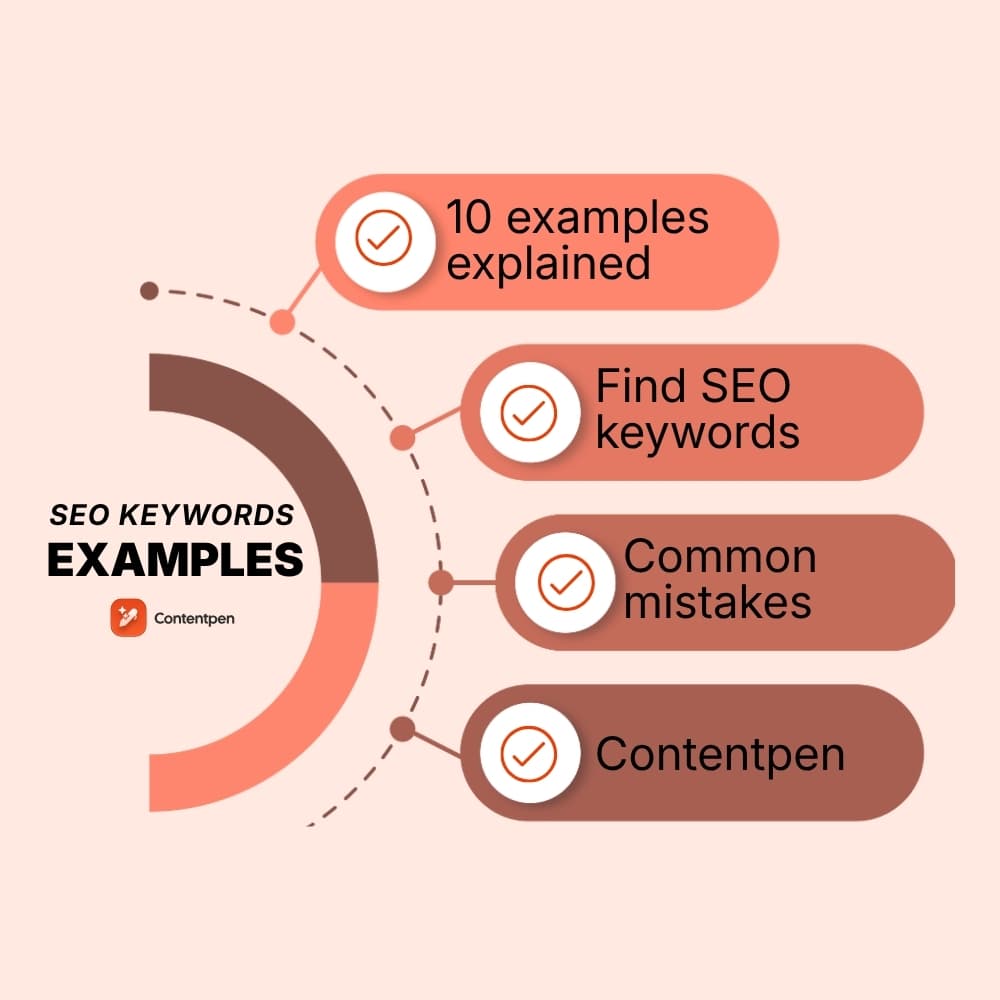
Even with powerful AI tools, marketers make predictable errors that undermine their keyword strategy.
Ignoring Search Intent
Focusing solely on search volume while ignoring intent leads to mismatched content. A keyword with high volume but commercial intent will not perform well if you create an informational blog post. Always check the intent classification and align your content format accordingly.
Keyword Stuffing AI Suggestions
AI tools generate many keyword variations, but using all of them in one piece of content creates unnatural, low-quality copy. Select the most relevant keywords and integrate them naturally. Google’s algorithms penalize keyword stuffing and prioritize content that reads smoothly.
Neglecting Long-Tail Keywords
Some marketers dismiss long-tail keywords because they have lower individual search volume. However, long-tail keywords often have higher conversion rates because they capture users with specific needs. A page targeting “best waterproof hiking boots for women” attracts more qualified traffic than a page targeting “hiking boots.”
Copying Competitor Keywords
While analyzing competitor keywords is useful, blindly copying their strategy limits your potential. AI tools can identify gaps in competitor coverage, allowing you to target keywords they have missed. Differentiate your content by addressing underserved topics and providing unique value.
Integrating AI Keywords with Other SEO Practices
AI keyword research works best when combined with other SEO disciplines.
Technical SEO Alignment
Ensure your site structure supports the keywords you target. Use descriptive URLs, proper header tags, and internal linking that reinforces your keyword clusters. Technical issues like slow page speed or broken links undermine even the best keyword strategy.
Content Quality and E-E-A-T
Google evaluates content based on experience, expertise, authoritativeness, and trustworthiness. AI keyword ideas help you identify topics, but you still need to create genuinely helpful content. Include original research, expert insights, and practical examples to demonstrate authority.
Link Building Synergy
Keywords with lower competition are easier to rank for, which makes them effective targets for link building campaigns. Create high-quality content around these keywords and promote it to relevant websites for backlinks. As your domain authority grows, you can target more competitive terms.
Measuring the Success of AI-Driven Keyword Strategies

Track specific metrics to determine whether your AI keyword approach is working.
- Organic traffic growth to targeted pages
- Keyword rankings for your primary and secondary terms
- Click-through rates from search results
- Conversion rates for commercial keywords
- Time on page and engagement metrics
- Number of indexed pages generating organic traffic
Use analytics tools to monitor these metrics monthly. Compare performance against your baseline before implementing AI keyword research. Adjust your strategy based on what the data shows, doubling down on keywords that drive results and abandoning those that do not.
Future Trends in AI Keyword Research
The field of AI-powered SEO continues to evolve rapidly. Several trends will shape how keyword research works in the coming years.
Generative AI models are becoming more sophisticated at understanding context and user intent. Future tools will likely provide even more accurate predictions about which content will rank. Integration with other marketing platforms will create unified workflows where keyword research, content creation, and performance tracking happen in one system.
Real-time keyword data will become more accessible, allowing marketers to respond quickly to emerging trends. A As search engines incorporate more AI into their ranking algorithms, the tools used to optimize for them will become correspondingly advanced.
Frequently Asked Questions
What is the difference between AI keyword ideas and regular keyword research?
AI keyword research uses machine learning algorithms to analyze search patterns, user behavior, and semantic relationships. Regular keyword research relies on manual analysis of search volume and difficulty metrics. AI provides deeper insights into search intent, content gaps, and emerging trends that traditional methods miss.
Can AI keyword tools replace human SEO experts?
No. AI tools provide data and suggestions, but human judgment is still required to interpret results, make strategic decisions, and create quality content. The best approach combines AI-generated insights with human creativity and expertise.
How many AI-generated keywords should I target per piece of content?
Focus on one primary keyword and 3-5 secondary keywords per page. This allows you to create focused content that thoroughly addresses the topic without diluting relevance. Use additional related keywords naturally throughout the text where they fit contextually.
Are AI keyword tools expensive?
Pricing varies widely. Some tools offer free tiers with limited features, while enterprise solutions can cost hundreds of dollars per month. Many mid-range tools cost between $50 and $200 monthly. Consider your budget and the value of improved search rankings when choosing a tool.
How often should I run AI keyword research?
Conduct comprehensive keyword research quarterly to identify new opportunities and adjust to algorithm changes. Monitor your existing keyword performance monthly and use AI tools to spot emerging trends in your industry continuously.
Do AI keyword ideas work for local businesses?
Yes. AI tools can generate location-specific keywords that capture local search intent. These include phrases with city names, neighborhood references, and local modifiers like “near me” or “open now.” Local businesses benefit significantly from AI-driven keyword strategies.
Important Notes for Successful Implementation
Several practical considerations will improve your results with AI keyword research.
Always verify AI-generated keywords against your own knowledge of your industry. AI tools can sometimes suggest irrelevant or low-quality terms. Use your expertise to filter suggestions and focus on those that align with your business goals.
Keep your keyword strategy flexible. Search behavior changes, competitors enter the market, and algorithms evolve. Regularly review your keyword lists and update your content to maintain relevance.
Combine AI keyword research with other data sources. Analyze your site’s search console data, customer feedback, and sales team insights to enrich your understanding of what your audience wants.
Prioritize user experience over keyword optimization. Content that genuinely helps users will naturally attract links, shares, and engagement, which are strong ranking signals. Keywords are a tool for discovery, not the end goal.
Conclusion
AI SEO keyword ideas have transformed how digital marketers approach search optimization. The ability to analyze vast datasets, understand user intent, and predict emerging trends gives businesses a significant competitive advantage. Traditional keyword research methods remain useful, but they are no longer sufficient in a landscape where search engines themselves use AI to understand content.
Implementing an AI-driven keyword strategy requires the right tools, a structured process, and ongoing refinement. The benefits are substantial: content that matches user intent, improved search rankings, and more efficient use of content creation resources. As AI technology continues to advance, the tools available for keyword research will become even more powerful, making early adoption a smart investment.
Start by selecting an AI keyword tool that fits your needs, define your seed topics, and generate your first set of keyword ideas. Analyze the results, create content around the most promising opportunities, and measure your performance. The data will guide your next steps, allowing you to continuously improve your search visibility and attract more qualified traffic to your website.
Xem thêm:
- AI SEO Indexability: The Complete Guide to Making Your Content Visible to AI Search Engines
- AI SEO Contextual Search: The Complete Guide to Ranking in the New Search Era
- AI SEO GEO Tools: The Complete Guide to Generative Engine Optimization in 2025
- AI SEO for Gaming: The Complete Guide to Dominating Search in 2025
- Startup AI SEO: The Complete Playbook for Scaling Organic Growth in 2025
Bài viết cùng chủ đề:

AI SEO SEO Automation with Make: The Complete Workflow Guide

AI SEO SEO Automation with Zapier: The Complete Workflow Guide

AI SEO SEO Automation with n8n: The Complete Workflow Guide
AI SEO SEO Automation with Gemini: The Complete Guide to Scaling Organic Growth

AI SEO SEO Automation with Claude: The Complete Guide to Scaling Content in 2025

AI SEO SEO Automation with ChatGPT: The Complete Playbook for 2025

AI SEO & SEO Automation for Affiliate Sites: The 2025 Playbook for Passive Income Growth
AI SEO & SEO Automation for Bloggers: The Complete Guide to Scaling Your Content

AI SEO & SEO Automation for Agencies: The Complete 2025 Playbook

AI SEO and SEO Automation for Ecommerce: The Complete Playbook for 2025

AI SEO & SEO Automation for WordPress: The Complete Playbook for 2025
AI SEO SEO Automation Strategy: The Complete Playbook for 2025

Mastering the AI SEO SEO Automation Process: A Complete Guide to Scaling Organic Growth
AI SEO SEO Automation System: The Complete Guide to Scaling Organic Growth in 2025
AI SEO SEO Automation Platform: The Complete Guide to Scaling Organic Growth in 2025
AI SEO SEO Automation Software: The Complete Guide to Scaling Organic Growth in 2025















