
No products in the cart.
AI SEO Keyword Modifiers: The Complete Guide to Smarter Search Optimization

10
Aug
Aug
AI SEO keyword modifiers are transforming how digital marketers approach search engine optimization. These intelligent additions to core keywords help search engines understand context, user intent, and content relevance with unprecedented precision. As artificial intelligence reshapes search algorithms, understanding and applying AI SEO keyword modifiers has become essential for ranking success. This comprehensive guide explores what these modifiers are, how they work, and how to leverage them effectively in your content strategy.
What Are AI SEO Keyword Modifiers?
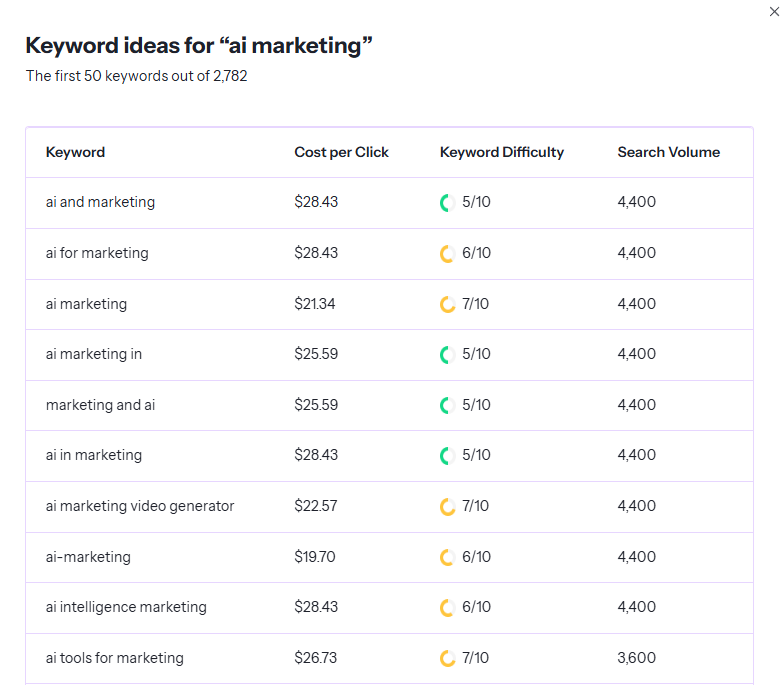
AI SEO keyword modifiers are contextual terms, phrases, or qualifiers that artificial intelligence systems use to refine search queries and content matching. Unlike traditional keyword modifiers like “best” or “cheap,” AI-driven modifiers go beyond simple descriptors. They include semantic variations, entity relationships, sentiment indicators, and intent signals that machine learning algorithms recognize as meaningful patterns.
Search engines like Google now employ neural matching and BERT (Bidirectional Encoder Representations from Transformers) to understand the relationship between words in a query. AI SEO keyword modifiers help bridge the gap between what users type and what content actually delivers. These modifiers can indicate freshness, location, audience, difficulty level, or specific use cases that generic keywords miss.
The Evolution from Traditional to AI-Driven Modifiers
Traditional keyword modifiers were simple additions like “best,” “top,” “review,” or “near me.” These still work, but AI has expanded the concept dramatically. Modern AI SEO keyword modifiers include:
- Intent-based qualifiers: “how to,” “step by step,” “tutorial,” “guide”
- Contextual descriptors: “for beginners,” “for experts,” “enterprise,” “small business“
- Time-sensitive terms: “2025,” “latest,” “updated,” “trending”
- Comparison signals: “vs,” “alternative,” “similar,” “compared to”
- Problem-solution terms: “fix,” “solve,” “troubleshoot,” “prevent”
- Entity connections: brand names, product types, industry-specific jargon
AI systems analyze these modifiers in combination with user behavior data, search history, and content performance metrics. This analysis creates a dynamic understanding of what makes content relevant for specific queries.
Why AI SEO Keyword Modifiers Matter in Modern Search
Search engines have moved far beyond simple keyword matching. Google’s RankBrain and Multitask Unified Model (MUM) process queries by understanding the relationships between concepts. AI SEO keyword modifiers provide the semantic depth that these systems need to categorize and rank content accurately.
When you use AI SEO keyword modifiers correctly, you signal to search engines that your content addresses specific user needs. This improves your chances of appearing in featured snippets, People Also Ask boxes, and voice search results. The modifiers also help your content match long-tail queries that have higher conversion rates because they capture users with clear intent.
How AI Processes Keyword Modifiers
Artificial intelligence systems process keyword modifiers through several layers of analysis. First, they tokenize the query, breaking it into individual words and phrases. Next, they apply semantic analysis to understand how these tokens relate to each other. Finally, they match the query against indexed content using vector embeddings that represent meaning rather than just text.
This process means that AI SEO keyword modifiers work best when they appear naturally in context. Simply stuffing modifiers into your content without logical flow will not help. The AI needs to see coherent relationships between the modifier and the core topic.
Types of AI SEO Keyword Modifiers You Should Use
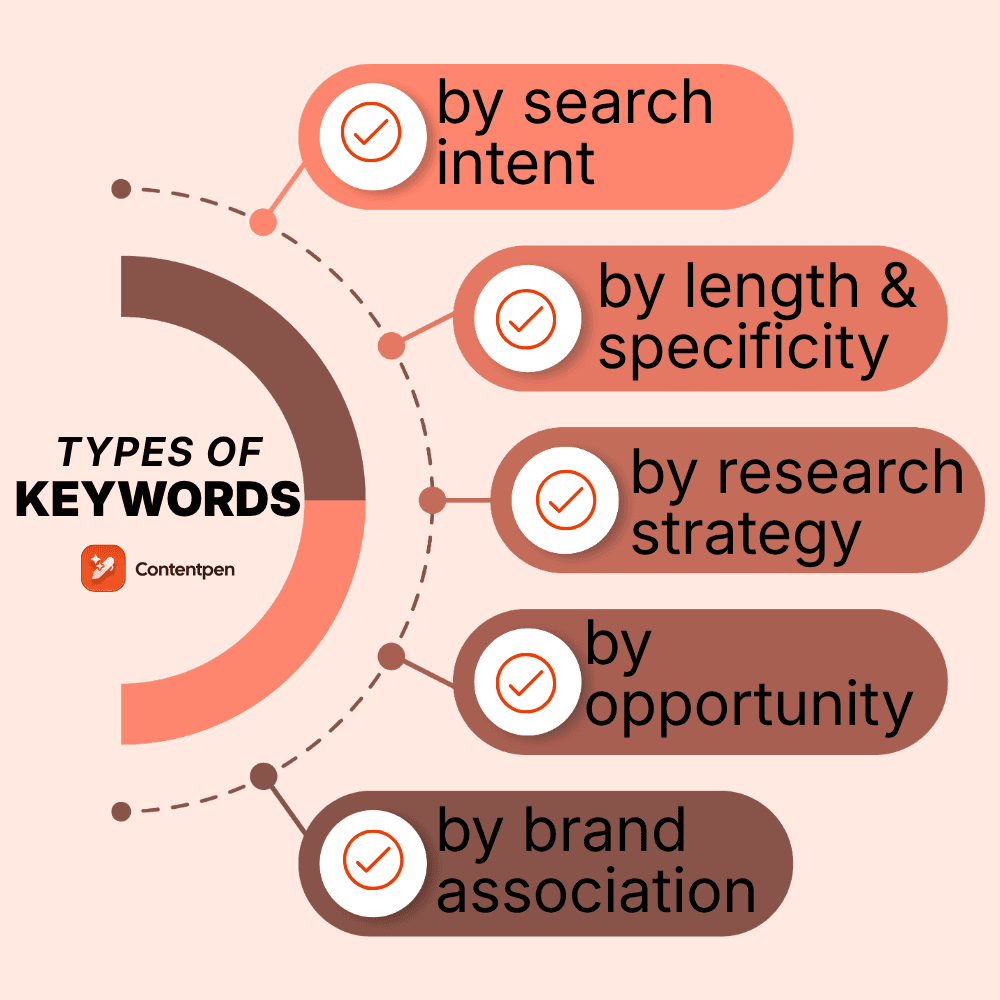
Understanding the different categories of AI SEO keyword modifiers helps you build a comprehensive content strategy. Each type serves a specific purpose in helping search engines understand your content’s relevance.
Intent-Based Modifiers
These modifiers clarify what the user wants to achieve. They include transactional terms like “buy,” “purchase,” “order,” and “price.” Informational terms include “what is,” “why,” “how does,” and “explain.” Navigational modifiers point to specific destinations like “login,” “official site,” or “download.”
Using intent-based AI SEO keyword modifiers helps you match content to the correct stage of the buyer’s journey. A user searching “best running shoes” has different intent than one searching “running shoes size guide.” The modifiers signal which content will satisfy each query.
Audience-Specific Modifiers
These modifiers define who the content is for. Examples include “for beginners,” “for professionals,” “for students,” “for parents,” “for developers,” and “for small businesses.” AI systems use these modifiers to personalize search results based on user profiles and past behavior.
When you target audience-specific modifiers, you create content that speaks directly to a defined group. This improves engagement metrics like time on page and bounce rate, which are signals that AI systems use to evaluate content quality.
Contextual and Situational Modifiers
These modifiers provide additional context about when or where the content applies. Examples include “at home,” “in the office,” “during winter,” “for remote work,” “on a budget,” and “under 30 minutes.” AI systems use these to match content with specific user situations.
Contextual modifiers are particularly powerful for local SEO and mobile search. Users often add location or situation-based terms to their queries, and content that addresses these contexts ranks higher for those searches.
Comparison and Evaluation Modifiers
These modifiers signal that the user is comparing options. Terms like “vs,” “alternative,” “better than,” “compared to,” and “versus” fall into this category. AI systems recognize these as high-intent queries where users are close to making a decision.
Creating content that targets comparison modifiers can capture users who are ready to convert. These pages often rank well for commercial investigation queries and can drive significant qualified traffic.
How to Find AI SEO Keyword Modifiers for Your Content
Finding the right AI SEO keyword modifiers requires a systematic approach. You need to combine traditional keyword research with AI-powered tools and analysis of search behavior patterns.
Using AI-Powered Keyword Research Tools
Modern keyword research tools incorporate AI to suggest modifiers you might not think of manually. Tools like Ahrefs, Semrush, and Moz now include AI-driven suggestions that analyze search intent patterns. These tools can show you which modifiers your competitors use and which ones have the highest click-through rates.
Google’s autocomplete feature also provides valuable modifier suggestions. When you type a core keyword, Google shows popular completions that often include modifiers. These suggestions come from real user searches, making them highly reliable indicators of what people actually type.
Analyzing Search Engine Results Pages
Study the top-ranking pages for your core keywords. Look at the titles, meta descriptions, and content structure. Note which modifiers appear consistently in high-ranking content. These patterns reveal what search engines consider relevant for that topic.
Also examine the People Also Ask boxes and related searches at the bottom of Google results. These features show you additional modifiers and questions that users frequently combine with your core keyword.
Mining Customer Reviews and Forums
Real users often use modifiers in reviews, forum posts, and social media that you might not discover through keyword tools. Search Reddit, Quora, and industry-specific forums for discussions about your topic. Note the descriptive terms and qualifiers people use when discussing their needs.
Customer reviews on Amazon, Yelp, or app stores also reveal natural language modifiers. People describe what they like, dislike, and need in ways that reveal search intent patterns.
Best Practices for Implementing AI SEO Keyword Modifiers
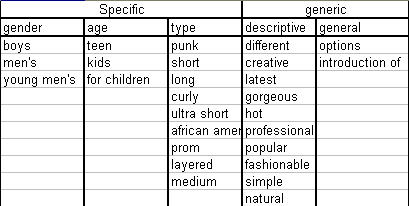
Using AI SEO keyword modifiers effectively requires more than just adding them to your content. You need to integrate them naturally and strategically throughout your entire SEO effort.
Placement in Title Tags and Headings
Your title tag should contain the core keyword plus one or two high-value modifiers. This helps search engines understand the primary focus of your page. Headings should incorporate additional modifiers that support the main topic and create semantic depth.
For example, if your core keyword is “content marketing,” your title might be “Content Marketing for Small Businesses: A Complete Guide.” The modifier “for small businesses” clarifies the audience, and “complete guide” signals comprehensive information.
Natural Integration in Body Content
AI systems penalize keyword stuffing, so modifiers must appear naturally in your writing. Use them in context where they make logical sense. Vary your modifier usage to avoid repetition. The goal is to create content that reads well for humans while providing clear semantic signals for AI.
One effective technique is to use modifiers in your introduction, conclusion, and throughout subheadings. This creates a semantic framework that reinforces the topic’s relevance without forcing unnatural phrases.
Optimizing for Voice Search
Voice search queries are typically longer and more conversational than typed queries. They often include natural language modifiers like “what’s the best way to,” “how do I,” or “where can I find.” Optimizing for voice search means incorporating these conversational modifiers into your content.
Create FAQ sections that directly answer voice search queries. Use question-based headings that mirror how people speak. This approach captures voice search traffic and improves your chances of appearing in featured snippets.
Common Mistakes with AI SEO Keyword Modifiers
Even experienced SEO professionals make mistakes when working with AI SEO keyword modifiers. Understanding these pitfalls helps you avoid them and create more effective content.
Overloading Content with Modifiers
Adding too many modifiers to a single piece of content dilutes your message and confuses search engines. Focus on one primary modifier theme per page. If you need to target multiple modifier categories, create separate pages for each.
For example, don’t try to target “best budget running shoes for beginners with wide feet for marathon training.” This query is too specific and unnatural. Instead, create separate content for “best budget running shoes” and “running shoes for wide feet.”
Ignoring Search Intent
Using modifiers that don’t match the actual search intent behind a query will hurt your rankings. If users search “how to fix a leaky faucet,” they want step-by-step instructions, not a product review. Match your modifiers to the intent they represent.
Analyze the current top-ranking pages for your target keywords. If they are listicles, create listicles. If they are tutorials, create tutorials. The modifiers you use should align with the content format that already performs well.
Neglecting Local and Regional Modifiers
For businesses serving specific geographic areas, local modifiers are critical. Terms like “near me,” city names, and neighborhood references help search engines connect your content with local searches. AI systems prioritize local relevance when users show location intent.
Include local modifiers in your title tags, headings, and content naturally. Create location-specific pages if you serve multiple areas. This approach captures valuable local search traffic that generic content misses.
Measuring the Impact of AI SEO Keyword Modifiers
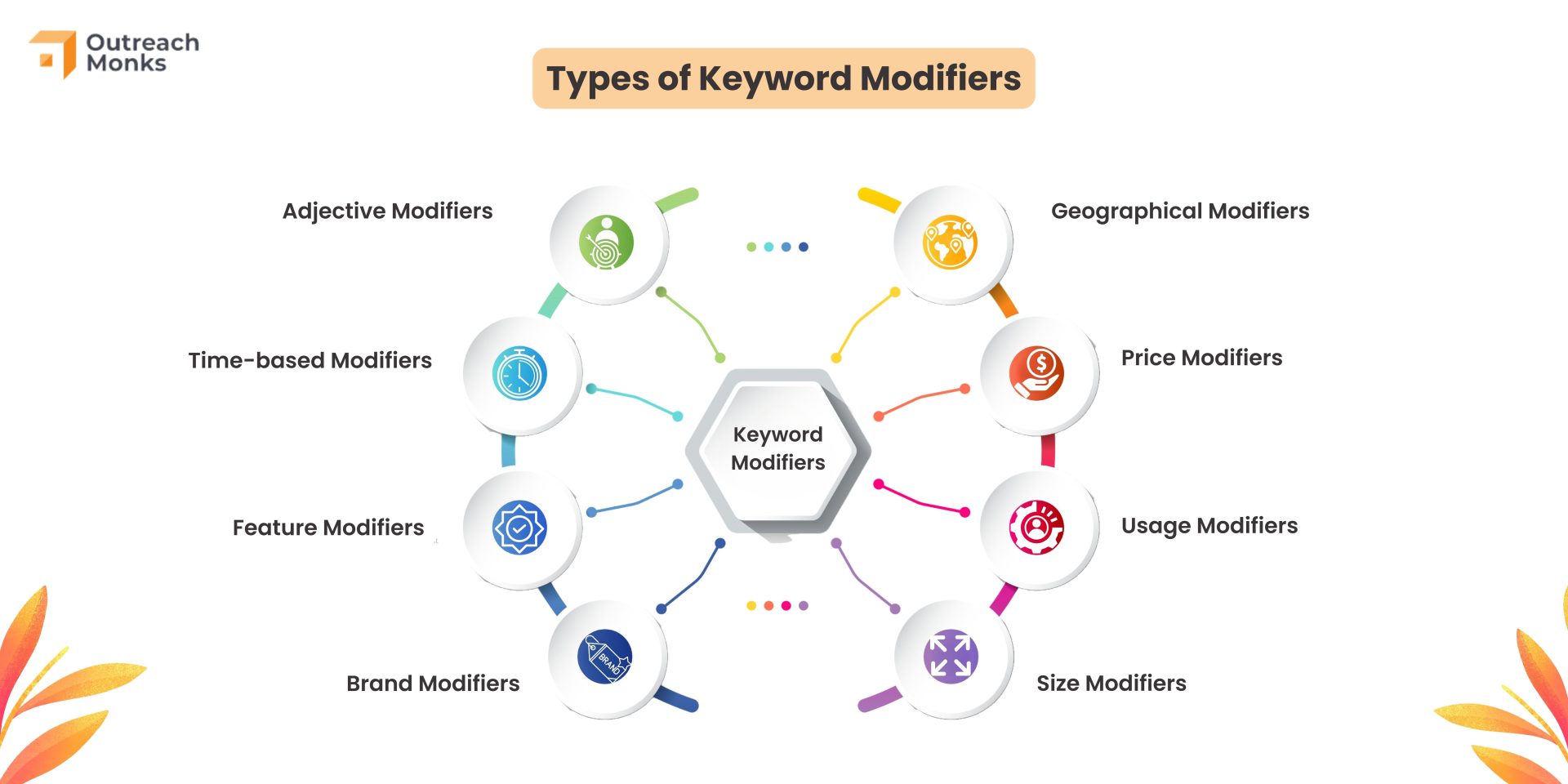
Tracking the performance of your AI SEO keyword modifier strategy helps you refine your approach over time. Several metrics indicate whether your modifiers are working effectively.
Key Performance Indicators to Monitor
Track your rankings for both the core keyword and the modified versions. Monitor organic click-through rates to see if your titles with modifiers attract more clicks. Analyze conversion rates to determine if modifier-targeted traffic converts better than generic traffic.
Use Google Search Console to see which queries actually trigger your pages. This data reveals which modifiers are working and which ones you should adjust. Pay attention to impressions and average position for each query.
Comparing Modifier Performance
Create a tracking system that compares the performance of different modifier types. For example, compare how “best” modifiers perform versus “how to” modifiers for the same core keyword. This analysis reveals which modifier categories resonate most with your target audience.
Use A/B testing for title tags and meta descriptions. Test different modifier combinations to see which ones generate higher click-through rates. This iterative approach helps you optimize your modifier strategy continuously.
AI SEO Keyword Modifiers in Different Content Types
Different content formats require different approaches to keyword modifiers. Understanding these nuances helps you apply modifiers effectively across your entire content portfolio.
Blog Posts and Articles
Blog posts benefit from informational and how-to modifiers. Use modifiers like “guide,” “tips,” “strategies,” and “examples” to signal comprehensive coverage. Structure your content with clear headings that incorporate these modifiers naturally.
Long-form content allows for more modifier variety. You can target multiple related modifiers within a single comprehensive guide. Just ensure each modifier appears in a relevant context rather than forced placement.
Product Pages and Category Pages
E-commerce pages should focus on transactional and comparison modifiers. Use terms like “buy,” “best,” “top-rated,” and “under $50” to capture high-intent shoppers. Category pages can target multiple modifiers that describe different product attributes.
Include modifiers in product descriptions, titles, and meta data. Use customer reviews to identify natural language modifiers that real buyers use. These authentic terms often perform better than generic descriptors.
Video Content and Multimedia
Video platforms like YouTube use AI to understand content context. Use modifiers in your video titles, descriptions, and tags to help the algorithm categorize your content. Include spoken modifiers in your video script to reinforce relevance.
Transcribe your videos and include the transcript on your page. This text provides additional modifier-rich content that search engines can index. The combination of video and text creates a powerful SEO signal.
Future Trends in AI SEO Keyword Modifiers

As artificial intelligence continues to evolve, the way search engines process keyword modifiers will change. Staying ahead of these trends helps you maintain your competitive edge.
Semantic Search and Entity-Based Optimization
Search engines are moving toward entity-based understanding rather than keyword matching. This means AI SEO keyword modifiers will become more about establishing relationships between concepts than matching exact phrases. Focus on creating content that demonstrates deep understanding of your topic.
Use structured data markup to help search engines understand the entities in your content. Schema markup for products, articles, FAQs, and reviews provides additional context that AI systems use to evaluate relevance.
Personalization and User Context
AI systems are increasingly personalizing search results based on individual user behavior, location, and preferences. This means the same query can produce different results for different users. Your modifier strategy should account for this personalization by targeting multiple user segments.
Create content that addresses different user contexts within the same page. Use modifiers that appeal to different audience segments. This approach helps your content remain relevant across personalized search results.
Frequently Asked Questions
What are AI SEO keyword modifiers exactly?
AI SEO keyword modifiers are contextual terms that artificial intelligence systems use to understand search intent and content relevance. They go beyond simple descriptors like “best” or “cheap” to include semantic variations, entity relationships, and intent signals that machine learning algorithms recognize as meaningful patterns.
How many keyword modifiers should I use per page?
T Focus on one primary modifier theme per page and use 3-5 related modifiers naturally throughout your content. Overloading your content with too many modifiers dilutes your message and can trigger spam filters.
Do AI SEO keyword modifiers work for local SEO?
Yes, local modifiers like city names, “near me,” and neighborhood references are particularly effective for local search. AI systems prioritize local relevance when users show location intent. Include local modifiers in your title tags, headings, and content to capture local search traffic.
Can I use the same modifiers for different keywords?
Yes, many modifiers work across different core keywords. For example, “for beginners” works with “content marketing,” “running shoes,” and “photography tips.” However, you should always verify that the modifier makes sense in context and matches user intent for that specific keyword.
How do AI SEO keyword modifiers affect voice search optimization?
Voice search queries are typically longer and more conversational. Using natural language modifiers that mirror how people speak helps your content appear in voice search results. Create FAQ sections and question-based headings that directly answer voice search queries.
Conclusion
AI SEO keyword modifiers represent a significant evolution in search optimization. By understanding how artificial intelligence processes these contextual signals, you can create content that ranks higher, attracts more qualified traffic, and converts better. The key is to use modifiers naturally and strategically, always keeping user intent at the forefront of your content strategy.
Start by auditing your existing content to identify opportunities for modifier optimization. Use AI-powered tools to discover new modifier opportunities. Test different modifier combinations and track your results. As search engines continue to evolve, staying current with AI SEO keyword modifier trends will keep your content competitive in an increasingly intelligent search landscape.
Xem thêm:
- AI SEO Examples: Proven Ways to Automate and Optimize Your Search Strategy
- AI SEO Testing: The Complete Guide to Automated Search Performance Verification
- AI SEO Trends 2027: The Complete Blueprint for Search Dominance
- AI SEO LLM Traffic: The Complete Guide to Capturing AI Search Visibility
- AI Knowledge Graph: The Complete Guide to Intelligent Data Networks
Bài viết cùng chủ đề:

AI SEO SEO Automation with Make: The Complete Workflow Guide

AI SEO SEO Automation with Zapier: The Complete Workflow Guide

AI SEO SEO Automation with n8n: The Complete Workflow Guide
AI SEO SEO Automation with Gemini: The Complete Guide to Scaling Organic Growth

AI SEO SEO Automation with Claude: The Complete Guide to Scaling Content in 2025

AI SEO SEO Automation with ChatGPT: The Complete Playbook for 2025

AI SEO & SEO Automation for Affiliate Sites: The 2025 Playbook for Passive Income Growth
AI SEO & SEO Automation for Bloggers: The Complete Guide to Scaling Your Content

AI SEO & SEO Automation for Agencies: The Complete 2025 Playbook

AI SEO and SEO Automation for Ecommerce: The Complete Playbook for 2025

AI SEO & SEO Automation for WordPress: The Complete Playbook for 2025
AI SEO SEO Automation Strategy: The Complete Playbook for 2025

Mastering the AI SEO SEO Automation Process: A Complete Guide to Scaling Organic Growth
AI SEO SEO Automation System: The Complete Guide to Scaling Organic Growth in 2025
AI SEO SEO Automation Platform: The Complete Guide to Scaling Organic Growth in 2025
AI SEO SEO Automation Software: The Complete Guide to Scaling Organic Growth in 2025















