
No products in the cart.
AI SEO Link Architecture: The Complete Guide to Smarter Internal Linking in 2025
10
Aug
Aug
AI SEO Link Architecture is transforming how websites structure their internal links, moving beyond manual planning to intelligent, data-driven systems that boost crawl efficiency and search rankings. In the modern search landscape, Google’s algorithms increasingly reward sites that demonstrate clear topical authority and logical content hierarchies. This comprehensive guide explores how artificial intelligence reshapes link architecture, offering practical strategies to implement AI-driven internal linking that improves user experience, distributes page authority, and accelerates indexing. From understanding core concepts to avoiding common pitfalls, this resource equips you with actionable insights for building a future-proof SEO foundation.
What is AI SEO Link Architecture?
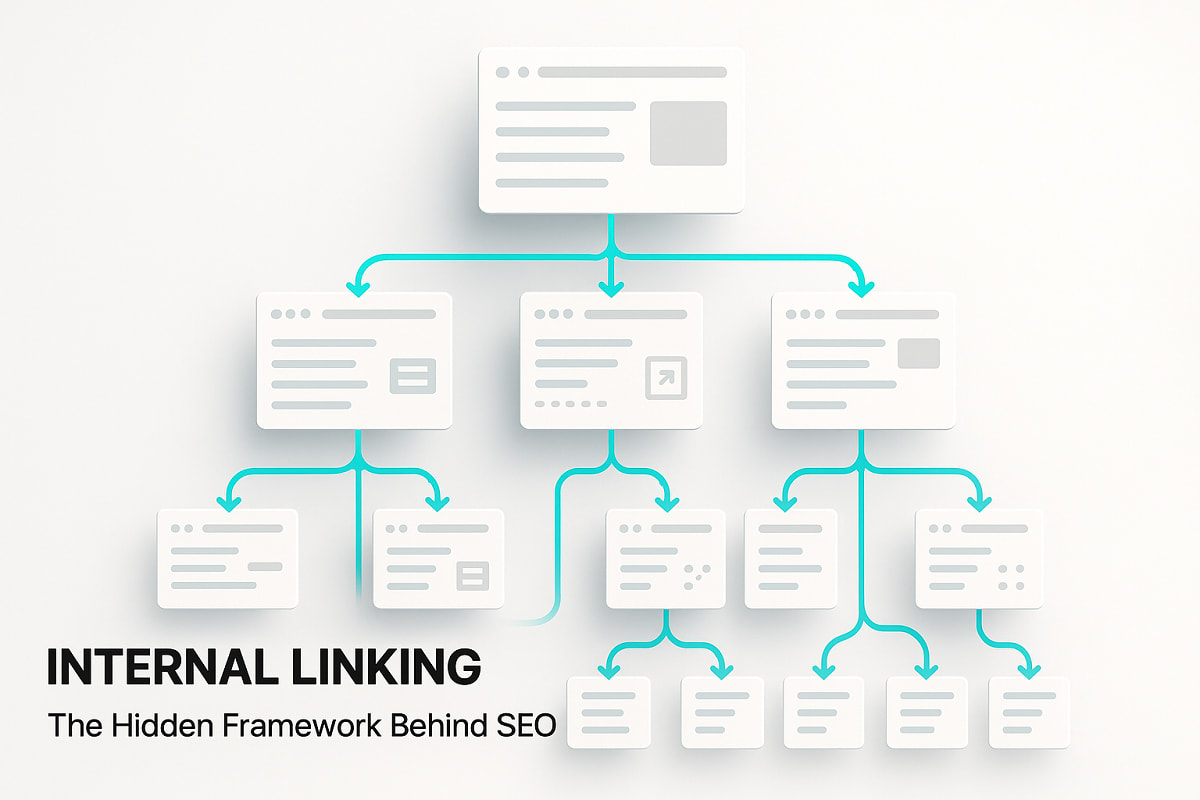
AI SEO Link Architecture refers to the strategic application of machine learning algorithms and natural language processing to design, analyze, and optimize the internal link structure of a website. Traditional link architecture relies on manual audits and static rules, while AI-driven systems continuously learn from user behavior, content semantics, and search engine feedback to recommend optimal link placements. The goal is to create a hierarchical structure where important pages receive maximum link equity, orphan pages are eliminated, and search engines can effortlessly discover and rank every valuable piece of content.
This approach combines three core elements: semantic understanding of content, predictive analytics of link value, and automated implementation. AI models can process thousands of pages simultaneously, identifying relationships between topics that human editors might miss. For instance, an AI system can detect that a blog post about “keto recipes” should link to a pillar page about “low-carb diets” based on entity recognition and contextual relevance, not just keyword matching.
Why Traditional Link Architecture Fails in the AI Era
Manual link building and static site structures struggle to keep pace with the dynamic nature of modern search queries. Google’s RankBrain and BERT algorithms prioritize understanding user intent and semantic relevance over simple keyword density. Traditional architectures often create shallow silos, where content is grouped by exact-match keywords rather than conceptual relationships. This leads to missed opportunities for cross-linking related topics, resulting in lower topical authority and weaker page rankings.
Another critical failure point is scalability. As websites grow to thousands of pages, maintaining a coherent link structure manually becomes impossible. Broken links, orphan pages, and excessive deep linking become common, diluting page authority and wasting crawl budget. AI SEO Link Architecture solves these issues by automating the analysis and recommendation process, ensuring that every new piece of content is instantly integrated into the existing link graph with optimal anchor text and contextual placement.
Core Components of an AI-Driven Link Architecture System
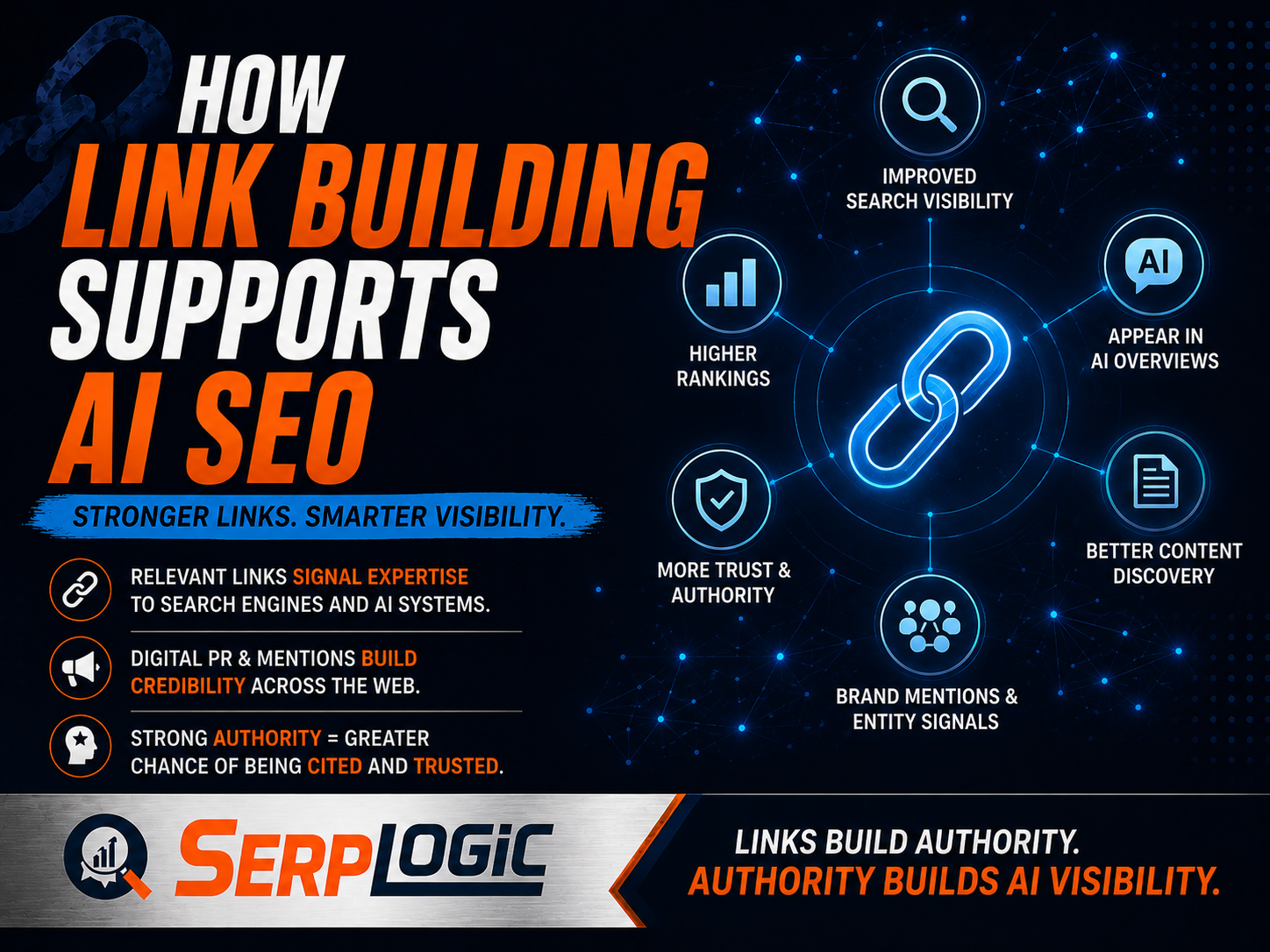
Implementing AI SEO Link Architecture requires understanding its fundamental building blocks. These components work together to create a self-optimizing system that improves over time.
Semantic Content Analysis
AI models use natural language processing to understand the true meaning of your content. They identify entities, topics, and subtopics, creating a knowledge graph of your website. This graph maps relationships between pages, allowing the system to suggest links that genuinely help users navigate from general concepts to specific details. For example, a page about “email marketing automation” would be linked to “customer relationship management” and “lead nurturing workflows” based on semantic proximity, not just shared keywords.
Predictive Link Value Scoring
Machine learning algorithms analyze historical data to predict which pages will benefit most from additional internal links. Factors include current page authority, organic traffic trends, conversion rates, and engagement metrics. The system assigns a link value score to each page, prioritizing high-potential content for link equity distribution. This prevents the common mistake of over-linking to already authoritative pages while neglecting new or underperforming content that needs a boost.
Automated Anchor Text Optimization
AI systems generate and recommend anchor text that is both descriptive and varied. Instead of using generic phrases like “click here,” the AI analyzes the target page’s content to suggest natural, keyword-rich anchors that align with user search intent. The system also monitors anchor text distribution to avoid over-optimization penalties, ensuring a healthy mix of branded, partial-match, and exact-match anchors.
Dynamic Crawl Path Optimization
AI continuously monitors how search engine bots navigate your site. It identifies crawl bottlenecks, such as pages buried too deep or blocked by excessive redirects. The system then recommends structural adjustments, like adding links from high-authority pages to deep content, to ensure efficient crawl budget utilization. This dynamic approach adapts to algorithm updates and changes in user behavior, keeping your architecture aligned with current best practices.
Benefits of Implementing AI SEO Link Architecture
Adopting AI-driven link architecture offers measurable advantages that directly impact search performance and business outcomes. The following benefits highlight why this approach is becoming a standard practice for competitive websites.
- Improved Crawl Efficiency: AI ensures that every important page is reachable within a few clicks from the homepage, reducing crawl depth and ensuring faster indexing of new content.
- Enhanced Topical Authority: By creating dense clusters of semantically related content, AI helps your site become a recognized expert in your niche, boosting rankings for a wide range of related keywords.
- Increased Page Authority Distribution: Predictive scoring directs link equity to pages that need it most, lifting their rankings and overall organic visibility.
- Reduced Manual Workload: Automation of link recommendations and anchor text optimization saves countless hours of manual auditing and editing.
- Better User Experience: Contextually relevant internal links guide users to valuable resources, increasing time on site and reducing bounce rates.
- Scalability: AI systems handle thousands of pages effortlessly, making it easy to maintain a coherent structure as your content library grows.
- Ignoring User Experience: Focusing solely on SEO metrics can lead to unnatural link placements. Always prioritize links that genuinely help users find relevant information. Avoid stuffing links into every paragraph just because the AI suggests it.
- Overusing Exact-Match Anchors: While AI helps diversify anchors, some systems default to exact-match phrases. Monitor anchor text distribution and ensure a natural mix of branded, generic, and partial-match anchors.
- Neglecting Orphan Pages: AI can identify orphan pages, but if you don’t act on the recommendations, these pages remain invisible to search engines. Schedule regular reviews of AI-generated orphan page reports.
- Failing to Update Old Content: AI recommendations are only useful if applied to existing content. Set up a workflow to periodically re-run AI analysis on older posts and add new internal links as your site evolves.
- Relying Solely on Automation: AI is a tool, not a replacement for human judgment. Always have an editor review AI suggestions, especially for high-value pages where a wrong link could harm credibility.
Limitations and Challenges to Consider
While AI SEO Link Architecture is powerful, it is not without challenges. Understanding these limitations helps you implement the technology effectively without unrealistic expectations.
Data Dependency: AI models require substantial historical data to make accurate predictions. New websites with limited traffic may not benefit fully until sufficient data is collected. In such cases, a hybrid approach combining manual best practices with AI recommendations is advisable.
Implementation Complexity: Integrating AI tools with your content management system and existing SEO workflows can be technically demanding. It requires collaboration between developers, content teams, and SEO specialists to ensure seamless operation.
Algorithm Transparency: Many AI systems operate as “black boxes,” making it difficult to understand why specific link recommendations are made. This lack of transparency can be problematic for teams that need to justify decisions to stakeholders.
Over-Optimization Risks: If not properly configured, AI systems might generate excessive internal links or use repetitive anchor text, triggering spam filters. Continuous monitoring and human oversight are essential to prevent this.
AI SEO Link Architecture vs. Traditional Internal Linking
Comparing these two approaches clarifies the distinct advantages of AI-driven systems. The table below highlights key differences across critical dimensions.
| Dimension | Traditional Link Architecture | AI SEO Link Architecture |
|---|---|---|
| Analysis Method | Manual audits, spreadsheet tracking | Automated semantic analysis, machine learning |
| Scalability | Limited to manageable site sizes | Handles thousands of pages efficiently |
| Link Recommendations | Based on keyword matching and intuition | Based on entity relationships and predictive value |
| Adaptability | Static, requires manual updates | Dynamic, learns from user behavior and algorithm changes |
| Anchor Text | Often repetitive, manually chosen | Varied, contextually optimized automatically |
| Error Detection | Reactive, discovered during audits | Proactive, continuous monitoring |
| Resource Requirements | High manual effort | Initial setup cost, lower ongoing effort |
How to Implement AI SEO Link Architecture: A Step-by-Step Guide
Transitioning to an AI-driven link architecture requires a structured approach. Follow these steps to integrate AI into your internal linking strategy effectively.
Step 1: Audit Your Current Link Structure
Begin by exporting your complete URL list and mapping existing internal links. Use tools like Screaming Frog or Sitebulb to identify orphan pages, broken links, and pages with zero internal links. This baseline data helps you understand your starting point and measure the impact of AI implementation later.
Step 2: Choose the Right AI SEO Tool
Several platforms offer AI-powered internal linking features. Popular options include MarketMuse, Clearscope, and specialized tools like Link Whisper or Internal Link Juicer. Evaluate each based on your site size, budget, and integration capabilities. Look for tools that provide semantic analysis, predictive scoring, and automated anchor text suggestions.
Step 3: Define Your Content Hierarchy
Before letting AI run wild, establish a clear hierarchy of your most important pages. Identify your pillar pages (cornerstone content) and cluster pages (supporting articles). This structure gives the AI a framework to work within, ensuring that link equity flows from high-authority pages to supporting content logically.
Step 4: Configure AI Parameters
Set rules for the AI system, such as maximum links per page, target anchor text diversity, and priority pages. Configure the system to exclude navigation links, footer links, and other non-contextual links from its analysis. This ensures that recommendations focus on in-content links that provide real value to users.
Step 5: Generate and Review AI Recommendations
Run the AI analysis and review the suggested link placements. While AI is powerful, human judgment is still necessary. Check that suggested links make sense contextually and that anchor text reads naturally. Approve or modify recommendations before implementation.
Step 6: Implement and Monitor
Apply the approved links to your content. After implementation, monitor key metrics such as crawl rate, indexation speed, and rankings for target keywords. Use Google Search Console to track changes in crawl behavior. Continuously feed this data back into the AI system to refine future recommendations.
Practical Applications of AI Link Architecture Across Industries
The principles of AI SEO Link Architecture apply universally, but specific use cases demonstrate its versatility. E-commerce sites use AI to link product pages to related accessories and guides, increasing average order value. News websites leverage AI to connect breaking stories to evergreen background articles, boosting page views and session duration. SaaS companies structure their documentation and blog content to guide users through the sales funnel, linking feature pages to case studies and pricing information.
For local businesses, AI link architecture connects service pages to location-specific content and customer testimonials, improving local search visibility. Educational platforms link introductory courses to advanced modules, creating a natural learning path that keeps users engaged. In each case, the AI system learns from user interactions, continuously optimizing the link graph to maximize engagement and conversions.
Common Mistakes in AI SEO Link Architecture and How to Avoid Them
Even with advanced technology, mistakes happen. Recognizing these pitfalls helps you maintain a healthy link structure.
Important Notes for Maximizing AI Link Architecture Success
To get the most out of AI SEO Link Architecture, keep these considerations in mind. First, ensure your website’s technical SEO foundation is solid. AI cannot fix broken redirects, slow page speeds, or poor mobile responsiveness. Address these issues before implementing AI-driven linking.
Second, integrate AI link architecture with your broader content strategy. New content should be created with internal linking in mind, and AI tools can help identify content gaps that need to be filled to strengthen your topical clusters. Third, track the long-term impact. Internal linking changes often take weeks to show results. Monitor rankings and organic traffic over a three-to-six-month period to accurately assess performance.
Finally, stay updated on AI SEO trends. The technology evolves rapidly, and new features like predictive link value based on real-time search data are emerging. Regularly review your AI tool’s updates and adjust your configuration accordingly.
Frequently Asked Questions
How does AI SEO Link Architecture differ from regular internal linking?
Regular internal linking relies on manual analysis and static rules, while AI-driven architecture uses machine learning to analyze semantic relationships, predict link value, and automate recommendations. AI systems continuously learn from user behavior and search engine feedback, making them more adaptive and scalable than traditional methods.
What is the ideal number of internal links per page?
T AI tools help determine the optimal number by analyzing page authority, content depth, and user engagement metrics. The focus should be on relevance and value rather than quantity.
Can AI SEO Link Architecture work for small websites?
Yes, AI tools can benefit small websites by identifying link opportunities that might be overlooked manually. However, the return on investment may be lower for sites with fewer than 50 pages. For small sites, a manual approach combined with basic AI suggestions is often sufficient.
How long does it take to see results from AI-driven internal linking?
Results typically appear within 4 to 8 weeks, as search engines recrawl and reindex pages. Significant improvements in rankings for target keywords may take 2 to 3 months. Continuous monitoring and adjustment are necessary to maintain and improve results over time.
Does AI link architecture affect external link building?
AI SEO Link Architecture focuses on internal links, but it indirectly influences external link building. A well-structured site with clear topical authority attracts more natural backlinks. Additionally, some AI tools analyze external link profiles to recommend internal linking strategies that maximize the value of acquired backlinks.
Conclusion
AI SEO Link Architecture represents a significant evolution in how websites manage their internal linking strategies. By leveraging machine learning and semantic analysis, you can create a dynamic, scalable link structure that enhances crawl efficiency, boosts topical authority, and improves user experience. While challenges exist, the benefits far outweigh the drawbacks for most growing websites. Start by auditing your current structure, selecting the right AI tools, and implementing a phased approach that combines automation with human oversight. As search engines continue to prioritize semantic relevance and user intent, adopting AI-driven link architecture is no longer optional—it is a competitive necessity for achieving sustainable search visibility.
Xem thêm:
- Google SGE SEO: How to Rank in AI-Powered Search and Capture Generative Traffic
- AI SEO Entity Recognition: The Complete Guide to Mastering Semantic Search
- AI SEO AI Search Optimization Audit: The Complete 2025 Guide to Future-Proofing Your Rankings
- AI SEO Content Syndication: The Complete Guide to Scaling Your Reach in 2025
- AI SEO Link Prospecting: The Complete Guide to Automating High-Quality Backlink Discovery
Bài viết cùng chủ đề:

AI SEO SEO Automation with Make: The Complete Workflow Guide

AI SEO SEO Automation with Zapier: The Complete Workflow Guide

AI SEO SEO Automation with n8n: The Complete Workflow Guide
AI SEO SEO Automation with Gemini: The Complete Guide to Scaling Organic Growth

AI SEO SEO Automation with Claude: The Complete Guide to Scaling Content in 2025

AI SEO SEO Automation with ChatGPT: The Complete Playbook for 2025

AI SEO & SEO Automation for Affiliate Sites: The 2025 Playbook for Passive Income Growth
AI SEO & SEO Automation for Bloggers: The Complete Guide to Scaling Your Content

AI SEO & SEO Automation for Agencies: The Complete 2025 Playbook

AI SEO and SEO Automation for Ecommerce: The Complete Playbook for 2025

AI SEO & SEO Automation for WordPress: The Complete Playbook for 2025
AI SEO SEO Automation Strategy: The Complete Playbook for 2025

Mastering the AI SEO SEO Automation Process: A Complete Guide to Scaling Organic Growth
AI SEO SEO Automation System: The Complete Guide to Scaling Organic Growth in 2025
AI SEO SEO Automation Platform: The Complete Guide to Scaling Organic Growth in 2025
AI SEO SEO Automation Software: The Complete Guide to Scaling Organic Growth in 2025















