
No products in the cart.
AI SEO Link Equity: The Complete Guide to Modern Link Building
10
Aug
Aug
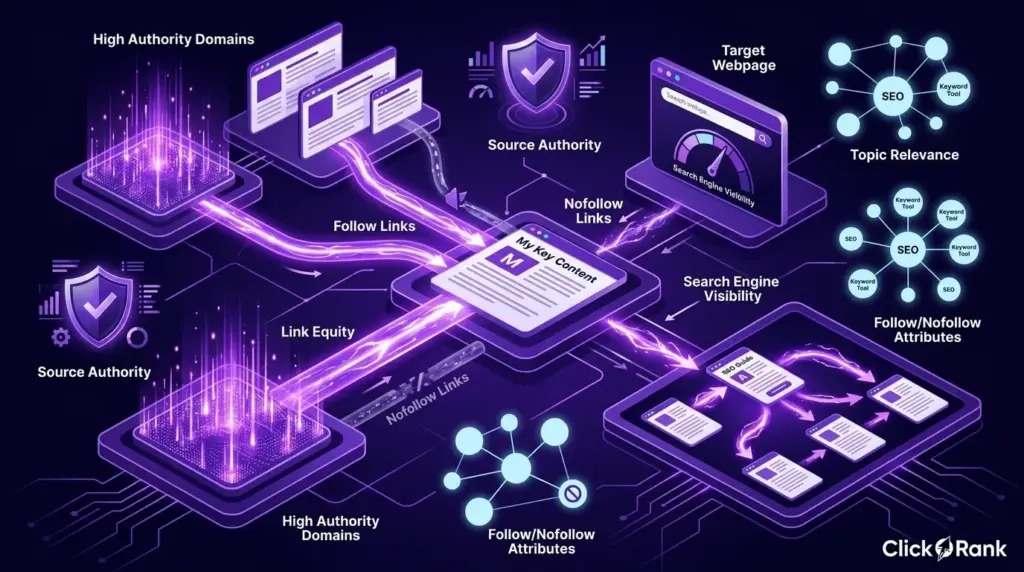
AI SEO Link Equity represents the intersection of artificial intelligence and the traditional concept of link equity, fundamentally changing how websites earn, evaluate, and transfer authority through hyperlinks. As search engines increasingly rely on machine learning algorithms to assess content relevance and authority, understanding AI SEO Link Equity has become essential for digital marketers aiming to maintain competitive rankings. This comprehensive guide explores how artificial intelligence transforms link equity analysis, distribution strategies, and the overall impact on search engine optimization performance.
Understanding AI SEO Link Equity
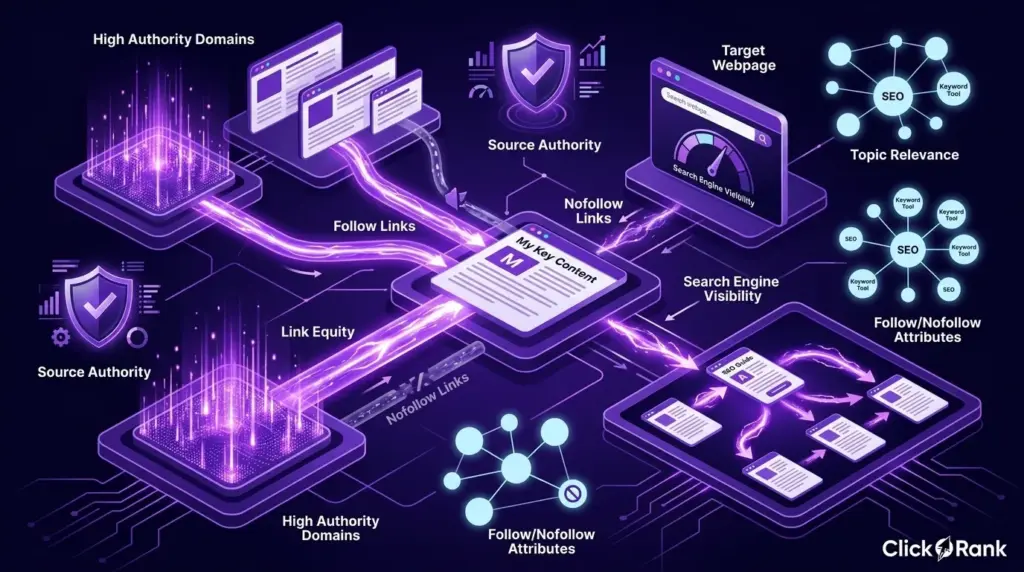
Link equity, historically known as PageRank, refers to the value passed from one webpage to another through hyperlinks. Search engines treat these links as votes of confidence, with high-authority sites passing more value than low-authority ones. AI SEO Link Equity takes this concept further by using machine learning models to evaluate link quality beyond simple metrics like domain authority or page rank.
Artificial intelligence systems analyze hundreds of signals when determining the true value of a backlink. These signals include content relevance, user engagement patterns, contextual placement, and the semantic relationship between linking pages. Traditional link evaluation methods relied on quantitative metrics, while AI-driven approaches prioritize qualitative factors that better reflect genuine editorial endorsement.
The Evolution from Traditional to AI-Driven Link Equity
Traditional link equity calculations focused on the number of backlinks, domain authority scores, and basic anchor text analysis. Google’s original PageRank algorithm counted links and weighted them by the linking page’s importance. Modern AI systems, however, process vast datasets to understand link patterns at a semantic level, recognizing when links appear naturally within content versus when they are artificially placed.
Machine learning models now evaluate link equity through natural language processing, analyzing the surrounding content to determine contextual relevance. A link from a technology blog about artificial intelligence carries more weight for an AI software company than a link from a cooking website, even if the cooking website has higher domain authority. This contextual understanding represents a significant advancement in how search engines interpret link value.
How Artificial Intelligence Evaluates Link Quality
AI algorithms assess link quality through multiple dimensions that go beyond traditional metrics. These systems examine the relationship between linking pages, the user experience surrounding the link, and the historical performance patterns of similar links across the web.
- Semantic Relevance: AI analyzes the topical relationship between the linking page, the target page, and the anchor text to determine contextual alignment
- User Engagement Signals: Machine learning tracks how users interact with links, including click-through rates, time spent on the target page, and bounce rates
- Link Placement Analysis: Algorithms evaluate whether links appear within main content, sidebars, footers, or comment sections, with editorial placements receiving higher value
- Historical Link Patterns: AI examines the linking domain’s backlink profile for unnatural patterns that might indicate link schemes or paid placements
- Content Freshness: Machine learning considers how recently the linking content was updated and whether the link remains contextually appropriate
- Over-Reliance on Automation: Using AI tools without human oversight leads to unnatural link patterns that algorithms can detect
- Ignoring Contextual Relevance: Pursuing high-authority links from irrelevant websites reduces the actual equity passed and may appear manipulative
- Neglecting Internal Linking: Focusing exclusively on external links while ignoring internal link equity distribution limits overall site authority
- Chasing Metrics Over Value: Optimizing for specific metrics like domain rating rather than creating genuinely valuable content and relationships
- Inconsistent Link Velocity: Acquiring links in unnatural patterns that trigger algorithmic flags for manipulative behavior
The Role of Natural Language Processing in Link Equity
Natural language processing (NLP) enables search engines to understand the meaning behind anchor text and surrounding content. This technology allows AI systems to distinguish between editorial mentions that naturally include links and forced keyword-rich anchor text that signals manipulation. NLP models analyze sentence structure, entity relationships, and semantic similarity to determine whether a link genuinely adds value for users.
For example, an AI system can recognize that a link within a comprehensive industry guide carries more weight than the same link placed in a generic resource roundup. The context surrounding the link, including the depth of coverage and the expertise demonstrated in the content, influences how much equity passes through that link.
Practical Applications of AI SEO Link Equity
Digital marketers can leverage AI SEO Link Equity principles to develop more effective link building strategies. Understanding how artificial intelligence evaluates links helps create content and outreach campaigns that align with algorithmic preferences.
Content Creation for Link Attraction
Creating content that naturally attracts high-quality links requires understanding what AI systems consider valuable. Comprehensive guides, original research, and data-driven insights tend to earn editorial links because they provide unique value that other websites want to reference. AI tools can help identify content gaps and topics that are likely to attract authoritative backlinks.
Statistical analysis shows that long-form content (over 2,000 words) receives significantly more backlinks than shorter pieces. However, length alone does not guarantee link acquisition. The content must demonstrate expertise, provide actionable information, and present data in a way that other publishers find citable and valuable for their audiences.
Digital PR and Authority Building
AI-powered tools can identify journalists and publishers who cover specific topics, enabling more targeted digital PR campaigns. These systems analyze writing patterns, previous coverage, and audience engagement to match brands with relevant media opportunities. When digital PR efforts result in links from authoritative news sites, the AI SEO Link Equity passed through these links often exceeds that of traditional directory or forum links.
Building relationships with industry influencers and thought leaders creates opportunities for natural link acquisition. AI tools can monitor conversations, identify emerging trends, and suggest connection opportunities that lead to organic mentions and links from high-authority sources.
Benefits of AI-Driven Link Equity Analysis
Implementing AI SEO Link Equity strategies offers numerous advantages over traditional link building approaches. These benefits extend beyond simple ranking improvements to include better resource allocation and more sustainable SEO practices.
| Benefit | Traditional Approach | AI-Driven Approach |
|---|---|---|
| Link Quality Assessment | Domain authority and page rank metrics | Semantic relevance and contextual analysis |
| Competitor Analysis | Manual review of competitor backlinks | Automated pattern recognition and gap identification |
| Risk Detection | Manual review for unnatural patterns | Real-time anomaly detection and penalty prediction |
| Content Optimization | Keyword targeting and basic SEO | Predictive modeling for link-worthy content |
| Outreach Efficiency | Mass email campaigns | Personalized, data-driven prospect targeting |
Improved Resource Allocation
AI SEO Link Equity analysis helps marketers focus their efforts on opportunities that provide the highest return on investment. Instead of pursuing hundreds of low-quality links, AI tools identify the specific websites and content types that will generate meaningful equity transfer. This targeted approach reduces wasted effort and improves the overall efficiency of link building campaigns.
Machine learning models can predict which prospects are most likely to link based on historical patterns, content preferences, and relationship indicators. This predictive capability allows teams to prioritize outreach efforts toward high-probability opportunities, increasing success rates and reducing time spent on unproductive prospecting.
Limitations and Challenges of AI SEO Link Equity
While AI-driven link equity analysis offers significant advantages, several limitations and challenges require consideration. Understanding these constraints helps marketers develop realistic expectations and complementary strategies.
Data Privacy and Accessibility
AI systems require massive datasets to train and operate effectively. Search engines have access to proprietary data that third-party tools cannot replicate. This information asymmetry means that external AI SEO tools provide approximations rather than exact measurements of how search engines evaluate link equity.
Privacy regulations and data protection laws limit the types of user engagement data that AI systems can collect and analyze. These restrictions affect the accuracy of engagement-based link quality assessments, particularly for smaller websites with limited traffic data.
Algorithm Updates and Adaptation
Search engine algorithms continuously evolve, requiring AI models to adapt rapidly. A link evaluation approach that works today may become less effective after a major algorithm update. Marketers must stay informed about changes in how search engines process link equity and adjust their strategies accordingly.
The black-box nature of AI algorithms creates uncertainty about exactly which factors influence link equity calculations. While SEO professionals can observe patterns and make educated inferences, the precise weighting of different signals remains unknown, making it difficult to optimize with complete confidence.
Common Mistakes in AI SEO Link Equity Strategies
Many marketers make avoidable errors when implementing AI-driven link equity approaches. Recognizing these mistakes helps prevent wasted effort and potential penalties.
Avoiding AI Detection and Penalties
Search engines use AI to identify artificial link patterns and penalize websites that attempt to manipulate rankings. Avoiding these penalties requires a focus on genuine relationship building and content quality rather than shortcut tactics. AI systems can detect link farms, private blog networks, and mass-produced guest posts with increasing accuracy.
Maintaining a natural link profile involves acquiring links gradually, diversifying anchor text, and ensuring that links come from genuinely relevant sources. Regular audits using AI-powered tools help identify potentially harmful links before they cause ranking drops, allowing for proactive disavowal when necessary.
Practical Guide to Implementing AI SEO Link Equity Strategies

Implementing an effective AI SEO Link Equity strategy requires a systematic approach that combines technology with human expertise. The following steps provide a framework for developing and executing a successful program.
Step 1: Conduct an AI-Powered Link Audit
Begin by analyzing your current backlink profile using AI-powered SEO tools. These tools identify toxic links, assess the quality of existing backlinks, and reveal patterns that might be limiting your site’s authority. The audit should examine anchor text distribution, linking domain diversity, and the contextual relevance of existing links.
Use the audit results to develop a cleanup plan that removes or disavows harmful links while identifying opportunities to strengthen your existing link equity. This baseline assessment provides the foundation for all subsequent link building efforts.
Step 2: Identify High-Value Link Opportunities
AI tools can analyze your competitors’ backlink profiles to identify websites that link to multiple competitors but not to your site. These represent high-value prospects because they demonstrate a willingness to link to content in your industry. The AI system evaluates these prospects for relevance, authority, and engagement metrics to prioritize outreach targets.
Additionally, AI-powered content analysis identifies topics and formats that are currently attracting links in your industry. Creating superior versions of this content increases the likelihood of earning links from the same sources that linked to existing content.
Step 3: Create Link-Worthy Content Assets
Develop content specifically designed to attract editorial links. Original research, comprehensive industry reports, and interactive tools tend to earn links because they provide unique value. AI tools can help identify data sources, analyze trends, and predict which content formats will resonate with your target audience.
Ensure that your content includes proper citations, visual elements, and shareable assets that make it easy for other publishers to reference your work. The more valuable and unique your content, the more likely it is to earn natural links from authoritative sources.
Step 4: Execute Targeted Outreach Campaigns
Use AI-powered outreach tools to personalize your communication with potential link partners. These tools analyze the recipient’s content preferences, previous linking behavior, and engagement patterns to craft messages that resonate. Personalized outreach significantly outperforms mass email campaigns in terms of response rates and link acquisition success.
Focus your outreach on building relationships rather than simply requesting links. Provide value to the recipient through insights, data, or content collaboration opportunities. This relationship-first approach leads to more sustainable link equity gains over time.
Step 5: Monitor and Adjust Your Strategy
Continuous monitoring is essential for maintaining and improving your AI SEO Link Equity position. Track your backlink profile growth, changes in referring domain authority, and shifts in your search rankings. AI-powered analytics tools can identify emerging patterns and alert you to potential issues before they impact your rankings.
Regularly review your internal linking structure to ensure that link equity flows efficiently throughout your website. Update old content to maintain relevance and add new internal links to important pages. This ongoing optimization ensures that your link equity continues to support your overall SEO objectives.
Important Notes for AI SEO Link Equity Success
Several critical considerations affect the success of AI SEO Link Equity strategies. Keeping these factors in mind helps avoid common pitfalls and maximize results.
Quality consistently outweighs quantity when it comes to link equity. A single link from a highly relevant, authoritative source often provides more value than dozens of links from low-quality directories or content farms. Focus your efforts on earning meaningful editorial links rather than accumulating large volumes of marginal backlinks.
Link equity is not permanent. Links can lose value over time as websites change, content becomes outdated, or algorithms evolve. Regular monitoring and proactive link maintenance ensure that your link equity remains strong and continues to support your search rankings.
The integration of AI into SEO practices continues to accelerate. Staying informed about new AI capabilities and algorithm updates helps you adapt your link equity strategies to remain effective. Continuous learning and experimentation are essential for long-term success in this evolving landscape.
Frequently Asked Questions About AI SEO Link Equity
What is the difference between traditional link equity and AI SEO Link Equity?
Traditional link equity relies on quantitative metrics like domain authority, page rank, and link counts. AI SEO Link Equity incorporates machine learning to evaluate qualitative factors such as semantic relevance, contextual placement, user engagement, and content quality. AI systems can understand the meaning behind links and assess their genuine value more accurately than metric-based approaches.
How does artificial intelligence determine link quality?
Artificial intelligence evaluates link quality by analyzing semantic relevance between linking and target pages, examining user engagement patterns, assessing content freshness, and detecting unnatural link patterns. Natural language processing helps AI understand the contextual meaning of anchor text and surrounding content to determine whether a link represents a genuine editorial endorsement.
Can AI SEO Link Equity tools replace human SEO expertise?
AI tools enhance but do not replace human SEO expertise. While artificial intelligence can process vast amounts of data and identify patterns, human judgment remains essential for strategic decisions, relationship building, and creative content development. The most effective approach combines AI-powered analysis with human experience and intuition.
How long does it take to see results from AI SEO Link Equity strategies?
Results from AI SEO Link Equity strategies typically appear within three to six months of consistent implementation. The timeline depends on your industry competitiveness, current site authority, and the quality of links you acquire. High-quality editorial links from authoritative sources can produce faster results than lower-quality links from less relevant websites.
What are the risks of using AI for link building?
The primary risks include over-automation leading to unnatural link patterns, reliance on inaccurate AI predictions, and potential penalties from search engines if AI-generated outreach appears spammy. Mitigating these risks requires human oversight, quality control processes, and a focus on genuine relationship building rather than purely automated link acquisition.
Conclusion
AI SEO Link Equity represents a fundamental shift in how search engines evaluate and distribute authority through hyperlinks. The integration of artificial intelligence into link analysis provides more accurate assessments of link quality, enabling marketers to focus their efforts on strategies that genuinely improve search visibility. Understanding the principles of AI-driven link equity, implementing effective strategies, and avoiding common mistakes positions websites for sustainable ranking success.
The future of SEO belongs to those who embrace AI-powered tools while maintaining a focus on creating genuine value for users. By combining technological capabilities with human expertise and authentic relationship building, digital marketers can build strong link equity that withstands algorithm updates and delivers long-term organic search performance. Continuous learning and adaptation remain essential as AI technology and search engine algorithms continue to evolve.
Xem thêm:
- AI SEO Content Pipeline: The Complete Blueprint for Scaling Organic Growth in 2025
- AI Landing Page Optimization: Transform Your Conversion Rates with Smart Technology
- AI SEO Landing Page Testing: The Complete Guide to Data-Driven Conversion Optimization
- AI SEO Zapier Automation: The Complete Guide to Scaling Your Organic Growth in 2025
- How to Automate SEO with AI and Build a Scalable Organic Growth Engine
Bài viết cùng chủ đề:

AI SEO SEO Automation with Make: The Complete Workflow Guide

AI SEO SEO Automation with Zapier: The Complete Workflow Guide

AI SEO SEO Automation with n8n: The Complete Workflow Guide
AI SEO SEO Automation with Gemini: The Complete Guide to Scaling Organic Growth

AI SEO SEO Automation with Claude: The Complete Guide to Scaling Content in 2025

AI SEO SEO Automation with ChatGPT: The Complete Playbook for 2025

AI SEO & SEO Automation for Affiliate Sites: The 2025 Playbook for Passive Income Growth
AI SEO & SEO Automation for Bloggers: The Complete Guide to Scaling Your Content

AI SEO & SEO Automation for Agencies: The Complete 2025 Playbook

AI SEO and SEO Automation for Ecommerce: The Complete Playbook for 2025

AI SEO & SEO Automation for WordPress: The Complete Playbook for 2025
AI SEO SEO Automation Strategy: The Complete Playbook for 2025

Mastering the AI SEO SEO Automation Process: A Complete Guide to Scaling Organic Growth
AI SEO SEO Automation System: The Complete Guide to Scaling Organic Growth in 2025
AI SEO SEO Automation Platform: The Complete Guide to Scaling Organic Growth in 2025
AI SEO SEO Automation Software: The Complete Guide to Scaling Organic Growth in 2025















