
No products in the cart.
AI SEO Content Pipeline: The Complete Blueprint for Scaling Organic Growth in 2025
31
Jul
Jul
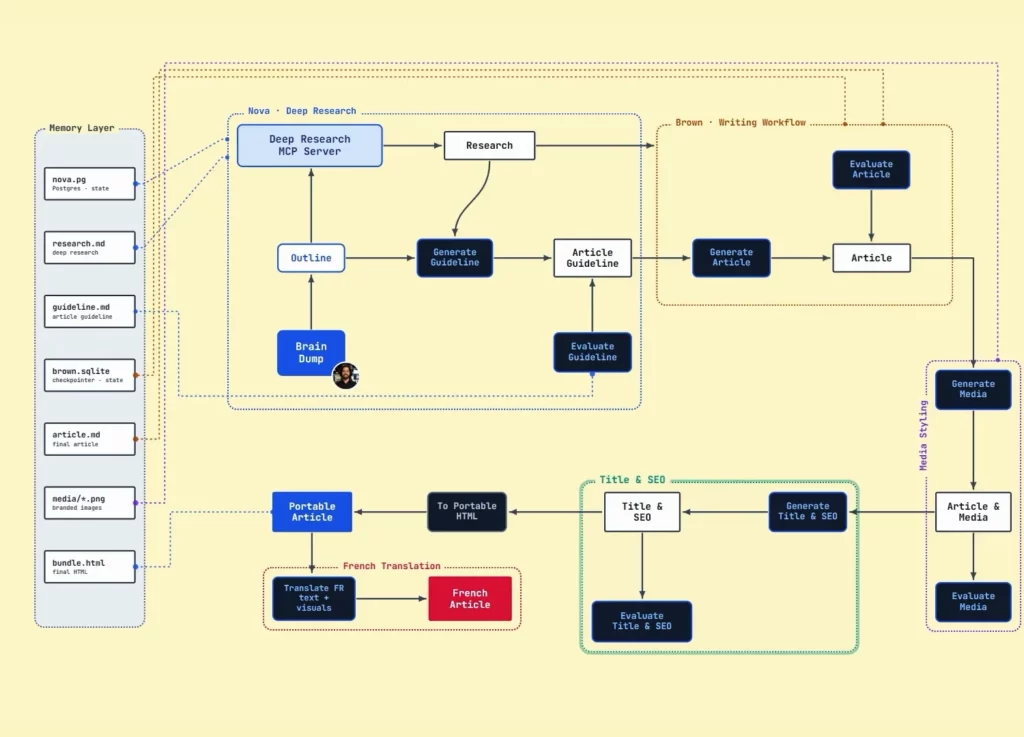
The digital marketing landscape has shifted dramatically. Teams that once relied on manual research, slow drafting, and guesswork are now turning to an AI SEO Content Pipeline to produce relevant, data-driven articles at scale. This systematic approach integrates artificial intelligence into every stage of content creation—from keyword discovery to final optimization—allowing brands to maintain a consistent publishing cadence without sacrificing quality. In this comprehensive guide, we break down the architecture of a modern AI-driven workflow, its core components, and the exact steps to implement one for your business.
What is an AI SEO Content Pipeline?
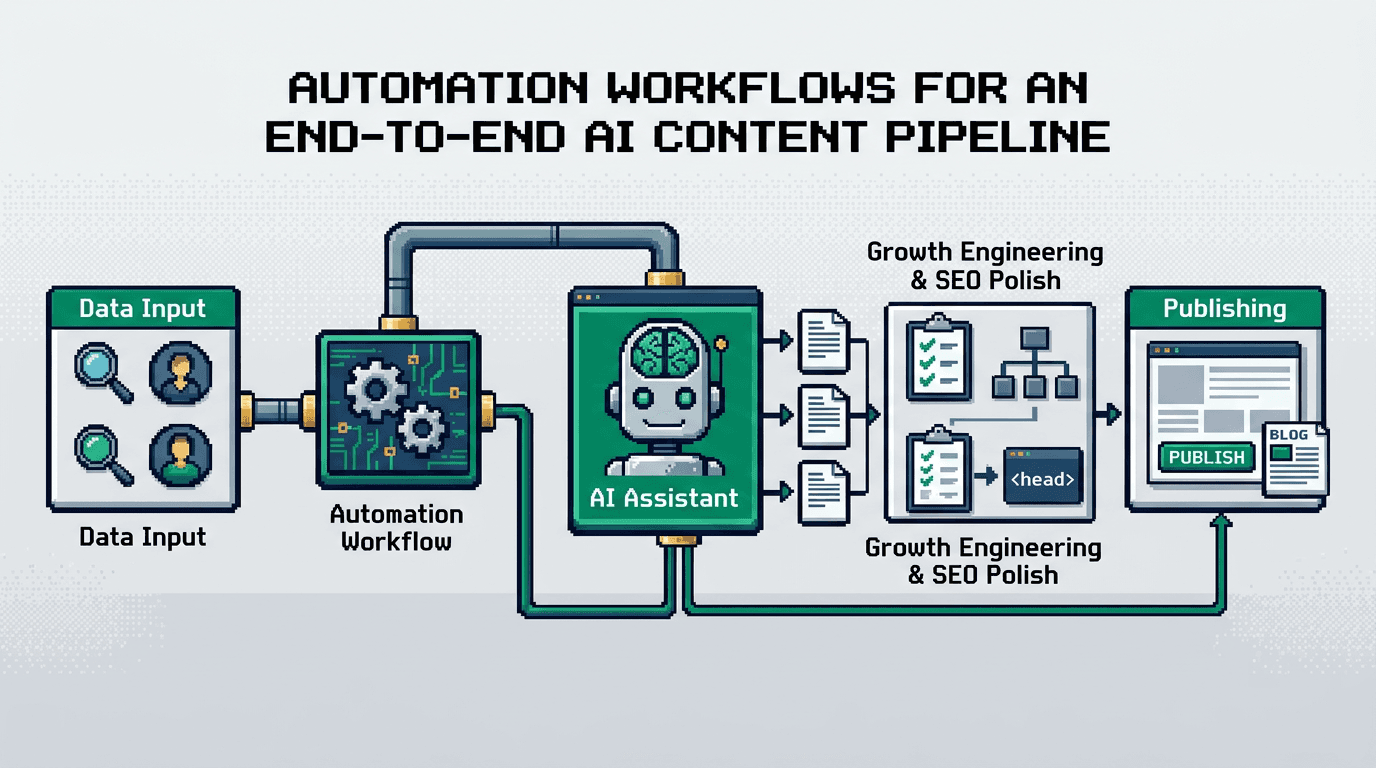
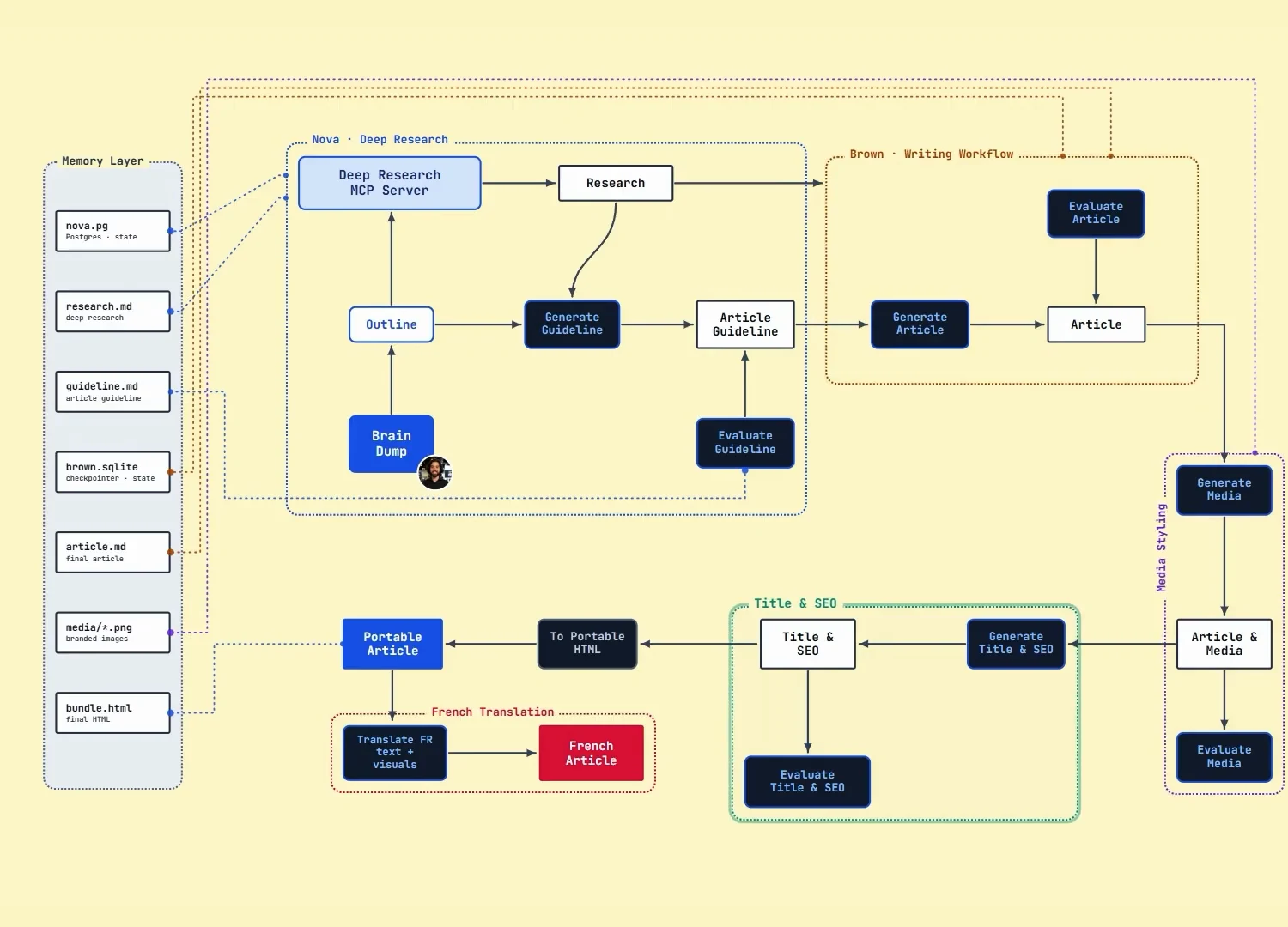
An AI SEO Content Pipeline is a structured, semi-automated workflow that leverages machine learning models and natural language processing to streamline the production of search-optimized content. Unlike traditional methods where a human manually performs each task, this pipeline uses AI to handle repetitive, data-heavy processes such as topic clustering, SERP analysis, outline generation, and even first-draft writing.
The core philosophy is not to replace human writers but to augment their capabilities. The pipeline handles the heavy lifting of data processing, while human editors focus on strategic oversight, brand voice, and factual accuracy. This hybrid model enables teams to produce more content in less time, targeting a wider array of keywords without expanding headcount proportionally.
The Evolution from Manual to Automated Workflows
Five years ago, a typical content workflow involved a strategist spending hours on keyword tools, a writer conducting manual competitor research, and an editor checking readability scores. Today, an AI SEO Content Pipeline collapses these steps. For instance, AI tools can now analyze the top 10 search results for a query, extract common subtopics, and generate a comprehensive brief in under two minutes. This shift from manual to automated is not just about speed; it is about consistency and the ability to process vast datasets that would be impossible for a human to analyze manually.
Core Components of an Effective AI SEO Content Pipeline
To build a robust system, you need to understand its fundamental building blocks. A well-designed pipeline typically consists of five distinct stages, each powered by specific AI capabilities.
1. AI-Powered Keyword and Topic Discovery
The pipeline begins with data ingestion. Instead of relying solely on static keyword volumes, modern AI tools analyze search intent, user behavior patterns, and semantic relationships. Tools like Clearscope, MarketMuse, or custom GPT models can process thousands of queries to identify content gaps. For example, an AI can analyze your competitor’s top-performing pages and automatically suggest a list of LSI (Latent Semantic Indexing) keywords that you have not yet targeted. This stage ensures that your content strategy is aligned with actual user demand, not just high-volume guesses.
2. Automated SERP Analysis and Content Briefing
Once topics are selected, the pipeline moves to SERP (Search Engine Results Page) analysis. The AI scrapes the current top-ranking pages for your target keyword and extracts critical data points: average word count, readability level, heading structure, and recurring entities. It then generates a comprehensive content brief. This brief is not a simple list of keywords; it is a detailed blueprint that includes suggested H2s, H3s, questions to answer, and even statistical data points that should be included to match search intent. This automation removes the guesswork from the writer’s desk.
3. AI-Assisted Draft Generation
This is the most visible component. Using the brief, an AI writing assistant (like GPT-4 or Jasper) generates a first draft. The quality of this draft depends heavily on the specificity of the brief. A well-structured pipeline feeds the AI with context, tone guidelines, and target audience personas. The output is typically 70-80% complete, requiring human intervention to add unique insights, personal experiences, and nuanced opinions that AI cannot generate. The goal
4. On-Page Optimization and Internal Linking
After the draft is written and edited, the pipeline automatically checks for on-page SEO factors. This includes meta title optimization, meta description generation, URL slug creation, and image alt text suggestions. More advanced pipelines use AI to analyze the draft against the original SERP data, suggesting where to add missing keywords or where to increase semantic depth. Additionally, AI can automatically suggest internal links by analyzing your existing content library, ensuring that link equity flows to your most important pages.
5. Performance Monitoring and Iterative Learning
The final component is the feedback loop. The pipeline tracks the performance of published content—rankings, clicks, and conversions. This data is fed back into the AI model to refine future topic suggestions and briefs. For example, if a particular article structure performs well for a specific keyword cluster, the A This continuous learning cycle is what separates a static process from a truly intelligent AI SEO Content Pipeline.
Benefits of Implementing an AI SEO Content Pipeline
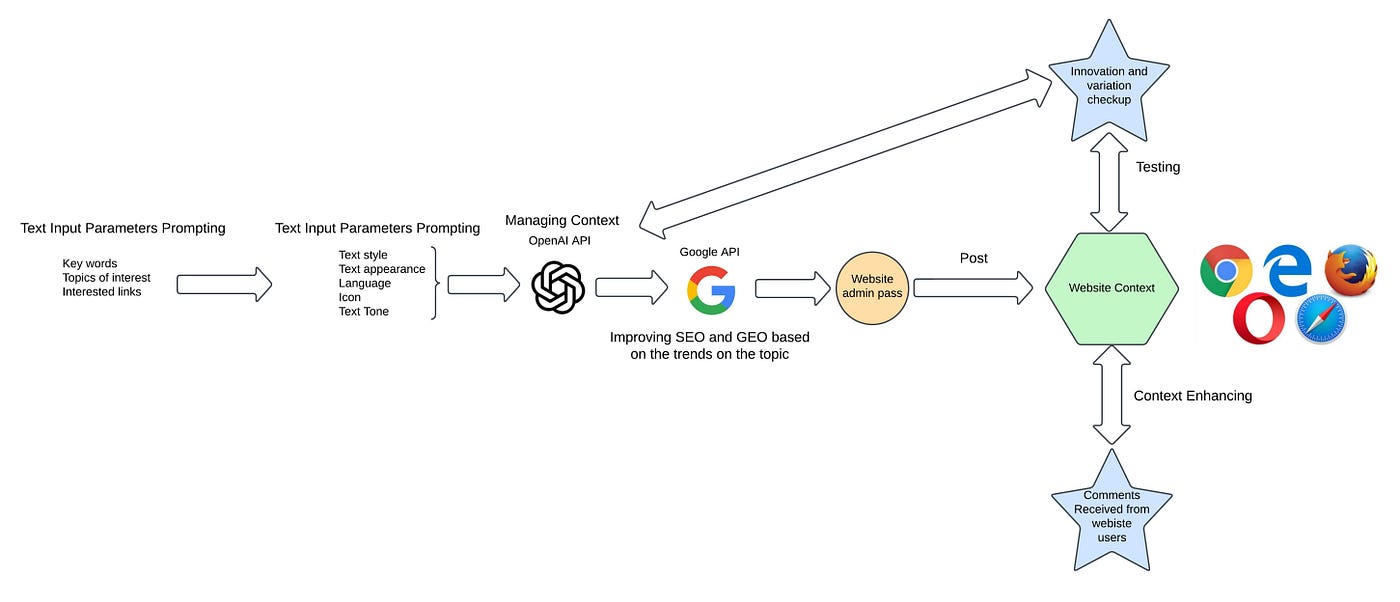
Adopting this technology offers tangible advantages that go beyond simple time savings. Here are the primary benefits backed by industry observations.
- Scalability: You can increase content output by 3-5x without hiring additional writers. This allows you to target long-tail keywords that would otherwise be ignored.
- Consistency: AI ensures that every piece of content follows the same structural guidelines, maintaining a uniform quality bar across your entire blog.
- Data-Driven Decisions: The pipeline removes emotional bias from content strategy. You are no longer writing about what you “think” is important, but what the data shows is relevant.
- Faster Time-to-Market: A topic that took a week to research and write can be completed in a day. This is critical for newsjacking or covering trending topics quickly.
- Improved ROI: By automating the research phase, your senior writers spend more time on high-value tasks like adding expert commentary and case studies, which directly improves content quality and conversion rates.
- Publishing AI Drafts Without Review: This is the fastest way to damage your site’s reputation. AI can hallucinate facts or produce outdated information. Always verify statistics and claims.
- Ignoring Search Intent: An AI can write a great article about “best running shoes,” but if the user actually wants to compare prices, a listicle won’t rank. Ensure your pipeline is configured to match content format to search intent.
- Keyword Stuffing via AI: Some tools try to force keywords into the text to hit a target density. This creates unnatural prose that harms readability. Focus on semantic relevance, not exact-match repetition.
- Lack of Unique Data: If your article only contains information that is already on the first page of Google, you have no competitive advantage. Your pipeline must include a step for adding proprietary insights, original surveys, or expert quotes.
- Not Updating the AI Model: Search algorithms change. Your AI tools need to be updated with new data and guidelines. Review your pipeline settings quarterly to ensure they align with current best practices.
Limitations and Challenges You Must Address
While the benefits are compelling, an AI SEO Content Pipeline is not a silver bullet. Understanding its limitations is crucial for successful implementation.
The Risk of Generic Content
AI models are trained on existing data. If you do not provide unique input, the output will be generic and indistinguishable from thousands of other AI-generated articles. This can lead to a “sea of sameness” that fails to differentiate your brand. To counter this, your pipeline must include a mandatory human review stage where writers inject proprietary data, personal anecdotes, and original research.
Dependency on Data Quality
Garbage in, garbage out. If your keyword research is flawed or your SERP analysis tool is inaccurate, the entire pipeline will produce suboptimal content. It is essential to audit your data sources regularly and ensure that the AI is being fed high-quality, up-to-date information.
Potential for Algorithmic Penalties
Search engines are becoming increasingly sophisticated at detecting low-value AI content. While using AI is not against Google’s guidelines, using it to spam low-quality content is. Your pipeline must prioritize user experience and factual accuracy over sheer volume. If the AI produces a draft that is factually incorrect or lacks depth, publishing it can harm your site’s authority.
AI SEO Content Pipeline vs. Traditional Content Workflow
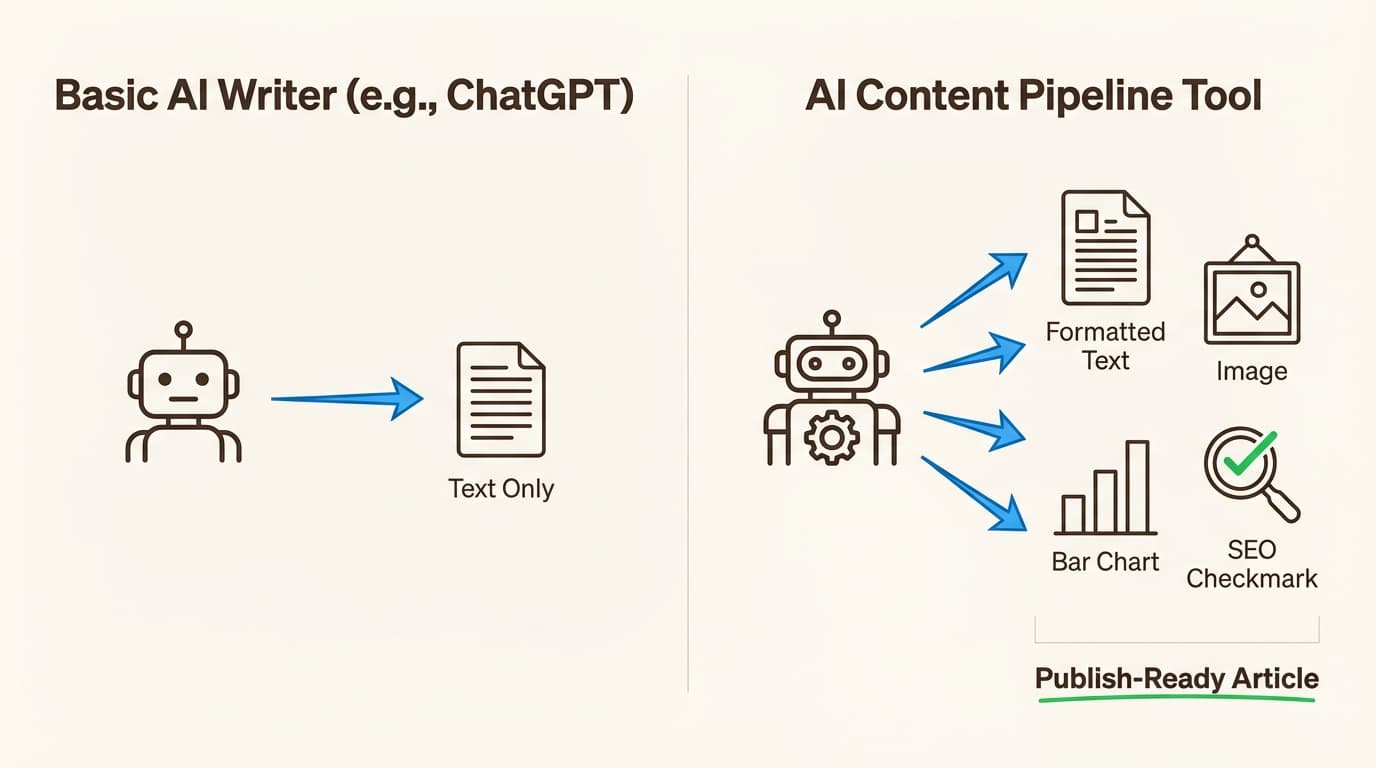
To understand the value proposition, it helps to compare the two approaches side-by-side.
| Feature | Traditional Workflow | AI SEO Content Pipeline |
|---|---|---|
| Research Time | 2-3 days per topic | 2-3 hours per topic |
| Keyword Expansion | Manual, limited to tool exports | Automated, semantic clustering |
| Draft Generation | Writer starts from scratch | AI generates 70% draft |
| Optimization | Manual plugin checks | Real-time AI suggestions |
| Scalability | Limited by team size | Limited by editorial review capacity |
| Cost per Article | High (labor intensive) | Lower (automation) |
The table illustrates that the primary shift is in resource allocation. The AI pipeline shifts the bottleneck from research and drafting to editing and strategy, which is where human expertise is most valuable.
Practical Guide: How to Build Your Own AI SEO Content Pipeline
Implementing this system requires a strategic approach.
Step 1: Audit Your Current Workflow
Before adding AI, map out your existing process. Identify the most time-consuming tasks. Is it keyword research? Is it outlining? Is it the initial draft? These are the areas where A Document your current turnaround time and cost per article to establish a baseline for measuring ROI.
Step 2: Select the Right Tool Stack
You do not need a single all-in-one tool. A best-in-class pipeline often combines several. For research, consider tools like Ahrefs or Semrush for data, paired with an AI like ChatGPT for analysis. For drafting, tools like Jasper or Copy.ai are user-friendly. For optimization, Surfer SEO or Frase can integrate directly with your drafting tool to provide real-time scoring. The key is to ensure these tools have API integrations so data can flow seamlessly between them.
Step 3: Define Your Brand Voice and Guidelines
AI needs clear instructions. Create a detailed brand voice document that includes your tone, vocabulary, and examples of “good” vs. “bad” writing. Feed this into your AI tool as a custom instruction set. This is the most critical step for avoiding generic output. The more specific your guidelines, the more unique your content will sound.
Step 4: Create a Standardized Brief Template
Your brief is the bridge between strategy and writing. It should include the target keyword, search intent (informational, transactional, etc.), target word count, suggested headings, key entities to mention, and specific questions to answer. Automate the generation of this brief using your SERP analysis tool, but always have a human strategist review it before sending it to the writer.
Step 5: Implement a Human-in-the-Loop Editing Process
This is non-negotiable. The AI draft is a starting point, not a finished product. Your editor must check for factual accuracy, add internal data, improve the narrative flow, and ensure the content aligns with your brand’s expertise. This step is where E-E-A-T (Experience, Expertise, Authoritativeness, Trustworthiness) is established. Without human oversight, you risk publishing content that is technically correct but lacks the depth that builds trust.
Step 6: Automate Publishing and Tracking
Once the content is approved, use your CMS (Content Management System) APIs to automate publishing. Then, connect your analytics platform to the pipeline. Track not just rankings, but also engagement metrics like time-on-page and bounce rate. This data will feed back into the AI to refine future topic suggestions.
Common Mistakes to Avoid When Using AI for SEO
Many teams fail to see results because they make critical errors during implementation. Here are the most frequent pitfalls.
Important Notes for Maximizing Success
To get the most out of your AI SEO Content Pipeline, keep these strategic considerations in mind.
Focus on Topic Authority, Not Just Keywords. Instead of targeting isolated keywords, use the pipeline to build comprehensive topic clusters. Create a pillar page and then use AI to generate supporting articles that link back to it. This signals authority to search engines.
Prioritize Content Refresh. The pipeline is not just for new content. Use it to analyze your existing underperforming pages. AI can identify outdated statistics or missing sections and generate a refresh brief. This is often a faster win than creating new content.
Maintain Editorial Oversight. The AI is a tool, not a strategist. Your editorial team must define the content strategy, set priorities, and approve the final output. The pipeline should never dictate your strategy; it should only execute it.
Frequently Asked Questions (FAQ)
What is the difference between AI writing tools and an AI SEO Content Pipeline?
An AI writing tool is a single component, like a generator that produces text. An AI SEO Content Pipeline is a comprehensive system that includes research, analysis, drafting, optimization, and performance tracking. The pipeline orchestrates multiple tools and processes to create a complete workflow, whereas a writing tool only handles the drafting stage.
Will Google penalize me for using AI to create content?
Google’s guidelines state that they reward high-quality content, regardless of how it is produced. However, they penalize content that is created primarily to manipulate search rankings, which includes mass-produced, low-value AI content. If your pipeline focuses on adding unique value, original research, and meets user needs, you will not be penalized. The key is to use AI as an assistant, not a replacement for human expertise.
How much does it cost to implement an AI SEO Content Pipeline?
The cost varies significantly based on your tool stack and scale. A basic setup using a single AI writing tool and a keyword research tool can cost around $100-$300 per month. A more advanced pipeline using enterprise-level APIs, custom models, and dedicated project management software can cost several thousand dollars per month. The ROI is typically measured in reduced labor hours and increased organic traffic.
Can a small business benefit from an AI SEO Content Pipeline?
Yes. Small businesses often have limited marketing budgets and cannot afford large content teams. A pipeline allows a single marketer to produce the equivalent output of a team of three. By automating research and drafting, the marketer can focus on editing and promotion, effectively leveling the playing field against larger competitors.
What skills are needed to manage an AI SEO Content Pipeline?
You need a blend of technical and editorial skills. On the technical side, you need to understand how to configure APIs and use data analytics tools. On the editorial side, you need strong writing and editing skills to refine AI output. Most importantly, you need strategic thinking to interpret data and decide which topics to pursue. It is a hybrid role that combines SEO expertise with content management.
Conclusion
The AI SEO Content Pipeline represents a fundamental shift in how digital content is produced. It moves the industry away from manual, labor-intensive processes toward a data-driven, scalable model. By automating the repetitive aspects of SEO—keyword research, SERP analysis, and initial drafting—this pipeline frees up human talent to focus on what truly matters: creating authoritative, engaging, and trustworthy content.
Success, however, is not guaranteed by simply purchasing a tool. It requires a deliberate strategy that integrates AI with human oversight. The teams that thrive will be those that treat AI as a powerful assistant, not a replacement for their expertise. They will use the pipeline to increase their output while doubling down on the unique insights and experiences that only humans can provide. As search engines continue to evolve, this hybrid approach is not just an advantage; it is becoming a necessity for sustained organic growth.
Xem thêm:
- AI SEO Chatbots: The Complete Guide to Automating Search Optimization With Conversational Intelligence
- AI SEO NeuronWriter: The Complete Guide to Data-Driven Content Optimization
- AI SEO AI Citation Monitoring: The Complete Guide to Protecting Your Digital Authority
- AI Topical Authority: The Ultimate Guide to Dominating Search with Expert-Level Content
- AI SEO AI Search Audit Tool: The Complete Guide to Modern Search Visibility
Bài viết cùng chủ đề:

AI SEO SEO Automation with Make: The Complete Workflow Guide

AI SEO SEO Automation with Zapier: The Complete Workflow Guide

AI SEO SEO Automation with n8n: The Complete Workflow Guide
AI SEO SEO Automation with Gemini: The Complete Guide to Scaling Organic Growth

AI SEO SEO Automation with Claude: The Complete Guide to Scaling Content in 2025

AI SEO SEO Automation with ChatGPT: The Complete Playbook for 2025

AI SEO & SEO Automation for Affiliate Sites: The 2025 Playbook for Passive Income Growth
AI SEO & SEO Automation for Bloggers: The Complete Guide to Scaling Your Content

AI SEO & SEO Automation for Agencies: The Complete 2025 Playbook

AI SEO and SEO Automation for Ecommerce: The Complete Playbook for 2025

AI SEO & SEO Automation for WordPress: The Complete Playbook for 2025
AI SEO SEO Automation Strategy: The Complete Playbook for 2025

Mastering the AI SEO SEO Automation Process: A Complete Guide to Scaling Organic Growth
AI SEO SEO Automation System: The Complete Guide to Scaling Organic Growth in 2025
AI SEO SEO Automation Platform: The Complete Guide to Scaling Organic Growth in 2025
AI SEO SEO Automation Software: The Complete Guide to Scaling Organic Growth in 2025















