
No products in the cart.
AI SEO Link Juice: The Complete Guide to Automating Authority Transfer in 2025
10
Aug
Aug
AI SEO Link Juice represents the convergence of artificial intelligence and the classic concept of link equity transfer. For years, digital marketers manually analyzed backlink profiles, calculated domain authority, and guessed at the potential value of a hyperlink. Today, AI SEO Link Juice changes that paradigm by using machine learning algorithms to predict, measure, and optimize the flow of authority between web pages. This guide explains exactly how AI transforms link juice analysis, why it matters for your rankings, and how to implement a data-driven strategy that outperforms traditional manual methods.
What Is AI SEO Link Juice?
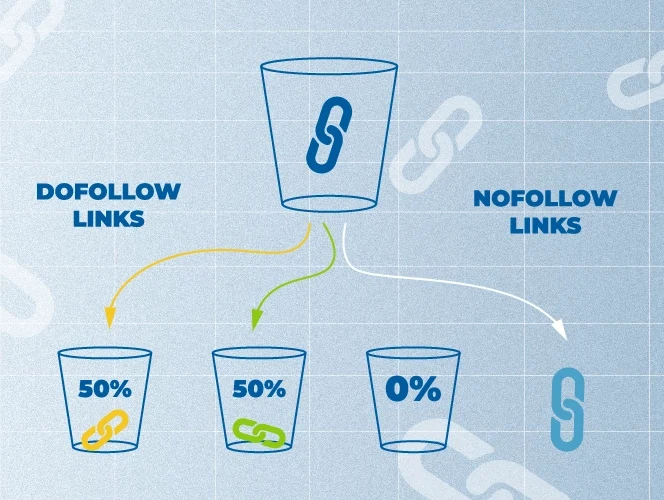
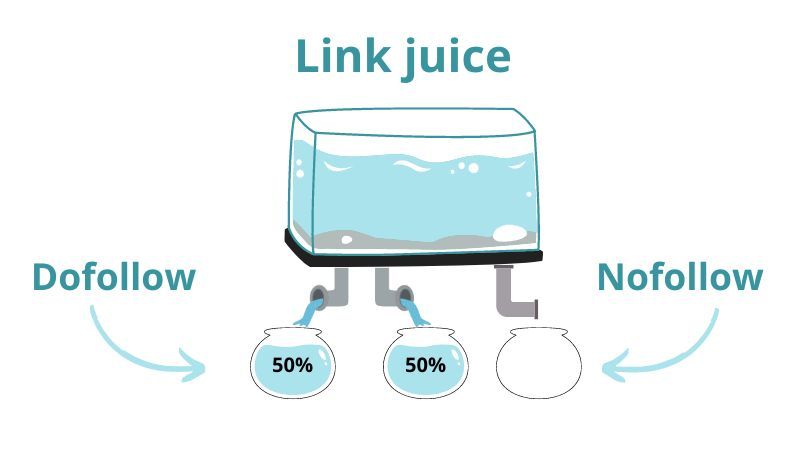
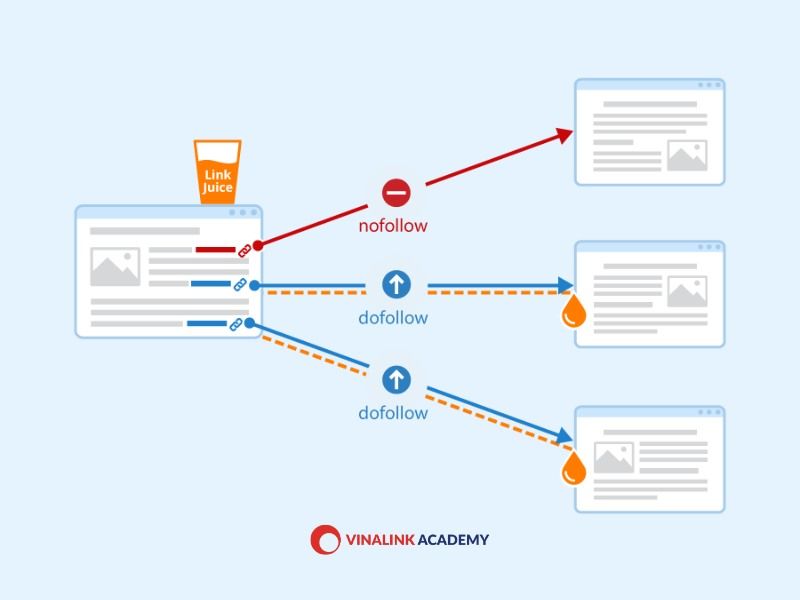
AI SEO Link Juice refers to the application of artificial intelligence and machine learning models to evaluate, predict, and enhance the transfer of ranking power (link equity) from one webpage to another. Traditional link juice relied on PageRank-style calculations where a link from a high-authority page passed more value than a link from a low-authority page. AI takes this several steps further by analyzing hundreds of contextual signals simultaneously.
Instead of treating every link as a simple vote, AI models examine the semantic relevance between the linking page and the target page, the user engagement metrics of the linking domain, the topical authority of the entire site, and even the natural language patterns surrounding the anchor text. This produces a far more accurate picture of how much real-world influence a link will pass.
The Evolution from Manual Link Analysis to AI-Driven Insights
In the early 2000s, SEO professionals manually checked backlinks using tools like Yahoo Site Explorer. They looked at metrics like PageRank and domain age. The process was slow, subjective, and often wrong. By the 2010s, tools like Ahrefs and Moz introduced calculated metrics such as Domain Authority and URL Rating. These were improvements, but they still relied on static formulas.
AI SEO Link Juice represents the next logical step. Machine learning models train on millions of search engine result pages (SERPs) and backlink datasets to identify which link attributes correlate most strongly with higher rankings. The result is a dynamic, self-improving system that adapts to algorithm updates without requiring manual recalibration.
How AI Calculates Link Juice Value
AI systems do not simply count links. They build a complex graph of the entire web and run predictive models on that graph. The core components of AI-driven link juice calculation include the following factors.
Contextual Relevance Scoring
AI evaluates the semantic relationship between the content on the linking page and the content on the target page. A link about digital marketing from a tech blog passes more juice than a link about cooking from the same blog, even if the domain authority is identical. Natural language processing (NLP) models like BERT help AI understand the meaning behind the words.
User Engagement Signals
Modern AI models incorporate user behavior data. If users click a link and stay on the target page for a long time, the AI interprets this as a positive signal and assigns higher link juice value. Conversely, if users bounce immediately, the AI reduces the predicted value of that link.
Topical Authority of the Source Domain
AI assesses whether the linking website is a recognized authority in the specific niche. A site that publishes consistently about finance will pass more link juice for a financial article than a general news site with higher overall traffic but no specific financial expertise.
Link Placement and Proximity
Where the link appears on the page matters. AI analyzes whether the link is in the main body content, the sidebar, the footer, or a comment section. Links embedded naturally within the core article text receive higher weight than links in boilerplate areas.
Anchor Text Semantic Match
AI goes beyond exact-match anchor text. It evaluates the surrounding words and the overall sentence structure. A link with anchor text “best running shoes” surrounded by relevant discussion about marathon training passes more juice than the same anchor text placed in a random paragraph about weather.
Key Benefits of Using AI for Link Juice Optimization
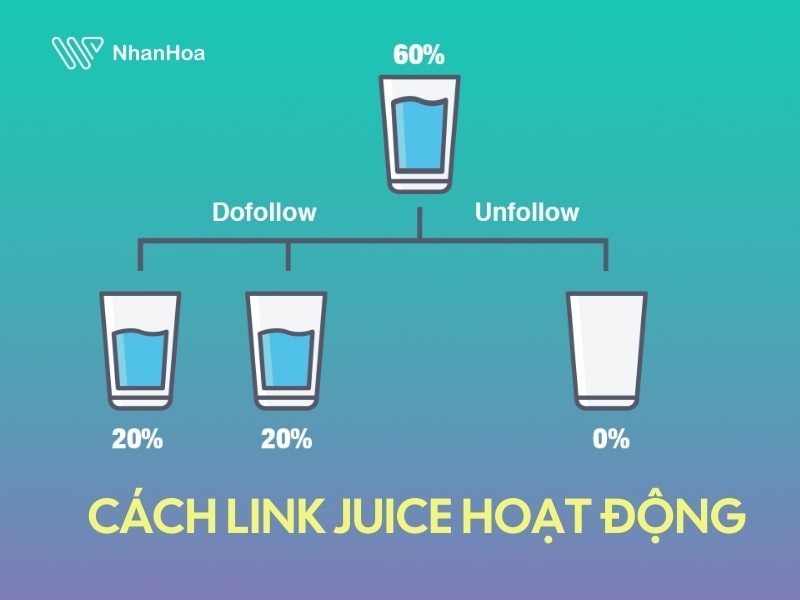
Adopting AI SEO Link Juice strategies offers several concrete advantages over traditional link building and analysis methods. These benefits directly impact your search visibility and organic traffic growth.
- Predictive Accuracy: AI models forecast the potential ranking impact of a link before you acquire it, reducing wasted effort on low-value backlinks.
- Scalability: Manual link analysis caps out at a few hundred links per day. AI processes millions of links in minutes, enabling enterprise-level SEO campaigns.
- Real-Time Adaptation: When Google updates its algorithm, AI models retrain quickly. Your link strategy adjusts automatically without waiting for industry experts to publish new guidelines.
- Competitor Gap Analysis: AI identifies which high-value links your competitors have that you lack, then prioritizes outreach targets based on predicted ROI.
- Risk Mitigation: AI detects toxic or spammy links early, preventing Google penalties before they damage your rankings.
- Content Quality Remains King: AI can optimize link flow, but it cannot make thin content rank. Invest in genuinely useful, original content that earns links naturally.
- Diversify Your Link Sources: AI models may favor certain types of links. Maintain a natural mix of editorial links, guest posts, directory listings, and social signals to avoid unnatural patterns.
- Track Brand Mentions: Unlinked brand mentions are missed link juice opportunities. Use AI monitoring tools to find mentions and request that they be converted into hyperlinks.
- Balance Short-Term and Long-Term Goals: Some AI-recommended links provide quick wins, while others build authority gradually. A balanced portfolio ensures steady growth without risking penalties.
- Document Your AI Model Decisions: Since AI is often a black box, keep detailed records of which links you acquired based on AI recommendations and their actual performance. This documentation helps you refine future strategies.
Limitations and Challenges of AI SEO Link Juice
While AI offers powerful capabilities, it is not a magic bullet. Understanding the limitations helps you set realistic expectations and avoid common pitfalls.
Data Quality Dependency
AI models are only as good as the data they train on. If your backlink data sources are incomplete or outdated, the AI predictions will be inaccurate. Regular data refreshes are essential.
Black Box Problem
Many AI systems cannot explain why they assigned a specific link juice score. This lack of transparency makes it difficult to justify SEO decisions to stakeholders or to debug unexpected ranking drops.
Over-Optimization Risk
If every SEO professional uses the same AI tools and follows the same recommendations, link patterns become homogeneous. Google’s algorithms may eventually discount these uniform patterns, reducing the effectiveness of AI-driven strategies.
AI SEO Link Juice vs. Traditional Link Equity Metrics
Understanding the differences between AI-driven analysis and traditional metrics helps you choose the right approach for your specific situation. The table below compares the key aspects.
| Aspect | Traditional Link Juice (PageRank, DA) | AI SEO Link Juice |
|---|---|---|
| Calculation Method | Static formula based on link counts and source authority | Dynamic machine learning model using hundreds of signals |
| Contextual Understanding | Limited or none | Deep semantic analysis via NLP |
| Adaptation Speed | Slow, requires manual metric recalibration | Fast, retrains with new data continuously |
| Predictive Power | Retrospective, describes past link value | Prospective, forecasts future ranking impact |
| Scalability | Limited by manual review processes | Handles massive datasets effortlessly |
| Transparency | High, formula is known | Low, model decisions are often opaque |
Practical Guide: Implementing an AI SEO Link Juice Strategy
Implementing AI SEO Link Juice requires a structured approach. Follow these steps to integrate AI into your link building and analysis workflow effectively.
Step 1: Audit Your Current Backlink Profile with AI Tools
Start by exporting your existing backlinks from Google Search Console and running them through an AI-powered analysis tool. Look for patterns in link placement, anchor text distribution, and source domain relevance. Identify links that the AI scores as high-value but that you previously ignored, and flag links that the AI considers low-value or toxic.
Step 2: Build a Predictive Link Value Model
Use historical data from your own website and competitor sites to train a simple predictive model. Input variables include source domain authority, page relevance score, link position, anchor text match, and estimated traffic. The output is a predicted ranking improvement for each potential link. Tools like Python with scikit-learn or even Google’s AutoML can handle this task.
Step 3: Prioritize Outreach Targets Based on AI Scores
Instead of chasing high domain authority blindly, rank your outreach prospects by the AI-predicted link juice value. A mid-sized blog with highly relevant content and strong engagement metrics may score higher than a large news portal with generic content. Focus your outreach efforts on the top 20% of prospects that the AI identifies.
Step 4: Optimize Internal Link Juice Flow
AI SEO Link Juice is not only about external backlinks. Use AI to map the internal link structure of your website. Identify orphan pages that receive no internal links and pages that hoard link juice without passing it on. Redistribute internal links to ensure authority flows to your money pages and new content.
Step 5: Monitor and Retrain Your Models Monthly
Search algorithms change, and your AI models must change with them. Set up a monthly workflow to export new ranking data, compare it against your model predictions, and retrain the model with the updated dataset. This continuous improvement cycle keeps your link juice strategy ahead of the curve.
Common Mistakes in AI SEO Link Juice Management
Even with advanced AI tools, SEO professionals make predictable errors. Recognizing these mistakes helps you avoid wasting time and resources.
Ignoring Contextual Relevance in Favor of Authority
Many marketers still default to the highest domain authority link they can find. AI analysis frequently shows that a relevant link from a smaller site outperforms an irrelevant link from a giant site. Trust the AI scores over your intuition about domain names.
Over-Reliance on Automated Outreach
AI can identify the best prospects, but it cannot write personalized emails that build genuine relationships. Combining AI targeting with human-crafted outreach messages produces the best results. Fully automated outreach often results in low response rates and spam complaints.
Neglecting Link Juice Loss from Redirects
When you redirect an old page to a new one, some link juice is lost. AI models can quantify this loss and suggest whether the redirect is worth it. Many site migrations lose significant ranking power because redirects are implemented without analyzing the link juice implications.
Failing to Update AI Models After Algorithm Changes
Google releases core updates several times per year. If your AI model still uses pre-update data, its predictions will be inaccurate. Schedule model retraining immediately after major algorithm announcements.
Important Notes for Long-Term Success
AI SEO Link Juice is a powerful addition to your SEO toolkit, but it works best when combined with fundamental best practices. Keep these notes in mind as you develop your strategy.
Frequently Asked Questions
What exactly is AI SEO Link Juice?
AI SEO Link Juice is the use of artificial intelligence algorithms to evaluate and predict the amount of ranking authority that a hyperlink will pass from one webpage to another. Unlike traditional metrics that rely on simple formulas, AI models analyze hundreds of contextual, behavioral, and semantic signals to produce a more accurate link value score.
How is AI SEO Link Juice different from PageRank?
PageRank was a static algorithm that counted links and weighted them by the authority of the linking page. AI SEO Link Juice goes beyond this by incorporating natural language processing to understand content relevance, user engagement metrics to measure real-world impact, and machine learning to continuously adapt to search engine updates. It is dynamic, contextual, and predictive, while PageRank was static and purely mathematical.
Can AI SEO Link Juice replace manual link building?
No. AI SEO Link Juice replaces the analysis and prioritization part of link building, but the actual acquisition of links still requires human effort. You still need to create compelling content, reach out to website owners, and build relationships. AI tells you where to focus your efforts, but it does not do the outreach for you.
What tools provide AI SEO Link Juice analysis?
Several enterprise SEO platforms have integrated AI features, including Ahrefs with its AI content and link analysis, Semrush with its Copilot feature, and specialized tools like LinkResearchTools. Additionally, custom machine learning models built with Python or Google AutoML can be trained on your specific niche data for more tailored predictions.
How often should I update my AI link juice model?
You should retrain your model at least monthly, and immediately after any major Google core update. Search behavior and algorithm weighting change frequently. A model trained on data from six months ago will likely produce outdated predictions that do not reflect current ranking factors.
Is AI SEO Link Juice safe from Google penalties?
AI SEO Link Juice itself is a neutral analytical method. However, if you use AI to identify and acquire links that violate Google’s Webmaster Guidelines, such as paid links or link schemes, you can still be penalized. Use AI to find legitimate editorial links and avoid any tactic that manipulates rankings artificially.
Conclusion
AI SEO Link Juice represents a fundamental shift in how digital marketers approach link equity. The days of manually checking domain authority and guessing at link value are ending. Machine learning models now provide accurate, scalable, and predictive insights that were impossible to achieve with traditional methods. By understanding how AI calculates link juice, implementing a structured strategy, and avoiding common mistakes, you can gain a significant competitive advantage in search rankings.
The key to success lies in combining AI-driven analysis with human judgment and genuine relationship building. Use AI to identify the highest-value opportunities, but rely on your expertise to create content worth linking to and to communicate effectively with other website owners. As search algorithms continue to evolve, the professionals who embrace AI SEO Link Juice will be the ones who maintain and grow their organic visibility in an increasingly competitive digital landscape.
Xem thêm:
- AI SEO Knowledge Graph SEO: The Complete Guide to Dominating Search in 2025
- AI SEO Python Automation: The Complete Playbook for Modern Search Optimization
- AI Content Planner: Revolutionize Your Content Strategy with Intelligent Automation
- AI SEO Fundamentals: The Complete Guide to Mastering Search in the Age of Artificial Intelligence
- AI SEO Guest Post Outreach: The Complete Guide to Scaling Link Building in 2025
Bài viết cùng chủ đề:

AI SEO SEO Automation with Make: The Complete Workflow Guide

AI SEO SEO Automation with Zapier: The Complete Workflow Guide

AI SEO SEO Automation with n8n: The Complete Workflow Guide
AI SEO SEO Automation with Gemini: The Complete Guide to Scaling Organic Growth

AI SEO SEO Automation with Claude: The Complete Guide to Scaling Content in 2025

AI SEO SEO Automation with ChatGPT: The Complete Playbook for 2025

AI SEO & SEO Automation for Affiliate Sites: The 2025 Playbook for Passive Income Growth
AI SEO & SEO Automation for Bloggers: The Complete Guide to Scaling Your Content

AI SEO & SEO Automation for Agencies: The Complete 2025 Playbook

AI SEO and SEO Automation for Ecommerce: The Complete Playbook for 2025

AI SEO & SEO Automation for WordPress: The Complete Playbook for 2025
AI SEO SEO Automation Strategy: The Complete Playbook for 2025

Mastering the AI SEO SEO Automation Process: A Complete Guide to Scaling Organic Growth
AI SEO SEO Automation System: The Complete Guide to Scaling Organic Growth in 2025
AI SEO SEO Automation Platform: The Complete Guide to Scaling Organic Growth in 2025
AI SEO SEO Automation Software: The Complete Guide to Scaling Organic Growth in 2025















