
No products in the cart.
AI SEO Local Citations: The Complete Guide to Automating Your Local Search Dominance
31
Jul
Jul
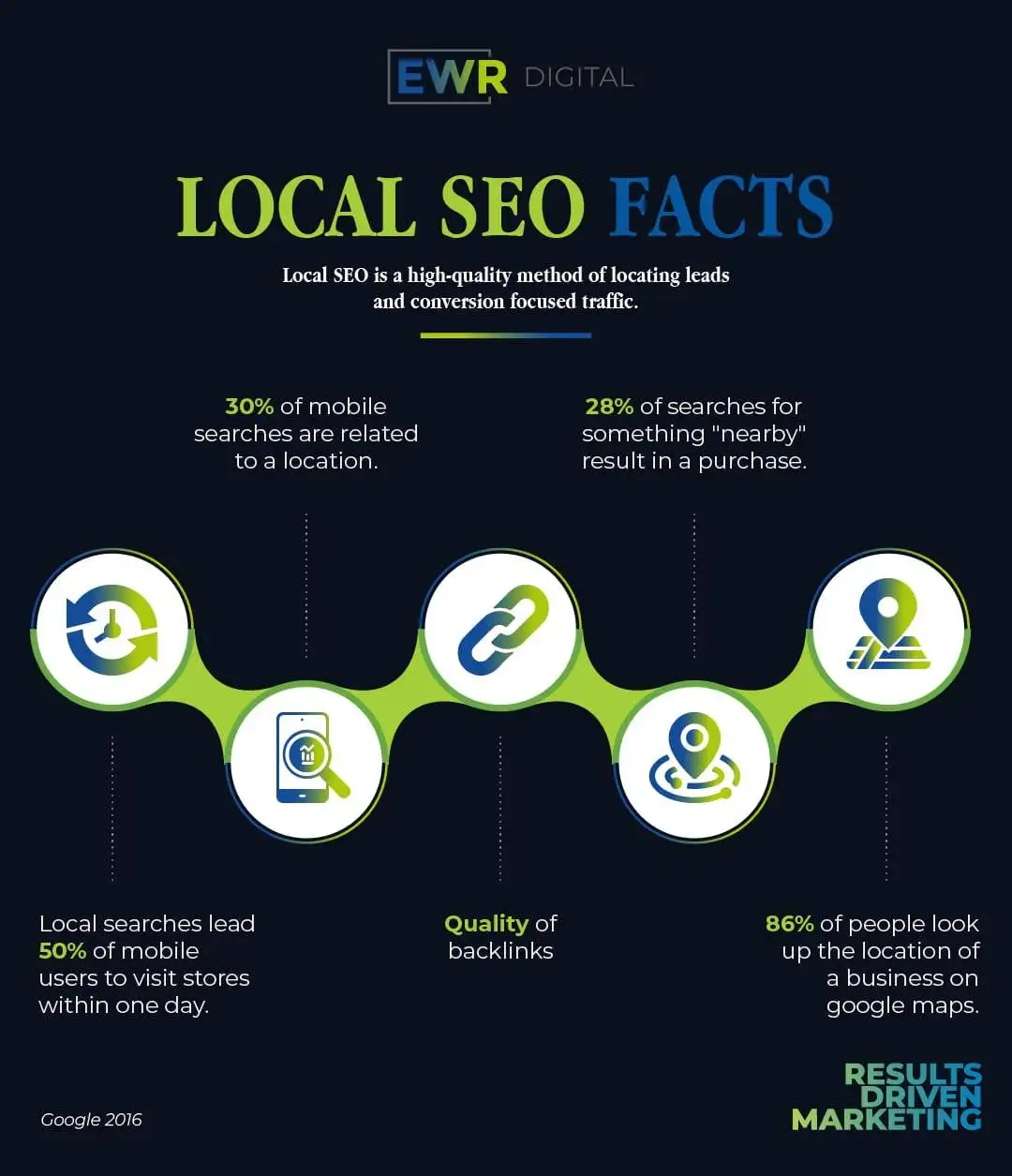
Local citations remain one of the most powerful ranking factors for businesses targeting nearby customers. But managing hundreds of listings across dozens of platforms is tedious, error-prone, and time-consuming. That is where AI SEO local citations come into play. Artificial intelligence is transforming how agencies and business owners create, manage, and optimize their local business listings. This guide covers everything from the fundamentals of citations to advanced AI-driven strategies that can push your business to the top of the map pack.
What Are AI SEO Local Citations?
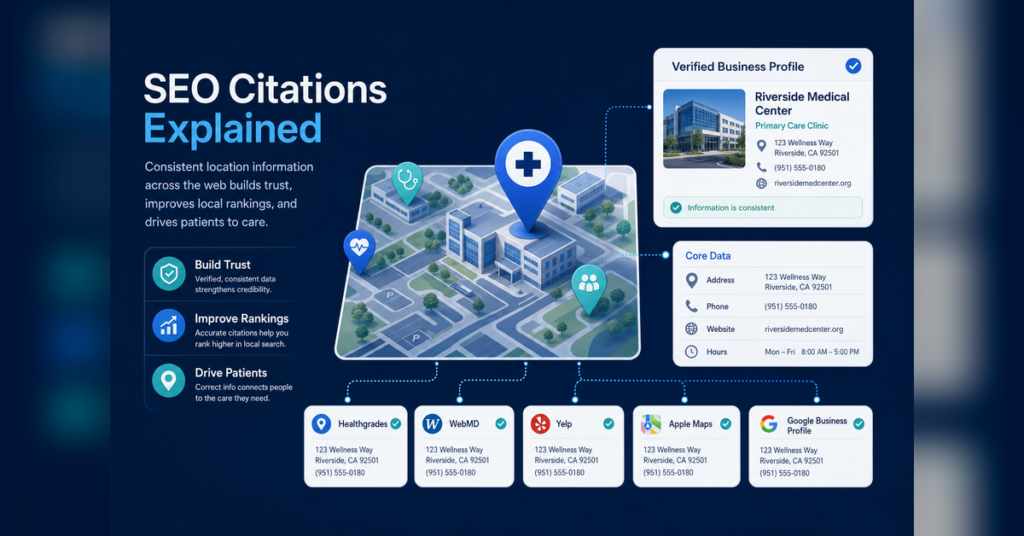
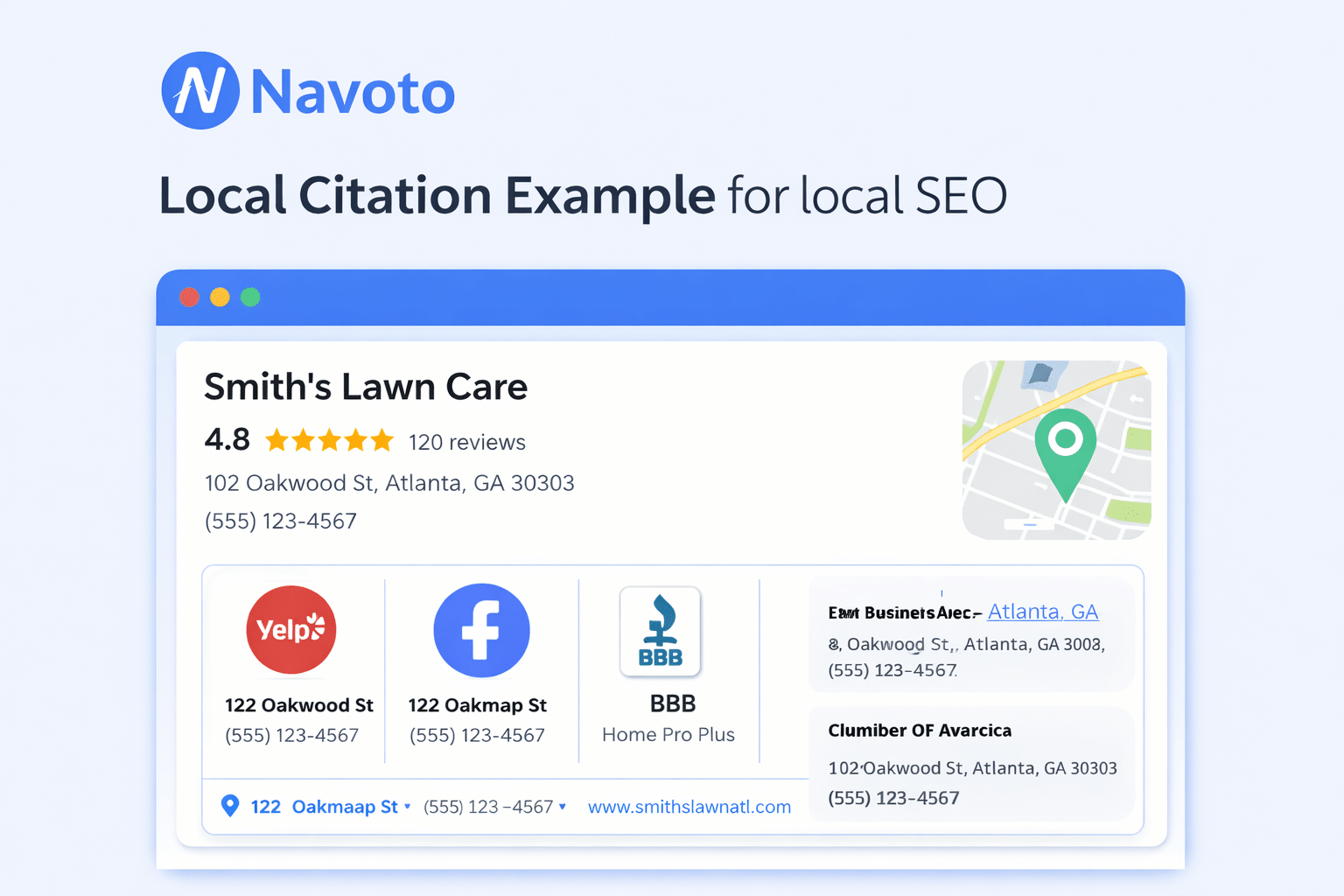
AI SEO local citations refer to the use of artificial intelligence tools and machine learning algorithms to automate, optimize, and manage the process of building and maintaining local business citations. A citation is any online mention of your business’s name, address, and phone number (NAP) on a website that is not your own domain. These mentions can appear on local directories, social platforms, review sites, and industry-specific databases.
Traditional citation building involves manually submitting your business information to platforms like Yelp, Yellow Pages, Bing Places, and hundreds of niche directories. AI-powered citation tools change this dynamic by automatically detecting inconsistencies, suggesting new citation opportunities, and even generating optimized business descriptions based on your industry and location.
The core value proposition of AI in this space is efficiency. A human can manage maybe 20 to 50 citations effectively. An AI system can monitor, update, and build thousands of citations across global platforms in a fraction of the time. This scalability is critical for multi-location businesses and SEO agencies handling dozens of clients.
Why Local Citations Still Matter in 2025
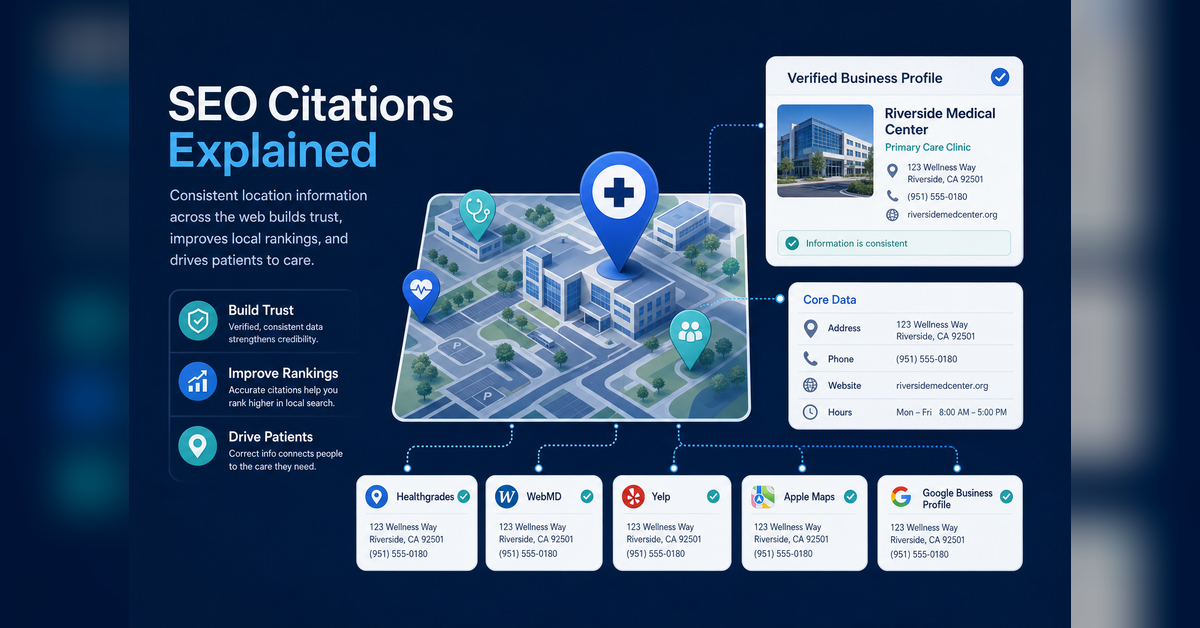
Despite the rise of AI and sophisticated search algorithms, local citations remain a foundational element of local SEO. Google’s local algorithm uses citations as a trust signal. When your business appears consistently across the web with identical NAP information, search engines infer that your business is legitimate and established.
Data from industry studies shows that businesses with consistent citations rank significantly higher in local search results than those with inconsistent or sparse listings. A study by Moz found that citation consistency is one of the top five local search ranking factors. In competitive markets, having accurate citations across 50 or more platforms can be the difference between appearing on page one and being buried on page three.
Citations also drive direct referral traffic. Platforms like Yelp, TripAdvisor, and Angi receive millions of monthly visitors actively looking for local services. A well-optimized citation on these platforms can generate leads without any additional advertising spend.
How AI Is Changing the Local Citation Landscape
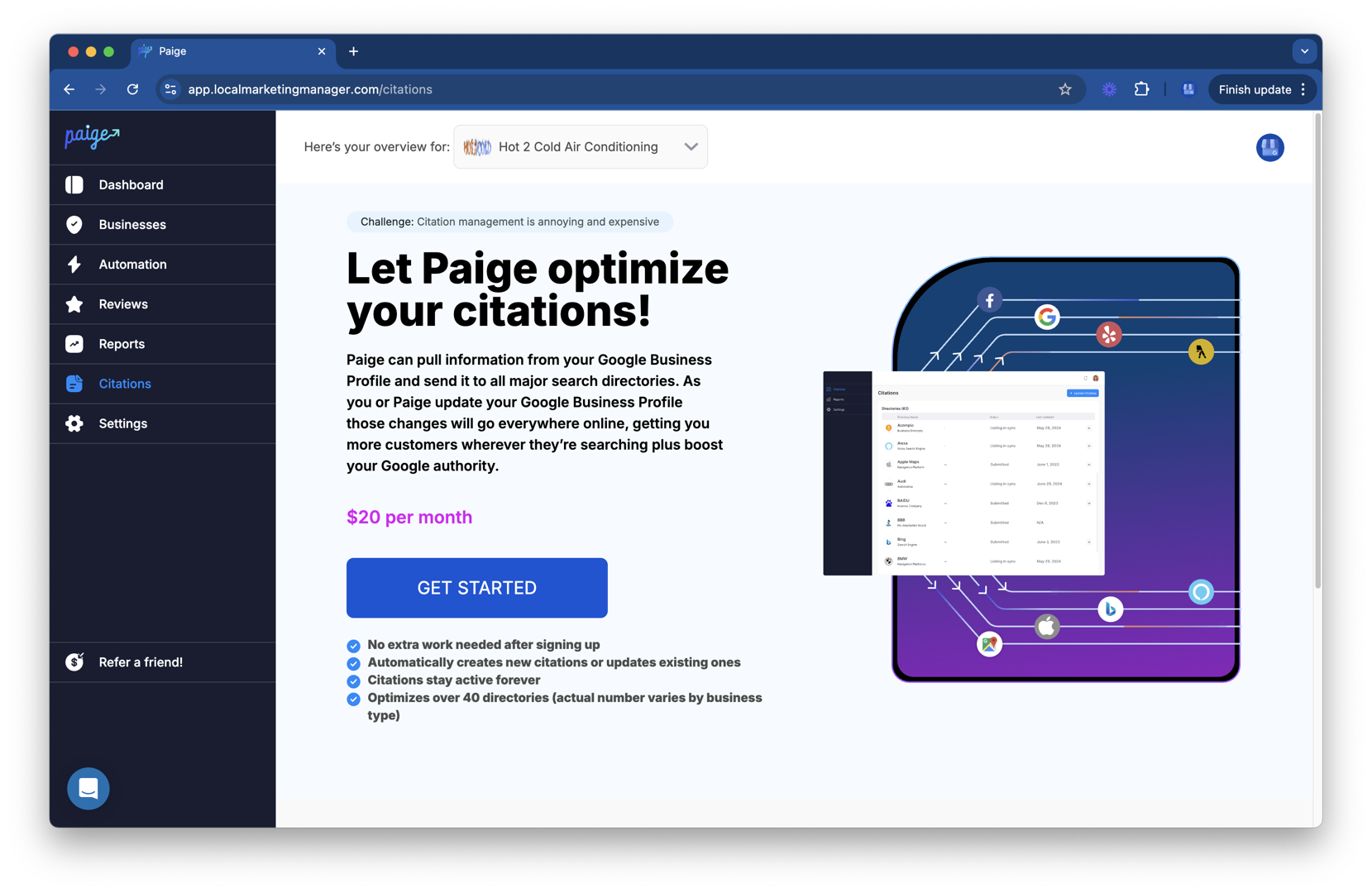
The application of AI to local citations is not just about automation. It represents a fundamental shift in how citation data is collected, verified, and maintained. Here are the primary ways AI is reshaping this SEO discipline.
Automated NAP Consistency Checking
One of the biggest challenges in local SEO is maintaining NAP consistency. A single variation like “St.” versus “Street” or “Suite 100” versus “Ste 100” can confuse search engines. AI tools continuously crawl the web, scanning for your business information across thousands of domains. When they detect a discrepancy, they flag it and often automatically correct it or alert you to the issue.
This real-time monitoring is impossible to replicate manually. A human auditor might check citations quarterly or annually. AI checks them daily, ensuring that any changes to your business hours, phone number, or address propagate across the web within hours rather than weeks.
Intelligent Citation Discovery
AI algorithms analyze your industry, location, and competitor citation profiles to identify new platforms where your business should be listed. For example, a dental practice in Chicago might be missing citations on dental-specific directories like 1-800-Dentist or Healthgrades. AI can identify these gaps and prioritize them based on domain authority and relevance.
This discovery process goes beyond simple directory lists. AI can find citations on local news sites, community blogs, chamber of commerce websites, and niche forums that a human researcher would likely miss. These contextual citations carry more weight because they appear in relevant environments.
Dynamic Content Optimization
AI tools can generate unique business descriptions for each citation platform. Instead of using the same boilerplate text everywhere, AI analyzes the audience of each platform and tailors the description accordingly. A citation on LinkedIn might emphasize your business’s professional credentials, while a citation on Yelp might focus on customer experience and service quality.
This dynamic content generation also extends to categories and attributes. AI can suggest the most relevant business categories for each platform based on your primary services and the platform’s taxonomy. This optimization improves your visibility in platform-specific searches.
Key Components of an AI-Driven Citation Strategy
Implementing AI for local citations requires a structured approach. The technology is powerful, but it works best when integrated into a comprehensive local SEO strategy. Here are the essential components.
Data Aggregation and Management
Before AI can manage your citations, you need a centralized database of your business information. This includes your legal business name, DBA names, physical address, multiple phone numbers, website URLs, hours of operation, and service areas. AI citation tools use this master data as the source of truth for all submissions and updates.
Leading platforms like BrightLocal, Whitespark, and Yext have integrated AI features that sync this data across their networks. The key is to maintain a single source of truth and let the AI handle the distribution.
Citation Audit and Cleanup
If you have been in business for a while, you likely have existing citations with errors. AI tools can perform a comprehensive audit of your current citation landscape. They identify duplicate listings, incorrect phone numbers, outdated addresses, and missing website URLs. The audit results are presented in a prioritized dashboard, showing which errors are most damaging to your local rankings.
Cleanup is often more valuable than new citation building. A single incorrect citation on a high-authority platform like Facebook can undermine all your other efforts. AI ensures that cleanup is thorough and systematic.
Competitor Gap Analysis
AI can analyze your top local competitors and identify citation opportunities they have that you lack. This competitive intelligence is crucial for closing the gap in local search visibility. If your main competitor has citations on 80 platforms and you only have 30, the A
This analysis also extends to the quality of citations. AI evaluates the domain authority of each platform, the relevance to your industry, and the potential for referral traffic. This ensures you are not wasting time on low-value directories.
Benefits of Using AI for Local Citation Management
The advantages of integrating AI into your citation workflow are substantial. Here are the most significant benefits backed by practical experience.
- Time savings: Manual citation building takes 5-10 minutes per platform. AI reduces this to seconds per platform, freeing up hours of staff time each week.
- Accuracy improvement: AI eliminates human error in data entry. Typos, transposed numbers, and inconsistent formatting become a thing of the past.
- Scalability: Managing citations for 50 locations manually is nearly impossible. AI handles unlimited locations with the same effort as one.
- Real-time monitoring: AI detects changes and errors immediately, preventing small issues from becoming ranking problems.
- Cost efficiency: While AI tools have subscription costs, they are significantly cheaper than hiring a full-time citation specialist or outsourcing to an agency.
- Better local rankings: Consistent, high-quality citations across a wide network directly correlate with improved map pack visibility.
Limitations and Challenges of AI Citations
AI is not a magic bullet. There are limitations and challenges that businesses must understand before fully relying on automation.
Platform Approval Processes
Many high-authority citation platforms require manual review before publishing a listing. Yelp, for example, has a strict approval process that can reject listings with even minor issues. AI can submit the data, but it cannot guarantee approval. Human oversight is still needed for platforms with manual review processes.
Contextual Judgment
AI is excellent at following rules but struggles with nuanced judgment. For example, deciding whether to list a business under a specific category on a niche directory might require human understanding of local market dynamics. AI might choose a technically correct but strategically suboptimal option.
Platform Policy Changes
Citation platforms frequently change their submission guidelines, API access, and data requirements. AI tools need to be updated to keep pace with these changes. If a tool lags behind, it might submit data in a format that gets rejected or flagged as spam.
AI SEO Local Citations vs. Traditional Citation Building
Understanding the differences between AI-driven and traditional approaches helps you decide where to invest your resources. The table below highlights the key distinctions.
| Aspect | Traditional Citation Building | AI SEO Local Citations |
|---|---|---|
| Speed | Slow, manual submission per platform | Fast, bulk submission across networks |
| Accuracy | Prone to human error | High accuracy with automated checks |
| Monitoring | Periodic manual audits | Continuous real-time scanning |
| Scalability | Limited to 10-20 locations | Unlimited locations |
| Cost | High labor costs | Subscription-based, lower long-term cost |
| Adaptability | Slow to respond to changes | Immediate propagation of updates |
| Competitor Insights | Manual research required | Automated gap analysis |
Traditional methods still have a place for businesses with a single location and a limited budget. However, for any business serious about local search dominance, AI-powered citation management is no longer optional.
Practical Guide: Implementing AI for Your Local Citations
This process works for both single-location businesses and multi-location enterprises.
Step 1: Centralize Your Business Data
Create a master spreadsheet or database with every piece of business information. Include variations of your business name, all phone numbers, complete address with unit numbers, website URLs, and a list of services. This master data will be fed into your AI citation tool.
Step 2: Choose the Right AI Citation Tool
Evaluate tools based on your specific needs. BrightLocal offers AI-driven citation audits and building. Whitespark specializes in citation discovery and local rank tracking. Yext provides real-time data distribution across a massive network of platforms. Consider your budget, the number of locations, and the platforms most relevant to your industry.
Step 3: Run a Comprehensive Audit
Use your chosen tool to audit your existing citations. Identify all duplicates, inconsistencies, and missing listings. Prioritize fixing errors on high-authority platforms first. Google Business Profile, Apple Maps, Facebook, and Bing Places should be your top priority.
Step 4: Build New Citations Strategically
Let the AI identify citation gaps based on your industry and competitors. Focus on quality over quantity. A citation on a niche, high-authority directory is worth more than ten citations on spammy, low-quality directories. Monitor the approval status of each submission.
Step 5: Set Up Ongoing Monitoring
Configure your AI tool to monitor your citations continuously. Set up alerts for any changes detected. If you update your business hours or move locations, update your master data and let the AI propagate the changes across all platforms automatically.
Step 6: Integrate with Your Broader Local SEO Strategy
Citations work in conjunction with on-page SEO, review management, and link building. Ensure your website has consistent NAP information in the footer and on the contact page. Encourage customers to leave reviews on your citation platforms. Use the insights from your citation data to inform your content strategy.
Common Mistakes with AI Local Citations and How to Avoid Them
Even with AI assistance, businesses make critical errors that undermine their local SEO efforts. Here are the most common mistakes and practical solutions.
Ignoring NAP Consistency Across All Platforms
AI tools can only work with the data you provide. If your master data has errors, those errors will propagate across every platform. Always double-check your master data before feeding it into any AI system. Use standardized address formats and avoid abbreviations unless they are part of your official registered name.
Building Too Many Low-Quality Citations
Some AI tools generate massive lists of directories, many of which are spammy or irrelevant. Submitting to these can hurt your credibility. Focus on platforms that are relevant to your industry and geographic area. A local chamber of commerce citation is more valuable than a generic international directory.
Neglecting Review Signals
Citations and reviews are closely linked in local search algorithms. A citation on Yelp with no reviews looks suspicious. After building citations, actively solicit reviews from satisfied customers. AI tools can help you monitor review volumes and respond to negative feedback.
Failing to Update Citations After a Move or Rebrand
When you move to a new location or change your business name, updating citations is critical. AI tools make this easy, but only if you remember to update your master data first. Set a reminder to review your business information quarterly, even if nothing has changed.
Relying Solely on Automation
AI is a tool, not a replacement for human judgment. Review the AI’s recommendations before implementing them. Some platforms require custom descriptions or have unique formatting requirements. A human touch ensures your citations look natural and professional.
Important Notes for Maximizing AI Citation Success
Several nuances can significantly impact the effectiveness of your AI citation strategy. Pay attention to these details.
First, understand that Google Business Profile is not a citation in the traditional sense, but it is the most important local listing you own. AI tools can help you optimize your GBP profile, but you should also manually review it regularly. Ensure your primary category is accurate, your service areas are defined, and your photos are up to date.
Second, track your local rankings before and after implementing AI citation management. Use tools like BrightLocal or Semrush to monitor your map pack positions for your target keywords. This data will show you the ROI of your citation efforts and help you adjust your strategy.
Third, consider the international dimension. If you serve customers across borders, AI citation tools can help you build citations on country-specific directories. However, be aware of local data privacy regulations like GDPR, which may affect how you collect and store customer data.
Fourth, integrate your citation data with your CRM and analytics platforms. Knowing which citations drive the most referral traffic allows you to double down on those platforms. AI tools can provide this attribution data automatically.
Frequently Asked Questions About AI SEO Local Citations
What is the difference between a citation and a backlink?
A citation is any online mention of your business’s name, address, and phone number, regardless of whether it includes a link to your website. A backlink is a hyperlink from another website to your site. Citations can exist without links, and they primarily serve as trust signals for local search rankings. Backlinks are more about authority and are a separate ranking factor.
How many local citations do I need for good rankings?
T The quality of the platforms matters more than the quantity. A citation on a high-authority platform like Yelp or the Better Business Bureau is worth more than ten citations on obscure directories. Focus on building a solid foundation of 20 to 30 high-quality citations first, then expand to niche platforms.
Can AI tools guarantee citation approval on platforms like Yelp?
No tool can guarantee approval. Platforms like Yelp have manual review processes and strict guidelines. AI tools can format your data correctly and submit it, but the final decision rests with the platform’s moderators. If your listing is rejected, review the platform’s guidelines, make necessary adjustments, and resubmit.
How often should I audit my local citations?
With AI-powered monitoring, you can audit your citations continuously. At a minimum, you should run a comprehensive audit quarterly. If you change your phone number, address, or business hours, run an audit immediately after the change to ensure the updates propagate correctly across all platforms.
Are AI citation tools worth the cost for a small local business?
For a single-location business with a limited budget, a basic AI citation tool can still be valuable. The cost of a tool like BrightLocal or Whitespark is often less than the cost of a few hours of manual labor. The time savings and accuracy improvements typically justify the subscription fee. Many tools offer tiered pricing, so you can start with a basic plan and upgrade as your business grows.
Conclusion
AI SEO local citations represent the evolution of a fundamental local SEO practice. The days of manually submitting your business information to hundreds of directories are over. Artificial intelligence now handles the heavy lifting, from discovering citation opportunities to monitoring consistency and generating optimized content.
The businesses that thrive in local search will be those that embrace these AI tools while maintaining human oversight. The technology is powerful, but it works best when combined with strategic judgment and a deep understanding of your local market. Start by centralizing your business data, choosing a reputable AI citation tool, and running a comprehensive audit. From there, let the AI scale your efforts while you focus on delivering excellent products and services that generate the reviews and word-of-mouth referrals that no algorithm can replace.
Local search is becoming more competitive every year. Investing in AI-driven citation management today gives you a significant advantage over competitors still stuck in manual processes. The result is higher rankings, more visibility, and ultimately more customers walking through your door.
Xem thêm:
- AI SEO Reporting Workflow: The Complete Guide to Automated Insights
- AI Blog SEO: The Complete Guide to Ranking With Machine Intelligence
- The Best AI SEO Certification for Future-Proofing Your Digital Marketing Career in 2025
- Mastering AI Search Ranking: How Artificial Intelligence is Redefining SEO Success
- AI SaaS SEO: The Ultimate Guide to Dominating Organic Growth in 2025
Bài viết cùng chủ đề:

AI SEO SEO Automation with Make: The Complete Workflow Guide

AI SEO SEO Automation with Zapier: The Complete Workflow Guide

AI SEO SEO Automation with n8n: The Complete Workflow Guide
AI SEO SEO Automation with Gemini: The Complete Guide to Scaling Organic Growth

AI SEO SEO Automation with Claude: The Complete Guide to Scaling Content in 2025

AI SEO SEO Automation with ChatGPT: The Complete Playbook for 2025

AI SEO & SEO Automation for Affiliate Sites: The 2025 Playbook for Passive Income Growth
AI SEO & SEO Automation for Bloggers: The Complete Guide to Scaling Your Content

AI SEO & SEO Automation for Agencies: The Complete 2025 Playbook

AI SEO and SEO Automation for Ecommerce: The Complete Playbook for 2025

AI SEO & SEO Automation for WordPress: The Complete Playbook for 2025
AI SEO SEO Automation Strategy: The Complete Playbook for 2025

Mastering the AI SEO SEO Automation Process: A Complete Guide to Scaling Organic Growth
AI SEO SEO Automation System: The Complete Guide to Scaling Organic Growth in 2025
AI SEO SEO Automation Platform: The Complete Guide to Scaling Organic Growth in 2025
AI SEO SEO Automation Software: The Complete Guide to Scaling Organic Growth in 2025















